
Why moving your thermostat could fix the hot spots in your Zilker home
Hot spots in your Zilker home during Austin’s brutal summer heat aren’t just annoying—they’re expensive. Your thermostat might sit in the wrong spot causing your AC to work overtime while certain rooms stay uncomfortable. Moving your thermostat to the right location can balance temperatures throughout your home and cut energy costs by up to 15%.. Read more about Will a smart thermostat really work with the older wiring in your Windsor Park home?.
Zilker’s mix of historic bungalows and newer builds each face unique cooling challenges. Many homes have thermostats placed near kitchens windows or return vents—exactly where you shouldn’t put them. These locations create false readings that trick your system into running too long or too short.. Read more about Are smart vents worth the investment for modern Mueller townhomes?.
The Golden Rules of Thermostat Placement
Before we dive into specific locations here are the fundamental principles that apply to every Austin home:
- Install on interior walls away from direct sunlight
- Position at about 5 feet from the floor for accurate readings
- Place in a central location that represents your home’s average temperature
- Keep away from heat sources like kitchens electronics and exterior walls
Following these rules prevents your thermostat from reading temperatures that don’t represent your home’s actual comfort level.
Places You Should NEVER Put Your Thermostat
Certain locations guarantee poor performance. Here’s what to avoid in your Zilker home:
| Location Type | Problem | Common in Zilker |
|---|---|---|
| Above kitchen doorway | Kitchen heat skews readings | Historic bungalows |
| Near return air vent | Cools air makes thermostat think room is colder | Newer builds |
| Exterior wall | Summer heat causes overcooling | All home types |
| Direct sunlight | Solar gain creates ghost readings | West-facing walls |
| Near electronics | Heat from devices affects accuracy | Living rooms |
| Near bathroom | Humidity affects readings | Master suites |
| Above garage | Heat from garage affects readings | Bungalows with attached garages |
The biggest mistake we see in Zilker homes is thermostats mounted above kitchen doorways. The constant heat from cooking makes your AC run longer than necessary wasting energy and creating cold spots in bedrooms.. Read more about The real reason your upstairs bedrooms in Round Rock stay five degrees warmer.
Austin-Specific Considerations for Your Thermostat
Zilker’s location near Lady Bird Lake creates unique microclimate challenges. Afternoon sun on west-facing walls can raise surface temperatures by 15-20 degrees affecting thermostat readings if placed poorly.
Humidity is another critical factor. Austin’s average relative humidity sits around 70% during summer months. Modern smart thermostats with humidity sensors need placement away from bathrooms and laundry rooms where moisture levels fluctuate dramatically. Modern HVAC Solutions for Historic Homes in Tarrytown and Old West Austin.
According to the Austin Energy Code Section 13-1 proper HVAC zoning can reduce cooling costs by up to 30% in multi-story homes. This becomes crucial in Zilker’s mix of single-story bungalows and two-story houses.
Zilker’s clay soil also creates foundation movement that can crack walls and shift thermostat mounting locations over time. Homes in the 78704 zip code built before 1980 often need wall reinforcement before thermostat relocation.
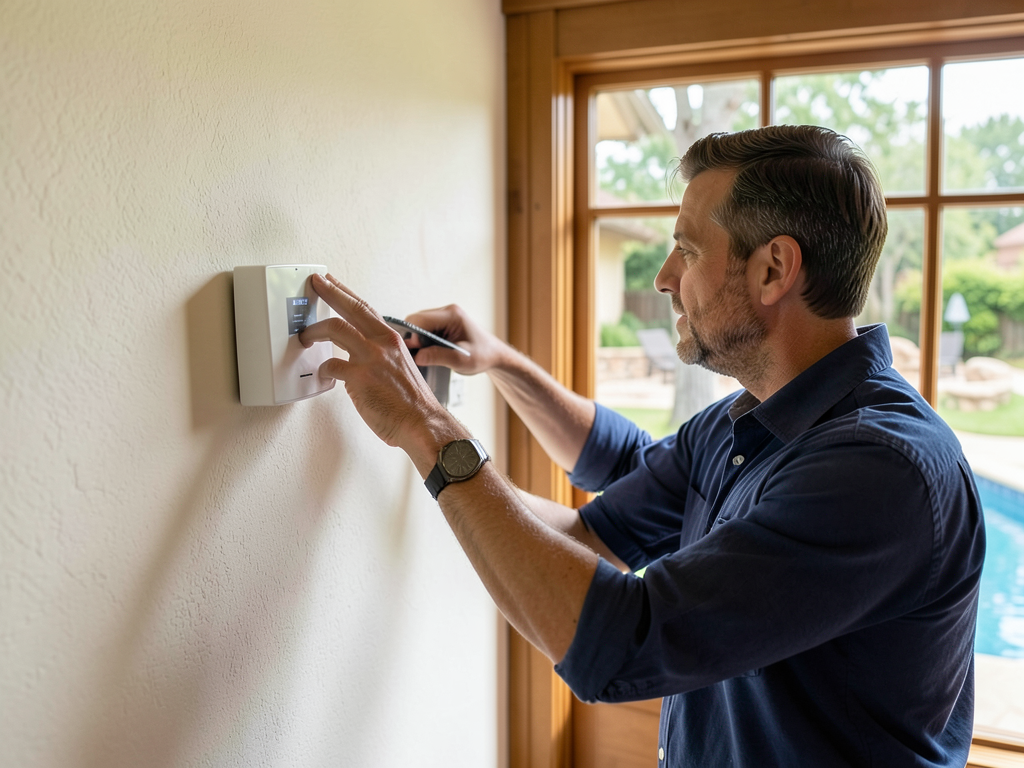
Diagram showing ideal thermostat placement zones versus problem areas in a typical Zilker home floor plan
Smart Thermostat Solutions for Multi-Story Homes
Many Zilker homes have two stories with the thermostat typically on the first floor. This creates a common problem: upstairs rooms stay hot while downstairs stays comfortable.
Smart thermostats with remote sensors solve this issue. Models like the Ecobee and Nest Learning Thermostat allow you to:
- Place sensors in upstairs bedrooms for balanced cooling
- Set different temperatures for different zones
- Monitor humidity levels in problem areas
- Track energy usage patterns specific to your home
For homes with vaulted ceilings common in Texas Hill Country-style architecture proper sensor placement becomes even more critical. Hot air rises so upstairs sensors often read 3-5 degrees warmer than downstairs thermostats.
The Professional Installation Difference
While DIY thermostat moving seems simple professional installation ensures proper wiring calibration and integration with your existing system. Here’s what our NATE-certified technicians do: Fast and Professional Furnace Repair in Georgetown During the Winter Chill.
- Site Assessment
We evaluate your home’s layout sun exposure and existing ductwork to identify optimal placement locations. Emergency Ductwork Repair.
- Electrical Preparation
We check wiring capacity and ensure proper voltage for your new thermostat model.
- Mounting and Calibration
Precise mounting at 5 feet plus system calibration to match your home’s specific needs.
- Testing and Verification
We run system tests to ensure proper operation and verify temperature readings across your home.
DIY attempts often result in exposed wires incorrect mounting height or poor location choices that don’t solve the original problem.
Energy Savings and Rebate Opportunities
Moving your thermostat isn’t just about comfort—it’s about saving money. Austin Energy offers rebates up to $50 for smart thermostat installations through their Power Partner program.
Proper placement combined with a smart thermostat can reduce your annual cooling costs by $150-300 depending on your home size and usage patterns. In Zilker’s older homes the savings can be even higher due to improved efficiency.
The EPA estimates that proper thermostat placement and programming can save homeowners 10-15% on heating and cooling costs annually. Geothermal Heating & Cooling.
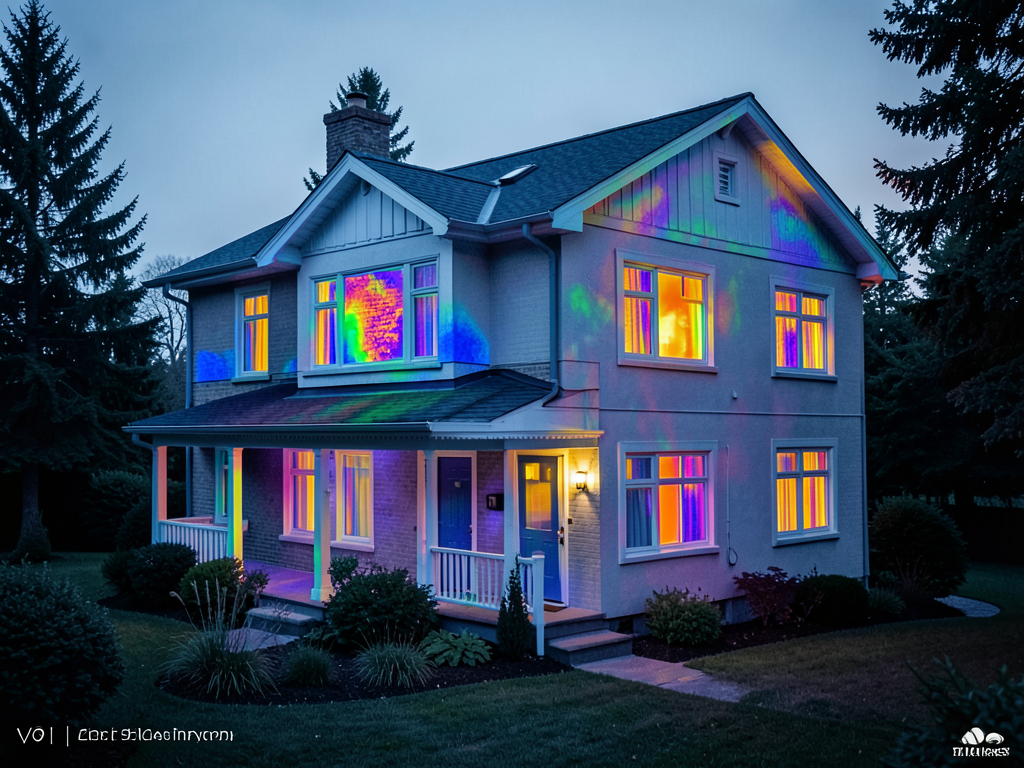
Technician using thermal imaging camera to identify temperature variations throughout a home before recommending thermostat relocation
Common Thermostat Problems We See in Zilker
After 15 years serving Austin homes we’ve identified specific issues that plague Zilker properties:
- Historic homes with plaster walls make wiring upgrades challenging
- Remodeled homes often have thermostats in odd locations from previous renovations
- Close proximity to Lady Bird Lake increases humidity-related calibration needs
- Tree coverage affects solar gain patterns throughout the day
- Foundation movement from clay soil can crack mounting surfaces
One recent Zilker customer had their thermostat in a west-facing hallway. Afternoon sun heated the wall to over 90 degrees causing the AC to run continuously from 2-6 PM. Moving it to an interior wall cut their summer electric bill by $45 monthly.
Another home near Barton Springs Pool had a thermostat mounted above a fish tank. The water’s evaporative cooling created false readings making the house feel 5 degrees warmer than the thermostat indicated.
DIY vs. Professional: When to Call the Experts
You might handle simple thermostat issues yourself but certain situations require professional help:
| DIY Appropriate | Professional Required |
|---|---|
| Battery replacement | Wiring modifications |
| Basic programming | System integration with zoning |
| Cleaning contacts | Moving to different wall |
| Changing display settings | Handling refrigerant lines |
| Replacing faceplate | Installing new wiring |
Professional installation ensures your warranty remains valid and your system operates at peak efficiency.
Preparing for Your Thermostat Assessment
Before our technician visits your Zilker home gather this information:
- Age and brand of your current HVAC system
- Any specific hot or cold spots you’ve noticed
- Your typical thermostat settings and comfort preferences
- Recent energy bills showing usage patterns
- Whether your home has had foundation work done
This data helps us recommend the most effective solution for your specific situation.
The Bottom Line on Thermostat Placement
Moving your thermostat from a poor location to an optimal one can transform your home’s comfort while reducing energy costs. In Zilker’s unique climate and housing mix professional assessment ensures you get the right solution for your specific home.
Don’t let another summer of hot spots and high bills pass by. The right thermostat placement could be the simplest fix you’ve never considered.
Frequently Asked Questions
How much does it cost to move a thermostat?
Professional thermostat relocation typically costs $150-300 depending on wiring complexity and wall modifications needed. This investment often pays for itself within one cooling season through energy savings.
Can I move my thermostat myself?
Simple replacements are possible but moving to a different wall requires electrical work proper calibration and system testing. DIY attempts risk damaging your HVAC system or creating safety hazards.
How long does professional installation take?
Most thermostat relocations take 1-2 hours. Complex jobs involving new wiring or system integration may require 3-4 hours.
Will moving my thermostat void my HVAC warranty?
Professional installation by a licensed HVAC technician won’t void your warranty. In fact improper DIY work could void coverage.
What’s the best height for a thermostat?
Mount your thermostat about 5 feet from the floor. This height provides the most accurate temperature readings for occupied spaces.
Ready to Solve Your Hot Spot Problems?
Call (737) 316-0777 today to schedule your thermostat assessment. Our NATE-certified technicians understand Zilker’s unique cooling challenges and can recommend the perfect solution for your home.
Don’t wait until the next heat wave hits. Pick up the phone and call (737) 316-0777 before your energy bills climb even higher.
Learn more about our emergency AC repair services if you’re experiencing system failures along with thermostat issues.
Consider our maintenance plans to keep your entire system running efficiently after your thermostat upgrade.
You may also find this helpful. How attic insulation affects your HVAC performance in hilly Oak Hill neighborhoods.
You may also find this helpful. The best ways to cool a garage gym for those triple-digit Austin afternoons.
You may also find this helpful. Ventilation tips for homeowners turning a spare room into a permanent home office.
You may also find this helpful. Is a solar-powered attic fan worth it for your Westgate ranch-style home?.
You may also find this helpful. What to do if your Airbnb guest complains about the AC in your downtown condo.
{
“@context”: “https://schema.org”,
“@type”: “BlogPosting”,
“headline”: “Why moving your thermostat could fix the hot spots in your Zilker home”,
“description”: “Hot spots in your Zilker home could mean your thermostat needs relocation. Learn how proper placement near Barton Springs Pool and Lady Bird Lake can cut energy costs.”,
“wordCount”: 1421,
“datePublished”: “2026-03-23T13:42:00.000Z”,
“dateModified”: “2026-03-23T13:42:00.000Z”,
“inLanguage”: “en-US”,
“mainEntityOfPage”: {
“@type”: “WebPage”,
“@id”: “https://allprohvacaustin.com”
},
“publisher”: {
“@type”: “LocalBusiness”,
“name”: “All Pro HVAC Austin”,
“url”: “https://allprohvacaustin.com”
},
“author”: {
“@type”: “Organization”,
“name”: “All Pro HVAC Austin”,
“url”: “https://allprohvacaustin.com”
},
“image”: {
“@type”: “ImageObject”,
“url”: “https://allprohvacaustin.com/wp-content/uploads/2026/03/why-moving-your-thermostat-could-fix-the-hot-spots-1.png”
}
}
{
“@context”: “https://schema.org”,
“@type”: “HVACBusiness”,
“name”: “All Pro HVAC Austin”,
“url”: “https://allprohvacaustin.com”,
“address”: {
“@type”: “PostalAddress”,
“addressLocality”: “Austin”
},
“areaServed”: {
“@type”: “City”,
“name”: “Austin”
}
}
{
“@context”: “https://schema.org”,
“@type”: “FAQPage”,
“mainEntity”: [
{
“@type”: “Question”,
“name”: “How much does it cost to move a thermostat?”,
“acceptedAnswer”: {
“@type”: “Answer”,
“text”: “Professional thermostat relocation typically costs $150-300 depending on wiring complexity and wall modifications needed. This investment often pays for itself within one cooling season through energy savings.”
}
},
{
“@type”: “Question”,
“name”: “Can I move my thermostat myself?”,
“acceptedAnswer”: {
“@type”: “Answer”,
“text”: “Simple replacements are possible but moving to a different wall requires electrical work proper calibration and system testing. DIY attempts risk damaging your HVAC system or creating safety hazards.”
}
},
{
“@type”: “Question”,
“name”: “How long does professional installation take?”,
“acceptedAnswer”: {
“@type”: “Answer”,
“text”: “Most thermostat relocations take 1-2 hours. Complex jobs involving new wiring or system integration may require 3-4 hours.”
}
},
{
“@type”: “Question”,
“name”: “Will moving my thermostat void my HVAC warranty?”,
“acceptedAnswer”: {
“@type”: “Answer”,
“text”: “Professional installation by a licensed HVAC technician won’t void your warranty. In fact improper DIY work could void coverage.”
}
},
{
“@type”: “Question”,
“name”: “What’s the best height for a thermostat?”,
“acceptedAnswer”: {
“@type”: “Answer”,
“text”: “Mount your thermostat about 5 feet from the floor. This height provides the most accurate temperature readings for occupied spaces.”
}
},
{
“@type”: “Question”,
“name”: “Ready to Solve Your Hot Spot Problems?”,
“acceptedAnswer”: {
“@type”: “Answer”,
“text”: “Call (737) 316-0777 today to schedule your thermostat assessment. Our NATE-certified technicians understand Zilker’s unique cooling challenges and can recommend the perfect solution for your home.”
}
}
]
}
{
“@context”: “https://schema.org”,
“@type”: “HowTo”,
“name”: “Professional Thermostat Installation Process”,
“step”: [
{
“@type”: “HowToStep”,
“position”: 1,
“name”: “Site Assessment”,
“text”: “We evaluate your home’s layout sun exposure and existing ductwork to identify optimal placement locations. Emergency Ductwork Repair.”
},
{
“@type”: “HowToStep”,
“position”: 2,
“name”: “Electrical Preparation”,
“text”: “We check wiring capacity and ensure proper voltage for your new thermostat model.”
},
{
“@type”: “HowToStep”,
“position”: 3,
“name”: “Mounting and Calibration”,
“text”: “Precise mounting at 5 feet plus system calibration to match your home’s specific needs.”
},
{
“@type”: “HowToStep”,
“position”: 4,
“name”: “Testing and Verification”,
“text”: “We run system tests to ensure proper operation and verify temperature readings across your home.”
}
],
“image”: “https://allprohvacaustin.com/wp-content/uploads/2026/03/why-moving-your-thermostat-could-fix-the-hot-spots-1.png”
}
{
“@context”: “https://schema.org”,
“@type”: “BreadcrumbList”,
“itemListElement”: [
{
“@type”: “ListItem”,
“position”: 1,
“name”: “Home”,
“item”: “https://allprohvacaustin.com”
},
{
“@type”: “ListItem”,
“position”: 2,
“name”: “Blog”,
“item”: “https://allprohvacaustin.com/blog”
},
{
“@type”: “ListItem”,
“position”: 3,
“name”: “Why moving your thermostat could fix the hot spots in your Zilker home”
}
]
}
{
“@context”: “https://schema.org”,
“@type”: “Service”,
“serviceType”: “HVAC”,
“provider”: {
“@type”: “LocalBusiness”,
“name”: “All Pro HVAC Austin”,
“url”: “https://allprohvacaustin.com”
},
“areaServed”: {
“@type”: “City”,
“name”: “Austin”
},
“description”: “Hot spots in your Zilker home could mean your thermostat needs relocation. Learn how proper placement near Barton Springs Pool and Lady Bird Lake can cut energy costs.”
}