Menu

Energy Saving Tips for Summer in Austin – Cut Your Cooling Bills Without Sacrificing Comfort

Discover practical energy saving tips for summer designed specifically for Austin's brutal heat. Learn how to reduce air conditioning bills, optimize your HVAC system, and stay cool without watching your utility costs skyrocket.

Slider Image 1
Slider Image 2
Slider Image 3
Slider Image 4
Slider Image 5
Slider Image 7
Slider Image 8
Slider Image 9
Slider Image 10
Slider Image 11

Why Austin Summers Are Expensive and How to Fight Back

Austin's summer heat is relentless. When temperatures push past 100 degrees for weeks at a time, your air conditioner runs nearly nonstop. The Texas sun beats down on rooftops, turning attics into ovens that radiate heat into your living space. Your AC struggles to keep up, cycling constantly, burning electricity, and driving your monthly bills through the roof.

The clay soil under Austin homes expands and contracts with temperature swings, creating gaps in ductwork that leak expensive conditioned air into crawlspaces. Add in the limestone rock that makes up much of the area, and you have foundations that radiate stored heat long after sunset. Your HVAC system fights a losing battle against geography itself.

Most Austin homeowners see their summer utility costs double or triple compared to spring months. You are paying for inefficiencies you cannot see. Leaking ducts, dirty filters, and refrigerant levels that drift out of spec all compound the problem. The truth is that ways to lower cooling costs start with understanding what is actually driving your bills up.

Summer energy efficiency ideas are not about enduring discomfort. They are about making your existing system work smarter. Reducing air conditioning bills means addressing the root causes of inefficiency, not just cranking the thermostat to 80 and sweating it out. How to save electricity in summer comes down to eliminating waste, optimizing airflow, and making strategic improvements that pay for themselves in months.

Lowering summer utility costs in Austin requires a localized approach. Generic advice from northern states does not apply here. You need strategies built for triple-digit heat, intense UV exposure, and air conditioners that run 12 hours a day.

Why Austin Summers Are Expensive and How to Fight Back
The Smart Approach to Cutting Cooling Costs

The Smart Approach to Cutting Cooling Costs

Reducing your summer energy bills starts with an honest assessment of your HVAC system's current performance. You need to know your baseline. Check your SEER rating. Systems below 14 SEER waste electricity compared to modern 16 to 18 SEER units. If your condenser is over 12 years old, you are burning money every time it cycles on.

Air filter replacement is the simplest way to improve efficiency. A clogged filter restricts airflow, forcing your blower motor to work harder and your evaporator coil to freeze up. Change your filter every 30 days during summer months. Use MERV 8 to MERV 11 filters for the best balance of filtration and airflow. Higher MERV ratings can choke airflow in residential systems not designed for them.

Duct leakage is the silent killer of efficiency. Austin homes with vented attics see duct temperatures reach 140 degrees in summer. If your supply ducts leak even 15 percent, you are cooling your attic instead of your living room. Sealing duct joints with mastic and insulating exposed ductwork with R-8 wrap can cut your runtime by 20 percent.

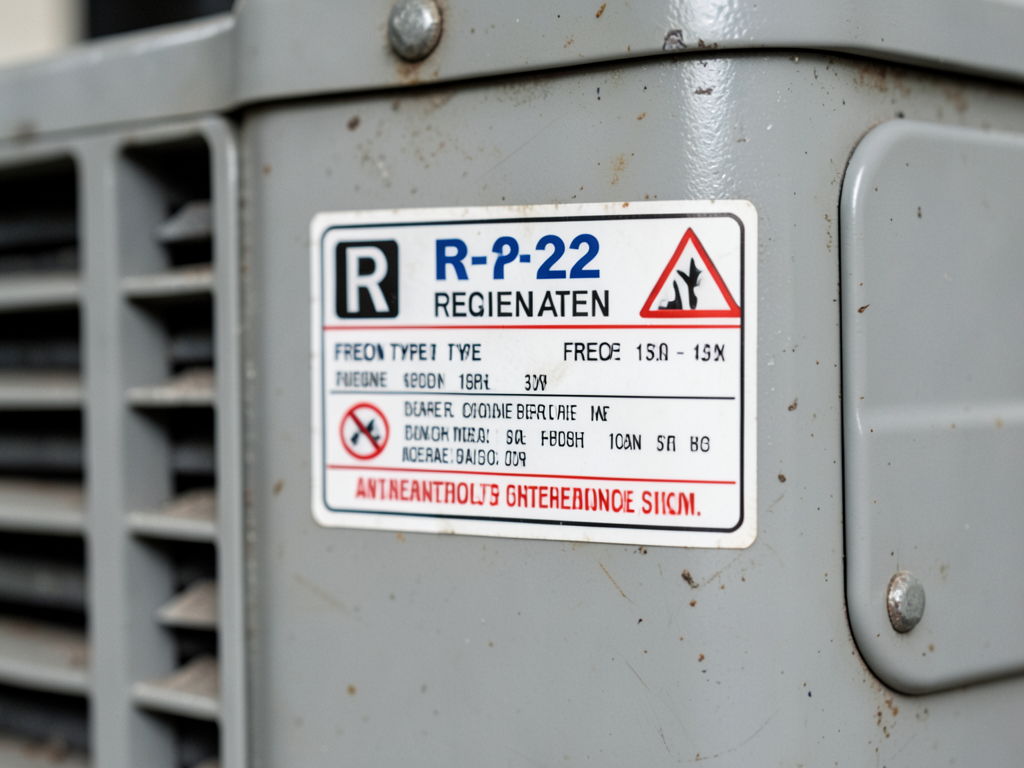
Refrigerant charge must be exact. Low refrigerant reduces your system's ability to absorb heat, making it run longer to achieve the same temperature drop. Overcharged systems reduce efficiency and strain the compressor. You cannot check this yourself. You need manifold gauges, superheat calculations, and subcooling measurements. This is where All Pro HVAC Austin steps in.

Thermostat programming is underutilized. Set your system to 78 degrees when you are home and 82 degrees when you are away. Every degree above 72 saves you 3 to 5 percent on cooling costs. Use a programmable or smart thermostat that adjusts automatically. Manual adjustments get forgotten. Automation saves money without requiring daily discipline.

Your Summer Efficiency Action Plan

Energy Saving Tips for Summer in Austin – Cut Your Cooling Bills Without Sacrificing Comfort
01

System Performance Audit

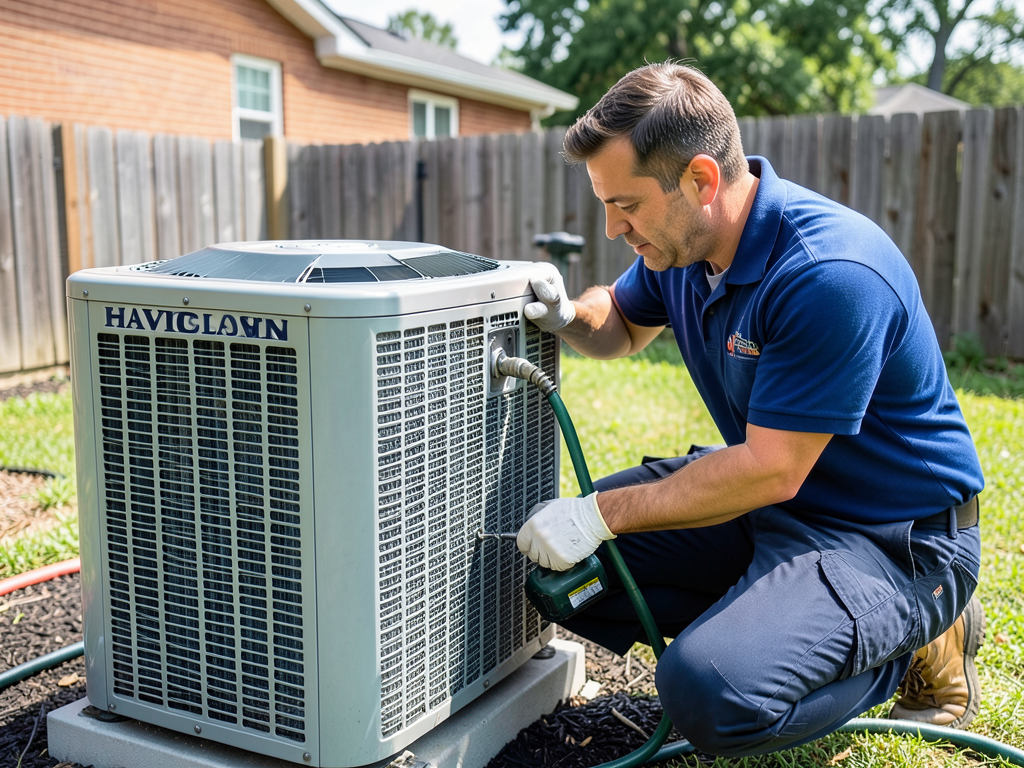
Start by evaluating your current HVAC performance. Check your recent utility bills to establish a baseline. Walk through your home and note hot spots, rooms that never cool properly, and vents with weak airflow. Inspect your outdoor condenser for debris, bent fins, or signs of refrigerant leakage. These observations help you identify where energy is being wasted and what improvements will deliver the biggest impact on your monthly bills.
02

Implement Quick Wins

Replace your air filter immediately if it has been more than 30 days. Clear vegetation and debris from around your outdoor condenser to restore proper airflow. Close blinds and curtains on south and west-facing windows during peak sun hours to reduce solar heat gain. Set your thermostat to 78 degrees and use ceiling fans to improve comfort without lowering the temperature. These changes cost almost nothing but reduce runtime and lower bills within the first billing cycle.
03

Schedule Professional Optimization

Have a certified HVAC technician inspect your system for refrigerant charge, duct leakage, and airflow balance. A professional tune-up includes cleaning the evaporator coil, checking electrical connections, and verifying your system is running at manufacturer specifications. Duct sealing, insulation upgrades, and smart thermostat installation require professional-grade equipment and expertise. This final step locks in long-term efficiency and prevents expensive breakdowns during the hottest weeks of summer.

Why All Pro HVAC Austin Knows How to Save You Money

Generic energy advice does not work in Austin. You need technicians who understand how this city's climate, soil, and building stock impact HVAC performance. All Pro HVAC Austin has spent years diagnosing efficiency problems in homes from Hyde Park to South Congress, from Zilker to Mueller. We know how limestone foundations radiate heat, how vented attics create thermal nightmares, and how undersized return ducts strangle airflow in older homes.

Austin's building codes and energy standards have changed significantly over the past two decades. Homes built before 2000 have different duct layouts, insulation levels, and equipment sizing compared to modern construction. We tailor our recommendations to your home's specific challenges, not a one-size-fits-all checklist copied from a national website.

We use calibrated instruments to measure what matters: airflow in cubic feet per minute, refrigerant superheat and subcooling, static pressure across the filter, and temperature differentials at each register. You get data-driven answers, not guesses. If your system is underperforming, we explain why in terms you can understand and show you the exact fix that will restore efficiency.

Our technicians carry thermal imaging cameras to identify hidden duct leaks, insulation voids, and air infiltration points that waste energy. We can show you in real time where your conditioned air is escaping and what it costs you every month. This level of diagnostic precision is what separates professional service from basic maintenance.

We also understand the economics. You want to know the payback period on any upgrade. We provide transparent cost-benefit analysis so you can make informed decisions. Some improvements pay for themselves in one summer. Others make sense only if you plan to stay in your home for five years. We give you the information to choose wisely.

What You Can Expect When You Prioritize Efficiency

Immediate Bill Reduction

Most homeowners see a 15 to 25 percent reduction in their cooling costs within the first month after implementing basic efficiency improvements. Filter changes, thermostat adjustments, and clearing condenser airflow deliver fast results. More comprehensive work like duct sealing and coil cleaning can push savings to 30 percent or more. You will notice the difference when your next bill arrives. The system runs less frequently, maintains temperature more easily, and uses less electricity to achieve the same comfort level.

Improved Comfort and Airflow

Energy efficiency and comfort go together. When your system runs efficiently, it cools more evenly. Hot spots disappear. Humidity drops to comfortable levels. Rooms that used to stay stuffy finally get adequate airflow. You stop fighting with family members over the thermostat because every room reaches the set temperature consistently. Better airflow also improves indoor air quality by cycling out stale air and reducing allergen buildup. You breathe easier, sleep better, and stop sweating through Austin's brutal afternoon heat.

Extended Equipment Lifespan

An efficiently running HVAC system lasts longer. When your air conditioner does not have to work as hard, the compressor endures less stress, the blower motor runs fewer hours, and components experience less wear. Systems that run constantly because of poor efficiency burn out capacitors, fail earlier, and require expensive emergency repairs. By optimizing your system now, you delay the need for a full replacement by years. The money you save on utilities also builds a fund for eventual replacement, so you are never caught off guard.

Ongoing Maintenance Support

Efficiency is not a one-time fix. It requires ongoing attention. All Pro HVAC Austin offers maintenance plans that include biannual tune-ups, priority scheduling, and discounted repairs. We track your system's performance over time, catch small problems before they become expensive failures, and adjust your setup as your home and needs change. Regular maintenance keeps your system running at peak efficiency year after year. You avoid the boom-and-bust cycle of neglecting your HVAC until it breaks down in the middle of July when replacement costs are highest.

Frequently Asked Questions

You Have Questions,
We Have Answers

How can we save energy in summer? +

Start by adjusting your thermostat to 78 degrees when home and higher when away. Austin's brutal summer heat makes your AC work overtime, so use ceiling fans to circulate cool air and reduce strain. Replace your air filter monthly during peak cooling season to maintain airflow. Close blinds during the hottest part of the day to block direct sun. Schedule a professional tune-up before summer hits to ensure your system runs efficiently. Seal gaps around windows and doors to prevent cool air from escaping. These simple changes cut energy waste and lower your bills.

What are the 5 P's of energy conservation? +

The 5 P's of energy conservation are Prepare, Prioritize, Perform, Participate, and Preserve. Prepare by assessing your home's energy use patterns. Prioritize improvements that offer the biggest impact, like AC maintenance or insulation upgrades. Perform regular tasks such as changing filters and sealing leaks. Participate in utility rebate programs or time-of-use rate plans available through Austin Energy. Preserve your results by maintaining equipment and monitoring usage. This framework helps Austin homeowners systematically reduce consumption while managing the high cooling costs that come with Central Texas summers.

Does keeping the AC at 72 save money? +

Keeping your AC at 72 degrees does not save money in Austin's climate. That temperature forces your system to run constantly during summer when outdoor temps hit 95-plus degrees. Every degree above 72 saves roughly 3-5% on cooling costs. Set your thermostat to 78 when home and 85 when away for real savings. Austin's extreme heat and humidity create a large temperature differential that makes lower settings incredibly expensive. Use programmable thermostats to automate adjustments. Your comfort matters, but 72 degrees means higher bills and increased wear on your equipment.

What runs your electric bill up the most? +

Your air conditioning drives electric bills higher than anything else during Austin summers, accounting for up to 50% of residential energy use. Central Texas heat forces AC units to run 12-16 hours daily from June through September. Water heaters rank second, followed by refrigerators and washing machines. Pool pumps add significant costs if you run them during peak hours. Older HVAC systems work harder and consume more power. Austin Energy's time-of-use rates mean running high-draw appliances during afternoon peak hours costs substantially more than evening or overnight use.

What is the 3 minute rule for AC? +

The 3-minute rule for AC means waiting at least three minutes before restarting your system after shutting it off. This pause allows refrigerant pressure to equalize throughout the compressor, preventing damage to the unit. Austin homeowners who frequently adjust thermostats or experience power outages during summer storms need to follow this rule. Short-cycling your AC by turning it on and off rapidly causes compressor failure and expensive repairs. Modern thermostats often have built-in delay features. If your system trips a breaker immediately after restarting, you likely violated this rule and stressed the compressor.

What are 10 ways to save energy? +

Set your thermostat to 78 degrees. Use ceiling fans to circulate air. Replace AC filters monthly. Seal gaps around doors and windows. Close blinds during peak sun hours. Run major appliances at night when rates drop. Switch to LED bulbs throughout your home. Unplug devices not in use. Schedule annual AC maintenance before summer. Install a programmable thermostat to automate temperature changes. These steps directly address Austin's cooling challenges and help manage the high summer bills that come with our extreme heat and extended cooling season.

What are 10 examples of conservation of energy? +

Conservation of energy examples include upgrading to Energy Star appliances, insulating attics to reduce heat transfer, sealing ductwork to prevent cooled air loss, installing solar screens on south-facing windows, using programmable thermostats, switching to LED lighting, running dishwashers only when full, air-drying clothes instead of using dryers, maintaining AC systems regularly, and planting shade trees on the west side of your home. In Austin, focusing on cooling-related conservation delivers the biggest impact because air conditioning dominates summer energy use. Small behavioral changes combined with equipment upgrades create meaningful reductions in consumption.

What are 5 ways to save electricity? +

Adjust your thermostat up during summer to reduce AC runtime. Replace incandescent bulbs with LEDs that produce less heat. Unplug chargers and electronics when not actively in use. Run your dishwasher and laundry during off-peak evening hours when Austin Energy rates drop. Clean your AC coils and change filters to maintain efficiency. These five actions directly target the biggest energy drains in Austin homes. Your AC works hardest here, so any improvement to cooling efficiency multiplies your savings. Simple maintenance and timing shifts deliver immediate results without requiring major investments.

What appliances use the most energy? +

Air conditioning systems use the most energy in Austin homes, especially during our 100-degree summer days. Water heaters rank second, constantly maintaining temperature regardless of season. Refrigerators run continuously and add up over time. Clothes dryers consume significant power during each cycle. Pool pumps can rival AC costs if run during peak daytime hours. Older appliances in any category use substantially more energy than modern Energy Star models. In Central Texas, your cooling system dominates consumption from May through October, making AC efficiency your top priority for reducing overall energy use.

What is the $5000 AC rule? +

The $5000 AC rule states that if your repair cost multiplied by your system's age exceeds $5000, you should replace rather than repair. For example, a $500 repair on a 12-year-old unit equals $6000, suggesting replacement makes more financial sense. Austin's extreme heat shortens AC lifespan compared to milder climates, so this calculation matters here. However, this rule oversimplifies complex decisions. Consider efficiency gains, refrigerant type, and whether your current system fits your home's cooling load. A professional evaluation accounts for factors this simple formula misses.

How Austin's Climate and Infrastructure Make Summer Efficiency Critical

Austin averages over 100 days per year above 90 degrees, with July and August regularly hitting 105 degrees. The relentless sun and low humidity mean your air conditioner battles extreme temperature differentials every single day. Homes in Travis County often sit on expansive clay soil that shifts with moisture changes, creating gaps in ductwork and foundation penetrations that leak conditioned air. Older neighborhoods like Tarrytown and Clarksville have mature tree canopies that help, but many newer developments in Pflugerville and Round Rock have zero shade, turning rooftops into radiant heat sources. Energy saving tips for summer in Austin must account for these conditions. Generic advice fails because it does not address the intensity and duration of the heat you face here.

Austin Energy offers rebates for high-efficiency HVAC upgrades and smart thermostat installations, but navigating the application process and ensuring your equipment qualifies requires local expertise. All Pro HVAC Austin knows which systems meet rebate criteria and how to document the installation properly so you get every dollar you are entitled to. We also understand Austin's building codes and permitting requirements, ensuring any ductwork modifications or equipment upgrades meet city standards. Working with a local provider means you get advice tailored to Austin's utility rate structure, peak demand charges, and seasonal pricing. We help you time upgrades to maximize savings and minimize out-of-pocket costs.
HVAC Services in The Austin Area

We are proud to serve the entire area, providing exceptional HVAC services to both residential and commercial clients. Our service area is extensive, ensuring that no matter where you are located, you can count on us for reliable and prompt service. We invite you to view our location on the map and see how conveniently positioned we are to meet all of your heating and cooling needs. We are just a call away.

Address:
All Pro HVAC Austin, 313 E 12th St, Austin, TX, 78701

Additional Services We Offer

Our news updates

Latest Articles & News from The Blogs

Flexible financing options for Austin families needing a new HVAC system today\n\nReplacing your HVAC system in Austin does not have…

Flexible financing options for Austin families needing a new HVAC system today

Flexible financing options for Austin families needing a new HVAC system today\n\nReplacing your HVAC system in Austin does not have…

Finding a certified Trane repair specialist for your Great Hills home

Finding a certified Trane repair specialist for your Great Hills home When your Trane air conditioner stops working in Great…

Why getting a second opinion on your AC compressor replacement could save you thousands

Why getting a second opinion on your AC compressor replacement could save you thousands If your HVAC technician just told…

Contact Us

Stop overpaying for comfort. Call All Pro HVAC Austin at (737) 316-0777 to schedule an efficiency assessment. We will identify where your system is wasting energy and show you exactly how to fix it. Lower bills start with one phone call.