Menu

Outdoor Unit Not Spinning in Austin – Fast Diagnosis and Expert Repair When Your AC Fan Stops

When your outdoor AC unit refuses to spin in Austin's heat, you need accurate troubleshooting and immediate repair. All Pro HVAC Austin pinpoints the exact cause of outdoor unit not spinning issues and restores cooling fast.

Slider Image 1
Slider Image 2
Slider Image 3
Slider Image 4
Slider Image 5
Slider Image 7
Slider Image 8
Slider Image 9
Slider Image 10
Slider Image 11

Why Your Outdoor AC Fan Stopped Working in Austin

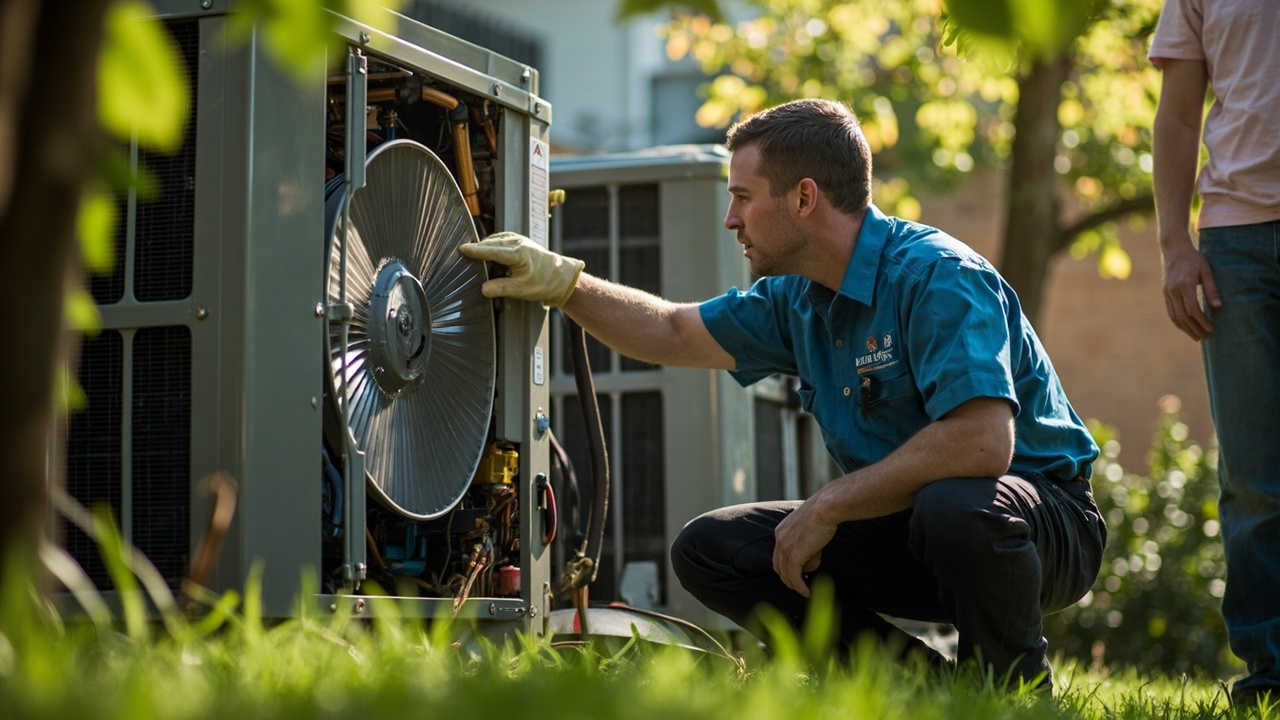
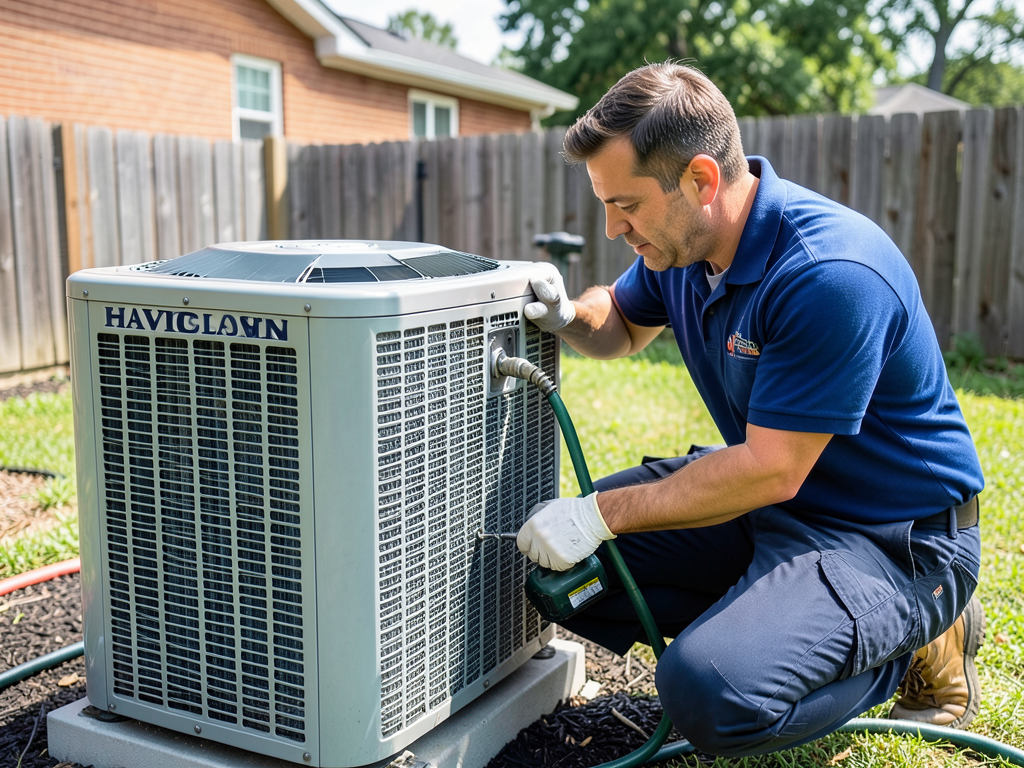
You walk outside to check your air conditioner, and the outdoor unit fan is completely still. The compressor might be running, but the condenser fan not spinning means your system cannot reject heat. Within hours, your Austin home becomes unbearable.

Austin's extreme summer heat places constant demand on your AC system. When temperatures hit 105 degrees, your outdoor unit runs nearly nonstop. The condenser fan motor works harder here than in cooler climates, and the relentless heat accelerates wear on electrical components. Capacitors fail. Motors burn out. Contractor coils stick.

The outside AC fan not turning creates a cascade of problems. Your compressor overheats because it cannot dissipate thermal energy. Refrigerant pressures spike. The system trips on high-pressure safety limits. If you ignore an air conditioner outdoor fan not running, you risk compressor failure, which costs thousands to replace.

Common causes include a failed start capacitor, a seized fan motor bearing, a tripped breaker, or a burned contactor. Sometimes debris blocks the fan blade. Other times, the motor itself fails from thermal overload. Austin's caliche dust and cedar pollen also clog outdoor units, forcing the motor to work harder until it quits.

When your AC condenser fan not working, the diagnosis must be exact. Replacing the wrong part wastes money and leaves you without cooling. The outdoor unit fan stopped for a specific electrical or mechanical reason, and only proper testing reveals the root cause.

Why Your Outdoor AC Fan Stopped Working in Austin
How We Diagnose and Fix Your Non-Spinning Condenser Fan

How We Diagnose and Fix Your Non-Spinning Condenser Fan

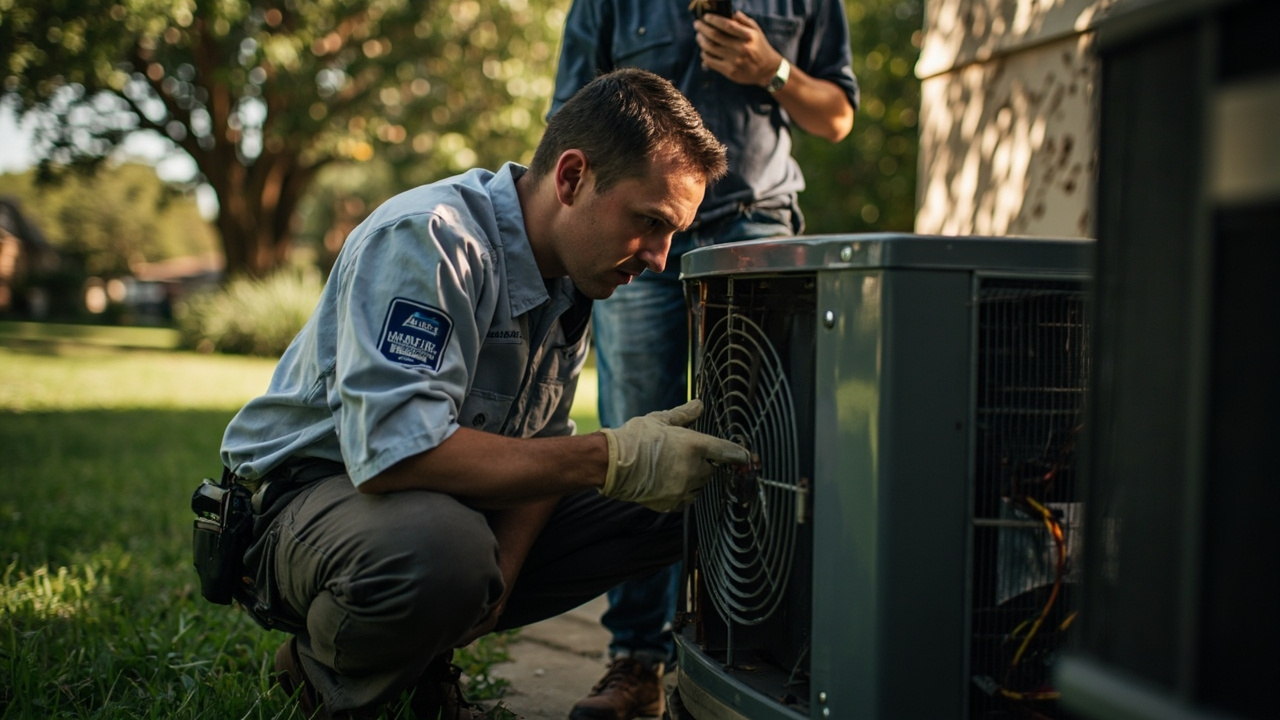
All Pro HVAC Austin does not guess. We test every component in the outdoor unit's electrical circuit to isolate the failure point. Our technicians arrive with digital multimeters, capacitor testers, and amp clamps. We verify voltage at the contactor, test capacitance on the start and run capacitors, and measure motor resistance.

First, we confirm power reaches the outdoor unit. A tripped breaker or blown fuse stops everything. Next, we test the contactor. This electromagnetic relay sends voltage to the compressor and fan motor. Burned contacts or a failed coil prevent the fan from receiving power.

If the contactor works, we move to the capacitor. The start capacitor provides the initial voltage surge to spin the motor. A weak or dead capacitor means the motor hums but does not turn. We test microfarad values against the motor's nameplate specs. If the capacitor reads out of range, we replace it immediately.

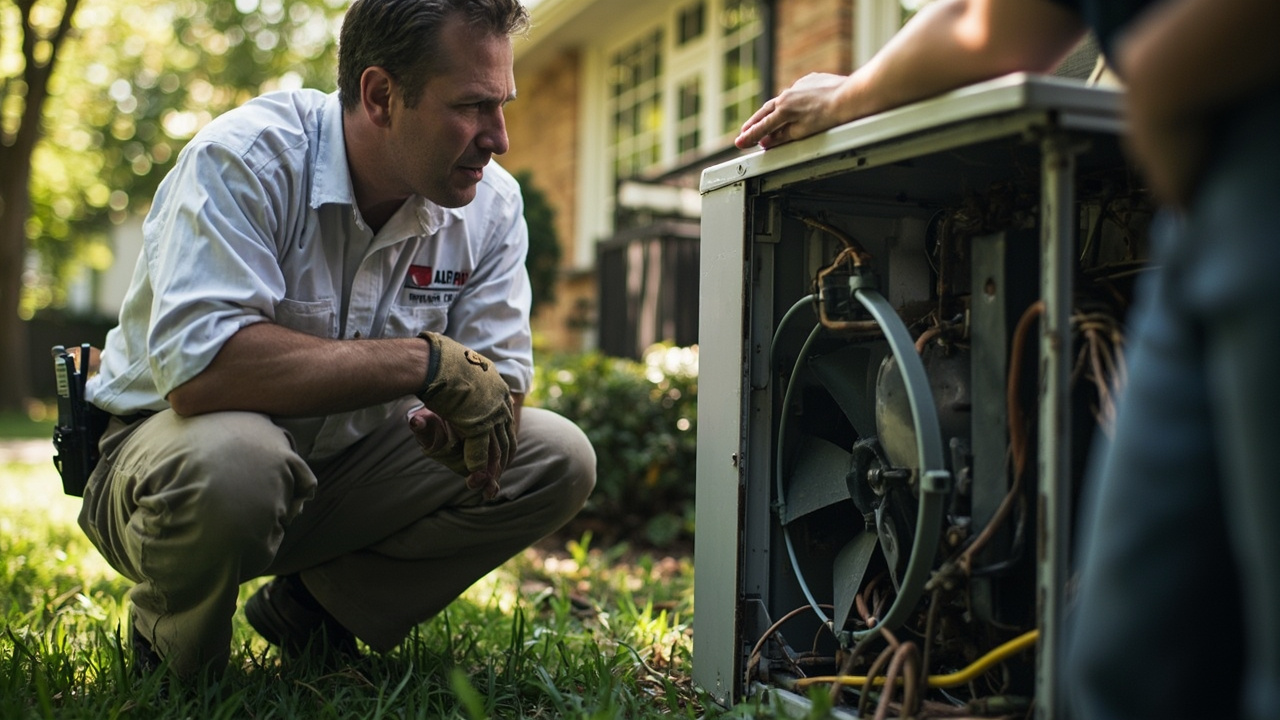
When the capacitor tests good, the motor itself is the problem. Bearings seize from dust intrusion or lack of lubrication. Windings short out from thermal stress. We hand-spin the blade to check for binding. If the motor shaft does not turn freely, the motor needs replacement.

We also inspect the fan blade for cracks or imbalance. A damaged blade creates vibration that destroys the motor over time. Austin's high winds occasionally bend blades, especially on older units.

Once we identify the failed component, we install the correct OEM or high-quality aftermarket part. We test the system under full load, verify proper amperage draw, and confirm the fan spins at the correct RPM. You get cooling back the same day.

What Happens When You Call for a Non-Spinning Outdoor Fan

Outdoor Unit Not Spinning in Austin – Fast Diagnosis and Expert Repair When Your AC Fan Stops
01

Immediate Dispatch and Arrival

When you call All Pro HVAC Austin about your outdoor unit not spinning, we prioritize your service request. Austin summers do not allow delays. Our dispatcher confirms your address, logs your symptoms, and sends a technician equipped with common repair parts like capacitors, contactors, and motors. Most outdoor fan failures require parts we already stock on our trucks.
02

Complete Electrical and Mechanical Testing

Our technician performs a full diagnostic sequence on your outdoor unit. We test voltage at the disconnect, measure capacitor microfarads, check contactor continuity, and assess motor winding resistance. We inspect the fan blade for damage and the motor shaft for binding. This methodical approach eliminates guesswork and identifies the exact failure. You know what failed and why before we start the repair.
03

Repair, Testing, and Verification

After we replace the failed component, we power up the system and monitor operation. We verify the fan spins smoothly, check amp draw to confirm the motor operates within specs, and measure temperature drop across the evaporator coil. You watch your outdoor unit run properly before we leave. We clean up any packaging, answer your questions, and provide maintenance recommendations to prevent future failures.

Why Austin Homeowners Trust All Pro HVAC for Outdoor Unit Repairs

Austin's HVAC demands are different. Your air conditioner runs longer and works harder than systems in milder climates. You need a technician who understands how heat stress, voltage fluctuations, and environmental factors affect outdoor unit performance. All Pro HVAC Austin specializes in diagnosing and repairing condenser fan failures specific to central Texas conditions.

We know the common failure modes for outdoor units in this region. Capacitors fail more frequently here because of sustained high ambient temperatures. Fan motors accumulate caliche dust and pollen, which clogs bearings and reduces airflow. Contactors pit from the constant cycling required to maintain 72 degrees indoors when it is 108 degrees outside.

Our technicians carry a complete inventory of replacement parts sized for residential and light commercial systems. We stock 35-5 and 45-5 dual-run capacitors, single-phase condenser fan motors in multiple horsepower ratings, and contactor relays rated for the amperage your system draws. This means we complete most repairs in one visit.

We also understand Austin's electrical grid. Voltage sags during peak demand hours stress motor windings and capacitors. We check incoming voltage and recommend surge protection when needed. If your outdoor unit stopped because of a power quality issue, we explain the problem and offer solutions that prevent repeat failures.

All Pro HVAC Austin provides transparent pricing before we start work. You approve the repair cost after diagnosis. We do not upsell unnecessary components. If your fan motor failed, we replace the motor. If the capacitor caused the problem, we replace the capacitor. You pay for the fix, not for parts you do not need.

What to Expect When We Service Your Non-Spinning Outdoor Unit

Same-Day Service Availability

We respond quickly to outdoor unit failures because we know Austin heat does not wait. Most service calls receive same-day or next-day appointments. Our technicians work extended hours during summer months to handle the surge in cooling emergencies. When you call about your condenser fan not spinning, we prioritize your repair. You get a two-hour arrival window, and our technician calls 30 minutes before arrival. We respect your time and understand the urgency of restoring cooling in 100-degree weather.

Thorough Diagnostic Testing Before Repair

All Pro HVAC Austin performs a complete system evaluation before replacing any parts. We test voltage, capacitance, resistance, and amperage to identify the failed component. This diagnostic approach saves you money. Replacing a bad capacitor costs far less than replacing a motor that still works. Our technicians explain the test results in plain language. You see the failed part, understand why it quit, and approve the repair cost before we proceed. No surprises, no upselling, no unnecessary replacements.

Reliable Repairs with Quality Parts

We install high-quality replacement parts designed to handle Austin's climate demands. Our capacitors meet or exceed OEM voltage and temperature ratings. Fan motors feature sealed bearings that resist dust intrusion. Contactors use silver-cadmium contacts rated for the electrical load your system draws. After installation, we test the outdoor unit under full load to confirm proper operation. You watch the fan spin and feel the cold air before we close the service ticket. Your system runs correctly, and you have confidence in the repair quality.

Maintenance Recommendations to Prevent Future Failures

After we fix your outdoor unit fan, we provide guidance on preventing repeat failures. We recommend cleaning the condenser coil every spring to remove pollen and dust buildup. We check refrigerant charge if your system shows signs of low pressure. We inspect electrical connections for corrosion or looseness. Regular maintenance extends the life of your outdoor unit and reduces the risk of mid-summer breakdowns. We offer seasonal tune-up plans that include capacitor testing, motor lubrication, and coil cleaning. Proper upkeep prevents most outdoor fan failures before they happen.

Frequently Asked Questions

You Have Questions,
We Have Answers

Why is my outside AC unit not spinning? +

Your outside AC unit fan stops spinning when power fails to reach the motor. Common causes include a tripped breaker, blown capacitor, or failed contactor. In Austin's intense summer heat, capacitors wear out faster due to constant cycling. A stuck fan blade from debris or a seized motor bearing also prevents rotation. Check your breaker panel first. If the breaker is fine, the capacitor or motor likely failed. These are electrical components that require professional diagnosis. Do not attempt to spin the blade manually while power is on. This creates a shock hazard and can damage the system further.

What is the problem if the fan is not spinning? +

A non-spinning fan means your compressor runs without proper airflow across the condenser coils. This causes refrigerant pressure to climb dangerously high. Your system will overheat and shut down on the high-pressure safety switch. The main culprits are a bad capacitor, which provides the electrical jolt to start the motor, or a burned-out fan motor. In Austin's clay soil, settling foundations can also pinch refrigerant lines, causing back pressure that stresses the fan motor. Without the fan moving air, your AC cannot reject heat outdoors. This strains the compressor and risks costly damage.

Should I turn off my AC if the fan isn't spinning? +

Yes. Turn off your AC immediately at the thermostat and breaker. Running the system with a dead fan overheats the compressor, which can cause permanent internal damage. Austin summer temperatures already push compressors hard. Without airflow, the compressor operates in extreme conditions and will fail prematurely. The high-pressure safety switch should trip, but relying on it risks a breakdown. Shut down the system and call a technician the same day. Continued operation voids some warranties and turns a minor repair into a full compressor replacement. Protect your investment by shutting down until a professional inspects the fan motor and capacitor.

Why is my AC unit humming but not spinning? +

A humming sound without fan rotation signals an electrical issue. The contactor is energizing the motor, but the motor cannot start. This points to a failed start capacitor, which stores the electrical charge needed to kick the motor into motion. You hear the motor trying to engage but lacking the power surge to overcome inertia. In Austin's high summer demand, capacitors age quickly from constant heat exposure. A seized motor bearing also hums without turning. Do not let the system hum for long. The motor draws high amperage while stalled, which generates heat and burns out windings.

How much does it cost to fix a AC fan not spinning? +

Repair costs depend on the failed component. A capacitor replacement runs between modest and moderate pricing, while a full fan motor replacement costs more due to labor and parts. Diagnostic fees apply if the issue is misidentified. In Austin, same-day emergency service during peak cooling season adds urgency fees. Compressor damage from prolonged operation without a fan multiplies costs significantly. Get a written estimate before authorizing work. Costs vary by system age, brand, and accessibility of the outdoor unit. Preventive maintenance catches capacitor wear early, avoiding emergency pricing. Always verify the technician tests both the capacitor and motor before replacing parts.

How do you reset your outside AC unit? +

Turn off the system at the thermostat. Go to your breaker panel and flip the dedicated AC breaker to the off position. Wait a full five minutes to allow the capacitor to discharge and internal pressures to equalize. Flip the breaker back on and restore power at the thermostat. This resets the control board and can clear minor electrical glitches. In Austin's humid climate, moisture infiltration sometimes causes control board hiccups. If the fan still does not spin after a reset, the problem is mechanical or electrical component failure. A reset does not fix a bad capacitor or burned motor.

How do I know if my fan motor is blown? +

A blown fan motor shows specific symptoms. You hear humming without rotation, smell burning insulation, or see no response when power is applied. Use a multimeter to test for continuity across the motor windings. Infinite resistance or a reading of zero indicates winding failure. Spin the blade by hand with power off. A seized bearing resists movement or grinds. In Austin, dust and cottonwood seed buildup accelerates bearing wear. Visual inspection may reveal scorched wiring or a melted capacitor nearby. A motor that trips the breaker immediately has shorted windings. Professional diagnosis prevents misdiagnosis and wasted money on the wrong part.

How to get a fan to spin again? +

Do not attempt to restart a stuck fan yourself while power is connected. This creates electrocution risk and can damage internal components. After confirming power is off at the breaker, clear debris from around the blade. Gently rotate the blade by hand to check for obstructions or bearing seizure. If the blade spins freely, the issue is electrical, not mechanical. Restore power and test. If the fan still does not spin, the capacitor or motor failed. In Austin's high pollen environment, regular coil cleaning prevents debris buildup that stresses the motor. Call a technician for electrical diagnosis and component replacement.

Can you spray WD-40 in a fan motor? +

No. WD-40 is a penetrating solvent, not a lubricant for electric motors. Modern condenser fan motors are permanently sealed and require no lubrication. Spraying WD-40 into the motor housing attracts dust, degrades insulation, and causes electrical shorts. Older motors with oil ports accept specific motor oil, not WD-40. In Austin's dusty conditions, adding WD-40 creates a gummy residue that traps contaminants and accelerates bearing failure. If the motor is noisy or seized, replacement is the correct fix. Using WD-40 voids warranties and creates fire hazards. Leave motor service to trained technicians with proper tools and replacement parts.

What is the $5000 rule for AC? +

The $5000 rule is an informal guideline for repair decisions on aging equipment. Multiply the repair cost by the system age in years. If the total exceeds $5000, replacement is often smarter than repair. For example, a $600 repair on a 10-year-old system equals $6000, suggesting replacement. In Austin's climate, AC systems work harder and wear faster than in moderate climates. A 12-year-old system with a major compressor failure often justifies replacement over repair. This rule helps homeowners weigh repair costs against remaining system lifespan. Always get a second opinion and compare total cost of ownership before deciding.

How Austin's Heat and Dust Accelerate Outdoor Unit Failures

Austin's outdoor AC units face conditions most other cities never experience. When ambient temperatures stay above 95 degrees for weeks at a time, your condenser fan motor runs almost continuously. The thermal load cooks electrical components. Capacitors degrade faster in sustained heat. Motor windings break down from constant thermal cycling. Add caliche dust, cedar pollen, and limestone particulates that blow across the Hill Country, and your outdoor unit's fan motor fights contamination every day. This environmental stress explains why outdoor unit fan failures spike in Austin during July and August.

All Pro HVAC Austin understands these regional challenges because we service hundreds of outdoor units across Travis County every summer. We see the same failure patterns in Hyde Park, Barton Hills, and East Austin. Capacitors fail at higher rates here than in cooler climates. Fan motors accumulate debris that binds bearings. Our technicians stock parts sized for Austin's demands and know how to diagnose problems specific to central Texas conditions. When your outdoor unit stops spinning, you need a local expert who recognizes the cause immediately and carries the right fix.
HVAC Services in The Austin Area

We are proud to serve the entire area, providing exceptional HVAC services to both residential and commercial clients. Our service area is extensive, ensuring that no matter where you are located, you can count on us for reliable and prompt service. We invite you to view our location on the map and see how conveniently positioned we are to meet all of your heating and cooling needs. We are just a call away.

Address:
All Pro HVAC Austin, 313 E 12th St, Austin, TX, 78701

Additional Services We Offer

Our news updates

Latest Articles & News from The Blogs

How to Spot Hidden Hail Damage on Your AC Unit After an Austin Storm Central Texas hailstorms can wreak havoc…

How to Spot Hidden Hail Damage on Your AC Unit After an Austin Storm

How to Spot Hidden Hail Damage on Your AC Unit After an Austin Storm Central Texas hailstorms can wreak havoc…

Troubleshooting airflow issues in two story homes near Walnut Creek

Why Your Two-Story Home Near Walnut Creek Has Airflow Problems Living in a two-story home near Walnut Creek offers beautiful…

Why your Anderson Mill home might need a 5 inch media filter upgrade

Why your Anderson Mill home might need a 5 inch media filter upgrade Your Anderson Mill home deserves better air…

Contact Us

Your AC cannot cool without a working outdoor fan. Call All Pro HVAC Austin now at (737) 316-0777 for fast diagnosis and same-day repair. We fix outdoor unit fan failures right the first time.