Menu

AC Repair Services in Austin | Same-Day Diagnostics and Expert Repairs When Your System Fails

Get fast, accurate air conditioning repair from technicians who understand Austin's extreme heat cycles and the unique demands they place on residential and commercial cooling systems across Travis County.

Slider Image 1
Slider Image 2
Slider Image 3
Slider Image 4
Slider Image 5
Slider Image 7
Slider Image 8
Slider Image 9
Slider Image 10
Slider Image 11

Why Austin's Climate Makes AC Repair More Complex Than You Think

Austin's relentless summer heat and humidity create a brutal operating environment for air conditioners. When temperatures hit 105 degrees and stay there for weeks, your system runs nearly nonstop. This continuous operation puts extreme stress on compressors, fan motors, and refrigerant lines.

The local climate creates specific failure patterns you will not see in milder regions. Cedar pollen clogs condenser coils in spring. Thermal expansion from rapid temperature swings cracks evaporator housings. The combination of heat and humidity accelerates capacitor failure, the single most common cause of central air repair calls in Travis County.

You face another challenge unique to this area. Austin's mix of older homes in neighborhoods like Hyde Park and Travis Heights and newer construction in Pflugerville and Cedar Park means wildly different HVAC systems and ductwork designs. A window unit struggling in a 1920s bungalow requires different diagnostic skills than a zoned system failing in a 2015 build.

When your air conditioner stops working during an August heat wave, you need HVAC repair expertise that accounts for these local factors. Generic troubleshooting fails because it ignores how Austin's specific environmental conditions accelerate wear patterns and create failure modes you will not find in manufacturer manuals.

The difference between a quick fix and a proper air conditioning repair often comes down to understanding how this climate destroys equipment. Technicians who learned their trade in moderate climates miss the warning signs that matter here.

Why Austin's Climate Makes AC Repair More Complex Than You Think
How Professional AC Service Solves Problems Other Companies Miss

How Professional AC Service Solves Problems Other Companies Miss

Effective HVAC repair starts with differential diagnosis, not parts replacement. When you call for air conditioner repair, the technician should test static pressure across the blower, measure superheat and subcooling at the evaporator coil, and check amp draw on the compressor under load. These data points reveal whether you have a refrigerant leak, a failing compressor, or a restriction in the metering device.

Most service calls that result in expensive component replacement actually stem from secondary failures that cheaper companies ignore. A capacitor burns out because the compressor is struggling against high head pressure. That high pressure exists because the condenser coil is packed with cottonwood seeds and construction dust. Replace the capacitor without cleaning the coil and you will need another AC service call in three weeks.

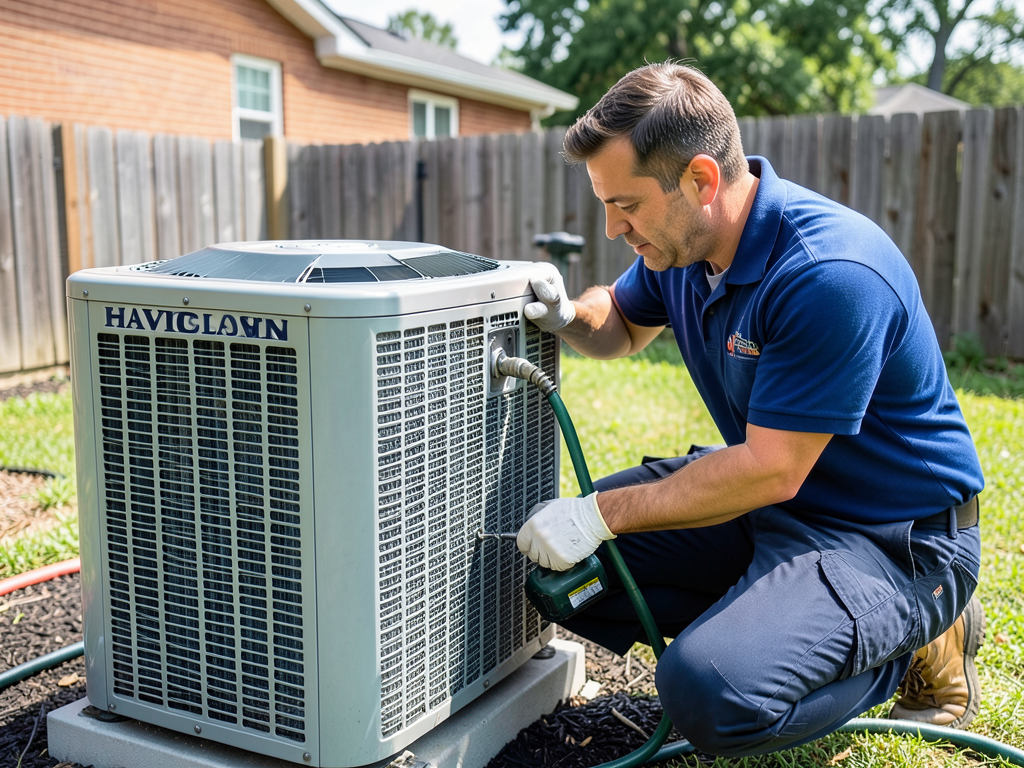
All Pro HVAC Austin approaches central air repair by isolating the root cause before recommending repairs. Technicians use manifold gauges to verify actual refrigerant pressures against manufacturer specifications for current outdoor temperature. They inspect electrical connections with thermal imaging to catch loose terminals before they arc and destroy contactors. They measure airflow at registers to confirm ductwork is not creating back pressure that kills blower motors.

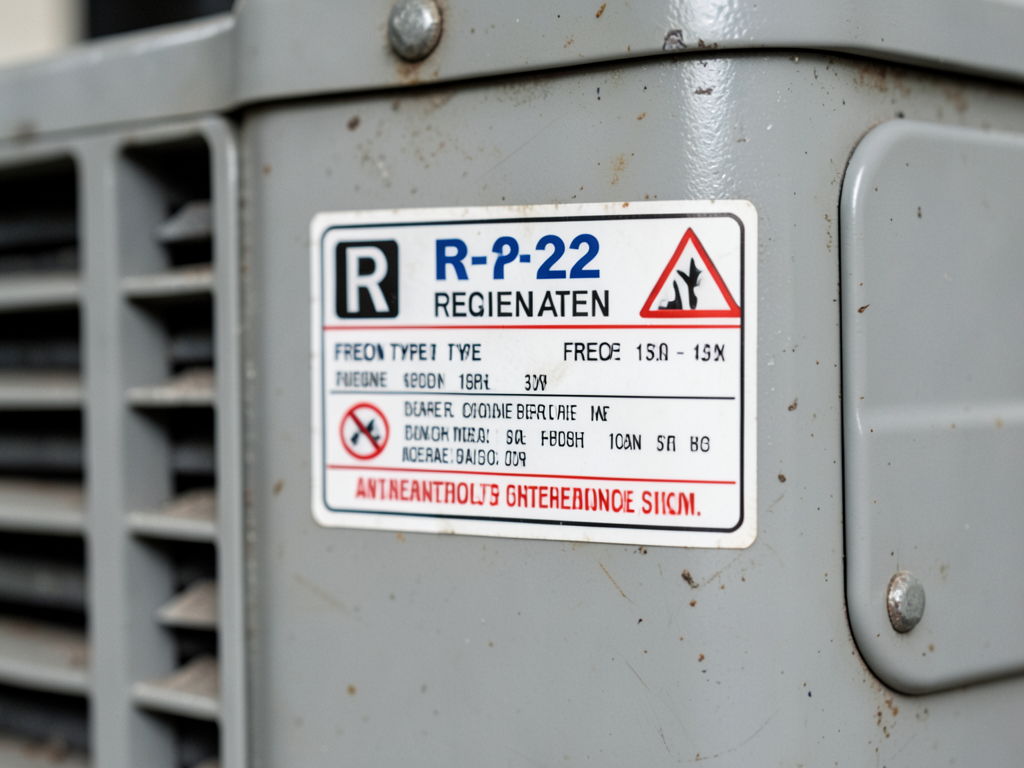
This methodology matters because Austin's building stock varies so widely. A split system installed in 1998 uses R-22 refrigerant and requires different service protocols than a 410A system from 2015. The ductwork in a pier and beam foundation home in Tarrytown leaks differently than rigid ducts in a slab foundation in Round Rock.

When you need air conditioning repair that actually fixes the problem instead of masking symptoms, the diagnostic process matters more than speed.

What Happens During Your AC Repair Appointment

AC Repair Services in Austin | Same-Day Diagnostics and Expert Repairs When Your System Fails
01

System Diagnosis and Testing

The technician arrives with diagnostic equipment including manifold gauges, amp meters, and static pressure probes. They test voltage at the disconnect, measure refrigerant pressures at both the condenser and evaporator, and check temperature drop across the coil. This reveals whether the failure is electrical, mechanical, or refrigerant-related. They document baseline readings before making any repairs so you understand exactly what failed and why.
02

Repair and Component Replacement

After isolating the failed component, the technician explains what needs replacement and why. Common repairs include capacitor replacement, contactor installation, refrigerant leak repair and recharge, or compressor replacement for catastrophic failures. They show you the failed part and explain how the local climate contributed to the failure. All work follows manufacturer specifications and local building codes. Refrigerant handling complies with EPA Section 608 regulations.
03

Performance Verification and Documentation

Once repairs are complete, the technician retests the system under operating conditions. They verify refrigerant pressures match specifications, confirm amp draw is within normal range, and measure supply air temperature to prove the system achieves proper cooling. You receive documentation showing before and after readings. They explain what maintenance steps will prevent the same failure and identify any other components showing early wear patterns that need monitoring.

Why Local Expertise Matters for Austin AC Repair

Air conditioning repair in Austin requires specific knowledge that technicians from other regions simply do not possess. The local power grid experiences voltage sags during peak demand that damage compressor windings over time. Technicians familiar with Oncor and Austin Energy infrastructure recognize these failure patterns immediately.

Building codes in Travis County and surrounding areas affect how HVAC systems can be modified or replaced. Older homes in areas like Clarksville or East Austin often lack adequate electrical service for modern high-efficiency systems. A technician who understands local permitting requirements saves you from expensive compliance issues down the road.

The geology matters too. Austin sits on limestone bedrock with clay topsoil. Foundation movement from soil expansion and contraction during wet and dry cycles stresses ductwork and refrigerant lines. Homes in neighborhoods built on expansive clay, particularly areas west of MoPac, develop duct leaks that kill system efficiency. Recognizing these patterns requires years of local experience.

All Pro HVAC Austin technicians learn their trade in this specific environment. They know which equipment brands hold up best under continuous high-temperature operation. They understand how pollen loads affect filter life and coil cleanliness. They recognize when a failing system is worth repairing versus when replacement makes more financial sense given local energy costs.

When you need HVAC repair, you want someone who has diagnosed the same failure pattern hundreds of times in similar homes across Austin. That pattern recognition speeds diagnosis and prevents misdiagnosis that leads to unnecessary part replacement.

The difference between adequate service and expert air conditioner repair often comes down to local knowledge accumulated over thousands of service calls in this specific climate.

What You Can Expect From Start to Finish

Response Time and Scheduling

Most AC service calls get scheduled within 24 hours of your initial contact. During peak summer months when temperatures exceed 100 degrees, emergency calls receive priority dispatch. The scheduler provides a specific arrival window, not an all-day range. Technicians call 30 minutes before arrival so you are not waiting around. For commercial clients, after-hours and weekend appointments prevent business disruption. The goal is minimizing your time without cooling, not maximizing billable hours. You receive text updates if the technician is running behind schedule due to a previous call running long.

Initial Assessment Process

The diagnostic appointment typically takes 45 to 90 minutes depending on system complexity and the nature of the failure. The technician asks detailed questions about when the problem started, what sounds or smells you noticed, and how long the system has been installed. They inspect both the indoor air handler and outdoor condenser unit. Testing includes electrical measurements, refrigerant pressure readings, and airflow verification. You receive a written estimate before any repair work begins. The assessment fee applies toward repair costs if you proceed with the recommended work. This prevents surprise bills and lets you make informed decisions.

Quality of Completed Work

Completed air conditioning repair work meets manufacturer specifications and local code requirements. Refrigerant charges are measured by weight or superheat method, not guesswork. Electrical connections are torqued to specification and protected with dielectric grease. Condensate drains are tested under operating conditions to confirm proper flow. The technician cleans up the work area and removes all packaging and failed components. You receive documentation showing test results before and after repairs. The system runs through a complete cooling cycle before the technician leaves to verify stable operation under load.

Ongoing Support and Maintenance

After completing central air repair work, you receive guidance on maintenance steps that extend equipment life. This includes filter change frequency based on your specific environment, seasonal maintenance timing, and warning signs of developing problems. All Pro HVAC Austin offers maintenance agreements that include biannual system inspections, priority scheduling for future repairs, and discounts on parts and labor. These agreements catch small problems before they become expensive failures. You also get access to emergency service outside normal business hours. The relationship does not end when the technician leaves. You have a direct contact for follow-up questions.

Frequently Asked Questions

You Have Questions,
We Have Answers

What is the $5000 AC rule? +

The $5000 AC rule is a guideline for deciding whether to repair or replace your air conditioning system. You multiply the age of your unit by the repair cost. If the result exceeds $5000, replacement is typically smarter than repair. For example, a 12-year-old system needing a $500 repair equals $6000, suggesting replacement. In Austin's punishing heat and humidity, older systems often lose efficiency and struggle to keep up. This rule helps you avoid pouring money into a failing unit. Consider the strain of 100-plus-degree summers when deciding. An HVAC technician can assess your system's remaining lifespan and help you make the right financial call.

What is the average cost to have your AC serviced? +

Average AC service costs in Austin range from $75 to $200 for a standard tune-up or maintenance visit. This typically includes filter replacement, refrigerant level checks, coil cleaning, and electrical connection inspections. Austin's extreme heat and high pollen counts mean your system works harder and needs more frequent attention than cooler climates. Diagnostic visits usually start around $75 to $100, though many companies waive this fee if you proceed with repairs. Complex issues like compressor failures or refrigerant leaks cost more. Regular maintenance prevents breakdowns during triple-digit summer days when AC failures spike and emergency rates apply.

How much does AC repair cost per hour? +

AC repair labor in Austin typically costs $75 to $150 per hour, depending on company rates and technician experience. Most service calls include a trip charge or diagnostic fee, which may cover the first hour. Emergency after-hours service during Austin's brutal summer nights can run $150 to $300 per hour. The total repair cost depends on the specific issue, parts needed, and labor time required. Refrigerant leak detection takes longer than simple capacitor swaps. Compressor replacements require multiple hours. Austin's competitive HVAC market means rates vary, so get multiple quotes for major repairs. Many companies offer flat-rate pricing instead of hourly billing for transparency.

How Austin's Urban Heat Island Effect Accelerates AC System Failure

Downtown Austin and densely developed areas like South Congress experience temperatures 5 to 8 degrees higher than surrounding areas due to heat absorption by concrete and asphalt. This urban heat island effect forces air conditioners to work harder and run longer than units in suburban locations. Your condenser sits in 110-degree ambient air instead of 102 degrees, which dramatically increases compressor head pressure and accelerates wear on motor windings and bearings. HVAC repair becomes more frequent in these areas because the equipment never gets a break from extreme operating conditions. Understanding this microclimate factor helps technicians predict which components will fail first.

Air conditioning repair companies serving Austin need deep familiarity with the mix of residential and commercial construction spanning eight decades. Historic homes in neighborhoods like Pemberton Heights have undersized ductwork and inadequate insulation. New construction in areas like Mueller and East Riverside uses modern building envelopes but often features builder-grade equipment installed with minimal quality control. Local expertise means understanding which systems are worth repairing and which need replacement. It means knowing which HVAC equipment suppliers stock parts for older systems. Companies rooted in the Austin market build relationships with wholesale distributors that keep legacy components in inventory. That access speeds repairs and reduces your downtime.
HVAC Services in The Austin Area

We are proud to serve the entire area, providing exceptional HVAC services to both residential and commercial clients. Our service area is extensive, ensuring that no matter where you are located, you can count on us for reliable and prompt service. We invite you to view our location on the map and see how conveniently positioned we are to meet all of your heating and cooling needs. We are just a call away.

Address:
All Pro HVAC Austin, 313 E 12th St, Austin, TX, 78701

Additional Services We Offer

Our news updates

Latest Articles & News from The Blogs

How to Spot Hidden Hail Damage on Your AC Unit After an Austin Storm Central Texas hailstorms can wreak havoc…

How to Spot Hidden Hail Damage on Your AC Unit After an Austin Storm

How to Spot Hidden Hail Damage on Your AC Unit After an Austin Storm Central Texas hailstorms can wreak havoc…

Troubleshooting airflow issues in two story homes near Walnut Creek

Why Your Two-Story Home Near Walnut Creek Has Airflow Problems Living in a two-story home near Walnut Creek offers beautiful…

Why your Anderson Mill home might need a 5 inch media filter upgrade

Why your Anderson Mill home might need a 5 inch media filter upgrade Your Anderson Mill home deserves better air…

Contact Us

Your air conditioner will not fix itself, and Austin heat does not wait. Call (737) 316-0777 now to schedule same-day diagnostics. All Pro HVAC Austin sends experienced technicians with fully stocked trucks ready to complete most repairs on the first visit.