


Taylor sits in the heart of Central Texas, where HVAC systems endure some of the harshest operating conditions in the state. Summer temperatures regularly exceed 100 degrees for weeks at a time, forcing air conditioners to run nonstop from May through September. This constant demand wears out compressors, burns out capacitors, and strains electrical components faster than in milder climates.
Winter brings its own problems. Taylor experiences rapid temperature swings, with mornings in the 30s and afternoons in the 70s. These fluctuations stress heating systems and cause thermal expansion issues in ductwork. The red clay soil common throughout Williamson County shifts with moisture changes, settling foundations and pulling duct connections apart over time.
Dust from nearby agricultural areas clogs filters and coats coils, reducing efficiency and forcing systems to work harder. The combination of extreme heat, unpredictable cold snaps, soil movement, and airborne particulates means Taylor HVAC systems need more frequent maintenance and experience more breakdowns than the national average. Homes near Murphy Park, around the downtown square, and in the growing subdivisions east of Main Street all face these same climate-driven challenges that demand quick repairs when systems fail.
All Pro HVAC Austin built its reputation on fast response and permanent fixes. We don't patch problems or recommend unnecessary replacements. Our technicians carry extensive inventories on every truck because we know Taylor residents need repairs completed in one visit, not after waiting days for parts to arrive.
We understand Central Texas HVAC demands because we work in this climate every day. Our team sees how the relentless heat degrades capacitors, how dust buildup chokes condenser coils, and how foundation movement separates duct connections. This experience means faster diagnosis and more accurate repairs. We've serviced hundreds of homes across Taylor, from older properties near the historic downtown to newer construction in eastern subdivisions.
Our approach focuses on transparency. Before starting any repair, we explain exactly what failed, why it failed, and what the fix involves. You get a clear price before we touch your system. No surprises, no upselling, no pressure tactics. If your AC can be repaired affordably, we repair it. If replacement makes more financial sense, we'll explain why with specific cost comparisons.
We answer our phones. When your system quits at 9 PM on a Saturday, you reach a real person who can dispatch a technician, not a voicemail system. Emergency service means actual emergency response. Our commitment to Taylor goes beyond repairs. We want your HVAC system running reliably for years, which is why we take time to explain maintenance steps that prevent future breakdowns and extend equipment life.

Your air conditioner doesn't break on schedule. We respond to Taylor emergencies seven days a week with fully equipped trucks ready to diagnose and repair most problems in a single visit. No waiting days in extreme heat or cold while your family suffers.

We tell you the truth about your system. If a $300 repair gives you three more good years, we recommend the repair. If your system is beyond economical service, we explain why with specific cost breakdowns. You make informed decisions without sales pressure.
Our technicians carry the parts that fail most often in Central Texas heat. Capacitors, contactors, fan motors, and thermostats are already on the truck. This inventory approach means completing most repairs immediately instead of scheduling return visits after parts arrive.
We specialize in problems specific to Taylor's climate and soil conditions. From foundation shift damage to extreme heat failures, our team has seen how local conditions affect HVAC performance. This regional knowledge translates to faster diagnosis and more effective solutions.
All Pro HVAC Austin handles every aspect of heating and cooling service in Taylor. Our technicians are trained on all major brands and system types, from basic split systems to complex multi-zone installations. We service residential properties, commercial buildings, and light industrial facilities across Williamson County.
Our service range covers emergency repairs when your system fails, preventive maintenance that stops breakdowns before they happen, and complete system replacements when repair costs exceed replacement value. We work on air conditioners, heat pumps, gas furnaces, electric heating systems, ductwork, thermostats, and air quality equipment.
Each service category addresses different needs. Some customers call in crisis mode when their AC quits during a heat wave. Others want scheduled maintenance to keep systems running efficiently. Property managers need reliable commercial service that minimizes tenant disruption. We've structured our services to match these distinct situations, providing the right response whether you're facing an emergency, planning ahead, or managing a commercial property.
Your air conditioner stops cooling during a 102-degree afternoon. Your heater fails when temperatures drop to freezing. You need help immediately. Our emergency service responds fast with diagnostic equipment and common parts already on the truck. We troubleshoot electrical failures, refrigerant leaks, compressor problems, blower motor issues, and thermostat malfunctions. Most emergency calls get resolved in one visit because our technicians carry the components that fail most often in Central Texas conditions.
Regular maintenance catches small problems before they become expensive failures. Our technicians clean condenser coils, check refrigerant levels, test capacitors, inspect electrical connections, lubricate motors, and replace filters. This service extends equipment life, improves efficiency, and reduces energy bills. Taylor's harsh climate and dust exposure mean HVAC systems need more frequent attention than manufacturer recommendations suggest. We schedule service around your availability and send reminders so you never miss critical maintenance.
Old systems eventually reach the point where repair costs approach replacement costs. We provide honest assessments about when your equipment has reached end of life. Our replacement service includes load calculations to properly size new equipment, ductwork evaluation and modification if needed, and installation by experienced technicians. We work with multiple manufacturers to offer options at different price points, all properly sized for Central Texas cooling demands and your home's specific requirements.
Taylor's climate creates specific HVAC problems that show up repeatedly across different neighborhoods and property types. The extreme summer heat, unpredictable winter freezes, and red clay soil movement combine to stress heating and cooling systems beyond normal wear patterns.
Air conditioners work harder and longer in Central Texas than almost anywhere else in the country. This extended runtime accelerates component failure and exposes weaknesses in electrical systems. Heating equipment sits idle for months, then faces sudden demand when temperatures plunge unexpectedly. The thermal shock from rapid temperature changes causes problems that milder climates never experience.
Foundation movement from expansive clay soil affects ductwork integrity. Dust from agricultural areas and construction clogs filters faster than typical suburban environments. These local factors create a predictable pattern of failures that our technicians diagnose and repair daily across Taylor properties.
Capacitors start compressors and fan motors. Prolonged heat exposure degrades the dielectric fluid inside, causing failure. When capacitors die, your outdoor unit hums but won't start. This is the most common summer failure in Taylor, often happening during the hottest weeks when you need cooling most.
Vibration and thermal cycling eventually crack copper tubing or corrode connection points. Low refrigerant means poor cooling and ice buildup on indoor coils. Systems older than ten years commonly develop small leaks that gradually reduce cooling capacity. The repair involves finding the leak, fixing it properly, and recharging to manufacturer specifications.
Taylor's expansive clay soil shifts with moisture changes, moving foundations slightly. This movement pulls apart duct connections, especially at boot and plenum joints. Separated ducts blow conditioned air into attics or crawl spaces instead of living areas. You notice weak airflow, hot spots, and higher energy bills.
Dust, cottonwood seeds, and grass clippings coat outdoor condenser coils, blocking airflow and reducing heat transfer. The system runs longer to achieve target temperatures, driving up electric bills and stressing components. Regular coil cleaning restores efficiency and prevents compressor damage from high operating pressures.
We built our service process around what customers actually need when their HVAC system fails. You want fast response, honest diagnosis, clear pricing, and permanent repairs. You don't want runaround, upselling, or return visits because the technician lacked the right parts.
Our approach focuses on transparency and efficiency. You'll speak with a real person who listens to your problem and provides realistic response times. The technician who arrives drives a fully equipped truck and has authority to quote repairs on the spot. You get complete information before any work begins, including what failed, why it failed, what the repair involves, and exactly what it costs.
We respect your time and property. Technicians wear shoe covers, use drop cloths, and clean up completely. If we can't fix your problem the same day, we'll explain why and offer temporary solutions while parts are ordered. You're never left guessing about timeline or next steps.
When you call, a knowledgeable person answers and gathers information about your problem. We ask specific questions to help our technician prepare, and we provide realistic arrival times based on current call volume. You receive confirmation with technician name and expected arrival window. If we're running late, we call ahead. No waiting around wondering when someone will show up.
Our technicians use testing equipment to identify the actual problem, not just symptoms. We check electrical voltage, measure refrigerant pressures, test capacitors, inspect connections, and evaluate overall system condition. You receive a complete explanation of what's wrong in plain language, not technical jargon. The quote includes parts, labor, and any applicable warranties, with no hidden fees.
We stock our trucks with the parts that fail most often in Central Texas heat. This preparation means completing most repairs immediately without return trips. After the fix, we test system operation thoroughly and explain any maintenance steps that prevent future problems. You get documentation of all work performed and warranty information for parts and labor.
HVAC repair doesn't need to be complicated. We've streamlined our process to three essential steps that get your system running again as quickly as possible while ensuring you understand everything that's happening.
Call us at (737) 316-0777 and describe your problem. We'll ask specific questions about symptoms to help our technician prepare. You'll receive an arrival time window and confirmation with your technician's name. For emergencies, we prioritize based on severity, with households losing all cooling or heating during extreme weather getting fastest response.
The technician arrives with diagnostic equipment and common repair parts. After thorough testing, you receive a clear explanation of the problem and a detailed quote covering all costs. We show you the failed component when possible and explain repair versus replacement recommendations. Nothing happens until you approve the work and price.
Once approved, we complete the repair using quality parts backed by warranty. After installation, we test full system operation under load to confirm proper function. You receive documentation of work performed, warranty details, and maintenance recommendations. We clean up completely and remove all packaging and old parts.
Professional HVAC service in Taylor requires adherence to multiple technical standards and local regulations. All work must comply with the International Mechanical Code as adopted by the City of Taylor and Williamson County. Licensed contractors must pull permits for system replacements, major duct modifications, and gas line work. Inspections verify proper installation and safety compliance.
Refrigerant handling is governed by EPA Section 608 certification requirements. Only certified technicians can purchase, handle, and charge refrigerant. Improper refrigerant practices result in significant fines and environmental damage. Our technicians maintain current EPA certifications and use proper recovery equipment to prevent venting refrigerants into the atmosphere.
Electrical work on HVAC systems must meet National Electric Code standards. This includes proper wire sizing, disconnect placement, overcurrent protection, and grounding. Central Texas heat requires derating wire ampacity for ambient temperatures exceeding code assumptions. Undersized wiring creates fire hazards and causes nuisance breaker trips.
Load calculations determine proper system sizing using Manual J methodology from the Air Conditioning Contractors of America. This calculation accounts for Taylor's climate zone, home orientation, insulation values, window areas, and internal heat loads. Oversized equipment short cycles, reducing dehumidification and efficiency. Undersized equipment runs constantly without achieving comfort. Our replacements include detailed load calculations to ensure appropriate sizing.
Duct design follows Manual D standards for proper airflow distribution. Ductwork must be sized to deliver required CFM to each room without excessive velocity or pressure drop. Taylor's common slab foundation construction often means ductwork runs through attics where summer temperatures exceed 140 degrees. Proper duct insulation and sealing become critical to prevent massive energy losses and maintain adequate airflow.
R-22 refrigerant is no longer produced. Systems using R-22 can still be repaired with reclaimed refrigerant, but costs are high. Most replacements now use R-410A, which requires different pressures and oil types. Newer systems transitioning to R-32 and other low global warming potential refrigerants require technician training on proper handling procedures.
Proper sizing balances first cost against operating cost. Minimum code efficiency is 14 SEER for new installations, but higher SEER units reduce electric bills in Taylor's long cooling season. The payback calculation depends on runtime hours, which are substantially higher in Central Texas than moderate climates. Manual J load calculations prevent expensive oversizing.
Simple repairs like capacitor or thermostat replacement take 30 to 60 minutes. Compressor replacement requires four to six hours including refrigerant recovery and system evacuation. Duct repairs depend on accessibility. Parts availability affects timeline. Common components are in stock, but specialized parts for older equipment may require ordering with two to five day lead times.
Texas requires HVAC contractors to hold TACLA licenses issued by the Texas Department of Licensing and Regulation. Technicians must be registered and work under licensed supervision. Liability insurance and workers compensation protect property owners from accident claims. Always verify licensing and insurance before allowing HVAC work on your property.
Comprehensive guide to HVAC repair costs and common air conditioning problems in Taylor, Texas. Covers capacitor failure, refrigerant leaks, duct separation from foundation movement, and efficiency loss from clogged coils. Explains repair versus replacement decisions, proper system sizing using Manual J load calculations, and maintenance requirements for Central Texas climate conditions. Features All Pro HVAC Austin's approach to emergency service, diagnostic procedures, and transparent pricing for Taylor area homeowners.
All Pro HVAC Austin provides complete heating and cooling service throughout Taylor and the surrounding Williamson County area. We respond to calls across the historic downtown district near the Taylor Municipal Complex, where older homes often need ductwork upgrades and system replacements. The neighborhoods surrounding Murphy Park see frequent service calls for maintenance on systems stressed by Central Texas heat.
East Taylor's newer subdivisions along Carlos Parker Boulevard and near Mallard Lane feature modern construction with newer HVAC equipment that benefits from preventive maintenance to maximize lifespan. These growing residential areas experience typical new home issues like duct balancing and thermostat programming adjustments.
Properties near Highway 79 and the areas extending toward Coupland often sit on larger lots with bigger homes requiring more complex zoned systems. We service both single-family residences and the commercial properties along Main Street and First Street in downtown Taylor. Our service area extends to surrounding communities including Granger to the northeast, Thrall to the east, and Hutto to the south.
The agricultural areas surrounding Taylor proper present unique HVAC challenges. Homes near farming operations deal with higher dust loads that clog filters and coat coils more rapidly than suburban properties. We adjust maintenance schedules based on these environmental factors.
Properties closer to the San Gabriel River experience different humidity patterns that affect dehumidification requirements. Homes built on the varying soil types across the region face different foundation movement patterns that can stress ductwork connections. Our experience across these diverse Taylor area conditions means we understand how location-specific factors affect HVAC performance and tailor our service recommendations accordingly. Whether you're near the Taylor Regional Hospital, in the residential areas around Taylor High School, or in the developing sections east of town, we provide the same rapid response and quality service that Taylor residents have come to expect.
HVAC replacement expenses in Taylor TX vary based on system size, efficiency rating, and your home's specific needs. A complete system includes both indoor and outdoor units, ductwork modifications if needed, and professional installation. Your home's square footage, insulation quality, and existing ductwork condition affect the final investment. Get at least three written estimates from licensed contractors. Ask about financing options and seasonal promotions. Higher efficiency systems reduce monthly utility bills. Request a load calculation to ensure proper sizing for your home.
Your AC unit size depends on your home's square footage, insulation, ceiling height, and window placement. A typical Taylor home needs 1 ton of cooling for every 600 square feet. A 1,500 square foot home requires a 2.5 to 3 ton unit. Oversized units cycle on and off too frequently, wasting energy and failing to remove humidity. Undersized units run constantly without reaching your desired temperature. Licensed contractors perform Manual J load calculations to determine exact tonnage requirements for your specific home conditions.
Schedule HVAC maintenance twice yearly in Taylor. Service your air conditioner in spring before summer heat arrives. Service your heater in fall before winter. Professional maintenance includes cleaning coils, checking refrigerant levels, testing electrical connections, and replacing filters. Regular service prevents unexpected breakdowns during extreme weather. Your system runs more efficiently with proper maintenance, lowering your energy bills. Most HVAC companies offer maintenance plans with priority scheduling and discounted repairs. Keep records of all service visits for warranty purposes and future reference.
HVAC replacement expenses in Taylor TX vary based on system size, efficiency rating, and your home's specific needs. A complete system includes both indoor and outdoor units, ductwork modifications if needed, and professional installation. Your home's square footage, insulation quality, and existing ductwork condition affect the final investment. Get at least three written estimates from licensed contractors. Ask about financing options and seasonal promotions. Higher efficiency systems reduce monthly utility bills. Request a load calculation to ensure proper sizing for your home.
Your AC unit size depends on your home's square footage, insulation, ceiling height, and window placement. A typical Taylor home needs 1 ton of cooling for every 600 square feet. A 1,500 square foot home requires a 2.5 to 3 ton unit. Oversized units cycle on and off too frequently, wasting energy and failing to remove humidity. Undersized units run constantly without reaching your desired temperature. Licensed contractors perform Manual J load calculations to determine exact tonnage requirements for your specific home conditions.
Schedule HVAC maintenance twice yearly in Taylor. Service your air conditioner in spring before summer heat arrives. Service your heater in fall before winter. Professional maintenance includes cleaning coils, checking refrigerant levels, testing electrical connections, and replacing filters. Regular service prevents unexpected breakdowns during extreme weather. Your system runs more efficiently with proper maintenance, lowering your energy bills. Most HVAC companies offer maintenance plans with priority scheduling and discounted repairs. Keep records of all service visits for warranty purposes and future reference.
Your air conditioner freezes when airflow becomes restricted or refrigerant levels drop. Dirty air filters block airflow, causing coils to get too cold and freeze. Closed or blocked supply vents reduce circulation. Low refrigerant from leaks drops coil temperature below freezing. A malfunctioning blower motor reduces air movement. Dirty evaporator coils restrict heat transfer. Turn off your system and let ice melt completely before restarting. Replace your filter every 30 to 90 days. Call a technician if freezing continues after changing filters.
Top HVAC brands for Taylor's hot, humid climate include Trane, Carrier, Lennox, and Rheem. These manufacturers build units engineered for Texas weather extremes. Look for high SEER ratings above 16 for energy efficiency. Two-stage or variable speed compressors handle temperature swings better. Choose models with enhanced dehumidification features for Taylor's humidity. Warranty coverage matters as much as brand name. Your contractor's installation quality affects performance more than brand alone. Ask your HVAC company which brands they stock parts for and service regularly.
Standard AC installation in Taylor takes 4 to 8 hours for a straightforward replacement. Full system replacements with ductwork modifications take 1 to 3 days. Installation time depends on your home's layout, accessibility, and existing infrastructure. Attic installations take longer than ground-level outdoor units. Ductwork repairs or replacements extend the timeline. Permit approvals add time before work begins. Weather delays affect outdoor work. Most contractors complete single-day installations when replacing similar-sized units. Ask your contractor for a specific timeline based on your project scope.
Yes, you need a permit to replace your HVAC system in Taylor TX. The City of Taylor requires permits for all mechanical system installations and replacements. Permits ensure your installation meets building codes and safety standards. Your HVAC contractor typically handles permit applications and inspections. Permit fees apply based on project scope. Inspectors verify proper installation, electrical connections, and refrigerant handling. Operating without permits risks fines and complications when selling your home. Keep permit documentation with your home records. Never hire contractors who suggest skipping permit requirements.
High energy bills in Taylor Texas result from several factors. Your AC works overtime during hot summer months. Poor insulation lets cool air escape and hot air enter. Leaky ductwork wastes up to 30 percent of cooled air. Dirty filters force your system to work harder. An aging, inefficient HVAC system consumes more electricity. Thermostat settings above 72 degrees increase runtime. Air leaks around windows and doors waste energy. Schedule an energy audit to identify specific problems. Seal ductwork, add insulation, and upgrade to a high-efficiency system.
Improve indoor air quality in Taylor by replacing HVAC filters monthly. Upgrade to MERV 11 or higher filters to capture smaller particles. Install a whole-home air purifier with your HVAC system. Use a dehumidifier to control moisture and prevent mold growth. Schedule professional duct cleaning every 3 to 5 years. Install UV lights in your ductwork to kill bacteria and mold. Ensure proper ventilation throughout your home. Fix water leaks promptly. Keep your home clean and vacuum regularly. Consider an energy recovery ventilator for fresh air circulation.
AC units in Taylor TX last 12 to 15 years on average. The hot Texas climate and frequent use shorten system lifespan compared to milder regions. Proper maintenance extends your unit's life. Systems older than 10 years need more frequent repairs. Replace your unit when repair expenses approach 50 percent of replacement expense. Signs you need replacement include frequent breakdowns, rising energy bills, and inconsistent cooling. Higher quality units with regular maintenance last longer. Keep maintenance records to track your system's performance and age.
Your air conditioner freezes when airflow becomes restricted or refrigerant levels drop. Dirty air filters block airflow, causing coils to get too cold and freeze. Closed or blocked supply vents reduce circulation. Low refrigerant from leaks drops coil temperature below freezing. A malfunctioning blower motor reduces air movement. Dirty evaporator coils restrict heat transfer. Turn off your system and let ice melt completely before restarting. Replace your filter every 30 to 90 days. Call a technician if freezing continues after changing filters.
Top HVAC brands for Taylor's hot, humid climate include Trane, Carrier, Lennox, and Rheem. These manufacturers build units engineered for Texas weather extremes. Look for high SEER ratings above 16 for energy efficiency. Two-stage or variable speed compressors handle temperature swings better. Choose models with enhanced dehumidification features for Taylor's humidity. Warranty coverage matters as much as brand name. Your contractor's installation quality affects performance more than brand alone. Ask your HVAC company which brands they stock parts for and service regularly.
Standard AC installation in Taylor takes 4 to 8 hours for a straightforward replacement. Full system replacements with ductwork modifications take 1 to 3 days. Installation time depends on your home's layout, accessibility, and existing infrastructure. Attic installations take longer than ground-level outdoor units. Ductwork repairs or replacements extend the timeline. Permit approvals add time before work begins. Weather delays affect outdoor work. Most contractors complete single-day installations when replacing similar-sized units. Ask your contractor for a specific timeline based on your project scope.
Yes, you need a permit to replace your HVAC system in Taylor TX. The City of Taylor requires permits for all mechanical system installations and replacements. Permits ensure your installation meets building codes and safety standards. Your HVAC contractor typically handles permit applications and inspections. Permit fees apply based on project scope. Inspectors verify proper installation, electrical connections, and refrigerant handling. Operating without permits risks fines and complications when selling your home. Keep permit documentation with your home records. Never hire contractors who suggest skipping permit requirements.
High energy bills in Taylor Texas result from several factors. Your AC works overtime during hot summer months. Poor insulation lets cool air escape and hot air enter. Leaky ductwork wastes up to 30 percent of cooled air. Dirty filters force your system to work harder. An aging, inefficient HVAC system consumes more electricity. Thermostat settings above 72 degrees increase runtime. Air leaks around windows and doors waste energy. Schedule an energy audit to identify specific problems. Seal ductwork, add insulation, and upgrade to a high-efficiency system.
Improve indoor air quality in Taylor by replacing HVAC filters monthly. Upgrade to MERV 11 or higher filters to capture smaller particles. Install a whole-home air purifier with your HVAC system. Use a dehumidifier to control moisture and prevent mold growth. Schedule professional duct cleaning every 3 to 5 years. Install UV lights in your ductwork to kill bacteria and mold. Ensure proper ventilation throughout your home. Fix water leaks promptly. Keep your home clean and vacuum regularly. Consider an energy recovery ventilator for fresh air circulation.
AC units in Taylor TX last 12 to 15 years on average. The hot Texas climate and frequent use shorten system lifespan compared to milder regions. Proper maintenance extends your unit's life. Systems older than 10 years need more frequent repairs. Replace your unit when repair expenses approach 50 percent of replacement expense. Signs you need replacement include frequent breakdowns, rising energy bills, and inconsistent cooling. Higher quality units with regular maintenance last longer. Keep maintenance records to track your system's performance and age.
We are proud to serve the entire area, providing exceptional HVAC services to both residential and commercial clients. Our service area is extensive, ensuring that no matter where you are located, you can count on us for reliable and prompt service. We invite you to view our location on the map and see how conveniently positioned we are to meet all of your heating and cooling needs. We are just a call away.
Address:
Taylor, TX, 76574
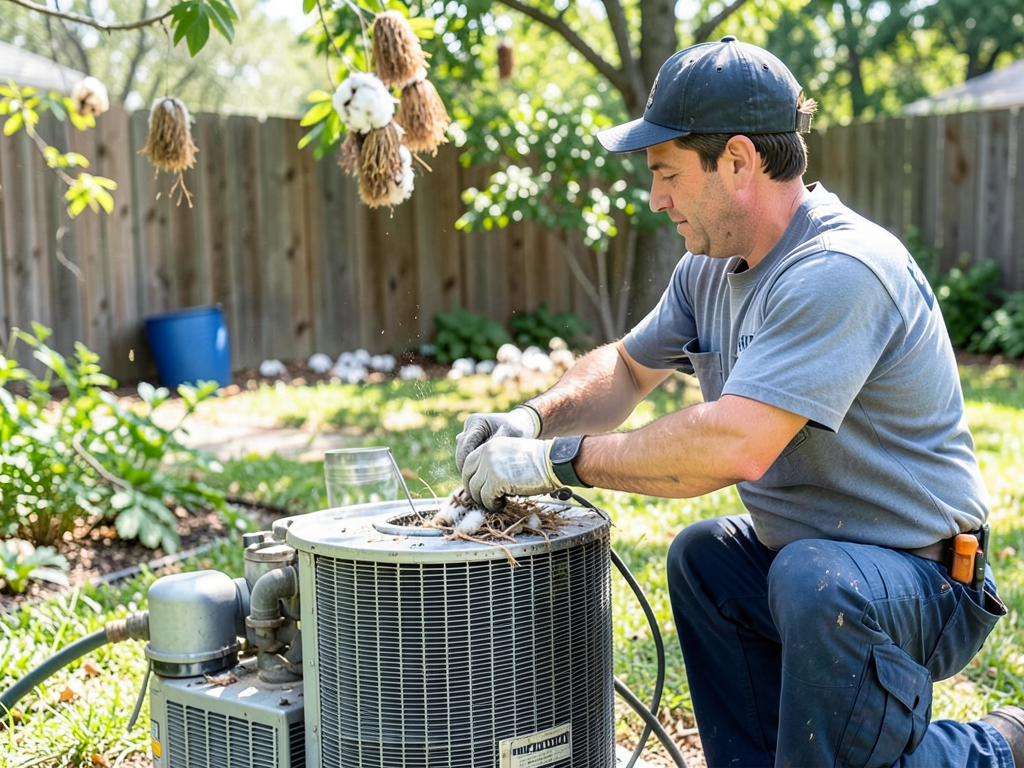
Spring Cleaning Your HVAC System Specifically for the Central Texas Climate Spring in Central Texas lasts about five minutes before the 100-degree heat arrives. That short window between oak pollen season and triple-digit temperatures is…
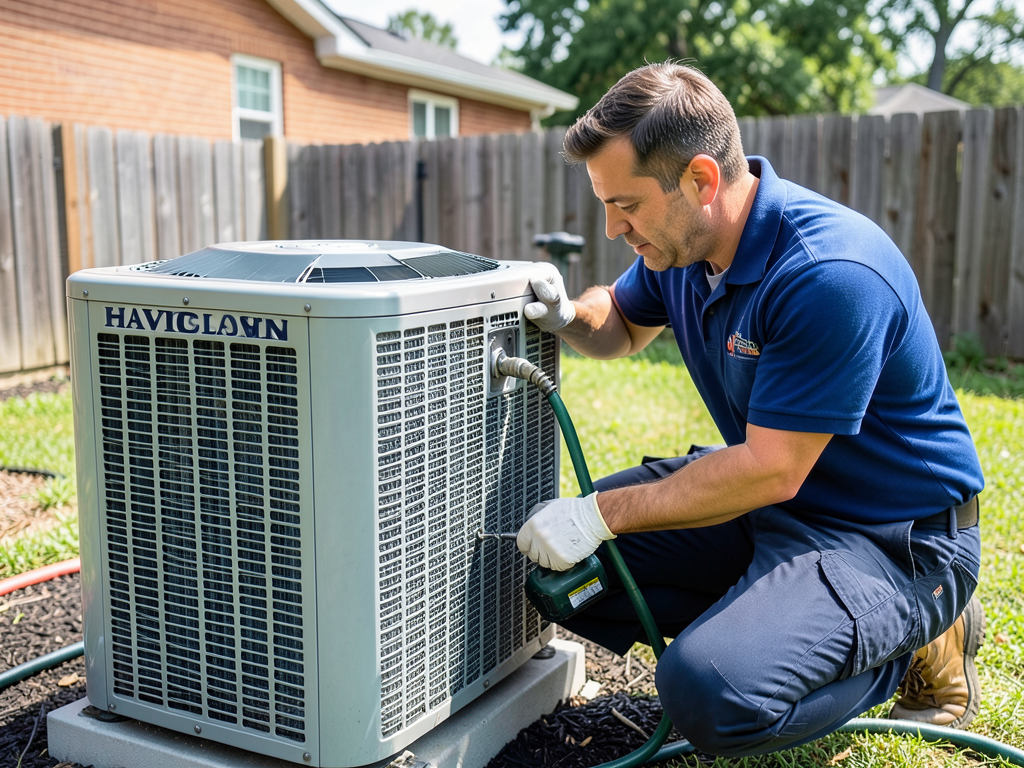
Why You Should Never Use a Pressure Washer on Your Austin AC Unit Your outdoor…
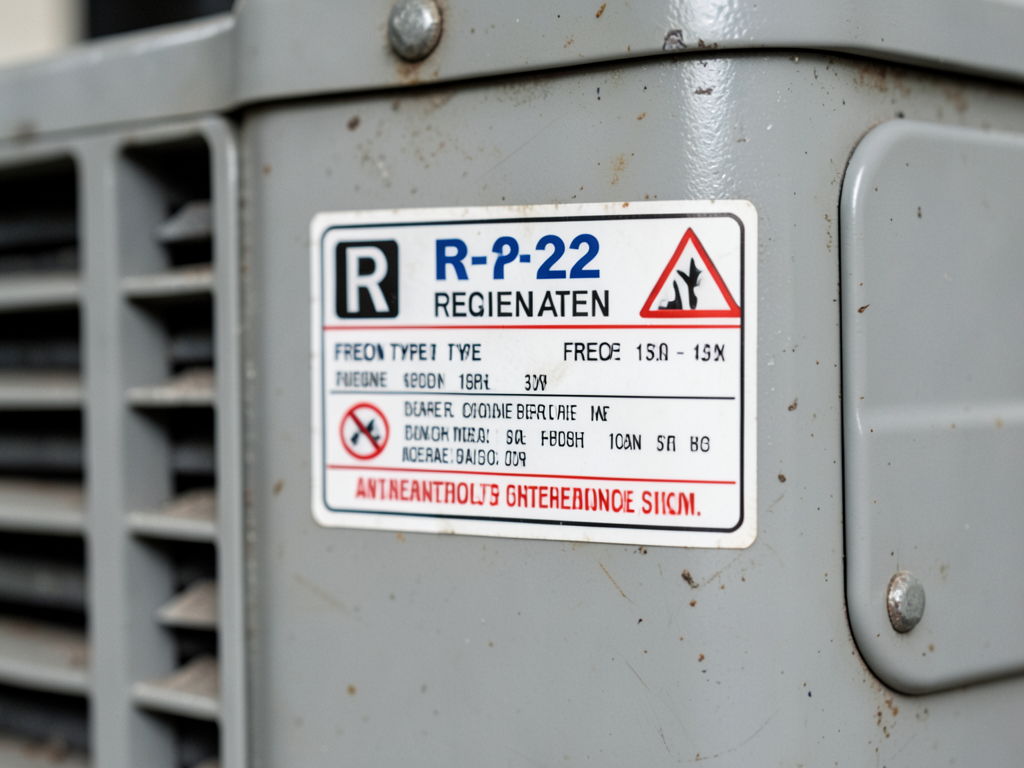
HVAC Red Flags to Look for When Buying a Mid Century Home in Wooten Buying…
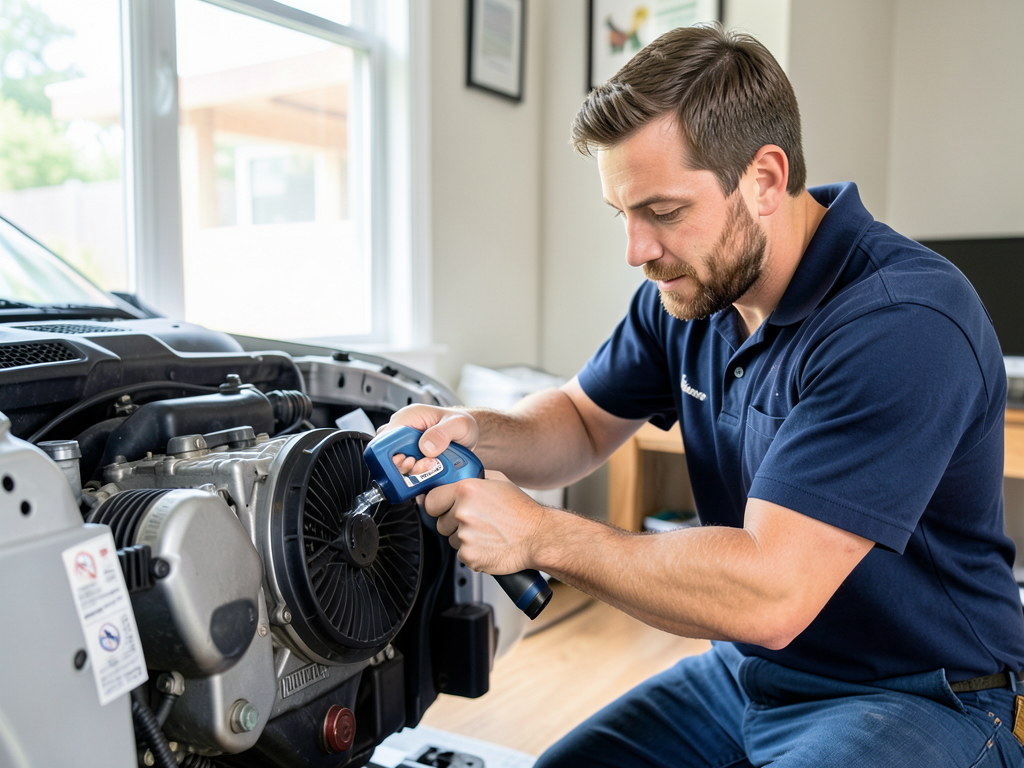
How the Austin Dust Problem Is Ruining Your AC Blower Motor Early Central Texas homeowners…
Your comfort can't wait. Call All Pro HVAC Austin now at (737) 316-0777 for emergency repairs, scheduled maintenance, or system replacement quotes. We answer phones seven days a week and respond fast to Taylor HVAC emergencies with fully equipped service trucks.