Menu

SEER Ratings Explained in Austin – Get Straight Answers on What Efficiency Numbers Actually Mean for Your Cooling Costs

Understand the seasonal energy efficiency ratio definition and what SEER ratings mean for your home comfort and utility bills in Austin's brutal summers, where choosing the right system affects your cooling costs for the next 15 years.

Slider Image 1
Slider Image 2
Slider Image 3
Slider Image 4
Slider Image 5
Slider Image 7
Slider Image 8
Slider Image 9
Slider Image 10
Slider Image 11

Why SEER Ratings Matter More in Austin Than Almost Anywhere Else

You see the numbers on every AC unit. 14 SEER, 16 SEER, 20 SEER. But what is SEER rating, and why should you care when you are replacing your air conditioner in Austin?

SEER stands for Seasonal Energy Efficiency Ratio. It measures how efficiently your air conditioner converts electricity into cooling over an entire cooling season. The higher the SEER rating, the less electricity your system needs to cool your home.

Understanding SEER ratings becomes critical when you live in Austin. We run air conditioners nearly eight months a year. Temperatures hit triple digits for weeks at a stretch from June through September. Your AC is not a seasonal luxury here. It is a daily necessity.

The SEER rating definition matters because Austin summers are unforgiving. A low-efficiency system running 12 hours a day in 100-degree heat adds up fast on your electric bill. The difference between a 14 SEER and an 18 SEER system can mean $40 to $60 per month in cooling costs during peak summer months.

The meaning of SEER in HVAC directly impacts your wallet. When you are replacing a system that will run hard for the next 10 to 15 years, that efficiency number is not marketing fluff. It is a projection of your operating costs.

Austin Electric Utility rebates also kick in at certain SEER thresholds. Higher-efficiency systems qualify for rebates that lower your upfront cost. But you need to understand the seasonal energy efficiency ratio meaning to know which systems qualify and whether the upfront premium pays off over time.

SEER ratings explained simply: it is miles per gallon for your air conditioner. Higher numbers mean lower fuel costs when the fuel is electricity and the road is a Texas summer.

Why SEER Ratings Matter More in Austin Than Almost Anywhere Else
How SEER Ratings Actually Work and What Changes Efficiency

How SEER Ratings Actually Work and What Changes Efficiency

SEER ratings are calculated by dividing the total cooling output in BTUs by the total electrical energy input in watt-hours over a typical cooling season. The test conditions simulate varied outdoor temperatures, not just peak heat.

This matters because real-world efficiency depends on how your system operates across changing conditions. A 16 SEER system does not deliver 16 SEER performance every single hour. On mild spring evenings when your system cycles on and off frequently, efficiency drops. On steady 95-degree afternoons when the compressor runs continuously, efficiency improves.

Multi-stage compressors and variable-speed systems deliver more consistent SEER performance across conditions. Single-stage systems hit their rated SEER number only under ideal test conditions. In Austin's climate, where your AC runs in 70-degree mornings and 102-degree afternoons on the same day, variable-speed systems maintain efficiency better.

Your ductwork also affects real-world SEER performance. Leaky ducts in your attic waste 20% to 30% of cooled air before it reaches your rooms. Even an 18 SEER system performs like a 13 SEER system when ducts leak. Proper installation and duct sealing protect the efficiency you paid for.

Refrigerant charge precision matters too. Undercharged systems by just 10% lose 20% of their efficiency and cooling capacity. Overcharged systems strain the compressor and reduce lifespan. SEER ratings assume correct refrigerant levels, which requires proper installation and commissioning.

Airflow across the evaporator coil affects SEER performance as well. Dirty filters restrict airflow and reduce efficiency. A clogged coil from years of dust buildup can drop your system's effective SEER by 3 to 5 points.

Understanding SEER ratings means recognizing that the number on the label is your system's potential. Proper installation, duct integrity, and maintenance determine whether you get that efficiency or lose it to avoidable waste.

What Happens When You Evaluate SEER Options for Your Austin Home

SEER Ratings Explained in Austin – Get Straight Answers on What Efficiency Numbers Actually Mean for Your Cooling Costs
01

Load Calculation and Analysis

We calculate your home's actual cooling load using Manual J methodology, factoring in square footage, insulation levels, window placement, and Austin's climate data. This determines the tonnage you need and which SEER ratings deliver measurable savings based on your runtime hours. Oversized or undersized systems waste the efficiency advantage higher SEER equipment offers, so we match capacity to demand first.
02

Cost-Benefit Comparison

We compare upfront cost premiums against projected energy savings using Austin Electric rates and your typical usage patterns. You see payback timelines for 14 SEER, 16 SEER, and 18+ SEER options. We factor in available utility rebates and explain break-even points so you make decisions based on real numbers, not guesses. Some homes justify 20 SEER systems. Others max out value at 16 SEER.
03

Installation and Verification

We install your chosen system with precision refrigerant charging, airflow verification, and duct testing to ensure you get the rated SEER performance. We commission the system using digital manifolds and airflow hoods, not guesswork. You receive documentation showing your system operates at its designed efficiency. Proper installation protects your investment and delivers the savings higher SEER ratings promise.

Why Austin Homeowners Trust All Pro HVAC Austin for Honest SEER Guidance

You need straight answers about SEER ratings, not a sales pitch pushing the most expensive system. All Pro HVAC Austin explains what efficiency numbers mean for your specific home and usage patterns in Austin's climate.

We know Austin's cooling demands. We size systems correctly for homes in Travis Heights bungalows, Hyde Park Craftsman houses, and newer subdivisions in Pflugerville and Round Rock. We account for attic temperatures that hit 140 degrees, south-facing windows, and the reality that your AC runs from April through October.

We do not sell you higher SEER equipment unless the math supports it. Some homes benefit from 18 SEER variable-speed systems. Others max out practical savings at 15 or 16 SEER. We run the numbers based on your cooling load, duct condition, and electric rates.

Our load calculations follow ACCA Manual J standards. We measure your actual duct leakage using blower door and duct blaster testing when needed. We verify refrigerant charge with superheat and subcooling measurements, not by adding refrigerant until the suction line sweats.

Austin building code requires proper load calculations and commissioning for new installs. We meet those requirements because they protect your efficiency investment. A 20 SEER system installed incorrectly performs worse than a 14 SEER system installed right.

We explain how duct sealing, insulation upgrades, and attic radiant barriers interact with SEER ratings. Sometimes you get better ROI fixing duct leakage than upgrading from 16 SEER to 18 SEER equipment. We tell you which improvements deliver the most bang for your buck.

Austin Electric rebates change periodically. We stay current on which SEER thresholds qualify and help you access available incentives. We handle the paperwork so you get the rebate without hassle.

You get honest guidance from people who know what SEER ratings mean in practice, not just on paper.

What to Expect When You Ask About SEER Ratings and Efficiency Options

Same-Day Consultation Availability

We schedule consultations within 24 hours for Austin area homeowners evaluating new systems. You get face-to-face time with someone who explains SEER ratings in plain language and answers your questions without pressure. We bring equipment spec sheets, efficiency comparisons, and cost projections so you have the information you need. Most consultations take 45 minutes to an hour. We leave you with written options and time to decide.

Detailed Load and Efficiency Assessment

We measure your home's cooling requirements using Manual J calculations that account for Austin's climate, your home's orientation, insulation levels, and window efficiency. We assess your existing ductwork for leakage and sizing issues that undermine SEER performance. You receive a written report showing which SEER levels deliver measurable savings and which upgrades offer minimal ROI. We show you the break-even timeline for each option based on Austin Electric rates and typical runtime hours.

Performance You Can Measure

When we install your system, we commission it to manufacturer specifications using calibrated instruments. You receive documentation showing superheat and subcooling readings that verify proper refrigerant charge. We test airflow using a TrueFlow grid or similar tool to confirm your system delivers its rated capacity. We check static pressure to verify duct design supports efficiency. Your system operates at its labeled SEER rating, not some degraded version caused by installation shortcuts.

Ongoing Efficiency Protection

We offer maintenance plans that protect your system's SEER performance over time. Dirty coils, low refrigerant, and airflow restrictions degrade efficiency by 10% to 30%. Annual maintenance catches these issues before they cost you money. We check refrigerant levels, clean coils, verify airflow, and test capacitors and contactors. Your high-efficiency system keeps delivering high-efficiency performance. Maintenance records also protect manufacturer warranties that require annual service.

Frequently Asked Questions

You Have Questions,
We Have Answers

How much more efficient is a 18 SEER vs 16 SEER? +

An 18 SEER unit runs about 12% more efficiently than a 16 SEER system. In Austin's hot climate, where air conditioners run May through September, that difference translates to roughly $80 to $120 in annual savings for an average 2,000 square foot home. The gap widens during extreme heat events when your AC runs longer cycles. Factor in your current electric rate and monthly runtime. If your summer bills exceed $250, the upgrade pays for itself faster. The efficiency gain matters most when outdoor temps hit 95 degrees or higher.

Is it worth upgrading from 14 SEER to 16 SEER? +

Upgrading from 14 SEER to 16 SEER makes sense in Austin if your current unit is over 10 years old. You gain roughly 14% efficiency, which cuts cooling costs by $100 to $150 per year for typical homes. Austin's extended cooling season means your AC works harder and longer than northern climates. If your current system needs a compressor repair or major component replacement, invest in the 16 SEER instead. The payback period shortens to 5 to 7 years when you avoid repair costs and improve comfort during triple-digit heat.

Is 20 SEER better than 18 SEER? +

A 20 SEER system offers about 11% better efficiency than an 18 SEER unit. The performance gap narrows as SEER ratings climb. In Austin, the extra cost for 20 SEER equipment adds $1,500 to $2,500 to your install. You save roughly $60 to $90 annually compared to 18 SEER. That means a 15 to 20 year payback period. Choose 20 SEER if you plan to stay in your home long-term or want maximum comfort with variable-speed technology. For most Austin homeowners, 16 to 18 SEER hits the sweet spot between cost and performance.

How long does an AC unit with a high SEER last? +

A high SEER AC unit lasts 15 to 20 years in Austin with proper maintenance. SEER rating does not directly affect lifespan. What matters is equipment quality, installation precision, and regular filter changes. High SEER systems use variable-speed compressors and advanced components that require professional maintenance twice a year. Austin's hard water and high humidity can shorten lifespan if you skip coil cleaning. Schedule spring and fall tune-ups to protect your investment. A well-maintained 18 SEER system outlasts a neglected 14 SEER unit every time.

What SEER rating is needed for tax credit 2025? +

For 2025 federal tax credits, you need a minimum 16 SEER2 rating for central air conditioners. Heat pumps require 15 SEER2. The new SEER2 testing standard runs slightly lower than older SEER numbers. A 16 SEER unit under the old standard may test as 15.2 SEER2. Verify the AHRI certificate shows SEER2 compliance before purchasing. The tax credit covers 30% of equipment and installation costs, up to $2,000. In Austin, upgrading to a qualifying system during a full replacement maximizes your rebate and reduces cooling costs for years.

Why don't contractors like heat pumps? +

Some contractors avoid heat pumps due to unfamiliarity with installation requirements and service procedures. Heat pumps need precise refrigerant charges and correct airflow settings to perform well. In Austin, heat pumps work great because winters stay mild and cooling demand dominates. The issue is training, not technology. Contractors who specialize in heat pump installs get better results. You want a team that understands defrost cycles, backup heat staging, and variable-speed programming. Ask about heat pump-specific certifications and warranty support before hiring. Experience with the equipment matters more than general HVAC knowledge.

What is the 3 minute rule for AC? +

The 3 minute rule prevents short cycling damage to your compressor. After your AC shuts off, wait 3 minutes before restarting the system. This delay allows refrigerant pressure to equalize between the high and low sides of the system. Starting the compressor under unequal pressure strains the motor and shortens its lifespan. In Austin's stop-and-start cooling cycles during spring and fall, this rule protects your investment. Most modern thermostats include built-in delay timers. Never override the delay by flipping breakers or rapidly adjusting your thermostat setting up and down.

What is the $5000 rule for HVAC? +

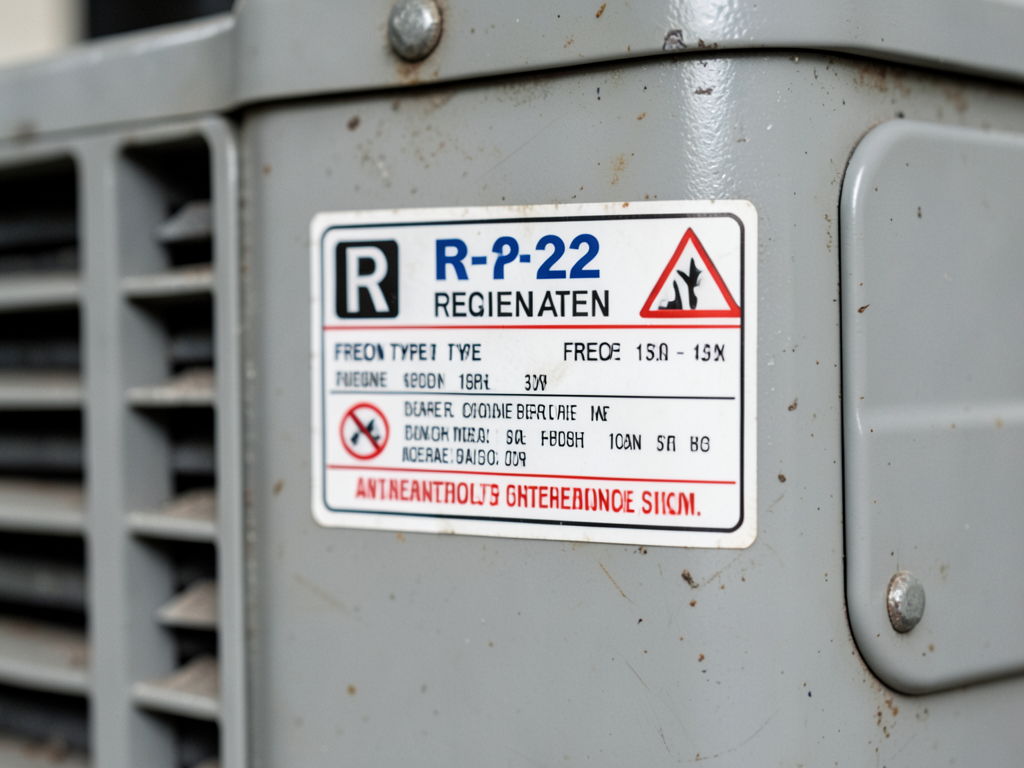
The $5,000 rule is an outdated guideline suggesting you multiply the repair cost by your system's age. If the total exceeds $5,000, replace instead of repair. This formula ignores efficiency gains and refrigerant phase-outs. In Austin, consider replacement when repair costs hit 50% of a new system's price or your unit uses R-22 refrigerant. A 12 year old 10 SEER system burning $300 monthly in summer should be replaced even if the repair costs $800. Factor in your total cooling costs, not just the repair bill.

How many SEER for a 1500 sq ft house? +

A 1,500 square foot home in Austin needs a 16 SEER minimum for balanced efficiency and comfort. Go with 16 to 18 SEER if your home has standard insulation and windows. Choose 18 SEER or higher if you have poor insulation, west-facing windows, or high ceilings. SEER rating matters less than proper sizing. An oversized 20 SEER unit short cycles and fails to dehumidify. An undersized 14 SEER system runs constantly and wears out faster. Get a Manual J load calculation to match tonnage to your home's specific heat gain.

Does a 14 SEER heat pump qualify for tax credits? +

A 14 SEER heat pump does not qualify for 2025 federal tax credits. You need a minimum 15 SEER2 rating under the updated testing standard. The old 14 SEER rating translates to roughly 13.4 SEER2, falling short of the threshold. If you want the 30% tax credit in Austin, upgrade to at least a 15 SEER2 heat pump. The credit covers equipment and installation up to $2,000. For a typical install, that means $1,200 to $1,800 back. The efficiency gain and rebate together justify the higher upfront cost.

Why Austin's Extended Cooling Season Makes SEER Ratings More Important Than in Most Cities

Austin runs air conditioners longer than almost any major metro in the country. You need cooling from mid-April through late October, with July and August demanding full-time operation. Your system logs 2,000 to 2,500 runtime hours annually compared to 1,000 to 1,500 hours in milder climates. Higher SEER ratings deliver compounding savings because your system works harder and longer. A 4-point SEER improvement that saves $30 monthly elsewhere saves $50 to $60 monthly here. Over a 12-year system lifespan, that difference adds up to thousands of dollars, making efficiency upgrades pencil out faster in Austin than in cities with shorter cooling seasons.

All Pro HVAC Austin knows the local factors that affect SEER performance. We account for Travis County building codes, Austin Energy rebate requirements, and the specific challenges of cooling homes in neighborhoods like Tarrytown, Clarksville, and East Austin where older housing stock and tree canopy create unique load profiles. We install systems in accordance with local code requirements for duct testing and commissioning. Our technicians understand how Austin's clay soil foundation shifts affect ductwork integrity and efficiency over time. When you work with a local company, you get expertise tuned to your exact cooling challenges, not generic advice from somewhere else.
HVAC Services in The Austin Area

We are proud to serve the entire area, providing exceptional HVAC services to both residential and commercial clients. Our service area is extensive, ensuring that no matter where you are located, you can count on us for reliable and prompt service. We invite you to view our location on the map and see how conveniently positioned we are to meet all of your heating and cooling needs. We are just a call away.

Address:
All Pro HVAC Austin, 313 E 12th St, Austin, TX, 78701

Additional Services We Offer

Our news updates

Latest Articles & News from The Blogs

Flexible financing options for Austin families needing a new HVAC system today\n\nReplacing your HVAC system in Austin does not have…

Flexible financing options for Austin families needing a new HVAC system today

Flexible financing options for Austin families needing a new HVAC system today\n\nReplacing your HVAC system in Austin does not have…

Finding a certified Trane repair specialist for your Great Hills home

Finding a certified Trane repair specialist for your Great Hills home When your Trane air conditioner stops working in Great…

Why getting a second opinion on your AC compressor replacement could save you thousands

Why getting a second opinion on your AC compressor replacement could save you thousands If your HVAC technician just told…

Contact Us

Call All Pro HVAC Austin at (737) 316-0777 to schedule your efficiency consultation. We explain SEER ratings in plain language and show you which options deliver real savings for your home and budget. No pressure, just honest guidance from Austin HVAC professionals.