
Menu

Air Conditioning Installation in Austin – Expert AC Unit Installation for Texas Heat and Humidity

All Pro HVAC Austin delivers professional central air installation engineered for Austin's extreme summer temperatures, high humidity, and limestone-based electrical infrastructure challenges.

Slider Image 1
Slider Image 2
Slider Image 3
Slider Image 4
Slider Image 5
Slider Image 7
Slider Image 8
Slider Image 9
Slider Image 10
Slider Image 11

Why Austin's Climate Demands Precision AC Installation

Austin's combination of 100-degree summer temperatures and 60-70% humidity creates a hostile environment for air conditioning systems. The heat island effect in neighborhoods like Downtown and Mueller pushes ambient temperatures even higher, forcing AC units to work harder than in surrounding areas.

The local climate creates three critical challenges for air conditioner replacement. First, the extended cooling season runs from April through October, meaning your system operates under load for six months straight. Second, the temperature differential between outdoor and indoor air can reach 30 degrees, which stresses compressors and refrigerant lines. Third, the high humidity accelerates condensation, which can lead to drain line failures and mold growth in poorly installed ductwork.

Central air installation in Austin must account for the region's limestone bedrock and clay soil. Foundation shifting affects ductwork integrity. A system installed without accounting for seasonal movement will develop leaks, reducing efficiency by up to 30%.

The grid demands in Travis County during summer peak hours also matter. AC unit installation must consider electrical panel capacity and breaker sizing. Many older Austin homes still run 100-amp panels, which limits upgrade options without electrical work.

New air conditioner install projects in Austin require load calculations specific to your home's orientation, insulation quality, and window exposure. The standard contractor shortcut of matching tonnage to square footage fails in Austin's climate. Undersized systems run continuously without reaching setpoint. Oversized systems short-cycle, failing to dehumidify properly.

Your AC installation is not a plug-and-play appliance swap. It is climate-specific infrastructure that either works with Austin's weather patterns or fights them.

Why Austin's Climate Demands Precision AC Installation
How All Pro HVAC Austin Executes Air Conditioning Installation

How All Pro HVAC Austin Executes Air Conditioning Installation

We start with Manual J load calculations, not guesswork. This ACCA-approved methodology accounts for your home's thermal envelope, window solar heat gain, and occupancy patterns. We measure actual duct sizes and static pressure to determine whether your existing distribution system can support the new equipment.

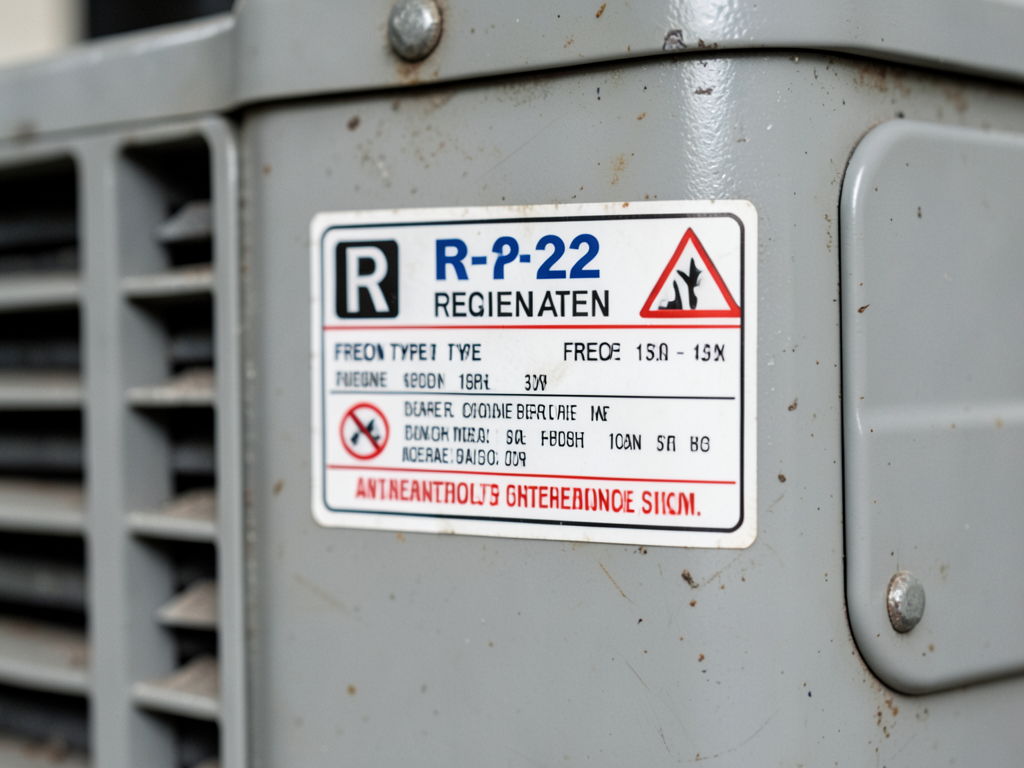
Refrigerant line installation follows manufacturer specifications for run length, elevation change, and insulation. We nitrogen-pressure test all brazed connections before pulling vacuum. This eliminates the air and moisture that cause compressor failure. We measure superheat and subcooling at startup to verify proper refrigerant charge, not just rely on factory-filled line sets.

Condensate drain lines receive P-traps and secondary drain pans with float switches. Austin's humidity means your evaporator coil produces gallons of water daily. A clogged drain line will flood your attic or closet. We install drains with cleanout access and pitch them correctly to prevent standing water.

Electrical connections are sized for actual amperage draw, not minimum code requirements. We verify voltage at the disconnect under load conditions. Low voltage caused by undersized wire or poor utility transformer capacity will shorten compressor life.

Ductwork modifications address known deficiencies. If return air is restricted or supply registers are poorly located, we correct them during installation. A perfect AC unit connected to inadequate ductwork is like a race engine in a minivan.

Thermostat placement matters. We avoid locations near windows, exterior walls, or return grilles. Austin's temperature swings mean a poorly placed thermostat will cause the system to overcool or undercool.

All Pro HVAC Austin treats air conditioner replacement as a system integration project, not an equipment swap. Every component must work together to handle Austin's summer.

What Happens During Your AC Unit Installation

Air Conditioning Installation in Austin – Expert AC Unit Installation for Texas Heat and Humidity
01

System Assessment and Planning

We evaluate your existing ductwork, electrical panel, and thermostat wiring before recommending equipment. You receive a written load calculation showing exactly why we recommend specific tonnage and efficiency levels. We identify any ductwork modifications or electrical upgrades needed before installation day. This eliminates surprise costs and ensures your new system performs as designed from day one.
02

Equipment Installation and Integration

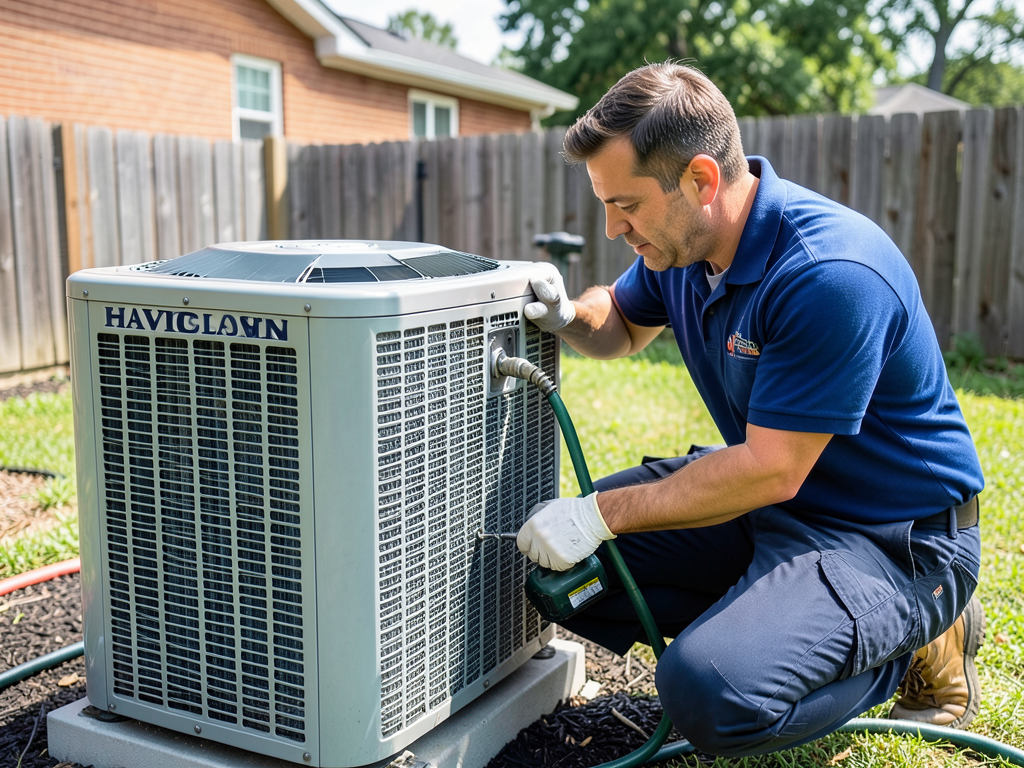
Our technicians remove your old equipment and install the new condenser, air handler, and refrigerant lines according to manufacturer specifications. We pressure-test all connections, pull a deep vacuum on the refrigerant circuit, and verify electrical connections under load. Condensate drains are installed with proper pitch and secondary overflow protection. Your ductwork is sealed at all connections to prevent conditioned air loss into unconditioned spaces.
03

Startup and Performance Verification

We commission the system by measuring airflow, temperature split, and refrigerant charge. Your thermostat is programmed for optimal efficiency based on your schedule. We walk you through filter access, thermostat operation, and maintenance requirements. You receive documentation showing all measured values at startup, creating a baseline for future service. The system is left running in cooling mode to verify proper operation before we leave.

Why Austin Homeowners Choose All Pro HVAC Austin for Central Air Installation

Austin's building stock ranges from 1950s ranch homes in Tarrytown to new construction in Pflugerville. Each era presents different installation challenges. Older homes lack adequate return air pathways and insulation. Newer homes have complex zoning requirements and smart home integration expectations.

All Pro HVAC Austin understands the local building codes enforced by the City of Austin Development Services Department. We pull permits for installations requiring them and coordinate inspections. This protects your home's value and ensures insurance coverage remains valid.

We stock equipment suitable for Austin's climate. Single-stage systems are inadequate for six-month cooling seasons. We install variable-speed and two-stage systems that provide better humidity control and lower operating costs. The upfront cost difference is recovered in two to three summers through reduced electric bills.

Our technicians train continuously on refrigerant handling, electrical troubleshooting, and ductwork modification. Air conditioning installation is not entry-level work. Improper refrigerant charge or duct leakage reduces efficiency and shortens equipment life. We measure performance, not just install boxes.

We serve both residential and commercial clients throughout Travis County and surrounding areas. Our experience spans everything from single-family AC unit installation to multi-zone commercial projects. This breadth of experience means we have encountered and solved the installation challenges specific to Austin's climate and construction methods.

Local suppliers provide same-day parts availability when needed. We do not schedule your new air conditioner install and then wait on freight shipments. Equipment is staged and ready before installation day.

You work with technicians who live in Austin and understand the local market. We are not franchisees reporting to distant corporate offices. Our reputation depends on satisfied customers in neighborhoods like Hyde Park, Zilker, and Circle C Ranch.

What to Expect When You Schedule Air Conditioning Installation

Installation Timeline and Scheduling

Residential air conditioner replacement typically takes one full day for straightforward installations. Complex projects involving ductwork modification, electrical panel upgrades, or multi-zone systems may require two days. We schedule installations during cooler morning hours when possible to minimize discomfort. You receive a confirmed appointment window, and our technicians arrive on time with all necessary equipment and materials. We do not leave jobs partially completed overnight unless absolutely necessary for technical reasons like concrete pad curing times.

Pre-Installation Consultation Process

Your initial consultation includes a complete home assessment. We measure supply and return grilles, inspect attic or closet-mounted air handlers, and evaluate your electrical service. You receive a written proposal showing equipment specifications, efficiency ratings, and labor costs broken out separately. We explain the difference between SEER ratings and why higher efficiency makes sense in Austin's climate. You will understand exactly what equipment is being installed and why we recommend it before any work begins.

System Performance and Comfort Results

A properly sized and installed system will maintain your setpoint temperature even during 100-degree afternoons without running continuously. You will notice improved humidity control compared to your old system. Rooms that were previously too hot or too cold will reach comfortable temperatures. Your electric bills will decrease because the new system runs more efficiently. Noise levels drop significantly with modern variable-speed equipment compared to older single-stage units. The difference is measurable and immediate.

Maintenance Plans and Follow-Up

We offer maintenance plans that include biannual inspections, priority service, and discounted repairs. Regular maintenance catches small issues before they become expensive failures. During maintenance visits, we measure system performance against the baseline established at installation. This lets us detect refrigerant loss, duct leakage, or electrical problems early. Filter changes, coil cleaning, and condensate drain flushing are included. You receive service reminders before Austin's cooling season starts, ensuring your system is ready when temperatures climb.

Frequently Asked Questions

You Have Questions,
We Have Answers

How much would it cost to have air conditioning installed? +

Air conditioning installation in Austin typically depends on system size, brand, and home configuration. A standard 3-ton unit for an average home runs between several thousand dollars for basic models. Factors include ductwork condition, electrical upgrades, and SEER rating. Austin's extreme heat requires proper sizing to handle 100-degree summers and high humidity. Older homes in Hyde Park or Travis Heights may need additional ductwork modifications. Split systems cost less than packaged units. Get multiple quotes from licensed contractors who calculate Manual J load requirements specific to your square footage and insulation levels.

What is the $5000 rule for AC? +

The $5000 rule is a decision-making guideline for repairing versus replacing your AC unit. Multiply the system's age by the repair estimate. If that number exceeds $5000, replacement makes more financial sense. For example, a 12-year-old unit needing $500 in repairs equals $6000, suggesting replacement. In Austin's brutal climate, older units work harder and fail faster due to continuous summer operation. Units over 10 years old lose efficiency, raising electric bills. This rule helps homeowners avoid throwing money at aging equipment that will fail again soon.

How much does it cost to get air conditioning installed? +

Installation pricing varies based on system capacity, efficiency rating, and home specifics. A complete system for an average Austin home includes the outdoor condenser, indoor air handler, refrigerant lines, thermostat, and labor. Expect costs to increase if your home needs ductwork repairs, electrical panel upgrades, or foundation pad installation. Austin's clay soil can shift foundations, requiring adjustments to outdoor unit placement. High-efficiency models with higher SEER ratings cost more upfront but reduce monthly bills during our long cooling season. Always verify the contractor pulls proper city permits.

How much to pay for air conditioning installation? +

You pay based on equipment quality, system capacity, and installation complexity. Basic installations with straightforward ductwork and adequate electrical service cost less. Premium brands and high-efficiency models increase upfront investment but deliver better performance during Austin's extended summer months. Additional costs include refrigerant line sets, condensate drain modifications, and thermostat upgrades. Homes in older neighborhoods like Clarksville or Bouldin Creek may require electrical panel upgrades to handle modern AC loads. Factor in permit fees and city inspections. Get itemized estimates showing equipment and labor separately to compare contractors fairly.

How much does it cost to put AC in a 2000 sq ft house? +

A 2000 square foot house in Austin typically needs a 3.5 to 4-ton system, depending on insulation quality, window count, and ceiling height. Standard efficiency installations fall in the mid-range, while high-efficiency systems with SEER ratings above 16 cost more but reduce electric bills. Austin's climate demands proper sizing because undersized units run constantly and fail early. Factors affecting price include existing ductwork condition, attic accessibility, and whether you need two zones for multi-story layouts. Older homes with poor insulation require larger capacity units to maintain comfort.

What is the 3 minute rule for AC? +

The 3-minute rule prevents compressor damage by requiring a minimum three-minute wait between AC cycles. When you shut off your system, refrigerant pressure needs time to equalize between the high and low sides. Restarting too quickly forces the compressor to start against high pressure, causing strain and premature failure. Modern thermostats include built-in delay timers. This matters in Austin where frequent power fluctuations during summer storms can cause rapid cycling. Never manually cycle your thermostat on and off quickly. Let the system rest to protect the compressor and extend equipment life.

Is the 600 tax credit for air conditioners? +

Yes, the federal Energy Efficient Home Improvement Credit offers up to $600 for qualifying air conditioners and heat pumps installed through 2032. The unit must meet specific efficiency criteria, including ENERGY STAR certification and minimum SEER2 ratings. You claim the credit on IRS Form 5695 when filing taxes. This applies to existing homes, not new construction. Austin homeowners upgrading to high-efficiency systems can combine this credit with potential rebates from Austin Energy for additional savings. Keep all receipts and manufacturer certifications. Consult a tax professional to verify eligibility based on your specific installation.

What is the average cost to replace a central AC unit? +

Central AC replacement in Austin depends on system size and efficiency level. A direct swap of an existing system with similar capacity costs less than upgrading to higher efficiency or larger tonnage. This includes removing the old unit, installing the new condenser and air handler, connecting refrigerant lines, and testing. Austin's climate justifies investing in higher SEER ratings because your system runs May through October. Additional costs include ductwork modifications, thermostat upgrades, and electrical work. Prices increase for homes requiring zoning systems or smart thermostat integration. Always get three estimates from licensed contractors.

What is the best month to buy an HVAC system? +

October through early December offers the best pricing for HVAC systems in Austin. Contractors experience lower demand after the brutal summer rush ends and before winter heating needs begin. You gain negotiating leverage and faster installation scheduling. Spring presents another opportunity in March and April before the summer panic hits. Avoid buying during May through September when emergency replacements spike and contractors charge premium rates. Austin's predictable climate lets you plan ahead. Off-season purchases also give you time to research equipment options and compare contractors without the pressure of a failed system.

What is the cheapest way to install air conditioning? +

The cheapest installation combines a mid-tier efficiency unit with an existing compatible duct system in good condition. Skip unnecessary upgrades like zoning or smart thermostats initially. Choose a reliable but less expensive brand. Get multiple bids during off-season months when contractors offer discounts. Avoid the cheapest quote, which often signals corner-cutting on refrigerant charge or improper sizing. In Austin, undersizing to save money backfires because the unit runs constantly and fails early. Ensure proper Manual J calculations. Financing through manufacturer programs sometimes offers zero interest, spreading costs without inflating the total price.

How Austin's Electric Grid and Summer Peak Demand Affect AC Installation Choices

Austin Energy's summer peak pricing structure and grid reliability concerns make equipment efficiency critical for AC unit installation. During July and August, demand charges can double electric bills for homeowners still on tiered rate plans. Variable-speed systems reduce peak demand by ramping compressor speed gradually rather than hard-starting at full load. This matters during the 3 to 7 PM window when Austin's grid is stressed. Additionally, many neighborhoods in East Austin and South Congress experience voltage sags during extreme heat events, which damage compressor motors. Installing hard-start capacitors and surge protection during new air conditioner install projects protects your investment.

All Pro HVAC Austin maintains relationships with local building inspectors and understands Travis County code requirements for central air installation. This includes proper condensate drain termination, electrical disconnect placement, and refrigerant line protection standards. We also understand the nuances of working in historic districts like Hyde Park, where exterior equipment placement faces additional restrictions. Our experience with Austin's permitting process means your installation proceeds without delays or failed inspections. Local expertise is not just about technical skill, it is about navigating the regulatory environment efficiently.
HVAC Services in The Austin Area

We are proud to serve the entire area, providing exceptional HVAC services to both residential and commercial clients. Our service area is extensive, ensuring that no matter where you are located, you can count on us for reliable and prompt service. We invite you to view our location on the map and see how conveniently positioned we are to meet all of your heating and cooling needs. We are just a call away.

Address:
All Pro HVAC Austin, 313 E 12th St, Austin, TX, 78701

Additional Services We Offer

Our news updates

Latest Articles & News from The Blogs

Flexible financing options for Austin families needing a new HVAC system today\n\nReplacing your HVAC system in Austin does not have…

Flexible financing options for Austin families needing a new HVAC system today

Flexible financing options for Austin families needing a new HVAC system today\n\nReplacing your HVAC system in Austin does not have…

Finding a certified Trane repair specialist for your Great Hills home

Finding a certified Trane repair specialist for your Great Hills home When your Trane air conditioner stops working in Great…

Why getting a second opinion on your AC compressor replacement could save you thousands

Why getting a second opinion on your AC compressor replacement could save you thousands If your HVAC technician just told…

Contact Us

Your comfort depends on professional AC installation engineered for Austin's climate. Call All Pro HVAC Austin at (737) 316-0777 to schedule your consultation. We provide written load calculations, transparent pricing, and installations that perform as promised from day one.