
Menu

High Energy Bills in Austin – Expert HVAC Diagnosis Cuts Cooling Costs Fast

All Pro HVAC Austin identifies the exact reason your electric bills keep climbing and fixes the root cause, from duct leaks to refrigerant loss, so you stop overpaying every month.

Slider Image 1
Slider Image 2
Slider Image 3
Slider Image 4
Slider Image 5
Slider Image 7
Slider Image 8
Slider Image 9
Slider Image 10
Slider Image 11

Why Austin Homeowners Face Skyrocketing Energy Bills Year After Year

You open the envelope and see another expensive electricity bill. Three hundred dollars. Four hundred. Sometimes more. You keep the thermostat at 78 degrees, but the air conditioner runs nonstop from May through October. The compressor kicks on every fifteen minutes. The house never feels cool enough, and the utility costs keep rising.

Austin's brutal summer heat puts extreme stress on HVAC systems. When outdoor temperatures hit 105 degrees for weeks at a time, your air conditioner works harder than units in cooler climates. A system that runs efficiently in spring can develop problems by mid-July. Refrigerant leaks slowly. Ductwork separates at seams. Evaporator coils collect dust and lose transfer efficiency. Capacitors weaken under thermal load.

Most homeowners assume high bills are normal in Central Texas. They accept increased heating and cooling costs as the price of living here. But costly utility expenses usually signal a specific mechanical failure. A refrigerant leak forces the compressor to run longer cycles. A blower motor drawing excess amperage wastes power. Undersized return ducts create negative pressure that pulls hot attic air into living spaces.

The worst part is not knowing which problem you have. You call for service, and a technician sells you a maintenance plan or suggests a full replacement. Nobody runs the diagnostics that pinpoint the actual energy drain. You keep paying rising utility costs while the root cause goes unfixed.

Austin's clay soil also shifts foundations, which separates duct joints in crawlspaces and attics. A single disconnected flex duct can dump half your cooled air into unconditioned spaces. You pay to cool your attic while your bedroom stays warm.

Why Austin Homeowners Face Skyrocketing Energy Bills Year After Year
How We Diagnose the Real Source of Your High Energy Bills

How We Diagnose the Real Source of Your High Energy Bills

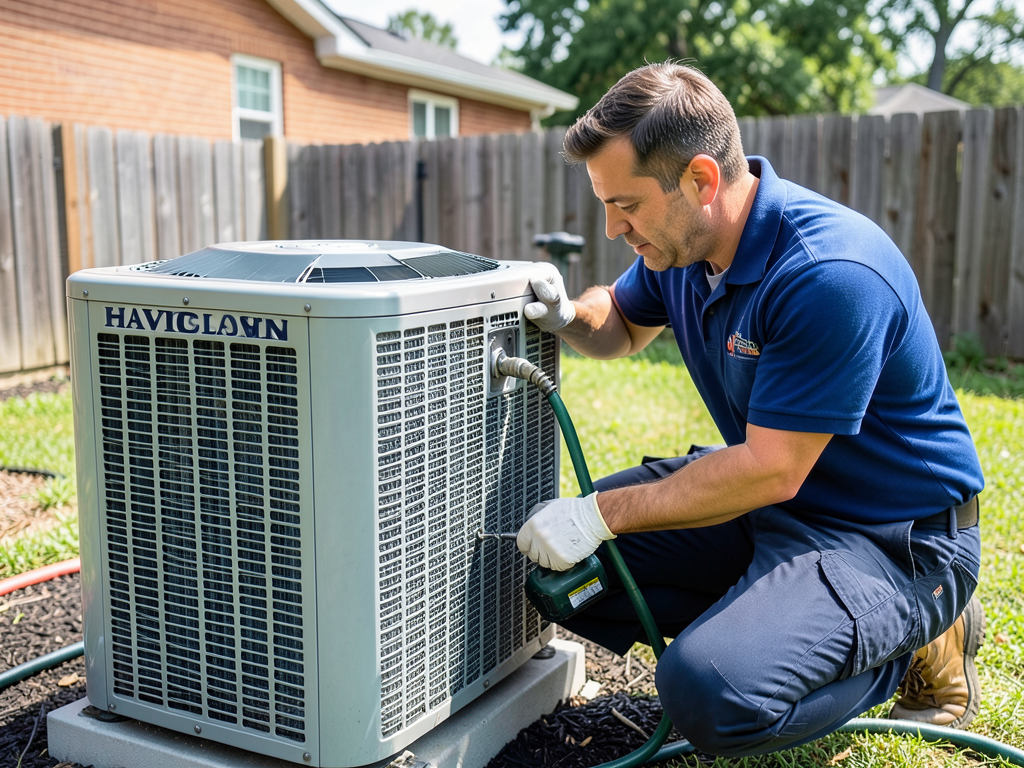
Most HVAC companies check refrigerant pressure and call it done. We run a full system performance analysis that measures actual energy waste. Our technicians use manifold gauges to verify subcooling and superheat values, not just static pressure. We measure supply and return air temperatures at every register to identify distribution losses. We test amp draw on the compressor, condenser fan, and blower motor to spot electrical inefficiency.

Ductwork inspection is critical in Austin homes. We pressurize the duct system with a calibrated blower door to find leaks that waste 20 to 40 percent of your conditioned air. We inspect every joint, boot, and plenum connection in the attic. Most leaks occur where flex duct connects to sheet metal plenums or where installers used duct tape instead of mastic sealant. We also verify that return ducts are sized correctly for your tonnage. An undersized return creates negative pressure that pulls unconditioned air through wall cavities and ceiling penetrations.

We measure static pressure across the filter, evaporator coil, and blower assembly. High static pressure means restricted airflow, which forces the blower motor to work harder and draw more amperage. A dirty evaporator coil can double your fan energy consumption. We also check capacitor microfarad values with a multimeter. A weak capacitor reduces motor efficiency and increases run time.

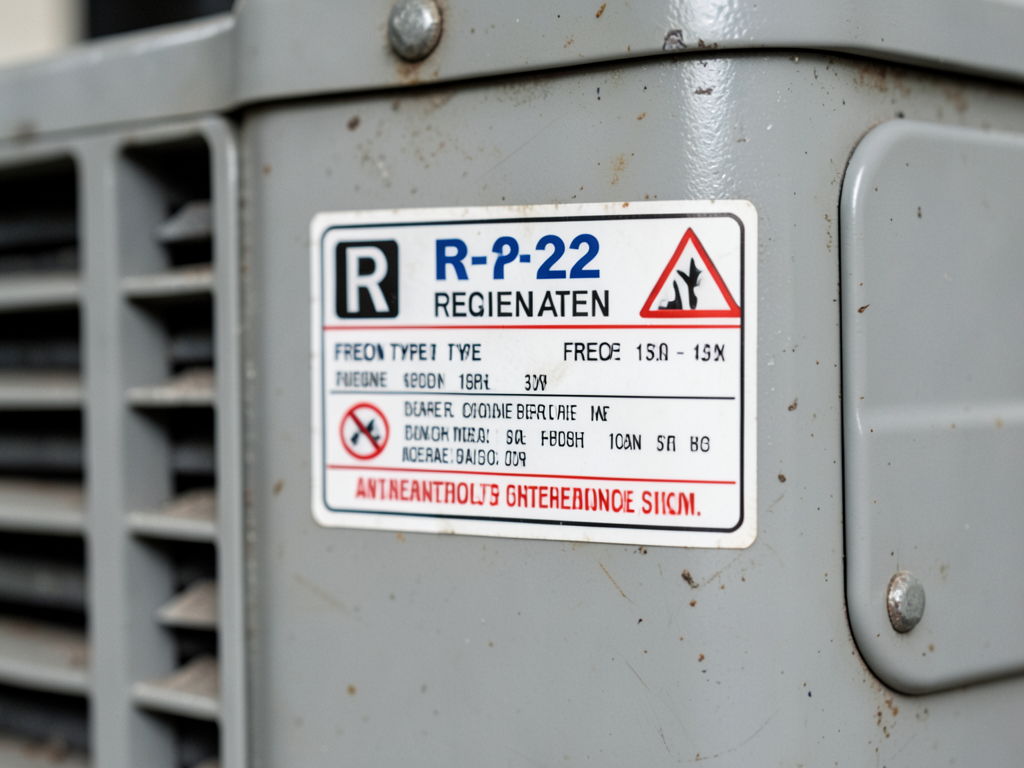
Refrigerant charge verification goes beyond pressure readings. We weigh in refrigerant if needed and verify proper subcooling at the condenser outlet. Low refrigerant reduces cooling capacity, so the system runs longer to reach setpoint. That adds hours of compressor runtime every day, which drives up expensive electricity bills fast.

What Happens During Your Energy Bill Diagnostic

High Energy Bills in Austin – Expert HVAC Diagnosis Cuts Cooling Costs Fast
01

System Performance Testing

We arrive with a full set of diagnostic tools, including manifold gauges, amp clamp meter, and digital manometer. First, we measure supply and return air temperatures at the air handler and at each register. We check refrigerant pressures and compare them to manufacturer specifications for the outdoor temperature. We test voltage and amperage at the compressor, condenser fan, and blower motor to identify electrical waste.
02

Ductwork and Airflow Inspection

We inspect every accessible duct joint in your attic and crawlspace, looking for separations, crimped flex duct, and missing insulation. We measure static pressure across the filter, coil, and ductwork to verify proper airflow. If we find high static pressure, we check for a dirty evaporator coil, undersized return ducts, or crushed flex runs. We also inspect the condenser coil for debris buildup that blocks airflow.
03

Detailed Report and Fix

You get a written report that lists every efficiency problem we found, ranked by impact on your energy bills. We explain the cost to fix each issue and the estimated monthly savings. Most homeowners choose to fix the highest-impact problems first, like sealing duct leaks or replacing a failing capacitor. We complete the repairs the same day when possible, so you start saving immediately.

Why Austin Homeowners Trust All Pro HVAC for Energy Bill Solutions

You need a company that understands how Austin's climate and housing stock create specific energy problems. Most homes built before 2000 have undersized ductwork and minimal attic insulation. Builders installed 2.5-ton units on homes that needed 3 tons, so systems run constantly during summer peaks. Foundation movement is common here, which separates duct joints and creates leaks. We have diagnosed these problems in thousands of Austin homes, from older neighborhoods near downtown to newer subdivisions in Pflugerville and Cedar Park.

We also understand the local electric rate structure. Austin Energy uses tiered pricing, so your cost per kilowatt-hour increases as you use more power. A system that wastes 500 kilowatt-hours per month does not just cost you for those 500 kilowatt-hours. It pushes your entire usage into a higher rate tier, which raises the cost of every kilowatt-hour you use. Fixing efficiency problems can drop you into a lower tier and cut your bill by 30 percent or more.

Our diagnostic process is more thorough than what most companies offer. We do not assume your problem is low refrigerant or a dirty filter. We test every component that affects energy consumption, from duct leakage to motor amperage. We find problems that other companies miss, like a blower motor drawing 12 amps instead of 8, or a condenser coil so clogged that head pressure runs 100 psi too high.

We also explain your options without pushing a system replacement. Many contractors see high energy bills as a chance to sell a new unit. We give you the facts. If your compressor is failing and repairs cost more than replacement, we tell you. If sealing ductwork and cleaning coils will fix the problem, we tell you that too.

What to Expect When You Schedule an Energy Bill Diagnostic

Same-Week Appointments Available

We schedule diagnostics within three to five business days, often sooner. Most appointments take 90 minutes to two hours, depending on the size of your home and the accessibility of your ductwork. We work around your schedule and confirm the appointment window by text the morning of service. If we find a simple fix like a dirty coil or weak capacitor, we can often complete the repair the same day and restore your system efficiency immediately.

Comprehensive Energy Audit Process

Our technician inspects your entire HVAC system, from the thermostat to the condenser unit. We measure airflow, refrigerant charge, electrical consumption, and duct leakage. We check your air filter, evaporator coil, condenser coil, blower motor, capacitors, and contactors. We also inspect the ductwork in your attic or crawlspace for leaks, damage, and insulation quality. You get a written report that explains every problem we found and how it affects your energy bills.

Prioritized Repair Recommendations

We rank every issue by impact on your monthly costs. A refrigerant leak might waste 40 dollars per month. A dirty evaporator coil might waste 25 dollars. An undersized return duct might waste 15 dollars. You decide which problems to fix based on your budget and timeline. We never pressure you into a full system replacement unless the compressor or heat exchanger is failing. Most energy problems can be fixed with targeted repairs that cost far less than a new unit.

Ongoing Efficiency Support

After we fix the problem, we offer a follow-up check within 30 days to verify the energy savings. We compare your utility bill before and after the repairs to confirm the cost reduction. We also provide maintenance recommendations to keep your system running efficiently year-round. Regular coil cleaning, filter changes, and refrigerant checks prevent efficiency losses before they drive up your bills again. You can schedule biannual maintenance to catch problems early and avoid costly utility expenses.

Frequently Asked Questions

You Have Questions,
We Have Answers

Why is my power bill so high suddenly? +

A sudden spike in your power bill often points to your HVAC system working overtime. Austin's extreme summer heat forces air conditioners to run longer cycles, especially if your unit is older or struggling. Check for dirty air filters, leaking ducts, or a failing compressor. Other culprits include a malfunctioning water heater, increased appliance use, or phantom loads from devices left plugged in. Rate increases from your provider can also cause jumps. Compare your usage month-to-month on your bill statement. If your consumption doubled but your habits did not change, you have an equipment problem that needs diagnosis.

Why is your energy bill suddenly so much more expensive? +

Energy bills jump when your HVAC system loses efficiency or when Austin summer temperatures push cooling demands past normal levels. Your air conditioner accounts for nearly half of your home's energy use during peak months. If refrigerant is low, ductwork is leaking, or your thermostat is miscalibrated, your system runs longer without reaching target temperatures. Older units lose efficiency each year. Deregulated Texas energy markets can also shift rates without warning. Check your cost-per-kilowatt-hour on your statement. If rates stayed flat but consumption spiked, you have a failing appliance or air leak driving the increase.

What runs your electric bill up the most? +

Your air conditioning system drives your electric bill higher than any other appliance in Austin. Cooling your home during summer months can consume 40-60 percent of your total energy use. Water heaters rank second, running constantly to maintain temperature. Washers, dryers, and refrigerators follow. Older HVAC units with SEER ratings below 14 waste energy compared to newer models. Poor insulation in attics or crawl spaces forces your AC to compensate for heat gain. Leaking ductwork loses 20-30 percent of cooled air before it reaches your rooms. Address your cooling system first when tackling high bills.

Is $250 a normal electric bill? +

A $250 monthly electric bill falls within normal range for Austin homes during peak summer months, depending on square footage and cooling habits. Average homes between 1,500-2,500 square feet typically see bills between $150-$300 from June through September when air conditioners run continuously. Homes above 3,000 square feet or those with older HVAC systems often exceed $300. If your bill jumps to $250 outside of summer or your home is small, you have an efficiency problem. Compare your kilowatt-hour usage to previous years. Consistent increases indicate equipment failure or air leaks that need professional diagnosis.

Why is my electric bill over $400? +

A $400 electric bill signals a serious efficiency failure or equipment malfunction in your Austin home. Your air conditioner is likely running nonstop due to refrigerant leaks, compressor failure, or severely blocked airflow from dirty coils. Ductwork leaks in your attic can waste half your cooled air into unconditioned space. Failing water heaters with sediment buildup work harder to heat water. Broken thermostats can cause your HVAC to ignore temperature setpoints. Check your meter for unusual spinning during off-hours. If consumption remains high overnight when appliances are idle, you need immediate professional troubleshooting to identify the failing system.

Why is my energy bill high when no energy was used? +

High bills despite minimal usage indicate phantom loads or baseline charges you cannot avoid. Every home has constant draws from refrigerators, cable boxes, modems, and HVAC systems in standby mode. These baseline loads can cost $50-$75 monthly. Water heaters cycle throughout the day even when you are away. If your bill shows high energy use during a vacation, you have a malfunctioning appliance running continuously or a hidden leak. Check your meter before leaving home and when you return. If the numbers jumped significantly, a stuck relay, faulty thermostat, or equipment failure is draining power around the clock.

Why am I using so much electricity all of a sudden? +

Sudden electricity increases point to failing HVAC components or new phantom loads in your Austin home. Your air conditioner losing refrigerant will run longer cycles without cooling effectively. Dirty condenser coils force the compressor to work harder. Failing capacitors prevent your system from starting efficiently. Water heaters with sediment buildup or failing heating elements consume more power. New electronics, space heaters, or a second refrigerator add hidden loads. Check breaker panel labels to identify which circuits draw the most power. If your AC breaker is warm to touch, you have a struggling system that needs immediate professional attention.

How can I find out what is using the most electricity in my house? +

You can identify energy hogs by checking your circuit breaker panel during peak hours. Flip breakers off one at a time while watching your outdoor meter. When the spinning slows dramatically, you found the culprit circuit. Your HVAC breaker will show the biggest impact. Compare monthly bills to spot usage spikes. Many Austin energy providers offer free home energy audits with thermal imaging to find air leaks and inefficient appliances. Plug-in energy monitors measure individual device consumption. Focus on your air conditioner first since it dominates summer usage, then check water heaters and older refrigerators.

What contributes most to my electric bill? +

Air conditioning dominates your electric bill in Austin, consuming 40-60 percent of total energy during summer months. Your HVAC system runs constantly fighting 100-degree heat and high humidity. Water heaters rank second, maintaining temperature 24 hours daily. Refrigerators and freezers run continuously. Washers and dryers spike usage during operation. Pool pumps in Austin homes add significant loads. Lighting and electronics create baseline consumption. Poor attic insulation and air leaks force your AC to compensate for heat gain. Older HVAC systems with low SEER ratings waste energy compared to modern high-efficiency units. Upgrading your cooling system delivers the biggest bill reduction.

How to figure out what is causing a high electric bill? +

Start by comparing your kilowatt-hour usage across several months on your bill statement. Look for sudden jumps that do not match weather patterns or lifestyle changes. Check your HVAC air filter and outdoor condenser unit for debris blocking airflow. Turn off all appliances and lights, then watch your meter. If it continues spinning fast, you have a hidden load or failing equipment. Schedule a professional energy audit to find ductwork leaks, insulation gaps, and inefficient appliances. Test your thermostat accuracy with a separate thermometer. In Austin, struggling air conditioners cause most high bill complaints during peak summer heat.

How Austin's Summer Heat and Aging Ductwork Drive Up Energy Bills

Austin's summer temperatures stay above 95 degrees for months, and overnight lows rarely drop below 75. Your air conditioner runs 12 to 16 hours per day from June through September. That constant runtime exposes every efficiency problem in your system. A small refrigerant leak that would not matter in a milder climate becomes a major energy drain here. Ductwork that lost 15 percent of its airflow to leaks in the attic now loses 40 percent because the system runs so much longer. Many homes built in the 1980s and 1990s have original ductwork that was never sealed properly. Foundation shifts in Austin's expansive clay soil pull those ducts apart at the seams, creating gaps that dump cooled air into your attic while your living space stays warm.

We have worked in every Austin neighborhood, from older homes in Hyde Park and Tarrytown to newer construction in Brushy Creek and Bee Cave. We know which builders used quality duct installation and which ones cut corners. We understand how local electric rates work and how tiered pricing amplifies the cost of inefficient systems. Austin Energy customers pay more per kilowatt-hour as usage increases, so fixing a system that wastes 500 kilowatt-hours per month saves more than just the cost of those kilowatt-hours. Local expertise matters when diagnosing energy problems because the climate, housing stock, and utility rate structure all affect the solution.
HVAC Services in The Austin Area

We are proud to serve the entire area, providing exceptional HVAC services to both residential and commercial clients. Our service area is extensive, ensuring that no matter where you are located, you can count on us for reliable and prompt service. We invite you to view our location on the map and see how conveniently positioned we are to meet all of your heating and cooling needs. We are just a call away.

Address:
All Pro HVAC Austin, 313 E 12th St, Austin, TX, 78701

Additional Services We Offer

Our news updates

Latest Articles & News from The Blogs

Flexible financing options for Austin families needing a new HVAC system today\n\nReplacing your HVAC system in Austin does not have…

Flexible financing options for Austin families needing a new HVAC system today

Flexible financing options for Austin families needing a new HVAC system today\n\nReplacing your HVAC system in Austin does not have…

Finding a certified Trane repair specialist for your Great Hills home

Finding a certified Trane repair specialist for your Great Hills home When your Trane air conditioner stops working in Great…

Why getting a second opinion on your AC compressor replacement could save you thousands

Why getting a second opinion on your AC compressor replacement could save you thousands If your HVAC technician just told…

Contact Us

Call All Pro HVAC Austin at (737) 316-0777 to schedule your energy bill diagnostic. We identify the exact problem driving your costs up and give you a clear plan to fix it. Stop guessing and start saving.