Menu

Heat Pump Repair & Installation in Austin | Expert Service for Year-Round Comfort

All Pro HVAC Austin delivers comprehensive heat pump repair and installation services designed for Central Texas climate extremes, from scorching summers to unpredictable winter freezes.

Slider Image 1
Slider Image 2
Slider Image 3
Slider Image 4
Slider Image 5
Slider Image 7
Slider Image 8
Slider Image 9
Slider Image 10
Slider Image 11

Why Austin Heat Pumps Face Unique Challenges

Austin's climate puts extraordinary stress on heat pump systems. Summer temperatures regularly exceed 100 degrees, forcing your heat pump to work overtime removing heat and humidity. Then winter arrives with sudden temperature drops that can plunge below freezing, sometimes within hours. This dramatic temperature swing forces your heat pump to reverse its operation repeatedly, stressing compressors, refrigerant lines, and reversing valves.

The limestone bedrock and clay soil common across Travis County create another problem. Ground shifting affects outdoor unit stability, potentially misaligning refrigerant lines and creating stress points that lead to leaks. Cedar pollen, live oak debris, and Central Texas dust clog outdoor coils faster than in other regions, reducing efficiency and forcing your system to work harder.

Many Austin homes built before 2010 have undersized heat pump systems that struggle during peak demand. Emergency heat pump repair calls spike during January cold snaps and July heat waves when poorly maintained systems finally fail. Heat pump service becomes critical when you notice ice forming on outdoor coils during cooling mode, hear grinding noises from the compressor, or experience weak airflow despite the system running continuously.

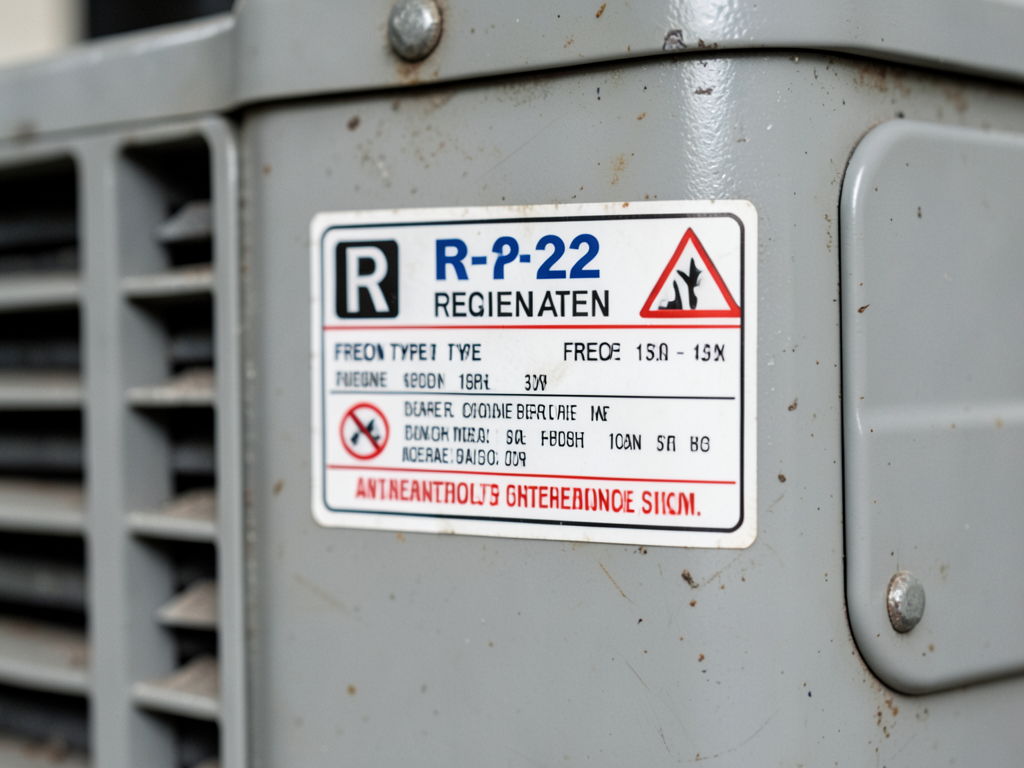
Heat pump replacement often becomes necessary when refrigerant leaks develop in older R-22 systems or when repair costs approach 50 percent of replacement value. Heat pump installers who understand Austin's specific climate demands can properly size systems and position outdoor units to handle our unique environmental stressors.

Why Austin Heat Pumps Face Unique Challenges
How All Pro HVAC Austin Delivers Superior Heat Pump Solutions

How All Pro HVAC Austin Delivers Superior Heat Pump Solutions

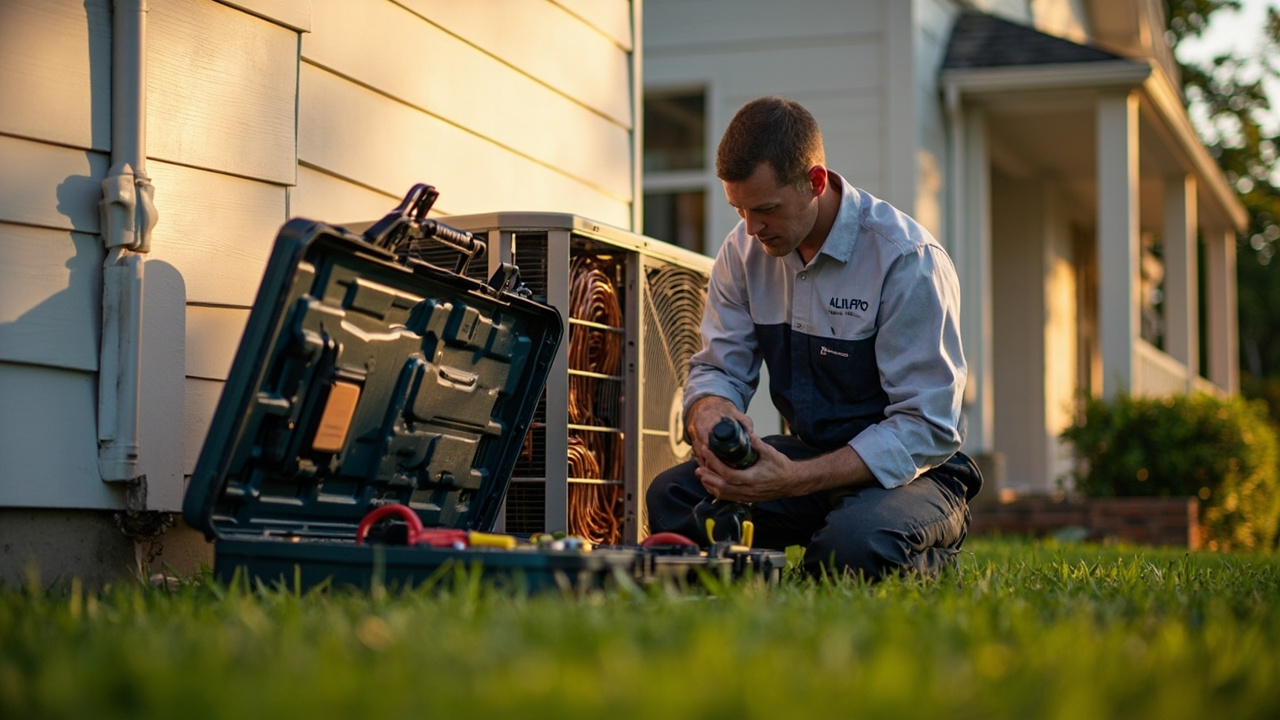
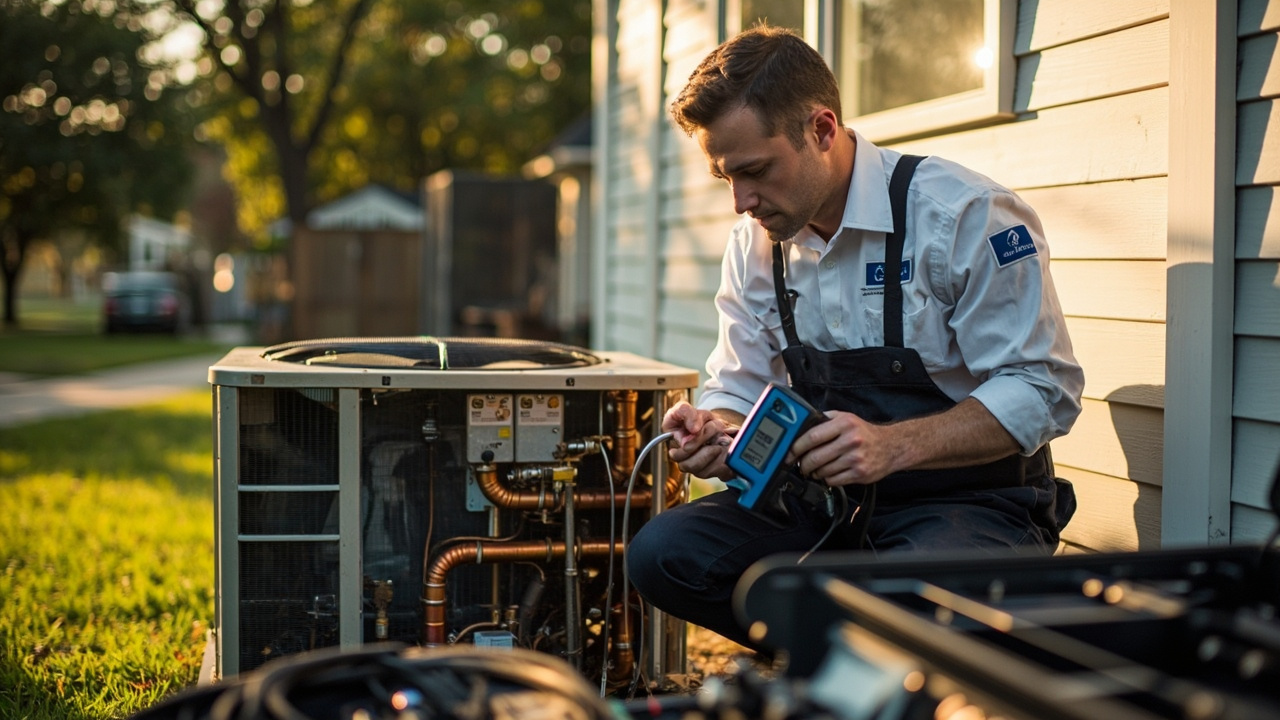
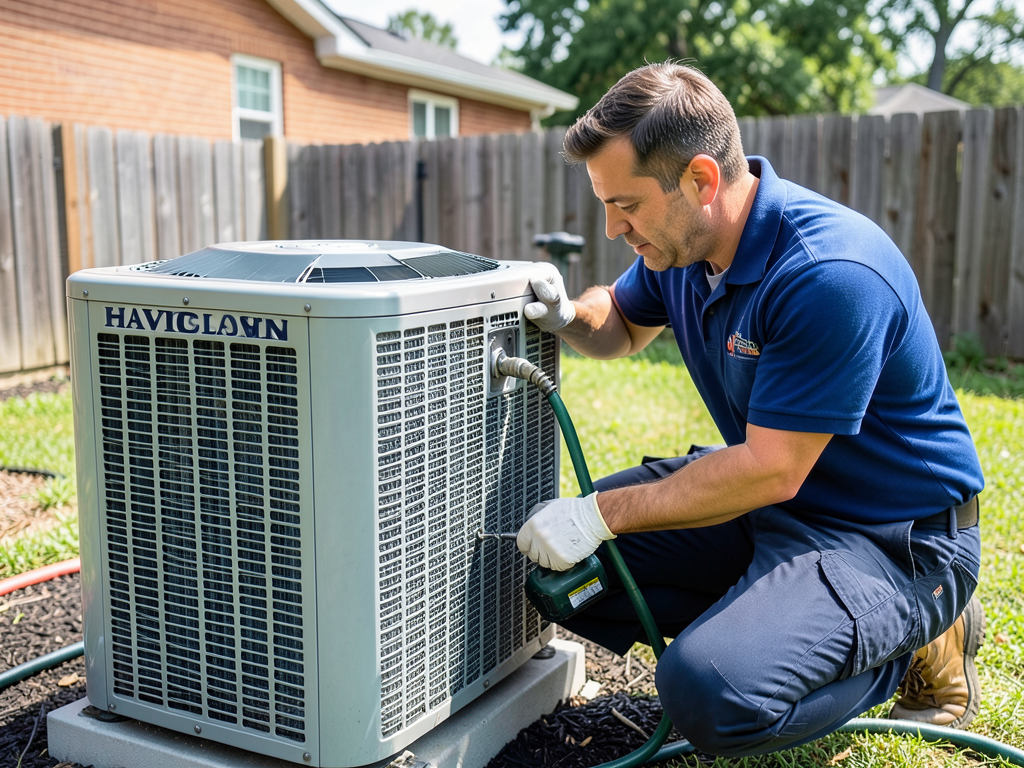
Our technicians start every heat pump service call with a refrigerant pressure test using digital manifold gauges to verify proper charge levels across both heating and cooling modes. We measure superheat and subcooling values to detect early signs of compressor failure or restriction in the refrigerant circuit. This diagnostic precision separates professional heat pump repair from guesswork.

During heat pump system installation, we calculate Manual J load requirements specific to your home's orientation, insulation values, and window placement. Austin homes with western exposure need different capacity considerations than homes shaded by mature trees. We verify ductwork integrity using blower door testing because leaky ducts can waste 30 percent of your system's capacity.

Our heat pump replacement process includes upgrading to high-efficiency variable-speed compressors that handle Austin's temperature extremes better than single-stage units. We install hard-start kits on compressors to reduce inrush current during startup, protecting your system during voltage fluctuations common on hot afternoons when everyone runs their air conditioning simultaneously.

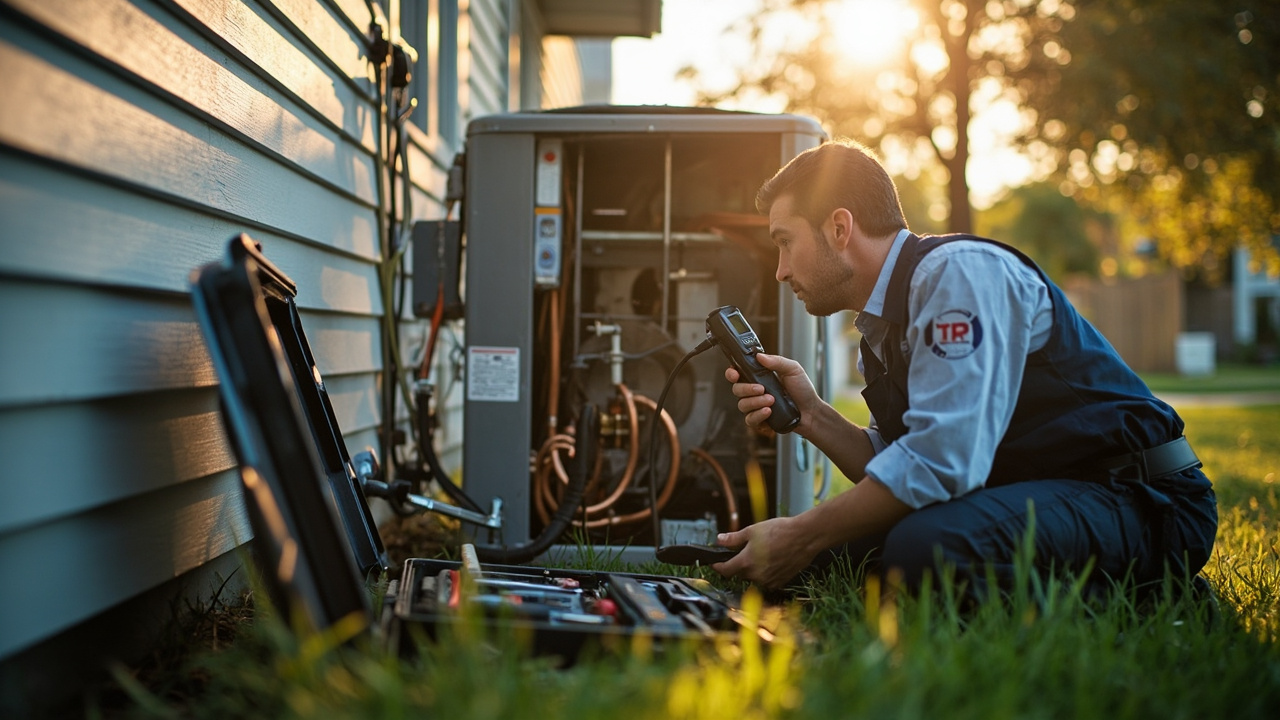
Emergency heat pump repair calls get priority dispatch because we understand that system failure during extreme weather creates health risks. We stock reversing valves, capacitors, contactors, and thermostatic expansion valves on every truck to complete most repairs in a single visit. When refrigerant leaks occur, we use electronic leak detectors and nitrogen pressure testing to locate the exact failure point before recovering old refrigerant and recharging to manufacturer specifications.

Heat pump installers on our team receive ongoing training on Austin's building codes and energy efficiency requirements to ensure your installation meets all local standards.

What Happens During Your Heat Pump Service

Heat Pump Repair & Installation in Austin | Expert Service for Year-Round Comfort
01

System Diagnosis

Our technician arrives with diagnostic equipment to test your heat pump's performance in both heating and cooling modes. We measure voltage, amperage draw, refrigerant pressures, and airflow volumes to identify the root cause of your problem. This eliminates guessing and prevents unnecessary part replacements that waste your money without solving the actual issue.
02

Repair or Replacement Planning

After diagnosis, we explain exactly what failed and why. You receive a detailed estimate for heat pump repair with parts and labor broken down clearly. If your system needs replacement, we calculate the correct capacity for your home's square footage and discuss efficiency options that reduce your monthly utility costs. We help you understand when repair makes sense and when replacement delivers better long-term value.
03

Testing and Verification

After completing repairs or heat pump system installation, we test operation across multiple cycles to verify proper performance. We measure supply air temperatures, check thermostat calibration, verify defrost cycle operation, and ensure your system meets manufacturer specifications. You receive documentation of all work performed and recommendations for maintaining peak efficiency through Austin's demanding climate conditions.

Why Austin Residents Trust All Pro HVAC for Heat Pump Services

Heat pump installers who lack experience with Central Texas conditions often make critical sizing errors. They use generic load calculations that ignore how Austin's intense solar gain affects cooling requirements or how our sudden cold fronts impact heating demand. All Pro HVAC Austin built our reputation by understanding these local factors and designing systems that perform reliably year-round.

We know that homes in Tarrytown face different challenges than new construction in Pflugerville. Historic neighborhoods with pier and beam foundations require different installation approaches than homes on concrete slabs. Our familiarity with local building techniques helps us avoid common installation mistakes that create callbacks and customer frustration.

Travis County requires proper permitting for heat pump replacement, and we handle all inspections to ensure your installation meets code. This protects your home's resale value and prevents insurance complications if you ever file a claim related to your HVAC system.

Our emergency heat pump repair service stays available because we understand that system failure during temperature extremes creates genuine hardship. When your heat pump fails on a January night with temperatures in the twenties or during a July afternoon at 105 degrees, you need technicians who respond quickly with the parts and expertise to restore comfort.

We maintain relationships with suppliers across the Austin metro area to source parts quickly for both common residential units and specialized commercial heat pump systems. This supply chain advantage means faster repairs and less downtime for your family or business.

All Pro HVAC Austin focuses exclusively on delivering professional heat pump service without the aggressive sales tactics common in this industry. You receive honest assessments and solutions that match your actual needs and budget.

What You Can Expect from Our Heat Pump Services

Fast Response Times

Emergency heat pump repair requests receive priority scheduling, with most service calls completed within 24 hours. During extreme weather events when service demand spikes, we extend operating hours to help more customers. Routine heat pump service appointments typically schedule within three to five business days. Heat pump system installation projects begin within one to two weeks after you approve the proposal, depending on equipment availability and permitting timelines. We communicate clearly about arrival windows and call ahead when our technician is en route to your location.

Thorough System Assessment

Every service call includes comprehensive testing of your heat pump's electrical components, refrigerant circuit, and air distribution system. We measure temperature differential across your indoor coil, check condensate drain function, inspect electrical connections for signs of overheating, and verify thermostat operation. You receive a written report explaining our findings in plain language. If we identify multiple problems, we prioritize repairs based on safety concerns and system reliability. This assessment process helps you make informed decisions about whether to repair your existing system or consider heat pump replacement.

Quality Workmanship Standards

Heat pump installers on our team follow manufacturer specifications precisely to protect equipment warranties and ensure reliable operation. We use proper refrigerant handling procedures, including vacuum pump evacuation and precise charging by weight or subcooling method. Electrical connections receive proper sizing and protection. Condensate drains get trapped correctly to prevent airflow problems. Outdoor units sit on level pads with proper clearances for airflow and service access. These details separate professional heat pump system installation from shortcuts that create future problems and expensive callbacks.

Ongoing Maintenance Support

Regular heat pump service extends equipment life and maintains efficiency. We offer maintenance plans that include biannual inspections timed for spring and fall when your system transitions between heating and cooling modes. These visits include coil cleaning, refrigerant charge verification, electrical connection inspection, and filter replacement. Maintenance customers receive priority scheduling for emergency heat pump repair calls and preferred pricing on parts and labor. Consistent maintenance reduces the likelihood of unexpected breakdowns and helps you avoid the expense of premature heat pump replacement.

Frequently Asked Questions

You Have Questions,
We Have Answers

What is the average cost of a heat pump installation? +

Heat pump installation costs vary based on system size, efficiency rating, and the complexity of your existing ductwork. Austin homes typically need 2 to 5 ton systems to handle our hot summers and mild winters. Factors affecting price include SEER2 ratings, brand selection, refrigerant type, and whether you need ductwork modifications. Higher efficiency units cost more upfront but save money on monthly bills in our climate. Installation complexity increases if your home has unique access challenges or requires electrical upgrades. Get multiple quotes from licensed contractors and ask about rebates through Austin Energy.

What is the $5000 rule for HVAC? +

The $5000 rule is a guideline that compares repair costs against replacement value. Multiply the repair estimate by your system's age in years. If that number exceeds $5000, replacement makes better financial sense than repair. For example, a $400 repair on a 10 year old unit equals $4000, so repair it. A $600 repair on a 12 year old system equals $7200, so replace it. This rule helps Austin homeowners make smart decisions when facing expensive compressor or coil failures. Factor in energy savings from newer, high efficiency models when deciding.

How expensive is it to fix a heat pump? +

Heat pump repair costs depend on the failed component and labor complexity. Minor fixes like capacitor replacement or refrigerant recharge cost less than major repairs. Compressor failure, reversing valve issues, or coil leaks require significant investment. Austin's high humidity and constant use accelerate wear on outdoor units. Emergency calls cost more than scheduled appointments. Get a diagnostic assessment before approving work. Technicians should explain what failed, why it failed, and whether other components show wear. Regular maintenance prevents many expensive failures and extends system life in our demanding climate.

How much does it typically cost to install a heat pump? +

Heat pump installation pricing reflects system capacity, efficiency tier, and installation scope. Austin homes face unique demands with summer temperatures exceeding 100 degrees and occasional winter freezes. You pay for the equipment, labor, permits, ductwork modifications, electrical work, refrigerant lines, thermostat upgrades, and disposal of old equipment. Two stage or variable speed compressors cost more but provide better humidity control. Installation takes one to three days depending on complexity. Request detailed written estimates that itemize each component. Verify the contractor pulls proper permits and includes warranty registration.

What is the average lifespan of a heat pump? +

Heat pumps last 12 to 15 years with proper maintenance in Austin's climate. Our extreme summer heat and high humidity stress outdoor components more than moderate climates experience. Units that run continuously during triple digit heat days wear faster than those in milder regions. Annual maintenance, clean coils, timely filter changes, and adequate airflow extend lifespan. Installation quality matters. Improperly sized systems or poor refrigerant charges cause premature failure. Coastal humidity and pollen loads in Central Texas demand more frequent coil cleaning. Plan for replacement when efficiency drops or repair frequency increases after year 10.

How much does a heat pump cost for a 2000 square foot home? +

A 2000 square foot Austin home typically needs a 3 to 4 ton heat pump. Pricing depends on efficiency rating, brand, and installation factors. Homes with high ceilings, poor insulation, or western sun exposure need larger capacity. Older homes in Hyde Park or Travis Heights may require ductwork upgrades that increase total project cost. Two story homes cost more to install than single story due to refrigerant line length and access challenges. Get a Manual J load calculation to size equipment correctly for our climate. Oversized units waste energy and create humidity problems.

Is a new HVAC system tax deductible in 2025? +

Federal tax credits exist for qualifying high efficiency heat pump installations in 2025. The Inflation Reduction Act provides credits for ENERGY STAR certified systems meeting specific efficiency thresholds. You may qualify for rebates through Austin Energy's efficiency programs when upgrading to qualifying equipment. Credits apply to equipment and installation costs. Keep all receipts and manufacturer certification statements. Consult a tax professional about eligibility requirements and income limits. State and federal incentives change annually. Combining utility rebates with tax credits reduces your net investment. Verify current requirements before purchasing to maximize savings on qualifying systems.

What is the 2 foot rule for HVAC? +

The 2 foot rule requires maintaining 2 feet of clearance around outdoor heat pump units for proper airflow and service access. Austin's rapid landscape growth from spring rains can quickly encroach on units. Blocked airflow reduces efficiency, causes overheating, and triggers compressor failure. Keep shrubs, fences, and stored items away from all sides. Technicians need space to service refrigerant connections, electrical components, and coils. Poor clearance voids some warranties. Cedar elm seeds and live oak leaves clog coils when units sit too close to trees. Trim vegetation seasonally to maintain proper spacing and airflow.

What is the best month to buy an HVAC system? +

Fall and early spring offer the best pricing and availability for heat pump installation in Austin. October through March sees lower demand, so contractors offer better rates and flexible scheduling. Avoid peak summer months when service calls spike and installation crews stay booked weeks out. Replacing a struggling system before hot weather hits prevents emergency breakdowns during triple digit heat. Winter installations give you time to test heating mode before next season. End of year sales and manufacturer rebates often coincide with slower seasons. Plan ahead rather than waiting for failure during peak demand when prices climb.

What is the most common problem with heat pumps? +

Refrigerant leaks rank as the most frequent heat pump problem in Austin. Vibration from constant compressor cycling, corrosion from humidity, and poor installation practices cause leaks in copper lines and coil joints. Symptoms include reduced cooling capacity, longer run times, ice buildup on lines, and higher electric bills. Low refrigerant damages compressors when systems run without adequate charge. Other common issues include failed capacitors, dirty coils reducing heat transfer, reversing valve failures preventing mode changes, and thermostat malfunctions. Annual maintenance catches small leaks before they cause expensive compressor damage. Address refrigerant issues immediately to prevent cascading failures.

How Austin's Temperature Swings Impact Heat Pump Reliability

Central Texas experiences some of the most dramatic temperature fluctuations in the country, with 40-degree temperature drops possible within 24 hours when winter cold fronts arrive. This forces your heat pump's reversing valve to switch between heating and cooling modes repeatedly, creating mechanical stress that accelerates wear on this critical component. Austin's extended cooling season, often running from April through October, means your heat pump operates under load for more months than systems in northern climates. Combined with our intense UV exposure that degrades outdoor unit components, these conditions make professional heat pump service and timely heat pump replacement essential for maintaining reliable home comfort throughout the year.

All Pro HVAC Austin understands the specific challenges that local climate and building practices create for heat pump systems. We stock parts common to failures in our region and train our technicians on issues unique to Central Texas installations. Our experience with Austin Energy rebate programs helps you maximize available incentives when upgrading to high-efficiency equipment. We understand Travis County permit requirements and maintain relationships with local inspectors to streamline the approval process for heat pump system installation projects. This local expertise translates into faster service, better outcomes, and solutions specifically designed for Austin conditions rather than generic approaches that work elsewhere but fail here.
HVAC Services in The Austin Area

We are proud to serve the entire area, providing exceptional HVAC services to both residential and commercial clients. Our service area is extensive, ensuring that no matter where you are located, you can count on us for reliable and prompt service. We invite you to view our location on the map and see how conveniently positioned we are to meet all of your heating and cooling needs. We are just a call away.

Address:
All Pro HVAC Austin, 313 E 12th St, Austin, TX, 78701

Additional Services We Offer

Our news updates

Latest Articles & News from The Blogs

How to Spot Hidden Hail Damage on Your AC Unit After an Austin Storm Central Texas hailstorms can wreak havoc…

How to Spot Hidden Hail Damage on Your AC Unit After an Austin Storm

How to Spot Hidden Hail Damage on Your AC Unit After an Austin Storm Central Texas hailstorms can wreak havoc…

Troubleshooting airflow issues in two story homes near Walnut Creek

Why Your Two-Story Home Near Walnut Creek Has Airflow Problems Living in a two-story home near Walnut Creek offers beautiful…

Why your Anderson Mill home might need a 5 inch media filter upgrade

Why your Anderson Mill home might need a 5 inch media filter upgrade Your Anderson Mill home deserves better air…

Contact Us

Stop tolerating an underperforming heat pump system. Call All Pro HVAC Austin at (737) 316-0777 for professional diagnosis and repair. Our technicians respond quickly with the expertise and parts needed to restore your comfort.