Menu

Short Cycling in Austin – Expert Diagnosis and Permanent Fixes for HVAC Systems That Won't Stay Running

When your air conditioner or furnace kicks on and off repeatedly, you need more than a Band-Aid fix. Our technicians diagnose the root cause of short cycling and deliver repairs that restore normal operation and stop the energy waste costing you money every month.

Slider Image 1
Slider Image 2
Slider Image 3
Slider Image 4
Slider Image 5
Slider Image 7
Slider Image 8
Slider Image 9
Slider Image 10
Slider Image 11

Why Your HVAC System Keeps Turning On and Off Every Few Minutes

You hear it happen again. Your air conditioner roars to life, runs for two minutes, shuts off, then fires back up before your home even feels cooler. This frustrating pattern is called short cycling, and it signals a serious problem with your HVAC system.

Short cycling happens when your system completes its startup sequence but shuts down before finishing a full cooling or heating cycle. Instead of running for 10 to 15 minutes like it should, your AC or furnace kicks on and off repeatedly, sometimes every two to three minutes. This rapid cycling destroys efficiency, skyrockets your energy bills, and puts enormous strain on the compressor and other critical components.

Austin's climate makes short cycling particularly destructive. When temperatures soar above 100 degrees for weeks at a time, your system already works harder than units in milder climates. Add short cycling to that equation, and you accelerate wear on parts that cost hundreds or thousands to replace. The compressor cycles through startup mode over and over, which is the most power-intensive phase of operation. You burn through electricity without getting the cooling you paid for.

Common causes include refrigerant leaks, oversized equipment, dirty coils, failing thermostats, and clogged air filters. Each issue creates a different failure pattern, but the result stays the same. Your system can't maintain comfortable temperatures, your energy costs climb, and major component failure becomes inevitable if you ignore the problem. The constant on-off pattern you hear now is your system telling you it needs professional attention before something expensive breaks.

Why Your HVAC System Keeps Turning On and Off Every Few Minutes
How We Stop Rapid Cycling and Restore Normal HVAC Operation

How We Stop Rapid Cycling and Restore Normal HVAC Operation

Fixing short cycling requires methodical diagnosis, not guesswork. We start by measuring actual runtime cycles with diagnostic equipment that records when your system starts, how long it runs, and when it shuts down. This data reveals whether you have a two-minute cycle, a five-minute cycle, or an irregular pattern that points to specific component failures.

Next, we check refrigerant pressures on both the high and low sides of your system. Low refrigerant causes the evaporator coil to freeze, which triggers a safety shutoff. The system thaws, restarts, freezes again, and repeats this destructive cycle. We identify leaks using electronic leak detectors and nitrogen pressure tests, then repair the leak and restore the correct refrigerant charge to manufacturer specifications.

We also verify that your system size matches your home's cooling load. Oversized units are a common problem in Austin, especially in older homes where previous contractors installed equipment based on square footage alone without calculating actual heat gain. An oversized AC cools your space too quickly, satisfying the thermostat before completing a dehumidification cycle. The result is short cycling, high humidity, and poor comfort.

Thermostat issues cause short cycling when the sensor reads incorrectly or when the anticipator setting (in older mechanical thermostats) needs adjustment. We test thermostat accuracy, check wire connections, and verify that the sensor location makes sense for your floor plan.

Finally, we inspect airflow. Dirty evaporator coils, clogged condensate drains, and crushed ductwork all restrict airflow enough to cause short cycling. We measure static pressure across your system and compare it to design specifications. If airflow falls below the required CFM (cubic feet per minute), we locate and eliminate the restriction.

What Happens During a Short Cycling Service Call

Short Cycling in Austin – Expert Diagnosis and Permanent Fixes for HVAC Systems That Won't Stay Running
01

System Monitoring and Data Collection

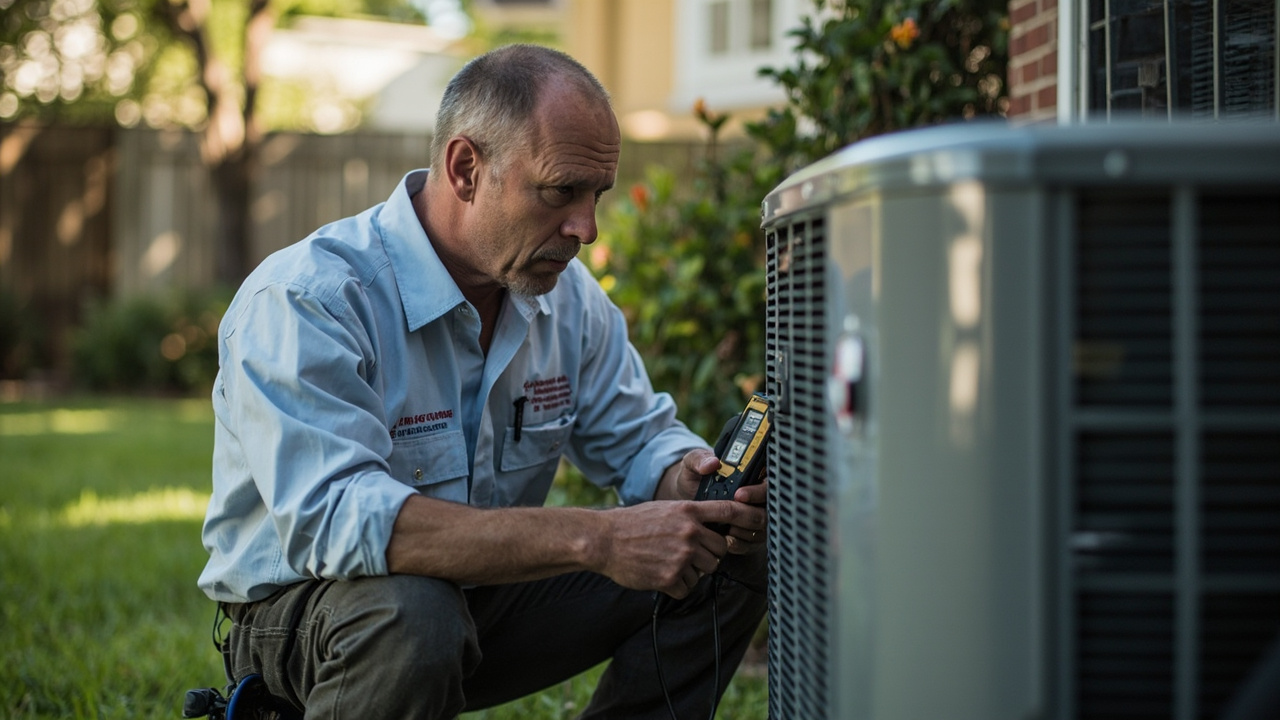
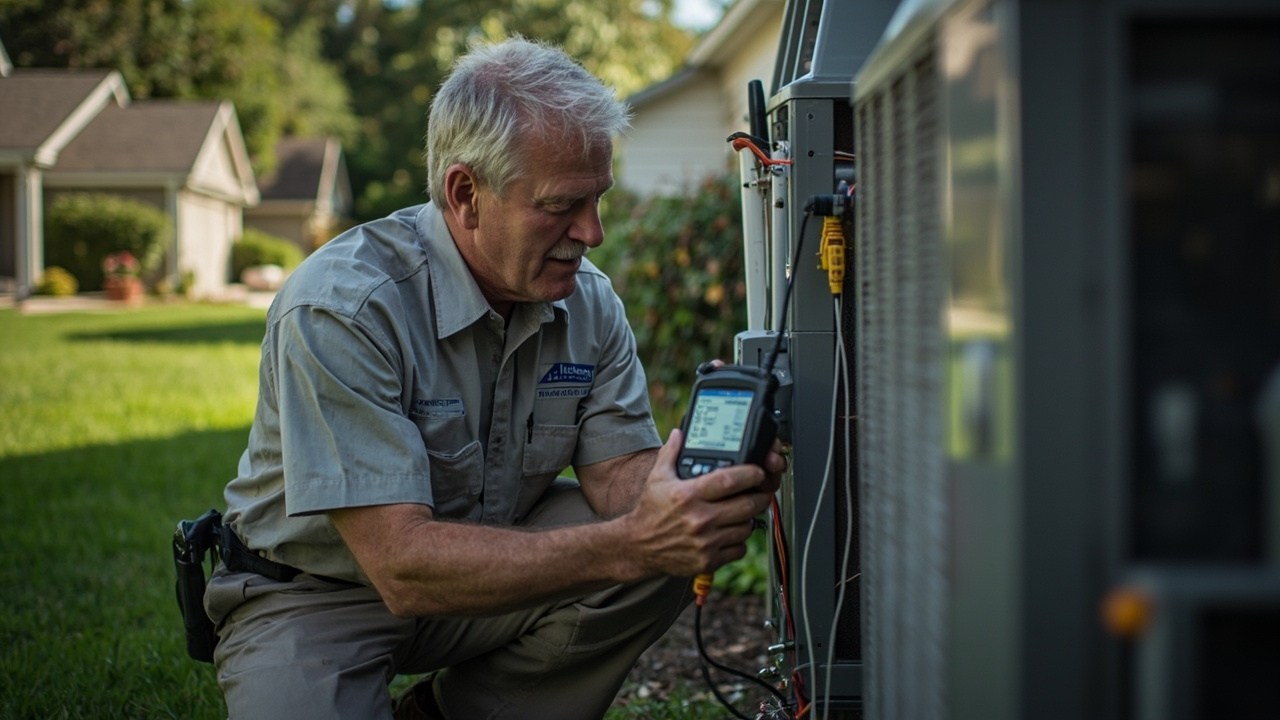
We begin by observing your system through multiple cycles while recording temperature differentials, runtime duration, and shutdown patterns. Our technicians use manifold gauges and digital thermometers to capture baseline performance data. This tells us whether your furnace short cycling or air conditioner short cycle follows a predictable pattern or varies based on outdoor temperature and system load. We also check error codes stored in your control board that reveal previous fault conditions.
02

Component-Level Diagnosis

After identifying the cycle pattern, we test individual components that commonly cause rapid cycling. This includes checking capacitor microfarad ratings, measuring amp draw on the compressor and blower motor, testing pressure switch operation, and verifying that safety controls trigger at the correct thresholds. We inspect electrical connections for loose terminals that create intermittent faults. For refrigerant issues, we perform leak detection and measure superheat and subcooling to determine if your charge is correct.
03

Repair and Cycle Verification

Once we isolate the root cause, we complete the necessary repairs and then monitor your system through several complete cycles to verify normal operation. Proper cycle time for residential systems ranges from 10 to 15 minutes in moderate conditions and up to 20 minutes during peak cooling demand. We confirm that your system reaches these benchmarks, that temperature drop across the coil falls within specifications, and that all safety controls function correctly before leaving your property.

Why Austin Homeowners Choose All Pro HVAC for Short Cycling Repairs

Short cycling diagnosis requires experience with the specific challenges Austin HVAC systems face. Our technicians understand how Central Texas heat and humidity affect system performance differently than equipment in drier or cooler climates. We know that condensate drain clogs happen faster here because of higher moisture removal rates. We recognize that thermal expansion in ductwork installed in 120-degree attics can create airflow restrictions that trigger short cycling during afternoon heat.

We also understand local installation practices that create problems years later. Many Austin homes built in the 1990s and early 2000s received oversized equipment because contractors used rules of thumb instead of Manual J load calculations. Others have undersized return ducts that restrict airflow enough to cause freezing and short cycling. We have diagnosed and corrected these issues in neighborhoods across Austin, from Mueller to Circle C, and we know what to look for based on your home's age and construction type.

Our diagnostic approach focuses on finding the actual problem instead of selling you parts you don't need. We have seen too many homeowners pay for new thermostats, capacitors, and contactors without fixing their short cycling issue because the previous company never checked refrigerant charge or measured airflow. We use the same diagnostic protocols regardless of whether your repair costs fifty dollars or five hundred, because accuracy matters more than transaction size.

You also get technicians who communicate in plain language. We explain what we found, why it causes short cycling, and what happens if you delay the repair. We show you the failed component when possible and explain how the fix restores normal operation. You make decisions based on complete information, not pressure tactics or scare stories about worst-case scenarios.

What to Expect When You Call About HVAC Rapid Cycling

Same-Day Diagnostic Appointments

We offer same-day service for short cycling issues because we know this problem accelerates equipment wear with every cycle. When you call before noon, we can usually arrive that afternoon. Our diagnostic visit includes full system testing, component inspection, and a written explanation of what we found. You receive a detailed repair estimate before we start any work. Most short cycling repairs take between one and three hours depending on the root cause, though refrigerant leak repairs can take longer if the leak location requires accessing sealed areas.

Comprehensive System Testing

Our diagnostic process examines every system that affects cycle timing. We test electrical components with multimeters, measure airflow with manometers, check refrigerant with manifold gauges, and verify thermostat accuracy with calibrated thermometers. We inspect ductwork for restrictions, check drain lines for clogs, and examine outdoor units for debris or damage. This thorough approach finds problems that symptom-based diagnosis misses. You get an accurate explanation of why your AC turning on and off repeatedly instead of speculation about possible causes.

Verified Repair Results

After completing repairs, we monitor your system through multiple complete cycles to confirm normal operation. We measure runtime duration, verify temperature drop across the evaporator coil, and check that all components function within manufacturer specifications. You see the system run properly before our technician leaves. We also provide documentation showing before and after measurements so you understand exactly what changed. This verification step ensures the repair actually solved your problem instead of just addressing symptoms.

Preventive Maintenance Recommendations

Short cycling often reveals maintenance issues that will cause future problems if ignored. We provide specific recommendations for filter changes, coil cleaning, and other preventive tasks based on what we found during diagnosis. If your system needs a larger repair within the next year, we tell you what to watch for and how to avoid emergency failures. Many customers choose our maintenance plan after a short cycling repair because they want to prevent the problem from recurring. Regular maintenance catches refrigerant leaks, dirty coils, and failing capacitors before they cause rapid cycling.

Frequently Asked Questions

You Have Questions,
We Have Answers

What is the most common cause of short cycling? +

A dirty air filter is the most common cause of short cycling in Austin homes. When your filter clogs with Central Texas dust and pollen, airflow drops and your system overheats, triggering the safety limit switch. The unit shuts down to protect itself, cools briefly, then restarts. Low refrigerant from leaks runs a close second. Austin's temperature swings stress refrigerant lines, creating micro-cracks over time. An oversized system also short cycles because it reaches set temperature too quickly and never completes a full cooling cycle.

How do you fix short cycling? +

Start by replacing your air filter. If short cycling continues, check your outdoor unit for debris blocking airflow and clear vegetation within two feet of the condenser. Verify your thermostat sits level and away from heat sources like lamps or direct sunlight. If these steps fail, call a licensed HVAC technician. The fix may require refrigerant recharge, capacitor replacement, or thermostat recalibration. In Austin's heat, refrigerant leaks and failed capacitors are common culprits that need professional diagnosis. Never ignore persistent short cycling. It doubles your energy bills and shortens compressor life.

How many minutes is considered short cycling? +

A normal cooling cycle runs 15 to 20 minutes before shutting off. Short cycling means your system runs less than 10 minutes per cycle. Some units trip off in as little as three to five minutes. You should see two to three complete cycles per hour in mild weather, more during Austin's brutal summer afternoons when outdoor temps hit triple digits. If your system clicks on and off every few minutes, you have a problem. Track your cycle times for an hour and write them down before calling a technician.

Should I turn my AC off if it's short cycling? +

Yes, turn your AC off if it short cycles continuously. Running a malfunctioning system damages the compressor, the most expensive component to replace. Short cycling causes electrical stress and overheating that can burn out contactors and capacitors. Turn off your system at the thermostat, then flip the breaker to cut power completely. In Austin's heat, this feels extreme, but you prevent a $2,000 compressor failure by acting fast. Open windows if tolerable, run ceiling fans, and schedule emergency service. A few uncomfortable hours beats a total system replacement.

Can a thermostat cause short cycling? +

Yes, a faulty thermostat absolutely causes short cycling. If your thermostat sits in direct sunlight or near a heat source, it reads false temperatures and cycles your system erratically. Corroded wiring or a failing temperature sensor sends bad signals to your air handler. In older Austin homes, mercury thermostats tilt over time as foundations shift on our clay soil, causing inaccurate readings. Dust buildup inside the thermostat also interferes with the temperature sensor. Try recalibrating your thermostat or moving it to an interior wall away from windows before replacing your entire AC system.

How to unclog an expansion valve in a car? +

This question addresses automotive AC systems, not residential HVAC. For home air conditioning short cycling issues in Austin, focus on your expansion valve or metering device inside your air handler. You cannot unclog these components. If your home system's expansion valve fails or clogs with debris, a technician must replace it. Automotive expansion valves operate differently and require specialized tools. If you experience AC problems in your vehicle, consult an automotive specialist. For residential HVAC short cycling caused by restricted refrigerant flow, call a licensed technician to diagnose and replace the failed component.

How to tell if HVAC is short cycling? +

Listen for your outdoor unit clicking on and off every few minutes instead of running steady 15-minute cycles. Watch for frequent temperature swings. Your home never reaches the set temperature on your thermostat. Check your thermostat display. If it shows your system cycling more than three times per hour, you have short cycling. In Austin homes, you will notice higher electric bills, uneven cooling between rooms, and excessive humidity indoors. Your system runs constantly but never satisfies the thermostat. Ice buildup on refrigerant lines or around your air handler also signals short cycling from low refrigerant.

What is the $5000 AC rule? +

The 5000 dollar AC rule is a replacement guideline. Multiply the repair cost by your system's age in years. If the total exceeds 5000 dollars, replace the unit instead of repairing it. For example, a 1500 dollar repair on a 10-year-old system equals 15000 dollars, so you replace. A 500 dollar repair on a five-year-old system equals 2500 dollars, so you repair. This rule helps Austin homeowners make financial decisions when facing major AC failures. However, energy efficiency improvements in newer systems often justify earlier replacement in our extreme climate where AC runs eight months yearly.

What does short cycling look like? +

Short cycling looks like your outdoor condenser fan and compressor starting, running briefly for three to seven minutes, shutting down, then restarting after a short break. You hear rapid clicking from contactors engaging and disengaging. Your thermostat display shows the cooling icon flashing on and off repeatedly. Inside, you feel brief cold air bursts from vents followed by warm air or no air. In Austin homes, you notice your system running constantly during afternoon heat but never cooling your home below 78 degrees. Ice may form on refrigerant lines near your air handler or outdoor unit.

What is the 75% rule in cycling? +

The 75 percent rule applies to HVAC ductwork design, not short cycling diagnosis. It states that the total area of all branch ducts should equal at least 75 percent of your main trunk line area to maintain proper airflow and pressure balance. Poor duct design causes inadequate airflow, which can trigger short cycling from overheating. In Austin's older homes, undersized or crushed ducts in attics restrict airflow during our extreme summers. This forces your system to work harder and cycle improperly. Proper duct sizing prevents pressure imbalances that stress your compressor and cause premature system failure.

How Austin's Extreme Heat and Humidity Make Short Cycling More Damaging

Austin's summer conditions create the perfect environment for short cycling damage. When outdoor temperatures hit 105 degrees and humidity climbs above 60 percent, your air conditioner runs near maximum capacity for hours every day. Add short cycling to that workload and you force the compressor through dozens of extra startups daily. Each startup draws five to seven times normal running amperage, which generates heat and stress in windings and bearings. Systems that short cycle through Austin summers often experience compressor failure within two to three years instead of the typical 12 to 15 year lifespan. The combination of thermal stress and electrical stress overwhelms components designed for normal cycling.

Fixing short cycling correctly requires familiarity with how Austin homes are built and cooled. We work on systems in everything from 1950s pier and beam homes in Travis Heights to new construction in Pflugerville, and we understand how ductwork design, insulation quality, and equipment sizing affect cycle timing in each type of structure. Our technicians know that homes in neighborhoods like Barton Hills often have undersized return air paths that restrict airflow, while newer homes in Leander sometimes have oversized equipment that short cycles because builders used outdated sizing methods. This local knowledge helps us diagnose problems faster and recommend solutions that work for your specific situation.
HVAC Services in The Austin Area

We are proud to serve the entire area, providing exceptional HVAC services to both residential and commercial clients. Our service area is extensive, ensuring that no matter where you are located, you can count on us for reliable and prompt service. We invite you to view our location on the map and see how conveniently positioned we are to meet all of your heating and cooling needs. We are just a call away.

Address:
All Pro HVAC Austin, 313 E 12th St, Austin, TX, 78701

Additional Services We Offer

Our news updates

Latest Articles & News from The Blogs

Flexible financing options for Austin families needing a new HVAC system today\n\nReplacing your HVAC system in Austin does not have…

Flexible financing options for Austin families needing a new HVAC system today

Flexible financing options for Austin families needing a new HVAC system today\n\nReplacing your HVAC system in Austin does not have…

Finding a certified Trane repair specialist for your Great Hills home

Finding a certified Trane repair specialist for your Great Hills home When your Trane air conditioner stops working in Great…

Why getting a second opinion on your AC compressor replacement could save you thousands

Why getting a second opinion on your AC compressor replacement could save you thousands If your HVAC technician just told…

Contact Us

Every cycle damages your compressor and wastes energy. Call All Pro HVAC Austin at (737) 316-0777 for same-day diagnosis and permanent short cycling repairs. We find the root cause and fix it right the first time.