


Cedar Park sits in the transition zone between the Hill Country and the Blackland Prairie, creating unique challenges for heating and cooling systems. Summer temperatures regularly exceed 100 degrees from June through September, forcing air conditioners to run 12 to 16 hours daily. This constant cycling wears down compressors, capacitors, and contactors faster than in milder climates.
The area's expansive clay soil shifts with moisture changes, settling foundations and stressing ductwork connections. Gaps in your duct system waste conditioned air into attics and crawl spaces, forcing your HVAC system to work harder. Central Texas also experiences dramatic temperature swings during winter cold fronts, with temperatures dropping 40 degrees in hours. These rapid changes strain heat exchangers and create condensation issues in poorly maintained systems.
Cedar Park's growth brings newer homes with high-efficiency systems, but many neighborhoods near Brushy Creek and the original town center contain older homes with undersized or aging equipment. Many residents near Whitestone and the Avery Ranch area discover their builders installed the minimum equipment needed to pass inspection, not what's required for actual Texas summers. Understanding these local factors helps us diagnose problems faster and recommend solutions that last.
All Pro HVAC Austin has served Cedar Park and the greater Austin metro since our founding, building a reputation for honest diagnostics and quality repairs. We train our technicians to fix problems right the first time instead of selling unnecessary replacements. When we arrive at your home, we perform a complete system evaluation to identify the actual failure point, not just the obvious symptom.
Our trucks carry the most common parts for Carrier, Trane, Lennox, Goodman, and Rheem systems, which means we complete most repairs the same day. We don't schedule appointments in narrow windows and leave you waiting. When we commit to a timeframe, we show up ready to work.
Cedar Park residents appreciate our transparent pricing. We provide written estimates before starting work and explain exactly what failed and why. If your system is old and a repair costs more than half the replacement value, we tell you. We help you make informed decisions about whether to repair or replace based on your system's condition and your home's needs.
We maintain our licensing and insurance requirements, pull permits when required by Williamson County, and guarantee our work. Our technicians hold NATE certifications and complete continuing education on new refrigerants, efficiency standards, and diagnostic techniques. When we install or repair your system, it meets current building codes and manufacturer specifications. We also offer maintenance agreements that catch small problems before they become expensive failures, extending your system's lifespan and protecting your investment in your home's comfort.

We understand that AC failure in July is not something you can wait three days to fix. Our emergency service responds to Cedar Park calls within hours, not days. We arrive with diagnostic tools and common parts so we can complete most repairs the same visit and restore your comfort fast.

We diagnose the actual problem instead of guessing or replacing parts until something works. Our technicians use testing equipment to measure voltages, pressures, and airflow, then explain exactly what failed and why. You get a written estimate before we start work, with no surprises when we finish.
Every technician on our team holds NATE certification and completes ongoing training on new equipment and refrigerants. We stay current on EPA regulations, building codes, and manufacturer updates so your repairs meet all requirements. Our work passes inspection and maintains your equipment warranties.
We know the common issues in Cedar Park homes because we work here every day. We understand how foundation movement affects ductwork, which neighborhoods have undersized systems, and how the local climate stresses equipment. This local knowledge helps us diagnose problems faster and recommend solutions that work.
All Pro HVAC Austin provides comprehensive heating and cooling services for residential and commercial properties throughout Cedar Park. We handle everything from emergency AC repairs on the hottest days to complete system replacements and preventive maintenance that keeps equipment running efficiently.
Our service range covers all major brands and system types, including central air conditioning, heat pumps, gas furnaces, electric heating, and ductless mini-split systems. We work on homes of all ages, from newer construction in Avery Ranch to established properties near the original town center.
Every service call starts with accurate diagnosis using calibrated testing equipment. We measure refrigerant pressures, electrical voltages, airflow volumes, and temperature differentials to identify problems precisely. This approach prevents unnecessary part replacements and gets your system running correctly the first time. Our technicians explain what we find in plain language so you understand the problem and the solution before we start work. We organize our services into three main categories that cover the complete lifecycle of your HVAC system, from routine care through emergency failures to full equipment upgrades.
When your air conditioner stops cooling or your heater quits working, we respond the same day. Our emergency service handles compressor failures, refrigerant leaks, blower motor breakdowns, thermostat malfunctions, and electrical problems that leave you without climate control. We arrive with fully stocked trucks containing the parts needed for most common repairs, which means we usually restore your comfort in one visit. Our technicians work evenings and weekends because HVAC failures don't wait for business hours.
We install new central air conditioning systems, heat pumps, furnaces, and ductless units when repairs no longer make financial sense. Our installation process includes load calculations to properly size equipment for your home's square footage, insulation, and layout. We evaluate your existing ductwork for leaks and sizing problems, then make necessary corrections so your new system operates at peak efficiency. Every installation meets Williamson County permit requirements and manufacturer specifications to protect your warranty coverage.
Regular maintenance prevents most emergency breakdowns and extends equipment life by years. Our maintenance visits include cleaning coils, checking refrigerant levels, testing electrical components, lubricating motors, inspecting heat exchangers for cracks, and measuring airflow. We catch small problems like worn contactors and weak capacitors before they cause complete system failure. Maintenance customers get priority scheduling and discounted repair rates, plus the peace of mind that comes from knowing your system receives professional attention twice yearly.
Cedar Park's climate and construction patterns create specific challenges for heating and cooling systems. The extreme heat from June through September pushes air conditioners to their limits, causing component failures in systems that don't receive regular maintenance. Many homes built during the area's rapid growth in the 2000s have undersized equipment or poorly installed ductwork that wastes energy and fails to keep homes comfortable.
The expansive clay soil throughout Williamson County shifts as moisture levels change between wet springs and dry summers. This movement settles foundations and separates duct connections in attics and crawl spaces. Gaps in your duct system dump conditioned air where it doesn't help, forcing your equipment to run longer and wear out faster. We encounter these issues daily in neighborhoods from Brushy Creek to Whitestone, where even newer homes show signs of foundation settlement affecting HVAC performance. Understanding these common problems helps you recognize warning signs before they become expensive failures.
This usually indicates low refrigerant from a leak, dirty coils restricting airflow, or undersized equipment struggling to handle the home's actual cooling load. We find leaks using electronic detectors, repair them, and recharge the system to manufacturer specifications. Sometimes the problem is simply a dirty outdoor coil covered in cottonwood seeds and dust that prevents heat rejection.
Constant cycling without reaching temperature points to duct leaks, inadequate insulation, or failing compressors. In Cedar Park's heat, attic temperatures exceed 140 degrees. If your ducts leak into that space, you're cooling your attic instead of your home. We pressure test duct systems to locate leaks and seal them properly.
Grinding, squealing, or banging sounds indicate mechanical problems that need immediate attention. Blower motor bearings fail, fan blades come loose, and compressors make noise before they quit completely. Ignoring these sounds leads to more expensive repairs. We diagnose the noise source and fix it before the component destroys itself or damages other parts.
Thermostat problems range from dead batteries and tripped breakers to communication failures between the control board and equipment. Modern systems use complex controls that sometimes need resetting or reprogramming. We troubleshoot the control circuit to determine if the thermostat failed or if the problem lies in the system's control board.
When your HVAC system fails or performs poorly, you need clear information and fast service. We built our process around transparency and efficiency so you know exactly what to expect from your first phone call through completion of repairs. Our office staff answers questions about scheduling, pricing, and what information our technicians need when they arrive.
We respect your time by providing accurate arrival windows and calling ahead when we're on the way. Our technicians arrive in marked trucks with their credentials visible, so you know who's entering your property. They wear shoe covers inside your home and protect your floors with drop cloths when necessary. We treat your property with the same care we'd want in our own homes. After completing work, we clean up completely and walk you through what we did and any recommendations for preventing future problems.
When you call, we gather information about your system's symptoms and schedule service within your preferred timeframe. For emergencies, we respond the same day. Our technicians call 30 minutes before arrival so you're not waiting around wondering when we'll show up. During the visit, we explain what we find in plain language without technical jargon. You get a written estimate before we start work, with parts and labor broken out clearly. No surprises, no pressure, just honest information so you can make good decisions.
We don't guess at problems. Our technicians use manifold gauges to measure refrigerant pressures, multimeters to test electrical circuits, and airflow meters to check system performance. We inspect heat exchangers for cracks, test capacitors under load, and measure temperature splits across coils. This diagnostic approach identifies the actual failure point instead of replacing parts until something works. You pay for the repair you need, not experimental troubleshooting at your expense.
Every repair includes a written warranty covering parts and labor. If the same problem occurs within the warranty period, we return and make it right at no additional charge. We stand behind our work because we do it correctly the first time. Our technicians follow manufacturer specifications and building codes, which means repairs last and maintain your equipment warranties. You get documentation for your records showing exactly what we repaired and when.
We designed our service process to minimize disruption to your day while solving your HVAC problems completely. From scheduling through final testing, every step focuses on efficiency and quality.
Call our office to describe the problem and schedule service. We provide a timeframe for arrival and confirm your contact information. When our technician arrives, they evaluate your system using diagnostic equipment to identify the exact failure point. This includes checking refrigerant pressures, electrical voltages, airflow rates, and component operation. You receive a clear explanation of what failed and why, along with a written estimate for repairs before any work begins.
Once you approve the estimate, we complete the repair using quality parts from our truck inventory. Our technicians follow manufacturer procedures and building codes for all work. After installing new components, we test the complete system to verify proper operation. This includes measuring temperature output, checking refrigerant charge, testing safety controls, and confirming the thermostat responds correctly. We don't leave until your system runs properly.
Before we leave, we walk you through what we repaired and demonstrate that your system works correctly. We explain any maintenance recommendations that could prevent future problems and answer your questions about operation or care. You receive written documentation of the work completed, including warranty information. We clean up completely, removing all packaging and old parts, leaving your property as clean as we found it.
Cedar Park operates under Williamson County jurisdiction and adopts the International Residential Code with local amendments. HVAC work requiring permits includes system replacements, ductwork modifications exceeding 25 feet, and refrigerant line installations. Permits ensure work meets minimum safety standards for electrical connections, gas piping, combustion air supply, and condensate drainage.
Texas requires HVAC contractors to hold a valid license through the Texas Department of Licensing and Regulation. Technicians handling refrigerants must maintain EPA Section 608 certification, which proves competency in refrigerant recovery and environmental compliance. These certifications matter because improper refrigerant handling damages the environment and violates federal law, while unlicensed work voids equipment warranties and creates liability issues if something goes wrong.
Modern efficiency standards require minimum SEER ratings of 15 for new air conditioners in Texas as of 2023. Higher SEER units cost more upfront but reduce electricity consumption during our long cooling season. Proper refrigerant charging requires weighing the charge or using superheat and subcooling measurements, not just adding refrigerant until pressures look right. Incorrect charge reduces efficiency by up to 20 percent and shortens compressor life.
Ductwork design follows Manual D calculations that account for friction losses, equivalent length of fittings, and static pressure limitations. Undersized ducts restrict airflow and force blowers to work harder, increasing noise and reducing efficiency. Properly sealed duct systems should leak less than 10 percent of total airflow, measured using a duct blaster test. In Cedar Park's climate, attic ducts need minimum R-8 insulation to prevent condensation and heat gain. We verify these standards on every installation because cutting corners creates problems that cost homeowners money for years.
Williamson County requires permits for system replacements, ductwork changes, and refrigerant line installations. Permitted work gets inspected to verify electrical connections meet code, gas lines are properly sized and leak-tested, and equipment is installed per manufacturer specifications. Skipping permits puts you at risk if insurance claims arise or when you sell your home.
Repair costs depend on which component failed and how difficult it is to access. Capacitors and contactors are inexpensive parts with quick replacement times. Compressors and heat exchangers cost significantly more and require refrigerant recovery, vacuum procedures, and recharging. Systems using older R-22 refrigerant cost more to recharge than newer R-410A systems because R-22 is no longer manufactured.
Air conditioners in Cedar Park's climate last 12 to 15 years with proper maintenance. Systems that skip maintenance or run with dirty filters fail sooner. Heat pumps work harder than straight cooling systems and typically need replacement around 12 years. Gas furnaces often last 18 to 20 years because they operate fewer hours annually than air conditioners.
EPA regulations prohibit venting refrigerants into the atmosphere and require certified technicians for all refrigerant work. R-22 refrigerant is no longer produced, making repairs on older systems expensive. New systems use R-410A refrigerant, which operates at higher pressures and requires compatible components. Future refrigerant changes are coming as the industry transitions to lower global warming potential options.
Complete guide to HVAC repair and service in Cedar Park, Texas. Covers common air conditioning and heating problems, repair costs, contractor selection, code requirements, and maintenance strategies for Central Texas climate. Explains refrigerant regulations, efficiency standards, proper system sizing, and ductwork issues caused by foundation movement. Includes information on when to repair versus replace equipment and what questions to ask contractors before authorizing work.
All Pro HVAC Austin serves the entire Cedar Park area, from established neighborhoods near the original town center to newer developments spreading north and west toward Leander. We work throughout the Brushy Creek area, where many homes were built in the 1990s and early 2000s and are now reaching the age where air conditioners and furnaces need replacement. The neighborhoods around Buttercup Creek and Twin Lakes show similar patterns, with aging equipment that benefited from regular maintenance now facing repair decisions.
The Avery Ranch community represents some of Cedar Park's newer construction, with homes built to higher efficiency standards but sometimes equipped with builder-grade HVAC systems that meet minimum requirements without much margin for Texas heat. We help homeowners in this area evaluate whether their systems are appropriately sized and performing as designed. The Whitestone area north of the central business district includes both older ranch homes on larger lots and newer mixed-use development, creating diverse HVAC needs from older system replacements to maintenance on newer equipment.
Properties near Anderson Mill and the southern edge of Cedar Park close to Highway 183 face unique challenges from highway noise and urban heat island effects, which make proper insulation and duct sealing even more critical. We also serve homes near Lake Travis to the west, where properties are more spread out and some homes rely on propane rather than natural gas for heating.
Cedar Park's position along the Route 1 corridor creates interesting zoning where residential areas transition to commercial and light industrial uses. We handle both residential service calls and commercial HVAC work for small businesses throughout the area. The city's continued growth means we encounter everything from brand new construction requiring startup and warranty service to homes built in the 1980s needing complete system replacements. This variety keeps our technicians sharp and ensures we have experience with every type of equipment and installation you might have in your home.
Whether you're in the original Cedar Park neighborhoods near the library and city hall, out in the expanding areas near Whitestone Boulevard, or anywhere in between, we know the area and understand how local conditions affect HVAC performance. We've worked on the common floor plans from major builders active in the area and understand the typical HVAC layouts and potential trouble spots in homes throughout Williamson County.
The $5000 rule is a simple decision-making guideline. Multiply your system's age by the repair estimate. If the total exceeds $5000, replacement usually makes more financial sense than repair. For example, if your 12-year-old unit needs a $600 fix, that equals $7200, suggesting replacement. In Cedar Park's climate, older systems work harder against heat and humidity, reducing efficiency. This rule helps you avoid throwing money at a dying unit. Consider efficiency gains and Cedar Park's summer cooling demands when deciding. A new system often pays for itself through lower energy bills.
A complete HVAC system replacement in Cedar Park typically ranges from $5000 to $12000, depending on several factors. Your home's square footage, ductwork condition, system efficiency rating (SEER), and brand choice all impact final pricing. Cedar Park's hot summers make higher SEER ratings worth the investment, as they reduce cooling costs. Two-story homes or properties with aging ductwork cost more. The exact price varies based on your specific needs. Get multiple quotes from local contractors who understand Cedar Park's climate demands and can properly size your equipment for Texas heat.
HVAC installers in Cedar Park typically charge $75 to $150 per hour for labor, though most quote projects as flat rates rather than hourly. Installation jobs are usually bid as complete packages. Service calls and repairs more commonly use hourly rates. Experience level, licensing, and complexity affect pricing. Emergency after-hours service costs more. Cedar Park contractors who understand local climate stresses and building codes provide better value than cut-rate options. Ask for detailed quotes that break down labor and materials. Cheaper hourly rates can mean longer job times or lower quality work.
The $5000 rule is a simple decision-making guideline. Multiply your system's age by the repair estimate. If the total exceeds $5000, replacement usually makes more financial sense than repair. For example, if your 12-year-old unit needs a $600 fix, that equals $7200, suggesting replacement. In Cedar Park's climate, older systems work harder against heat and humidity, reducing efficiency. This rule helps you avoid throwing money at a dying unit. Consider efficiency gains and Cedar Park's summer cooling demands when deciding. A new system often pays for itself through lower energy bills.
A complete HVAC system replacement in Cedar Park typically ranges from $5000 to $12000, depending on several factors. Your home's square footage, ductwork condition, system efficiency rating (SEER), and brand choice all impact final pricing. Cedar Park's hot summers make higher SEER ratings worth the investment, as they reduce cooling costs. Two-story homes or properties with aging ductwork cost more. The exact price varies based on your specific needs. Get multiple quotes from local contractors who understand Cedar Park's climate demands and can properly size your equipment for Texas heat.
HVAC installers in Cedar Park typically charge $75 to $150 per hour for labor, though most quote projects as flat rates rather than hourly. Installation jobs are usually bid as complete packages. Service calls and repairs more commonly use hourly rates. Experience level, licensing, and complexity affect pricing. Emergency after-hours service costs more. Cedar Park contractors who understand local climate stresses and building codes provide better value than cut-rate options. Ask for detailed quotes that break down labor and materials. Cheaper hourly rates can mean longer job times or lower quality work.
Replacing HVAC in a 2000 square foot Cedar Park home typically costs $6000 to $10000 for a complete system. Your final price depends on efficiency rating, brand, ductwork condition, and whether you need single-stage or variable-speed equipment. Cedar Park's intense summer heat demands properly sized units. Undersized systems run constantly and fail early. Oversized units short-cycle and waste energy. Factor in Cedar Park's humidity when selecting equipment. Two-story layouts cost more than single-story homes. Quality installation matters as much as equipment choice. Poor installation reduces efficiency and shortens equipment life regardless of brand.
HVAC systems typically last 15 to 20 years with proper maintenance. In Cedar Park, lifespans trend toward the lower end due to heavy summer use and humidity stress. Systems run longer cooling seasons here than northern climates, accelerating wear. Regular maintenance extends life significantly. Neglected systems fail earlier, often around 10 to 12 years. Quality installation matters. Improperly sized or installed equipment fails prematurely. Higher-efficiency systems often last longer because they run less intensely. If your system approaches 15 years and needs major repairs, replacement usually makes financial sense given Cedar Park's demanding climate conditions.
The 3-minute rule protects your compressor from damage. After your AC shuts off, wait at least 3 minutes before restarting it. This allows refrigerant pressures to equalize throughout the system. Restarting too quickly forces the compressor to start against high pressure, stressing internal components and shortening lifespan. In Cedar Park's heat, homeowners sometimes frantically cycle thermostats when homes feel warm. Resist this urge. Modern thermostats often include built-in delay timers. If you lose power during summer storms common to the Cedar Park area, wait before restarting to avoid compressor damage and potential system failure.
Fall and early spring offer the best HVAC purchase timing in Cedar Park. October through March typically brings slower demand and better pricing. Contractors have more availability for careful installation work. You avoid the summer rush when everyone needs emergency replacements. Cedar Park's mild winters allow comfortable installation without heating pressure. Many manufacturers offer rebates during off-peak months. You also get first pick of inventory before summer stock shortages. Buying before cooling season lets you test your new system during moderate weather, catching any issues before you desperately need AC during Cedar Park's brutal summer heat.
Installing central AC in a 1500 square foot Cedar Park home typically costs $4000 to $8000, depending on whether ductwork exists. Homes with existing ducts cost less. Adding ductwork significantly increases expense, sometimes doubling the total. System efficiency (SEER rating) affects pricing. Higher SEER units cost more upfront but save money in Cedar Park's long cooling season. Single-story homes cost less than two-story layouts. Consider mini-split systems if ductwork installation is prohibitive. They work well in Cedar Park's climate and cost less than full ducted systems. Get multiple quotes from local contractors familiar with Texas building requirements.
Watch for these replacement signals in Cedar Park. Frequent breakdowns, especially during summer, indicate failing equipment. Rising energy bills without usage changes mean declining efficiency. Uneven cooling between rooms suggests ductwork issues or inadequate capacity. Strange noises like grinding, squealing, or banging signal mechanical failure. Excessive humidity indoors means your system cannot handle Cedar Park's moisture load. Visible rust or refrigerant leaks require immediate attention. If your system exceeds 15 years and needs major repairs, replacement makes financial sense. Difficulty maintaining comfortable temperatures during Cedar Park's summer heat means your system cannot meet demand.
A complete HVAC installation in Cedar Park typically takes 1 to 3 days, depending on complexity. Straightforward replacements with existing ductwork often finish in one full day. Two-story homes, ductwork modifications, or multi-zone systems require 2 to 3 days. Extensive duct replacement can extend timelines further. Weather delays happen during Cedar Park's occasional storms. Quality installers do not rush. Proper refrigerant charging, duct sealing, and system testing take time. Rushed installations cause problems. Plan for temporary discomfort during installation. Reputable Cedar Park contractors provide realistic timelines and keep you informed throughout the process. Avoid contractors promising unrealistically fast completion.
Replacing HVAC in a 2000 square foot Cedar Park home typically costs $6000 to $10000 for a complete system. Your final price depends on efficiency rating, brand, ductwork condition, and whether you need single-stage or variable-speed equipment. Cedar Park's intense summer heat demands properly sized units. Undersized systems run constantly and fail early. Oversized units short-cycle and waste energy. Factor in Cedar Park's humidity when selecting equipment. Two-story layouts cost more than single-story homes. Quality installation matters as much as equipment choice. Poor installation reduces efficiency and shortens equipment life regardless of brand.
HVAC systems typically last 15 to 20 years with proper maintenance. In Cedar Park, lifespans trend toward the lower end due to heavy summer use and humidity stress. Systems run longer cooling seasons here than northern climates, accelerating wear. Regular maintenance extends life significantly. Neglected systems fail earlier, often around 10 to 12 years. Quality installation matters. Improperly sized or installed equipment fails prematurely. Higher-efficiency systems often last longer because they run less intensely. If your system approaches 15 years and needs major repairs, replacement usually makes financial sense given Cedar Park's demanding climate conditions.
The 3-minute rule protects your compressor from damage. After your AC shuts off, wait at least 3 minutes before restarting it. This allows refrigerant pressures to equalize throughout the system. Restarting too quickly forces the compressor to start against high pressure, stressing internal components and shortening lifespan. In Cedar Park's heat, homeowners sometimes frantically cycle thermostats when homes feel warm. Resist this urge. Modern thermostats often include built-in delay timers. If you lose power during summer storms common to the Cedar Park area, wait before restarting to avoid compressor damage and potential system failure.
Fall and early spring offer the best HVAC purchase timing in Cedar Park. October through March typically brings slower demand and better pricing. Contractors have more availability for careful installation work. You avoid the summer rush when everyone needs emergency replacements. Cedar Park's mild winters allow comfortable installation without heating pressure. Many manufacturers offer rebates during off-peak months. You also get first pick of inventory before summer stock shortages. Buying before cooling season lets you test your new system during moderate weather, catching any issues before you desperately need AC during Cedar Park's brutal summer heat.
Installing central AC in a 1500 square foot Cedar Park home typically costs $4000 to $8000, depending on whether ductwork exists. Homes with existing ducts cost less. Adding ductwork significantly increases expense, sometimes doubling the total. System efficiency (SEER rating) affects pricing. Higher SEER units cost more upfront but save money in Cedar Park's long cooling season. Single-story homes cost less than two-story layouts. Consider mini-split systems if ductwork installation is prohibitive. They work well in Cedar Park's climate and cost less than full ducted systems. Get multiple quotes from local contractors familiar with Texas building requirements.
Watch for these replacement signals in Cedar Park. Frequent breakdowns, especially during summer, indicate failing equipment. Rising energy bills without usage changes mean declining efficiency. Uneven cooling between rooms suggests ductwork issues or inadequate capacity. Strange noises like grinding, squealing, or banging signal mechanical failure. Excessive humidity indoors means your system cannot handle Cedar Park's moisture load. Visible rust or refrigerant leaks require immediate attention. If your system exceeds 15 years and needs major repairs, replacement makes financial sense. Difficulty maintaining comfortable temperatures during Cedar Park's summer heat means your system cannot meet demand.
A complete HVAC installation in Cedar Park typically takes 1 to 3 days, depending on complexity. Straightforward replacements with existing ductwork often finish in one full day. Two-story homes, ductwork modifications, or multi-zone systems require 2 to 3 days. Extensive duct replacement can extend timelines further. Weather delays happen during Cedar Park's occasional storms. Quality installers do not rush. Proper refrigerant charging, duct sealing, and system testing take time. Rushed installations cause problems. Plan for temporary discomfort during installation. Reputable Cedar Park contractors provide realistic timelines and keep you informed throughout the process. Avoid contractors promising unrealistically fast completion.
We are proud to serve the entire area, providing exceptional HVAC services to both residential and commercial clients. Our service area is extensive, ensuring that no matter where you are located, you can count on us for reliable and prompt service. We invite you to view our location on the map and see how conveniently positioned we are to meet all of your heating and cooling needs. We are just a call away.
Address:
Cedar Park, TX, 78613
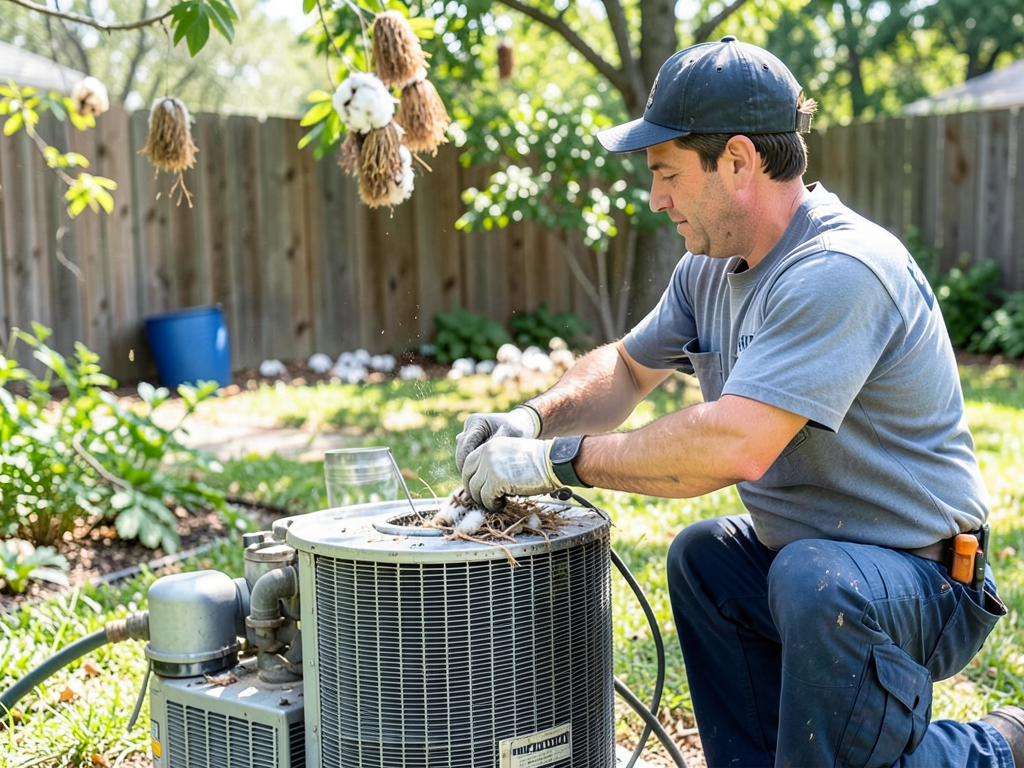
Spring Cleaning Your HVAC System Specifically for the Central Texas Climate Spring in Central Texas lasts about five minutes before the 100-degree heat arrives. That short window between oak pollen season and triple-digit temperatures is…
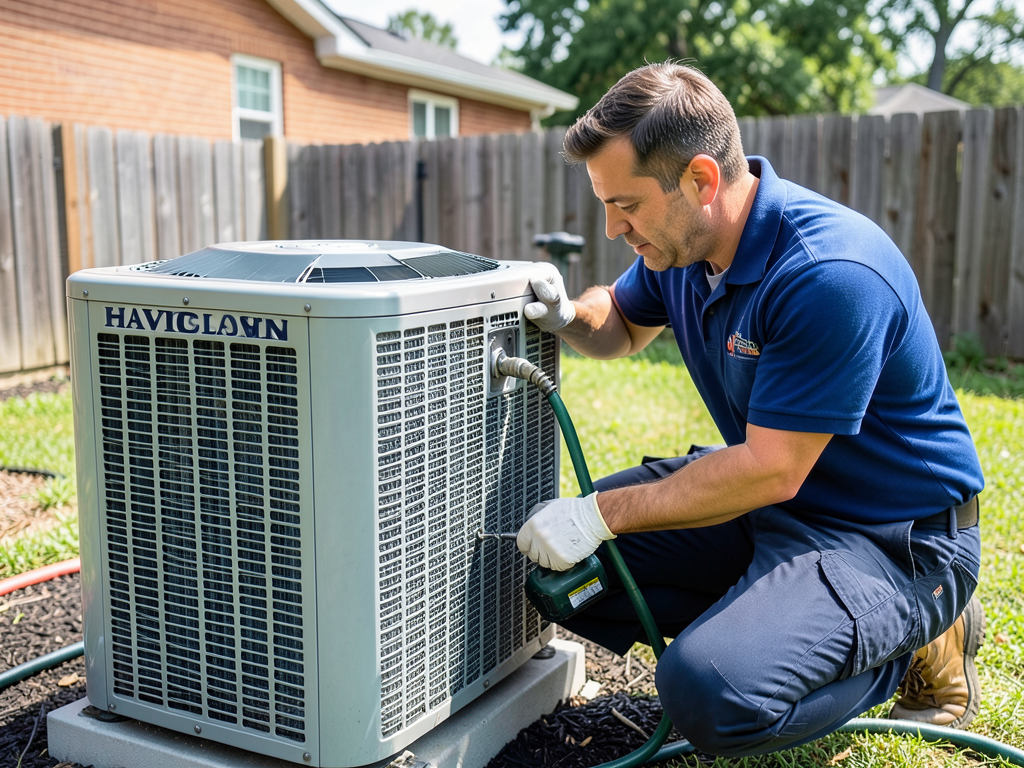
Why You Should Never Use a Pressure Washer on Your Austin AC Unit Your outdoor…
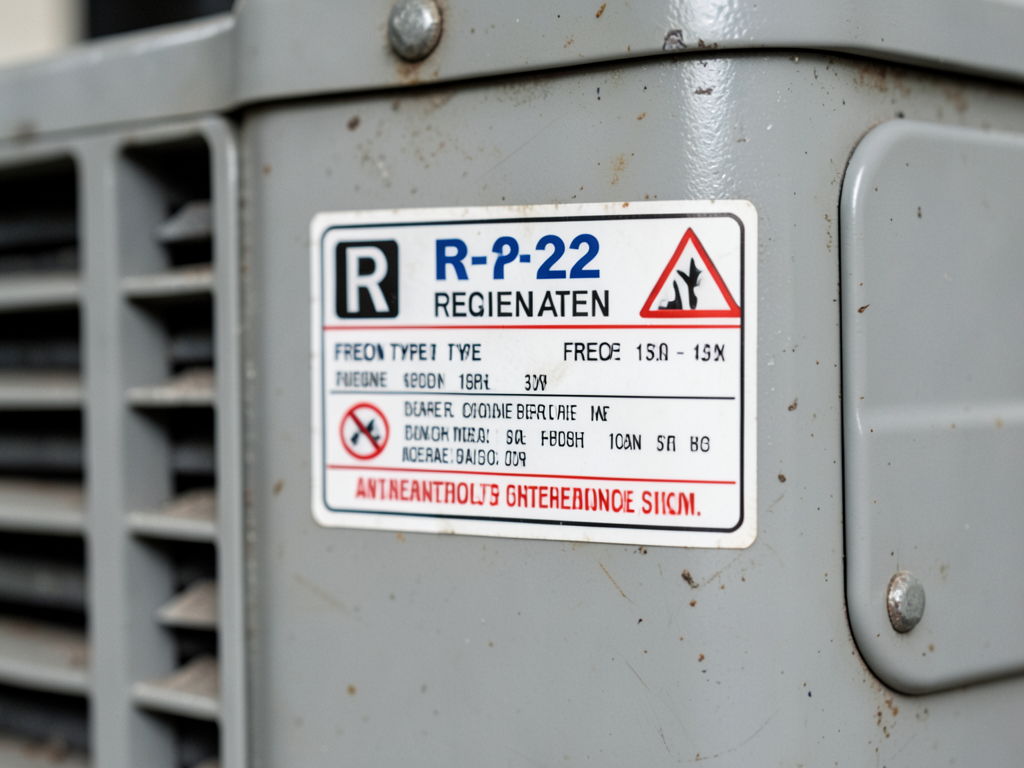
HVAC Red Flags to Look for When Buying a Mid Century Home in Wooten Buying…
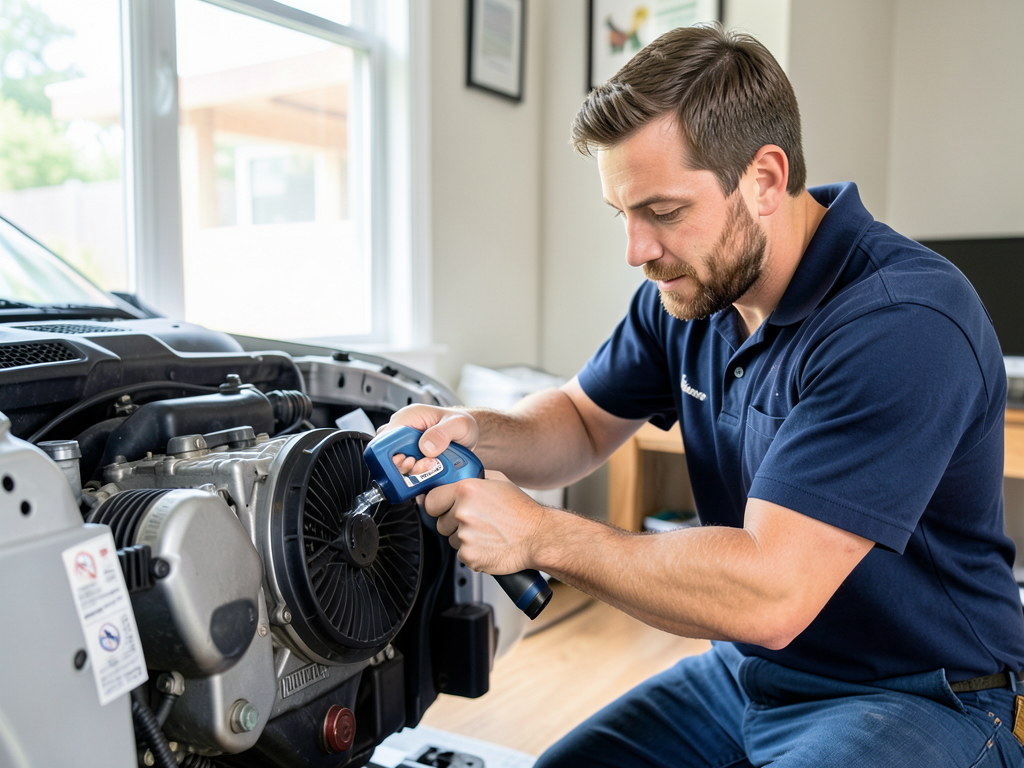
How the Austin Dust Problem Is Ruining Your AC Blower Motor Early Central Texas homeowners…
Don't wait for a complete breakdown to address HVAC problems. Call All Pro HVAC Austin at (737) 316-0777 for fast, honest service. We'll diagnose the issue, explain your options clearly, and restore your comfort today.