
Modern HVAC Solutions for Historic Homes in Tarrytown and Old West Austin
Homeowners in Tarrytown and Old West Austin face a unique challenge: keeping century-old homes comfortable without destroying their architectural charm. These neighborhoods boast stunning historic properties with thick masonry walls, intricate woodwork, and high ceilings—but they weren’t built with modern cooling and heating in mind. Austin Energy rebates.
Traditional HVAC installation in these homes often means invasive ductwork that destroys plaster walls, ceiling medallions, and original moldings. The good news? Today’s high-efficiency systems can deliver year-round comfort while preserving your home’s historic character.. Read more about The Best Heat Pump Installation Experts in Austin and Central Texas.
The Unique Challenges of Austin’s Historic Architecture
Historic homes in Tarrytown and Old West Austin present specific retrofitting challenges that require specialized knowledge. Many properties were built before 1940 using balloon-frame construction with lath and plaster walls that crumble when disturbed. The thick masonry exterior walls—often two bricks deep—make running conventional ductwork nearly impossible without major structural modifications.. Read more about Why your East Austin bungalow feels humid even with the AC running.
Another critical factor: Austin’s Historic Landmark Commission (HLC) guidelines require any exterior modifications to maintain the home’s original appearance. This means no visible condensers on historic facades or rooftop units that would alter the home’s silhouette. The commission’s standards protect properties within designated historic districts, which include much of Old West Austin and portions of Tarrytown.
Beyond aesthetics, these homes often have unique ventilation needs. Many historic properties lack proper attic ventilation, leading to moisture buildup that can damage original materials. The high ceilings common in Victorian and Craftsman homes also create different air circulation patterns than modern construction.
Top HVAC Options for Older Homes
Modern HVAC technology offers several solutions specifically designed for historic properties. Each system balances efficiency with preservation, allowing you to maintain your home’s character while achieving modern comfort levels.
High-Velocity Systems: The Discreet Retrofit Champion
High-velocity systems like Unico and SpacePak use small, flexible ducts—about 2 inches in diameter—that can snake through existing wall cavities without removing plaster. These systems operate at higher pressures than conventional HVAC, allowing them to deliver the same cooling capacity through much smaller ducts.. Read more about Local AC Repair and Cooling Experts in South Lamar and Barton Hills.
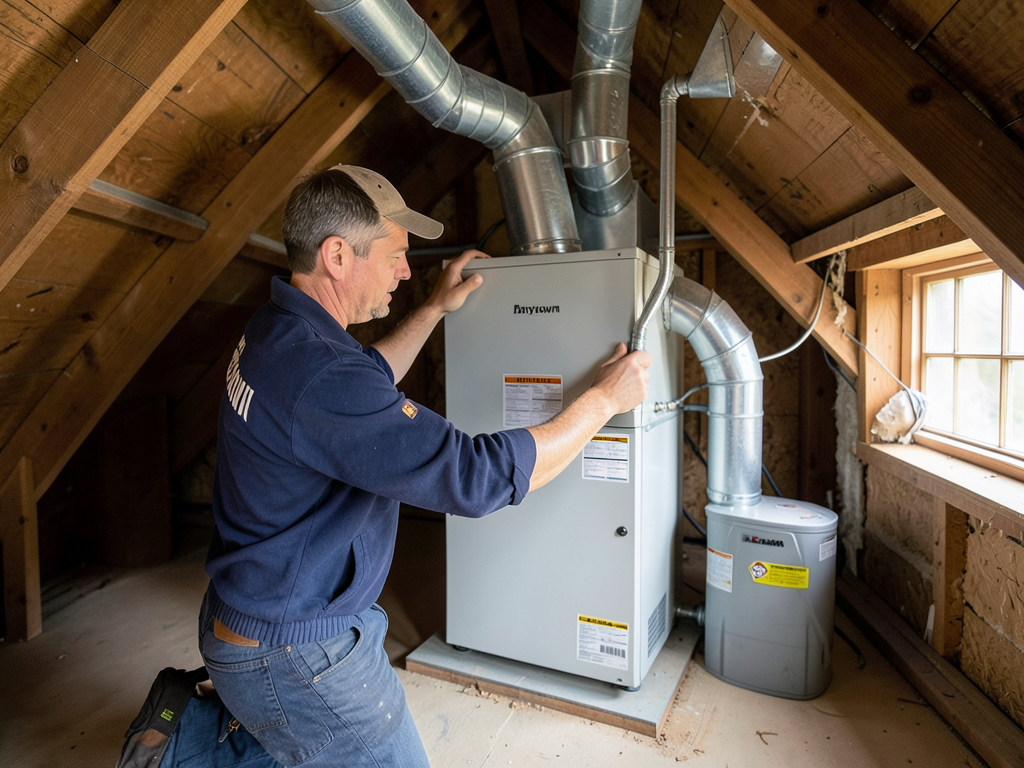
The main supply outlets are round or slotted vents about the size of a CD, which can be painted to match your walls or installed in less visible locations like closets and utility rooms. The air handler can often fit in existing attic spaces or mechanical closets without structural modifications.
These systems excel in humid climates like Austin’s because they remove more moisture from the air than conventional systems. This is crucial for historic homes where excess humidity can cause wood to swell, paint to peel, and mold to grow in hidden spaces.. Read more about High End Air Conditioning Systems for Steiner Ranch Estates.
Ductless Mini-Split Systems: Zone-by-Zone Comfort
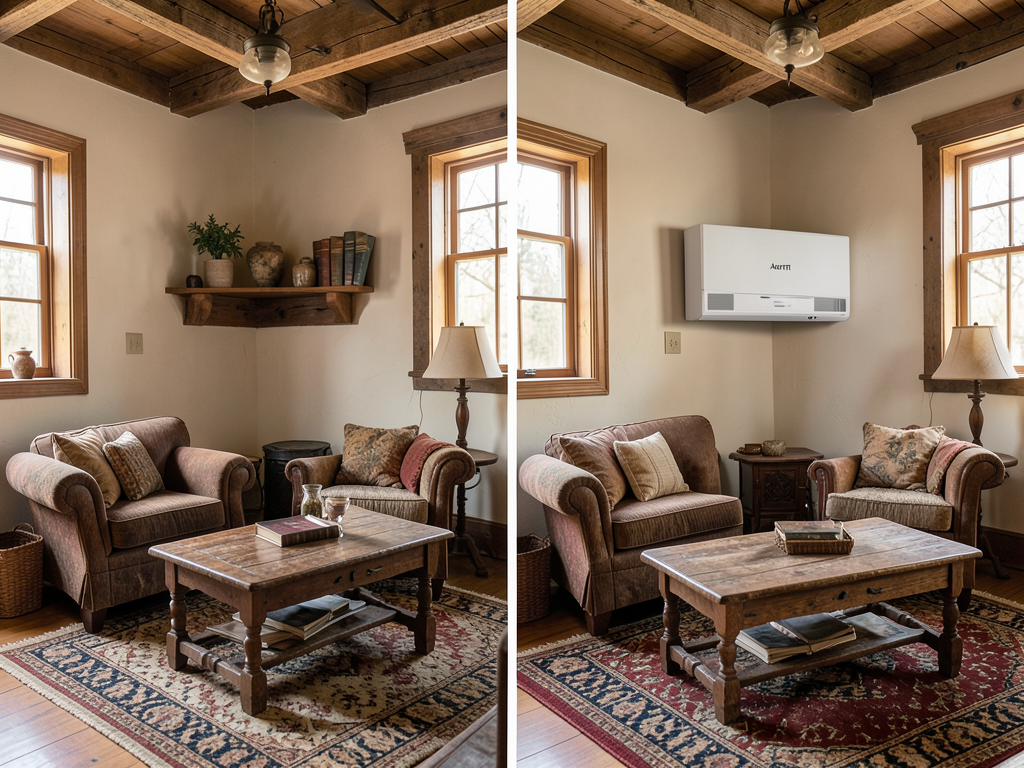
Ductless mini-splits eliminate the need for any ductwork entirely. These systems consist of an outdoor condenser unit connected to one or more indoor air handlers mounted on walls or ceilings. The indoor units can be installed in individual rooms, allowing you to cool only the spaces you’re using.. Read more about Energy Efficient Ductless Mini Split Installation for Cedar Park Homes.
For historic homes, the key advantage is flexibility. You can preserve the most architecturally significant rooms while adding modern comfort to less critical spaces. Many homeowners choose to install mini-splits in bedrooms and home offices while leaving living areas with their original charm.
Modern mini-splits are incredibly efficient, with SEER2 ratings often exceeding 20. This means lower energy bills while maintaining precise temperature control in each zone. Some models also offer heating capabilities, eliminating the need for separate furnaces or radiators.. Read more about Fast and Professional Furnace Repair in Georgetown During the Winter Chill.
Variable Refrigerant Flow (VRF) Systems: Whole-Home Integration
VRF systems represent the most sophisticated option for historic homes. These systems use a single outdoor unit to control multiple indoor units with individual temperature settings. The refrigerant flow varies based on demand, making them extremely efficient.
The main advantage for historic properties is that VRF systems can use small refrigerant lines instead of traditional ducts. These lines can often be concealed in existing wall cavities or run through attics with minimal intrusion. Some VRF systems also offer simultaneous heating and cooling, perfect for Austin’s unpredictable shoulder seasons.. Read more about What You Should Expect to Pay for a New AC Installation in Austin.
VRF technology has advanced significantly, with many systems now offering heat recovery capabilities. This means you can heat some rooms while cooling others from the same system—ideal for homes with varying sun exposure and insulation levels.
Preserving Your Home’s Integrity
Successful HVAC installation in historic homes requires a preservation-first approach. The goal isn’t just to add cooling—it’s to enhance your home while respecting its architectural heritage.
Start with a comprehensive energy audit to identify where your home loses energy. Many historic properties have hidden air leaks around windows, doors, and attic access points. Sealing these before installing new HVAC equipment can reduce the system size needed, saving money and minimizing visual impact.
Consider upgrading insulation in accessible areas like attics and crawl spaces. Modern spray foam or blown-in insulation can dramatically improve efficiency without touching visible historic elements. This step often allows you to install a smaller, less invasive HVAC system.
For visible components, work with your contractor to find creative solutions. Supply vents can be integrated into existing baseboards or hidden behind custom-built cabinetry. Return air grilles can be installed in closets or utility rooms. The outdoor condenser can be placed in side yards or behind screening that matches your home’s architectural style.
Always document your home’s original condition before beginning work. Take photos of all interior and exterior surfaces, especially around proposed installation areas. This documentation can be valuable if you need to prove to the HLC that no permanent damage occurred.
Case Studies: Historic Austin Projects
Understanding how these solutions work in real Austin homes can help you make informed decisions. Here are examples of successful historic home HVAC retrofits in our area.
A 1920s Craftsman in Pemberton Heights faced the classic dilemma: preserve the original oak floors and plaster walls or install conventional ductwork. The solution was a high-velocity Unico system that used existing wall cavities between studs. The small ducts ran vertically through interior walls, emerging only in closets and utility spaces. The homeowners reported 40% better humidity control and 25% lower energy bills compared to their previous window units.
In a 1915 Victorian in Old West Austin, the challenge was maintaining the home’s intricate ceiling medallions while adding central air. A ductless mini-split system provided the answer. Two outdoor units served six indoor air handlers strategically placed in bedrooms, the kitchen, and home office. The living room and dining room retained their historic character, while the family enjoyed modern comfort throughout the rest of the home.
A 1930s Tudor in Tarrytown needed both heating and cooling but had no space for conventional equipment. A VRF system with heat recovery capability solved the problem. The outdoor unit fit in a side yard behind a decorative fence that matched the home’s half-timbering. Small refrigerant lines ran through the attic to wall-mounted indoor units in bedrooms and common areas. The system provides heating in winter and cooling in summer with individual room control.
Navigating Austin’s Rebates and Historic Tax Credits
Upgrading HVAC in a historic home can qualify for several financial incentives in Austin. Understanding these programs can significantly reduce your investment while ensuring compliance with preservation standards.
Austin Energy offers rebates for high-efficiency HVAC equipment through their Home Performance with ENERGY STAR program. Systems must meet specific SEER2 and EER requirements to qualify. For historic homes, the program has special provisions that recognize the additional costs of preservation-compliant installations.
The federal Historic Preservation Tax Credit program can provide up to 20% of qualified rehabilitation expenses for income-producing historic properties. While most single-family homes don’t qualify, properties used as rental units or bed-and-breakfasts may be eligible. The work must be certified by the National Park Service as meeting preservation standards. federal Historic Preservation Tax Credit.
Texas offers a Property Tax Incentive for Energy-Efficient Home Improvements. This program provides a tax exemption for the added value of qualifying energy improvements, including high-efficiency HVAC systems. The exemption applies for 10 years from the date of installation.
Local utility companies often have additional rebate programs. Bluebonnet Electric Cooperative, which serves some Austin suburbs, offers rebates for heat pump systems and smart thermostats. These can be combined with Austin Energy rebates for maximum savings.
Before starting your project, consult with a preservation architect or the Austin Historic Landmark Commission. They can help you understand which improvements qualify for tax credits and ensure your plans meet local guidelines. Some contractors specialize in historic home retrofits and can navigate both the technical and regulatory aspects of your project.
Making the Right Choice for Your Historic Home
Selecting the best HVAC solution for your historic home depends on several factors: your budget, the home’s architectural significance, your comfort priorities, and local regulations.
Start by identifying which spaces are most important to preserve. If your home has a grand entry hall or formal living room with irreplaceable details, consider leaving these areas unheated and cooled while focusing modern systems on bedrooms and utility spaces.
Evaluate your home’s existing infrastructure. Some historic homes have unused chimneys or mechanical chases that can be repurposed for modern equipment. Others may have accessible attic or crawl spaces that provide routes for small ducts or refrigerant lines.
Consider your long-term plans. If you intend to stay in the home for decades, investing in a high-quality, preservation-friendly system makes sense. If you’re planning to sell soon, focus on improvements that add value without compromising the home’s historic character.
Work with contractors who have specific experience with historic properties. They understand the unique challenges and can suggest creative solutions that general HVAC companies might miss. Ask to see examples of their work in similar homes and check references from other historic homeowners.
Remember that the most expensive option isn’t always the best. Sometimes a well-designed ductless system costs less than a high-velocity system but provides equal comfort while preserving more of your home’s original features.
Frequently Asked Questions
Will installing modern HVAC decrease my home’s historic value?
Properly installed modern HVAC typically increases a historic home’s value by making it more livable while preserving its character. The key is choosing systems that minimize visual and structural impact. Document all original features before installation so you can restore them if needed.
How long does HVAC installation take in a historic home?
Most historic home HVAC projects take 3-7 days for a complete system, though complex installations may require 2-3 weeks. High-velocity and ductless systems generally install faster than conventional systems because they require less demolition and reconstruction.
Can I install HVAC myself in a historic home?
HVAC installation requires specialized knowledge of building codes, electrical systems, and refrigeration. In historic homes, it also requires understanding preservation principles. Professional installation ensures proper sizing, efficiency, and compliance with local regulations.
What’s the average cost for historic home HVAC?
Costs vary widely based on home size and chosen system. High-velocity systems typically cost 20-30% more than conventional HVAC but preserve more original features. Ductless mini-splits often cost less than conventional systems for smaller homes. Most historic home HVAC projects range from $8,000 to $25,000.
Will my energy bills increase with new HVAC?
New high-efficiency systems typically reduce energy bills by 20-40% compared to older equipment or window units. The exact savings depend on your home’s insulation, the system’s efficiency rating, and local energy rates.
Take the Next Step Toward Comfort
Don’t let another Texas summer make your historic home uncomfortable. Modern HVAC solutions can provide the comfort you need while preserving the character you love. The right system will keep your family comfortable year-round without sacrificing your home’s architectural integrity.
Call (737) 316-0777 today to schedule your free consultation. Our specialists understand the unique challenges of Tarrytown and Old West Austin’s historic homes and can recommend solutions that work for your specific property. We’ll evaluate your home’s needs, discuss preservation options, and provide a detailed plan for adding modern comfort while maintaining historic charm.
Pick up the phone and call (737) 316-0777 before the next heat wave hits. Your home’s architectural heritage deserves to be preserved, and your family deserves to be comfortable. Let’s find the perfect balance between historic preservation and modern living.
You may also find this helpful. Quick Air Conditioning Diagnostics and Repair for Allandale Families.
{
“@context”: “https://schema.org”,
“@type”: “BlogPosting”,
“headline”: “Modern HVAC Solutions for Historic Homes in Tarrytown and Old West Austin”,
“description”: “Discover specialized HVAC systems for Tarrytown and Old West Austin’s historic homes. Learn about high-velocity, ductless, and VRF solutions that preserve architectural integrity.”,
“wordCount”: 2009,
“datePublished”: “2026-02-15T14:20:00.000Z”,
“dateModified”: “2026-02-15T14:20:00.000Z”,
“inLanguage”: “en-US”,
“mainEntityOfPage”: {
“@type”: “WebPage”,
“@id”: “https://allprohvacaustin.com”
},
“publisher”: {
“@type”: “LocalBusiness”,
“name”: “All Pro HVAC Austin”,
“url”: “https://allprohvacaustin.com”
},
“author”: {
“@type”: “Organization”,
“name”: “All Pro HVAC Austin”,
“url”: “https://allprohvacaustin.com”
},
“image”: {
“@type”: “ImageObject”,
“url”: “https://allprohvacaustin.com/wp-content/uploads/2026/03/modern-hvac-solutions-for-historic-homes-in-tarryt-1.png”
}
}
{
“@context”: “https://schema.org”,
“@type”: “HVACBusiness”,
“name”: “All Pro HVAC Austin”,
“url”: “https://allprohvacaustin.com”,
“address”: {
“@type”: “PostalAddress”,
“addressLocality”: “Austin”
},
“areaServed”: {
“@type”: “City”,
“name”: “Austin”
}
}
{
“@context”: “https://schema.org”,
“@type”: “FAQPage”,
“mainEntity”: [
{
“@type”: “Question”,
“name”: “Will installing modern HVAC decrease my home’s historic value?”,
“acceptedAnswer”: {
“@type”: “Answer”,
“text”: “Properly installed modern HVAC typically increases a historic home’s value by making it more livable while preserving its character. The key is choosing systems that minimize visual and structural impact. Document all original features before installation so you can restore them if needed.”
}
},
{
“@type”: “Question”,
“name”: “How long does HVAC installation take in a historic home?”,
“acceptedAnswer”: {
“@type”: “Answer”,
“text”: “Most historic home HVAC projects take 3-7 days for a complete system, though complex installations may require 2-3 weeks. High-velocity and ductless systems generally install faster than conventional systems because they require less demolition and reconstruction.”
}
},
{
“@type”: “Question”,
“name”: “Can I install HVAC myself in a historic home?”,
“acceptedAnswer”: {
“@type”: “Answer”,
“text”: “HVAC installation requires specialized knowledge of building codes, electrical systems, and refrigeration. In historic homes, it also requires understanding preservation principles. Professional installation ensures proper sizing, efficiency, and compliance with local regulations.”
}
},
{
“@type”: “Question”,
“name”: “What’s the average cost for historic home HVAC?”,
“acceptedAnswer”: {
“@type”: “Answer”,
“text”: “Costs vary widely based on home size and chosen system. High-velocity systems typically cost 20-30% more than conventional HVAC but preserve more original features. Ductless mini-splits often cost less than conventional systems for smaller homes. Most historic home HVAC projects range from $8,000 to $25,000.”
}
},
{
“@type”: “Question”,
“name”: “Will my energy bills increase with new HVAC?”,
“acceptedAnswer”: {
“@type”: “Answer”,
“text”: “New high-efficiency systems typically reduce energy bills by 20-40% compared to older equipment or window units. The exact savings depend on your home’s insulation, the system’s efficiency rating, and local energy rates.”
}
}
]
}
{
“@context”: “https://schema.org”,
“@type”: “BreadcrumbList”,
“itemListElement”: [
{
“@type”: “ListItem”,
“position”: 1,
“name”: “Home”,
“item”: “https://allprohvacaustin.com”
},
{
“@type”: “ListItem”,
“position”: 2,
“name”: “Blog”,
“item”: “https://allprohvacaustin.com/blog”
},
{
“@type”: “ListItem”,
“position”: 3,
“name”: “Modern HVAC Solutions for Historic Homes in Tarrytown and Old West Austin”
}
]
}
{
“@context”: “https://schema.org”,
“@type”: “Service”,
“serviceType”: “HVAC”,
“provider”: {
“@type”: “LocalBusiness”,
“name”: “All Pro HVAC Austin”,
“url”: “https://allprohvacaustin.com”
},
“areaServed”: {
“@type”: “City”,
“name”: “Austin”
},
“description”: “Discover specialized HVAC systems for Tarrytown and Old West Austin’s historic homes. Learn about high-velocity, ductless, and VRF solutions that preserve architectural integrity.”
}