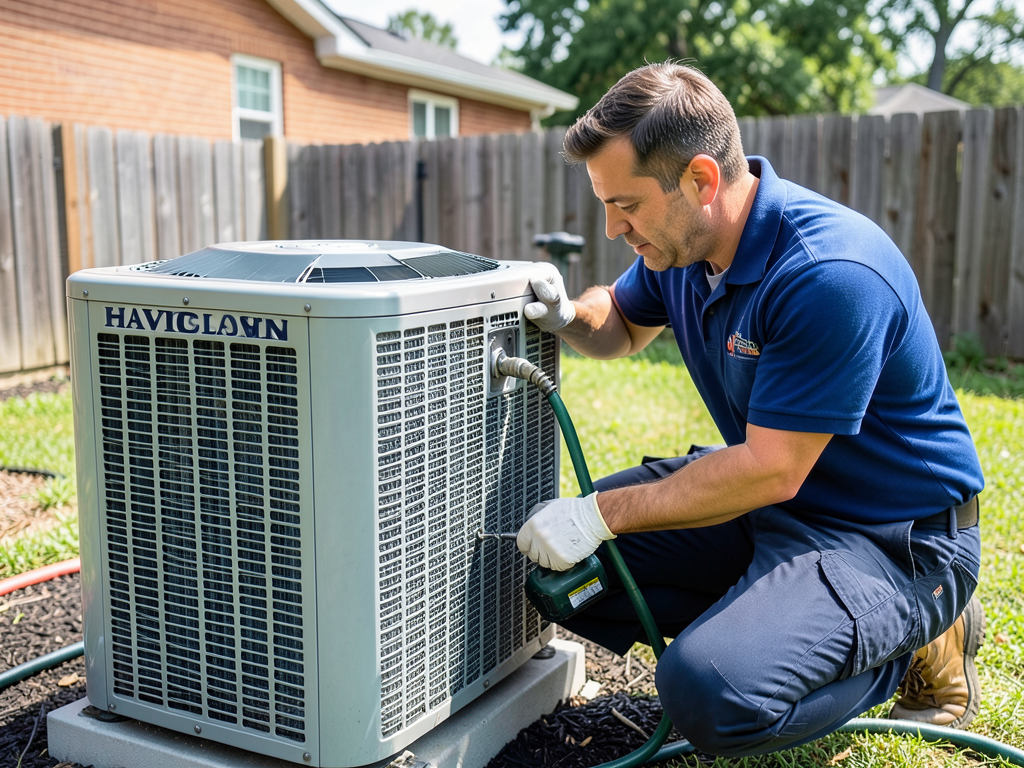
Austin experiences one of Texas's widest annual temperature ranges, from rare winter lows in the teens to summer highs above 105 degrees. This 90-degree operating range punishes conventional HVAC systems because they are sized for peak load but run at that full capacity regardless of actual need. When outdoor temperatures sit at 85 degrees, a conventional 3-ton system still delivers 36,000 BTUs even though your home needs only 18,000 BTUs. Inverter technology shines in this scenario by dropping to 50 percent capacity, matching output to demand. Austin's shoulder seasons, which span roughly six months of the year, provide ideal conditions where inverter systems operate in their most efficient range. The variable speed compressor benefits become most apparent during these moderate periods when conventional systems cycle on and off every few minutes while inverter systems run continuously at low speed with minimal energy draw.
Local building codes in Austin and Travis County increasingly recognize the importance of high-efficiency HVAC systems for meeting energy conservation requirements. New construction and major renovation projects must comply with 2021 International Energy Conservation Code provisions that favor variable speed technology through performance-based compliance paths. Inverter systems often qualify for Austin Energy rebates that conventional equipment does not because they exceed minimum efficiency thresholds by substantial margins. The city's focus on sustainability and grid reliability during peak summer demand periods makes inverter HVAC energy efficiency particularly valuable. Choosing local contractors familiar with these incentive programs and code requirements ensures you maximize available rebates and install equipment that meets evolving standards. All Pro HVAC Austin maintains current knowledge of local energy programs and code interpretations specific to Travis County permit requirements.