Menu

Storm Damage HVAC Repair in Austin – Emergency Response Within 60 Minutes

When severe weather strikes your heating and cooling system, every minute without climate control matters. All Pro HVAC Austin dispatches certified technicians immediately to assess storm damaged AC unit repair needs and restore your comfort before the Texas heat becomes dangerous.

Slider Image 1
Slider Image 2
Slider Image 3
Slider Image 4
Slider Image 5
Slider Image 7
Slider Image 8
Slider Image 9
Slider Image 10
Slider Image 11

Austin Storms Destroy HVAC Systems Fast

Central Texas storms hit hard and without warning. Hail the size of softballs punctures outdoor condenser units. Lightning surges fry circuit boards and compressors. Wind gusts over 70 mph tear condenser fan blades apart and launch debris into exposed refrigerant lines. Flash flooding submerges ground-level equipment in contaminated water within minutes.

Austin sits in a unique weather corridor where spring supercells collide with Gulf moisture. Your outdoor HVAC equipment bears the full impact. A direct hail strike can crack compressor housings and shatter fan motors. Wind-driven rain floods electrical components. The clay soil common throughout Travis County shifts during heavy rainfall, yanking refrigerant lines apart at connection points.

Storm damaged AC unit repair demands immediate action. Water inside your ductwork breeds mold within 48 hours in Austin's humidity. Refrigerant leaks harm your family and the environment. A compromised condensing unit forces your system to run constantly, spiking your energy bill before total failure.

You need emergency HVAC storm repair now, not next week. The longer you wait, the more secondary damage accumulates. Moisture corrodes electrical contacts. Debris clogs condenser coils. A small crack becomes a total system replacement.

All Pro HVAC Austin operates 24/7 for HVAC storm restoration services. We understand Austin's storm patterns. We stock emergency parts for the Carrier, Trane, and Lennox systems common in Westlake, Round Rock, and Cedar Park. When your system fails after severe weather, we respond while the wind still blows.

Austin Storms Destroy HVAC Systems Fast
How We Fix Storm Damaged HVAC Systems Correctly

How We Fix Storm Damaged HVAC Systems Correctly

Heating and cooling storm damage repair requires precision, not guesswork. We start with a complete electrical safety check. Storm surges travel through power lines and capacitors, hiding damage inside control boards and contactors. We use multimeters to test voltage at every connection point before powering up your system.

Next, we pressure test your refrigerant lines. Wind damage creates microfractures you cannot see. We inject nitrogen at 150 PSI and monitor for 15 minutes. Any pressure drop means a leak that will drain your refrigerant and destroy your compressor. We locate every breach using electronic leak detectors, then braze new copper lines to specification.

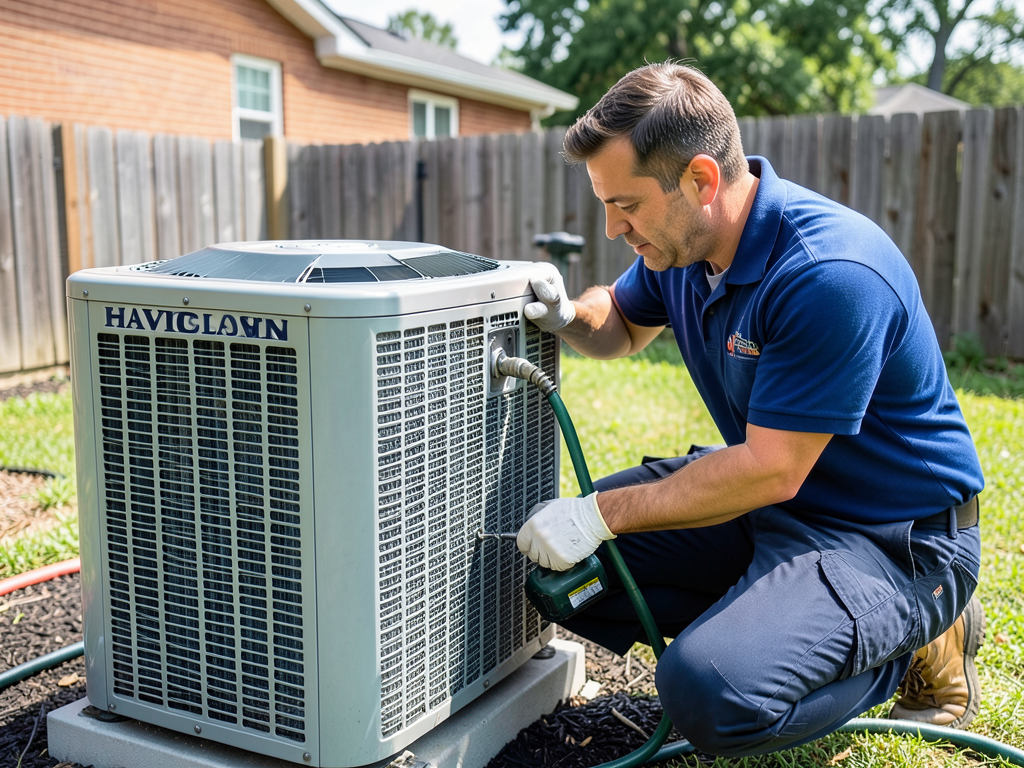
Your outdoor condenser unit takes the worst punishment. We remove the top panel and inspect the compressor mounting, fan motor shaft, and capacitor housing. Hail dents condenser coils, reducing airflow and efficiency. We straighten fins with specialized combs or replace coil sections if damage exceeds 30 percent surface area.

Inside your home, we check ductwork integrity. Roof damage lets water into your attic and duct runs. Wet insulation loses R-value and grows mold. We use thermal imaging cameras to spot moisture you cannot see, then seal breaches with mastic and replace saturated insulation.

We document everything for your insurance claim. Our technicians photograph damage from multiple angles, record equipment serial numbers, and provide detailed repair estimates. Most homeowner policies cover storm damage to HVAC systems, but you need professional documentation to prove the loss.

All Pro HVAC Austin uses OEM parts, not aftermarket substitutes. Your storm damaged system gets components designed for Austin's climate. We fix storm damaged HVAC systems right the first time because emergency shortcuts create permanent problems.

Our Emergency Storm Damage Response

Storm Damage HVAC Repair in Austin – Emergency Response Within 60 Minutes
01

Immediate Safety Assessment

Within 60 minutes of your call, our technician arrives and secures your property. We shut off power to damaged equipment, cover exposed components with weatherproof tarps, and identify immediate safety hazards like refrigerant leaks or exposed electrical wiring. You receive a verbal assessment of critical damage and emergency mitigation steps before we begin repairs. This prevents secondary damage and protects your family.
02

Complete System Diagnostics

After securing the site, we run comprehensive diagnostics on your entire HVAC system. We test capacitors, contactors, and control boards for electrical damage. We inspect refrigerant pressures, compressor amperage, and airflow measurements. Our technicians check your ductwork, condensate drain, and thermostat wiring. This full evaluation identifies hidden damage that causes failures weeks after the storm passes. You get a detailed report and repair plan.
03

Permanent Repairs and Testing

We complete all repairs using manufacturer-approved parts and methods. Every component gets tested under load to verify proper operation. We run your system through a complete cooling cycle, monitor temperatures at each register, and confirm electrical draws match specifications. Before we leave, you receive documentation for your insurance company, a warranty on parts and labor, and instructions for preventing future storm damage to your HVAC equipment.

Why Austin Trusts Us for Storm Damage Repairs

All Pro HVAC Austin has restored hundreds of storm damaged systems across Travis County, Williamson County, and Hays County. We understand how Austin's weather attacks your equipment. Spring hailstorms in Pflugerville, flash floods in South Austin near Onion Creek, and straight-line winds in Leander all create different damage patterns. Our technicians recognize these patterns and know which components fail first.

We maintain relationships with every major insurance carrier operating in the Austin metro. When you file a claim for emergency HVAC storm repair, we provide the documentation adjusters need. We include photos, equipment age, repair necessity, and code compliance details. This speeds your claim approval and gets your repairs covered.

Austin's building codes require specific HVAC installations in flood-prone areas near Lady Bird Lake and Barton Springs. We know these codes. When we repair or replace your storm damaged equipment, the work passes inspection the first time. You avoid delays and code violations that void your insurance coverage.

Our emergency response trucks stock parts for the split systems and package units common in Austin neighborhoods. We carry Copeland compressors, Honeywell control boards, and Emerson motors that fit the Carrier and Trane systems installed in most homes built after 2000. This means we complete repairs in one visit instead of ordering parts and returning days later.

When storms hit on weekends or holidays, you need help immediately. All Pro HVAC Austin does not charge extra for after-hours emergency service. Our technicians earn the same hourly rate whether they arrive at 2 PM on Tuesday or 2 AM on Sunday. You get honest pricing when you need help most.

We serve the entire Austin metro, from Georgetown to Kyle, Bastrop to Dripping Springs. If a storm damaged your HVAC system anywhere in the greater Austin area, we respond fast.

What Happens When You Call for Storm Damage Service

Response Time You Can Trust

When you call (737) 316-0777, you speak with a person, not a recording. We dispatch a certified technician to your location within 60 minutes during storms and emergencies. Our GPS-tracked service vehicles carry diagnostic equipment and common repair parts. You receive a text message with your technician's name, photo, and estimated arrival time. We stay on site until your system operates safely or we secure it against further damage.

Thorough Damage Assessment

Our technician inspects every component that could suffer storm damage. This includes your outdoor condensing unit, indoor air handler, ductwork, thermostat, and electrical disconnect. We use digital multimeters to test electrical systems, electronic leak detectors for refrigerant lines, and thermal cameras for hidden moisture. You receive a written assessment explaining what failed, why it failed, and what repairs will restore safe operation. We never upsell unnecessary work.

Quality Repairs That Last

We repair your system to manufacturer specifications using OEM parts. Every electrical connection gets tested for proper voltage and amperage. Refrigerant lines get pressure tested before we recharge the system. We replace damaged ductwork, seal air leaks, and verify airflow at every register. Your repaired system operates as efficiently as before the storm. We test everything under load and confirm proper operation before we leave your property.

Support After the Repair

All repairs include a warranty on parts and labor. We provide detailed invoices with photos for your insurance claim. If you need follow-up service or have questions about your repaired system, you call the same number and reach our team directly. We offer maintenance plans to keep your system running efficiently after storm damage repairs. Our goal is your long-term comfort and safety, not a one-time transaction.

Frequently Asked Questions

You Have Questions,
We Have Answers

What is the $5000 rule for HVAC? +

The $5000 rule is a guideline for deciding whether to repair or replace your HVAC system. Multiply the age of your unit by the repair cost. If the total exceeds $5000, replacement makes more financial sense. For example, a 12-year-old system needing $500 in repairs equals $6000, so replace it. After severe storms in Austin, damage to older units often triggers this decision. High humidity and storm debris accelerate wear on aging systems. If your unit is over 10 years old and suffered storm damage, replacement usually beats expensive repairs.

Does insurance cover HVAC damage? +

Yes, homeowners insurance typically covers HVAC damage from sudden storms, hail, wind, or fallen trees. After Austin's severe thunderstorms and occasional hail events, many residents file successful claims for crushed condenser units or wind-damaged ductwork. Insurance does not cover damage from neglect or gradual wear. Document all storm damage immediately with photos. Call a licensed technician for emergency assessment before filing your claim. Your adjuster needs professional documentation. Act fast because Austin's humidity can create secondary damage like mold within 24 to 48 hours, complicating your claim.

How to fix a HVAC unit that was flooded? +

Turn off power to the flooded HVAC unit immediately at the breaker. Do not attempt to run it. Call a licensed emergency technician right away. Floodwater contains contaminants and causes electrical hazards. In Austin, flash flooding from heavy rainfall can submerge ground-level units quickly. A technician will drain the system, inspect all electrical components, replace contaminated refrigerant, and test for mold growth. The evaporator coil, blower motor, and circuit boards often need replacement after flooding. Running a flooded unit without professional inspection risks fire, complete system failure, or shock.

What is the 3 minute rule for AC? +

The 3-minute rule prevents compressor damage after your AC shuts off. Wait at least 3 minutes before restarting your system. This allows refrigerant pressure to equalize between the high and low sides of the compressor. Restarting too quickly forces the compressor to work against unbalanced pressure, causing motor strain or failure. After storm-related power outages in Austin, wait those critical 3 minutes before powering up. Many compressors fail during rapid cycling after storms. If your AC trips repeatedly after power restoration, call an emergency technician immediately.

What is the 2 foot rule for HVAC? +

The 2-foot rule requires at least 2 feet of clear space around your outdoor condenser unit for proper airflow. After storms in Austin, fallen branches, debris, and blown vegetation often block condenser units. This restricts airflow, forcing your system to work harder and overheat. Clear storm debris immediately. Trim back shrubs and remove any objects within that 2-foot perimeter. Poor airflow reduces efficiency by up to 30 percent and shortens equipment lifespan. Check your condenser after every severe weather event. Blocked units can overheat within hours in Austin's summer heat.

How much does it cost to replace an entire HVAC system? +

HVAC system replacement in Austin typically ranges from several thousand to over ten thousand dollars, depending on system size, efficiency rating, and installation complexity. After storm damage, insurance may cover replacement if the unit is totaled. Factors affecting price include your home's square footage, ductwork condition, refrigerant type, and SEER rating. Two-story homes cost more than single-story installations. Austin's hot climate justifies investing in higher-efficiency systems for long-term savings. Get multiple quotes from licensed contractors. Emergency replacements after storms may take longer due to high demand and supply chain issues.

Which two are not usually covered by homeowners insurance? +

Homeowners insurance typically excludes flood damage and normal wear or maintenance issues. If your HVAC unit fails from age, rust, or lack of maintenance, you pay out of pocket. Flood damage requires separate flood insurance, which matters in Austin's flood-prone areas near creeks and low-water crossings. Standard policies cover sudden storm damage like hail, wind, or fallen trees, but not rising water. If storms caused a power surge that fried your compressor, that is covered. If your 20-year-old unit finally quit, it is not.

How much does it cost to fix a leak in your AC system? +

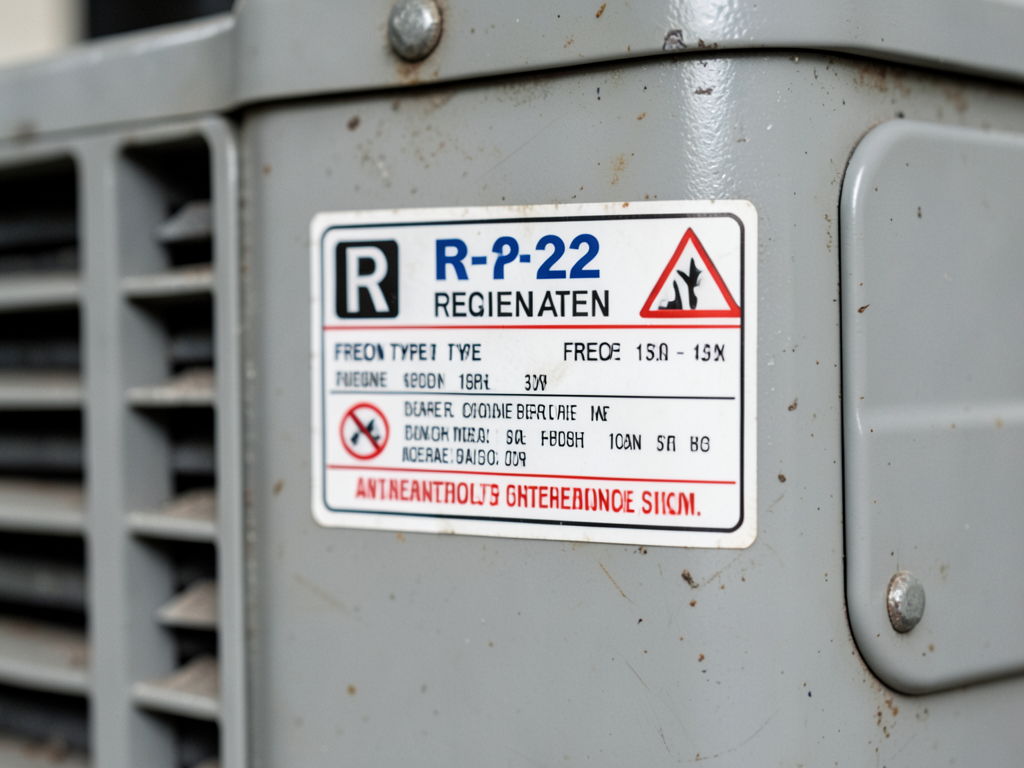
AC refrigerant leak repairs in Austin range from a few hundred to over a thousand dollars, depending on leak location and severity. Simple valve stem leaks cost less. Leaks in the evaporator coil or buried line sets cost more due to labor intensity. Technicians must locate the leak, repair it, pressure test the system, and recharge refrigerant. Older R-22 systems cost significantly more because that refrigerant is phased out and expensive. Storm damage can crack refrigerant lines. If you smell a sweet odor or notice ice buildup, call immediately.

How long is a HVAC system under warranty? +

HVAC systems typically include a manufacturer warranty covering parts for 5 to 10 years, depending on brand and registration. Compressors often carry longer warranties. Labor is not usually covered after the first year unless you purchase extended coverage. Register your system immediately after installation to activate full warranty protection. After storm damage in Austin, warranty may not cover acts of nature, but check your specific terms. Always use licensed contractors for repairs. Unauthorized work voids most warranties. Keep all service records. Storm-damaged components may need manufacturer inspection before warranty claims.

How quickly does mold grow after a flood? +

Mold begins growing within 24 to 48 hours after flooding in Austin's humid climate. Spores spread rapidly in damp ductwork, insulation, and air handlers. This creates serious health risks and ruins indoor air quality. After storms flood your HVAC system, you must act immediately. Turn off the system, call an emergency technician, and document everything for insurance. Professionals will assess contamination, remove wet insulation, treat surfaces with antimicrobial solutions, and dry all components thoroughly. Delay risks respiratory problems and costly remediation. Austin's heat and humidity accelerate mold growth faster than drier climates.

Why Central Texas Storms Require Specialized HVAC Repair

Austin sits at the convergence of three weather patterns: dry air from West Texas, Gulf moisture from the southeast, and cold fronts from the north. This creates violent spring storms with hail, lightning, and flash flooding. Your HVAC equipment sits exposed to all three threats. Hail punctures thin aluminum fins on condenser coils. Lightning surges through power lines and destroys circuit boards. Flash floods submerge ground-level equipment in muddy water full of bacteria. Emergency HVAC storm repair in Austin requires understanding how these specific weather events damage heating and cooling systems differently than storms in other regions.

Austin's rapid growth means newer neighborhoods in Pflugerville, Cedar Park, and Leander often have newer HVAC systems with advanced electronics. These systems require specialized diagnostic equipment and training to repair after storm damage. All Pro HVAC Austin invests in manufacturer-certified training and OEM diagnostic tools. We maintain relationships with local supply houses to source parts fast when storms damage dozens of systems across the metro. Our technicians understand Austin building codes, insurance requirements, and the unique challenges of repairing HVAC storm restoration services in a city that grows by 150 people per day.
HVAC Services in The Austin Area

We are proud to serve the entire area, providing exceptional HVAC services to both residential and commercial clients. Our service area is extensive, ensuring that no matter where you are located, you can count on us for reliable and prompt service. We invite you to view our location on the map and see how conveniently positioned we are to meet all of your heating and cooling needs. We are just a call away.

Address:
All Pro HVAC Austin, 313 E 12th St, Austin, TX, 78701

Additional Services We Offer

Our news updates

Latest Articles & News from The Blogs

Flexible financing options for Austin families needing a new HVAC system today\n\nReplacing your HVAC system in Austin does not have…

Flexible financing options for Austin families needing a new HVAC system today

Flexible financing options for Austin families needing a new HVAC system today\n\nReplacing your HVAC system in Austin does not have…

Finding a certified Trane repair specialist for your Great Hills home

Finding a certified Trane repair specialist for your Great Hills home When your Trane air conditioner stops working in Great…

Why getting a second opinion on your AC compressor replacement could save you thousands

Why getting a second opinion on your AC compressor replacement could save you thousands If your HVAC technician just told…

Contact Us

Your storm damaged HVAC system needs immediate attention. Call All Pro HVAC Austin at (737) 316-0777 right now. We answer 24/7 and dispatch technicians within 60 minutes. Do not wait for more damage to occur. Get your system repaired correctly the first time.