Menu

Signs of Carbon Monoxide in Austin – Expert Detection and Safety Guidance Available 24/7

All Pro HVAC Austin provides comprehensive carbon monoxide detection, symptom recognition resources, and emergency response for homeowners and businesses throughout the greater Austin metro area.

Slider Image 1
Slider Image 2
Slider Image 3
Slider Image 4
Slider Image 5
Slider Image 7
Slider Image 8
Slider Image 9
Slider Image 10
Slider Image 11

Why Austin Residents Need to Understand Carbon Monoxide Warning Signs

Carbon monoxide poisoning symptoms are easy to miss because the gas is invisible and odorless. In Austin, where HVAC systems run nearly year-round due to our extreme summer heat and occasional winter freezes, the risk of carbon monoxide leaks increases with constant equipment cycling.

When your furnace, water heater, or gas appliances malfunction, incomplete combustion produces carbon monoxide. Many Austin homes built before 2000 lack adequate ventilation, and older neighborhoods like Hyde Park and Travis Heights often have aging gas appliances that increase exposure risk.

The early carbon monoxide symptoms mimic common illnesses. You might experience headaches, dizziness, nausea, confusion, or fatigue. These indicators of carbon monoxide poisoning worsen with prolonged exposure. Because Austin's mild winters mean homeowners use heating systems sporadically, many people dismiss these warning signs as seasonal allergies or flu.

Carbon monoxide warning signs in your home include yellow or orange flames instead of blue, soot buildup around appliances, excess condensation on windows, and the pilot light frequently going out. If multiple family members feel sick simultaneously but improve when leaving the house, this pattern strongly suggests a carbon monoxide leak.

Austin's building boom means newer homes have better ventilation and safety features, but older properties require vigilance. The silent nature of this threat makes understanding carbon monoxide poisoning symptoms critical for every household in Travis County.

Why Austin Residents Need to Understand Carbon Monoxide Warning Signs
How We Help Austin Identify and Respond to Carbon Monoxide Threats

How We Help Austin Identify and Respond to Carbon Monoxide Threats

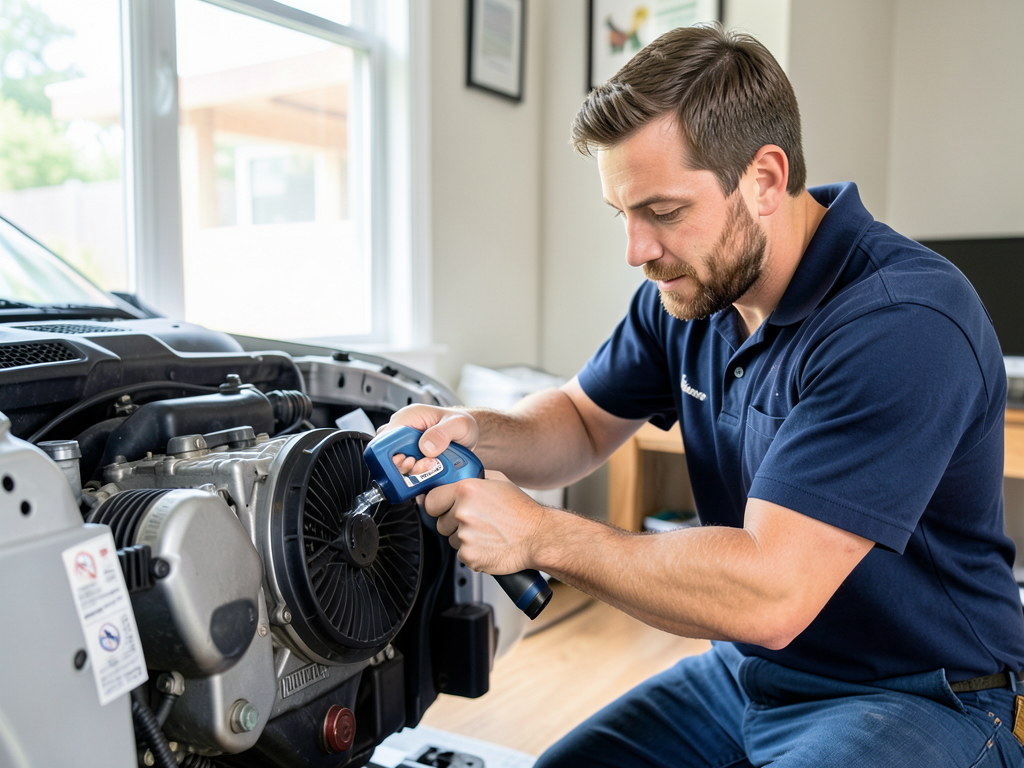
All Pro HVAC Austin uses calibrated digital analyzers that measure carbon monoxide in parts per million. We test ambient air levels throughout your home and check exhaust gases at each fuel-burning appliance. Normal readings should be zero or near-zero. Anything above 9 ppm requires immediate investigation.

Our technicians inspect heat exchangers for cracks, a common failure point in Austin's climate where temperature swings stress metal components. We examine flue pipes for blockages, corrosion, or improper venting. Bird nests, debris, and deteriorated masonry in chimneys restrict exhaust flow and push carbon monoxide back into living spaces.

We check combustion air supply because sealed homes without adequate makeup air create negative pressure. This backdrafting pulls exhaust gases down the flue instead of venting them outside. We verify that your HVAC system has proper clearances and that nothing blocks return air grilles.

For gas water heaters and furnaces, we measure draft pressure to confirm exhaust gases vent correctly. We inspect burner flames for proper color and pattern. We test safety switches like flame rollout sensors and limit controls that should shut down equipment when carbon monoxide production increases.

We provide written documentation of all readings and findings. If we detect dangerous levels, we immediately shut down the affected equipment and explain the specific repair needed. We also recommend installing UL-listed carbon monoxide detectors on every level of your home, particularly near sleeping areas.

Our diagnostic process eliminates guesswork and identifies the exact source of carbon monoxide production.

What Happens During a Carbon Monoxide Safety Assessment

Signs of Carbon Monoxide in Austin – Expert Detection and Safety Guidance Available 24/7
01

Initial Detection Testing

We arrive with professional-grade carbon monoxide analyzers and begin testing ambient air levels in your living spaces, bedrooms, and utility areas. We check near floor level and ceiling level because carbon monoxide mixes with air at different heights. We document baseline readings and identify any immediate hazards requiring equipment shutdown before proceeding with the detailed inspection.
02

Equipment Source Evaluation

We test each fuel-burning appliance individually by measuring exhaust gases and checking combustion efficiency. We inspect heat exchangers, burner assemblies, and venting systems for defects that allow carbon monoxide to escape into your home. We use smoke pencils to verify proper draft direction and check for backdrafting conditions that reverse normal venting patterns.
03

Safety Recommendations Report

We provide a detailed written report showing all carbon monoxide readings, equipment conditions, and specific recommendations. If we find dangerous levels, we explain the immediate repairs needed and discuss detector placement for ongoing monitoring. We help you understand which issues require urgent attention and which maintenance items prevent future problems. You receive documentation for your records.

Why Austin Homeowners Trust Our Carbon Monoxide Expertise

Carbon monoxide detection requires specialized equipment and training that goes beyond basic HVAC knowledge. All Pro HVAC Austin invests in calibrated digital analyzers that provide accurate parts-per-million readings, not just simple alarm indicators.

We understand how Austin's climate affects your equipment. Summer temperatures above 100 degrees stress cooling systems, but winter use of heating equipment poses the carbon monoxide risk. Many Austin homeowners rarely run their furnaces, which means small problems go unnoticed until someone experiences symptoms.

Our technicians recognize the combustion issues specific to natural gas appliances common in Travis County homes. We know that Austin's hard water causes scale buildup in tankless water heaters, restricting exhaust flow and increasing incomplete combustion. We understand that Austin's occasional freezes can crack heat exchangers in furnaces that otherwise work fine during mild weather.

We have seen the carbon monoxide warning signs in thousands of Austin homes, from older bungalows in Clarksville to newer construction in Mueller. We know which brands and models have higher failure rates and which vintage equipment poses elevated risk.

When we recommend repairs, we explain exactly why the component failure creates carbon monoxide. We show you the cracked heat exchanger or the corroded flue pipe. We do not create fear, we provide facts and documentation.

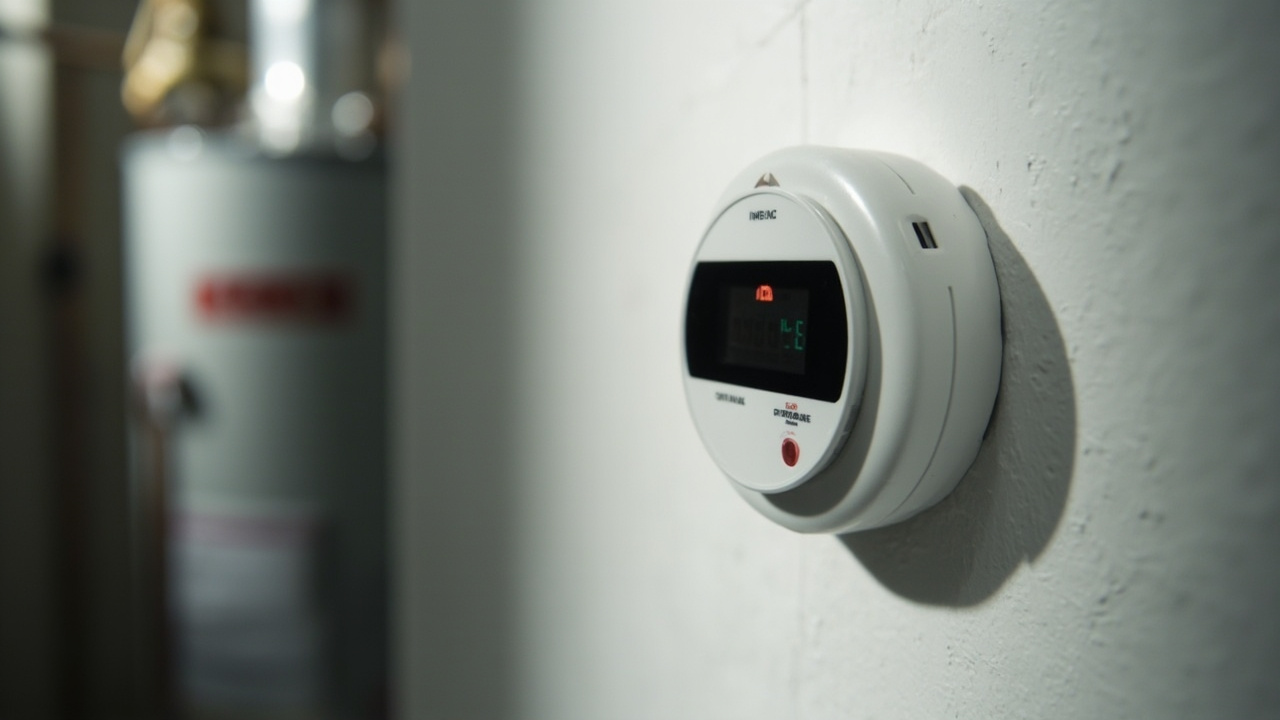
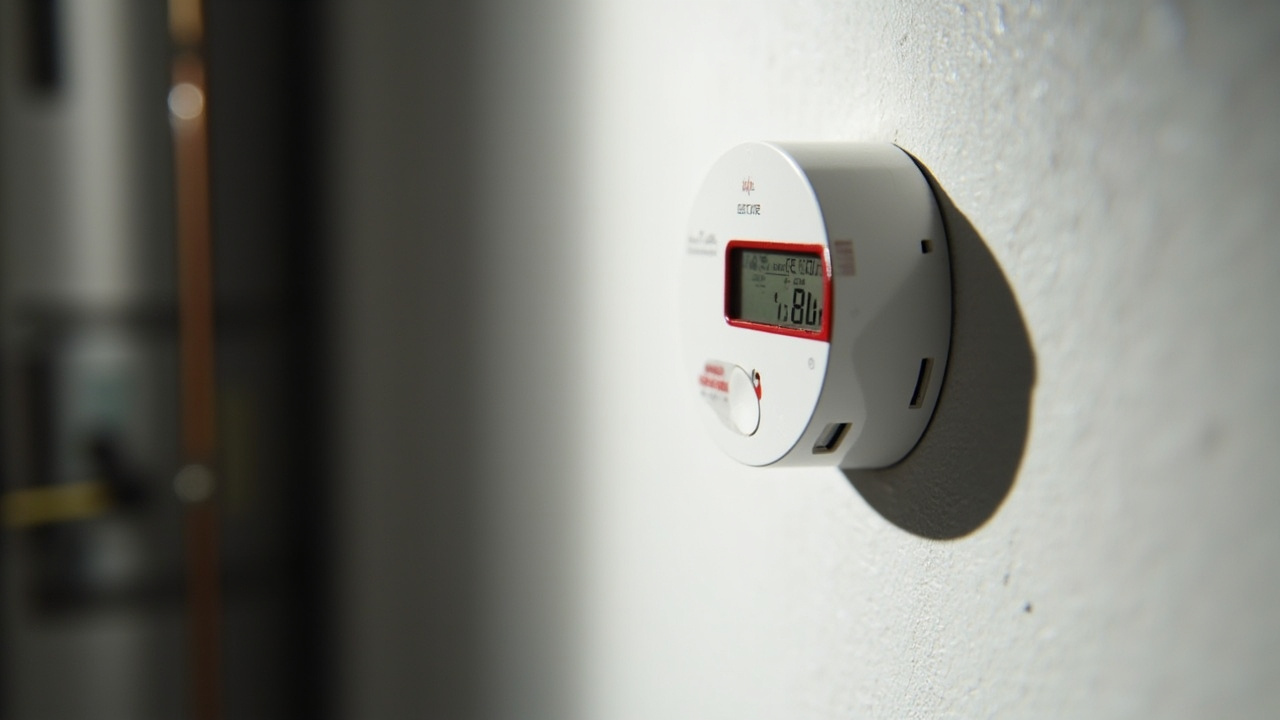
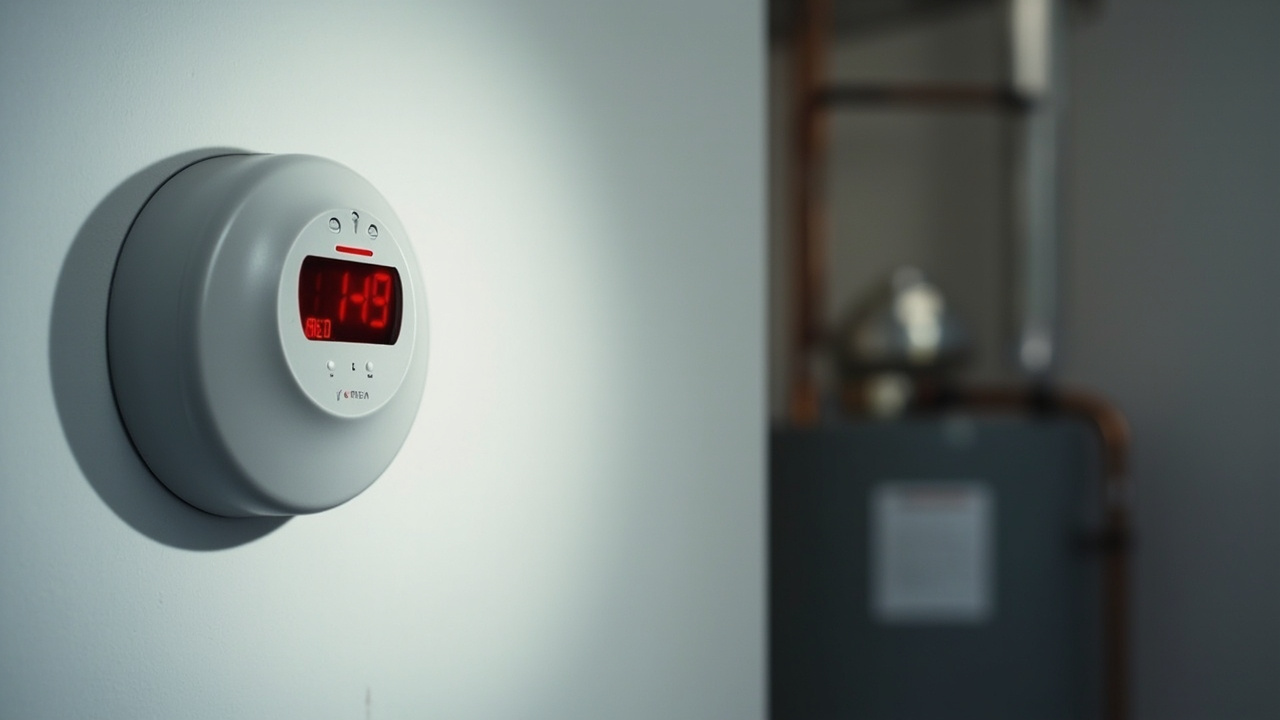
We also educate you about ongoing monitoring. Carbon monoxide detectors have limited lifespans and require replacement every five to seven years. We help you choose the right detector locations based on your home's layout and appliance placement.

Our goal is your safety through knowledge and proper equipment maintenance.

What to Expect from Our Carbon Monoxide Services

Emergency Response Availability

If you suspect carbon monoxide poisoning symptoms, leave your home immediately and call 911 first. Once emergency responders clear the scene, we provide same-day service to identify and repair the source. We maintain 24/7 availability because carbon monoxide emergencies do not follow business hours. Our technicians arrive with testing equipment ready and can diagnose most issues within the first visit. For non-emergency assessments, we typically schedule within 48 hours and complete testing in one appointment.

Comprehensive Home Evaluation

We test every fuel-burning appliance in your home, including the furnace, water heater, gas range, dryer, and any gas fireplaces. We do not assume the HVAC system is the only culprit. We check venting systems, measure draft pressure, inspect for physical damage, and verify proper combustion air supply. We test in multiple locations throughout your home because carbon monoxide can accumulate in specific areas depending on airflow patterns and appliance locations. You receive specific readings for each appliance and area tested.

Clear Safety Documentation

We provide a written report showing all carbon monoxide measurements, equipment conditions, and safety concerns. You get specific parts-per-million readings that show whether levels are safe or dangerous. We explain which repairs are critical for safety versus which are preventive maintenance. We photograph problem areas and show you visual evidence of heat exchanger cracks, corroded venting, or other defects. This documentation helps you make informed decisions and provides records if you need to file insurance claims.

Ongoing Monitoring Guidance

After identifying and fixing carbon monoxide sources, we help you establish a monitoring plan. We recommend specific UL-listed detectors for your home layout and explain proper placement near sleeping areas and fuel-burning appliances. We advise on detector lifespan and replacement schedules. We suggest annual combustion testing as part of regular HVAC maintenance to catch problems before they become dangerous. Many Austin homeowners schedule testing before winter when they start using heating equipment after months of dormancy.

Frequently Asked Questions

You Have Questions,
We Have Answers

What are signs of carbon monoxide in the house? +

Carbon monoxide is colorless and odorless, so you cannot detect it directly. Watch for physical symptoms: headaches, dizziness, nausea, confusion, or flu-like illness without fever. Multiple people in your home feeling sick at the same time is a red flag. Your furnace or gas appliances may show warning signs like yellow or orange flames instead of blue, soot buildup around vents, or increased condensation on windows. In Austin homes with older HVAC systems or gas water heaters, cracked heat exchangers are common culprits. Install carbon monoxide detectors on every floor to catch dangerous levels before symptoms appear.

How long after carbon monoxide exposure do you get symptoms? +

Symptoms can appear within minutes to hours depending on concentration levels. At high concentrations (above 400 ppm), you may feel symptoms within 15 to 30 minutes. At lower levels (around 70 ppm), symptoms can take two to three hours to develop. This delayed onset makes carbon monoxide especially dangerous during Austin winters when homes are sealed tight and heaters run constantly. You might wake up with a headache or feel progressively worse as the day goes on. Children, elderly residents, and pets often show symptoms first due to their smaller body size and faster breathing rates.

How can I check if I have carbon monoxide? +

Install carbon monoxide detectors on every level of your home, especially near bedrooms and gas appliances. These devices are the only reliable way to detect carbon monoxide before dangerous levels build up. Test detectors monthly and replace batteries twice yearly. If you suspect exposure but lack a detector, evacuate immediately and call 911. Austin Fire Department will test your home for free. HVAC technicians can also perform combustion analysis during maintenance visits to check for carbon monoxide leaks from your furnace or water heater. Never rely on physical symptoms alone as your early warning system.

What condition is often confused with the early stages of carbon monoxide poisoning? +

The flu is frequently mistaken for early carbon monoxide poisoning. Both cause headaches, fatigue, nausea, dizziness, and general weakness. The key difference is that carbon monoxide poisoning does not cause fever or body aches. If multiple people in your Austin home suddenly feel sick with flu-like symptoms during heating season, suspect carbon monoxide. Symptoms also improve when you leave the house and return when you come back. Food poisoning and viral gastroenteritis share similar symptoms but typically include digestive issues. Always consider carbon monoxide if your gas furnace, water heater, or fireplace is running.

How quickly will you know if you have carbon monoxide poisoning? +

You can experience symptoms within 15 minutes at high carbon monoxide concentrations. At 400 ppm or higher, headaches and dizziness appear quickly. At lower levels between 70 to 150 ppm, symptoms develop over one to three hours. This gradual onset is deceptive. You might dismiss early warning signs as tiredness or stress. In Austin homes with forced-air heating systems, carbon monoxide can spread rapidly through ductwork, affecting the entire house. Never wait to feel better. If your carbon monoxide detector alarms or you suspect exposure, evacuate immediately and seek medical attention.

How can I tell if I got carbon monoxide poisoning? +

Carbon monoxide poisoning symptoms include persistent headaches, dizziness, weakness, nausea, vomiting, chest pain, and confusion. Severe exposure causes loss of consciousness and death. If multiple people or pets in your home feel sick simultaneously, suspect carbon monoxide. Your symptoms improve when you leave the house and worsen when you return. Look for environmental clues: your carbon monoxide detector alarming, yellow or orange furnace flames, excessive soot around appliances, or increased moisture on windows. Austin residents should pay attention during winter months when heating systems run continuously. Medical diagnosis requires a blood test measuring carboxyhemoglobin levels.

Can I go to sleep after carbon monoxide exposure? +

No. Never go to sleep after suspected carbon monoxide exposure. Carbon monoxide continues to build up in your bloodstream while you breathe contaminated air. Sleeping in a carbon monoxide-filled room can cause unconsciousness and death. Even if you feel only mild symptoms, evacuate immediately and call 911. Do not re-enter your Austin home until emergency responders or HVAC professionals clear it. Carbon monoxide poisoning can cause delayed neurological effects that appear days or weeks later. Seek medical evaluation even if symptoms seem minor. Your body needs time to eliminate carbon monoxide from your blood through oxygen therapy.

Does opening windows help with carbon monoxide? +

Yes, opening windows helps dilute carbon monoxide concentrations by increasing ventilation. Fresh air circulation reduces dangerous levels quickly. However, opening windows is not a solution. You must evacuate immediately and identify the carbon monoxide source. Do not stay inside thinking open windows make you safe. In Austin homes with central HVAC systems, carbon monoxide can spread through ductwork faster than windows can ventilate it. Turn off gas appliances, evacuate everyone including pets, and call 911 from outside. Let professionals locate the leak and verify safe levels before returning. Never rely on ventilation alone to protect your family.

What are the odds of surviving carbon monoxide poisoning? +

Survival depends on exposure concentration and duration. Most people survive with prompt treatment. Mild to moderate exposure has excellent recovery rates when you evacuate quickly and receive medical oxygen therapy. Severe exposure causing unconsciousness has higher fatality rates, especially if treatment is delayed. Austin emergency rooms treat carbon monoxide poisoning with high-flow oxygen or hyperbaric oxygen therapy. Long-term neurological effects occur in 10 to 40 percent of severe cases. Early detection through carbon monoxide detectors dramatically improves survival odds. Children and elderly residents face higher risks due to faster breathing rates and existing health conditions.

Can I detect carbon monoxide with my phone? +

No. Smartphones cannot detect carbon monoxide. No app or built-in sensor exists that can measure carbon monoxide levels. Some products claim to work with phone attachments, but these are unreliable and not safety-certified. Install proper UL-listed carbon monoxide detectors instead. These battery-powered or hardwired devices cost 20 to 50 dollars and save lives. Austin residents should place detectors on every floor, near bedrooms, and close to fuel-burning appliances. Some smart home systems include carbon monoxide detection with phone alerts, but the actual sensor does the detecting, not your phone. Never trust your phone to protect your family from this silent killer.

How Austin's Climate and Housing Stock Create Carbon Monoxide Risks

Austin's temperature extremes create unique carbon monoxide hazards. Summer heat above 100 degrees stresses HVAC components, causing metal fatigue in heat exchangers that crack during winter heating cycles. Our mild winters mean many homeowners rarely test their furnaces until cold snaps arrive, leaving undetected problems that produce carbon monoxide when heating finally runs. Older neighborhoods like Tarrytown, Bouldin Creek, and Rosedale have housing stock from the 1940s through 1970s with original gas appliances and inadequate ventilation by modern standards. These homes lack the combustion air supply and mechanical ventilation that newer construction includes, increasing backdrafting risk.

Travis County has not adopted the most restrictive carbon monoxide detector requirements, so many existing homes lack proper monitoring equipment. All Pro HVAC Austin understands local building patterns and knows which Austin neighborhoods have higher risk profiles based on housing age and appliance types. We have worked throughout the greater Austin metro, from older central neighborhoods to newer developments in Pflugerville and Round Rock. Our technicians recognize the combustion issues common to Austin's housing stock and provide recommendations specific to your home's age, construction type, and equipment condition.
HVAC Services in The Austin Area

We are proud to serve the entire area, providing exceptional HVAC services to both residential and commercial clients. Our service area is extensive, ensuring that no matter where you are located, you can count on us for reliable and prompt service. We invite you to view our location on the map and see how conveniently positioned we are to meet all of your heating and cooling needs. We are just a call away.

Address:
All Pro HVAC Austin, 313 E 12th St, Austin, TX, 78701

Additional Services We Offer

Our news updates

Latest Articles & News from The Blogs

Flexible financing options for Austin families needing a new HVAC system today\n\nReplacing your HVAC system in Austin does not have…

Flexible financing options for Austin families needing a new HVAC system today

Flexible financing options for Austin families needing a new HVAC system today\n\nReplacing your HVAC system in Austin does not have…

Finding a certified Trane repair specialist for your Great Hills home

Finding a certified Trane repair specialist for your Great Hills home When your Trane air conditioner stops working in Great…

Why getting a second opinion on your AC compressor replacement could save you thousands

Why getting a second opinion on your AC compressor replacement could save you thousands If your HVAC technician just told…

Contact Us

Do not wait until you experience carbon monoxide poisoning symptoms. Schedule a comprehensive safety assessment with All Pro HVAC Austin. Call (737) 316-0777 now for same-day emergency response or to book your evaluation. Your family's safety depends on accurate detection and proper repairs.