Menu

Importance of Air Filter Changes in Austin – Protect Your System from Cedar Pollen and 100-Degree Heat

Regular air filter replacement keeps your HVAC system running efficiently through Austin's brutal summers and heavy cedar seasons, preventing costly breakdowns and extending equipment life in one of Texas's most demanding climates.

Slider Image 1
Slider Image 2
Slider Image 3
Slider Image 4
Slider Image 5
Slider Image 7
Slider Image 8
Slider Image 9
Slider Image 10
Slider Image 11

Why Austin's Climate Makes Air Filter Changes Critical

Austin sits in a unique environmental zone that punishes HVAC systems harder than most Texas cities. You face triple-digit summers that last from June through September, forcing your air conditioner to run 12 to 16 hours daily. Then comes cedar fever season, when Ashe juniper trees blanket the Hill Country in pollen so thick it looks like smoke.

This combination creates a perfect storm for your air filters. The benefits of changing air filters become obvious when you understand what happens inside your system. During summer, your air handler moves thousands of cubic feet per minute through a filter that captures dust, skin cells, and outdoor particles pulled through tiny gaps in your ductwork. When that filter clogs, your blower motor works harder, your evaporator coil freezes, and your compressor overheats.

Add cedar pollen from December through February, and you introduce fine particles that penetrate standard filters within days. Residents near Mount Bonnell, the Greenbelt, or anywhere west of MoPac deal with concentrated pollen loads that turn a 90-day filter into a 30-day filter.

The impact of dirty air filters extends beyond allergies. A clogged filter restricts airflow across your evaporator coil, causing refrigerant pressure imbalances that force your compressor to cycle rapidly. This short-cycling reduces efficiency by 15 to 20 percent and cuts compressor lifespan in half. The significance of air filter replacement becomes clear when you compare a $30 filter change to a $2,800 compressor replacement.

Why replace HVAC filters on schedule? Because Austin's climate does not give you margin for error. Your system runs harder and longer than units in milder climates, making filter maintenance the single most important task you control.

Why Austin's Climate Makes Air Filter Changes Critical
How Proper Filter Maintenance Extends System Life

How Proper Filter Maintenance Extends System Life

The reasons for changing AC filters go beyond keeping your house comfortable. Your HVAC system depends on precise airflow calculations. Engineers design evaporator coils, blower motors, and ductwork to move specific volumes of air at specific velocities. When a dirty filter chokes that airflow, every component downstream suffers.

Your evaporator coil needs 400 cubic feet per minute of airflow per ton of cooling capacity. A three-ton system requires 1,200 CFM. Drop that to 900 CFM because of a clogged filter, and your coil temperature falls below the dew point. Condensation freezes on the coil fins, blocking airflow further and creating an ice dam that can crack refrigerant lines.

Your blower motor draws more amperage when it fights restricted airflow. A PSC motor rated for 6.5 amps might pull 8.2 amps through a dirty filter, generating excess heat that degrades the motor windings. ECM motors fare better but still suffer efficiency losses that spike your electric bill.

The compressor faces the worst consequences. When your evaporator coil cannot absorb heat properly, refrigerant returns to the compressor too warm or too cold. Either condition damages the compressor internals. Warm refrigerant reduces cooling capacity and forces longer run times. Cold refrigerant causes liquid slugging, where liquid refrigerant enters the compressor and hydraulically locks the pistons or scroll.

All Pro HVAC Austin sees these failures weekly during peak summer months. A homeowner skips filter changes for six months, then calls when the system freezes solid or the compressor burns out. The repair costs 50 to 80 times more than the filters would have cost. The benefits of changing air filters become painfully clear when you face a $4,500 compressor replacement in July.

What Happens During a Filter Change

Importance of Air Filter Changes in Austin – Protect Your System from Cedar Pollen and 100-Degree Heat
01

Filter Assessment

We inspect your current filter for restriction level, proper size, and MERV rating. Many Austin homes use the wrong filter size or rating, causing either inadequate filtration or excessive pressure drop. We measure your filter grille dimensions and check for gaps that allow bypass airflow, which lets unfiltered air enter your system and coat your evaporator coil with debris.
02

System Airflow Check

After installing a clean filter, we verify static pressure across your system using a manometer. Residential systems should show 0.3 to 0.5 inches of water column pressure drop. Higher readings indicate ductwork restrictions, undersized returns, or coil fouling that a filter change alone cannot fix. This diagnostic step catches problems before they cause equipment failure.
03

Maintenance Schedule Setup

We establish a replacement schedule based on your home's specific conditions, including pet count, occupancy, and proximity to construction or allergen sources. Austin homes near undeveloped land west of the city need more frequent changes than homes in established central neighborhoods. We document the filter size, MERV rating, and change frequency so you never guess when to replace it next.

Why Austin Homeowners Trust All Pro HVAC Austin for Filter Guidance

Most HVAC companies treat filter changes as an upselling opportunity. They push expensive electrostatic filters or whole-home purification systems without diagnosing whether your system can handle the increased static pressure. All Pro HVAC Austin takes a different approach. We match filter specifications to your equipment's capabilities and your home's actual needs.

Austin's building code requires MERV 8 minimum filtration for new construction, but many older homes still use fiberglass panel filters that barely capture visible dust. We evaluate your ductwork design, blower motor type, and return air configuration before recommending a filter upgrade. A 2,400-square-foot home with a single 20x25 return cannot handle a MERV 13 filter without modifications. We tell you that upfront instead of installing a filter that will freeze your coil within a week.

We know Austin's microclimates. Homes in Westlake Hills face different challenges than homes in Mueller or East Austin. Properties near the Greenbelt or Barton Creek contend with higher pollen loads and humidity swings that affect filter performance. We account for these variables when setting maintenance schedules.

Our techs understand the difference between PSC and ECM blower motors and how each responds to filter restriction. We measure total external static pressure during every service call, catching ductwork problems that homeowners blame on dirty filters. Many homes have undersized return ducts that starve the system for air regardless of filter condition. We identify these issues and explain your options without pushing unnecessary ductwork modifications.

All Pro HVAC Austin operates year-round in Austin's climate extremes. We see what works and what fails during 105-degree summers and what happens when cedar fever hits in January. That real-world experience guides our filter recommendations and maintenance schedules.

What to Expect from Regular Filter Maintenance

Frequency and Timing

Standard one-inch pleated filters need replacement every 30 to 60 days in Austin homes with pets or during high-pollen seasons. Homes without pets and minimal outdoor air infiltration can stretch to 90 days with MERV 8 filters. Four-inch media filters last three to six months depending on usage. Never wait until you see visible dirt buildup on the filter face. By that point, the filter has been restricting airflow for weeks. Set phone reminders or mark your calendar on the first of every month to check the filter. If you cannot see light through it when you hold it up to a lamp, replace it immediately.

Choosing the Right Filter

Filter selection balances filtration efficiency against airflow resistance. MERV 8 filters capture pollen, dust mites, and mold spores while maintaining adequate airflow for most residential systems. MERV 11 filters add pet dander and finer particle capture but increase static pressure. MERV 13 filters approach HEPA-level filtration but require careful system evaluation before installation. Never install a MERV 13 or higher filter without verifying your blower motor can handle the increased load. We measure your system's static pressure capacity and calculate the maximum MERV rating your equipment can support without losing efficiency or reliability. Many Austin homes benefit more from a MERV 8 filter changed monthly than a MERV 13 filter that runs for three months.

Performance Improvements You Will Notice

Clean filters improve temperature consistency across rooms, reduce dust accumulation on furniture, and lower monthly electric bills by 5 to 15 percent during peak cooling months. You will notice stronger airflow from your supply vents and quieter operation as your blower motor works less to move air. Your home will cool faster after the thermostat calls for cooling, and your system will maintain setpoint without the constant cycling that wears out contactors and capacitors. These improvements appear within days of installing a clean filter, especially if the previous filter was severely clogged. The difference becomes obvious when you compare electric bills from months with regular filter changes against months when you skipped maintenance.

Long-Term Equipment Protection

Consistent filter maintenance prevents the gradual decline that kills HVAC systems prematurely. Your evaporator coil stays clean, maintaining heat transfer efficiency and preventing the coil fouling that requires expensive chemical cleaning or coil replacement. Your blower motor runs at designed amperage, avoiding the thermal stress that degrades windings and bearings. Your compressor receives properly conditioned refrigerant, eliminating the temperature extremes that cause valve failures and bearing damage. These benefits compound over years, extending equipment life from the typical 12 to 15 years to 18 to 22 years in Austin's harsh climate. We document filter change dates and system performance metrics so you can track the return on this simple maintenance task.

Frequently Asked Questions

You Have Questions,
We Have Answers

How important is it to change your air filter? +

Changing your air filter is critical for system efficiency and indoor air quality. A clean filter allows proper airflow, which reduces strain on your HVAC system and lowers energy bills. In Austin, cedar pollen, dust from central Texas soil, and high humidity load your filter faster than average climates. A clogged filter forces your AC to work harder, shortens equipment life, and circulates allergens through your home. Regular changes prevent costly breakdowns and keep your system running smoothly during brutal Texas summers when your AC runs nonstop.

Will a new air filter improve performance? +

Yes. A new air filter immediately improves airflow, which boosts cooling efficiency and reduces energy consumption. When your system breathes easier, it reaches your thermostat setpoint faster and cycles less often. You will see lower electric bills and more consistent temperatures throughout your home. In Austin's heat, where AC units run up to eight months a year, improved performance translates to real savings. A fresh filter also reduces wear on the blower motor and compressor, extending equipment life and preventing expensive repairs during peak cooling season.

What happens when the air filter is not changed? +

When you skip air filter changes, your HVAC system suffocates. Restricted airflow forces the blower motor to overwork, which increases energy costs by up to 15 percent. Dust and debris bypass the clogged filter and coat your evaporator coils, reducing cooling capacity. In Austin's dusty climate, this happens fast. You will notice weak airflow from vents, uneven temperatures, and longer run times. Worst case, the system overheats and shuts down completely, leaving you without AC during 100-degree heat. Neglected filters cause most preventable HVAC failures.

Can I just clean my air filter instead of replacing it? +

Most residential filters are disposable and cannot be effectively cleaned. Standard pleated filters lose structural integrity when washed, and you cannot remove embedded particles from the fibers. Cleaning simply spreads dust around. Only permanent electrostatic or metal mesh filters are designed for washing. Even then, cleaning is less effective than replacement because allergens remain trapped. In Austin, where cedar pollen and construction dust are constant, disposable filters do a better job capturing small particles. Replace standard filters monthly during high-use months instead of trying to clean them.

What is the $5000 AC rule? +

The $5,000 AC rule is a decision guideline for replacing versus repairing your air conditioner. Multiply the repair cost by the age of your unit in years. If the result exceeds $5,000, replace the system instead of repairing it. For example, a $600 repair on a nine-year-old unit equals $5,400, suggesting replacement makes more financial sense. In Austin, where AC units work overtime and average lifespan hovers around 12 to 15 years, this rule helps you avoid throwing money at dying equipment when replacement offers better long-term value.

What is the life expectancy of an air filter? +

Standard one-inch disposable filters last 30 to 90 days, depending on conditions. In Austin, change filters monthly during spring and summer when your AC runs constantly and cedar pollen peaks. Homes with pets, construction nearby, or allergy sufferers need monthly changes year-round. Thicker four-inch or five-inch pleated filters last three to six months because they hold more debris. Check your filter monthly regardless of type. Austin's dust, pollen, and humidity shorten filter life compared to milder climates. A clogged filter damages your system, so replace early if needed.

Will I notice a difference with a new air filter? +

You will notice stronger airflow from vents immediately after replacing a dirty filter. Rooms cool faster and more evenly. Your system runs quieter because the blower motor is not straining. Energy bills drop within the first billing cycle as your AC operates efficiently. In Austin homes, where dust accumulates quickly, the difference is dramatic. You may also notice less dust settling on furniture and fewer allergy symptoms as your system captures particles instead of recirculating them. The improvement is obvious within 24 hours of installation.

Will my AC work better if I clean the filter? +

Yes, but only temporarily and partially. Cleaning a dirty filter restores some airflow, which helps your AC cool more effectively in the short term. Your system will run quieter and reach temperature faster. However, cleaning does not remove trapped particles deep in the filter media, and allergens remain. For disposable filters, cleaning damages the pleated structure and reduces filtration efficiency. In Austin's dusty environment, a cleaned filter clogs again within days. You are better off replacing the filter outright for full performance restoration and proper air quality protection.

Can a dirty air filter cause sluggish acceleration? +

A dirty air filter does not cause sluggish acceleration. You are confusing your home HVAC air filter with your car's engine air filter. This question applies to automotive systems, where a clogged engine filter restricts airflow to the combustion chamber, reducing power and throttle response. For your home AC system, a dirty filter causes weak airflow from vents, longer cooling cycles, and higher energy bills. It does not affect acceleration. If you are experiencing vehicle performance issues, check your car's engine air filter, not your home HVAC filter.

What happens if you haven't changed your air filter in 3 years? +

After three years without a filter change, your HVAC system is severely compromised. The filter is completely blocked, forcing air to bypass it and coat your evaporator coils with dust and debris. Cooling capacity drops by 20 to 40 percent. Your blower motor is overworked and may fail prematurely. Energy bills are much higher than normal. In Austin's climate, three years of neglect often results in a frozen coil or complete system shutdown. You need immediate filter replacement and professional coil cleaning to restore function and prevent permanent compressor damage.

How Cedar Pollen and Urban Sprawl Impact Air Filters in Austin

Austin's position on the Balcones Escarpment creates concentrated pollen bands during cedar season. Ashe juniper trees dominate the Hill Country west of the city, releasing pollen that prevailing winds push directly into residential neighborhoods from Tarrytown to Mueller to East Austin. This pollen measures 20 to 30 microns, small enough to penetrate standard fiberglass filters but large enough to coat evaporator coils and blower wheels. Construction activity from rapid urban expansion adds dust loads that triple filter contamination rates compared to established neighborhoods. Homes near major developments along Highway 290 West or in areas like Hutto and Pflugerville face constant dust infiltration that clogs filters in weeks instead of months. The combination demands more aggressive filter maintenance schedules than most Texas cities require.

All Pro HVAC Austin operates throughout Travis County and understands local environmental conditions that affect HVAC performance. We know that homes near Town Lake deal with humidity swings that promote biological growth on filters, while properties in Westlake Hills and West Lake Hills face concentrated pollen from undeveloped greenbelt areas. Our techs recognize the signs of inadequate return air design common in Austin's older neighborhoods like Hyde Park and Travis Heights, where homes built before modern code requirements struggle with undersized ductwork that compounds filter restriction problems. This local knowledge helps us recommend maintenance schedules and filter specifications that match your specific location and home characteristics rather than generic advice that might work in Dallas but fails in Austin's unique conditions.
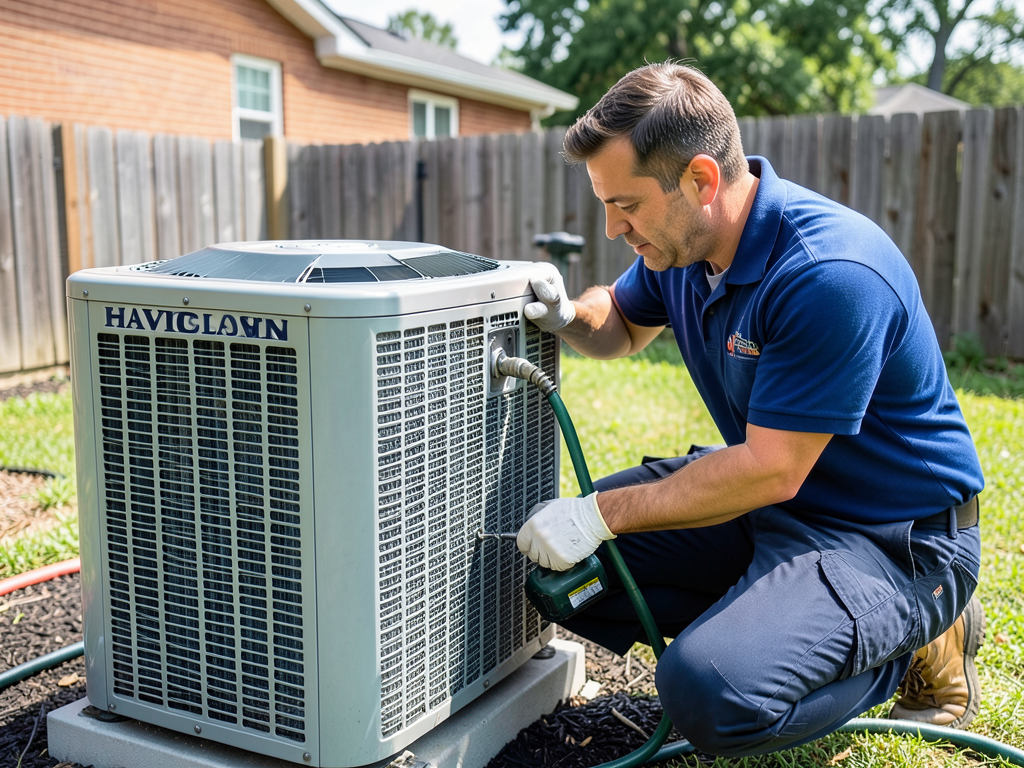
HVAC Services in The Austin Area

We are proud to serve the entire area, providing exceptional HVAC services to both residential and commercial clients. Our service area is extensive, ensuring that no matter where you are located, you can count on us for reliable and prompt service. We invite you to view our location on the map and see how conveniently positioned we are to meet all of your heating and cooling needs. We are just a call away.

Address:
All Pro HVAC Austin, 313 E 12th St, Austin, TX, 78701

Additional Services We Offer

Our news updates

Latest Articles & News from The Blogs

Flexible financing options for Austin families needing a new HVAC system today\n\nReplacing your HVAC system in Austin does not have…

Flexible financing options for Austin families needing a new HVAC system today

Flexible financing options for Austin families needing a new HVAC system today\n\nReplacing your HVAC system in Austin does not have…

Finding a certified Trane repair specialist for your Great Hills home

Finding a certified Trane repair specialist for your Great Hills home When your Trane air conditioner stops working in Great…

Why getting a second opinion on your AC compressor replacement could save you thousands

Why getting a second opinion on your AC compressor replacement could save you thousands If your HVAC technician just told…

Contact Us

Do not wait until your system freezes or fails during a 105-degree afternoon. Call All Pro HVAC Austin at (737) 316-0777 to set up filter service and system evaluation. We will verify your filter size, check airflow, and establish a maintenance schedule that protects your equipment through Austin's demanding climate.