Menu

Gas Furnace Leak Repair in Austin | 24/7 Emergency Response Within 90 Minutes

Expert Gas Furnace Leak Repair in Austin with rapid emergency dispatch, certified gas line technicians, and immediate shutoff protocols to protect your home from carbon monoxide exposure and fire risk.

Slider Image 1
Slider Image 2
Slider Image 3
Slider Image 4
Slider Image 5
Slider Image 7
Slider Image 8
Slider Image 9
Slider Image 10
Slider Image 11

Why Gas Furnace Leaks Demand Immediate Action in Austin Homes

You smell gas near your furnace. Your carbon monoxide detector is beeping. You notice a hissing sound or a rotten egg odor near your heating system. These are not problems you can wait on.

Austin's natural gas infrastructure serves over 400,000 residential connections. The city's mix of older homes in Hyde Park and Clarksville alongside newer developments in Mueller and Bouldin Creek means furnace systems range from 30-year-old cast iron units to modern modulating gas valves. Both can develop dangerous leaks at the gas valve, supply line connections, or heat exchanger cracks.

A gas leak on your furnace is not like a dripping faucet. Natural gas is combustible. Even a small leak creates fire risk and carbon monoxide poisoning danger. Austin's moderate winters mean furnaces cycle on and off frequently rather than running continuously. This thermal expansion and contraction stresses gas line connections and can crack aging heat exchangers.

The moment you detect gas odor, shut off your furnace at the breaker, evacuate your home, and call for emergency furnace gas leak service. Do not flip light switches or use electronics. The spark can ignite accumulated gas.

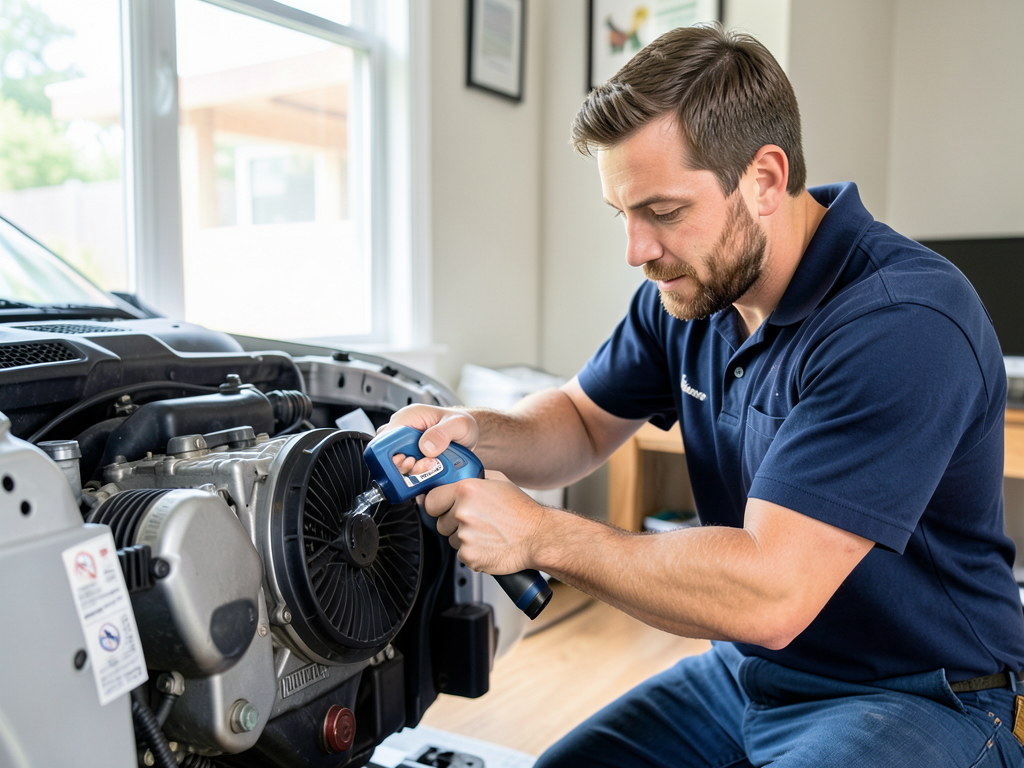
We fix gas leaks in furnaces across Travis County 24 hours a day. Our technicians arrive with combustible gas detectors, pressure testing equipment, and all replacement components needed to repair gas leaks on furnaces safely. Whether it is a loose flare fitting on the supply line or a cracked heat exchanger requiring full replacement, we handle furnace gas line leak repair correctly the first time.

Your family's safety cannot wait for business hours. Gas heater leak repair requires certified expertise and immediate response.

Why Gas Furnace Leaks Demand Immediate Action in Austin Homes
Our Emergency Gas Leak Detection and Repair Protocol

Our Emergency Gas Leak Detection and Repair Protocol

When you call All Pro HVAC Austin for emergency furnace gas leak service, you reach a live technician dispatcher, not an answering service. We locate the nearest certified gas technician and dispatch within 15 minutes.

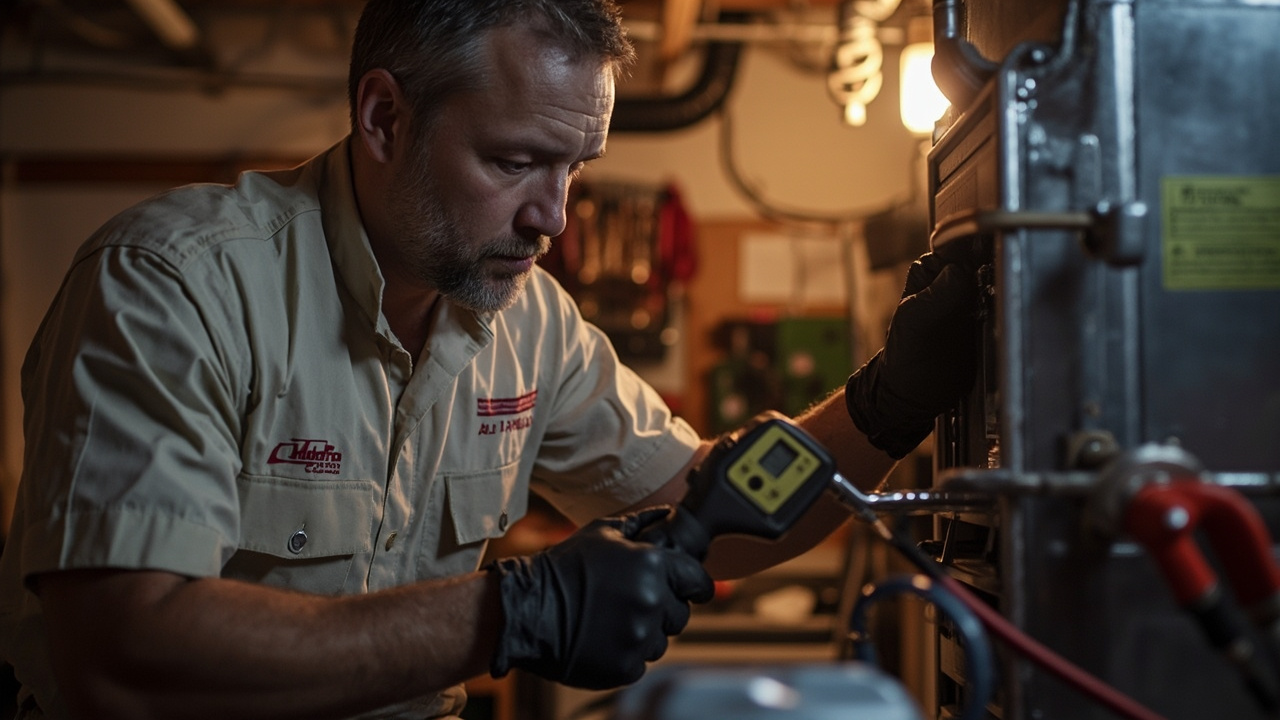
Our trucks carry multi-gas detectors that measure natural gas concentration in parts per million. We do not guess where the leak originates. We test every connection point from the meter to the furnace, isolate the gas supply, and perform soap bubble testing on all fittings under pressure.

Most gas leaks occur at three failure points. The gas valve connection to the manifold can loosen from vibration. The flex line connector between your rigid black iron pipe and the furnace can crack from metal fatigue. The heat exchanger itself can develop hairline cracks from corrosion or thermal stress.

For connection leaks, we replace the defective fitting, apply pipe dope rated for natural gas, and torque to manufacturer specifications. For flex line failures, we install new CSST or corrugated stainless steel tubing with proper bonding to prevent lightning-induced punctures. For heat exchanger cracks, we shut down the system immediately because combustion gases mix with your breathing air.

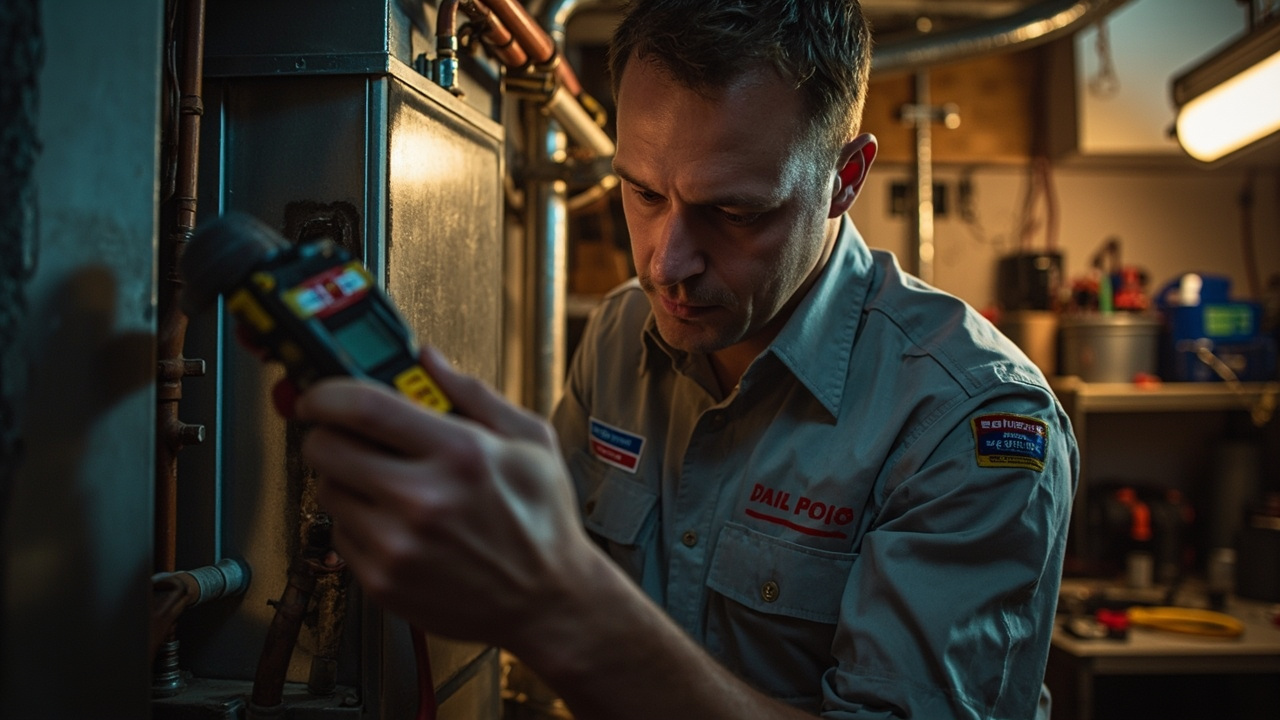
After the repair, we perform pressure decay testing. We pressurize the gas line to 15 psi, close all valves, and monitor for any pressure drop over 15 minutes. Zero pressure loss confirms a complete seal. We then test ignition sequencing, flame sensor operation, and combustion efficiency with a flue gas analyzer.

You receive documentation of the repair, pressure test results, and a carbon monoxide reading from your living space before we leave. Emergency furnace gas leak service is not complete until your system operates safely.

What Happens During Your Emergency Gas Furnace Leak Repair Call

Gas Furnace Leak Repair in Austin | 24/7 Emergency Response Within 90 Minutes
01

Immediate Safety Assessment

Our technician arrives with gas detection equipment and immediately checks natural gas concentration levels in your mechanical room and living areas. We shut off the gas supply at the furnace valve or meter if readings exceed safe thresholds. We verify your home is ventilated and safe to enter before beginning diagnostic work. Your family's safety establishes the baseline for all repair decisions.
02

Leak Source Identification

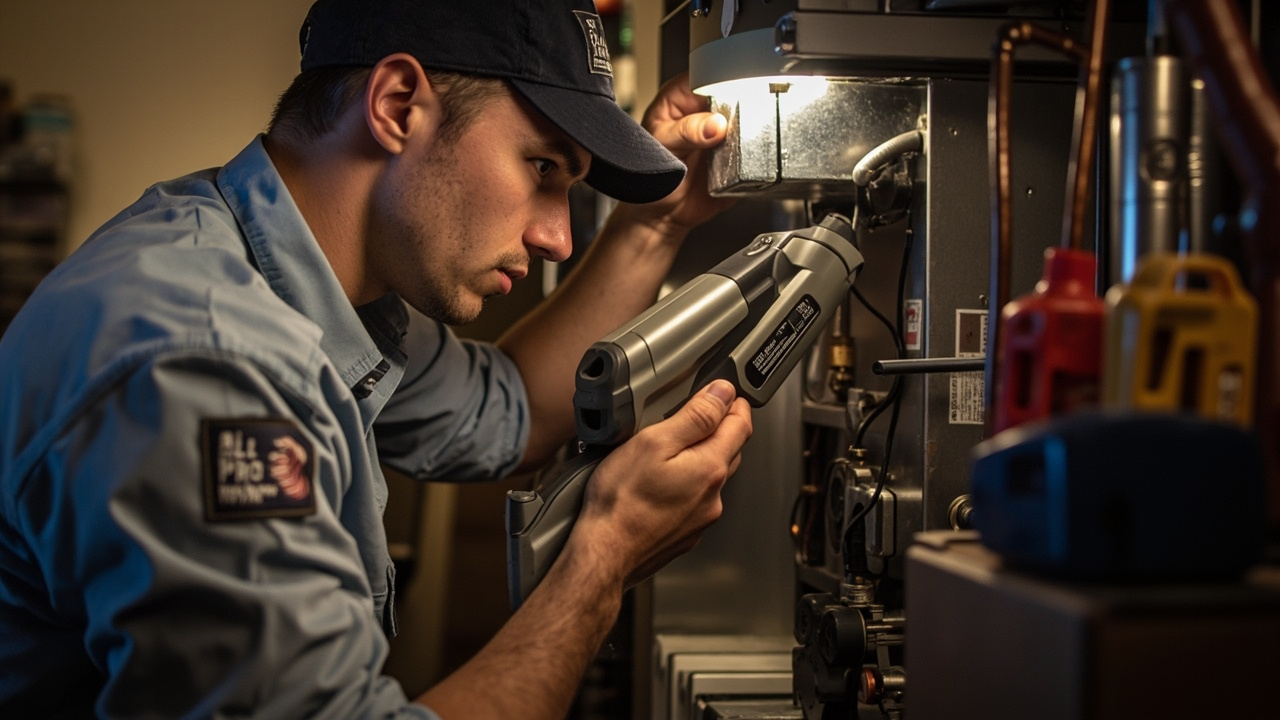
We test every gas connection from the meter to the burner assembly using electronic sniffers and soapy water pressure testing. We inspect the heat exchanger with a combustion camera to identify cracks invisible to the naked eye. We pressurize the supply line and monitor for decay. This systematic approach pinpoints the exact failure point rather than guessing based on symptoms alone.
03

Repair and Safety Verification

We complete the necessary repair using code-compliant materials and techniques, then verify the fix with pressure testing and combustion analysis. We restore gas service only after confirming zero leakage and proper burner operation. You receive a written report documenting the problem, the repair, and all safety test results. We do not leave until your system operates safely and efficiently.

Why Austin Homeowners Trust All Pro HVAC for Gas Leak Repairs

Gas work is not something you hand to the cheapest bidder. You need certified technicians who understand Austin Energy's natural gas delivery pressure, Travis County code requirements for gas piping, and the specific failure modes of furnaces operating in our climate.

We have been repairing gas furnace leaks across Austin for years. Our technicians hold Texas Department of Licensing and Regulation HVAC licenses and complete annual gas safety training. We know the difference between a Schedule 40 black iron installation from the 1980s and modern CSST flexible gas line systems. We know which sealants are rated for natural gas and which will fail under pressure.

Austin's soil conditions create foundation movement that can stress rigid gas piping. Homes in areas with expansive clay soils like those near Onion Creek or Williamson Creek experience seasonal shifting that can crack solder joints or loosen threaded connections. We account for this movement when we repair or replace gas lines, using flexible connectors and proper support spacing to accommodate building settlement.

We also understand the local furnace population. Many Austin homes still run Trane, Carrier, and Lennox units from the 1990s. These older systems use standing pilot lights and mechanical gas valves prone to wear. Newer high-efficiency furnaces use electronic ignition and modulating valves with different failure modes. We stock parts for both and know how to troubleshoot each system correctly.

When we repair a gas leak, we do not just fix the immediate problem. We inspect the entire gas train, check venting integrity, and test carbon monoxide levels. A gas leak often signals other problems. We find them before they become emergencies.

You can trust our work because we follow the same protocols every time. No shortcuts. No guessing.

What You Can Expect From Our Gas Furnace Leak Repair Service

Emergency Response Time

We dispatch emergency gas leak calls within 90 minutes across the Austin metro area. Our technicians work 24 hours a day, seven days a week, including holidays. When you call (737) 316-0777, you speak to a live technician dispatcher who assesses your situation, provides immediate safety instructions, and sends the nearest qualified technician to your location. We do not schedule emergency gas leaks for tomorrow. We respond immediately because gas leaks create life safety risks that worsen with time. You receive a call when the technician is en route with an accurate arrival window.

Comprehensive Gas System Inspection

Our inspection goes beyond finding the obvious leak. We test gas pressure at the meter and at the furnace to verify proper delivery. We inspect all visible gas piping for corrosion, improper support, or physical damage. We check the condition of your heat exchanger using visual inspection and combustion analysis. We test the safety controls including the gas valve, flame sensor, and limit switches. This complete evaluation identifies hidden problems that could cause future failures. You receive a written report documenting all findings and recommendations.

Quality Repair Standards

We complete all gas furnace leak repairs using materials and methods that meet or exceed the International Fuel Gas Code and local Austin amendments. We use pipe dope and thread sealant rated for natural gas service. We torque all threaded connections to manufacturer specifications. We pressure test every repair to 15 psi and monitor for decay. We verify proper combustion with a calibrated flue gas analyzer measuring oxygen, carbon monoxide, and combustion efficiency. You receive documentation of all test results. Our repairs fix the problem correctly so you do not face repeat failures.

Post-Repair Support

After we repair your gas furnace leak, we provide clear instructions on what to watch for and when to call us back. We explain what caused the failure and how to prevent future problems. If we identify other issues during our inspection, we provide a prioritized list of recommended repairs with explanations of the risks and benefits. We follow up within one week to verify your system continues operating safely. If you have any concerns after the repair, we return to address them. Our goal is not just to fix the immediate leak but to ensure your heating system operates safely long term.

Frequently Asked Questions

You Have Questions,
We Have Answers

How much does it cost to fix a gas leak in a furnace? +

Gas furnace leak repair costs in Austin vary based on the leak source and severity. Minor valve or connection repairs typically run lower, while heat exchanger cracks require major work or full replacement. Emergency calls after hours cost more. Austin's fluctuating winter temperatures mean furnaces cycle frequently, accelerating wear on joints and seals. Get a licensed HVAC technician to inspect and diagnose before committing. Most pros offer free estimates. Pricing depends on parts, labor, and accessibility. Never delay repairs to save money. Gas leaks pose serious explosion and carbon monoxide risks.

Can I fix a furnace leak myself? +

No. Never attempt DIY gas furnace leak repair. Natural gas is explosive and odorless without the added mercaptan scent. You risk fire, explosion, carbon monoxide poisoning, and property damage. Austin building codes require licensed HVAC technicians to handle gas line work and furnace repairs. You also void manufacturer warranties and homeowners insurance claims by attempting repairs yourself. Shut off your gas supply at the meter, evacuate the home, and call a professional immediately. Even small leaks can become deadly. This is not a YouTube tutorial situation. Protect your family.

Whose responsibility is it to fix a gas leak? +

Homeowners are responsible for gas leaks within their property lines, including furnace leaks and interior gas lines. In Austin, Texas Gas Service owns and maintains the meter and lines up to the meter. Everything past that connection point is yours. If you smell gas near the meter or street, call Texas Gas Service immediately. If the leak originates inside your home or from your furnace, you hire and pay for repairs. Landlords must fix leaks in rental properties under Texas habitability laws. Never ignore responsibility. Gas leaks endanger everyone in the home.

Who do you call if your furnace is leaking? +

If your furnace is leaking gas, evacuate immediately and call 911 or Texas Gas Service emergency line from outside. Do not turn lights on or off, use phones inside, or create any spark. Once the gas company clears the scene, contact a licensed HVAC contractor who handles emergency furnace repair in Austin. Look for 24/7 availability and rapid response times. Austin's winter cold snaps mean you need heat restored fast. A qualified technician will diagnose the leak source, repair or replace damaged components, and pressure test the system before restart.

Do homeowners insurance cover gas leaks? +

Homeowners insurance coverage for gas leaks depends on your policy and the cause. Sudden, accidental leaks from damaged furnace components may be covered under dwelling or personal property protection. Gradual leaks from neglected maintenance, wear, or aging equipment are typically excluded. Review your policy declarations and call your agent immediately after securing the property. Document everything with photos. In Austin, some carriers require annual HVAC inspections to maintain coverage. File claims quickly. If the leak caused fire or explosion damage, that is usually covered under peril protections.

What is the $5000 rule for HVAC? +

The 5000 rule is an outdated HVAC replacement guideline. Multiply your furnace age by estimated repair cost. If the total exceeds 5000, replace the unit instead of repairing. For example, a 15-year-old furnace needing 400 in repairs equals 6000, suggesting replacement. This rule does not account for modern furnace lifespans, energy efficiency savings, or safety concerns like cracked heat exchangers. In Austin, where mild winters reduce furnace runtime, units often last longer. Consult a licensed HVAC technician for honest replacement versus repair advice tailored to your situation.

Can you stay in a house with a small gas leak? +

No. Never stay in a house with any gas leak, regardless of size. Natural gas displaces oxygen and causes asphyxiation. It is also highly explosive. Even small leaks can accumulate in enclosed spaces, creating deadly conditions. Austin homes often have poor attic ventilation, allowing gas to concentrate. You cannot accurately assess leak severity without equipment. Evacuate immediately, leave doors open, do not use electronics or create sparks, and call for help outside. Do not re-enter until professionals clear the home. Your life is not worth the risk. Get out now.

What is the most expensive part to fix on a furnace? +

The heat exchanger is the most expensive furnace component to repair or replace. This metal chamber transfers heat from combustion gases to your home's air. Cracks develop from thermal stress, corrosion, or age. Replacement involves significant labor, disassembly, and often costs enough to justify full furnace replacement. In Austin, heat exchangers can corrode faster due to humidity and infrequent use causing condensation buildup. Cracked heat exchangers leak carbon monoxide, creating life-threatening conditions. If your technician identifies cracks, take it seriously. This is not a repair to delay or ignore.

Is it okay to smell a little gas from a furnace? +

No. You should never smell gas from your furnace. Natural gas has added mercaptan for safety, producing a distinctive rotten egg odor. Any gas smell indicates a leak, incomplete combustion, or ventilation failure. Shut off your furnace immediately, evacuate, and call for emergency help from outside. In Austin, newer high-efficiency furnaces are sealed combustion systems that should never emit gas odors indoors. Older atmospheric furnaces occasionally produce slight combustion smells during startup, but never raw gas. Do not rationalize or ignore this. Gas odors mean danger. Act immediately.

Are gas leak repairs free? +

No. Gas leak repairs are not free. You pay for diagnosis, labor, and parts unless covered by a home warranty or homeowners insurance policy. Texas Gas Service repairs their infrastructure for free, but only up to your meter. Everything inside your property line is your financial responsibility. Some HVAC companies waive diagnostic fees if you approve repairs. In Austin, emergency after-hours calls cost more but are necessary for gas leaks. Do not let cost concerns delay action. Gas leaks cause explosions and deaths. Get professional repairs immediately and sort out payment afterward.

How Austin's Climate and Housing Stock Affect Gas Furnace Reliability

Austin's heating season runs from November through February with average lows in the 40s and occasional freezes. This moderate climate means furnaces cycle frequently rather than running continuously like they do in northern states. The repeated heating and cooling stresses metal components and accelerates wear on gas valves, heat exchangers, and ignition systems. Homes in older neighborhoods like Travis Heights and Tarrytown often have original furnaces from the 1980s and 1990s that have experienced thousands of thermal cycles. The heat exchangers in these aging units develop cracks from metal fatigue, creating dangerous carbon monoxide leaks alongside natural gas leaks.

Austin's building boom over the past 20 years created a mix of construction standards. Homes built before 2000 typically use black iron gas piping throughout, while newer construction uses CSST flexible gas lines. Both systems have different failure modes requiring different repair approaches. We work on furnaces across every Austin neighborhood from downtown condos to homes in Circle C and understand the specific challenges each housing type presents. Our technicians know local code requirements and stay current with Austin Energy's gas service standards to ensure every repair meets compliance.
HVAC Services in The Austin Area

We are proud to serve the entire area, providing exceptional HVAC services to both residential and commercial clients. Our service area is extensive, ensuring that no matter where you are located, you can count on us for reliable and prompt service. We invite you to view our location on the map and see how conveniently positioned we are to meet all of your heating and cooling needs. We are just a call away.

Address:
All Pro HVAC Austin, 313 E 12th St, Austin, TX, 78701

Additional Services We Offer

Our news updates

Latest Articles & News from The Blogs

Maximizing Your Austin Energy Rebates for a High Efficiency HVAC Upgrade If you live in Austin and plan to replace…

Maximizing Your Austin Energy Rebates for a High Efficiency HVAC Upgrade

Maximizing Your Austin Energy Rebates for a High Efficiency HVAC Upgrade If you live in Austin and plan to replace…

Why Foundation Shifting in Pflugerville Might Be Cracking Your Air Ducts

The Hidden Connection Between Pflugerville Soil and Your HVAC System Living in Pflugerville means dealing with Texas's notorious expansive clay…

How to Spot Hidden Hail Damage on Your AC Unit After an Austin Storm

How to Spot Hidden Hail Damage on Your AC Unit After an Austin Storm Central Texas hailstorms can wreak havoc…

Contact Us

A gas leak will not fix itself. Every minute you wait increases risk. Call All Pro HVAC Austin now at (737) 316-0777 for immediate emergency dispatch. Our certified technicians are standing by 24/7 to protect your home and family from gas leak dangers.