Menu

Zone Control Systems in Austin – Stop Wasting Money Heating and Cooling Empty Rooms

Multi-zone HVAC systems give you precise temperature control in every room, slashing energy bills and ending the thermostat wars that plague Austin homes with hot upstairs bedrooms and freezing downstairs living rooms.

Slider Image 1
Slider Image 2
Slider Image 3
Slider Image 4
Slider Image 5
Slider Image 7
Slider Image 8
Slider Image 9
Slider Image 10
Slider Image 11

Why Austin Homes Struggle With Uneven Temperatures

Walk into your home after a scorching 102-degree Austin afternoon and you face the same problem every day. The downstairs feels like an icebox while the upstairs bedrooms remain sweltering, forcing you to crank the thermostat lower and waste energy cooling spaces no one uses.

Austin's extreme temperature swings, from summer highs pushing 110 degrees to sudden winter freezes, expose the weakness in single-zone forced air systems. Your HVAC system treats your entire home as one space, pumping conditioned air through every duct regardless of whether anyone occupies that room. The result is energy waste, comfort problems, and utility bills that spike during peak summer months.

Two-story homes in neighborhoods like Hyde Park and Tarrytown face the worst temperature stratification. Heat rises naturally, but your standard central air system cannot adjust for this physics reality. The second floor stays 8 to 12 degrees warmer than the ground level, forcing you to overcool downstairs spaces just to make bedrooms tolerable.

Room additions, converted garages, and home offices create additional headaches. These spaces often have different heating and cooling loads than the original structure, but your single thermostat cannot account for these variations. You end up with hot spots and cold zones that no amount of vent adjustment can fix.

HVAC zoning systems solve this problem by dividing your home into separate temperature zones, each controlled independently. Motorized dampers in your ductwork open and close based on individual zone thermostats, directing conditioned air only where you need it. This approach cuts energy waste, improves comfort, and extends equipment life by reducing runtime.

Why Austin Homes Struggle With Uneven Temperatures
How Multi-Zone HVAC Systems Work

How Multi-Zone HVAC Systems Work

A properly designed zoned heating and cooling system starts with a detailed load calculation for each area of your home. We measure square footage, window exposure, insulation levels, and occupancy patterns to determine how many zones you need and where to place them. Most Austin homes benefit from two to four zones, typically separating living areas from bedrooms and isolating problem spaces like bonus rooms or home offices.

The core component is the zone control panel, which communicates with multiple thermostats and controls motorized dampers installed in your supply ductwork. When a zone calls for cooling, the dampers for that area open while others close, directing airflow precisely where needed. The system also modulates equipment capacity to match the reduced load, preventing short cycling and maintaining proper dehumidification.

We install bypass dampers or zone bypass systems to handle pressure changes when multiple dampers close. Without this pressure relief, your ductwork could develop leaks and your equipment could fail prematurely from excessive static pressure. This technical detail separates professional installations from amateur work that creates more problems than it solves.

Variable speed air handlers and communicating equipment provide the best performance with zoning. These systems adjust fan speed and capacity automatically based on how many zones are calling, maintaining proper airflow across the evaporator coil and preventing freeze-ups. Older single-stage equipment can work with zoning but requires careful sizing and bypass configuration to avoid damage.

Each zone gets its own programmable or smart thermostat, allowing family members to set different temperatures and schedules. You can keep guest rooms at setback temperatures, run the home office cooler during work hours, and maintain comfortable bedroom temperatures at night without wasting energy on the entire house.

What Happens During Zone System Installation

Zone Control Systems in Austin – Stop Wasting Money Heating and Cooling Empty Rooms
01

System Design and Load Analysis

We map your home's layout and measure the thermal load for each proposed zone, accounting for Austin's climate demands and your family's usage patterns. This engineering step determines damper locations, control panel sizing, and whether your existing equipment can handle zoned operation. We inspect your ductwork for capacity and seal integrity before recommending modifications.
02

Damper and Control Installation

We install motorized dampers at strategic points in your supply ducts, running control wiring back to a central zone panel mounted near your air handler. Each zone gets a new thermostat with proper wire runs and programming. We add bypass dampers or a zone bypass system to protect your equipment from pressure damage. This phase requires attic access and precise electrical work.
03

Calibration and Testing

We program the zone panel, calibrate damper operation, and test each zone under load to verify proper airflow and temperature control. We measure static pressure across the system and adjust bypass settings to keep your equipment operating within manufacturer specifications. You learn how to operate each zone's thermostat and optimize scheduling for maximum efficiency and comfort.

Why Austin Homeowners Choose All Pro HVAC for Zoning Systems

Installing central air zoning requires more than basic HVAC knowledge. It demands understanding of airflow dynamics, static pressure management, and controls integration. Many contractors skip critical steps like bypass damper sizing or fail to account for equipment limitations, leaving you with a system that short cycles, freezes up, or fails prematurely.

All Pro HVAC Austin specializes in complex zoning installations across Travis County and the surrounding areas. We have experience with Austin's diverse housing stock, from historic bungalows in Clarksville to sprawling ranch homes in Circle C. Each home presents unique challenges related to duct layout, equipment access, and architectural constraints. We adapt our approach to your specific situation rather than forcing a one-size-fits-all solution.

We work with all major zoning control manufacturers and can integrate with your existing HVAC equipment or recommend upgrades when necessary. Our technicians understand the compatibility requirements between zone panels, thermostats, and air handlers. We will tell you honestly if your current system can support zoning or if equipment replacement makes more financial sense.

Austin's building codes and energy efficiency standards continue to evolve. We stay current with local requirements and best practices for duct sealing, insulation, and control wiring. Our installations pass inspection the first time and meet manufacturer requirements for warranty coverage. You get documentation showing your system was installed correctly.

We size and configure bypass systems to protect your investment. Improper bypass settings cause the most common zoning failures, leading to compressor damage, frozen coils, and comfort complaints. We measure and verify static pressure before and after installation, making adjustments until your system operates within safe parameters across all zone combinations.

What You Get With Professional Zone Control Installation

Project Timeline and Scheduling

Most zone system installations take one to three days depending on your home's size and complexity. We schedule the design consultation first, presenting you with a detailed plan and equipment recommendations before any work begins. Installation day requires attic access and brief interruptions to your cooling system. We work efficiently to minimize disruption and restore comfort as quickly as possible. The system goes through testing and calibration before we leave, ensuring every zone operates correctly.

Design Consultation and Assessment

Your consultation includes a room-by-room evaluation of temperature problems, usage patterns, and comfort goals. We inspect your existing equipment, ductwork condition, and electrical capacity. You receive a written proposal detailing the number of zones, damper locations, control equipment specifications, and any necessary modifications to your current system. We explain exactly how the zoning will function and what energy savings you can expect based on your home's characteristics and Austin's climate demands.

Performance and Comfort Results

You gain independent temperature control in each zone with precision within two degrees of setpoint. Energy bills typically drop 20 to 35 percent compared to single-zone operation because you stop conditioning unused spaces. Temperature complaints disappear as each family member controls their own comfort. Your HVAC equipment runs less overall but maintains better humidity control because it operates longer cycles when needed rather than constant short cycling to satisfy the most demanding room.

System Support and Maintenance

Zone control systems require periodic inspection of damper operation, control calibration, and bypass functionality. We recommend annual maintenance that includes checking damper motors, verifying zone sensor accuracy, and measuring system static pressure across all operating modes. You receive documentation of your system configuration and programming for future reference. We provide training on thermostat operation and optimal scheduling strategies to maximize your efficiency gains.

Frequently Asked Questions

You Have Questions,
We Have Answers

What is a zone control system? +

A zone control system divides your home into separate areas, each with its own thermostat and dampers in the ductwork. You control the temperature in each zone independently. In Austin, where second-story bedrooms bake in summer heat while downstairs stays cooler, zoning solves that problem. The system uses motorized dampers that open or close based on each thermostat's call for heating or cooling. This means you stop heating or cooling empty rooms and direct airflow only where you need it. Zone control works with central air conditioning and heating systems.

Are zoned HVAC systems worth it? +

In Austin homes, zoned HVAC systems deliver real value. You stop wasting energy cooling guest rooms or heating spaces you rarely use. Austin's climate creates natural temperature imbalances between floors and rooms with southern exposure. Zoning addresses this. You cut energy bills by 20 to 30 percent in most cases. Multi-story homes and open floor plans benefit most. If family members argue about temperature settings, zoning ends that debate. The upfront investment pays back through lower utility bills and improved comfort. For Austin homes over 2,000 square feet, zoning makes practical sense.

How much does a zone control system cost? +

Zone control systems in Austin typically range from $2,500 to $8,000 installed. A basic two-zone system for a standard home costs less than a four-zone system with smart thermostats. The price depends on how many zones you create, your existing ductwork condition, and whether you need new thermostats. Retrofitting an older system costs more because technicians must modify ductwork and install dampers. New construction installations cost less. Smart thermostat upgrades and bypass dampers add to the total. Get multiple quotes from licensed Austin HVAC contractors who understand local building codes.

What is the purpose of the zone control system? +

The zone control system eliminates temperature imbalances and reduces energy waste. In Austin, where summer heat creates hot spots in rooms with western exposure, zoning directs cool air exactly where you need it. You stop conditioning empty spaces. The system maintains consistent comfort in each area of your home based on individual thermostat settings. This prevents your HVAC system from overworking to cool one problem area while freezing others. Zoning extends equipment life by reducing runtime. You gain precise temperature control room by room, which matters in Austin's variable climate conditions.

What is the $5000 rule for HVAC? +

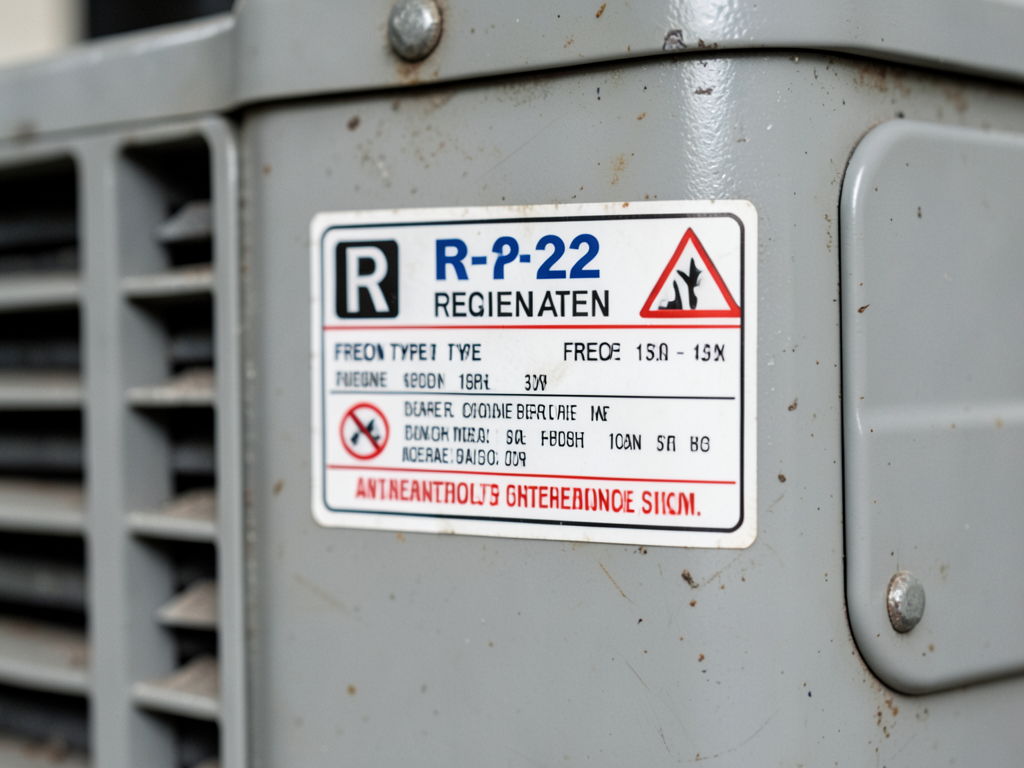
The $5,000 rule compares repair costs to replacement costs for aging HVAC equipment. Multiply your system's age by the repair quote. If that number exceeds $5,000, replacement makes more financial sense than repair. For example, a 12-year-old unit needing $600 in repairs equals $7,200, suggesting replacement. This rule helps Austin homeowners avoid throwing money at failing equipment. However, the rule works as a guideline, not an absolute. Consider efficiency ratings, refrigerant type, and whether your current system uses outdated R-22 refrigerant. Austin's long cooling seasons make efficient equipment more valuable.

How much does it cost to add a zone to HVAC? +

Adding one zone to an existing HVAC system in Austin costs between $1,500 and $3,500. This includes the zone damper, thermostat, wiring, and labor to modify your ductwork. The price varies based on ductwork accessibility and whether you choose a basic programmable thermostat or a smart model. Attic ductwork in Austin homes can complicate installation due to extreme heat and insulation. You might need a bypass damper to protect your equipment from pressure buildup. Get quotes from contractors who inspect your specific ductwork layout before committing to the project.

Why Austin's Climate and Home Layouts Make Zoning Essential

Austin's 110-degree summer days and rapid weather changes create extreme comfort challenges in homes with west-facing rooms and multiple stories. The afternoon sun beating down on Westlake Hills homes creates temperature differentials that single-zone systems cannot overcome. Two-story layouts in Mueller and East Austin developments trap heat upstairs while living areas freeze. Multi-zone HVAC addresses these problems by matching cooling capacity to each space's actual demand, accounting for solar load, occupancy, and insulation differences that Austin's varied housing stock presents.

Travis County's rapid growth has pushed development into areas with diverse architectural styles and energy efficiency standards. Older homes in Central Austin lack the duct design and insulation found in newer construction, while modern builds feature complex floor plans with varying ceiling heights and room sizes. All Pro HVAC Austin understands these local factors and designs forced air zoning systems that work with your home's specific characteristics. We know which neighborhoods face the worst heat gain and how to configure zones for optimal performance in Austin's climate.
HVAC Services in The Austin Area

We are proud to serve the entire area, providing exceptional HVAC services to both residential and commercial clients. Our service area is extensive, ensuring that no matter where you are located, you can count on us for reliable and prompt service. We invite you to view our location on the map and see how conveniently positioned we are to meet all of your heating and cooling needs. We are just a call away.

Address:
All Pro HVAC Austin, 313 E 12th St, Austin, TX, 78701

Additional Services We Offer

Our news updates

Latest Articles & News from The Blogs

Flexible financing options for Austin families needing a new HVAC system today\n\nReplacing your HVAC system in Austin does not have…

Flexible financing options for Austin families needing a new HVAC system today

Flexible financing options for Austin families needing a new HVAC system today\n\nReplacing your HVAC system in Austin does not have…

Finding a certified Trane repair specialist for your Great Hills home

Finding a certified Trane repair specialist for your Great Hills home When your Trane air conditioner stops working in Great…

Why getting a second opinion on your AC compressor replacement could save you thousands

Why getting a second opinion on your AC compressor replacement could save you thousands If your HVAC technician just told…

Contact Us

Stop fighting with your thermostat and start saving on energy bills. Call All Pro HVAC Austin at (737) 316-0777 for a free evaluation. We will show you exactly how zoning can improve your comfort and cut cooling costs.