Menu

Ductless Mini-Split Systems in Austin – Precision Climate Control for Homes Without Ductwork

All Pro HVAC Austin installs and services ductless mini-split systems engineered for Austin's extreme heat and high humidity, delivering zone-by-zone comfort in older homes, additions, and properties where traditional ductwork is impractical or impossible.

Slider Image 1
Slider Image 2
Slider Image 3
Slider Image 4
Slider Image 5
Slider Image 7
Slider Image 8
Slider Image 9
Slider Image 10
Slider Image 11

Why Austin Homes Are Turning to Ductless Mini-Split Technology

Austin's housing stock presents a unique challenge. Historic bungalows in Hyde Park, mid-century ranches in Allandale, and converted warehouses in East Austin were built long before central air became standard. Adding ductwork to these structures means tearing into walls, lowering ceilings, and losing architectural character. You sacrifice original woodwork, plaster details, and square footage just to stay comfortable.

Austin's climate compounds the problem. When outdoor temperatures push past 100 degrees for weeks at a time and humidity hovers near 70 percent, window units and portable air conditioners cannot keep pace. They struggle to dehumidify. They create hot spots. They drive up electricity bills while delivering inconsistent cooling.

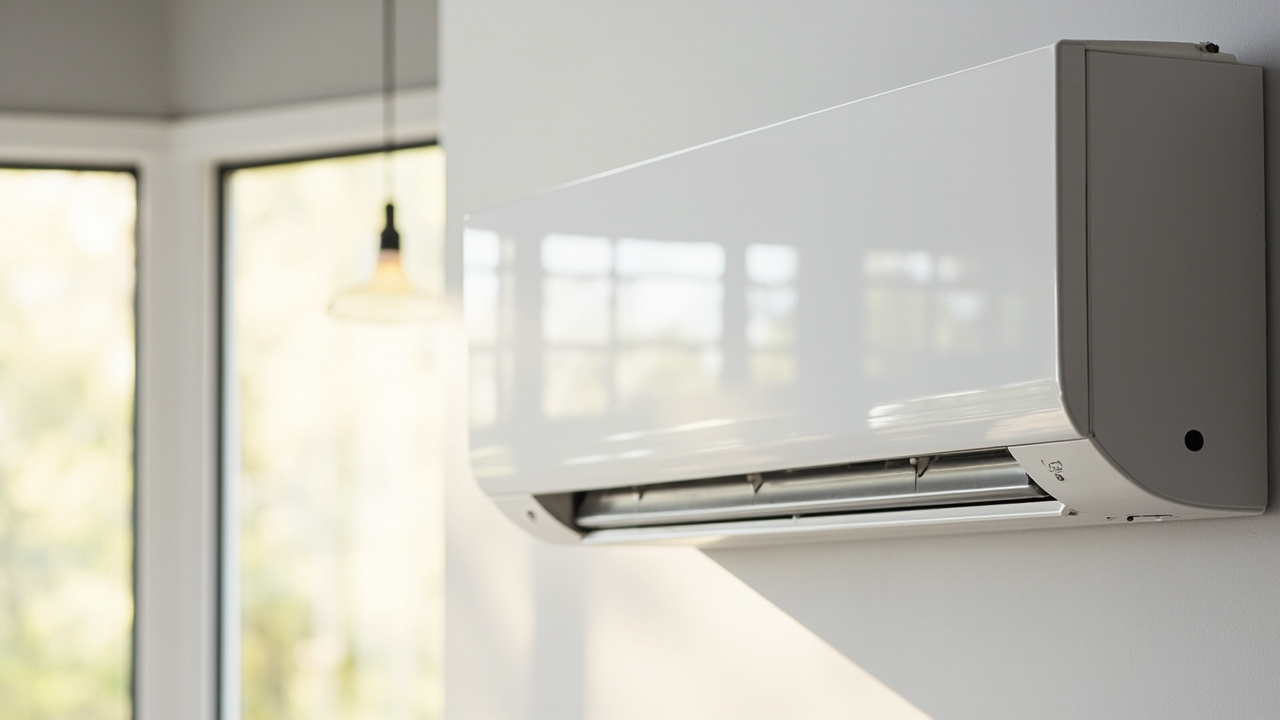
Ductless air conditioners solve this problem by delivering refrigerated air directly into the space without any ductwork infrastructure. A single outdoor condenser connects to multiple indoor air handlers via small refrigerant lines that run through a three-inch hole in the wall. You get precision cooling in the rooms you use most without renovating your entire home.

Mini split heat pumps provide another advantage for Austin homeowners. These systems reverse the refrigeration cycle to provide efficient heating during the occasional freeze event that catches the city off guard. When temperatures drop into the teens and natural gas systems strain under demand, ductless heat pumps keep your family warm without relying on overtaxed utility infrastructure.

The technology works particularly well for home additions, converted garages, and sunrooms where extending existing ductwork is cost-prohibitive. You gain independent temperature control for spaces that were previously too hot or too cold to use comfortably.

Why Austin Homes Are Turning to Ductless Mini-Split Technology
How We Design and Install Ductless AC Units for Maximum Efficiency

How We Design and Install Ductless AC Units for Maximum Efficiency

Installing ductless mini-split systems requires more than mounting hardware and connecting refrigerant lines. The process starts with a heat load calculation specific to your space. We measure square footage, assess insulation values, evaluate window orientation, and calculate solar heat gain. Austin's intense southern exposure and large windows create cooling demands that generic sizing charts cannot predict accurately.

We map out interior and exterior wall construction to determine the best routing for refrigerant lines and condensate drainage. Older Austin homes often have solid masonry walls, pier and beam foundations, and limited attic access. We adapt our installation approach to work with your home's existing structure rather than forcing a one-size-fits-all solution.

Indoor air handler placement determines how effectively the system distributes conditioned air. We position wall-mounted units high on interior walls to maximize airflow patterns and avoid furniture obstructions. Ceiling cassette units work well in open floor plans where you need 360-degree air distribution. Floor-mounted units fit spaces where wall mounting is not practical due to windows or structural limitations.

Outdoor condenser placement considers noise levels, aesthetic impact, and service accessibility. We mount units on vibration-dampening pads to minimize sound transmission. We position equipment away from bedroom windows and outdoor living areas where compressor noise would disrupt your comfort. We maintain adequate clearance for airflow and future maintenance access.

The refrigerant line set runs through a small penetration in the exterior wall. We seal this opening thoroughly to prevent air infiltration and pest entry. The line set includes insulated copper tubing for refrigerant, electrical wiring for communication between indoor and outdoor units, and condensate drainage for humidity removal. Proper installation of these components determines long-term system reliability and efficiency.

What Happens During Your Ductless System Installation

Ductless Mini-Split Systems in Austin – Precision Climate Control for Homes Without Ductwork
01

In-Home Assessment and System Design

We visit your property to evaluate your cooling and heating needs. You show us the spaces you want conditioned. We measure rooms, assess insulation, examine electrical capacity, and identify mounting locations for indoor and outdoor equipment. We discuss your comfort preferences, budget parameters, and aesthetic concerns. You receive a detailed proposal outlining equipment specifications, installation scope, and project timeline. We answer your questions about equipment warranties, energy efficiency ratings, and maintenance requirements before you commit.
02

Equipment Installation and Line Set Routing

Our technicians mount the outdoor condenser on a concrete pad or wall bracket. We drill through the exterior wall to route refrigerant lines, electrical wiring, and condensate drainage to each indoor air handler location. We mount indoor units at the predetermined positions. We connect all refrigerant lines using flare fittings and pressure-test the system to verify leak-free connections. We vacuum the line set to remove air and moisture before charging the system with refrigerant. We run electrical connections and verify proper voltage at all components.
03

System Testing and Customer Training

We power up the system and verify proper operation of each indoor unit. We check refrigerant pressures, measure airflow, and confirm the system reaches target temperatures. We test heating and cooling modes to validate heat pump functionality. We program wireless remotes and walk you through temperature controls, fan speed settings, and timer functions. We explain filter maintenance procedures and answer questions about optimal operating practices. You receive manufacturer documentation and our service contact information for future support.

Why Austin Homeowners Trust All Pro HVAC for Mini Split Installation

Austin's building characteristics demand local HVAC expertise. We understand how pier and beam foundations affect condensate drainage routing. We know which wall construction types require modified mounting techniques. We work with the architectural details that make Austin homes unique rather than treating every installation as identical.

We stay current with Austin Energy rebate programs that reduce your upfront investment in high-efficiency ductless air conditioners. We handle the documentation and verification requirements so you receive available incentives without navigating bureaucratic complexity. We recommend equipment that qualifies for rebates while meeting your performance expectations.

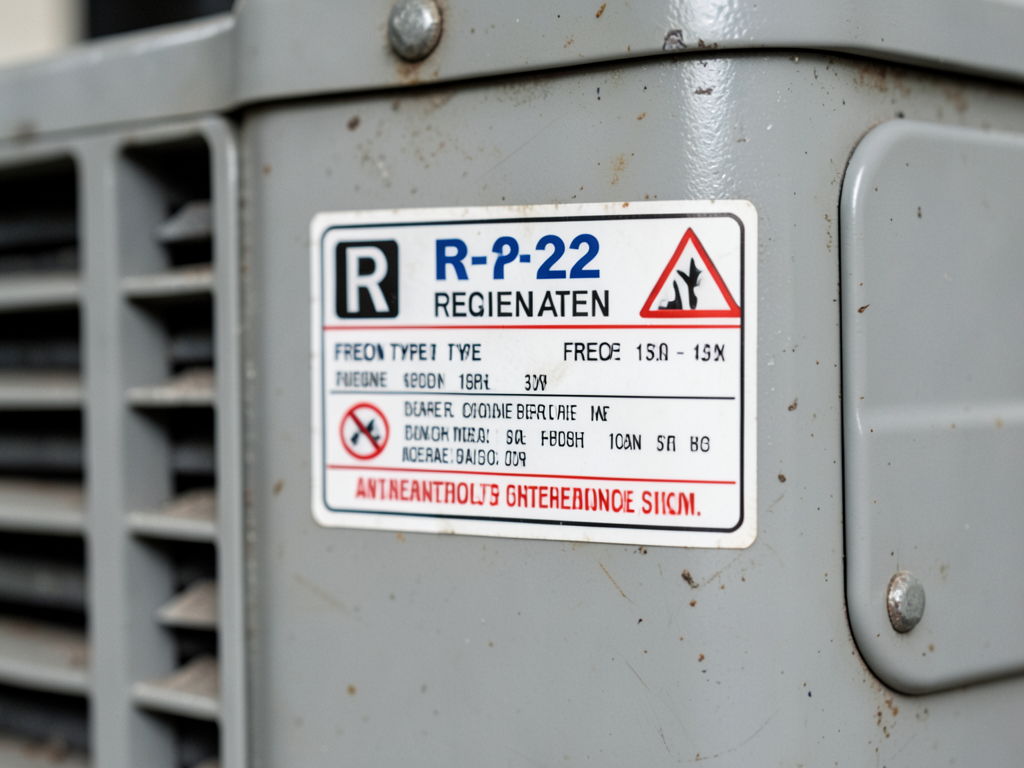
Our technicians receive ongoing training in refrigerant handling procedures, electrical code compliance, and manufacturer-specific installation protocols. Mini split heat pumps use R-410A refrigerant under high pressure. Proper brazing techniques, vacuum procedures, and leak testing prevent system failures and environmental releases. We follow EPA refrigerant management regulations and maintain proper certification for handling controlled substances.

We source equipment from manufacturers with established service networks and parts availability. When a component fails five years after installation, you need access to replacement parts without waiting weeks for overseas shipping. We partner with brands that maintain regional distribution centers and honor warranty commitments.

Our service extends beyond installation. We offer maintenance agreements that include filter cleaning, coil inspection, refrigerant level verification, and electrical connection tightening. Regular maintenance preserves system efficiency and prevents minor issues from escalating into expensive failures. You receive priority scheduling and discounted service rates as a maintenance agreement customer.

We serve neighborhoods throughout Austin, from Tarrytown to Mueller, and understand the specific challenges each area presents. Homes near Lady Bird Lake deal with higher humidity. Properties in Westlake Hills face intense sun exposure on hillside lots. We adapt our recommendations to match your microclimate and architectural constraints.

What You Should Know Before Installing a Ductless System

Installation Timeline and Project Scope

Most single-zone ductless mini-split installations complete in one day. Multi-zone systems serving three or four rooms typically require two days depending on line set routing complexity and equipment accessibility. We schedule installations during mild weather when possible to minimize discomfort during the transition. You should plan for brief power interruptions while we complete electrical connections. We protect your floors and furnishings during the installation process. We remove all packaging materials and construction debris before leaving your property. The system is operational and tested before our crew departs.

Pre-Installation Site Preparation

We evaluate electrical capacity during the initial assessment. Ductless AC units require dedicated circuits sized appropriately for the equipment load. Older homes may need electrical panel upgrades to accommodate additional circuits. We coordinate any electrical work required before the installation date. You should clear furniture and belongings from the installation area to provide our technicians unobstructed access to walls and ceilings. Outdoor condenser locations need a stable mounting surface, either a concrete pad or a reinforced wall bracket. We handle concrete pad installation if your property requires this foundation work.

Performance Expectations and Comfort Delivery

Ductless heat pumps respond faster than traditional central air systems. You will notice temperature changes within minutes of adjusting the thermostat. The system removes humidity effectively, making your space feel cooler at higher temperature settings than you experienced with window units. Each indoor air handler operates independently, allowing different temperatures in different rooms. You control individual zones based on occupancy and preference rather than conditioning your entire home to a single temperature. Energy consumption drops because you cool only the spaces you use. Expect reduced electricity bills compared to running window units or overcooling unused rooms with central air.

Maintenance Requirements and Long-Term Care

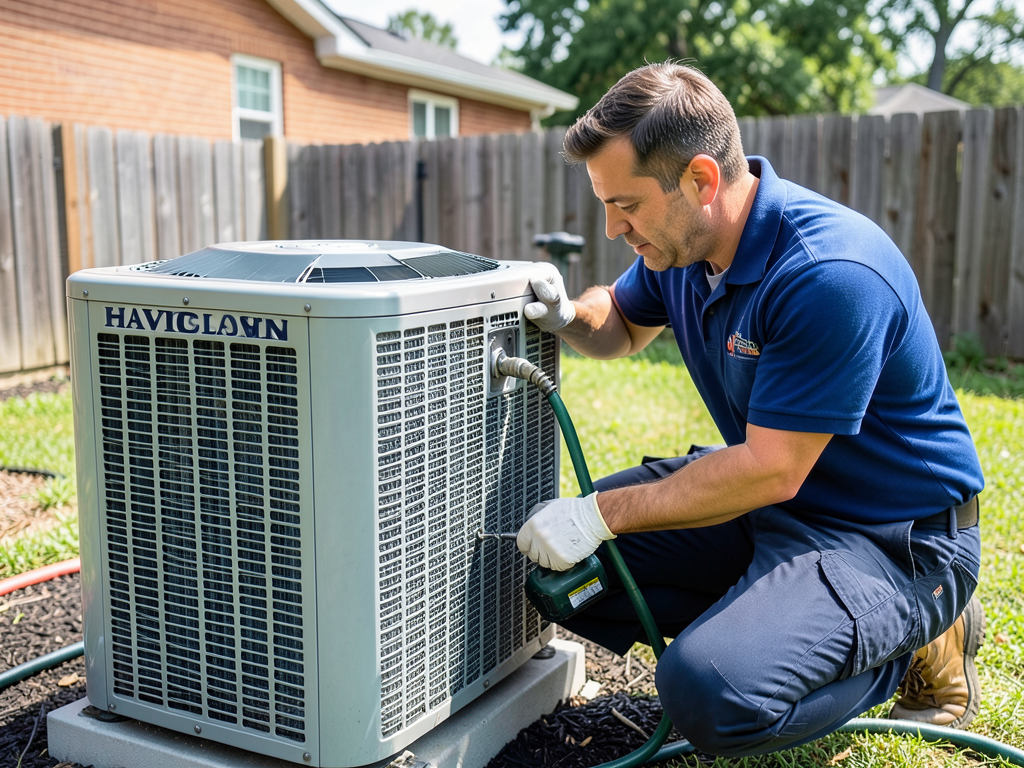
Indoor air handler filters require cleaning every two weeks during heavy use periods. You remove the front panel, slide out the washable filter, rinse it under tap water, and reinstall it after drying. This simple maintenance preserves airflow and system efficiency. Annual professional service includes refrigerant level verification, coil cleaning, condensate drain inspection, and electrical connection tightening. Outdoor condensers collect cottonwood seeds, dust, and debris that restrict airflow. We clean coils and check fan motor operation during maintenance visits. Manufacturer warranties typically cover parts for five to ten years depending on the model. We handle warranty claims and coordinate with manufacturers to expedite parts replacement when needed.

Frequently Asked Questions

You Have Questions,
We Have Answers

What are the disadvantages of a mini split system? +

Ductless mini-splits have a few drawbacks. Upfront costs run higher than traditional central air. The indoor wall units are visible and may not fit every design preference. You need one air handler per zone, which means multiple wall-mounted units if you are cooling several rooms. Improper sizing or installation can lead to short cycling and efficiency loss. In Austin's high humidity, some systems struggle to dehumidify as well as ducted HVAC if undersized. Professional installation is critical. DIY attempts often void warranties and create refrigerant leaks. Finally, filters require monthly cleaning to maintain airflow and efficiency in our dusty Central Texas climate.

How much does a mini split system cost for a 2000 square foot house? +

For a 2000 square foot home in Austin, expect to invest between $8,000 and $15,000 for a quality ductless mini-split system. Variables include the number of zones you need, brand, SEER rating, and installation complexity. Austin's high cooling load during summer means you may need a 3-ton to 4-ton capacity system. Multi-zone systems cost more than single-zone. Older homes or those with limited electrical capacity may require panel upgrades. Get multiple quotes from licensed contractors. Avoid low-ball estimates. They often signal substandard equipment or unlicensed work that will cost you more long-term.

Is ductless mini split worth it? +

Yes, ductless mini-splits are worth it for Austin homeowners in specific situations. If you have no existing ductwork, adding central air can cost $12,000 to $20,000. Mini-splits eliminate that expense. They excel in room additions, garages, and older homes where duct installation is impractical. You gain zone control, reducing energy waste by cooling only occupied spaces. High-efficiency models cut electric bills in Austin's brutal summers. They also provide heating during our occasional freezes without separate equipment. The payback period typically runs 5 to 8 years through energy savings and comfort gains. Choose a licensed installer for proper sizing and refrigerant handling.

Why is my electric bill so high with mini split? +

Your electric bill spikes with a mini-split for several reasons. Undersized systems run constantly in Austin's 100-degree heat, never reaching setpoint. Oversized units short cycle, wasting energy. Dirty filters choke airflow, forcing the compressor to work harder. Refrigerant leaks reduce efficiency dramatically. Poor insulation or air leaks make the system compensate for heat gain. You may be overcooling unoccupied zones. Check your thermostat settings. Running the system at 68 degrees costs far more than 76 degrees. Schedule maintenance to clean coils, check refrigerant levels, and verify airflow. Seal windows and add insulation to reduce the cooling load on your equipment.

Do mini splits work in 100 degree weather? +

Yes, quality ductless mini-splits handle Austin's 100-degree weather effectively when sized correctly. Modern inverter-driven compressors adjust output to match cooling demand without cycling off. Look for systems rated for high ambient temperatures, typically up to 115 degrees outdoor operation. SEER ratings above 18 maintain efficiency even in extreme heat. The key is proper sizing. An undersized system will struggle and run constantly. Oversized units short cycle and fail to dehumidify. Ensure your installer performs a Manual J load calculation specific to your home. Keep outdoor condenser units shaded and clear of debris for maximum airflow and performance during Central Texas summer peaks.

What is the $5000 rule? +

The $5,000 rule is an HVAC replacement guideline. Multiply the repair cost by the age of your system. If the result exceeds $5,000, replace the unit instead of repairing it. For example, a $500 repair on a 12-year-old system equals $6,000, suggesting replacement makes financial sense. This rule applies to ductless mini-splits too. Austin's harsh climate shortens equipment lifespan. If your mini-split is over 10 years old and needs major repairs like a compressor or condenser coil, replacement often delivers better long-term value. New systems offer higher efficiency, lower electric bills, and full warranties compared to aging equipment with mounting repair costs.

What's the lifespan of a mini split? +

Ductless mini-splits last 15 to 20 years in Austin with proper maintenance. That lifespan assumes annual professional service, monthly filter cleaning, and timely repairs. Austin's high humidity and summer heat stress components harder than moderate climates. Neglect shortens lifespan to 10 years or less. Indoor air handlers typically outlast outdoor condensers. Quality brands with inverter technology and corrosion-resistant coils last longer. Keep the outdoor unit shaded and clear of debris. Schedule spring tune-ups before cooling season begins. Replace worn parts promptly. Systems that run year-round for heating and cooling may wear faster than cooling-only units. Proper installation by licensed technicians maximizes equipment longevity.

How much does Home Depot charge to install mini splits? +

Home Depot does not directly install mini-splits. They contract installation through third-party providers, and pricing varies widely. Expect quotes between $3,000 and $10,000 depending on system size and complexity. Big-box retailers often prioritize speed over quality. Contractors may lack specialized ductless experience. You risk improper refrigerant charging, inadequate electrical work, or incorrect sizing for Austin's climate. Local licensed HVAC contractors offer better accountability and expertise. They understand Austin building codes, humidity challenges, and proper load calculations. You get direct communication, warranty support, and technicians trained specifically on the equipment they install. Choose experience over convenience for a system that will last 15 years.

What is better, 13 seer or 16 seer? +

Higher SEER ratings mean greater efficiency and lower electric bills. A 16 SEER mini-split uses roughly 23% less energy than a 13 SEER unit. In Austin's long cooling season, that difference adds up. You will save $200 to $400 annually on electricity with the higher-efficiency system. The upfront cost for 16 SEER runs $1,000 to $2,000 more, but payback happens in 3 to 5 years. Higher SEER systems also handle Austin's extreme heat better, maintaining comfort during 100-degree days. They qualify for utility rebates and federal tax credits. Choose 16 SEER or higher for long-term savings and better performance in Central Texas conditions.

What is the 30% tax credit for mini splits? +

The federal Energy Efficient Home Improvement Credit offers a 30% tax credit on qualifying ductless mini-split systems, capped at $2,000 annually. The system must meet ENERGY STAR efficiency requirements. You can claim 30% of equipment and installation costs on your federal tax return. This applies to primary residences only, not rentals. For a $10,000 system, you receive a $2,000 credit, reducing your tax liability dollar-for-dollar. The credit runs through 2032, with rates dropping in later years. Keep all receipts and manufacturer certifications. Consult a tax professional to verify eligibility. Combined with Austin Energy rebates, these incentives significantly reduce the upfront investment in high-efficiency cooling for your home.

How Austin's Urban Heat Island Effect Makes Ductless Mini-Splits Essential for Older Neighborhoods

Austin's explosive growth has intensified the urban heat island effect in established neighborhoods. Areas with mature tree canopy like Travis Heights and Bouldin Creek used to stay several degrees cooler than newer developments. As infill construction replaces single-story bungalows with two-story modern homes, these neighborhoods lose shade coverage and reflective heat increases. Historic homes built with natural ventilation strategies now struggle to maintain comfort without air conditioning. Ductless mini-split systems retrofit into these properties without destroying the architectural features that define Austin's older neighborhoods. You preserve original hardwood floors, exposed beam ceilings, and craftsman woodwork while gaining modern climate control.

Austin's building regulations recognize the challenge of retrofitting HVAC into historic structures. The city's historic preservation office reviews mechanical system upgrades in designated historic districts to ensure installations preserve architectural integrity. We work within these guidelines to install ductless air conditioners that meet preservation standards while delivering reliable cooling and heating. Our experience with local permitting processes and inspection requirements means your project moves forward without delays or compliance issues. We maintain relationships with inspectors and understand their expectations for refrigerant line concealment, condensate drainage routing, and electrical work quality.
HVAC Services in The Austin Area

We are proud to serve the entire area, providing exceptional HVAC services to both residential and commercial clients. Our service area is extensive, ensuring that no matter where you are located, you can count on us for reliable and prompt service. We invite you to view our location on the map and see how conveniently positioned we are to meet all of your heating and cooling needs. We are just a call away.

Address:
All Pro HVAC Austin, 313 E 12th St, Austin, TX, 78701

Additional Services We Offer

Our news updates

Latest Articles & News from The Blogs

Flexible financing options for Austin families needing a new HVAC system today\n\nReplacing your HVAC system in Austin does not have…

Flexible financing options for Austin families needing a new HVAC system today

Flexible financing options for Austin families needing a new HVAC system today\n\nReplacing your HVAC system in Austin does not have…

Finding a certified Trane repair specialist for your Great Hills home

Finding a certified Trane repair specialist for your Great Hills home When your Trane air conditioner stops working in Great…

Why getting a second opinion on your AC compressor replacement could save you thousands

Why getting a second opinion on your AC compressor replacement could save you thousands If your HVAC technician just told…

Contact Us

Stop struggling with inadequate cooling in your Austin home. Call All Pro HVAC Austin at (737) 316-0777 for a free assessment. We will evaluate your space, recommend the right ductless system, and provide a detailed installation quote. Your comfort is one phone call away.