Menu

Iced Up Evaporator Coil in Austin – Expert Diagnosis Stops Further Damage

When ice builds up on your AC evaporator coil, you need more than a temporary fix. All Pro HVAC Austin identifies the root cause of frozen cooling coils and restores proper airflow before compressor failure costs you thousands.

Slider Image 1
Slider Image 2
Slider Image 3
Slider Image 4
Slider Image 5
Slider Image 7
Slider Image 8
Slider Image 9
Slider Image 10
Slider Image 11

Why Your AC Evaporator Coil Is Freezing in Austin's Climate

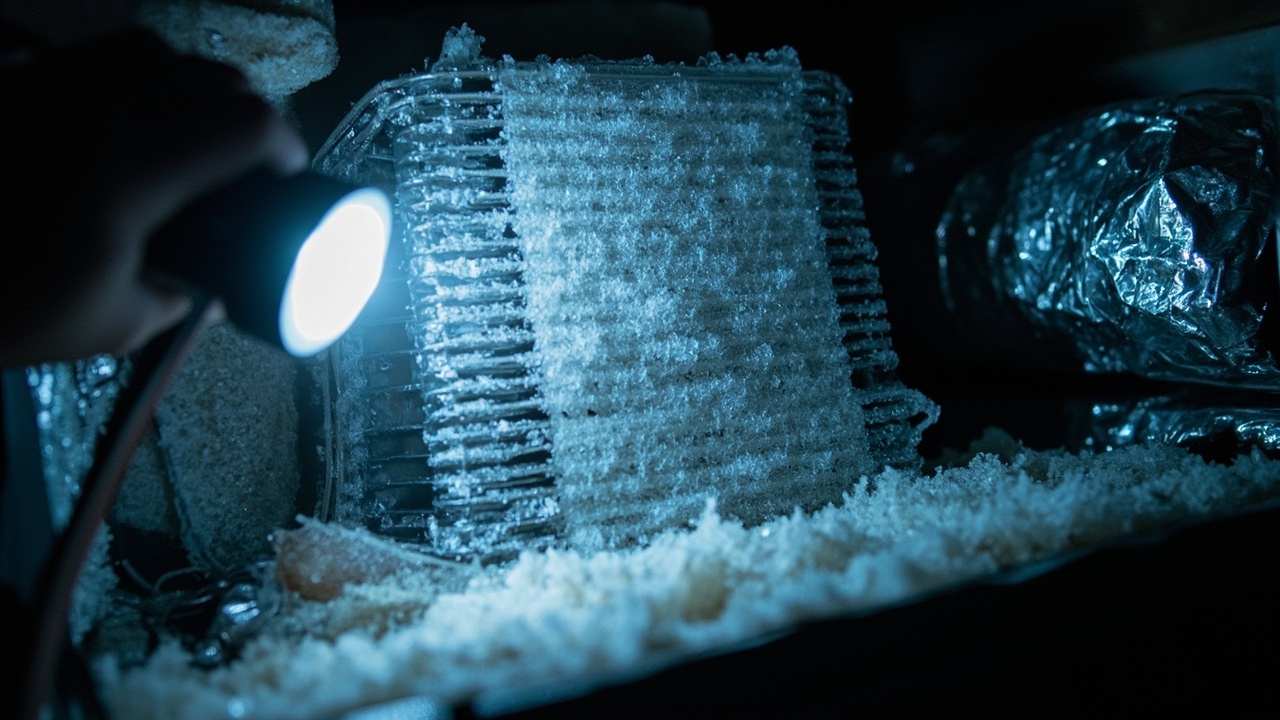
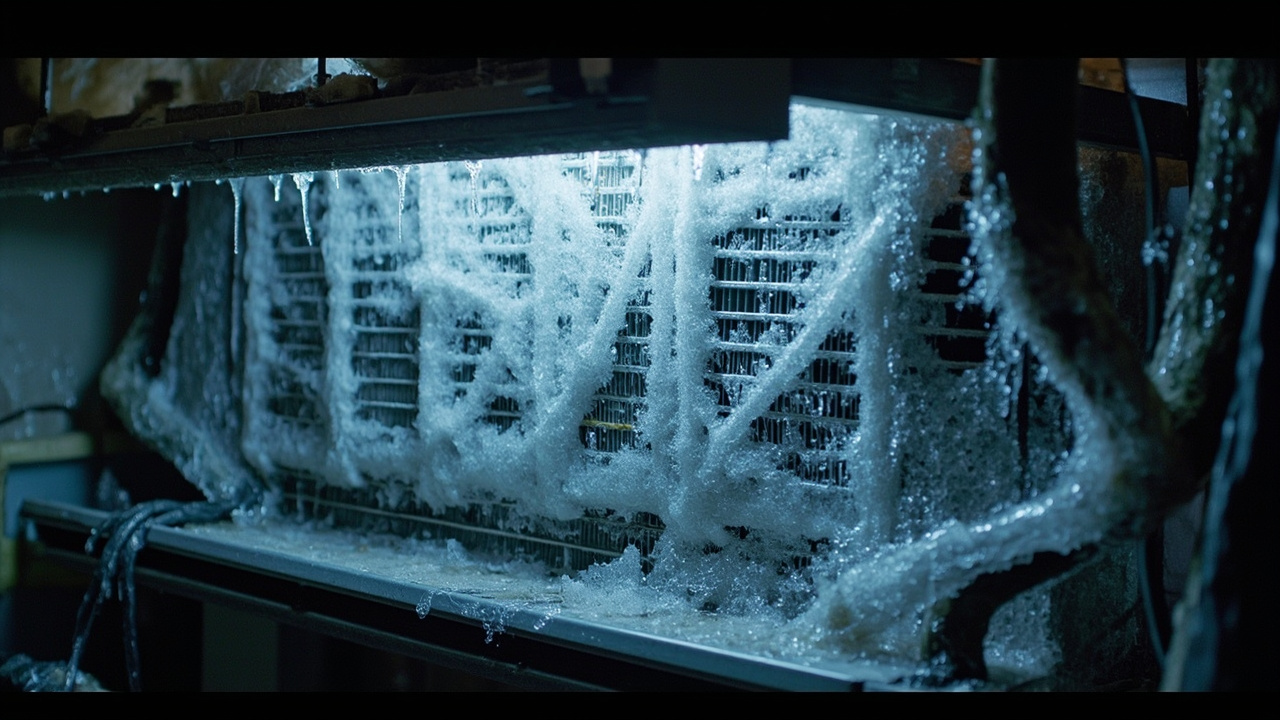
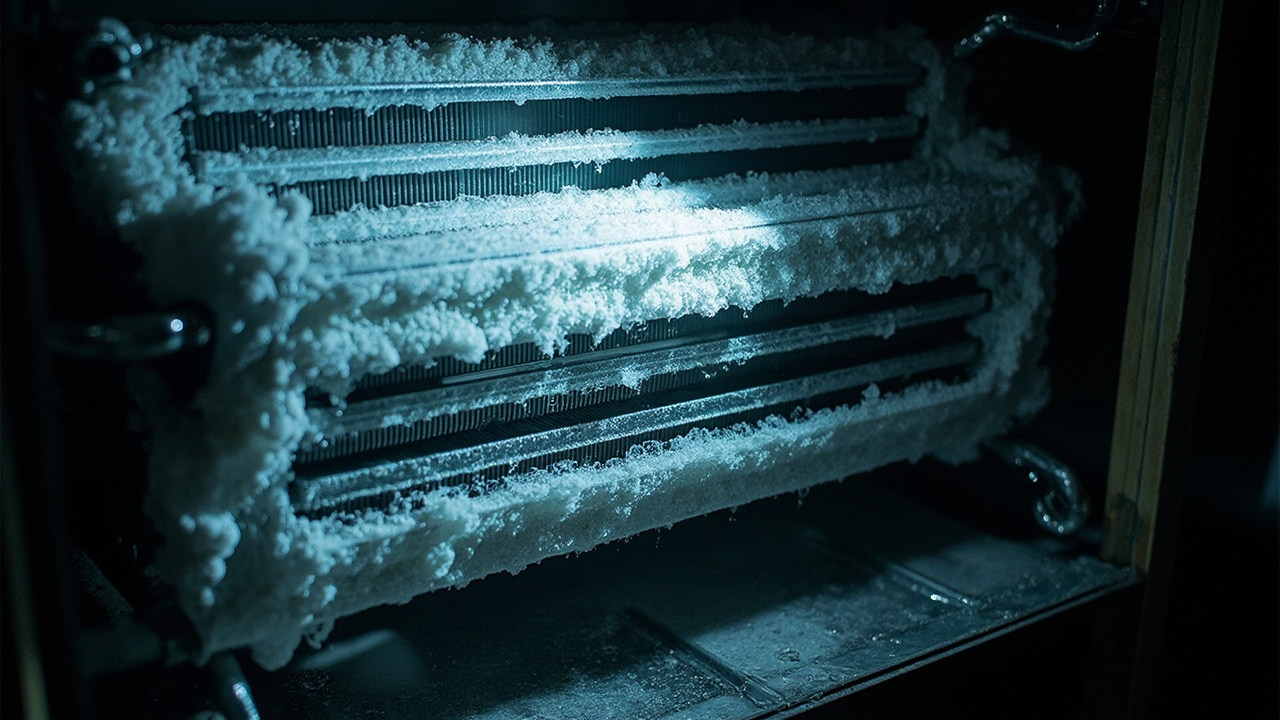
You walk past your air handler and see ice coating the evaporator coil. The air coming from your vents feels weak. Your system runs constantly but never cools the house.

An iced over evaporator coil is not a refrigerant problem alone. Austin's triple-digit summers push AC systems harder than most climates in the country. When your unit runs 12 to 16 hours daily from May through September, even minor airflow restrictions turn into frozen ac evaporator coil disasters.

The most common culprit is a clogged air filter. Austin's cedar pollen, construction dust from constant development in neighborhoods like Mueller and East Riverside, and the fine caliche dust blown in from surrounding Hill Country properties choke filters faster than coastal cities. When airflow drops below 400 cubic feet per minute per ton of cooling, refrigerant cannot absorb enough heat. The coil temperature plummets below 32 degrees. Condensation freezes.

Low refrigerant from a slow leak causes the same problem. As refrigerant pressure drops, the expansion valve allows the remaining refrigerant to over-expand. The coil becomes a block of ice.

A failing blower motor, collapsed ductwork in your attic where temperatures hit 150 degrees, or a kinked refrigerant line also restrict airflow enough to cause air conditioner coil freezing up. You cannot diagnose this by looking at the ice. You need pressure testing, amperage readings on the blower motor, and a static pressure test across the ductwork. Guessing wastes money and risks compressor damage when liquid refrigerant floods back through the suction line.

Why Your AC Evaporator Coil Is Freezing in Austin's Climate
How We Diagnose and Repair Frozen Cooling Coils

How We Diagnose and Repair Frozen Cooling Coils

We do not thaw your coil and walk away. That approach guarantees the ice returns in 48 hours.

Our diagnostic starts with a blower amperage test. If your blower motor pulls 12 amps but the nameplate lists 8, the bearings are failing. The motor slows down. Airflow drops. The coil freezes.

Next, we measure static pressure across your supply and return plenums. Austin homes built before 2010 often have undersized return ducts. Builders installed a single 14x20 return grill for a 4-ton system that needs 800 square inches of return air. The blower starves for air. We see this constantly in older homes near Zilker and Tarrytown. If static pressure exceeds 0.5 inches of water column, your ductwork is choking the system.

We check subcooling and superheat with digital manifold gauges. Subcooling tells us if refrigerant charge is correct. Superheat reveals if the expansion valve or metering device is functioning. If superheat reads above 20 degrees, you have a refrigerant leak or a blocked metering device. We perform a nitrogen pressure test to locate the leak. Most leaks occur at the evaporator coil itself, where vibration and thermal cycling crack brazed joints over time.

We inspect the drain pan under the coil. Austin's hard water leaves calcium deposits that dam up the condensate line. Water backs up into the coil cabinet and refreezes on the fins. We verify the condensate pump is removing moisture fast enough during peak humidity months like September.

Only after we isolate the root cause do we make repairs. We replace the component that failed, not every part in the system.

What Happens During Your Evaporator Coil Service

Iced Up Evaporator Coil in Austin – Expert Diagnosis Stops Further Damage
01

System Shutdown and Thaw

We shut down your system and switch the blower to fan-only mode. This forces air across the ice without running the compressor. Thawing takes 60 to 90 minutes depending on ice thickness. Running the compressor while ice is present floods liquid refrigerant into the compressor and destroys the valves. We never skip this step.
02

Airflow and Pressure Testing

Once the coil thaws, we test airflow with a manometer and check refrigerant pressures with gauges. We measure temperature split across the coil, blower motor amperage, and capacitor microfarads. These readings reveal if the freeze was caused by low refrigerant, blocked airflow, or a mechanical failure. We document baseline performance metrics before making any repairs.
03

Repair and Verification

We repair or replace the failed component, then verify the fix with a full system checkout. We run the unit through a complete cooling cycle, recheck superheat and subcooling, and monitor coil temperature with an infrared thermometer. We confirm the coil stays above 40 degrees and airflow meets manufacturer specifications before we leave your property.

Why Austin Homeowners Choose All Pro HVAC for Ice on Evaporator Coil Problems

Austin's HVAC demands are different from cities with moderate climates. Your system does not get a break from May through October. A frozen evaporator coil in June means your compressor runs with restricted airflow during the hottest months of the year. That accelerates wear on every mechanical component.

We see the same pattern in nearly every zip code from 78704 to 78759. Homeowners call another company. The technician thaws the coil, tells you the filter was dirty, and leaves. Three days later, the coil freezes again. You pay for another service call. The cycle repeats until someone finally tests the airflow and finds the collapsed flex duct in your attic or the refrigerant leak at the coil.

All Pro HVAC Austin does not bill you twice for the same problem. We find the root cause on the first visit. Our technicians carry digital manifold gauges, manometers, and infrared cameras. We test every variable that affects coil temperature. If your blower motor is weak, we show you the amperage reading. If you have a refrigerant leak, we show you the pressure drop and pinpoint the leak location before we quote the repair.

We also understand Austin's building stock. Homes in Hyde Park and Clarksville have original ductwork from the 1940s. The return air plenums are too small for modern high-efficiency systems. We explain why your coil keeps freezing and what it takes to fix it permanently, even if that means modifying your ductwork or upgrading your air handler.

You get honest answers, not upsells. We do not recommend a full system replacement when your evaporator coil can be repaired. We also do not patch a 15-year-old coil if it is going to fail again in six months.

What to Expect When You Call All Pro HVAC Austin

Same-Day Diagnostic Service

We dispatch a technician to your home within hours of your call during normal business hours. Ice on your evaporator coil means your system is not cooling properly. We prioritize frozen coil calls because the longer your compressor runs with ice buildup, the higher the risk of permanent damage. If you call before noon, we can usually arrive the same afternoon. We do not make you wait three days while your electric bill climbs and your compressor struggles.

Complete System Diagnostics

Our diagnostic includes blower motor testing, refrigerant pressure analysis, duct static pressure measurement, and electrical component checks. We test capacitors, contactors, and the thermostat. We inspect the condensate drain line and verify your air filter is the correct MERV rating for your system. You receive a written report that explains what caused the freeze and what repairs are necessary. We walk you through the findings before we start any work.

Repairs That Last

When we repair an iced up evaporator coil, we fix the underlying problem. If you have a refrigerant leak, we braze the leak and pressure test the repair before we recharge the system. If your blower motor is failing, we replace it with a motor that matches your system's CFM requirements. We do not install undersized parts or take shortcuts. Your system gets the same components we would install in our own homes. We verify the repair with performance testing before we leave.

Follow-Up Support

We provide clear instructions on filter replacement intervals and signs of recurring problems. If your coil freezes again within 30 days, we return at no additional diagnostic charge. We also offer scheduled maintenance plans that include coil cleaning, refrigerant level checks, and airflow testing. Regular maintenance catches minor issues before they turn into frozen coils and expensive compressor replacements. You get reminder calls when your next service is due.

Frequently Asked Questions

You Have Questions,
We Have Answers

What causes ice on the evaporator coil? +

Ice forms on your evaporator coil when airflow drops or refrigerant pressure changes. Clogged air filters are the most common culprit in Austin homes, especially during heavy pollen seasons. Dirty coils, blocked return vents, or a failing blower motor restrict airflow, causing the coil temperature to drop below freezing. Low refrigerant from a leak also reduces pressure, making the coil too cold. Even closed vents in unused rooms can trigger freezing. Austin's high humidity makes the problem worse because moisture in the air freezes faster on cold coils.

What is the best way to thaw out an iced up evaporator coil? +

Turn off your system at the thermostat immediately. Switch the fan to ON mode to circulate warm air across the coil, which speeds thawing. Never chip or scrape ice, you will damage the fragile aluminum fins. Thawing takes two to eight hours depending on ice thickness. Place towels under the indoor unit because melting ice can overflow the drain pan. Once thawed, check your air filter and replace it if dirty. Do not restart the system until you identify why it froze. Austin's summer heat tempts homeowners to rush this process, but patience prevents compressor damage.

Will low refrigerant cause an evaporator to ice up? +

Yes. Low refrigerant is one of the top causes of evaporator coil freezing. When refrigerant levels drop due to a leak, pressure inside the coil decreases. Lower pressure means lower temperature, often below 32 degrees. This causes condensation on the coil to freeze into ice. You might notice reduced cooling, hissing sounds, or ice buildup on the refrigerant lines outside. Refrigerant does not deplete like gas, it only drops if you have a leak. A technician must find and repair the leak, then recharge the system to manufacturer specifications.

How would you remove frost on an evaporator coil? +

Turn off the AC at the thermostat to stop the cooling cycle. Switch the fan setting to ON to blow warm air over the frozen coil. This is the safest method. Never use heat guns, hair dryers, or sharp tools, you risk puncturing refrigerant lines or bending fins. Open the access panel and place towels around the unit to catch water. Frost typically melts within three to six hours. Once thawed, replace your air filter and inspect for airflow blockages before restarting. If frost returns quickly, you have a bigger issue that needs professional diagnosis.

Can I turn my AC back on after it thaws? +

Not yet. Turning the system back on without fixing the root cause will freeze the coil again, often within hours. First, replace your air filter if it is dirty. Check that all supply vents are open and unblocked. Inspect the outdoor unit for debris. If the coil refreezes after these steps, you have a refrigerant leak, a failing blower motor, or dirty coils that need professional cleaning. Running a frozen system damages the compressor, which costs thousands to replace. Wait 24 hours after thawing to monitor the system before resuming normal use.

What are the six common causes of evaporator freezing? +

The six most common causes are dirty air filters, low refrigerant from leaks, blocked return or supply vents, dirty evaporator coils, failing blower motors, and closed dampers in zoned systems. In Austin, clogged filters from cedar pollen and oak allergens are frequent offenders. Low refrigerant signals a leak that must be repaired, not just recharged. Blocked vents in storage rooms or furniture placement restrict airflow. Dirty coils from years of dust buildup insulate the metal, preventing heat absorption. Weak blower motors fail to move enough air. Each cause requires a different fix.

Should I turn off AC if the coil is frozen? +

Yes, turn off the AC immediately. Running the system with a frozen coil forces the compressor to work without proper refrigerant flow, which causes overheating and mechanical failure. The compressor is the most expensive component in your system, often costing $1,500 to $3,000 to replace. Switch the thermostat to OFF and the fan to ON to begin thawing. Look for water pooling under the indoor unit as ice melts. Austin's extreme summer heat makes it tempting to keep running the AC, but a frozen coil means zero cooling and high risk of total system failure.

What is the 3 minute rule for AC? +

The three-minute rule prevents short cycling, which damages the compressor. After your AC shuts off, wait at least three minutes before restarting. This allows refrigerant pressure to equalize between the high and low sides of the system. Restarting too soon forces the compressor to start against high pressure, which strains the motor and shortens its life. Modern thermostats have built-in delay timers, but if you manually cycle power or flip breakers during troubleshooting, always wait three full minutes. This rule applies year-round in Austin's climate where systems run nine months straight.

Can a frozen evaporator coil be fixed? +

Yes, in most cases. The coil itself is not damaged by freezing. The ice is a symptom, not the disease. A technician will thaw the coil, then diagnose the cause. If it is a dirty filter, you can fix it yourself. Low refrigerant requires leak detection, repair, and recharge. Dirty coils need chemical cleaning. A failing blower motor needs replacement. The coil only requires replacement if it has corrosion or refrigerant leaks from age, which is common in Austin systems over 12 years old due to high humidity and acidic condensation eating through aluminum fins.

What is the $5000 AC rule? +

The $5,000 rule is a replacement guideline. Multiply the repair cost by your system's age in years. If the total exceeds $5,000, replace the system instead of repairing it. For example, a $600 repair on a 10-year-old unit equals $6,000, suggesting replacement. A $400 repair on a six-year-old unit equals $2,400, so repair makes sense. This rule accounts for diminishing returns on aging equipment. Austin's brutal summers stress AC systems, reducing lifespan compared to milder climates. Factor in efficiency gains from newer models when making your decision.

How Austin's Humidity and Dust Make Frozen AC Coils More Common

Austin sits in a transition zone between the humid Gulf Coast and the dry Hill Country. Summer humidity ranges from 60 to 85 percent depending on wind direction. When your AC pulls that humid air across a coil that is already operating at reduced airflow, condensation forms faster than the drain pan can remove it. The moisture refreezes on the coil fins, blocking even more airflow. Cedar pollen in December and January, oak pollen in March and April, and construction dust year-round clog filters in half the time listed on the package. Air conditioner coil freezing up happens more frequently here than in drier climates because the combination of high humidity and constant dust loads stress every component of your cooling system.

All Pro HVAC Austin services residential and commercial properties throughout Travis County. We understand how the local climate affects your HVAC system. Our technicians are trained on the most common failure points in systems running through Austin summers. We stock parts for the brands most commonly installed in Central Texas neighborhoods. When you call a company familiar with local building practices, ductwork configurations, and climate stress factors, you get faster diagnosis and better repair outcomes. We do not learn on your system. We have already seen the problem in hundreds of Austin homes.
HVAC Services in The Austin Area

We are proud to serve the entire area, providing exceptional HVAC services to both residential and commercial clients. Our service area is extensive, ensuring that no matter where you are located, you can count on us for reliable and prompt service. We invite you to view our location on the map and see how conveniently positioned we are to meet all of your heating and cooling needs. We are just a call away.

Address:
All Pro HVAC Austin, 313 E 12th St, Austin, TX, 78701

Additional Services We Offer

Our news updates

Latest Articles & News from The Blogs

How to Spot Hidden Hail Damage on Your AC Unit After an Austin Storm Central Texas hailstorms can wreak havoc…

How to Spot Hidden Hail Damage on Your AC Unit After an Austin Storm

How to Spot Hidden Hail Damage on Your AC Unit After an Austin Storm Central Texas hailstorms can wreak havoc…

Troubleshooting airflow issues in two story homes near Walnut Creek

Why Your Two-Story Home Near Walnut Creek Has Airflow Problems Living in a two-story home near Walnut Creek offers beautiful…

Why your Anderson Mill home might need a 5 inch media filter upgrade

Why your Anderson Mill home might need a 5 inch media filter upgrade Your Anderson Mill home deserves better air…

Contact Us

Do not let a frozen coil destroy your compressor. Call All Pro HVAC Austin at (737) 316-0777 for same-day diagnostics and honest repair recommendations. We find the root cause and fix it right the first time.