Menu

Troubleshooting AC Issues in Austin – Expert Diagnostics That Identify the Real Problem Fast

Stop guessing why your air conditioner failed. Our HVAC system diagnostics pinpoint compressor faults, refrigerant leaks, and electrical failures specific to Austin's brutal summer heat and humidity.

Slider Image 1
Slider Image 2
Slider Image 3
Slider Image 4
Slider Image 5
Slider Image 7
Slider Image 8
Slider Image 9
Slider Image 10
Slider Image 11

Why Your Austin AC Keeps Breaking Down

Austin's climate puts extreme stress on central air systems. When outdoor temperatures hit 105 degrees for weeks at a time, compressors run continuously. Add Texas humidity and you create the perfect conditions for evaporator coil freezing, refrigerant pressure imbalances, and capacitor failure.

Most homeowners waste time and money on partial fixes because they never identify the root cause. You replace a capacitor only to have the system fail again two weeks later. The issue was not the capacitor. It was low refrigerant caused by a pinhole leak in the evaporator coil.

Diagnosing air conditioner problems requires systematic testing. You cannot eyeball a refrigerant leak. You cannot feel a failing compressor valve. Central air troubleshooting means using gauges to read subcooling and superheat, checking amperage draw on the compressor, and pressure testing the system.

Austin's extreme heat exposes weaknesses in aging systems. A unit that seemed fine in March will fail in July when ambient temperatures spike. The thermal expansion and contraction cracks solder joints. Dust from cedar pollen clogs condenser coils and restricts airflow. Clay soil shifts foundations and pulls refrigerant lines apart at the connection points.

Identifying AC faults early prevents catastrophic failure. A compressor running low on refrigerant will overheat and seize. That turns a $200 refrigerant recharge into a $3,000 compressor replacement. Proper HVAC system diagnostics catch problems before they cascade.

Why Your Austin AC Keeps Breaking Down
How We Diagnose Air Conditioner Problems Correctly

How We Diagnose Air Conditioner Problems Correctly

We start every air conditioning troubleshooting guide with static pressure testing. This tells us if your ductwork is undersized or if return air is restricted. Low airflow across the evaporator coil causes freezing. High static pressure overworks the blower motor and reduces system efficiency.

Next, we check electrical components. We measure voltage and amperage at the contactor, capacitor, and compressor. A compressor pulling high amps signals internal valve failure or bearing wear. A weak capacitor will not start the compressor correctly and causes hard starting.

Refrigerant diagnostics require precision. We attach manifold gauges and compare suction and discharge pressures against manufacturer specifications for the outdoor temperature. Low suction pressure means low refrigerant or a restriction in the system. High discharge pressure indicates a dirty condenser coil or an overcharged system.

We also check subcooling and superheat. Subcooling measures how much the refrigerant cools below its condensing temperature. Superheat measures how much the refrigerant warms above its evaporating temperature. These two numbers tell us if the system is overcharged, undercharged, or has a metering device failure.

All Pro HVAC Austin uses digital multimeters, clamp ammeters, and refrigerant scales. We do not guess. Identifying AC faults means testing every component in the refrigeration cycle and the airflow path. We document readings and compare them to baseline performance data. This diagnostic process eliminates trial and error repairs and gets your system running correctly the first time.

What Happens During Your AC Diagnostic Visit

Troubleshooting AC Issues in Austin – Expert Diagnostics That Identify the Real Problem Fast
01

Initial System Assessment

We start by asking what symptoms you noticed. Did the system stop cooling gradually or suddenly? Are you hearing unusual noises? Is ice forming on the refrigerant lines? These details help narrow the diagnostic focus. We then check the thermostat settings, inspect the air filter, and verify the circuit breaker is not tripped. Many AC faults start with simple issues that escalate into bigger problems.
02

Component Testing and Measurement

We test the blower motor, capacitors, and contactor with a multimeter. We attach refrigerant gauges and measure suction and discharge pressures while the system runs. We check amperage draw on the compressor and verify it matches the nameplate rating. We inspect the evaporator and condenser coils for dirt buildup or corrosion. This step reveals mechanical and electrical failures that prevent proper cooling in Austin's heat.
03

Diagnosis Report and Repair Options

After testing, we explain what failed and why. You get a written diagnosis with the specific component that needs repair or replacement. We provide options with transparent pricing. If your system has multiple failing parts, we help you decide whether repair makes sense or if replacement is more cost effective. You never get pressured into unnecessary work. You get the information you need to make the right call for your home.

Why Austin Homeowners Trust All Pro HVAC for AC Diagnostics

Austin's summer heat does not forgive weak AC systems. You need a diagnostic team that understands how 100-plus-degree days and high humidity stress refrigeration cycles. We have diagnosed thousands of systems across Travis County, from older homes in Hyde Park with original ductwork to new builds in Pflugerville with variable-speed systems.

We know the common failure points in Carrier, Trane, Lennox, and Goodman systems. We know that Rheem units installed between 2015 and 2018 had compressor issues. We know that older Lennox evaporator coils develop formicary corrosion from Austin's humidity. This local experience means we diagnose problems faster and more accurately than national chains rotating technicians through the market.

All Pro HVAC Austin carries the diagnostic tools other companies skip. We own refrigerant leak detectors, digital psychrometers, and combustion analyzers. We invest in ongoing training on new refrigerants like R-32 and variable-speed compressor technology. Our technicians are not parts changers. They are trained diagnosticians who understand thermodynamics and electrical theory.

We also understand Austin building codes and permitting requirements. If your repair requires refrigerant recovery or ductwork modification, we handle it correctly. We pull permits when required and ensure the work passes inspection. This protects your home's value and keeps you compliant with city regulations.

You get honest answers. If your 18-year-old system needs a $2,000 repair, we tell you the unit will likely fail again within two years. We provide replacement options so you can make an informed decision. We do not sell you a repair that only buys you six months.

What to Expect When You Schedule AC Diagnostics

Same-Day Diagnostic Appointments

We know a broken AC in Austin summer is an emergency. We offer same-day diagnostic visits for most calls received before 2 PM. Our technicians arrive in fully stocked trucks with the tools needed to test your system. The diagnostic visit typically takes 60 to 90 minutes depending on system complexity. If we find a simple fix like a tripped breaker or dirty filter, we handle it on the spot. For more complex issues, we complete the diagnostic and provide a written repair estimate before leaving.

Comprehensive System Evaluation

Our diagnostic process covers the entire cooling system. We inspect the outdoor condenser unit, indoor evaporator coil, blower assembly, ductwork connections, and thermostat wiring. We test capacitors, contactors, and the compressor. We measure refrigerant pressures and verify airflow across the coil. You get a complete picture of your system's condition, not just a guess about one component. We document all readings and explain what each measurement means. This transparency helps you understand exactly what failed and why.

Accurate Problem Identification

We identify the root cause, not just the symptom. If your AC is freezing up, we determine whether the issue is low airflow, low refrigerant, a failing metering device, or a blower motor problem. We do not throw parts at the system hoping something works. You get a clear diagnosis based on measured data. This eliminates comebacks and repeat service calls. When we say your compressor is failing, we show you the amperage readings and pressure imbalances that confirm it. You get facts, not sales pitches.

Transparent Repair Pricing

After diagnosing the problem, we provide a written estimate for the repair. The estimate includes parts, labor, and any permits required. There are no hidden fees or surprise charges. If the repair cost is high relative to the system's age, we discuss replacement options. We want you to make the decision that makes financial sense for your situation. If you choose to proceed with the repair, we apply the diagnostic fee toward the work. You never pay twice for the same service call.

Frequently Asked Questions

You Have Questions,
We Have Answers

How do I diagnose what's wrong with my AC? +

Start by checking your thermostat settings and batteries. If settings are correct, inspect your air filter. A clogged filter restricts airflow and causes most problems in Austin homes. Next, check your circuit breaker and outdoor unit for visible damage or debris. Listen for unusual noises like grinding or squealing. Feel the air from your vents. If it's warm or weak, you likely have a refrigerant leak or compressor issue. Check for ice on refrigerant lines or the evaporator coil. If you spot ice, turn off your system and call a technician. Austin's extreme heat makes accurate diagnosis critical.

How to figure out what's wrong with AC? +

Begin with the simplest fixes. Verify your thermostat is set to cool and below current room temperature. Replace your air filter if it looks gray or clogged. Austin's dust and cedar pollen load filters fast. Inspect your outdoor condenser unit for debris, leaves, or grass clippings blocking airflow. Check that all vents are open and unblocked inside your home. Listen for odd sounds when the system runs. If your AC cycles on and off rapidly, you may have a failing capacitor or low refrigerant. Ice buildup signals airflow restriction or refrigerant problems requiring professional repair.

What is the most common AC problem? +

Dirty air filters cause the majority of AC failures in Austin homes. When filters clog with dust, pet hair, and cedar pollen, airflow drops. Your evaporator coil freezes, efficiency plummets, and your compressor works harder. This cascades into bigger problems. The second most common issue is refrigerant leaks, often from corrosion on copper lines or coil connections. Austin's humidity accelerates this corrosion. Capacitor failure ranks third, particularly during summer when units run constantly. Capacitors store energy to start your compressor and fan motors. They wear out faster in extreme heat and frequent cycling conditions.

What is the most common part to fail on an AC unit? +

The capacitor fails most often. This small cylindrical component starts your compressor and condenser fan motor. Austin's brutal summer heat and constant system cycling burn out capacitors faster than in milder climates. You'll notice your outdoor unit humming but not starting, or the fan spinning slowly. Capacitors are inexpensive parts but require immediate replacement to prevent compressor damage. The second most common failure is the contactor, which controls electrical flow to your compressor. Contactors pit and wear from repeated electrical arcing. Both parts typically last three to five years in Central Texas conditions before needing replacement.

What is the 3 minute rule for AC? +

The three minute rule prevents compressor damage by limiting how often your AC cycles. After your system shuts off, wait at least three minutes before restarting. This delay lets refrigerant pressures equalize between the high and low sides of your system. If you restart immediately, the compressor tries to start against high pressure, stressing internal components and potentially tripping on overload. Modern thermostats build in this delay automatically. If you're manually testing your system or resetting breakers, always wait three full minutes. In Austin's heat, patience protects your compressor from unnecessary wear and expensive failure.

What is the $5000 AC rule? +

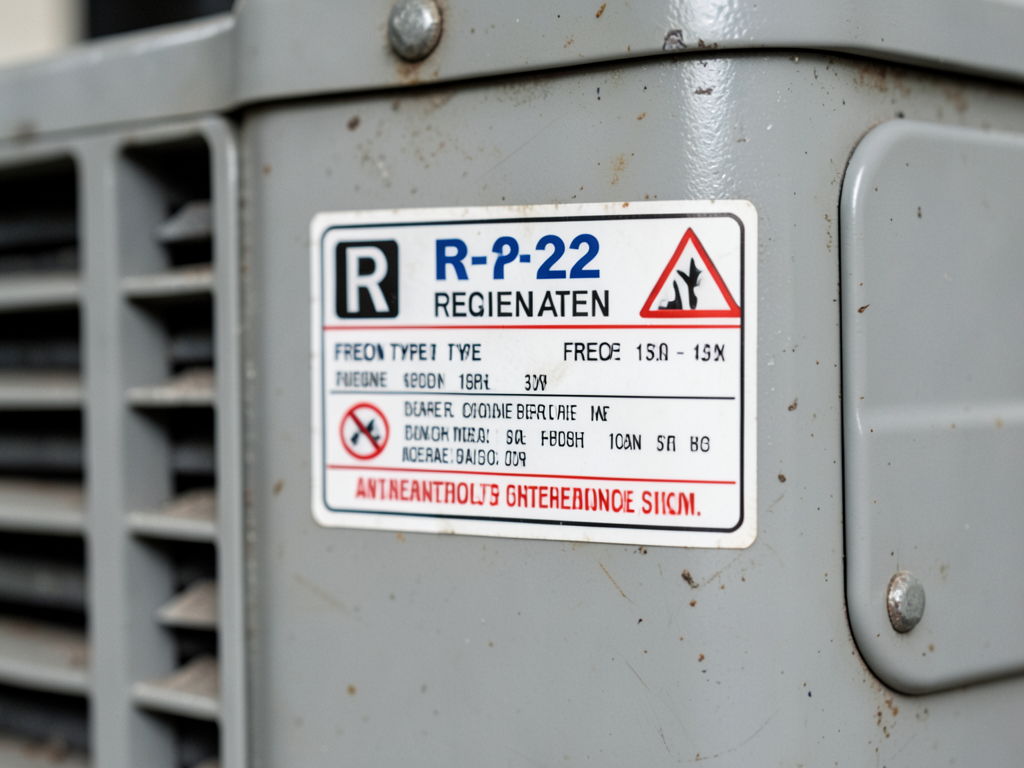
The $5000 rule is a replacement guideline. Multiply the repair cost by your system's age in years. If the total exceeds $5000, replace the unit instead of repairing it. For example, a $600 repair on a 10-year-old system equals $6000, suggesting replacement makes better financial sense. This accounts for diminishing returns on aging equipment. However, in Austin's climate, consider efficiency upgrades even if the calculation suggests repair. A new high-SEER unit cuts your summer cooling bills significantly. Factor in refrigerant type too. Older R-22 systems cost more to repair as that refrigerant phases out completely.

Why is my AC set to 72 but reads 78? +

Your AC struggles to keep up with Austin's heat load. Several factors cause this gap. Your system may be undersized for your home's square footage or lack adequate insulation. Check for air leaks around windows, doors, and attic hatches. Dirty condenser coils reduce heat transfer efficiency. Low refrigerant from a leak cuts cooling capacity. Ductwork leaks in your attic waste cooled air before it reaches living spaces. On 100-degree days, even properly sized systems may run continuously and still lag by a few degrees. If the gap persists on milder days, you need professional diagnostics to identify the root cause.

What are 6 obvious signs of air conditioning problems? +

Watch for these warning signs. First, weak airflow from vents suggests a failing blower motor or clogged filter. Second, warm air instead of cool air indicates refrigerant loss or compressor failure. Third, frequent cycling on and off points to thermostat problems or an oversized system. Fourth, unusual noises like grinding, squealing, or banging mean mechanical failure. Fifth, moisture or leaks near your indoor unit signal drain line clogs or refrigerant leaks. Sixth, foul odors indicate mold in ductwork or a burned-out wire. Any of these issues requires immediate attention in Austin's climate to prevent total system failure during peak summer heat.

How much does it cost to diagnose an AC problem? +

Most Austin HVAC companies charge $75 to $150 for a diagnostic service call. This fee typically includes system inspection, troubleshooting, and a written estimate for repairs. Some companies waive the diagnostic fee if you proceed with recommended repairs. Expect to pay on the higher end for emergency weekend or after-hours diagnostics. A thorough diagnostic takes 45 to 90 minutes and should include checking refrigerant levels, electrical components, airflow, and thermostat calibration. Beware of free diagnostics. They often lead to inflated repair quotes or unnecessary replacement recommendations. Pay for proper diagnostics to get honest, accurate repair advice.

What is the average lifespan of an AC? +

In Austin's climate, expect 12 to 15 years from a well-maintained AC system. Central Texas heat and humidity stress components harder than moderate climates. Systems in North Austin or hill country homes with shade last longer than those in South Austin exposed to full sun. Proper maintenance extends lifespan significantly. Annual tune-ups, regular filter changes, and keeping your outdoor unit clean add years. Cheaper builder-grade units may fail around 10 years. Premium systems with two-stage compressors and quality installation reach 18 years. After 15 years, efficiency drops and repair costs climb, making replacement cost-effective.

How Austin's Heat and Humidity Accelerate AC Failures

Austin's summer conditions create a brutal environment for air conditioning systems. When outdoor temperatures stay above 95 degrees for months, compressors run 12 to 16 hours per day. This constant operation wears bearings, stresses capacitors, and exposes weak solder joints in refrigerant lines. High humidity makes the evaporator coil work harder to remove moisture from indoor air. The coil stays wet longer, which promotes corrosion and mold growth. Central air troubleshooting in Austin requires understanding how heat and moisture interact to cause system failures that would not happen in drier climates.

Local HVAC expertise matters because Austin has unique challenges. Cedar pollen clogs outdoor condenser coils twice as fast as in other markets. Clay soil shifts foundations and stresses refrigerant line connections. Older homes in neighborhoods like Tarrytown and Clarksville have undersized ductwork that restricts airflow. All Pro HVAC Austin has diagnosed systems in every part of Travis County. We know which brands hold up in this climate and which ones fail early. We understand local building codes and inspection requirements. This local knowledge means faster, more accurate diagnostics and repairs that last.
HVAC Services in The Austin Area

We are proud to serve the entire area, providing exceptional HVAC services to both residential and commercial clients. Our service area is extensive, ensuring that no matter where you are located, you can count on us for reliable and prompt service. We invite you to view our location on the map and see how conveniently positioned we are to meet all of your heating and cooling needs. We are just a call away.

Address:
All Pro HVAC Austin, 313 E 12th St, Austin, TX, 78701

Additional Services We Offer

Our news updates

Latest Articles & News from The Blogs

Flexible financing options for Austin families needing a new HVAC system today\n\nReplacing your HVAC system in Austin does not have…

Flexible financing options for Austin families needing a new HVAC system today

Flexible financing options for Austin families needing a new HVAC system today\n\nReplacing your HVAC system in Austin does not have…

Finding a certified Trane repair specialist for your Great Hills home

Finding a certified Trane repair specialist for your Great Hills home When your Trane air conditioner stops working in Great…

Why getting a second opinion on your AC compressor replacement could save you thousands

Why getting a second opinion on your AC compressor replacement could save you thousands If your HVAC technician just told…

Contact Us

Stop guessing what is wrong with your air conditioner. Get a professional diagnosis from All Pro HVAC Austin. Call (737) 316-0777 now to schedule a same-day visit. We will identify the problem and give you a clear repair plan.