
The best ways to cool a garage gym for those triple-digit Austin afternoons
Keeping your garage gym cool during Austin’s scorching summer months requires more than just opening the garage door. With temperatures regularly climbing above 100 degrees and humidity levels that make the air feel thick your workout space can quickly become unbearable without proper cooling solutions. The concrete slab floor and metal garage door act like heat sinks absorbing and radiating warmth throughout the day. This guide breaks down exactly what works in Central Texas to maintain a comfortable 70-75 degree environment where you can focus on your fitness goals instead of the heat. Austin Building Inspection.
Why standard cooling methods fail in Austin garage gyms
Most homeowners try portable air conditioners or box fans first only to discover they barely make a dent in the triple-digit heat. The problem goes beyond simple temperature. Austin’s humidity creates a heat index that feels 8-12 degrees hotter than the actual air temperature. Standard portable units struggle because they pull in hot humid garage air and exhaust it outside creating negative pressure that draws even more heat through gaps in the structure. The concrete floor which can reach 85-90 degrees on a sunny afternoon continues radiating heat upward even when the air feels slightly cooler.
Another overlooked factor is the equipment itself. Weight plates barbells and rubber flooring absorb heat throughout the day. A typical 300-pound Olympic barbell can hold enough thermal energy to raise the air temperature around it by several degrees. Without proper air circulation and cooling capacity your equipment becomes part of the problem rather than just passive objects in the space. Energy Department AC Guide.
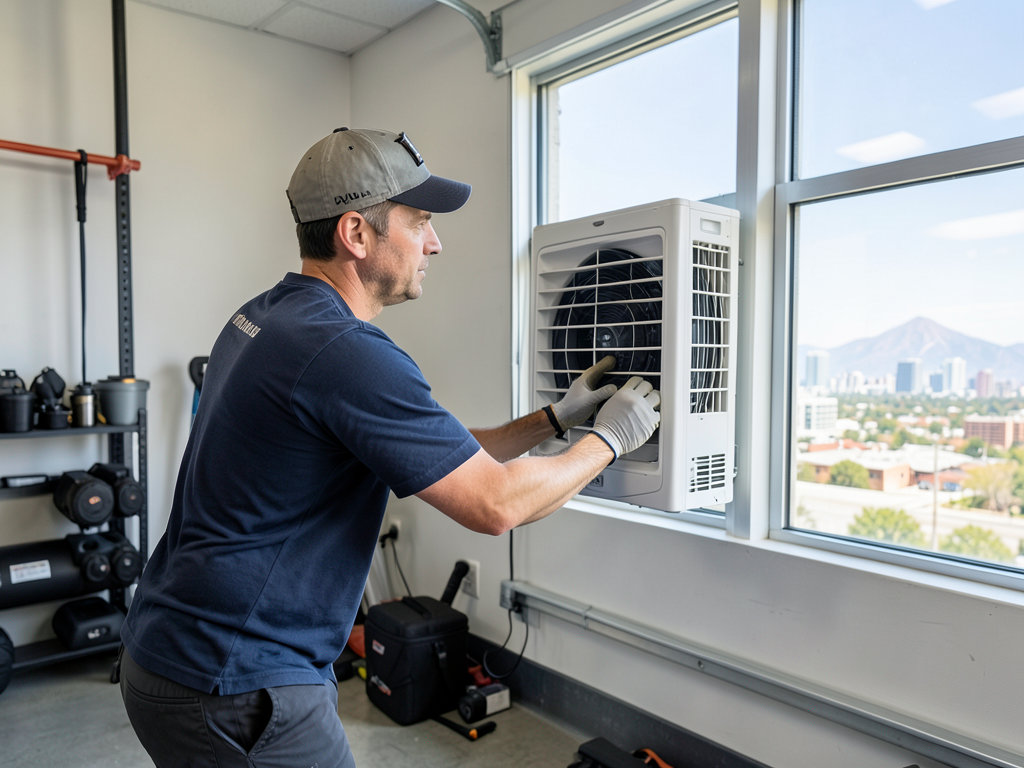
Technical comparison of cooling options for Austin garage gyms
| Cooling Method | BTU Requirement | Humidity Control | Installation Cost | Monthly Operating Cost |
|---|---|---|---|---|
| Ductless Mini-Split | 9,000-18,000 | Excellent | $2,500-4,500 | $45-85 |
| Portable AC | 8,000-14,000 | Poor | $400-800 | $60-120 |
| Evaporative Cooler | 5,000-10,000 | Good (but limited) | $300-600 | $25-40 |
Ductless mini-split systems: The gold standard for Austin garage gyms
Ductless mini-split heat pumps provide the most reliable cooling solution for Austin garage gyms because they handle both temperature and humidity effectively. A 12,000 BTU unit typically handles a 400-square-foot garage with standard ceiling height. The key advantage is the inverter technology that modulates compressor speed based on demand maintaining consistent temperatures without the energy spikes of traditional AC units.
Installation requires mounting the indoor unit on an exterior wall and running refrigerant lines through a small hole to the outdoor condenser. Most Austin installations take 4-6 hours and require a dedicated 220-volt circuit. The indoor units operate as quietly as 19 decibels about the sound of rustling leaves making them perfect for early morning or late night workouts without disturbing the household.
Modern mini-splits also provide heating capability which matters in Austin where winter temperatures can drop into the 30s. The heat pump function works efficiently down to about 25 degrees giving you year-round climate control without switching systems. Modern HVAC Solutions for Historic Homes in Tarrytown and Old West Austin.
Insulation upgrades that make cooling systems more effective
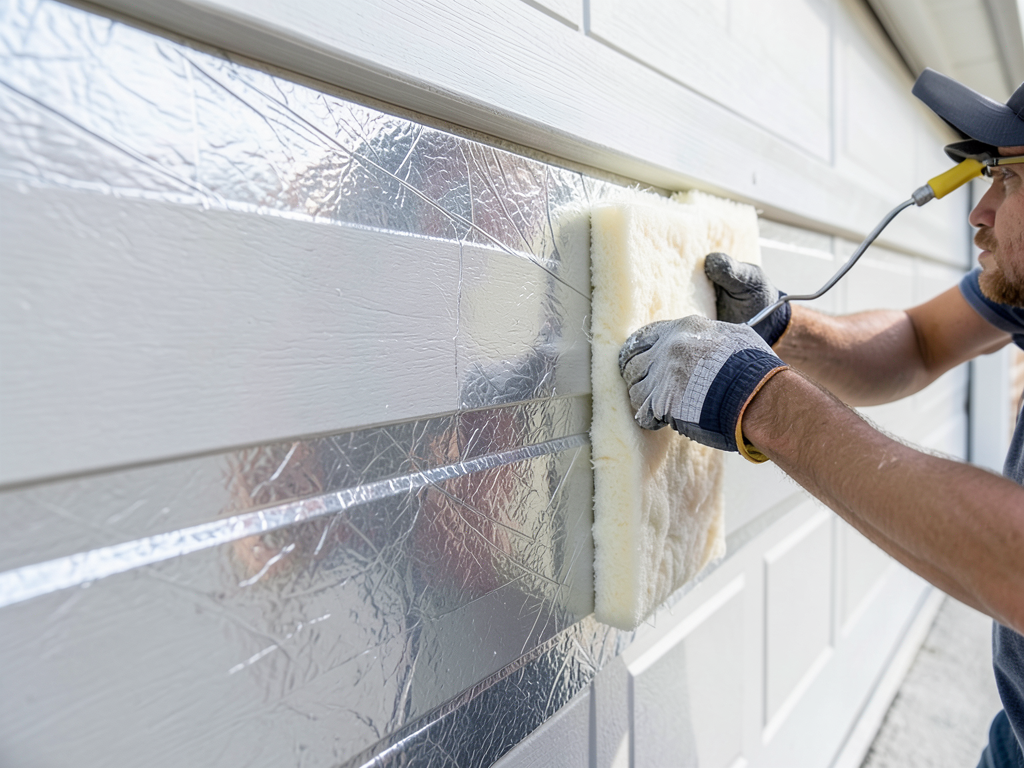
Without proper insulation even the best cooling system wastes energy fighting heat gain through the garage structure. The garage door represents the largest source of heat transfer accounting for up to 40% of cooling load in an uninsulated space. Adding R-8 insulation panels to the door reduces heat gain by approximately 25%.. Read more about Can a whole-house fan really help your AC system in Avery Ranch?.
Wall insulation makes a significant difference in attached garages where shared walls conduct heat from the living space. Blown-in cellulose or spray foam insulation in the stud cavities provides R-13 to R-19 thermal resistance. For detached garages focus on the ceiling and any exterior walls exposed to direct sunlight.
Floor insulation is often overlooked but critical. A 2-inch rigid foam board under gym flooring creates a thermal break between the concrete slab and your workout area. This simple addition can reduce floor surface temperature by 15-20 degrees on hot afternoons.
Calculating the right cooling capacity for your space
BTU requirements depend on more than just square footage. Austin’s intense sun exposure and high humidity mean you need to oversize slightly compared to standard HVAC calculations. A basic formula starts with 20 BTU per square foot then adds capacity for specific factors.
Add 1,000 BTU for each window in the garage 500 BTU for south or west-facing walls with direct sun exposure and 2,000 BTU if the garage has a metal roof without radiant barrier. For a typical 20×20 foot garage with two windows and a metal roof you’d need approximately 18,000 BTU capacity.
Consider your workout intensity too. High-intensity interval training generates significant body heat potentially adding 500-1,000 BTU of cooling load. If multiple people use the space simultaneously increase capacity by 30% to maintain comfort levels.
Humidity control: The hidden factor in Austin garage comfort
Humidity levels above 60% create several problems in garage gyms. Metal equipment develops condensation that leads to rust rubber flooring becomes slippery and the air feels warmer than the actual temperature. Austin’s average summer humidity ranges from 55-75% making dehumidification essential for equipment preservation and comfort.
Mini-split systems with heat pump technology include built-in dehumidification that removes 2-3 pints of moisture per hour during cooling operation. For standalone dehumidifiers a 30-pint unit handles most garage spaces up to 1,500 square feet. Run the dehumidifier continuously during summer months emptying the collection tank every 24-48 hours.
Monitor humidity with a simple hygrometer. Target 45-55% relative humidity for optimal comfort and equipment protection. Below 40% creates static electricity issues and dries out rubber components too quickly.
Electrical requirements and permitting in Austin
Most mini-split installations require a dedicated 220-volt 20-amp circuit. Austin’s electrical code follows the 2020 NEC standards requiring GFCI protection for all garage circuits. If your electrical panel is more than 10 years old or already near capacity you may need a service upgrade before installing cooling equipment.
City of Austin building permits are required for new electrical circuits and HVAC equipment installations. The permit process typically takes 3-5 business days and costs $75-150 depending on project scope. Licensed HVAC contractors handle permitting as part of the installation service.
Older homes in Central Austin often have 100-amp service panels that struggle with modern electrical loads. A typical garage gym setup with cooling lighting and audio equipment can draw 25-30 amps continuously. Upgrading to a 200-amp panel costs $1,500-2,500 but provides capacity for future additions.
Cost comparison: DIY vs. professional installation
DIY portable AC units seem economical at $400-800 but often fail to provide adequate cooling in Austin’s climate. Operating costs run $60-120 monthly during peak summer and the units typically last only 2-3 years with heavy use. The total five-year cost including electricity and replacement units exceeds $2,000.
Professional mini-split installation costs $2,500-4,500 upfront but delivers superior performance and longevity. Energy consumption runs $45-85 monthly and quality units last 12-15 years with proper maintenance. The five-year cost including electricity totals approximately $2,700-3,100 making it more economical over time. Fast and Professional Furnace Repair in Georgetown During the Winter Chill.
Additional costs to consider include electrical upgrades ($500-2,000) insulation improvements ($300-1,200) and smart thermostats ($100-300) for automated temperature control.
Maintenance tips for year-round garage gym comfort
Regular maintenance keeps your cooling system running efficiently and prevents costly breakdowns during peak summer heat. Clean or replace air filters monthly during heavy use periods. Austin’s dust and pollen can clog filters quickly reducing airflow and cooling capacity by up to 30%.
Check the condensate drain line quarterly to prevent algae buildup that causes water leaks. Pour a cup of white vinegar through the drain line every three months to keep it clear. Inspect the outdoor condenser unit monthly removing leaves and debris that block airflow.
Schedule professional maintenance annually ideally in early spring before the summer heat arrives. A technician will check refrigerant levels clean coils and verify electrical connections. This $150-200 service can prevent emergency repairs that cost $300-500 during peak season. Emergency AC Repair Services for Homes in West Lake Hills.
Energy efficiency strategies for Austin garage gyms
Reducing cooling load saves money and extends equipment life. Install reflective window film on any garage windows to block 70-80% of solar heat gain. Use LED lighting instead of traditional bulbs which produce less heat per lumen. Seal gaps around doors and windows with weatherstripping to prevent hot air infiltration.
Consider a smart thermostat that learns your workout schedule and pre-cools the space 30 minutes before your typical workout time. This prevents running the system all day while still ensuring comfort when you need it. Many modern mini-splits include Wi-Fi connectivity for smartphone control.
Plant deciduous trees on the south and west sides of detached garages to provide summer shade. A mature tree can reduce ambient temperature around the structure by 5-10 degrees. Just ensure branches stay at least 10 feet from the outdoor condenser unit for proper airflow.
Frequently Asked Questions
How many BTUs do I need for a garage gym in Austin?
Calculate 20 BTU per square foot as a baseline then add 1,000 BTU per window 500 BTU for sun-exposed walls and 2,000 BTU for metal roofs. A typical 400-square-foot garage needs 12,000-18,000 BTU capacity depending on specific conditions.
Can I use a window AC unit instead of a mini-split?
Window units work for very small spaces under 200 square feet but struggle with Austin’s humidity. They also block natural light and create security concerns. Mini-splits provide better performance quieter operation and don’t sacrifice window functionality.
How much does it cost to run a garage gym AC in summer?
A 12,000 BTU mini-split typically costs $45-65 monthly to operate during Austin’s peak summer months. Portable units often cost more to run despite lower upfront costs due to lower efficiency and higher energy consumption.
Do I need a permit to install cooling in my garage?
Yes Austin requires permits for new electrical circuits and HVAC equipment. Licensed contractors handle permitting as part of installation. DIY installations may face fines and insurance complications if not properly permitted.
What’s the best way to prevent equipment rust in a humid garage?
Maintain humidity between 45-55% using dehumidification apply rust-resistant coatings to metal equipment and use rubber flooring with moisture barriers. Regular cleaning and proper air circulation also prevent moisture buildup on equipment surfaces.
Call (737) 316-0777 today to schedule your free on-site load calculation for your Austin garage gym. Our technicians will assess your specific space recommend the right cooling solution and provide a detailed quote with no hidden fees. Don’t let another summer workout suffer through triple-digit heat.
{
“@context”: “https://schema.org”,
“@type”: “BlogPosting”,
“headline”: “The best ways to cool a garage gym for those triple-digit Austin afternoons”,
“description”: “Beat Austin’s summer heat with proven cooling solutions for your garage gym. Learn about mini-splits, insulation, and humidity control that actually work in Central Texas.”,
“wordCount”: 1756,
“datePublished”: “2026-03-27T07:32:00.000Z”,
“dateModified”: “2026-03-27T07:32:00.000Z”,
“inLanguage”: “en-US”,
“mainEntityOfPage”: {
“@type”: “WebPage”,
“@id”: “https://allprohvacaustin.com”
},
“publisher”: {
“@type”: “LocalBusiness”,
“name”: “All Pro HVAC Austin”,
“url”: “https://allprohvacaustin.com”
},
“author”: {
“@type”: “Organization”,
“name”: “All Pro HVAC Austin”,
“url”: “https://allprohvacaustin.com”
},
“image”: {
“@type”: “ImageObject”,
“url”: “https://allprohvacaustin.com/wp-content/uploads/2026/03/the-best-ways-to-cool-a-garage-gym-for-those-tripl-1.png”
}
}
{
“@context”: “https://schema.org”,
“@type”: “HVACBusiness”,
“name”: “All Pro HVAC Austin”,
“url”: “https://allprohvacaustin.com”,
“address”: {
“@type”: “PostalAddress”,
“addressLocality”: “Austin”
},
“areaServed”: {
“@type”: “City”,
“name”: “Austin”
}
}
{
“@context”: “https://schema.org”,
“@type”: “FAQPage”,
“mainEntity”: [
{
“@type”: “Question”,
“name”: “How many BTUs do I need for a garage gym in Austin?”,
“acceptedAnswer”: {
“@type”: “Answer”,
“text”: “Calculate 20 BTU per square foot as a baseline then add 1,000 BTU per window 500 BTU for sun-exposed walls and 2,000 BTU for metal roofs. A typical 400-square-foot garage needs 12,000-18,000 BTU capacity depending on specific conditions.”
}
},
{
“@type”: “Question”,
“name”: “Can I use a window AC unit instead of a mini-split?”,
“acceptedAnswer”: {
“@type”: “Answer”,
“text”: “Window units work for very small spaces under 200 square feet but struggle with Austin’s humidity. They also block natural light and create security concerns. Mini-splits provide better performance quieter operation and don’t sacrifice window functionality.”
}
},
{
“@type”: “Question”,
“name”: “How much does it cost to run a garage gym AC in summer?”,
“acceptedAnswer”: {
“@type”: “Answer”,
“text”: “A 12,000 BTU mini-split typically costs $45-65 monthly to operate during Austin’s peak summer months. Portable units often cost more to run despite lower upfront costs due to lower efficiency and higher energy consumption.”
}
},
{
“@type”: “Question”,
“name”: “Do I need a permit to install cooling in my garage?”,
“acceptedAnswer”: {
“@type”: “Answer”,
“text”: “Yes Austin requires permits for new electrical circuits and HVAC equipment. Licensed contractors handle permitting as part of installation. DIY installations may face fines and insurance complications if not properly permitted.”
}
},
{
“@type”: “Question”,
“name”: “What’s the best way to prevent equipment rust in a humid garage?”,
“acceptedAnswer”: {
“@type”: “Answer”,
“text”: “Maintain humidity between 45-55% using dehumidification apply rust-resistant coatings to metal equipment and use rubber flooring with moisture barriers. Regular cleaning and proper air circulation also prevent moisture buildup on equipment surfaces.”
}
}
]
}
{
“@context”: “https://schema.org”,
“@type”: “BreadcrumbList”,
“itemListElement”: [
{
“@type”: “ListItem”,
“position”: 1,
“name”: “Home”,
“item”: “https://allprohvacaustin.com”
},
{
“@type”: “ListItem”,
“position”: 2,
“name”: “Blog”,
“item”: “https://allprohvacaustin.com/blog”
},
{
“@type”: “ListItem”,
“position”: 3,
“name”: “The best ways to cool a garage gym for those triple-digit Austin afternoons”
}
]
}
{
“@context”: “https://schema.org”,
“@type”: “Service”,
“serviceType”: “HVAC”,
“provider”: {
“@type”: “LocalBusiness”,
“name”: “All Pro HVAC Austin”,
“url”: “https://allprohvacaustin.com”
},
“areaServed”: {
“@type”: “City”,
“name”: “Austin”
},
“description”: “Beat Austin’s summer heat with proven cooling solutions for your garage gym. Learn about mini-splits, insulation, and humidity control that actually work in Central Texas.”
}