
What to do if your Airbnb guest complains about the AC in your downtown condo
Picture this. It’s a 98-degree Austin afternoon and your downtown Airbnb guest sends a message saying the AC isn’t cooling. Your heart drops. A bad review is minutes away. The good news? You can handle this fast and protect your Superhost status if you follow the right steps. Austin Energy rebates.
Downtown Austin condos face unique HVAC challenges. High-rise units often have shared chiller systems. Window units might struggle with the urban heat island effect. And with Austin’s 100-degree streaks, even a small problem becomes a guest emergency. The first move is to stay calm and diagnose quickly. Emergency AC Repair Services for Homes in West Lake Hills.
Quick Diagnostic Steps Before Calling for Help
Before you panic and call a technician, run through these checks. Many downtown AC complaints are simple fixes that save you time and money.
- Check the thermostat settings
Make sure it’s set to “Cool” and the temperature is below the current room temp. Some guests accidentally switch it to “Heat” or turn the fan to “On” instead of “Auto.”
- Inspect the air filter
A clogged filter can choke airflow. If it’s gray and dusty, replace it with a new one. Most downtown condos need filter changes every 30-60 days due to dust and pollen.. Read more about Managing airflow in high-ceiling industrial lofts in East Sixth and Govalle.
- Listen for unusual noises
A humming compressor with no airflow might mean a capacitor failure. A clicking sound could be a failing relay. These are signs you need professional help. Fast and Professional Furnace Repair in Georgetown During the Winter Chill.
- Check for ice on the coils
If the indoor unit has ice buildup, turn the system off and let it thaw for 2-3 hours. Restricted airflow or low refrigerant often causes this in Austin’s humidity.
If these steps don’t solve the problem, it’s time to escalate. Downtown Austin’s high-rise buildings often have specific HVAC protocols. Check with your building management before calling an outside technician. Some buildings require certified vendors for rooftop units.
When to Call a Downtown Austin HVAC Specialist
Certain AC problems demand immediate professional attention. Here are the red flags that mean you need to call (737) 316-0777 right now.
- No airflow at all
If the fan runs but no air comes out, you might have a failed blower motor or blocked ductwork.
- Warm air blowing
This often indicates a refrigerant leak or compressor failure. In Austin’s heat, this is a guest emergency.
- Water leaking inside
A clogged condensate drain line can flood your condo. This happens often in downtown units due to algae growth in the condensate trap.
- Strange smells
A burning smell could mean electrical failure. A musty odor often indicates mold in the evaporator coil.
Downtown Austin’s building density means response times matter. Traffic on I-35 or Lavaca Street can add 20 minutes to arrival. That’s why we maintain technicians specifically stationed for downtown service calls.
Smart Thermostat Solutions for Remote Hosts
Many downtown Airbnb hosts use smart thermostats for remote management. These devices can prevent many AC complaints before they happen.. Read more about The best tamper-proof thermostats for short-term rentals in South Congress and Zilker.
| Feature | Benefit for Hosts | Common Issue Prevented |
|---|---|---|
| Remote temperature monitoring | Check temps from anywhere | Guest complaints about heat |
| Guest lock codes | Prevent tampering | Unauthorized temperature changes |
| Geofencing | Auto-adjust when guests arrive | Energy waste during vacancy |
| Maintenance alerts | Filter change reminders | Reduced efficiency |
Popular models for downtown condos include Nest Learning Thermostat, Ecobee SmartThermostat, and Honeywell Home T9. Each works with most central AC systems and provides mobile apps for remote control.
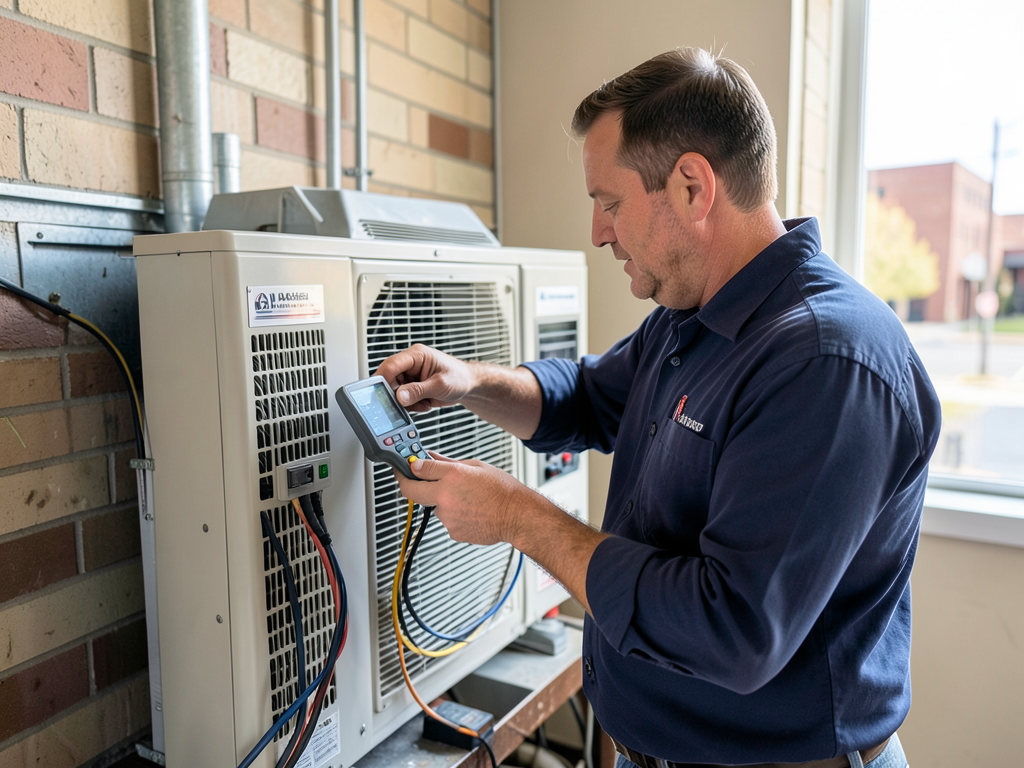
One diagnostic test we perform on-site is checking the thermostat’s temperature accuracy with a separate digital thermometer. Many complaints stem from thermostats that are off by 3-5 degrees, making guests think the AC isn’t working.
Austin Climate Factors That Affect Downtown AC Performance
Downtown Austin’s urban environment creates specific HVAC challenges. The concrete jungle effect means your condo might be 5-10 degrees warmer than suburban areas. This extra heat load stresses AC systems.
Humidity is another major factor. Austin’s average relative humidity hits 70% in summer. This moisture makes it harder for AC units to cool effectively. The system has to remove both heat and water vapor from the air.
City codes require commercial buildings to maintain specific temperature ranges for tenant comfort. Austin Energy’s building energy code mandates that HVAC systems in new construction meet minimum efficiency standards. For downtown condos, this often means higher SEER2 ratings on compressors.
During peak summer, Austin’s power grid faces high demand. ERCOT sometimes issues conservation requests. This can cause voltage fluctuations that stress AC compressors. We recommend surge protectors for sensitive HVAC electronics in downtown units.
Emergency Response Protocol for Downtown Airbnb Hosts
When a guest complains about the AC, your response time affects your review. Here’s our recommended emergency protocol for downtown hosts.
- Acknowledge immediately
Send a message within 5 minutes saying you’re aware and working on it. This buys you goodwill even before the fix.
- Offer temporary solutions
Suggest fans, opening windows (if safe), or relocating to a cooler area of the building if available.
- Document everything
Take photos of thermostat settings, filter condition, and any visible issues. This helps if disputes arise later.
- Call for emergency service
Most downtown HVAC companies offer 24/7 emergency calls. Expect to pay a premium, but it’s worth protecting your Superhost status.
For downtown condos, we recommend having a backup plan. Some hosts keep portable AC units for emergencies. Others have agreements with nearby hotels for guest relocation if repairs take more than 2-3 hours. Local AC Repair and Cooling Experts in South Lamar and Barton Hills.
Preventative Maintenance for Airbnb Hosts
The best way to avoid AC complaints is regular maintenance. For downtown Airbnb properties, we recommend quarterly service visits instead of the standard twice-yearly schedule.
High turnover means more wear on filters and coils. Dust from guest activity, plus Austin’s pollen season, can clog systems faster. A clean system runs 15-20% more efficiently and lasts longer.
During maintenance, technicians check refrigerant levels, clean condenser coils, and flush condensate drains. They also inspect electrical connections for signs of wear. These checks catch problems before guests ever notice them.
Many downtown buildings have centralized chiller systems. If your unit is part of this setup, maintenance might be handled by building staff. Always confirm who’s responsible before scheduling outside service.
Cost Considerations for Emergency AC Service
Emergency HVAC calls in downtown Austin typically cost $150-300 for the service call, plus parts and labor. After-hours calls (evenings, weekends, holidays) often add a 50-100% premium.
Compare this to preventative maintenance at $75-150 per visit. The math is simple: one emergency call can cost as much as 2-3 maintenance visits. Plus, you avoid the guest complaints and potential refunds.
Some property management companies offer HVAC service contracts for Airbnb hosts. These provide priority service and discounted rates for multiple properties. If you manage several downtown units, this could save significant money over time.
For hosts who frequently face AC issues, consider investing in a higher-efficiency system. Modern units with variable-speed compressors handle Austin’s heat better and have fewer breakdowns. Modern HVAC Solutions for Historic Homes in Tarrytown and Old West Austin.
Legal and Insurance Considerations
Austin’s short-term rental ordinance requires hosts to maintain safe and habitable conditions. This includes functional heating and cooling. If your AC fails during extreme weather, you might be required to provide refunds or alternative accommodations. Geothermal Heating & Cooling.
Check your insurance policy. Some vacation rental insurance policies cover HVAC failures that force guest relocation. Others specifically exclude mechanical failures. Document all AC issues and repairs in case you need to file a claim.
Building management often has specific rules about outside contractors. Some downtown buildings require technicians to show insurance certificates and building permits before entering. Always verify these requirements to avoid access issues.
For hosts managing multiple properties, consider creating a standardized HVAC response plan. This ensures consistent guest communication and faster problem resolution across all your units.
Technology Integration for Modern Hosts
Beyond smart thermostats, several technologies can help manage downtown Airbnb HVAC systems remotely.
Smart vents can direct more airflow to problem areas. These battery-powered devices fit into existing ductwork and can be controlled via smartphone. They’re particularly useful in condos with uneven cooling.
Indoor air quality monitors track temperature, humidity, and air quality. Some models send alerts when conditions fall outside your set parameters. This lets you address problems before guests notice.
Remote diagnostic tools allow technicians to check system performance without an on-site visit. They can often identify problems and order parts before arriving, reducing repair time.
For downtown hosts, consider integrating your HVAC system with your property management software. This can automate maintenance scheduling and track repair history across all your units.
Seasonal Preparation Tips
Austin’s HVAC season runs nearly year-round. Here’s how to prepare for each season’s challenges.
Spring: Clean or replace filters, check for winter damage, and schedule pre-summer maintenance. This is also when Cedar Fever hits, so consider upgrading to HEPA filters if guests have allergies.
Summer: Test your system in May before peak heat arrives. Check condensate drains for algae growth. Consider installing ceiling fans to help AC efficiency.
Fall: Clean outdoor condenser units of debris. Check refrigerant levels, as minor leaks often develop over summer.
Winter: Even though Austin winters are mild, check heating function. Some downtown condos use heat pumps that need occasional maintenance.
Building codes require HVAC systems to maintain minimum temperatures for tenant safety. In Austin, this typically means keeping indoor temps above 60°F during winter months.
Common AC Problems in Downtown Condos
Understanding common issues helps you troubleshoot faster. Here are the most frequent AC problems we see in downtown Austin condos.
| Problem | Symptoms | Quick Fix |
|---|---|---|
| Clogged air filter | Weak airflow, warm air | Replace filter |
| Tripped breaker | No power to unit | Reset breaker |
| Thermostat malfunction | System not responding | Check batteries/settings |
| Refrigerant leak | Warm air, ice on coils | Call professional |
| Drain line clog | Water leaking | Clear with vinegar |
Most of these issues can be prevented with regular maintenance. The key is catching small problems before they become guest emergencies.
Building Your Emergency Response Team
Successful Airbnb hosts in downtown Austin build relationships with reliable service providers. Your emergency response team should include:
- 24/7 HVAC technician
Someone who can arrive within 2 hours for downtown calls.
- Building maintenance contact
Know who to call for centralized systems or access issues.
- Local handyman
For quick fixes like thermostat replacement or filter changes.
- Property manager
If you don’t live in Austin, someone local who can handle emergencies.
Save these contacts in your phone and include them in your Airbnb welcome guide. Guests appreciate knowing you have a plan when things go wrong.
Consider creating a simple troubleshooting guide for guests. Include photos of thermostat settings and basic maintenance steps. This empowers guests to solve minor issues themselves.
Communication Strategies During AC Failures
How you communicate with guests during an AC failure can make the difference between a bad review and an understanding guest.
First, respond immediately. Even if you don’t have solutions yet, acknowledge the problem. Say something like “I’m so sorry you’re experiencing this. I’m contacting our HVAC specialist now and they’ll be there within 2 hours.”
Be transparent about timelines. If you expect repairs to take 3-4 hours, tell the guest upfront. Under-promise and over-deliver on timing.
Offer compensation proactively. Even if you’re not legally required to refund, offering a partial refund or credit for future stays shows good faith.
Follow up after repairs. Send a message confirming the system is working and ask if the guest is comfortable. This shows you care about their experience.
Document all communications. Save text messages, emails, and notes from phone calls. This creates a record if disputes arise later.
Long-term Solutions for Reliable Cooling
If you’re experiencing frequent AC problems, it might be time for system upgrades. Modern HVAC technology offers several solutions for downtown condo owners.
High-efficiency heat pumps work well in Austin’s climate. They provide both heating and cooling, eliminating the need for separate systems. Many models qualify for Austin Energy rebates.
Zoned cooling systems allow different areas of your condo to be cooled independently. This is great for open-plan downtown units where some areas get more sun than others.
Variable-speed compressors adjust output based on demand rather than cycling on and off. This provides more consistent temperatures and uses less energy.
Consider the age of your current system. Most AC units last 10-15 years. If yours is older, replacement might be more cost-effective than repeated repairs.
Energy-efficient upgrades often qualify for local incentives. Austin Energy offers rebates for high-efficiency equipment, which can offset upgrade costs significantly.
Guest Education and Prevention
Many AC problems stem from guest behavior. Simple education can prevent many issues.
Include clear instructions in your welcome guide about thermostat use. Explain optimal temperature settings and the importance of keeping doors and windows closed when AC is running.
Post signs near thermostats reminding guests not to set temperatures below 72°F. Extremely low settings can cause coils to freeze and system failure.
Provide basic troubleshooting steps in your welcome packet. Include photos showing what a clean vs. dirty filter looks like.
Consider using smart thermostats with guest locks. These prevent guests from making extreme temperature changes that could damage the system.
Educate guests about Austin’s climate. Many visitors from cooler climates don’t realize how hard AC has to work in 100-degree heat.
Building Trust Through Reliable Service
Your response to AC problems builds trust with guests and protects your Superhost status. Here’s how to create a reputation for reliability.
Partner with a reputable HVAC company that understands downtown Austin’s unique challenges. They should offer 24/7 emergency service and have experience with high-rise buildings.
Create a maintenance schedule and stick to it. Regular service prevents most emergencies and shows guests you care about their comfort.
Keep detailed records of all HVAC work. This helps track recurring issues and provides documentation if disputes arise.
Train yourself on basic troubleshooting. You don’t need to be a technician, but knowing how to check filters and thermostat settings can save time.
Build relationships with other downtown hosts. Sharing vendor recommendations and troubleshooting tips creates a support network.
Consider joining local host groups or associations. These often provide resources for handling common problems like AC failures.
Final Checklist Before Guest Arrival
Before each guest arrives, run through this quick AC checklist to prevent complaints.
- Replace air filter if dirty
- Test thermostat operation
- Check for unusual noises
- Verify cool air from vents
- Clean around outdoor unit if accessible
- Test emergency shut-off function
- Check condensate drain for clogs
This five-minute check can prevent hours of guest frustration and negative reviews.
Remember, a happy guest is more likely to leave a positive review and book again. Investing in reliable AC service pays off in your Superhost status and booking rates.
Don’t wait for a guest complaint to test your emergency response. Create your plan now and rest easier knowing you’re prepared for Austin’s next heat wave.
If you need immediate help with an AC emergency, call (737) 316-0777. Our downtown Austin technicians are ready to respond 24/7 and keep your guests comfortable.
For preventative maintenance or system upgrades, the same number connects you with our scheduling team. Don’t let a broken AC cost you your Superhost status. Pick up the phone and call (737) 316-0777 before the next guest arrives.
Frequently Asked Questions
How quickly should I respond to an AC complaint from an Airbnb guest?
Respond within 5 minutes to acknowledge the issue. This shows you’re attentive and starts the clock on finding a solution. Even if you don’t have answers yet, a quick response prevents guest frustration from escalating.
Who is responsible for HVAC maintenance in a downtown condo?
It depends on your building. Some downtown condos have centralized HVAC systems maintained by building staff. Others require individual owners to maintain their units. Check your HOA documents or ask building management before scheduling outside service.
Can I require guests to pay for AC repairs if they caused the problem?
You can charge guests for damage they cause, but normal wear and tear is your responsibility as the host. Document the issue with photos and get repair estimates. If you believe a guest caused damage, you can file an Airbnb damage claim, but you’ll need evidence.
What temperature should I set the thermostat for Airbnb guests?
Set the thermostat between 72-76°F for guest comfort. This range keeps most guests comfortable while preventing the system from overworking. Include this information in your welcome guide to prevent guests from setting extreme temperatures.
How often should I service the AC in my Airbnb property?
For high-turnover properties, service the AC quarterly instead of twice yearly. Downtown units face more dust and pollen, plus the stress of frequent guest use. Regular maintenance prevents most emergency calls and extends system life.
What should I do if the AC breaks during a guest’s stay?
Acknowledge immediately, offer temporary solutions like fans, call for emergency repair, and consider compensating the guest for the inconvenience. Document everything and communicate clearly about timelines. Your response quality often matters more than how fast you fix the problem. For more information, visit Travis County health guidelines.
You may also find this helpful. That annoying screeching sound coming from your Shady Hollow AC unit (and what it costs to fix).
You may also find this helpful. What real estate agents in South Congress want you to check on your HVAC before listing.
{
“@context”: “https://schema.org”,
“@type”: “BlogPosting”,
“headline”: “What to do if your Airbnb guest complains about the AC in your downtown condo”,
“description”: “Don’t let a broken AC ruin your Airbnb rating. Learn Austin’s emergency response steps, smart thermostat fixes, and when to call (737) 316-0777 for 24/7 downtown service.”,
“wordCount”: 2869,
“datePublished”: “2026-03-31T09:19:00.000Z”,
“dateModified”: “2026-03-31T09:19:00.000Z”,
“inLanguage”: “en-US”,
“mainEntityOfPage”: {
“@type”: “WebPage”,
“@id”: “https://allprohvacaustin.com”
},
“publisher”: {
“@type”: “LocalBusiness”,
“name”: “All Pro HVAC Austin”,
“url”: “https://allprohvacaustin.com”
},
“author”: {
“@type”: “Organization”,
“name”: “All Pro HVAC Austin”,
“url”: “https://allprohvacaustin.com”
},
“image”: {
“@type”: “ImageObject”,
“url”: “https://allprohvacaustin.com/wp-content/uploads/2026/03/what-to-do-if-your-airbnb-guest-complains-about-th-1.png”
}
}
{
“@context”: “https://schema.org”,
“@type”: “HVACBusiness”,
“name”: “All Pro HVAC Austin”,
“url”: “https://allprohvacaustin.com”,
“address”: {
“@type”: “PostalAddress”,
“addressLocality”: “Austin”
},
“areaServed”: {
“@type”: “City”,
“name”: “Austin”
}
}
{
“@context”: “https://schema.org”,
“@type”: “FAQPage”,
“mainEntity”: [
{
“@type”: “Question”,
“name”: “How quickly should I respond to an AC complaint from an Airbnb guest?”,
“acceptedAnswer”: {
“@type”: “Answer”,
“text”: “Respond within 5 minutes to acknowledge the issue. This shows you’re attentive and starts the clock on finding a solution. Even if you don’t have answers yet, a quick response prevents guest frustration from escalating.”
}
},
{
“@type”: “Question”,
“name”: “Who is responsible for HVAC maintenance in a downtown condo?”,
“acceptedAnswer”: {
“@type”: “Answer”,
“text”: “It depends on your building. Some downtown condos have centralized HVAC systems maintained by building staff. Others require individual owners to maintain their units. Check your HOA documents or ask building management before scheduling outside service.”
}
},
{
“@type”: “Question”,
“name”: “Can I require guests to pay for AC repairs if they caused the problem?”,
“acceptedAnswer”: {
“@type”: “Answer”,
“text”: “You can charge guests for damage they cause, but normal wear and tear is your responsibility as the host. Document the issue with photos and get repair estimates. If you believe a guest caused damage, you can file an Airbnb damage claim, but you’ll need evidence.”
}
},
{
“@type”: “Question”,
“name”: “What temperature should I set the thermostat for Airbnb guests?”,
“acceptedAnswer”: {
“@type”: “Answer”,
“text”: “Set the thermostat between 72-76°F for guest comfort. This range keeps most guests comfortable while preventing the system from overworking. Include this information in your welcome guide to prevent guests from setting extreme temperatures.”
}
},
{
“@type”: “Question”,
“name”: “How often should I service the AC in my Airbnb property?”,
“acceptedAnswer”: {
“@type”: “Answer”,
“text”: “For high-turnover properties, service the AC quarterly instead of twice yearly. Downtown units face more dust and pollen, plus the stress of frequent guest use. Regular maintenance prevents most emergency calls and extends system life.”
}
},
{
“@type”: “Question”,
“name”: “What should I do if the AC breaks during a guest’s stay?”,
“acceptedAnswer”: {
“@type”: “Answer”,
“text”: “Acknowledge immediately, offer temporary solutions like fans, call for emergency repair, and consider compensating the guest for the inconvenience. Document everything and communicate clearly about timelines. Your response quality often matters more than how fast you fix the problem. For more information, visit Travis County health guidelines.”
}
}
]
}
{
“@context”: “https://schema.org”,
“@type”: “HowTo”,
“name”: “AC Troubleshooting Checklist”,
“step”: [
{
“@type”: “HowToStep”,
“position”: 1,
“name”: “Check the thermostat settings”,
“text”: “Make sure it’s set to \”Cool\” and the temperature is below the current room temp. Some guests accidentally switch it to \”Heat\” or turn the fan to \”On\” instead of \”Auto.\””
},
{
“@type”: “HowToStep”,
“position”: 2,
“name”: “Inspect the air filter”,
“text”: “A clogged filter can choke airflow. If it’s gray and dusty, replace it with a new one. Most downtown condos need filter changes every 30-60 days due to dust and pollen.”
},
{
“@type”: “HowToStep”,
“position”: 3,
“name”: “Listen for unusual noises”,
“text”: “A humming compressor with no airflow might mean a capacitor failure. A clicking sound could be a failing relay. These are signs you need professional help. Fast and Professional Furnace Repair in Georgetown During the Winter Chill.”
},
{
“@type”: “HowToStep”,
“position”: 4,
“name”: “Check for ice on the coils”,
“text”: “If the indoor unit has ice buildup, turn the system off and let it thaw for 2-3 hours. Restricted airflow or low refrigerant often causes this in Austin’s humidity.”
}
],
“image”: “https://allprohvacaustin.com/wp-content/uploads/2026/03/what-to-do-if-your-airbnb-guest-complains-about-th-1.png”
}
{
“@context”: “https://schema.org”,
“@type”: “BreadcrumbList”,
“itemListElement”: [
{
“@type”: “ListItem”,
“position”: 1,
“name”: “Home”,
“item”: “https://allprohvacaustin.com”
},
{
“@type”: “ListItem”,
“position”: 2,
“name”: “Blog”,
“item”: “https://allprohvacaustin.com/blog”
},
{
“@type”: “ListItem”,
“position”: 3,
“name”: “What to do if your Airbnb guest complains about the AC in your downtown condo”
}
]
}
{
“@context”: “https://schema.org”,
“@type”: “Service”,
“serviceType”: “HVAC”,
“provider”: {
“@type”: “LocalBusiness”,
“name”: “All Pro HVAC Austin”,
“url”: “https://allprohvacaustin.com”
},
“areaServed”: {
“@type”: “City”,
“name”: “Austin”
},
“description”: “Don’t let a broken AC ruin your Airbnb rating. Learn Austin’s emergency response steps, smart thermostat fixes, and when to call (737) 316-0777 for 24/7 downtown service.”
}