


Austin's brutal summers push air conditioning systems harder than almost anywhere in the country. When temperatures hit 100 degrees for weeks straight, your central air runs constantly just to keep indoor temperatures tolerable. This stress accelerates wear on compressors, refrigerant lines, and blower motors. Add in the humidity that rolls up from the Gulf, and you create perfect conditions for coil corrosion and condensation problems that can flood drain pans and damage ceilings.
Winter brings different challenges. While freezing weather is rare, those sudden cold snaps catch systems off guard. Homeowners who never test their heating until January discover cracked heat exchangers or failed igniters when temperatures drop overnight. The dramatic temperature swings between seasons also stress ductwork in attics where temperatures can swing 80 degrees between summer and winter.
Central Texas caliche soil causes foundation movement that can separate duct connections and reduce system efficiency. Loose ducts in attics mean you're cooling your insulation instead of your home. These local factors mean Austin HVAC systems need maintenance and repairs more frequently than moderate climates. Choosing a contractor who understands these regional stresses makes the difference between a quick fix and another breakdown next month.
All Pro HVAC Austin built our reputation on showing up when we say we will and fixing problems correctly the first time. We know Austin homeowners have been burned by companies that quote one price on the phone and triple it after diagnosing the problem. That's why we provide transparent pricing before we start work. You approve the cost, then we proceed. No surprises on the bill.
Our technicians carry fully stocked trucks with the parts that fail most often in Austin's climate. That means we complete most repairs in a single visit without ordering parts or coming back next week. We understand that waiting days for a part when it's 105 degrees outside isn't acceptable. Our warehouse stocks equipment specifically sized for Austin homes, from 2-ton units for smaller bungalows near Hyde Park to 5-ton systems for newer homes in the hill country.
We also respect your time and property. Our techs wear boot covers, lay down mats, and clean up completely after every job. You won't find refrigerant caps or wire scraps in your yard. We explain what failed, why it failed, and what you can do to prevent the same problem. Many Austin HVAC companies employ undertrained helpers who follow checklists without understanding systems. Our team holds state certifications and completes ongoing training on new equipment and refrigerant regulations.
All Pro HVAC Austin serves this community year-round, not just during peak season. We answer our phones, we show up on time, and we stand behind our work with real warranties. When you call us for heating repair or air conditioning service, you're working with professionals who treat your home like their own.

We dispatch technicians quickly when your system fails during extreme weather. Most Austin customers get same-day service, even during summer heat waves. Our team prioritizes emergency calls from families with young children, elderly residents, or medical conditions affected by temperature. We stay available after hours and on weekends because HVAC emergencies don't wait for business hours.

You approve the repair cost before we start work. We diagnose the problem, explain what failed and why, then provide a clear price for the fix. No hidden fees for after-hours service or weekend calls. No markup on parts that gets buried in labor charges. Austin homeowners choose us because they trust our estimates match our final bills.
Every technician on our team holds state HVAC certifications and EPA refrigerant handling credentials. We invest in ongoing training for new equipment technology and diagnostic techniques. This expertise means we identify problems faster and fix them correctly. You're not paying for guesswork or trial-and-error repairs. Our team knows Austin climate challenges and the systems that handle them best.
We understand how foundation movement affects ductwork in Central Texas soil. We know which neighborhoods have undersized electrical panels that struggle with modern high-efficiency systems. We've worked in every type of home from 1940s bungalows to new construction in the hill country. This local expertise helps us recommend solutions that work specifically for Austin conditions, not generic fixes from a national manual.
All Pro HVAC Austin provides complete heating and cooling services from emergency repairs to new system installations. We handle everything that keeps your indoor air comfortable and your equipment running efficiently. Our service range covers air conditioning repair when systems fail during summer heat, furnace and heating repair for those cold snaps that hit Austin in winter, and preventive maintenance that catches problems before they cause breakdowns.
We also perform full system replacements when equipment reaches the end of its useful life. Austin's extreme heat shortens air conditioner lifespan compared to moderate climates, so many systems need replacement after 12 to 15 years instead of the advertised 20-year life. We help homeowners choose correctly sized equipment that balances efficiency with performance for Texas weather.
Our technicians service all major brands and equipment types. Whether you have a traditional split system, a heat pump, or a newer variable-speed system, we have the diagnostic tools and expertise to repair it correctly. We also work on commercial HVAC systems for small businesses, retail spaces, and office buildings across the Austin metro area.
Air conditioning failures during Austin summers create dangerous indoor temperatures quickly. We prioritize emergency service calls and dispatch technicians the same day in most cases. Our trucks carry the parts that fail most often, like capacitors, contactors, and blower motors, so we complete repairs in one visit. We diagnose compressor failures, refrigerant leaks, electrical problems, and control board issues fast. Emergency service includes evenings, weekends, and holidays because your family's safety doesn't wait for Monday morning.
Regular maintenance extends equipment life and prevents failures during extreme weather. Our tune-ups include cleaning coils that get clogged with Central Texas dust and pollen, checking refrigerant levels, testing electrical connections, and inspecting ductwork for leaks. We catch small problems like worn contactors or dirty flame sensors before they cause complete system failures. Many Austin homeowners schedule maintenance in spring before cooling season and fall before heating season. Maintained systems run more efficiently, which lowers your electric bills during peak summer months.
When repair costs approach half the value of your system, replacement makes better financial sense. We help Austin homeowners choose correctly sized equipment for their square footage and insulation levels. Oversized units cycle on and off too frequently and fail to dehumidify properly. Undersized systems run constantly and never cool adequately. We calculate proper load requirements and recommend equipment that balances energy efficiency with Texas climate demands. Installation includes ductwork modifications if needed, proper refrigerant charging, and startup testing to verify performance.
Austin's extreme climate and unique conditions create specific HVAC problems that frustrate homeowners. The combination of intense summer heat, sudden temperature swings, and reactive caliche soil stresses heating and cooling systems in ways that don't happen in moderate climates. Understanding these common issues helps homeowners recognize problems early and avoid expensive emergency repairs.
Air conditioning systems work hardest in Austin. When your unit runs 10 to 12 hours daily just to maintain 75 degrees inside, every component experiences accelerated wear. Compressors that might last 18 years in milder climates fail after 12 years here. Capacitors that start compressor motors degrade faster in extreme heat. Blower motors wear out from constant use.
Foundation movement from expansive soil also creates problems unique to Central Texas. As foundations shift slightly with wet and dry seasons, ductwork connections in attics can separate. This dumps cooled air into your attic instead of your living space. You're paying to cool insulation while your home stays hot. Duct leaks also create pressure imbalances that stress blower motors and reduce system efficiency by 30 percent or more.
This usually indicates low refrigerant from a leak, dirty coils restricting airflow, or undersized equipment for your home. Sometimes duct leaks in the attic dump half your cooled air before it reaches living spaces. We find the actual cause instead of guessing, then fix it properly. Band-aid repairs like adding refrigerant without fixing the leak just delay the real problem.
Inefficient HVAC systems waste electricity and spike your summer bills. Dirty coils force the system to work harder. Duct leaks mean your compressor runs longer to cool spaces. Failed capacitors reduce compressor efficiency. Old systems with SEER ratings below 14 use significantly more power than modern 16 SEER equipment. We identify efficiency problems and recommend cost-effective solutions.
Austin homeowners discover heating problems when rare cold snaps hit. Common causes include failed igniters, cracked heat exchangers, or flame sensors covered in carbon buildup. Some systems have electrical problems or control board failures. Because heating systems sit unused for months, problems develop without warning. We diagnose the exact failure and explain whether repair or replacement makes better financial sense.
Condensation from your evaporator coil should drain outside through a dedicated line. When drain lines clog with algae or mold, water backs up into the drain pan and overflows into your home. This can damage ceilings, walls, and flooring. Austin's humidity makes drain line clogs common. We clear blockages and treat lines to prevent algae growth that causes future clogs.
We know calling for HVAC service feels stressful, especially during an emergency. You're worried about cost, about getting taken advantage of, about whether the company will actually show up when promised. All Pro HVAC Austin built our business on clear communication and reliable service that eliminates those concerns.
From your first phone call, we focus on solving your problem quickly and honestly. Our dispatchers ask questions to understand your situation and give you a realistic arrival window. We don't promise two hours then show up six hours later. If we're running behind schedule, we call to update you instead of leaving you waiting and frustrated.
When our technician arrives, they introduce themselves, wear identification, and explain what they'll do to diagnose the problem. They inspect your system thoroughly instead of making snap judgments. After diagnosing the issue, they explain what failed in plain language without technical jargon meant to confuse you. You'll understand exactly what's wrong and why it happened.
Most importantly, you get the repair price before we start work. You decide whether to proceed based on clear information. We don't start work then surprise you with a bill three times higher than expected. This transparency builds trust and helps Austin homeowners feel confident in their service decisions.
Our dispatchers listen to your problem and provide realistic timelines. We ask about your system's symptoms to help our technicians prepare. You receive confirmation calls with arrival windows, and we update you if schedules change. During service, our technicians explain what they find and answer your questions without rushing. After we complete work, we review what we did and what you should monitor going forward.
We use diagnostic tools and inspection protocols to identify the actual problem. Many companies guess at solutions and throw parts at systems hoping something works. We test electrical components, measure refrigerant pressures, inspect ductwork, and verify airflow. This thorough approach means we fix the real problem instead of treating symptoms. You get accurate repair quotes based on complete information, not guesswork that leads to additional charges later.
Our repairs come with parts and labor warranties that protect your investment. We use quality replacement parts, not the cheapest components we can find. Our technicians complete work according to manufacturer specifications and local codes. After finishing repairs, we test system performance to verify proper operation. You receive documentation of work completed and warranty terms. If problems develop during the warranty period, we return to make it right.
We designed our service process to be straightforward and stress-free. You shouldn't need to manage complicated scheduling or decode confusing estimates. Our three-step approach gets your system working again quickly while keeping you informed at every stage.
Call us or request service online, and we'll schedule a technician visit based on urgency. For emergencies, we prioritize same-day service. Our technician arrives in the time window provided, inspects your system completely, and uses diagnostic tools to identify the exact problem. They explain what failed and why in terms you'll understand. This diagnosis phase typically takes 30 to 45 minutes depending on system complexity and problem type.
After diagnosing the problem, we provide a clear price for the repair. You review the estimate, ask any questions, and decide whether to proceed. Once you approve, we complete the work using quality parts from our truck stock. Most repairs finish the same visit without ordering parts or scheduling return trips. Our technicians test the system after repairs to verify proper operation and performance.
Before leaving, we run your system through complete cycles to ensure it's working correctly. We verify temperatures, check airflow, and confirm all components operate properly. You receive documentation of work completed and warranty information. We clean up completely, answer any final questions, and explain what to monitor going forward. Your repair comes with our warranty on parts and labor for your peace of mind.
Professional HVAC service in Austin requires more than tools and a truck. Texas licenses HVAC contractors through the Texas Department of Licensing and Regulation, which enforces training and testing standards. Licensed contractors must demonstrate knowledge of refrigerant handling, electrical safety, and proper installation techniques. All Pro HVAC Austin holds all required state licensing and maintains EPA Section 608 certification for refrigerant work.
Modern air conditioning systems use R-410A refrigerant, which replaced older R-22 due to environmental concerns. R-410A operates at higher pressures than older refrigerants, which means equipment must be designed specifically for it. You can't simply convert R-22 systems to R-410A. This matters because some unlicensed contractors try charging R-410A into old systems to avoid recommending replacement. This damages compressors and creates safety hazards. Proper refrigerant charging requires evacuation to remove moisture and air, then precise measurement based on manufacturer specifications and outdoor temperature.
Austin follows International Residential Code for HVAC installations with some local amendments. Ductwork must be sealed and insulated to prevent energy loss. Condensate drains require both primary and secondary drain lines with float switches that shut systems down if drains clog. Electrical disconnects must be located within sight of outdoor units. Gas furnaces need combustion air provisions and proper venting. These codes exist for safety and efficiency, but not all contractors follow them consistently.
Equipment sizing deserves special attention in Austin's climate. Manual J load calculations determine proper equipment capacity based on home size, insulation levels, window area, and orientation. Many contractors skip this step and size equipment by square footage rules of thumb. This leads to oversized systems that cycle on and off frequently, waste energy, and fail to dehumidify properly. Correctly sized equipment runs in longer cycles that remove humidity while cooling, which matters in Austin's humid summers.
R-410A systems require precise refrigerant charges based on manufacturer specifications. Overcharging increases head pressure and damages compressors. Undercharging reduces capacity and causes coil icing. Professional charging involves evacuating the system, removing all moisture and air, then weighing in exact refrigerant amounts. We use calibrated scales and follow protocols that protect your equipment and ensure efficient operation per EPA guidelines.
Equipment capacity affects both comfort and operating costs. Oversized systems cost more upfront and waste energy through short cycling. Undersized systems run constantly without adequate cooling. We perform Manual J calculations that account for your home's actual characteristics rather than guessing based on square footage. Proper sizing considers insulation, window area, home orientation, and Austin's specific climate data for equipment that performs efficiently.
Austin's building codes require specific installation practices for safety and performance. Ductwork must be sealed with mastic or approved tape, not standard duct tape which fails in attic heat. Condensate drains need secondary lines with emergency shutoffs. Electrical disconnects must be accessible and properly sized. Gas lines require pressure testing. We follow all code requirements even when they slow installation, because your safety and system longevity depend on correct practices.
Texas requires HVAC contractors to hold state licenses and EPA refrigerant certifications. These credentials verify training in system design, installation safety, and refrigerant handling. Unlicensed contractors skip required inspections and may use improper techniques that create safety hazards or void equipment warranties. All Pro HVAC Austin maintains all required licensing and continuing education to stay current with code changes and new equipment technology.
Learn the truth about HVAC repair costs and common system failures in Austin's extreme climate. This video explains why air conditioners fail during Texas summers, what causes high energy bills, and how to identify legitimate repair needs versus unnecessary service recommendations. All Pro HVAC Austin covers refrigerant charging standards, duct leak problems from foundation movement, compressor failure causes, and proper diagnostic techniques. Homeowners discover when AC repair makes financial sense versus system replacement and what to expect from professional service calls.
All Pro HVAC Austin serves the entire Austin metro area from downtown to surrounding communities in Travis and Williamson counties. We know this region's neighborhoods, construction types, and unique HVAC challenges that vary across different areas.
Downtown Austin's older homes and high-rise condos present different challenges than suburban neighborhoods. Historic homes near Hyde Park and Clarksville often have outdated ductwork and electrical systems that need updates during HVAC replacement. These beautiful older properties sometimes have undersized electrical panels that struggle with modern high-efficiency systems. We work within these constraints to improve comfort without requiring complete electrical overhauls.
South Austin neighborhoods like Barton Hills and Travis Heights feature homes built into hillsides with challenging ductwork routing. Split-level designs create temperature variations between floors that require zoning solutions or additional return air paths. The area's mature trees provide shade that reduces cooling loads compared to newer neighborhoods with sparse landscaping.
North Austin and Round Rock see newer construction with modern building practices and better insulation. Homes in Avery Ranch, Wells Branch, and Brushy Creek typically have correctly sized ductwork and adequate electrical service. However, rapid builder installation sometimes means shortcuts in duct sealing or refrigerant charging that reduce efficiency. We find and correct these issues during service calls.
West Austin communities like Westlake Hills and Rob Roy feature large homes built into hill country terrain. These properties often have zone systems serving multiple levels and large square footage. Foundation movement from limestone terrain can affect ductwork more than homes on flatter land. The elevation changes also create interesting load calculations for equipment sizing.
East Austin neighborhoods including Mueller and Govalle mix historic homes with new construction. Renovated older homes sometimes have HVAC systems cobbled together over decades that need complete replacement for proper efficiency and comfort. New construction offers modern efficiency but may need duct adjustments as landscaping matures and shade patterns change.
We also serve Cedar Park, Leander, Pflugerville, and Manor as Austin's growth spreads into surrounding areas. These communities experience the same extreme Central Texas weather with long cooling seasons and short heating needs. Our technicians know the common system types and frequent failure points across all these areas from years of service experience throughout the Austin metro.
The $5000 rule is a guideline to help you decide whether to repair or replace your air conditioner. Multiply the age of your unit by the repair cost. If the result exceeds $5000, replacement makes more financial sense. For example, a 12-year-old system needing a $500 repair equals $6000, suggesting replacement. In Austin's brutal summer heat, older systems work harder and fail faster. High humidity and temperatures above 100 degrees stress aging components. If your unit is over 10 years old and repair costs are climbing, replacement often saves money long term.
Replacing an HVAC system in Austin typically ranges from $6000 to $15,000, depending on system size, efficiency rating, and installation complexity. Austin's extreme heat demands higher SEER-rated units for efficiency. A 3-ton system for a 1500-square-foot home costs less than a 5-ton unit for larger homes. Ductwork modifications, zoning systems, and smart thermostats increase costs. Homes in older Austin neighborhoods like Hyde Park or Travis Heights may need electrical upgrades. Higher-efficiency units cost more upfront but reduce monthly bills significantly. Always get multiple quotes and verify proper load calculations for Austin's climate.
HVAC technicians in Austin earn between $45,000 and $75,000 annually, depending on experience, certifications, and specialization. Entry-level techs start around $40,000, while licensed professionals with EPA certification and specialized training in commercial systems or refrigeration earn $70,000 or more. Austin's booming construction market and year-round cooling demands create strong job security. Lead technicians and service managers can exceed $80,000. The city's growth means continuous demand for skilled HVAC professionals. Techs who invest in advanced certifications and customer service skills command higher wages in this competitive market.
The $5000 rule is a guideline to help you decide whether to repair or replace your air conditioner. Multiply the age of your unit by the repair cost. If the result exceeds $5000, replacement makes more financial sense. For example, a 12-year-old system needing a $500 repair equals $6000, suggesting replacement. In Austin's brutal summer heat, older systems work harder and fail faster. High humidity and temperatures above 100 degrees stress aging components. If your unit is over 10 years old and repair costs are climbing, replacement often saves money long term.
Replacing an HVAC system in Austin typically ranges from $6000 to $15,000, depending on system size, efficiency rating, and installation complexity. Austin's extreme heat demands higher SEER-rated units for efficiency. A 3-ton system for a 1500-square-foot home costs less than a 5-ton unit for larger homes. Ductwork modifications, zoning systems, and smart thermostats increase costs. Homes in older Austin neighborhoods like Hyde Park or Travis Heights may need electrical upgrades. Higher-efficiency units cost more upfront but reduce monthly bills significantly. Always get multiple quotes and verify proper load calculations for Austin's climate.
HVAC technicians in Austin earn between $45,000 and $75,000 annually, depending on experience, certifications, and specialization. Entry-level techs start around $40,000, while licensed professionals with EPA certification and specialized training in commercial systems or refrigeration earn $70,000 or more. Austin's booming construction market and year-round cooling demands create strong job security. Lead technicians and service managers can exceed $80,000. The city's growth means continuous demand for skilled HVAC professionals. Techs who invest in advanced certifications and customer service skills command higher wages in this competitive market.
Replacing HVAC in a 2000-square-foot house typically costs $7000 to $12,000 in Austin. Your home likely needs a 3.5 to 4-ton system. Cost factors include SEER rating, brand, ductwork condition, and whether you choose a single-stage or variable-speed system. Austin's clay soil causes foundation shifts that can damage ductwork, adding repair costs. Two-story homes cost more than single-story layouts. Higher SEER ratings (16 to 20) reduce your Austin Energy bills during our 100-degree summers. Installation complexity, attic access, and electrical panel upgrades affect final pricing. Quality installation matters more than equipment brand.
Replacing HVAC in a 2000-square-foot house typically costs $7000 to $12,000 in Austin. Your home likely needs a 3.5 to 4-ton system. Cost factors include SEER rating, brand, ductwork condition, and whether you choose a single-stage or variable-speed system. Austin's clay soil causes foundation shifts that can damage ductwork, adding repair costs. Two-story homes cost more than single-story layouts. Higher SEER ratings (16 to 20) reduce your Austin Energy bills during our 100-degree summers. Installation complexity, attic access, and electrical panel upgrades affect final pricing. Quality installation matters more than equipment brand.
We are proud to serve the entire area, providing exceptional HVAC services to both residential and commercial clients. Our service area is extensive, ensuring that no matter where you are located, you can count on us for reliable and prompt service. We invite you to view our location on the map and see how conveniently positioned we are to meet all of your heating and cooling needs. We are just a call away.
Address:
Austin, TX, 78702
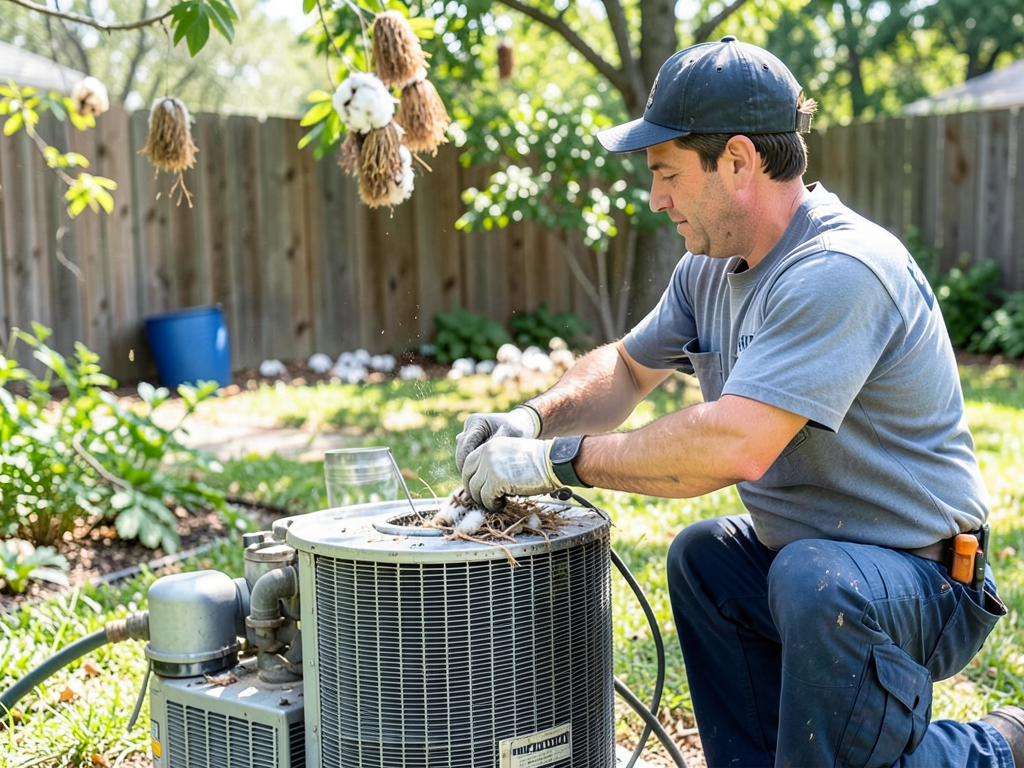
Spring Cleaning Your HVAC System Specifically for the Central Texas Climate Spring in Central Texas lasts about five minutes before the 100-degree heat arrives. That short window between oak pollen season and triple-digit temperatures is…
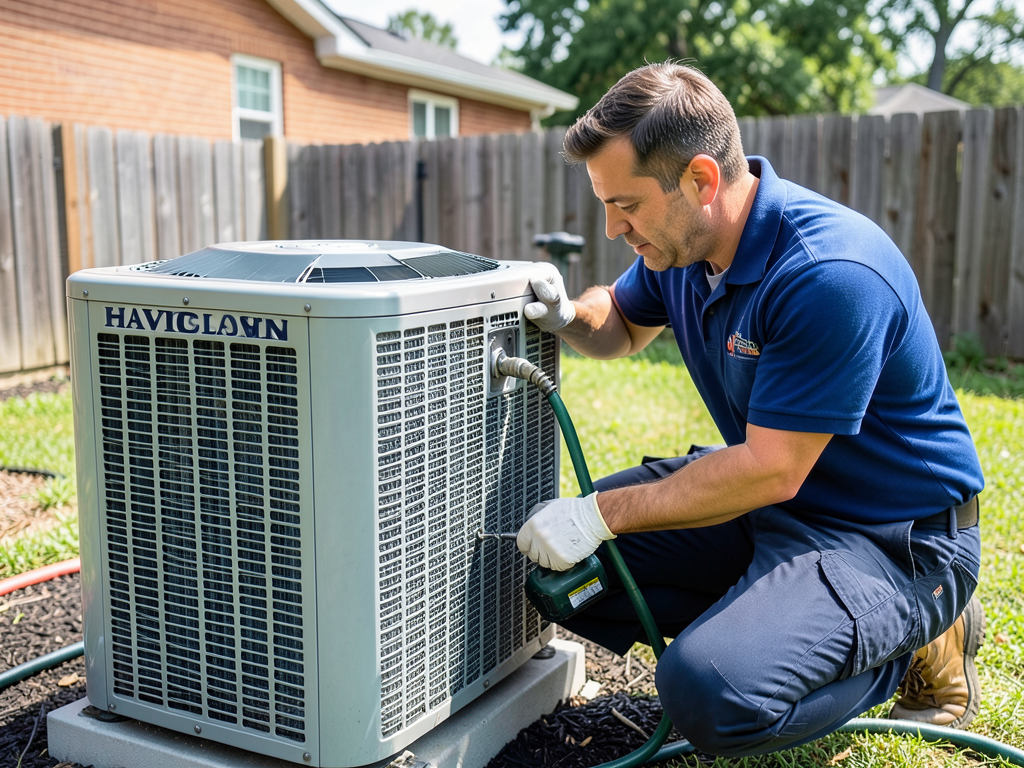
Why You Should Never Use a Pressure Washer on Your Austin AC Unit Your outdoor…
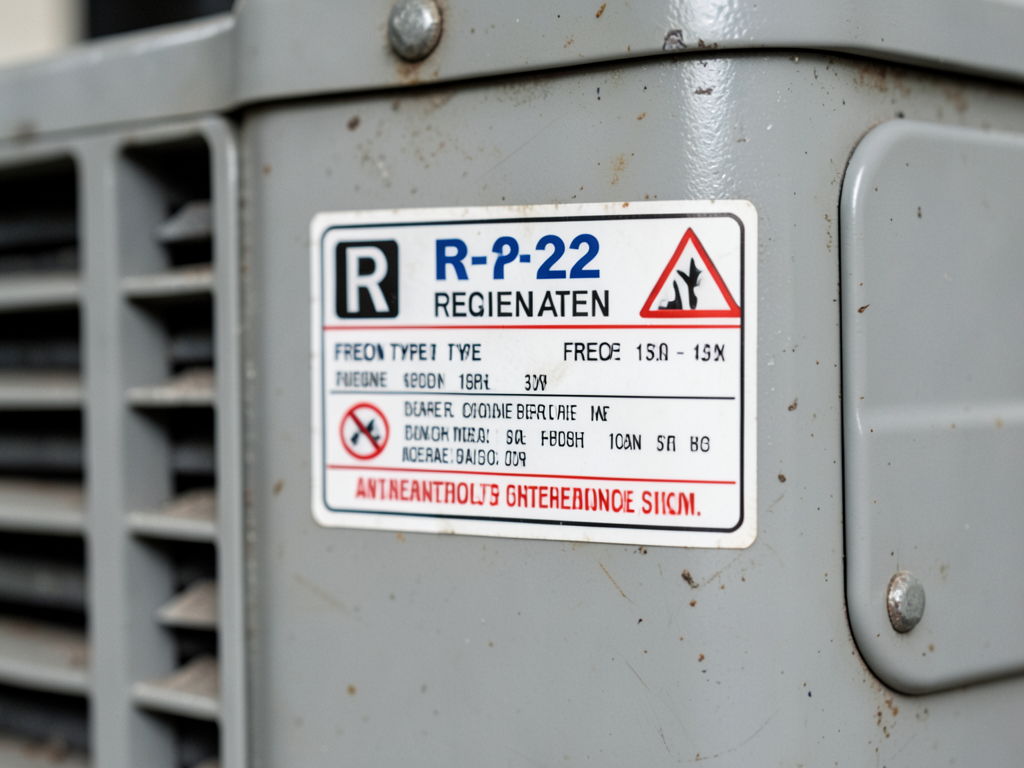
HVAC Red Flags to Look for When Buying a Mid Century Home in Wooten Buying…
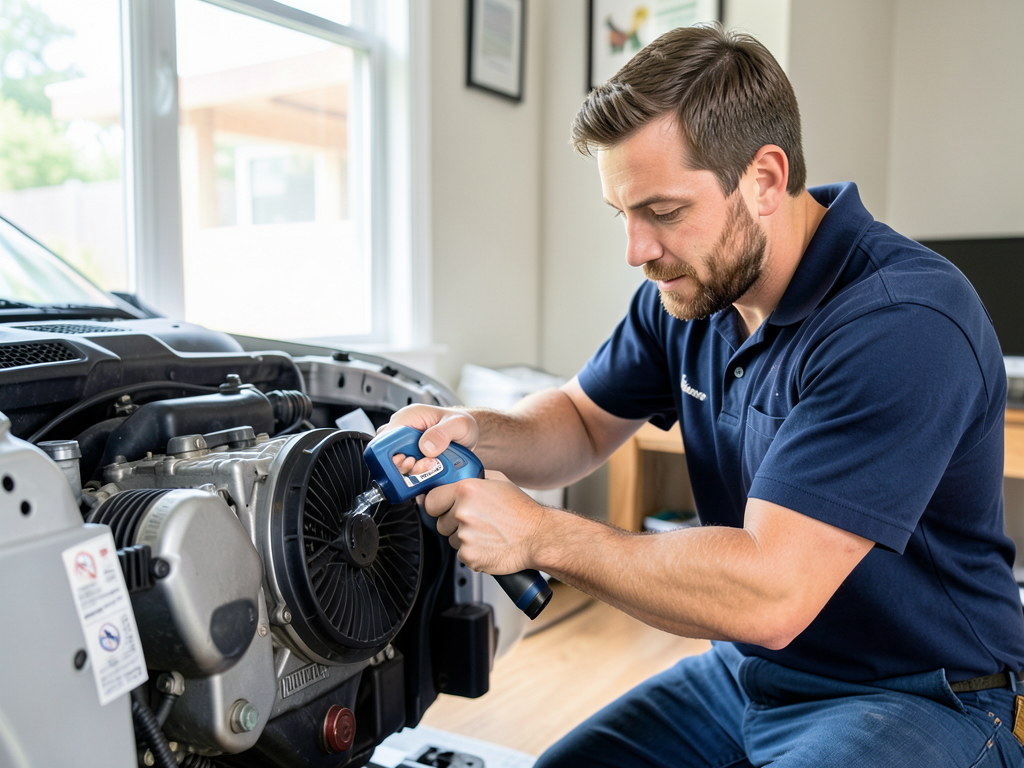
How the Austin Dust Problem Is Ruining Your AC Blower Motor Early Central Texas homeowners…
Don't wait for a broken system to become a crisis. Call All Pro HVAC Austin now at (737) 316-0777 for same-day service on repairs or schedule maintenance to prevent problems. Our experienced technicians are ready to restore your comfort with transparent pricing and quality work you can trust.