
How attic insulation affects your HVAC performance in hilly Oak Hill neighborhoods
In Oak Hill’s rolling terrain and older homes, attic insulation plays a critical role in keeping your HVAC system from working overtime. Poor insulation forces air conditioners to run longer cycles, increasing wear and driving up energy bills during Austin’s scorching summers. Understanding this connection can save you hundreds of dollars annually while extending the life of your cooling system. Austin Energy weatherization rebates.
Why Oak Hill homes face unique attic heat challenges
The hilly geography of Oak Hill creates microclimates where some homes receive direct afternoon sun on their roofs for extended periods. Combined with many mid-century ranch-style homes built before modern insulation standards, this leads to attic temperatures that can exceed 150°F on summer days. These extreme conditions create a heat dome effect that radiates downward into living spaces. Modern HVAC Solutions for Historic Homes in Tarrytown and Old West Austin.
Older construction methods in neighborhoods like West Lake Hills often feature minimal attic ventilation and outdated insulation materials. The result is a thermal envelope that allows conditioned air to escape while hot attic air infiltrates living spaces, forcing your HVAC system to compensate continuously.
The science behind insulation and HVAC efficiency
Attic insulation works as a thermal barrier, measured by its R-value, which indicates resistance to heat flow. In Central Texas Zone 2, the Department of Energy recommends R-38 to R-60 for attics. When insulation falls below these levels, heat transfer accelerates, and your AC must remove more heat per hour to maintain comfort. Department of Energy insulation guidelines.
During Austin’s heat dome events, when temperatures exceed 100°F for multiple consecutive days, inadequate insulation can cause your system to short-cycle or run continuously. Short-cycling occurs when the system turns on and off rapidly without completing full cooling cycles, leading to increased wear on compressors and reduced efficiency.. Read more about Can a whole-house fan really help your AC system in Avery Ranch?.
Common insulation problems in Oak Hill homes
Many Oak Hill homes suffer from compressed or displaced insulation due to roof leaks, pest infestations, or previous DIY projects. Water damage from the area’s occasional heavy rains can reduce insulation effectiveness by up to 40%. Rodents nesting in attics often tunnel through insulation, creating gaps that compromise the thermal barrier.
Recessed lighting fixtures and attic access points create thermal bridges where heat transfers directly into living spaces. These small gaps around penetrations can account for up to 25% of total heat loss in a poorly sealed attic. Professional air sealing around these areas is essential for maximum efficiency. Fast and Professional Furnace Repair in Georgetown During the Winter Chill.
Recommended insulation solutions for Austin’s climate
Blown-in cellulose insulation offers excellent performance in Austin’s humid climate, with an R-value of approximately 3.2 per inch. This material also provides sound dampening benefits and contains borate additives that resist mold and pests. For homes with ductwork in the attic, spray foam insulation can create an air-sealed envelope that prevents conditioned air from warming before reaching vents. Emergency Ductwork Repair.
Radiant barriers installed beneath roof decking can reflect up to 97% of radiant heat, reducing attic temperatures by 20-30°F. When combined with proper insulation, this technology significantly decreases the cooling load on your HVAC system. The initial investment typically pays for itself within 3-5 years through energy savings.
Air sealing: The critical first step
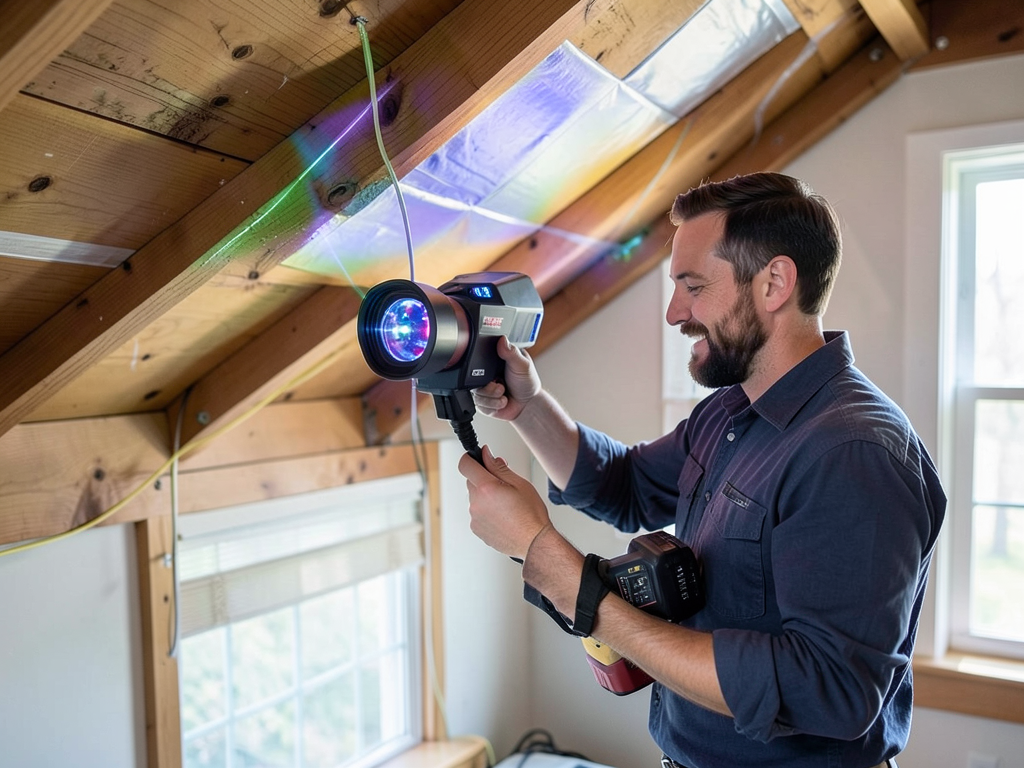
Before adding insulation, professional air sealing identifies and closes gaps where conditioned air escapes. Common leakage points include attic hatches, plumbing vents, electrical penetrations, and the tops of interior walls. Using infrared cameras, technicians can locate these leaks and seal them with expanding foam or weatherstripping.
The stack effect, where warm air rises and escapes through upper-level gaps while drawing in hot air from below, is particularly problematic in two-story Oak Hill homes. This natural convection current can add 10-15% to your cooling costs if not properly addressed through comprehensive air sealing.
Energy savings and return on investment
Homeowners who upgrade attic insulation typically see 15-20% reductions in cooling costs. In Oak Hill, where summer cooling bills often exceed $300 monthly, this translates to $45-60 in monthly savings. The payback period for professional insulation upgrades ranges from 2-4 years, depending on current insulation levels and energy usage patterns.
Austin Energy offers weatherization rebates of up to $1,500 for qualifying insulation improvements. These rebates, combined with federal tax credits of 30% for energy-efficient home upgrades, can cover 50-70% of the total project cost. Local utility rates averaging 12-15 cents per kilowatt-hour make these investments particularly attractive. Local AC Repair and Cooling Experts in South Lamar and Barton Hills.
Impact on HVAC system longevity
Proper attic insulation reduces the runtime of your HVAC system by 20-30%, directly extending equipment life. A system that might last 12-15 years with poor insulation can often reach 18-20 years with optimal thermal performance. This longevity translates to thousands of dollars in avoided replacement costs.
Reduced cycling also means fewer repairs over the system’s lifetime. Compressors, capacitors, and contactors experience less wear when the system runs fewer total hours. Many homeowners report 40-50% fewer service calls after completing comprehensive attic improvements. 24/7 Emergency AC Repair.
Professional assessment and installation process
A thorough attic assessment includes measuring current insulation depth, checking for moisture damage, and evaluating ventilation systems. Technicians use thermal imaging to identify heat loss patterns and measure air infiltration rates. This diagnostic process typically takes 1-2 hours and provides a roadmap for improvements.
Professional installation involves removing damaged insulation, air sealing all penetrations, installing baffles for proper ventilation, and adding new insulation to recommended levels. The process usually requires 1-2 days and includes post-installation testing to verify performance improvements.
Ventilation considerations for sealed attics
Modern sealed attics require balanced ventilation to prevent moisture buildup and maintain indoor air quality. Soffit vents, ridge vents, or powered attic fans work together to create continuous airflow. In Austin’s humid climate, this ventilation prevents condensation that could lead to mold growth or insulation degradation.
Solar-powered attic fans offer an energy-efficient solution for homes with limited natural ventilation. These units activate when attic temperatures exceed 95°F, reducing heat buildup without adding to your electric bill. Many Oak Hill homes benefit from this technology due to their roof designs and limited eave space.. Read more about Why your outdoor AC unit needs more space from those beautiful Oak Hill trees.
Maintenance tips for optimal performance
Regular attic inspections help maintain insulation effectiveness. Check for signs of moisture, pest activity, or insulation settling annually. Replace damaged insulation promptly and ensure vents remain clear of debris. Many HVAC contractors offer maintenance packages that include attic condition assessments.
Monitor your energy bills for unexpected increases, which often indicate insulation problems. A sudden 15% or greater increase in cooling costs without weather changes suggests compromised insulation or air sealing. Professional thermal imaging can quickly identify these issues before they lead to system failure.
Local building codes and compliance
Austin’s Energy Conservation Audit and Disclosure (ECAD) ordinance requires energy audits for homes over 10 years old when sold. This regulation ensures buyers understand the energy efficiency of their potential investment and often motivates sellers to improve insulation before listing. The city’s building code references IECC Zone 2 standards for new construction.
Professional insulation contractors must comply with EPA lead-safe practices for homes built before 1978. This requirement protects occupants from lead dust during renovation activities. Always verify your contractor’s EPA certification before beginning any attic work in older homes.
Comparing insulation types for Austin homes
| Material | R-value per inch | Cost per sq ft | Best use case |
|---|---|---|---|
| Blown-in Fiberglass | 2.2-2.7 | $0.50-0.70 | Existing attics, easy installation |
| Blown-in Cellulose | 3.2-3.8 | $0.70-0.90 | High performance, sound dampening |
| Spray Foam (Open cell) | 3.5-3.6 | $1.20-1.50 | Air sealing, moisture control |
| Spray Foam (Closed cell) | 6.0-7.0 | $2.00-2.50 | Extreme climates, structural support |
Frequently Asked Questions
How do I know if my attic insulation needs replacement?
Check for visible gaps, compressed areas, or moisture damage. If your attic insulation is below the floor joists or you notice uneven temperatures throughout your home, it likely needs attention. Professional thermal imaging can identify specific problem areas.
Can I install insulation myself to save money?
While DIY installation is possible, professional installation ensures proper air sealing, adequate ventilation, and compliance with local codes. Mistakes in installation can reduce effectiveness by 30% or more and may void warranties on both insulation and HVAC equipment.
How long does professional insulation installation take?
Most attic insulation projects require 1-2 days for a typical single-story home. The process includes assessment, air sealing, installation, and cleanup. Larger homes or those requiring extensive repairs may take longer.. Read more about The best ways to cool a garage gym for those triple-digit Austin afternoons.
Ready to improve your home’s efficiency?
Don’t let poor attic insulation drive up your energy bills and shorten your HVAC system’s life. Our experienced technicians understand Oak Hill’s unique challenges and can recommend the right solutions for your home. Call (737) 316-0777 today to schedule your comprehensive attic assessment and take the first step toward lower energy costs and improved comfort.
Pick up the phone and call (737) 316-0777 before the next heat wave hits. Your HVAC system will thank you, and so will your wallet.
You may also find this helpful. The real reason your upstairs bedrooms in Round Rock stay five degrees warmer.
{
“@context”: “https://schema.org”,
“@type”: “BlogPosting”,
“headline”: “How attic insulation affects your HVAC performance in hilly Oak Hill neighborhoods”,
“description”: “Discover how attic insulation impacts HVAC efficiency in Oak Hill’s hilly terrain. Learn about R-values, rebates, and expert solutions to lower energy bills and extend system life.”,
“wordCount”: 1496,
“datePublished”: “2026-03-11T07:54:00.000Z”,
“dateModified”: “2026-03-11T07:54:00.000Z”,
“inLanguage”: “en-US”,
“mainEntityOfPage”: {
“@type”: “WebPage”,
“@id”: “https://allprohvacaustin.com”
},
“publisher”: {
“@type”: “LocalBusiness”,
“name”: “All Pro HVAC Austin”,
“url”: “https://allprohvacaustin.com”
},
“author”: {
“@type”: “Organization”,
“name”: “All Pro HVAC Austin”,
“url”: “https://allprohvacaustin.com”
},
“image”: {
“@type”: “ImageObject”,
“url”: “https://allprohvacaustin.com/wp-content/uploads/2026/03/how-attic-insulation-affects-your-hvac-performance-1.png”
}
}
{
“@context”: “https://schema.org”,
“@type”: “HVACBusiness”,
“name”: “All Pro HVAC Austin”,
“url”: “https://allprohvacaustin.com”,
“address”: {
“@type”: “PostalAddress”,
“addressLocality”: “Austin”
},
“areaServed”: {
“@type”: “City”,
“name”: “Austin”
}
}
{
“@context”: “https://schema.org”,
“@type”: “FAQPage”,
“mainEntity”: [
{
“@type”: “Question”,
“name”: “How do I know if my attic insulation needs replacement?”,
“acceptedAnswer”: {
“@type”: “Answer”,
“text”: “Check for visible gaps, compressed areas, or moisture damage. If your attic insulation is below the floor joists or you notice uneven temperatures throughout your home, it likely needs attention. Professional thermal imaging can identify specific problem areas.”
}
},
{
“@type”: “Question”,
“name”: “Can I install insulation myself to save money?”,
“acceptedAnswer”: {
“@type”: “Answer”,
“text”: “While DIY installation is possible, professional installation ensures proper air sealing, adequate ventilation, and compliance with local codes. Mistakes in installation can reduce effectiveness by 30% or more and may void warranties on both insulation and HVAC equipment.”
}
},
{
“@type”: “Question”,
“name”: “How long does professional insulation installation take?”,
“acceptedAnswer”: {
“@type”: “Answer”,
“text”: “Most attic insulation projects require 1-2 days for a typical single-story home. The process includes assessment, air sealing, installation, and cleanup. Larger homes or those requiring extensive repairs may take longer.”
}
},
{
“@type”: “Question”,
“name”: “Ready to improve your home’s efficiency?”,
“acceptedAnswer”: {
“@type”: “Answer”,
“text”: “Don’t let poor attic insulation drive up your energy bills and shorten your HVAC system’s life. Our experienced technicians understand Oak Hill’s unique challenges and can recommend the right solutions for your home. Call (737) 316-0777 today to schedule your comprehensive attic assessment and take the first step toward lower energy costs and improved comfort.”
}
}
]
}
{
“@context”: “https://schema.org”,
“@type”: “BreadcrumbList”,
“itemListElement”: [
{
“@type”: “ListItem”,
“position”: 1,
“name”: “Home”,
“item”: “https://allprohvacaustin.com”
},
{
“@type”: “ListItem”,
“position”: 2,
“name”: “Blog”,
“item”: “https://allprohvacaustin.com/blog”
},
{
“@type”: “ListItem”,
“position”: 3,
“name”: “How attic insulation affects your HVAC performance in hilly Oak Hill neighborhoods”
}
]
}
{
“@context”: “https://schema.org”,
“@type”: “Service”,
“serviceType”: “HVAC”,
“provider”: {
“@type”: “LocalBusiness”,
“name”: “All Pro HVAC Austin”,
“url”: “https://allprohvacaustin.com”
},
“areaServed”: {
“@type”: “City”,
“name”: “Austin”
},
“description”: “Discover how attic insulation impacts HVAC efficiency in Oak Hill’s hilly terrain. Learn about R-values, rebates, and expert solutions to lower energy bills and extend system life.”
}