


Leander sits in the Texas Hill Country where summer temperatures routinely exceed 100 degrees and winter freezes can damage exposed equipment overnight. The extreme temperature swings stress HVAC systems harder than most regions. Air conditioners run 8-10 months per year here, pushing compressors and fans to their limits. Cedar pollen from surrounding hills clogs filters faster than typical, reducing airflow and forcing systems to work harder.
The rocky limestone soil and elevation changes across neighborhoods like Crystal Falls and Grandview Hills create unique drainage patterns that affect outdoor unit placement and condensate line performance. Many Leander homes were built during the 2000s housing boom with builder-grade HVAC equipment now reaching end-of-life. Tract homes in Summerlyn and Travisso often share identical system specifications, meaning common failure points affect entire neighborhoods simultaneously.
Texas regulations require TACLA licensed contractors for all HVAC work, but enforcement varies. Choosing an unlicensed provider puts your home insurance coverage at risk. Leander's rapid growth means many providers service the area without understanding local construction methods or the specific challenges of Hill Country climate. When your system fails at 3 PM in July, you need someone who knows Leander and responds immediately.
All Pro HVAC Austin has served the greater Austin metro including Leander since our founding, building a reputation for showing up fast and fixing problems right. We maintain fully stocked service vehicles with the parts that actually fail in Leander homes, from capacitors to blower motors to reversing valves. Our technicians live in the area and know the neighborhoods, the common system types, and the shortcuts to get to you quickly when minutes matter.
We answer our phones 24 hours a day, every day, including holidays. When you call during an emergency, you talk to our dispatch team immediately, not an answering service in another state. We provide real-time technician tracking so you know exactly when help arrives. Our flat-rate pricing means you know the cost before we start work, with no surprise charges or hidden fees added to your bill.
Every technician carries TACLA certification and NATE credentials, with ongoing training on the latest equipment and refrigerant regulations. We guarantee our repairs for a full year, covering both parts and labor. If something goes wrong with our work, we come back and make it right at no charge. We service all major brands and handle everything from emergency repairs to complete system replacements, maintenance agreements, and indoor air quality solutions.
Our trucks carry diagnostic equipment that pinpoints problems fast, reducing troubleshooting time and getting your system running sooner. We respect your home, using floor protection and cleaning up completely before we leave. Most importantly, we explain what failed, why it happened, and what you can do to prevent future problems. Leander homeowners trust us because we deliver on our promises every single time.

We dispatch technicians within hours for emergency calls across Leander, not tomorrow or next week. Our trucks stay stocked with common repair parts so we fix most problems on the first visit without waiting for special orders or return trips.

You approve the price before we start any work. No hourly rates that climb while you watch. No surprise charges for weekends or after-hours calls. The quote we give is the price you pay, guaranteed in writing.
Every technician holds current TACLA licensing and NATE certification. We invest in continuous training on new equipment, refrigerant regulations, and diagnostic technology so our team stays ahead of industry changes and solves problems other companies miss.
Our technicians know Leander neighborhoods, common system types in local homes, and the climate challenges specific to the Hill Country. We understand builder-grade equipment lifecycles and respond faster because we work this area every single day.
All Pro HVAC Austin handles every air conditioning and heating need for Leander homeowners, from emergency breakdowns to planned system upgrades. We work on all equipment types including central air systems, heat pumps, gas furnaces, and ductless mini-splits. Our service range covers the complete lifecycle of your HVAC system, whether you need immediate repair, regular maintenance to prevent problems, or full system replacement when equipment reaches end-of-life.
We organize our services around how homeowners actually experience HVAC needs. Emergency repairs get you back online fast when systems fail unexpectedly. Maintenance programs keep equipment running efficiently and catch small problems before they become expensive failures. System replacement services help you choose the right new equipment when repair costs exceed the value of keeping old systems running. Each service category requires different expertise, parts inventory, and customer communication, so we structure our team and processes to deliver exactly what each situation demands.
When your AC quits during a heat wave or your heater fails overnight in a freeze, we respond immediately with same-day emergency service. Our technicians diagnose the problem fast using professional-grade testing equipment, then repair it with parts carried on every truck. We handle compressor failures, refrigerant leaks, blower motor replacement, thermostat problems, and electrical faults. Most emergency repairs complete in a single visit, getting your home comfortable again within hours, not days.
Regular maintenance prevents unexpected breakdowns and keeps your system running efficiently, reducing energy bills and extending equipment life. Our maintenance visits include complete system inspection, filter replacement, coil cleaning, refrigerant level check, electrical connection testing, and performance measurement. We identify worn parts before they fail and optimize system settings for peak efficiency. Maintenance customers receive priority scheduling and discounted repair rates when problems do occur.
When your system reaches 12-15 years old or repair costs exceed replacement value, we help you choose new equipment that fits your home size, budget, and efficiency goals. We handle complete installations including equipment removal, new system setup, ductwork modification if needed, thermostat upgrade, and startup testing. Our installations meet all manufacturer specifications and local code requirements, protecting your warranty coverage and ensuring reliable operation for years ahead.
Leander's extreme climate and housing characteristics create specific HVAC challenges that affect thousands of homes each year. Summer temperatures above 100 degrees push air conditioners beyond design limits, causing compressor failures and refrigerant leaks. Rapid temperature drops during winter cold fronts stress heat exchangers and cause expansion valve problems. The limestone dust and cedar pollen in Hill Country air clogs filters and coats coils, reducing airflow and system efficiency.
Many Leander neighborhoods were built between 2000 and 2015 with builder-grade HVAC equipment now reaching typical lifespan limits. Homes in Crystal Falls, Travisso, and Summerlyn often experience similar problems simultaneously as identical equipment ages together. The rocky soil and elevation changes across Leander create drainage issues that affect condensate lines and outdoor unit placement. Understanding these local factors helps homeowners recognize problems early and prevents minor issues from becoming expensive emergencies.
Air conditioners running constantly through Leander summers wear out compressors faster than normal. When compressors fail, your system stops cooling completely. Warning signs include loud noises, hard starting, or warm air from vents even when the system runs continuously.
Older systems develop leaks as coils corrode or connections loosen from vibration. Low refrigerant causes ice buildup on indoor coils, weak cooling, and higher energy bills. Refrigerant must be recovered and recharged by licensed technicians following EPA regulations.
Cedar pollen and limestone dust accumulate faster in Leander than most areas, choking filters within weeks and coating coils with debris. Restricted airflow forces systems to run longer, increases energy use, and causes frozen evaporator coils that stop cooling completely.
Faulty thermostats cause short cycling, incorrect temperatures, or systems that won't start. Older mechanical thermostats lose calibration over time. Newer digital models fail from power surges common during Texas storms. Thermostat replacement often solves mysterious problems that seem like major system failures.
We designed our service process around speed, transparency, and respect for your home and time. When you call with an HVAC problem, you talk directly to our dispatch team who schedules service based on urgency. Emergency calls get same-day response, while maintenance and non-urgent repairs schedule at your convenience. We provide arrival windows and text you when your technician is on the way, with real-time tracking so you know exactly when help arrives.
Our technicians arrive in marked trucks with your service details already loaded, so there's no time wasted explaining the problem multiple times. They diagnose the issue thoroughly before recommending repairs, explaining what failed and why in plain language you can understand. You approve all work and pricing before we start, and you receive a detailed invoice showing exactly what we did. We treat your home with respect, using floor protection and cleaning up completely before we leave.
We answer phones 24/7 and dispatch technicians for same-day emergency service across Leander. You receive text updates when your technician is assigned and when they're on the way. Our arrival windows are realistic, and we call if anything changes. You'll never wait wondering when help will arrive or deal with vague scheduling that wastes your entire day.
Our technicians use professional testing equipment to pinpoint problems accurately, not guess and replace parts until something works. We explain what failed, show you the problem when possible, and provide flat-rate pricing before starting repairs. You approve the work in writing, so there are no surprise charges or pressure tactics. If we find additional issues, we discuss options and let you decide how to proceed.
Every repair meets manufacturer specifications and local code requirements. We test systems thoroughly after repairs to verify proper operation before we leave. You receive a one-year guarantee on all parts and labor, and we return at no charge if problems occur with our work. We follow up after service to confirm your satisfaction and answer any questions about system operation or maintenance.
We built our process around speed and transparency. From your first call to final testing, every step focuses on getting your system running again with minimal disruption to your day.
Contact All Pro HVAC Austin at (737) 316-0777 and describe your problem to our dispatch team. We schedule emergency calls for same-day service and book maintenance or non-urgent repairs at times that fit your schedule. You receive text confirmation with your service window and technician details, plus real-time tracking when they're on the way to your home.
Your technician arrives with tools and common parts already on the truck. They inspect your system, test components, and identify the exact problem. You receive a clear explanation of what failed and flat-rate pricing for the repair. Once you approve the work in writing, we complete the repair using quality parts and proper techniques, usually finishing in a single visit.
After completing repairs, we test your system thoroughly to verify proper operation and performance. Your technician explains what we fixed, answers questions about system care, and provides maintenance recommendations. You receive a detailed invoice and one-year guarantee covering all parts and labor. We follow up to confirm your satisfaction and remain available if questions arise.
Texas regulates HVAC work through the Texas Department of Licensing and Regulation, which issues TACLA licenses to qualified contractors. Only TACLA-licensed technicians can legally install, modify, or repair air conditioning and heating systems in Texas. This licensing protects homeowners by ensuring technicians meet training standards and carry proper insurance. Unlicensed work violates state law and can void equipment warranties and homeowner insurance coverage.
HVAC installations in Leander must comply with the International Residential Code as adopted by Texas, along with local amendments. Permits are required for system replacements and major modifications, though simple repairs typically don't need permits. Inspections verify proper installation, correct refrigerant charging, adequate combustion air for gas furnaces, and proper condensate drainage. These requirements exist because improper installation creates safety hazards including refrigerant leaks, carbon monoxide exposure, and fire risks.
Refrigerant handling follows strict EPA Section 608 regulations requiring technician certification. The phase-out of R-22 refrigerant means older systems cannot be recharged with original refrigerant, requiring either conversion to new refrigerant types or complete system replacement. Modern systems use R-410A refrigerant, which operates at higher pressures and requires different handling procedures. Proper refrigerant charging significantly affects system efficiency and longevity, making certified technicians essential for reliable operation.
Equipment sizing follows Manual J load calculations to match system capacity to home characteristics. Oversized systems short-cycle and fail to dehumidify properly, while undersized systems run constantly without maintaining comfort. Ductwork design follows Manual D standards ensuring adequate airflow to each room. Leander's climate and construction methods require careful attention to these calculations to achieve efficient, comfortable operation. Professional installation and service protect your investment and ensure your system performs as designed for its full expected lifespan.
Texas requires all HVAC contractors to hold current TACLA licenses issued by the state. Licensed technicians complete extensive training, pass competency exams, and maintain continuing education. Working with unlicensed contractors violates state law, voids equipment warranties, and can invalidate homeowner insurance claims if problems occur.
Replacement costs depend on system size, efficiency rating, equipment brand, installation complexity, and ductwork condition. Higher efficiency systems cost more upfront but reduce monthly energy bills. Two-stage and variable-speed equipment provides better comfort and efficiency than single-stage systems. Complete installations include removal of old equipment, proper refrigerant recovery, and thorough testing.
Most emergency repairs complete within 2-4 hours from arrival. System replacements typically take one to two days depending on installation complexity and ductwork modifications. Maintenance visits last 60-90 minutes per system. We schedule emergency calls for same-day service, while planned installations book one to two weeks out during peak season.
New equipment includes manufacturer warranties covering parts for 5-10 years depending on registration and maintenance. Our installations include one-year labor warranties. Repairs carry one-year guarantees on parts and labor. Regular maintenance keeps manufacturer warranties valid and often extends coverage periods on premium equipment brands.
This video explains common HVAC problems in Leander, Texas homes and how to address them. All Pro HVAC Austin covers why Hill Country climate stresses air conditioning systems, warning signs of impending failures, and the difference between repair and replacement decisions. Topics include compressor failures, refrigerant leaks, filter maintenance, thermostat problems, and Texas TACLA licensing requirements. Viewers learn what proper HVAC service includes and how to prevent emergency breakdowns in Leander's extreme temperature conditions.
All Pro HVAC Austin provides complete air conditioning and heating service throughout Leander and the greater northwest Austin metro area. We work in established neighborhoods like Crystal Falls and Lakeline Oaks where homes from the early 2000s now face system replacements as original builder-grade equipment reaches end-of-life. The master-planned communities of Travisso and Summerlyn present unique challenges with similar home layouts and HVAC specifications creating predictable maintenance needs across entire subdivisions.
North Leander neighborhoods near San Gabriel Park and Old Town experience different service requirements than newer developments near the Williamson County line. Older homes in the original Leander townsite often have ductwork and system configurations that differ from modern tract construction, requiring experienced technicians familiar with retrofit installations and non-standard equipment placement. The elevation changes across these areas affect drainage and outdoor unit positioning, especially important for proper condensate line performance in homes built on hillside lots.
West Leander developments near Crystal Falls Golf Club feature larger homes with zoned HVAC systems requiring specialized diagnostic equipment and multi-stage repair approaches. These properties often include outdoor living spaces and shop buildings needing separate climate control solutions. East Leander communities closer to US 183 and the Lakeline area share climate challenges with adjacent Cedar Park neighborhoods, where rapid temperature swings and heavy pollen loads stress equipment year-round.
We maintain service coverage extending into adjacent areas including Cedar Park to the south, Liberty Hill to the north, and west toward Bertram and the Highland Lakes region. Our technicians know the major routes including US 183, Ranch Road 2243, and the new 183A toll road, allowing fast response even during rush hour traffic. We understand that Leander's position in the Hill Country creates specific climate challenges different from flat central Texas areas, and we stock trucks accordingly with parts suited to local conditions and common equipment types found throughout Williamson County's fastest-growing residential corridor.
Schedule professional HVAC maintenance twice per year in Leander. Get your air conditioner serviced in spring before summer heat arrives. Have your heating system checked in fall before winter. These seasonal tune-ups catch small problems before they become expensive repairs. Your technician will clean components, check refrigerant levels, test electrical connections, and replace filters. Regular maintenance extends equipment life and keeps your system running efficiently through extreme Texas weather. Most manufacturers require annual service to maintain warranty coverage.
HVAC replacement pricing in Leander depends on several factors. Your home size affects equipment capacity needs. System efficiency ratings impact upfront investment. Ductwork condition matters if repairs or modifications are needed. Installation complexity varies by home layout and existing infrastructure. Two-story homes typically need more work than single-story properties. Ask multiple local contractors for detailed estimates. Compare equipment specifications and installation details. Focus on long-term value rather than choosing the lowest bid. Quality installation protects your investment for years.
Leander summers stress air conditioners with temperatures exceeding 100 degrees. Your system works harder and longer to maintain indoor comfort. Dirty filters restrict airflow and reduce cooling capacity. Low refrigerant from leaks prevents proper heat removal. Aging equipment loses efficiency over time. Inadequate insulation lets cool air escape while hot air enters. Undersized systems run constantly without reaching desired temperatures. Direct sunlight on outdoor units reduces performance. Schedule maintenance before summer starts. Replace filters monthly during peak season to maintain airflow and efficiency.
Schedule professional HVAC maintenance twice per year in Leander. Get your air conditioner serviced in spring before summer heat arrives. Have your heating system checked in fall before winter. These seasonal tune-ups catch small problems before they become expensive repairs. Your technician will clean components, check refrigerant levels, test electrical connections, and replace filters. Regular maintenance extends equipment life and keeps your system running efficiently through extreme Texas weather. Most manufacturers require annual service to maintain warranty coverage.
HVAC replacement pricing in Leander depends on several factors. Your home size affects equipment capacity needs. System efficiency ratings impact upfront investment. Ductwork condition matters if repairs or modifications are needed. Installation complexity varies by home layout and existing infrastructure. Two-story homes typically need more work than single-story properties. Ask multiple local contractors for detailed estimates. Compare equipment specifications and installation details. Focus on long-term value rather than choosing the lowest bid. Quality installation protects your investment for years.
Leander summers stress air conditioners with temperatures exceeding 100 degrees. Your system works harder and longer to maintain indoor comfort. Dirty filters restrict airflow and reduce cooling capacity. Low refrigerant from leaks prevents proper heat removal. Aging equipment loses efficiency over time. Inadequate insulation lets cool air escape while hot air enters. Undersized systems run constantly without reaching desired temperatures. Direct sunlight on outdoor units reduces performance. Schedule maintenance before summer starts. Replace filters monthly during peak season to maintain airflow and efficiency.
HVAC systems in Central Texas typically last 12 to 15 years. Extreme heat and humidity accelerate wear on components. Your air conditioner works harder here than in milder climates. Regular maintenance extends equipment life by preventing breakdowns and maintaining efficiency. Quality installation matters for longevity. Proper sizing prevents excessive cycling and stress. Indoor units often outlast outdoor units exposed to weather. Keep your outdoor unit shaded and clear of debris. Systems older than 10 years start needing frequent repairs. Plan for replacement when repair frequency increases.
Yes, Leander requires permits for HVAC replacement projects. Permits ensure installations meet local building codes and safety standards. Your contractor typically handles permit applications and inspections. The city reviews plans to verify proper sizing, ventilation, and electrical connections. Inspectors check completed work before approving the installation. Permits protect homeowners by ensuring quality workmanship. Unpermitted work creates problems when selling your home. Code compliance prevents safety hazards and system failures. Choose contractors familiar with Leander regulations who include permitting in their service.
Choose a SEER rating between 15 and 18 for Leander homes. Higher SEER numbers mean better energy efficiency and lower operating expenses. Texas climate demands systems that handle sustained high temperatures. SEER 15 meets minimum federal standards and works for budget-conscious homeowners. SEER 16 to 18 provides better efficiency during long cooling seasons. Your electricity savings increase with higher ratings. Balance upfront investment against long-term energy savings. Local utility companies sometimes offer rebates for high-efficiency equipment. Consider your budget, home size, and how long you plan to stay.
Start by upgrading to a high-efficiency HVAC system with a SEER rating above 16. Add a programmable or smart thermostat to reduce runtime when you're away. Seal ductwork leaks that waste conditioned air. Improve attic insulation to prevent heat transfer. Replace air filters monthly to maintain airflow. Install ceiling fans to improve air circulation and reduce AC dependency. Shade your outdoor unit from direct sun. Schedule regular maintenance to keep equipment running efficiently. Close blinds during hot afternoons. These upgrades reduce energy consumption and lower monthly bills.
Your Leander home needs proper HVAC sizing based on square footage, insulation, windows, and ceiling height. Two-ton systems cool roughly 1,000 square feet. Three-ton units handle 1,500 square feet. Four-ton systems work for 2,000 square feet. These are rough estimates. Your technician performs load calculations considering sun exposure, ductwork, and local climate. Oversized systems cycle too frequently and waste energy. Undersized equipment runs constantly without reaching comfortable temperatures. Professional load calculations ensure optimal performance and efficiency for your specific home.
Several issues cause heater failures during Leander cold snaps. Dirty filters block airflow and trigger safety shutoffs. Pilot lights go out on older gas furnaces. Electrical issues prevent ignition systems from working. Thermostat problems send incorrect signals to your heating system. Frozen or damaged heat pumps stop working in extreme cold. Neglected maintenance leads to component failures when you need heat most. Check your thermostat settings first. Replace filters if they look dirty. If problems persist, call a technician immediately. Cold weather strains heating systems already stressed by mild use.
Replace your HVAC system if it's older than 12 years or needs expensive repairs. Systems requiring frequent service drain your budget. Equipment over a decade old wastes energy compared to modern units. If repair expenses exceed half the replacement investment, choose a new system. New equipment offers better efficiency, lower energy bills, and fewer breakdowns. Repair makes sense for newer systems with minor problems. Consider remaining equipment life when deciding. Frequent refrigerant recharges indicate leaks requiring replacement. Evaluate total ownership expenses over the next five years.
HVAC systems in Central Texas typically last 12 to 15 years. Extreme heat and humidity accelerate wear on components. Your air conditioner works harder here than in milder climates. Regular maintenance extends equipment life by preventing breakdowns and maintaining efficiency. Quality installation matters for longevity. Proper sizing prevents excessive cycling and stress. Indoor units often outlast outdoor units exposed to weather. Keep your outdoor unit shaded and clear of debris. Systems older than 10 years start needing frequent repairs. Plan for replacement when repair frequency increases.
Yes, Leander requires permits for HVAC replacement projects. Permits ensure installations meet local building codes and safety standards. Your contractor typically handles permit applications and inspections. The city reviews plans to verify proper sizing, ventilation, and electrical connections. Inspectors check completed work before approving the installation. Permits protect homeowners by ensuring quality workmanship. Unpermitted work creates problems when selling your home. Code compliance prevents safety hazards and system failures. Choose contractors familiar with Leander regulations who include permitting in their service.
Choose a SEER rating between 15 and 18 for Leander homes. Higher SEER numbers mean better energy efficiency and lower operating expenses. Texas climate demands systems that handle sustained high temperatures. SEER 15 meets minimum federal standards and works for budget-conscious homeowners. SEER 16 to 18 provides better efficiency during long cooling seasons. Your electricity savings increase with higher ratings. Balance upfront investment against long-term energy savings. Local utility companies sometimes offer rebates for high-efficiency equipment. Consider your budget, home size, and how long you plan to stay.
Start by upgrading to a high-efficiency HVAC system with a SEER rating above 16. Add a programmable or smart thermostat to reduce runtime when you're away. Seal ductwork leaks that waste conditioned air. Improve attic insulation to prevent heat transfer. Replace air filters monthly to maintain airflow. Install ceiling fans to improve air circulation and reduce AC dependency. Shade your outdoor unit from direct sun. Schedule regular maintenance to keep equipment running efficiently. Close blinds during hot afternoons. These upgrades reduce energy consumption and lower monthly bills.
Your Leander home needs proper HVAC sizing based on square footage, insulation, windows, and ceiling height. Two-ton systems cool roughly 1,000 square feet. Three-ton units handle 1,500 square feet. Four-ton systems work for 2,000 square feet. These are rough estimates. Your technician performs load calculations considering sun exposure, ductwork, and local climate. Oversized systems cycle too frequently and waste energy. Undersized equipment runs constantly without reaching comfortable temperatures. Professional load calculations ensure optimal performance and efficiency for your specific home.
Several issues cause heater failures during Leander cold snaps. Dirty filters block airflow and trigger safety shutoffs. Pilot lights go out on older gas furnaces. Electrical issues prevent ignition systems from working. Thermostat problems send incorrect signals to your heating system. Frozen or damaged heat pumps stop working in extreme cold. Neglected maintenance leads to component failures when you need heat most. Check your thermostat settings first. Replace filters if they look dirty. If problems persist, call a technician immediately. Cold weather strains heating systems already stressed by mild use.
Replace your HVAC system if it's older than 12 years or needs expensive repairs. Systems requiring frequent service drain your budget. Equipment over a decade old wastes energy compared to modern units. If repair expenses exceed half the replacement investment, choose a new system. New equipment offers better efficiency, lower energy bills, and fewer breakdowns. Repair makes sense for newer systems with minor problems. Consider remaining equipment life when deciding. Frequent refrigerant recharges indicate leaks requiring replacement. Evaluate total ownership expenses over the next five years.
We are proud to serve the entire area, providing exceptional HVAC services to both residential and commercial clients. Our service area is extensive, ensuring that no matter where you are located, you can count on us for reliable and prompt service. We invite you to view our location on the map and see how conveniently positioned we are to meet all of your heating and cooling needs. We are just a call away.
Address:
Leander, TX, 78641
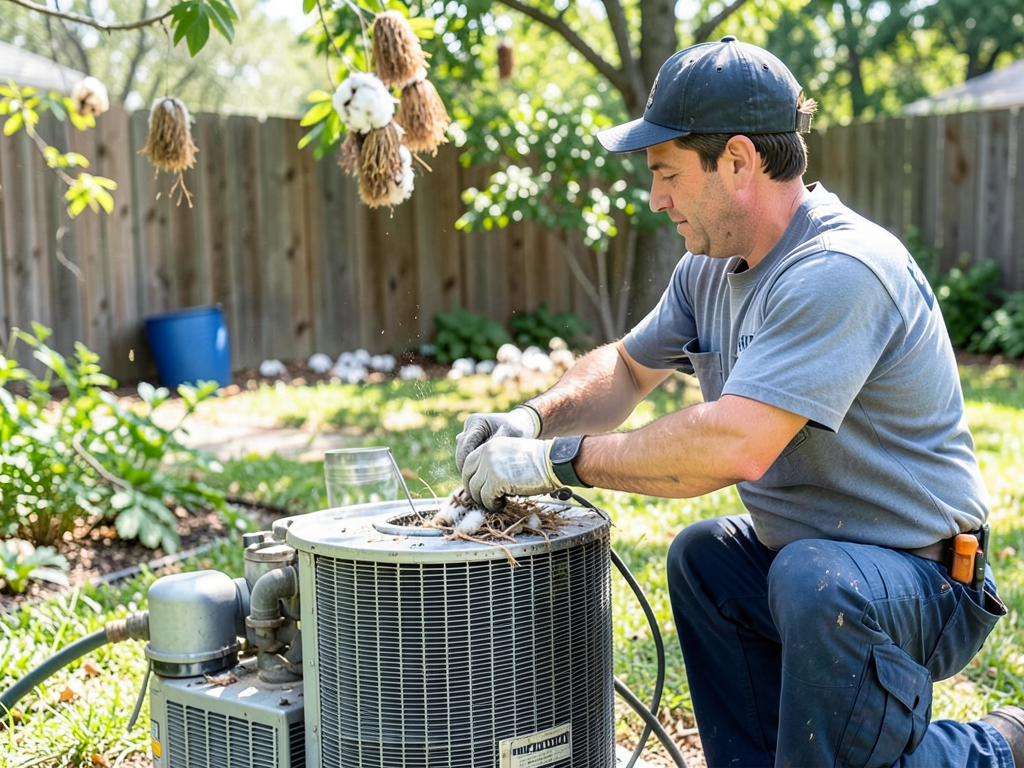
Spring Cleaning Your HVAC System Specifically for the Central Texas Climate Spring in Central Texas lasts about five minutes before the 100-degree heat arrives. That short window between oak pollen season and triple-digit temperatures is…
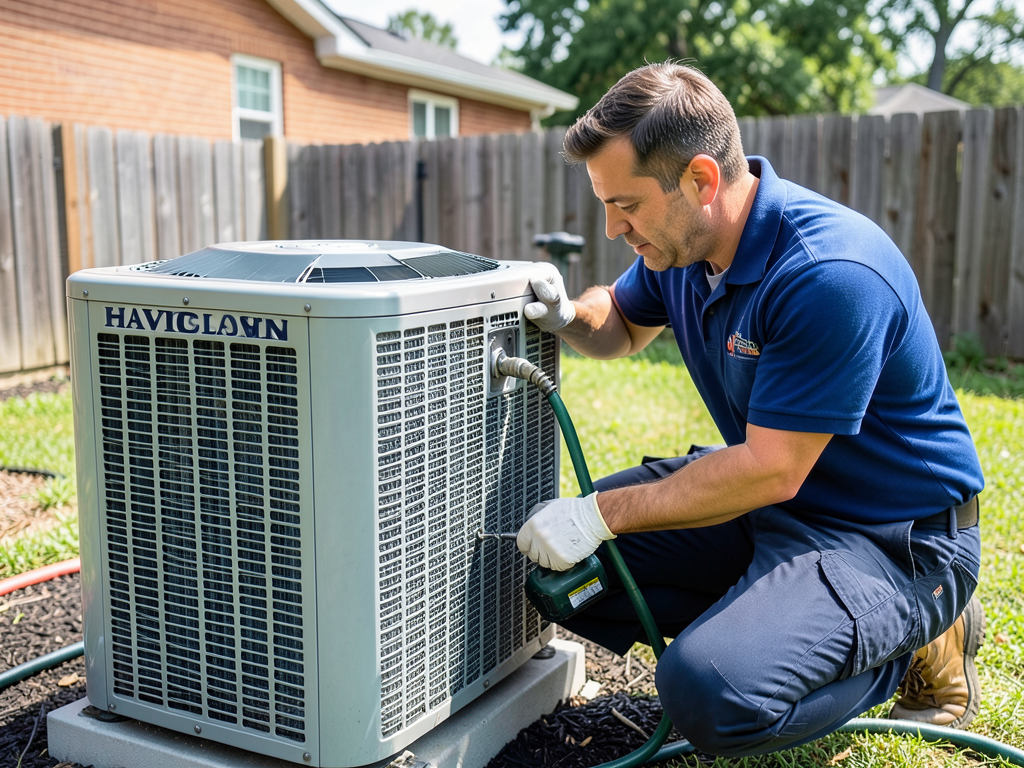
Why You Should Never Use a Pressure Washer on Your Austin AC Unit Your outdoor…
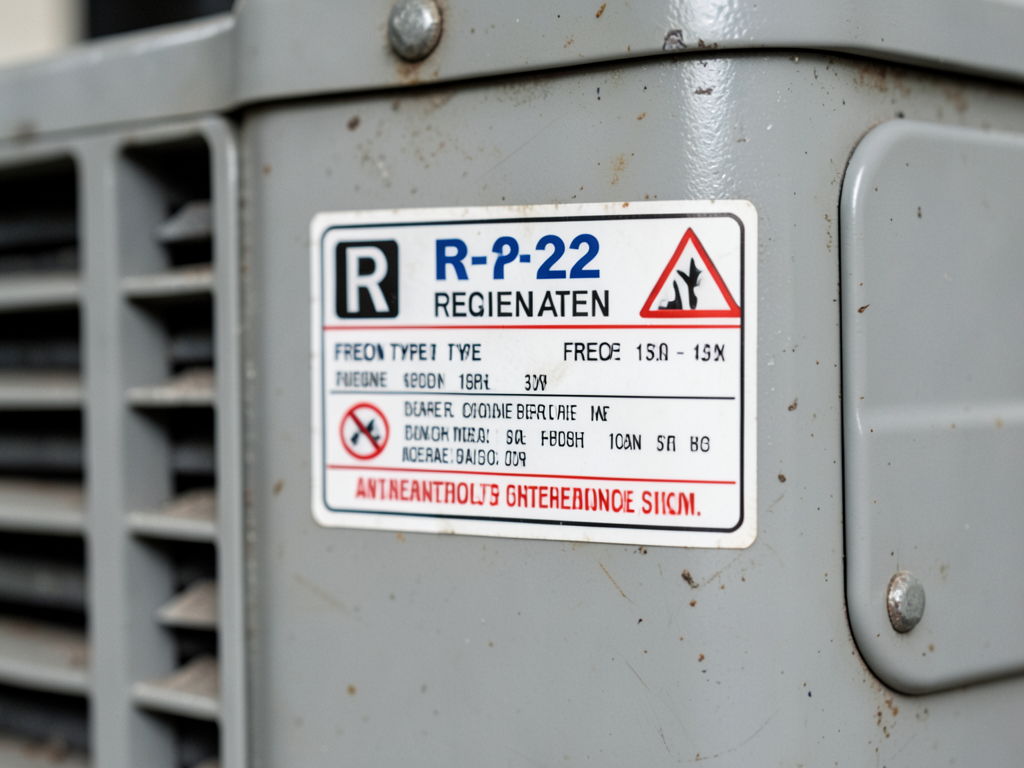
HVAC Red Flags to Look for When Buying a Mid Century Home in Wooten Buying…
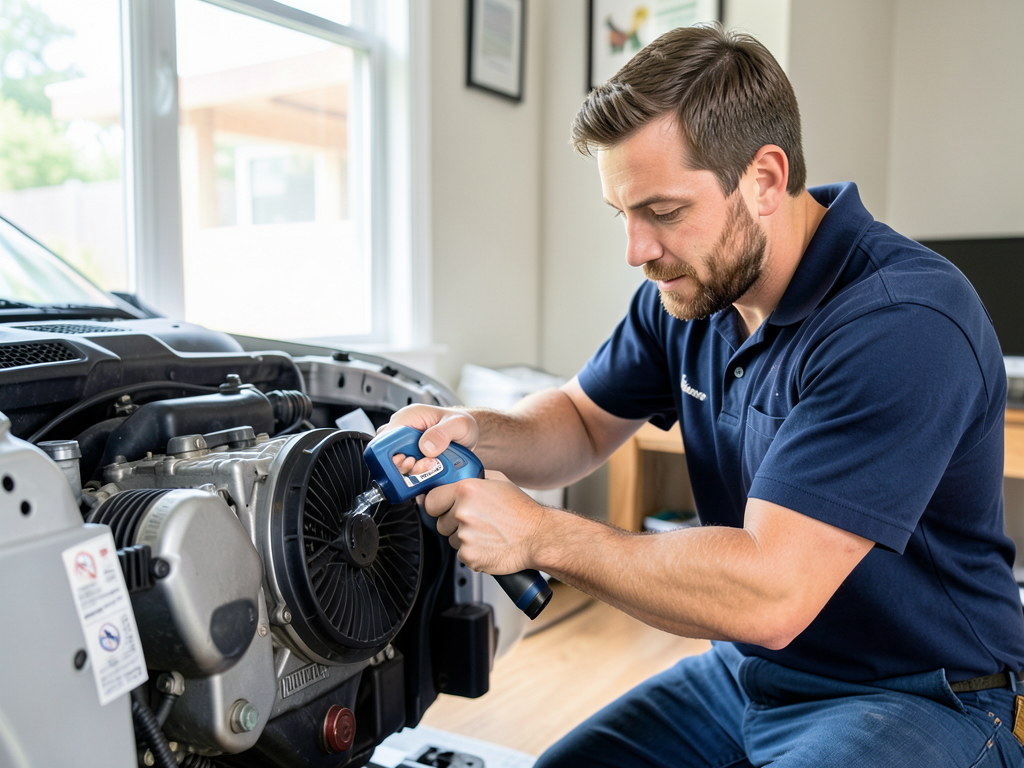
How the Austin Dust Problem Is Ruining Your AC Blower Motor Early Central Texas homeowners…
Your comfort can't wait. All Pro HVAC Austin responds fast with same-day emergency service across Leander. Call (737) 316-0777 now to schedule repair, maintenance, or system replacement. Our certified technicians are ready to solve your HVAC problems right now.