Menu

Furnace Maintenance Checklist Austin – Keep Your System Running Through Every Texas Cold Snap

Get the complete annual furnace inspection list Austin homeowners need to prevent mid-winter breakdowns, reduce energy bills, and extend equipment life in Central Texas's unpredictable climate.

Slider Image 1
Slider Image 2
Slider Image 3
Slider Image 4
Slider Image 5
Slider Image 7
Slider Image 8
Slider Image 9
Slider Image 10
Slider Image 11

Why Austin's Climate Demands a Different Furnace Maintenance Approach

You might not think Austin needs serious heating system maintenance, but you would be wrong. Central Texas throws everything at your HVAC system. We see 90-degree days in October, then a hard freeze warning two weeks later. Your furnace sits idle for eight months, then you need it to fire up instantly when a cold front drops temperatures 40 degrees overnight.

That on-and-off cycling creates problems. Dust accumulates in the heat exchanger during our long, hot summers. The expansion and contraction from temperature swings stress metal components. Gas valves and pilot assemblies corrode faster in our humid climate. When you finally flip that thermostat to heat during the first real cold snap, you discover cracked heat exchangers, failed igniters, or clogged burners.

Austin homeowners who skip their annual furnace inspection list pay for it later. A furnace tune-up checklist adapted for Central Texas addresses these specific challenges. You need preventative heating maintenance that accounts for our climate patterns, not a generic seasonal furnace service schedule copied from Minnesota.

The heating system maintenance steps that work in Dallas do not fully apply here. Our soil shifts, our humidity fluctuates wildly, and our brief heating season means your equipment never gets the consistent use that keeps components lubricated and functioning smoothly. You need a furnace maintenance approach designed for Austin's weather personality disorder.

Why Austin's Climate Demands a Different Furnace Maintenance Approach
The Complete Heating System Maintenance Steps for Central Texas

The Complete Heating System Maintenance Steps for Central Texas

A proper furnace tune-up checklist starts with combustion analysis. We measure flue gas temperature, oxygen levels, and carbon monoxide output. This tells us if your heat exchanger has developed microfractures, which happens faster in systems that cycle on and off frequently. We check gas pressure at the manifold, not just at the meter. Austin's natural gas pressure can fluctuate, and your regulator needs verification.

The blower assembly gets full attention during our annual furnace inspection list. We pull the blower wheel, clean the fins individually, and check the motor bearings. Cedar pollen and Central Texas dust cake onto those fins during summer, reducing airflow by 30 percent or more. That forces your furnace to run longer cycles, which ages components faster and drives up your utility bills.

We inspect the flame sensor and clean it with an emery cloth, not sandpaper. We verify the flame rollout switches and test the pressure switch operation. These safety components fail silently, and you do not know there is a problem until your system shuts down completely or creates a carbon monoxide hazard.

The preventative heating maintenance guide we follow includes checking ductwork connections in your attic. Temperature swings cause duct mastic to crack and metal connections to separate. We find air leaks that waste 20 to 40 percent of your heated air. We also verify your thermostat calibration, because a sensor that is off by three degrees makes your furnace work twice as hard.

How Your Seasonal Furnace Service Appointment Works

Furnace Maintenance Checklist Austin – Keep Your System Running Through Every Texas Cold Snap
01

System Evaluation and Testing

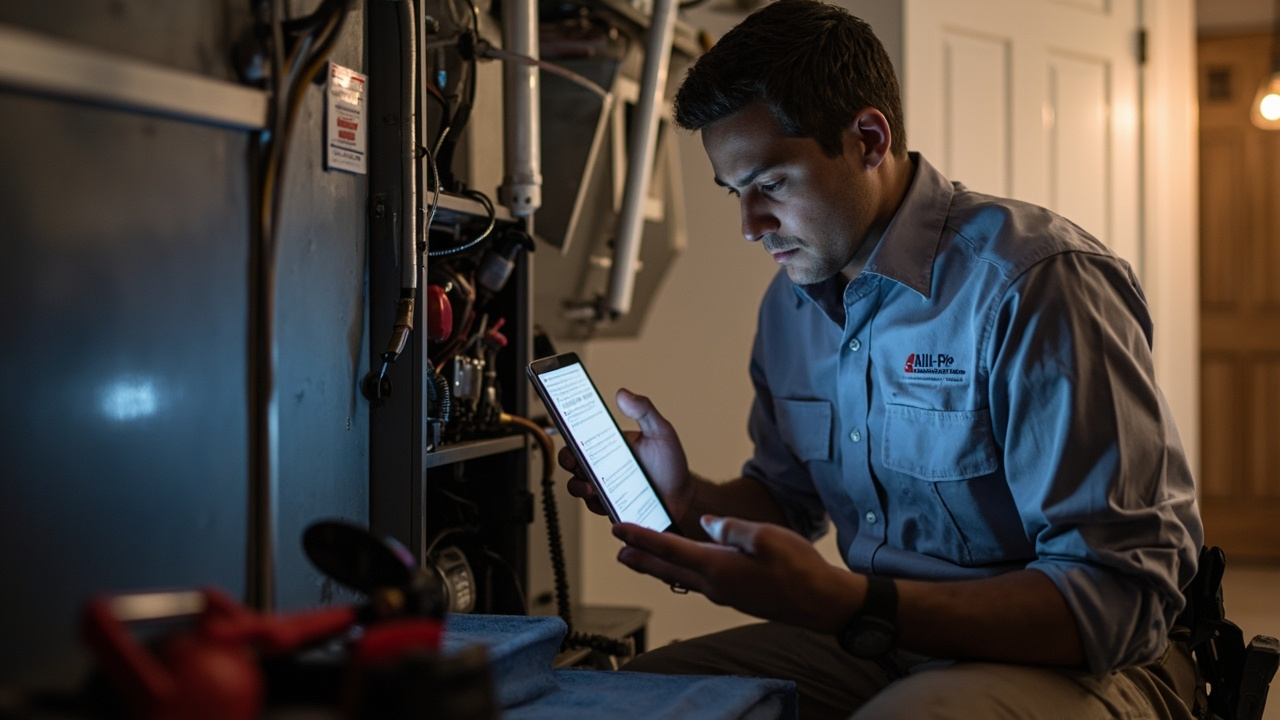
We run your furnace through a complete heat cycle and monitor performance metrics. Our technicians check temperature rise across the heat exchanger, measure supply and return air temperatures, and verify proper cycling. This initial diagnostic phase reveals problems before we start maintenance work. We document baseline efficiency numbers so you can see the improvement after service.
02

Component Cleaning and Adjustment

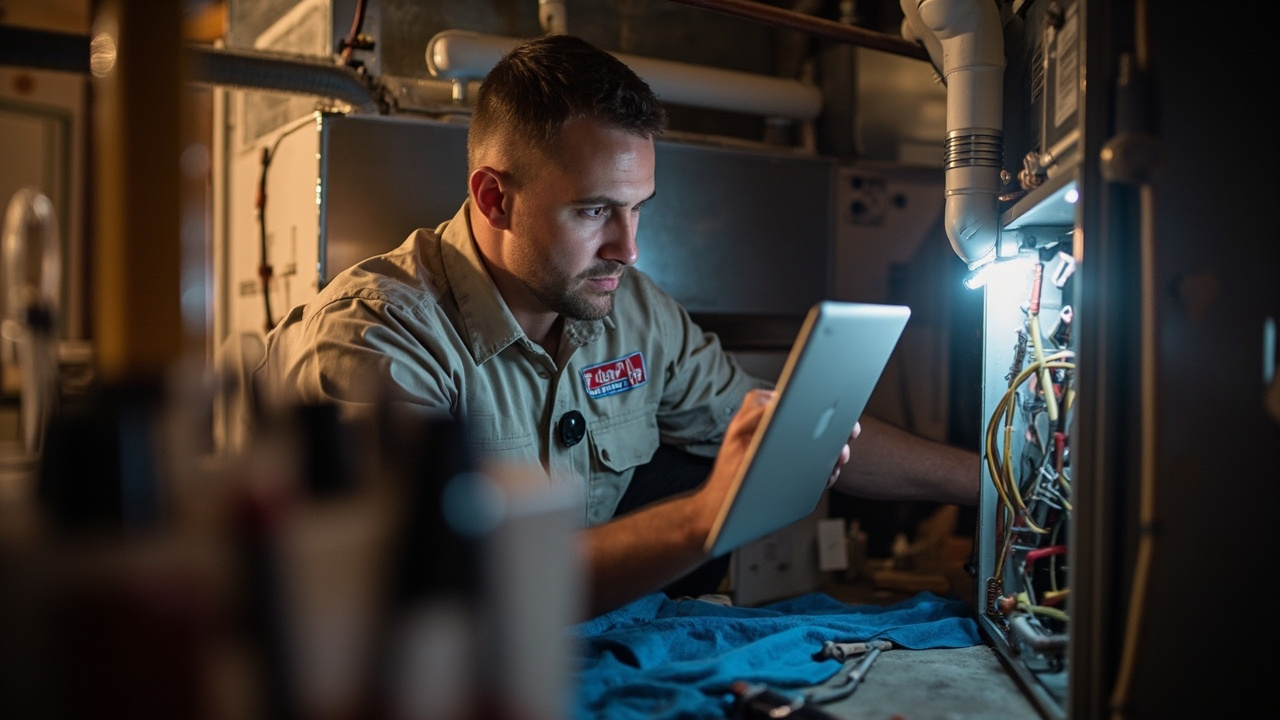
Your furnace gets a complete cleaning. We remove and clean the burner assembly, vacuum the heat exchanger, and wash the blower wheel. Every electrical connection gets checked for tightness. We lubricate motor bearings, adjust belt tension if applicable, and calibrate the gas valve. This hands-on work addresses wear patterns specific to Austin's climate and prevents the failures that happen during the coldest nights.
03

Final Testing and Documentation

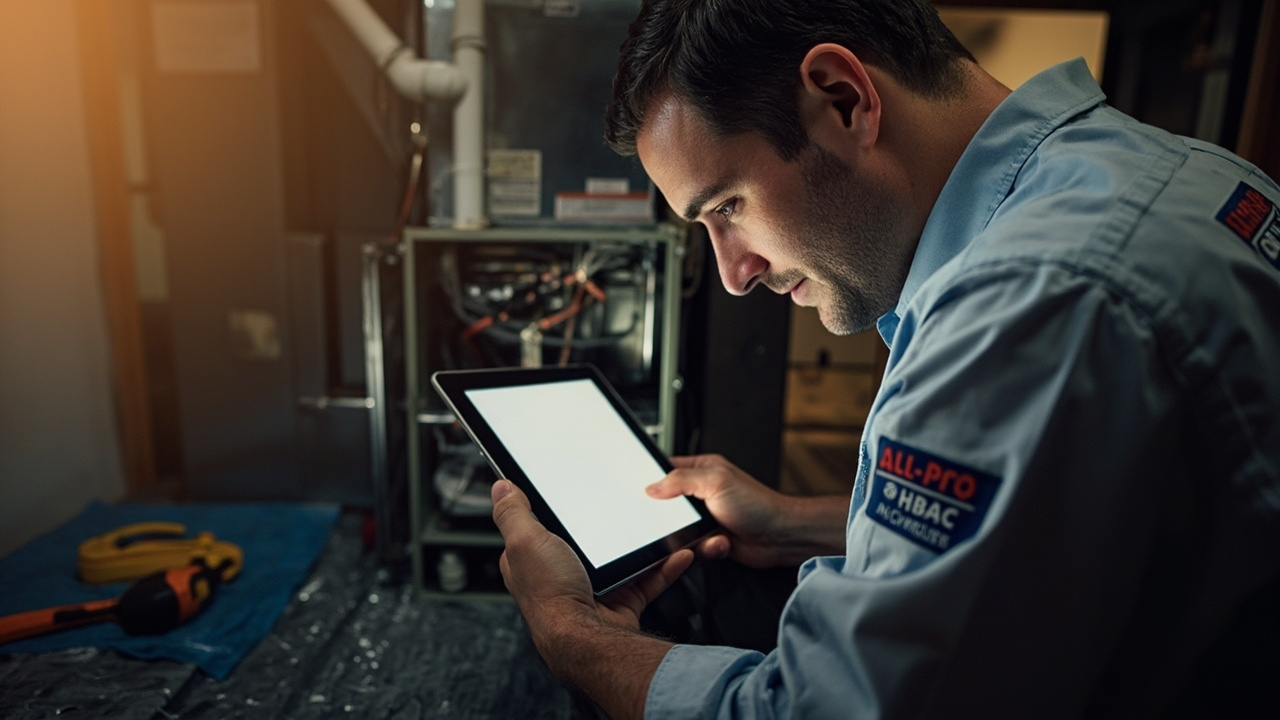
We run another complete heat cycle after maintenance and verify all improvements. You receive a detailed report showing before and after measurements, any components that need monitoring, and recommendations for optimizing efficiency. We set your system up for reliable operation through winter. If we find safety issues, you know about them before you rely on that furnace during a freeze.

Why Central Texas Homeowners Trust Our Heating Maintenance Expertise

All Pro HVAC Austin technicians understand the specific challenges your heating system faces in this climate. We know that furnaces in neighborhoods like Hyde Park and Clarksville, with homes built in the 1920s and 1930s, need different attention than systems in newer developments in Pflugerville or Round Rock. Older ductwork requires different sealing approaches. Vintage systems need compatible parts and careful adjustment.

We recognize the signs of problems caused by Central Texas conditions. Heat exchangers crack in predictable patterns when systems sit idle through long, hot summers. Gas valves fail in specific ways after years of humid air exposure. Blower motors develop bearing problems from accumulated cedar pollen and construction dust that blows in from constant development around Austin.

Our preventative heating maintenance approach addresses the root causes of furnace failures in this region. We do not follow a generic checklist. We adapt our seasonal furnace service schedule to match Austin's weather patterns and your system's specific vulnerabilities. When cold fronts arrive, your furnace works because we prepared it for exactly this climate.

You get straight information about your system's condition. If your heat exchanger shows early signs of stress, we explain what that means and how long you have before replacement becomes necessary. If your ductwork wastes energy, we quantify the loss. We give you the facts you need to make informed decisions about repairs, replacements, and efficiency improvements for your home's heating system.

What Your Furnace Tune-Up Appointment Includes

Scheduling and Service Window

Your annual furnace inspection takes 90 minutes to two hours for a thorough evaluation. We schedule appointments seven days a week during fall, when you want this service completed before the first real cold snap. You get a confirmed arrival window, and our technician calls 30 minutes before arrival. We recommend scheduling in October or early November, before heating season demand increases and while you can still test your system without relying on it for comfort.

Comprehensive System Assessment

Your technician conducts a complete visual and functional inspection. This includes combustion analysis, electrical component testing, and airflow measurement. We check every safety switch, verify proper venting, and test thermostat operation. You receive an honest assessment of your system's condition, remaining service life, and any concerns that need attention. We explain findings in plain language and show you problems when possible, so you understand what needs addressing and what can wait.

Performance Optimization

Your furnace runs at peak efficiency after our tune-up. Clean components, proper airflow, and correct gas pressure reduce your heating costs and extend equipment life. We optimize temperature rise, adjust burner flame patterns, and verify proper cycling. Most homeowners see lower utility bills immediately. Your system heats your home faster and maintains more consistent temperatures. The investment in preventative maintenance pays back through reduced energy consumption and fewer emergency repair calls during winter.

Ongoing Support and Planning

You receive documentation of all work completed and any recommendations for future service. We note components that show wear and provide realistic timelines for when attention becomes necessary. If your furnace approaches the end of its service life, we discuss replacement options without pressure. You can call us with questions after your appointment. We keep your service records and remind you when your next seasonal furnace service appointment is due, so your system stays maintained on schedule.

Frequently Asked Questions

You Have Questions,
We Have Answers

What maintenance should be done on a furnace? +

Furnace maintenance includes inspecting the heat exchanger for cracks, testing the ignition system, cleaning or replacing the air filter, and checking the blower motor. Technicians examine the flue pipe for blockages, test safety controls, and measure combustion efficiency. In Austin, where winter temperatures swing unpredictably, verifying the thermostat calibration prevents short cycling. Professionals also check gas line connections, inspect the burner flame pattern, and lubricate moving parts. This annual service prevents carbon monoxide risks, improves efficiency, and catches small issues before they become expensive failures during cold snaps.

What are the 7 basic preventive maintenance elements? +

The seven basic preventive maintenance elements are inspection, cleaning, lubrication, adjustment, calibration, testing, and record keeping. For furnaces in Austin homes, inspection identifies worn components. Cleaning removes dust from blower assemblies. Lubrication reduces friction on motor bearings. Adjustment ensures proper gas pressure and airflow. Calibration fine-tunes thermostat accuracy. Testing verifies safety switches and limit controls work correctly. Record keeping tracks service history and reveals patterns that predict future failures. These elements prevent breakdowns during the handful of cold weeks Austin experiences each winter, when replacement parts become scarce and service calls surge.

What is the $5000 rule for HVAC? +

The $5,000 rule suggests that if your furnace repair costs more than $5,000 and the unit is over 15 years old, replacement makes more financial sense than repair. You multiply the repair estimate by the furnace age. If the result exceeds $5,000, replace the system. In Austin, where mild winters mean furnaces run fewer hours than northern climates, units often last longer. However, older systems use more energy. With Austin Energy rates climbing, a high-efficiency replacement can pay for itself through lower utility bills, even if the old furnace still functions.

What is included in a furnace tune up? +

A furnace tune-up includes filter replacement, blower cleaning, heat exchanger inspection, and thermostat testing. Technicians check electrical connections, measure voltage and amperage, and test the ignition system. They inspect the flue for proper venting, examine the burner flame, and verify safety controls shut the system down if problems occur. In Austin, where homes often use heat pumps with electric backup strips, technicians also test resistance heating elements. They measure airflow, check refrigerant levels if applicable, and lubricate motors. The service ends with a combustion analysis to ensure efficient, safe operation.

What's the average cost of a furnace tune-up? +

Furnace tune-ups in Austin range from $80 to $150 for basic service. Comprehensive maintenance agreements that include annual service, priority scheduling, and discounted repairs cost $150 to $300 yearly. Prices vary based on furnace type, system complexity, and service provider. Natural gas furnaces cost less to service than oil furnaces, which require more intensive cleaning. Homes with combined heating and cooling systems may pay more for dual-system maintenance. Spring and fall shoulder seasons offer lower prices than emergency service during cold snaps, when demand spikes and technicians work overtime.

How do I service my furnace myself? +

You can replace your furnace filter monthly, clear debris from outdoor vents, and keep the area around your furnace unobstructed. Check that your thermostat displays correctly and replace batteries annually. Listen for unusual noises like grinding or squealing. However, combustion testing, gas line inspection, heat exchanger examination, and electrical diagnostics require professional tools and training. In Austin, where furnaces sit idle most of the year, dust accumulation and pest intrusion require expert cleaning. Attempting repairs on gas appliances without proper certification creates carbon monoxide risks and voids warranties. Schedule annual professional service instead.

What are the 4 P's of maintenance? +

The four P's of maintenance are Preservation, Prediction, Prevention, and Performance. Preservation maintains equipment in working condition through regular cleaning and adjustments. Prediction uses diagnostics to forecast failures before they happen. Prevention addresses small issues before they escalate into system breakdowns. Performance optimization ensures equipment operates at peak efficiency. For Austin furnaces that endure long periods of disuse followed by sudden demand during cold fronts, these principles prevent stuck components, seized motors, and ignition failures. Following the four P's reduces energy waste and extends equipment lifespan in the variable Texas climate.

What is the 10% rule of preventive maintenance? +

The 10% rule states that preventive maintenance should consume 10% or less of total maintenance resources, with the remaining 90% dedicated to proactive and predictive work. This principle shifts focus from reactive repairs to scheduled service that prevents failures. For Austin homeowners, this means annual furnace maintenance should cost far less than emergency repairs during a January freeze. The rule emphasizes prevention over crisis response. When you invest in regular tune-ups, you avoid the cascading failures that happen when neglected systems break down, requiring expensive parts, rush service, and potential damage to other home systems.

What are the 3 P's of maintenance? +

The three P's of maintenance are Planned, Preventive, and Predictive. Planned maintenance follows a schedule based on manufacturer recommendations and usage patterns. Preventive maintenance addresses wear and tear before failures occur. Predictive maintenance uses diagnostic data to anticipate problems. In Austin, where furnaces may run only 30 to 45 days yearly, planned annual service prevents issues from long dormant periods. Preventive filter changes maintain airflow. Predictive combustion analysis reveals efficiency losses. These approaches reduce emergency breakdowns during the brief winter heating season, when technician availability drops and parts become harder to source quickly.

What is the 2 foot rule for HVAC? +

The two-foot rule requires maintaining two feet of clearance around HVAC equipment for safety, service access, and proper airflow. This space prevents fire hazards, allows technicians to work safely, and ensures adequate combustion air for gas furnaces. In Austin garages and closets where space is tight, homeowners often stack storage against furnaces, blocking access panels and creating code violations. The clearance also prevents heat damage to nearby materials and allows proper ventilation. Inspectors check this during service calls. Violating the two-foot rule can void warranties, create insurance issues, and increase fire risk in your home.

How Austin's Freeze-Thaw Cycles and Summer Dormancy Affect Your Furnace Reliability

Central Texas heating systems face unique stress from extended periods of non-use followed by sudden, critical demand. Your furnace might sit completely idle from March through October, accumulating dust and humidity inside the cabinet. Then a polar vortex pushes through, temperatures drop into the teens, and you need immediate heat. Components that sat dormant for eight months must fire instantly and run continuously for days. Heat exchangers expand and contract rapidly. Igniter elements crack from thermal shock. This cycle of dormancy and intense demand accelerates wear patterns that do not exist in climates with consistent heating seasons.

Homes throughout Travis County, from downtown high-rises to ranch properties in western hills, require furnace maintenance adapted to local conditions. The heating system maintenance steps that protect your investment account for cedar pollen accumulation, limestone dust from constant construction, and humidity levels that promote component corrosion. All Pro HVAC Austin brings years of experience maintaining furnaces in this specific climate. We understand what fails first in Austin systems and how to prevent those failures through targeted preventative care. Your neighbors rely on our expertise because we know this region's HVAC challenges.
HVAC Services in The Austin Area

We are proud to serve the entire area, providing exceptional HVAC services to both residential and commercial clients. Our service area is extensive, ensuring that no matter where you are located, you can count on us for reliable and prompt service. We invite you to view our location on the map and see how conveniently positioned we are to meet all of your heating and cooling needs. We are just a call away.

Address:
All Pro HVAC Austin, 313 E 12th St, Austin, TX, 78701

Additional Services We Offer

Our news updates

Latest Articles & News from The Blogs

How to Spot Hidden Hail Damage on Your AC Unit After an Austin Storm Central Texas hailstorms can wreak havoc…

How to Spot Hidden Hail Damage on Your AC Unit After an Austin Storm

How to Spot Hidden Hail Damage on Your AC Unit After an Austin Storm Central Texas hailstorms can wreak havoc…

Troubleshooting airflow issues in two story homes near Walnut Creek

Why Your Two-Story Home Near Walnut Creek Has Airflow Problems Living in a two-story home near Walnut Creek offers beautiful…

Why your Anderson Mill home might need a 5 inch media filter upgrade

Why your Anderson Mill home might need a 5 inch media filter upgrade Your Anderson Mill home deserves better air…

Contact Us

Do not wait until your furnace fails on the coldest night of the year. Call All Pro HVAC Austin at (737) 316-0777 to schedule your annual heating system maintenance. We prepare your furnace for reliable operation through every Central Texas freeze.