


San Marcos sits at the intersection of two climate zones where the Hill Country meets the Blackland Prairie, creating specific demands on cooling systems. Summer temperatures regularly hit 100 degrees, and your AC runs nearly eight months of the year. The limestone bedrock and caliche soil common from Blanco Gardens to Purgatory Creek retains heat, radiating warmth into homes well after sunset. This constant thermal load strains compressors and shortens equipment life.
The Edwards Aquifer recharge zone beneath San Marcos means high humidity levels, especially near the San Marcos River corridor. Your system works harder to remove moisture, stressing drain lines and evaporator coils. Hard water deposits from local aquifer sources clog condensate drains, causing overflow and water damage. Homes built in the 1960s and 1970s across neighborhoods like Blanco Vista often have undersized ductwork that struggles to distribute cooled air efficiently. New construction in developments near Wonderworld Drive features modern spray foam insulation that changes air pressure dynamics and requires precise system balancing. These factors combine to make HVAC maintenance and repair more critical in San Marcos than in cooler regions.
All Pro HVAC Austin built our reputation in Central Texas by showing up when we say we will and fixing problems the first time. We serve San Marcos with the same urgency we bring to our Austin customers because we understand Texas heat does not wait. Our technicians carry fully stocked trucks with common parts for York, Trane, Carrier, Lennox, and Rheem systems, which means most repairs finish in a single visit.
We diagnose problems honestly. If your compressor failed because the previous company installed the wrong refrigerant charge three years ago, we tell you. If your system just needs a capacitor and a cleaning, we do not pitch you a new unit. This approach costs us some big-ticket sales, but it earns long-term trust from San Marcos families who call us first when something breaks.
Our pricing is transparent before we start work. You receive a written estimate that includes parts, labor, and any permits required by the City of San Marcos. No surprise fees. No trip charges if you move forward with the repair. We work directly with insurance companies on storm damage claims and provide documentation that satisfies adjusters.
Every technician on our team holds NATE certification and completes annual factory training. We follow Texas Department of Licensing and Regulation standards and pull permits for all installations and major modifications. When we replace a system, we calculate Manual J load requirements specific to your home's square footage, insulation values, and window placement. Proper sizing prevents short cycling and reduces energy bills. We serve San Marcos because the community values quality work, and we deliver it consistently.

When your AC fails in San Marcos heat, waiting is dangerous. We dispatch technicians the same day you call, with most emergency repairs completed within hours. Our trucks stay stocked with parts for immediate fixes, and we operate seven days a week during cooling season to keep your family safe.

We diagnose the actual problem, not the most expensive solution. Our technicians explain what failed, why it happened, and what options you have. If cleaning your coils and replacing a contactor solves the issue, we do not push a new system. You make informed decisions based on facts.
Every All Pro HVAC Austin technician carries North American Technician Excellence certification, the industry standard for competency. We complete annual manufacturer training on new equipment and refrigerants. This expertise means accurate diagnosis, proper repairs, and installations that meet manufacturer specifications for warranty protection.
We understand how San Marcos climate, soil, and construction styles affect HVAC performance. From limestone foundation issues in older neighborhoods to spray foam challenges in new builds, our team recognizes local factors that impact system efficiency and recommends solutions specific to your property.
All Pro HVAC Austin handles every aspect of climate control for San Marcos homes and businesses. We repair all major brands of air conditioning systems, heat pumps, and furnaces. Our service range includes emergency breakdowns, scheduled maintenance, full system replacements, and indoor air quality improvements. We work on residential properties from single-family homes to multi-unit complexes, plus commercial buildings up to 10 tons of cooling capacity.
Our approach separates into three main categories based on urgency and scope. Emergency repairs get you cool again fast when something breaks. Maintenance services prevent breakdowns and extend equipment life. Installation projects replace failing systems or upgrade undersized units. Each category requires different skills and equipment. Emergency work demands quick diagnosis and parts availability. Maintenance requires attention to detail and knowledge of how systems degrade over time. Installations need engineering calculations and construction expertise. Our technicians train specifically for each type of work, ensuring you get specialists who understand the unique requirements of your service need.
When your air conditioner stops working in San Marcos heat, we respond the same day. Our technicians diagnose compressor failures, refrigerant leaks, failed capacitors, broken contactors, and control board issues on site. We repair Trane, Carrier, Lennox, York, Rheem, and Goodman systems. Most emergency repairs finish in one visit because our trucks carry common parts. We test system performance after repairs to verify proper operation and safe refrigerant pressures.
Regular maintenance catches problems before they cause system failure. We inspect electrical connections, measure refrigerant charge, clean evaporator and condenser coils, check drain lines, test capacitors, and verify airflow. San Marcos humidity and dust load accelerates wear on AC components. Twice-yearly service keeps your system running efficiently and identifies parts nearing failure. We provide written reports with photos of problem areas and recommendations prioritized by urgency.
When repair costs approach replacement value or your system exceeds 15 years old, installation makes financial sense. We calculate Manual J heat load for your specific home, accounting for insulation, window orientation, and San Marcos climate data. Proper sizing prevents short cycling and humidity problems. We install high-efficiency systems from leading manufacturers, modify ductwork as needed, and pull City of San Marcos permits. All installations include startup, system balancing, and warranty registration.
San Marcos climate and construction patterns create predictable HVAC challenges. The extended cooling season from April through October puts eight months of strain on compressors and fan motors. High humidity near the San Marcos River and Spring Lake accelerates corrosion on outdoor units. Limestone dust from nearby quarries and construction clogs filters faster than in other regions. Homes built during San Marcos growth periods from the 1960s through 1980s often have outdated ductwork that leaks conditioned air into attics and crawl spaces.
The shift toward spray foam insulation in newer construction changes how homes breathe, sometimes creating negative pressure that strains HVAC systems. Older neighborhoods near Texas State University feature pier and beam foundations where rodents damage ductwork and insulation. Hard water from the Edwards Aquifer leaves mineral deposits that clog condensate drains and damage drain pans. These factors combine to create specific failure patterns we see repeatedly across San Marcos properties.
San Marcos humidity corrodes copper refrigerant lines and coil joints, especially on systems over eight years old. Small leaks reduce cooling capacity gradually, making rooms feel warm even when the system runs constantly. We locate leaks using electronic detectors and nitrogen pressure testing, repair the damaged section, and recharge to manufacturer specifications.
Hard water minerals and algae growth block condensate drain lines, causing water to overflow into ceilings and walls. San Marcos aquifer water contains high mineral content that accelerates buildup. We clear blockages, treat lines with algaecide tablets, and install float switches that shut down systems before overflow damage occurs.
Texas heat degrades capacitors faster than moderate climates. These components fail without warning, preventing compressors and fan motors from starting. Symptoms include humming sounds from the outdoor unit or complete silence when the thermostat calls for cooling. We carry replacement capacitors on every truck and restore operation within minutes of diagnosis.
Older San Marcos homes often have duct systems designed for smaller AC units installed decades ago. Leaking joints in attic ductwork waste conditioned air and increase energy bills. We perform blower door tests and duct leakage calculations to measure losses, then seal leaks with mastic and insulate exposed sections to improve efficiency.
When you contact All Pro HVAC Austin for service in San Marcos, you work with technicians who respect your time and property. We answer calls from real people at our office, not automated systems. You speak directly with someone who understands HVAC and can assess urgency. For emergency breakdowns during San Marcos heat, we dispatch the closest available technician and provide an estimated arrival window.
Our technicians arrive in marked trucks with your appointment details already reviewed. They wear shoe covers, put down floor protection, and keep work areas clean. You receive clear explanations about what we found, what it costs to fix, and how long repairs will take. We do not start work until you approve the estimate in writing. After completing repairs, we test system operation and show you what we fixed. You receive an invoice detailing parts used, labor performed, and warranty information. Our goal is zero confusion about what happened and what you paid for.
You speak with knowledgeable staff who ask the right questions to understand your problem. We explain what to expect during the service call, including diagnostic fees, typical repair costs for your symptoms, and appointment windows. For emergencies, we provide realistic arrival times and call ahead when the technician is 20 minutes away. You never wonder where we are or when we will arrive.
After diagnosing your HVAC problem, our technician provides a detailed written estimate that breaks down parts costs and labor charges. You see exactly what you are paying for. We explain your options if multiple solutions exist, including repair versus replacement considerations. No work starts until you approve the estimate and sign. No surprise charges appear on your final invoice.
After repairs, we test system operation to verify proper cooling, correct refrigerant pressures, and safe electrical readings. We show you what we fixed and explain any maintenance recommendations. Our technicians remove all trash, vacuum work areas, and leave your property as clean as we found it. You receive documentation including warranty information and service records for future reference.
We keep the service process simple because you need cooling restored, not complicated procedures. Three clear steps get your San Marcos home or business comfortable again.
Call (737) 316-0777 to schedule service or request emergency dispatch. We gather details about your AC problem and provide an appointment window. When our technician arrives, they inspect your system thoroughly, test components, and identify the failure point. You receive a clear explanation of what broke and why it happened.
We present a written estimate with parts and labor costs clearly listed. Once you approve, we complete the repair using quality components that meet or exceed manufacturer specifications. Most repairs finish the same day. For complex jobs requiring special parts, we explain the timeline and keep you updated on progress.
After repairs, we run your system through complete cooling cycles to verify proper operation. We measure airflow, check refrigerant pressures, and test safety controls. You receive documentation of work performed, parts installed, and warranty coverage. We answer any questions about operating your system efficiently and schedule follow-up maintenance if needed.
Professional HVAC service in Texas requires adherence to specific codes and industry standards that protect homeowners and ensure system performance. All Pro HVAC Austin follows Texas Department of Licensing and Regulation requirements for HVAC contractors, including proper licensing, insurance, and permitting procedures. When we install or modify systems in San Marcos, we pull permits through the City of San Marcos Development Services Department and schedule required inspections.
Refrigerant handling follows EPA Section 608 regulations. Our technicians hold Universal certification for working with all refrigerant types, including older R-22 systems and newer R-410A equipment. We recover refrigerant using approved equipment before opening systems, preventing environmental release and ensuring legal compliance. When charging systems, we follow manufacturer superheat and subcooling specifications rather than using pressure charts alone, because San Marcos altitude and ambient temperatures affect these readings.
Electrical work meets National Electrical Code standards enforced by San Marcos building officials. We install disconnect boxes within sight of outdoor units, use properly sized wire gauges for amperage loads, and verify correct breaker sizing. Ductwork modifications follow ACCA Manual D calculations for friction loss and air velocity. We seal all joints with mastic rather than cloth tape, which fails in Texas heat. Insulation on supply ducts meets or exceeds R-8 values required for attic installations in climate zone 2.
System sizing calculations use ACCA Manual J methodology, which accounts for San Marcos climate data including design temperatures, humidity levels, and solar load factors. We measure actual square footage, window areas, insulation values, and infiltration rates rather than estimating. Oversized systems short cycle and fail to dehumidify properly. Undersized systems run continuously without reaching set temperature. Proper calculations prevent both problems and ensure comfortable, efficient operation.
EPA Section 608 requires certification for anyone handling refrigerants. Our technicians hold Universal certification covering all system types. We use approved recovery equipment, measure charge by superheat and subcooling rather than pressure alone, and document all refrigerant added or recovered. This protects the environment and ensures your system operates at peak efficiency.
Repair costs depend on parts prices, labor complexity, and refrigerant type. Compressor replacements cost more than capacitor changes because compressors require refrigerant recovery, brazing, vacuum pumps, and recharging. Systems using R-22 refrigerant cost more to service than R-410A systems because R-22 is no longer manufactured. Age affects parts availability and whether repair makes financial sense compared to replacement.
Most emergency repairs finish within two to four hours once we arrive. Simple fixes like capacitor replacement take 30 minutes. Complex repairs requiring refrigerant work or component replacement may take half a day. Full system installations require one to three days depending on ductwork modifications and permit inspections. We provide accurate time estimates before starting work.
The City of San Marcos requires permits for HVAC system replacements, new installations, and major modifications including ductwork changes over 40 feet. Permits typically cost $100 to $200 and require inspections within seven days of completion. We handle all permitting paperwork and schedule inspections. Permitted work protects your property value and ensures warranty coverage.
Educational video explaining HVAC repair service in San Marcos, Texas. Covers common air conditioning failures specific to Central Texas climate including refrigerant leaks, capacitor failures, and ductwork issues. Explains what homeowners should expect during service calls, how to evaluate repair recommendations, and when system replacement makes financial sense. Details climate factors affecting HVAC performance in San Marcos including humidity, extended cooling seasons, and limestone dust. Provides guidance on selecting qualified technicians and understanding diagnostic processes for AC service.
All Pro HVAC Austin serves the entire San Marcos area from the historic neighborhoods near Downtown and the San Marcos River corridor to newer developments spreading east toward Martindale and south along Interstate 35. We know the HVAC challenges specific to different parts of the city because we work across all San Marcos zip codes daily.
Older neighborhoods around LBJ Drive and Oakwood Loop feature homes built in the 1960s and 1970s with original ductwork that often needs modification when systems get replaced. These properties typically have pier and beam foundations where we access ductwork easily, but insulation under floors requires attention to prevent condensation issues. The tree canopy in established neighborhoods like Blanco Vista provides shade that reduces cooling loads but drops leaves and debris that clog outdoor units.
New construction east of Interstate 35 toward Hays County Road 213 presents different challenges. Spray foam insulation creates tight building envelopes that require careful attention to fresh air ventilation and system balancing. Builders sometimes install minimum-efficiency equipment to hit price points, and homeowners call us within a few years for upgrades. We see more zoning system requests in these larger floor plans where families want independent temperature control for different wings.
The areas near Texas State University between Comanche Street and Sessom Drive include rental properties and student housing where deferred maintenance creates service calls. Landlords need cost-effective repairs that extend equipment life without full replacement costs. We provide honest assessments about whether repairing makes sense given the property use and remaining system life.
South San Marcos developments near Wonder World Drive and neighborhoods extending toward Uhland face intense sun exposure with minimal tree cover. These properties need properly sized systems with adequate SEER ratings to handle the thermal load. We frequently upgrade insulation recommendations and install programmable thermostats to help manage energy costs in these areas.
Commercial properties along Interstate 35 and around the Outlet Malls require different expertise than residential service. We handle package units and split systems up to 10 tons, coordinating with property managers on scheduling to minimize business disruption. Whether you are in the established neighborhoods near Spring Lake or new construction spreading toward Niederwald, we bring the same commitment to fast response and permanent solutions.
The $5000 rule is a guideline to decide between repair and replacement. If your HVAC system needs a repair, multiply the system's age by the repair cost. If the result exceeds $5000, replacement makes more financial sense. For example, a 12-year-old system needing a $500 compressor repair equals $6000, suggesting replacement. In San Marcos, where summer heat and humidity stress older systems, this rule helps homeowners avoid throwing money at outdated equipment that will fail again soon. Consider efficiency gains and energy savings when evaluating your options.
Average HVAC jobs in San Marcos vary widely by scope. A simple repair like replacing a capacitor or thermostat runs a few hundred dollars. Compressor replacements or ductwork repairs can reach several thousand. Full system replacements for typical homes range from mid-range to higher-end, depending on system size, efficiency rating, and installation complexity. San Marcos humidity and Texas heat demand properly sized equipment. Get multiple quotes, verify proper load calculations for your square footage, and confirm the contractor pulls permits to ensure code-compliant installation.
A 2000 square foot home in San Marcos typically requires a 3 to 4-ton HVAC system. Costs vary based on efficiency rating, brand, ductwork condition, and whether you choose single-stage or variable-speed equipment. Higher SEER ratings reduce energy bills in our hot climate but increase upfront investment. Factor in San Marcos specific needs like humidity control and proper insulation. Installation complexity affects pricing. Always request a Manual J load calculation to ensure proper sizing. Undersized systems run constantly, oversized systems short-cycle and fail to dehumidify properly.
The $5000 rule is a guideline to decide between repair and replacement. If your HVAC system needs a repair, multiply the system's age by the repair cost. If the result exceeds $5000, replacement makes more financial sense. For example, a 12-year-old system needing a $500 compressor repair equals $6000, suggesting replacement. In San Marcos, where summer heat and humidity stress older systems, this rule helps homeowners avoid throwing money at outdated equipment that will fail again soon. Consider efficiency gains and energy savings when evaluating your options.
Average HVAC jobs in San Marcos vary widely by scope. A simple repair like replacing a capacitor or thermostat runs a few hundred dollars. Compressor replacements or ductwork repairs can reach several thousand. Full system replacements for typical homes range from mid-range to higher-end, depending on system size, efficiency rating, and installation complexity. San Marcos humidity and Texas heat demand properly sized equipment. Get multiple quotes, verify proper load calculations for your square footage, and confirm the contractor pulls permits to ensure code-compliant installation.
A 2000 square foot home in San Marcos typically requires a 3 to 4-ton HVAC system. Costs vary based on efficiency rating, brand, ductwork condition, and whether you choose single-stage or variable-speed equipment. Higher SEER ratings reduce energy bills in our hot climate but increase upfront investment. Factor in San Marcos specific needs like humidity control and proper insulation. Installation complexity affects pricing. Always request a Manual J load calculation to ensure proper sizing. Undersized systems run constantly, oversized systems short-cycle and fail to dehumidify properly.
The 3-minute rule protects your compressor from damage. After your air conditioner shuts off, wait at least 3 minutes before restarting it. This allows refrigerant pressures to equalize throughout the system. Restarting too quickly forces the compressor to start against high pressure, causing electrical strain and potential burnout. In San Marcos heat, you may be tempted to restart immediately if your home warms up, but patience saves expensive compressor repairs. Modern thermostats include built-in delay timers. If your system short-cycles frequently, call a technician to diagnose the underlying problem.
A 4000 square foot home in San Marcos needs a larger system, typically 5 tons or more, depending on insulation, ceiling height, window exposure, and layout. Costs increase with system size and capacity. Multi-zone systems or dual units may be necessary for proper coverage and efficiency. San Marcos climate demands equipment that handles both sensible and latent cooling loads. Higher-efficiency variable-speed systems cost more upfront but significantly reduce operating costs in large homes. Proper ductwork design and sealing are critical. Get a detailed load calculation and multiple bids from licensed contractors.
As of 2025, residential HVAC systems may qualify for federal energy efficiency tax credits under the Inflation Reduction Act if they meet specific SEER2 and efficiency requirements. High-efficiency heat pumps and central air conditioners can qualify for credits up to certain amounts. San Marcos homeowners should verify current IRS guidelines and ensure their chosen equipment meets minimum thresholds. Credits require documentation and proper filing. Installation costs are not deductible as regular home improvement expenses. Consult a tax professional to confirm eligibility and maximize available incentives for your specific situation.
HVAC systems in San Marcos typically last 12 to 15 years with proper maintenance. Texas heat and humidity accelerate wear on components. Systems running constantly during summer months experience more stress than equipment in milder climates. Regular filter changes, annual tune-ups, and prompt repairs extend lifespan. Coastal humidity, dust from nearby construction, and hard water affecting drain lines all impact longevity. Neglected systems fail earlier. After 10 years, efficiency drops and repairs become more frequent. Plan replacement when repair costs escalate or efficiency drops significantly.
Homeowners insurance rarely covers HVAC repairs from normal wear and tear or lack of maintenance. Insurance may cover damage from covered perils like lightning strikes, vandalism, or fire. If a storm damages your outdoor condenser unit, your policy might apply after you meet your deductible. San Marcos residents should review their specific policy language. Some home warranty plans cover HVAC breakdowns, but read exclusions carefully. Most mechanical failures from age or deferred maintenance fall on the homeowner. Document damage immediately after storms and contact your insurance agent to file claims promptly.
The most common HVAC repairs in San Marcos include capacitor failures, refrigerant leaks, clogged drain lines, failed contactors, and dirty evaporator coils. Capacitors fail frequently in extreme heat. Drain lines clog from humidity and algae growth. Refrigerant leaks reduce cooling capacity and efficiency. Dirty air filters restrict airflow, freezing coils and damaging blowers. Thermostat malfunctions cause comfort issues. Contactor pitting prevents compressor startup. Regular maintenance catches these issues early. San Marcos heat and humidity accelerate component wear. Address problems immediately to prevent secondary damage that increases repair costs.
Fall and early spring offer the best pricing for HVAC systems in San Marcos. October through March sees lower demand, so contractors offer better pricing and more flexible scheduling. You avoid emergency replacement during summer heat when prices spike and wait times extend. Fall installation lets you test heating before winter and prepare for the next cooling season. San Marcos mild winters make fall ideal for installation without comfort concerns. Avoid buying during peak summer when demand is highest. Plan ahead, get multiple quotes during off-season, and negotiate better terms when contractors need work.
The 3-minute rule protects your compressor from damage. After your air conditioner shuts off, wait at least 3 minutes before restarting it. This allows refrigerant pressures to equalize throughout the system. Restarting too quickly forces the compressor to start against high pressure, causing electrical strain and potential burnout. In San Marcos heat, you may be tempted to restart immediately if your home warms up, but patience saves expensive compressor repairs. Modern thermostats include built-in delay timers. If your system short-cycles frequently, call a technician to diagnose the underlying problem.
A 4000 square foot home in San Marcos needs a larger system, typically 5 tons or more, depending on insulation, ceiling height, window exposure, and layout. Costs increase with system size and capacity. Multi-zone systems or dual units may be necessary for proper coverage and efficiency. San Marcos climate demands equipment that handles both sensible and latent cooling loads. Higher-efficiency variable-speed systems cost more upfront but significantly reduce operating costs in large homes. Proper ductwork design and sealing are critical. Get a detailed load calculation and multiple bids from licensed contractors.
As of 2025, residential HVAC systems may qualify for federal energy efficiency tax credits under the Inflation Reduction Act if they meet specific SEER2 and efficiency requirements. High-efficiency heat pumps and central air conditioners can qualify for credits up to certain amounts. San Marcos homeowners should verify current IRS guidelines and ensure their chosen equipment meets minimum thresholds. Credits require documentation and proper filing. Installation costs are not deductible as regular home improvement expenses. Consult a tax professional to confirm eligibility and maximize available incentives for your specific situation.
HVAC systems in San Marcos typically last 12 to 15 years with proper maintenance. Texas heat and humidity accelerate wear on components. Systems running constantly during summer months experience more stress than equipment in milder climates. Regular filter changes, annual tune-ups, and prompt repairs extend lifespan. Coastal humidity, dust from nearby construction, and hard water affecting drain lines all impact longevity. Neglected systems fail earlier. After 10 years, efficiency drops and repairs become more frequent. Plan replacement when repair costs escalate or efficiency drops significantly.
Homeowners insurance rarely covers HVAC repairs from normal wear and tear or lack of maintenance. Insurance may cover damage from covered perils like lightning strikes, vandalism, or fire. If a storm damages your outdoor condenser unit, your policy might apply after you meet your deductible. San Marcos residents should review their specific policy language. Some home warranty plans cover HVAC breakdowns, but read exclusions carefully. Most mechanical failures from age or deferred maintenance fall on the homeowner. Document damage immediately after storms and contact your insurance agent to file claims promptly.
The most common HVAC repairs in San Marcos include capacitor failures, refrigerant leaks, clogged drain lines, failed contactors, and dirty evaporator coils. Capacitors fail frequently in extreme heat. Drain lines clog from humidity and algae growth. Refrigerant leaks reduce cooling capacity and efficiency. Dirty air filters restrict airflow, freezing coils and damaging blowers. Thermostat malfunctions cause comfort issues. Contactor pitting prevents compressor startup. Regular maintenance catches these issues early. San Marcos heat and humidity accelerate component wear. Address problems immediately to prevent secondary damage that increases repair costs.
Fall and early spring offer the best pricing for HVAC systems in San Marcos. October through March sees lower demand, so contractors offer better pricing and more flexible scheduling. You avoid emergency replacement during summer heat when prices spike and wait times extend. Fall installation lets you test heating before winter and prepare for the next cooling season. San Marcos mild winters make fall ideal for installation without comfort concerns. Avoid buying during peak summer when demand is highest. Plan ahead, get multiple quotes during off-season, and negotiate better terms when contractors need work.
We are proud to serve the entire area, providing exceptional HVAC services to both residential and commercial clients. Our service area is extensive, ensuring that no matter where you are located, you can count on us for reliable and prompt service. We invite you to view our location on the map and see how conveniently positioned we are to meet all of your heating and cooling needs. We are just a call away.
Address:
San Marcos, TX, 78666
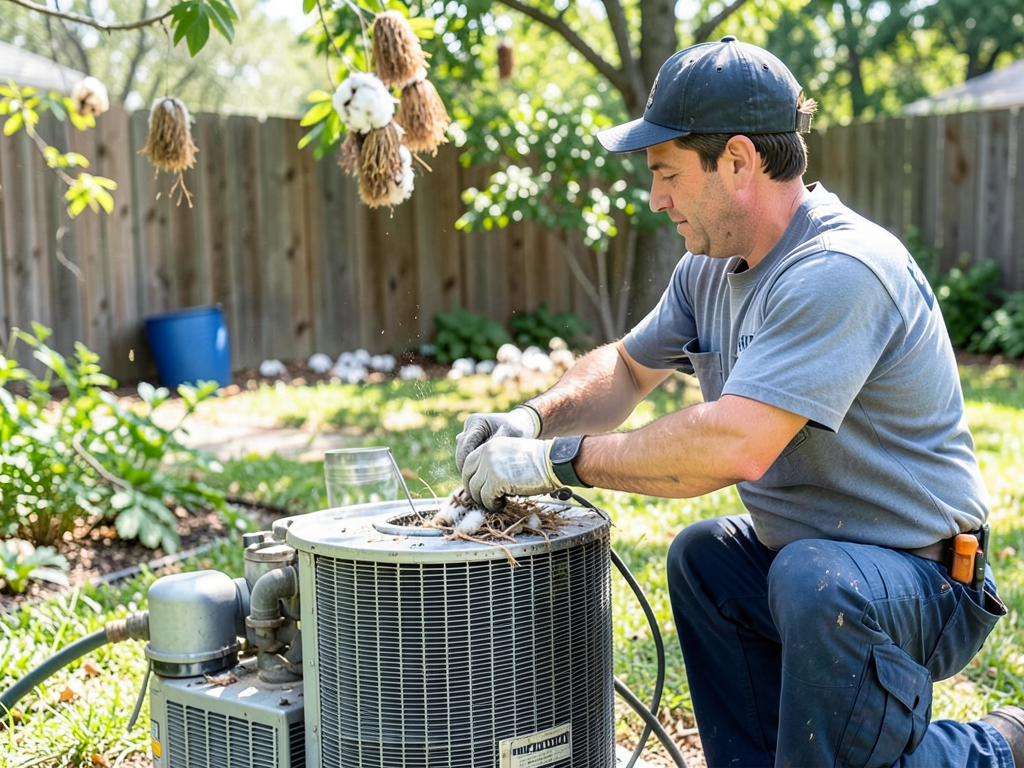
Spring Cleaning Your HVAC System Specifically for the Central Texas Climate Spring in Central Texas lasts about five minutes before the 100-degree heat arrives. That short window between oak pollen season and triple-digit temperatures is…
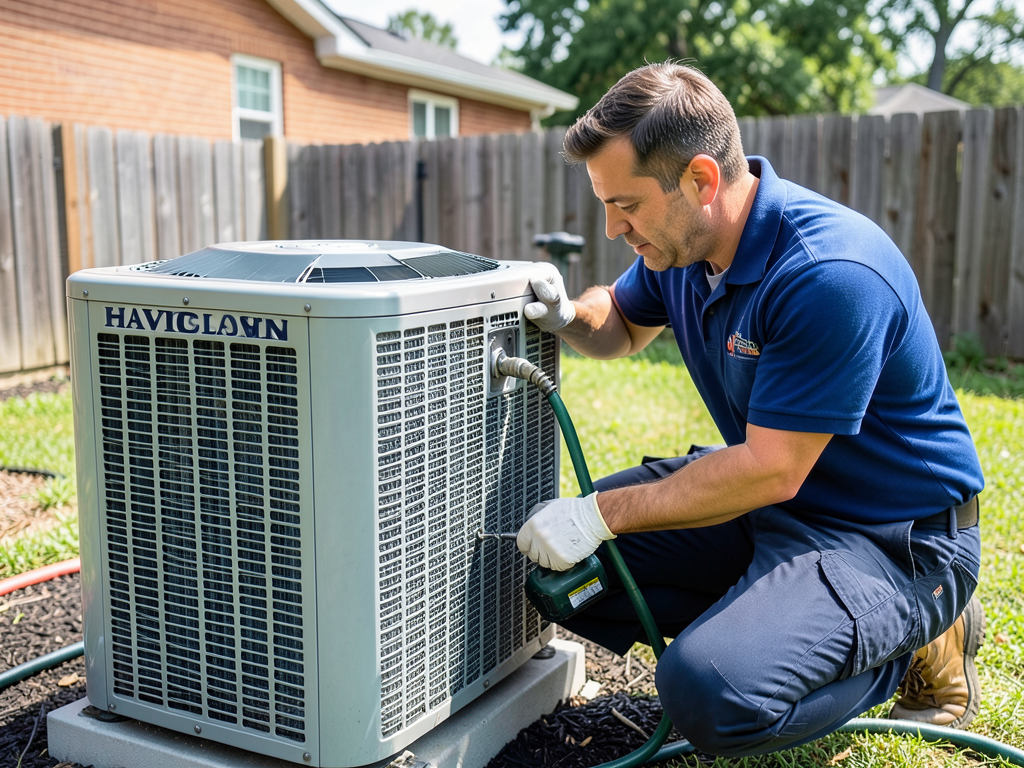
Why You Should Never Use a Pressure Washer on Your Austin AC Unit Your outdoor…
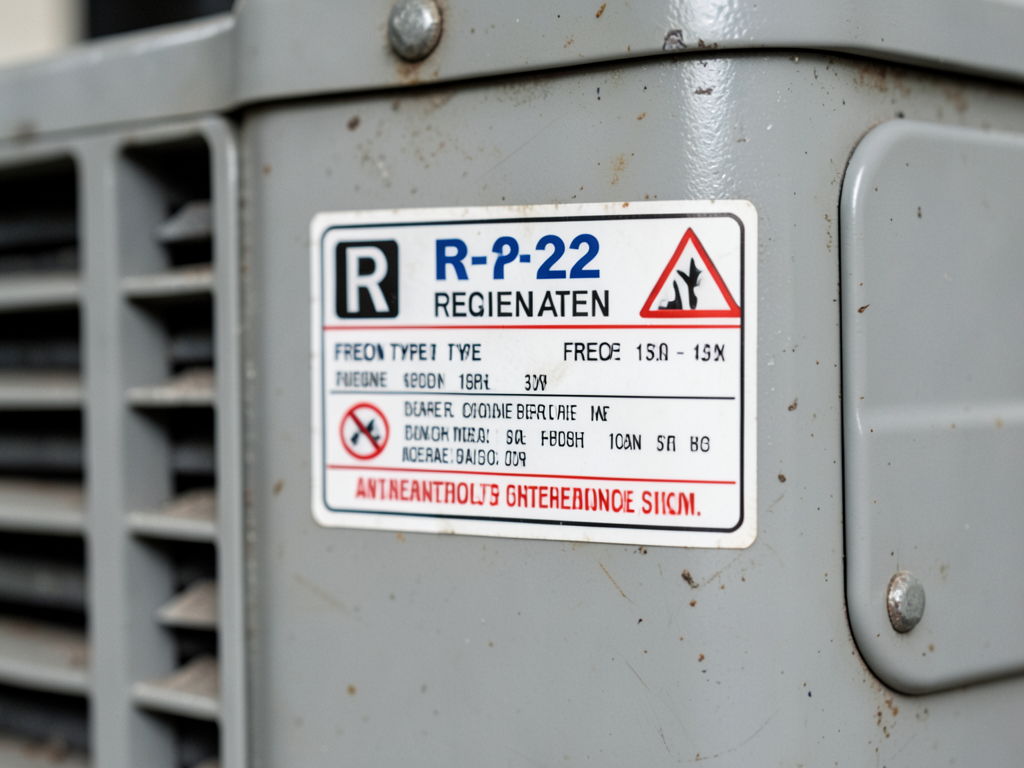
HVAC Red Flags to Look for When Buying a Mid Century Home in Wooten Buying…
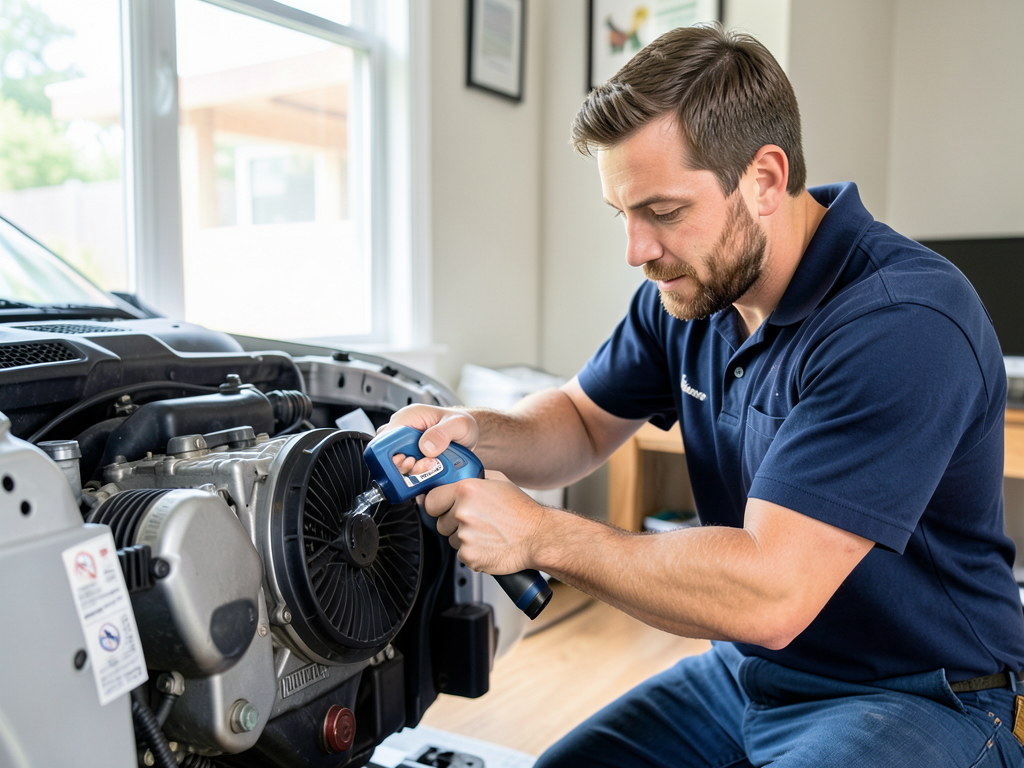
How the Austin Dust Problem Is Ruining Your AC Blower Motor Early Central Texas homeowners…
When your air conditioner fails, every hour without cooling matters. Call All Pro HVAC Austin at (737) 316-0777 for same-day service in San Marcos. Our technicians respond fast, diagnose accurately, and fix it right the first time.