Menu

Winterizing Your HVAC System in Austin – Protect Your Heating Equipment Before Temperature Swings Hit

Professional heating system winterization prevents costly mid-season breakdowns when Austin's unpredictable cold snaps arrive. Get your HVAC ready before the first freeze with comprehensive winter preparation.

Slider Image 1
Slider Image 2
Slider Image 3
Slider Image 4
Slider Image 5
Slider Image 7
Slider Image 8
Slider Image 9
Slider Image 10
Slider Image 11

Why Austin's Unique Climate Makes HVAC Winter Prep Critical

Austin's winter weather creates a maintenance challenge most homeowners underestimate. You can see 75-degree afternoons followed by 28-degree mornings within 48 hours. These wild temperature swings force your heating system to cycle on and off repeatedly, stressing components that sat dormant through eight months of cooling season.

The humidity levels in Central Texas compound the problem. Moisture accumulates inside ductwork and heat exchangers during our long cooling season. When you fire up the furnace for the first time in November, that trapped moisture can corrode metal components or create mold growth inside your system. Getting your heating system ready for winter means addressing these moisture issues before they turn into expensive repairs.

Many Austin homes also deal with inadequate insulation in attics. This means your furnace works harder during those brief but intense cold periods. Preparing your HVAC for winter includes checking that your system can handle the increased demand without overtaxing the blower motor or heat exchanger.

The clay soil around Austin shifts with seasonal moisture changes. This movement can crack ductwork connections in crawl spaces or attics. A comprehensive winter hvac preparation catches these hidden air leaks before they waste energy and money during heating season.

Skipping heating system winterization in Austin means gambling on equipment that has not run in months. When the cold snap arrives and your furnace fails at 2 AM, you will pay emergency rates and wait hours for service during peak demand.

Why Austin's Unique Climate Makes HVAC Winter Prep Critical
The All Pro HVAC Austin Winter Preparation Process

The All Pro HVAC Austin Winter Preparation Process

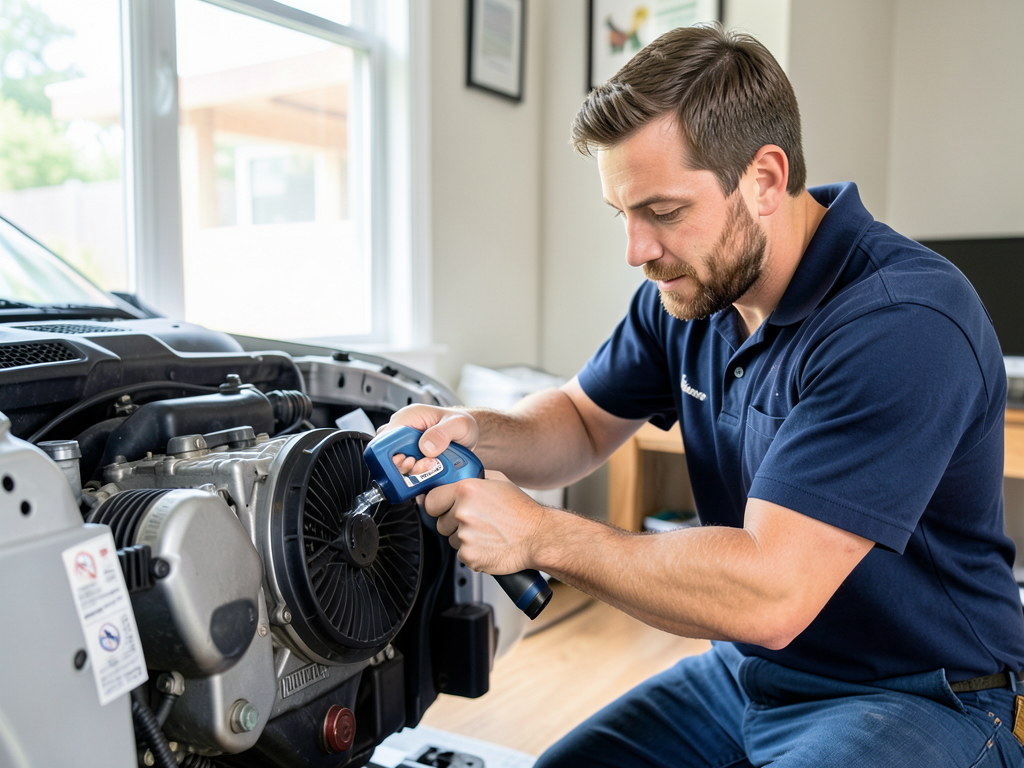
Winter hvac preparation starts with a complete combustion analysis. We test the heat exchanger for cracks, measure carbon monoxide levels, and verify proper burner flame patterns. This step prevents dangerous gas leaks and ensures your furnace operates at peak efficiency. Many technicians skip this diagnostic work, but we prioritize safety above speed.

Next, we inspect the blower assembly and measure airflow across the heat exchanger. Restricted airflow causes overheating and premature system failure. We clean the blower wheel, check belt tension, and lubricate motor bearings. These small maintenance tasks prevent mid-winter breakdowns that leave you scrambling for emergency service.

The ignition system receives detailed attention during hvac winter maintenance. We test the igniter, clean the flame sensor, and verify gas valve operation. Modern furnaces use hot surface igniters that fail without warning after three to five years. Replacing a suspect igniter during scheduled maintenance costs far less than an emergency call when temperatures drop.

We also seal and test ductwork connections throughout your home. Leaking ducts waste up to 30 percent of heated air before it reaches your living spaces. We use mastic sealant on joints and connections, then verify proper airflow at each register. This step improves comfort and reduces your utility bills all winter.

Finally, we calibrate your thermostat and test the entire heating cycle from startup to shutdown. We verify proper staging for two-stage furnaces and check safety controls. You get a detailed report showing system performance and any components approaching end of life. This transparency helps you plan for future expenses instead of facing surprise failures.

What Happens During Your Heating System Winterization Appointment

Winterizing Your HVAC System in Austin – Protect Your Heating Equipment Before Temperature Swings Hit
01

Initial System Inspection

Our technician arrives and performs a visual inspection of your furnace, checking for rust, corrosion, or signs of previous component failure. We test the thermostat, verify power supply, and document your system's make, model, and age. This baseline assessment identifies obvious problems before we begin detailed testing. You receive photos of any concerning conditions we find during this walkthrough.
02

Component Testing and Cleaning

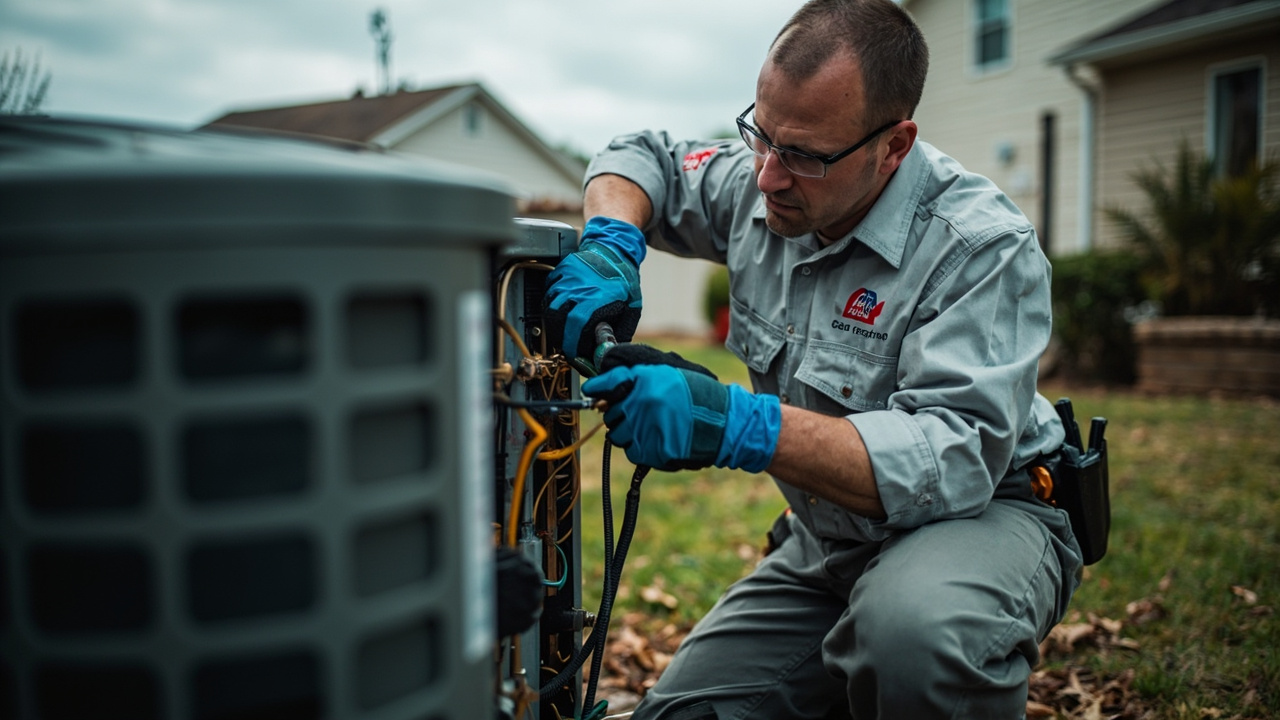
We disassemble the blower compartment and clean accumulated dust from the blower wheel and housing. The heat exchanger gets inspected with a borescope camera to detect hairline cracks invisible to the naked eye. We test the capacitor, measure amp draw on the blower motor, and verify proper gas pressure at the manifold. Each component receives individual attention to ensure reliable operation when you need heat.
03

Final Testing and Documentation

After maintenance work completes, we run your furnace through multiple heating cycles while monitoring temperature rise and airflow. The thermostat gets calibrated for accurate temperature control. You receive a written report detailing all measurements, any parts replaced, and recommendations for future maintenance. We explain our findings in plain language so you understand your system's condition and can make informed decisions about repairs or replacement.

Why Austin Homeowners Choose All Pro HVAC for Winter Preparation

Preparing hvac for winter in Austin requires understanding the unique challenges Central Texas weather creates. We have serviced thousands of heating systems across Travis County, from older homes in Clarksville with original ductwork to new construction in Mueller with high-efficiency equipment. This local experience means we know exactly what fails first in Austin's climate.

Many national chains send undertrained technicians who follow a basic checklist without understanding the why behind each step. Our team includes NATE-certified specialists who diagnose problems instead of just selling parts. When we recommend a repair, you get a clear explanation of the problem, why it matters, and what happens if you delay the fix.

We also understand Austin's building codes and permit requirements. If your furnace needs replacement or major repairs, we handle all permitting and inspections. This saves you time and ensures your system meets current efficiency standards and safety requirements.

The reality of Austin's service market is that most companies focus on air conditioning. Heating gets treated as an afterthought. We maintain equal expertise in both systems because your comfort matters year-round. When you call us for heating system winterization, you get a specialist who works on furnaces every day, not just during the brief winter season.

Our pricing stays consistent throughout the year. We do not raise rates when cold weather arrives and demand spikes. Getting your system winterized in October or November costs the same as scheduling service in September. This transparent pricing helps you budget for maintenance without worrying about seasonal price gouging.

We also stock common furnace parts on our service vehicles. If we find a failing component during winter hvac preparation, we can often complete the repair the same day. This eliminates return trips and gets your system running reliably before winter arrives.

What You Can Expect From Professional Winter HVAC Maintenance

Appointment Scheduling and Timing

Most heating system winterization appointments take 60 to 90 minutes, depending on your equipment age and condition. We offer flexible scheduling, including early morning and weekend appointments, to fit your schedule. Fall represents the ideal time for this service, between mid-September and early November, before the first cold front arrives. Scheduling early also means better availability and no wait times. You can book online or call us directly at (737) 316-0777. We confirm your appointment the day before and provide a two-hour arrival window so you are not waiting around all day.

The Inspection and Diagnostic Process

Our diagnostic process goes beyond basic maintenance. We measure temperature rise across the heat exchanger, test gas pressure, and verify proper combustion using digital analyzers. The blower motor gets tested for proper amp draw, and we measure static pressure throughout your duct system. You receive real numbers, not vague statements about system condition. If we find problems, we explain exactly what is failing and why it matters to your comfort and safety. We never recommend repairs you do not need, and we provide options for any necessary work, from budget-friendly fixes to comprehensive solutions.

The Results You Will Notice

After professional winter preparation, your heating system will start reliably on the coldest mornings. You will notice more even temperatures throughout your home as improved airflow eliminates hot and cold spots. Your furnace will run quieter because we have cleaned and lubricated moving parts. Energy efficiency improves when we seal duct leaks and optimize airflow, which means lower utility bills all winter. Most importantly, you gain peace of mind knowing your system has been thoroughly inspected by trained professionals who found and fixed small problems before they became expensive emergencies.

Ongoing Support and Maintenance Plans

We offer maintenance plans that include annual heating system winterization plus spring cooling system preparation. Plan members receive priority scheduling, discounted repair rates, and extended warranties on parts and labor. You also get reminder calls when maintenance is due, so you never forget to schedule service. Between scheduled visits, you can call us anytime with questions about your system. We keep detailed service records for your equipment, which helps us track performance trends and predict potential failures before they happen. This proactive approach extends equipment life and prevents most emergency breakdowns.

Frequently Asked Questions

You Have Questions,
We Have Answers

How to winterize a HVAC system? +

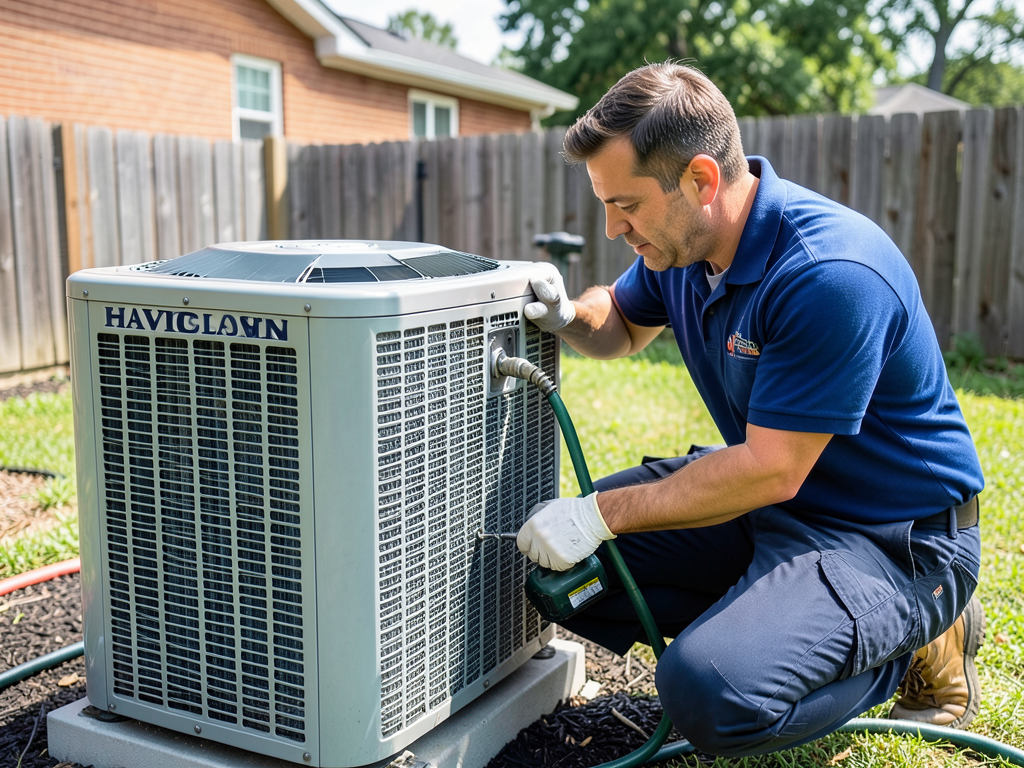
Start by replacing your air filter and inspecting ductwork for leaks. Check your thermostat batteries and test heating mode before cold snaps hit Austin. Clean debris from around your outdoor unit and ensure proper drainage. Inspect insulation on exposed refrigerant lines, especially in unheated spaces like attics or garages. Schedule a professional tune-up to check gas connections, heat exchanger integrity, and blower motor function. Austin's mild winters still include freezing nights that stress systems. Seal gaps around vents and registers to prevent heat loss. Test carbon monoxide detectors if you have gas heating.

Should you clear snow off a HVAC unit? +

Austin rarely sees accumulating snow, but if it happens, yes, gently brush off heavy snow from your outdoor unit. Use a soft broom, not metal tools, to avoid damaging fins or coils. Clear snow buildup that blocks airflow or weighs down the top fan grill. Do not kick or force ice off components. Most modern units handle light snow, but blocked airflow forces your system to work harder and can trip safety switches. Check the area around the unit for ice dams that prevent drainage. Always turn off power before clearing significant buildup.

How to keep a HVAC unit from freezing in winter? +

Austin's sudden freezes can catch HVAC units off guard. Keep your thermostat set to heat mode, even when temperatures rise during the day. This prevents the reversing valve from freezing in heat pump systems. Clear gutters and downspouts so water does not drip onto your unit and freeze. Insulate exposed refrigerant lines with foam sleeves. Ensure your unit sits on a level pad to promote drainage. Check that the defrost cycle activates properly on heat pumps during freezing nights. Trim vegetation at least two feet away to improve airflow and prevent ice buildup from trapped moisture.

Should HVAC be covered in winter? +

Do not cover your HVAC unit in Austin winters. Modern systems need airflow year-round, and covering traps moisture that causes rust and mold. Covers also attract rodents seeking warm shelter, leading to chewed wiring. If you run your heat during cold snaps, a cover can block airflow and damage the compressor. Only use manufacturer-approved mesh tops to prevent falling debris from entering the fan, not full tarps or plastic. Austin's mild climate means your unit may cycle on even in January. Let it breathe. Proper maintenance matters more than covering.

What is the $5000 rule for HVAC? +

The $5000 rule is a replacement guideline. Multiply the repair cost by your system's age in years. If the total exceeds $5000, replacement makes more financial sense than repair. For example, a $400 repair on a 10-year-old system equals $4000, so repair. A $600 repair on a 12-year-old unit equals $7200, so replace. This rule accounts for diminishing returns as systems age. Austin's heat workload stresses units heavily, reducing typical lifespan. Factor in energy efficiency gains from newer models. Modern systems can cut cooling costs by 30 percent compared to 15-year-old equipment.

What is the 3 minute rule for AC? +

The three-minute rule protects your compressor from short cycling damage. After your AC shuts off, wait at least three minutes before turning it back on. This allows refrigerant pressure to equalize between the high and low sides of the system. Starting the compressor under unequal pressure strains the motor and can trip breakers. Many modern thermostats include built-in delay timers. Never rapidly flip your thermostat on and off. Austin's frequent temperature swings tempt homeowners to toggle settings, but patience protects your equipment. Let the system complete full cycles for maximum efficiency and longevity.

Is it cheaper to run AC all the time or turn it on and off? +

In Austin's climate, maintaining a consistent temperature saves more than turning AC on and off. Your system works hardest during startup and pulldown from high indoor temperatures. Letting your home heat up during the day means longer, harder cycles when you return. Set your thermostat 5-7 degrees higher when away, not off completely. Modern programmable thermostats optimize this balance. Your AC removes humidity during runtime, preventing mold in Austin's humid conditions. Extreme temperature swings also stress ductwork seals. Steady operation reduces wear on compressor components and keeps energy bills predictable.

Is 72 a good temperature for winter? +

72 degrees works well for most Austin homes in winter, balancing comfort and efficiency. Each degree above 68 increases heating costs by roughly 3 percent, but going too low risks discomfort and potential pipe issues during hard freezes. Austin's variable winter weather means you may adjust daily. Set it to 68 at night under blankets, 70-72 during active daytime hours. Heat pumps maintain this range efficiently until outdoor temperatures drop below 35 degrees. Avoid setting above 75, which wastes energy and dries indoor air excessively. Use ceiling fans on low, clockwise rotation to push warm air down.

Will a dripping faucet prevent pipes from freezing? +

Yes, a dripping faucet helps prevent frozen pipes during Austin's rare hard freezes. Moving water resists freezing better than standing water. Open both hot and cold taps to a pencil-thin stream on faucets along exterior walls or in unheated spaces. The small water cost beats burst pipe damage. Focus on bathrooms and kitchens with plumbing in outside walls. Open cabinet doors under sinks to let warm air circulate around pipes. This method works for short cold snaps, typical in Austin. Insulate exposed pipes in attics, garages, and crawl spaces as a permanent solution.

Should you turn off your heat pump in extreme cold weather? +

Do not turn off your heat pump during extreme cold in Austin. Modern heat pumps include defrost cycles and backup heat designed for freezing conditions. Shutting down the system risks frozen coils and refrigerant lines. If outdoor temperatures drop below 25-30 degrees, your heat pump automatically switches to auxiliary or emergency heat to maintain comfort. This backup resistance heating costs more to run but prevents damage. Keep your thermostat in heat mode, not emergency heat, unless directed by a technician. Austin's cold snaps rarely last long enough to justify shutdown. Let the system manage itself through built-in controls.

How Austin's Temperature Swings Accelerate Furnace Wear

Central Texas experiences some of the most dramatic temperature fluctuations in the country. A typical Austin winter includes 70-degree afternoons followed by freezing nights. This constant cycling forces your furnace to start and stop repeatedly, which puts tremendous stress on the ignition system, blower motor, and heat exchanger. Each startup creates thermal expansion and contraction in metal components. Over time, this cycling causes cracks in heat exchangers and premature failure of igniters and flame sensors. Professional winter hvac preparation addresses these vulnerable components before the cycling begins, significantly extending equipment life and preventing mid-season failures when you need heat most.

Austin's building boom over the past two decades means we service everything from 1950s homes in Hyde Park with original ductwork to brand new smart homes in East Austin with modulating furnaces. This diversity requires technicians who understand multiple system types and local installation practices. We know which HVAC contractors in Austin do quality work and which cut corners. When we service a system, we can often identify installation problems from years ago that still affect performance today. This local knowledge helps us diagnose issues faster and provide solutions that work specifically for Central Texas homes and weather patterns.
HVAC Services in The Austin Area

We are proud to serve the entire area, providing exceptional HVAC services to both residential and commercial clients. Our service area is extensive, ensuring that no matter where you are located, you can count on us for reliable and prompt service. We invite you to view our location on the map and see how conveniently positioned we are to meet all of your heating and cooling needs. We are just a call away.

Address:
All Pro HVAC Austin, 313 E 12th St, Austin, TX, 78701

Additional Services We Offer

Our news updates

Latest Articles & News from The Blogs

Flexible financing options for Austin families needing a new HVAC system today\n\nReplacing your HVAC system in Austin does not have…

Flexible financing options for Austin families needing a new HVAC system today

Flexible financing options for Austin families needing a new HVAC system today\n\nReplacing your HVAC system in Austin does not have…

Finding a certified Trane repair specialist for your Great Hills home

Finding a certified Trane repair specialist for your Great Hills home When your Trane air conditioner stops working in Great…

Why getting a second opinion on your AC compressor replacement could save you thousands

Why getting a second opinion on your AC compressor replacement could save you thousands If your HVAC technician just told…

Contact Us

Do not wait until the first freeze to discover your furnace will not start. Call All Pro HVAC Austin today at (737) 316-0777 to schedule your winter preparation service. We offer same-week appointments and transparent pricing with no hidden fees.