
Menu

Noisy AC or Heater in Austin – Expert Diagnosis and Permanent Fixes for Every Sound

When your air conditioner rattles or your furnace groans, you need precision diagnostics and proven repairs that eliminate the noise for good, not temporary patches that fail in three months.

Slider Image 1
Slider Image 2
Slider Image 3
Slider Image 4
Slider Image 5
Slider Image 7
Slider Image 8
Slider Image 9
Slider Image 10
Slider Image 11

Why Your HVAC System Suddenly Sounds Like a Construction Site

You know what normal sounds like. Your system used to hum quietly in the background. Now you have a loud air conditioner that shakes the windows every time it kicks on, or a furnace making noise that echoes through the ductwork at 3 AM.

Austin's extreme temperature swings create unique stress on HVAC components. When your system cycles between idle and full load multiple times per day during our unpredictable spring weather, expansion and contraction loosen mounting brackets, crack heat exchangers, and wear down compressor mounts. Add the caliche-heavy soil that shifts under slab foundations, and you get misaligned ductwork that amplifies every vibration.

A noisy hvac system is not just annoying. It signals mechanical failure in progress. That banging could be a cracked blower wheel about to disintegrate. The screech might be a compressor bearing starved of refrigerant. The grinding often means a motor mount has failed and metal is touching metal.

When residents in Hyde Park or Bouldin Creek ignore a loud heater, they usually call us back within weeks for a complete system failure. The noise is the early warning. The breakdown is the consequence. Air conditioner making noise problems do not resolve on their own, and the longer you wait, the more secondary damage occurs. A loose fan blade chips the housing. A failing compressor sends metal shavings through the refrigerant lines. A cracked heat exchanger leaks carbon monoxide.

You are hearing the problem before it becomes dangerous or catastrophically expensive.

Why Your HVAC System Suddenly Sounds Like a Construction Site
How We Identify the Exact Source and Fix It Permanently

How We Identify the Exact Source and Fix It Permanently

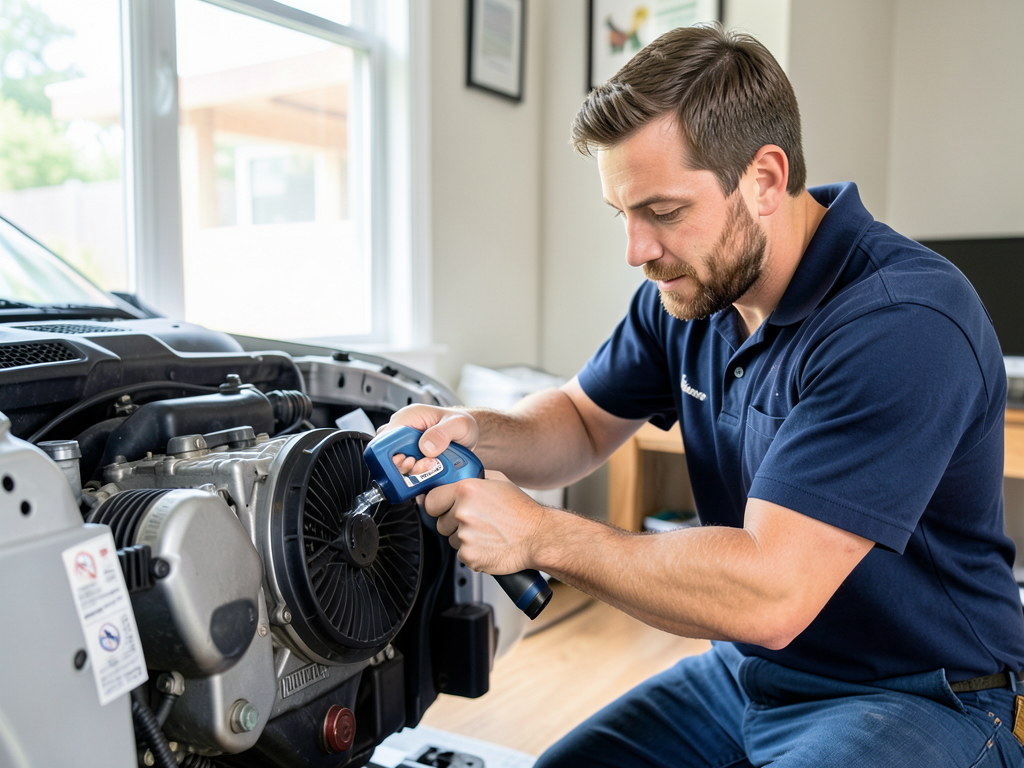
Generic diagnostics waste your time. A technician who tells you "the compressor is loud" without identifying why is guessing. We use decibel meters, infrared thermography, and refrigerant pressure analysis to isolate the root cause, not just the symptom.

When we diagnose a loud air conditioner, we check compressor mount integrity, refrigerant charge levels, and evaporator coil airflow restrictions. Low refrigerant creates compressor strain that manifests as a grinding hum. A clogged coil forces the blower motor to overwork, generating a high-pitched whine. Loose mounting bolts turn normal vibration into wall-shaking noise.

For a furnace making noise, we inspect the heat exchanger for stress cracks, the blower assembly for debris accumulation, and the burner flames for irregular patterns that indicate airflow imbalances. A banging sound during startup usually means delayed ignition caused by a dirty flame sensor or gas valve malfunction. A rumbling during shutdown often signals a cracked heat exchanger expanding and contracting.

We do not sell you a new system if a $200 blower motor replacement fixes the problem. We also do not patch a failing compressor with refrigerant top-offs when the bearing is shot. You get the correct repair based on measured data, not sales quotas.

After the repair, we retest under load. We measure sound levels before and after. We verify the fix eliminated the root cause, not just masked it temporarily. You should not hear your system unless you are standing next to it.

What Happens When You Call Us About System Noise

Noisy AC or Heater in Austin – Expert Diagnosis and Permanent Fixes for Every Sound
01

Sound Analysis and Inspection

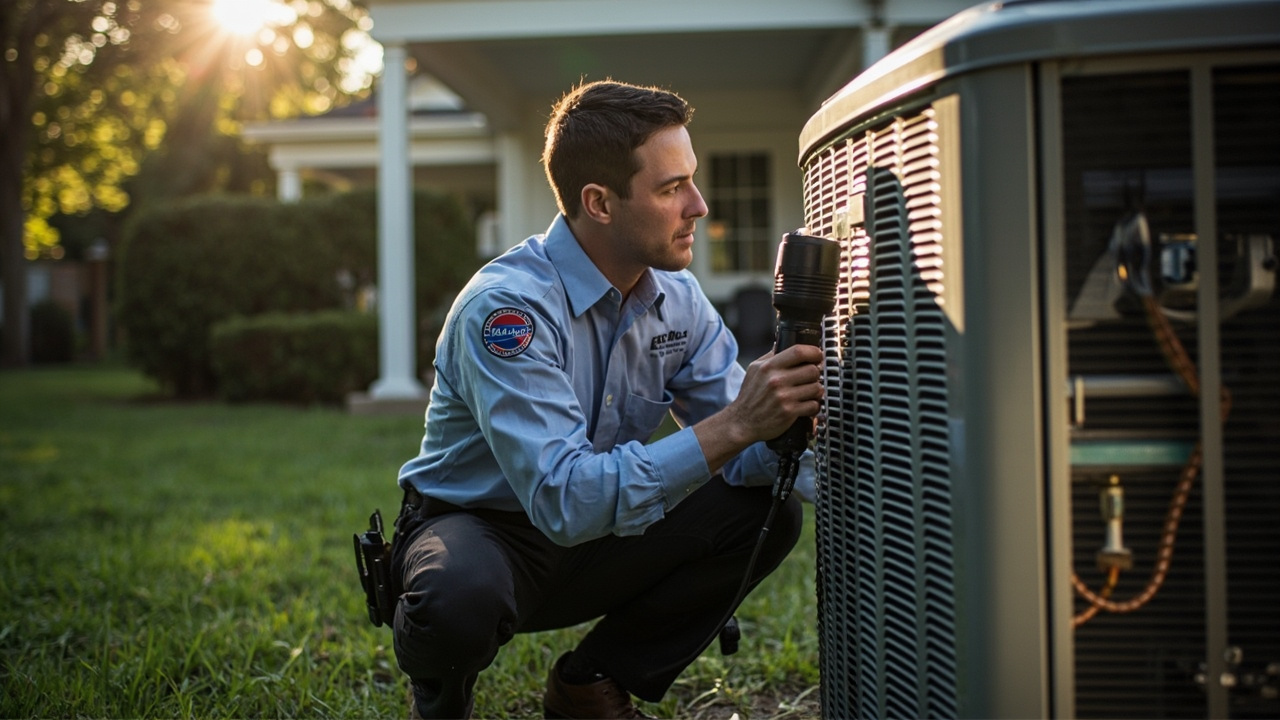
We arrive with diagnostic tools, not a preloaded sales pitch. Our technician listens to the system under different operating modes, measures decibel levels at key components, and uses a stethoscope probe to isolate vibration sources. We check mounting hardware, inspect ductwork connections, and test electrical draw on motors. You get a written diagnosis that explains what is making noise and why.
02

Component Testing and Verification

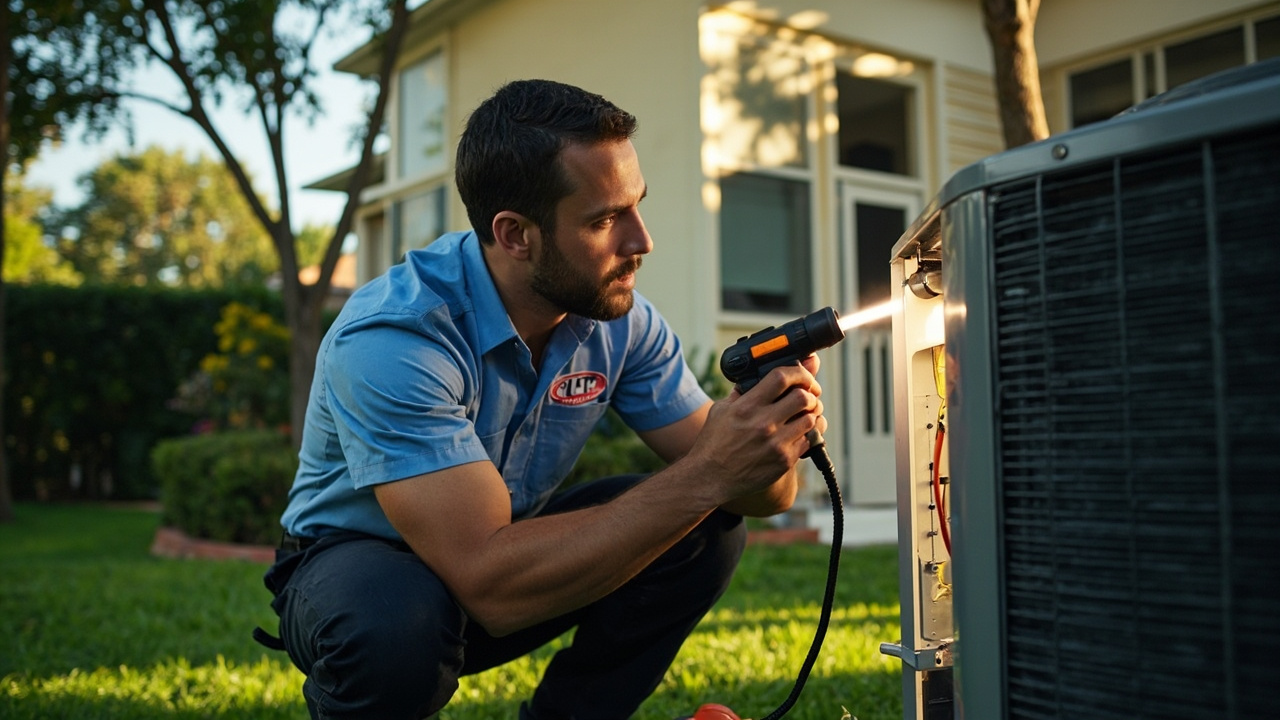
Once we identify the suspect component, we verify failure mode with manufacturer-spec testing. Compressors get amp draw and superheat analysis. Blower motors get capacitor testing and bearing play checks. Heat exchangers get combustion analysis and visual inspection with a borescope. We confirm the diagnosis before we quote the repair, so you are not paying for guesswork or trial-and-error part swaps.
03

Repair and Post-Fix Validation

After the repair, we run the system through multiple cycles and measure performance under load. We verify noise levels returned to manufacturer baseline, airflow meets design specs, and all secondary systems function correctly. You get a before-and-after comparison so you can hear the difference. We also check for collateral damage the noise may have caused, like cracked duct boots or loosened electrical connections.

Why Austin Homeowners Choose All Pro HVAC for Noise Complaints

You need someone who knows the difference between a noise that means "replace this part" and a noise that means "your system is about to catch fire." We have diagnosed thousands of noisy hvac systems in Austin, from older homes in Travis Heights with original ductwork to new construction in Mueller with undersized returns.

We understand how Austin-specific factors create noise problems other markets do not see. The limestone bedrock and expansive clay soil cause foundation settling that throws ductwork out of alignment. The temperature swings between 40-degree mornings and 85-degree afternoons stress thermal expansion joints. The high pollen and cedar counts clog coils faster, forcing motors to work harder and louder.

When you call All Pro HVAC Austin, you get a technician who has seen your exact problem in your exact neighborhood. We know the HVAC systems installed in Allandale tract homes in the 1970s. We know the ductwork design flaws common in Westlake custom builds. We know which compressor models installed between 2015 and 2018 have factory defects that cause premature bearing failure.

We also understand local code requirements for noise ordinances in dense neighborhoods like East Austin and South Congress. If your outdoor unit is disturbing neighbors, we can install sound blankets, relocate the unit, or add vibration dampening mounts that meet City of Austin noise limits without voiding manufacturer warranties.

You are not getting a national chain technician reading a script. You are getting someone who knows Austin systems, Austin homes, and Austin problems.

What You Can Expect When We Diagnose Your Noisy System

Same-Day Diagnosis in Most Cases

We schedule diagnostic appointments within 24 hours for noise complaints because we know how disruptive a loud heater or air conditioner making noise can be. Most noise diagnostics take 45 to 90 minutes depending on system complexity and accessibility. If we identify a safety issue like a cracked heat exchanger or failing compressor capacitor, we explain the risk clearly and offer immediate repair options. You do not wait days for a callback or a second opinion.

Written Diagnosis with Clear Explanations

We provide a written report that identifies the noise source, explains the failure mode, and outlines repair options with transparent pricing. If the noise is caused by something minor like a loose panel or debris in the blower housing, we fix it on the spot at no charge. If it requires parts or labor, we explain why the repair is necessary and what happens if you delay it. You get photos or video of the problem component so you can see what we are talking about.

Repairs That Solve the Problem Permanently

We do not band-aid failing components. If a blower motor bearing is failing, we replace the motor, not just oil the bearing and hope it lasts another month. If a compressor mount is cracked, we install a reinforced replacement designed for your unit weight and vibration profile. The repair comes with a workmanship commitment, and we use OEM or equivalent-spec parts that meet manufacturer tolerances. You should not hear that noise again.

Follow-Up and Maintenance Guidance

After the repair, we provide maintenance guidance specific to your system and your home. If the noise was caused by a clogged coil, we recommend a cleaning interval based on your proximity to oak trees and cedar pollen sources. If it was a failing motor capacitor, we explain the signs to watch for in other motors. We also offer scheduled maintenance plans that include the inspections and cleaning that prevent noise problems before they start.

Frequently Asked Questions

You Have Questions,
We Have Answers

Why is my AC so loud all of a sudden? +

Sudden loud noises in your AC usually point to loose or broken parts. A rattling sound means debris or loose hardware inside the cabinet. Grinding indicates failing motor bearings. Squealing suggests a worn belt or bad blower motor. Austin's scorching summers work your system hard, accelerating wear on moving parts. High humidity also corrodes electrical connections, causing buzzing sounds. Check your air filter first. A clogged filter forces the blower to work harder and creates noise. If the sound persists, shut down your system to prevent further damage and call a licensed HVAC technician. Ignoring unusual sounds leads to bigger failures.

What is the 3 minute rule for AC? +

The 3 minute rule prevents compressor damage during rapid cycling. After your AC shuts off, internal pressures need time to equalize. Starting the compressor before pressures balance strains the motor and can burn it out. Wait at least three minutes between shut down and restart. Most modern thermostats have built-in delay timers to enforce this rule automatically. In Austin's extreme heat, homeowners sometimes flip breakers or frantically adjust thermostats when the house feels warm. This impatience damages equipment. If your system short cycles frequently (runs less than 10 minutes), you have a deeper problem requiring professional diagnosis. Oversized units or refrigerant issues cause this.

What are the signs of a failing furnace? +

A failing furnace shows clear warning signs before complete breakdown. Listen for loud banging, popping, or screeching during startup. Yellow or flickering pilot flames indicate combustion problems or carbon monoxide risk. Watch for soot buildup around the unit or unusual smells like rotten eggs. Your blower may run constantly or not turn off after reaching temperature. Rooms heat unevenly, forcing the system to run longer cycles. Rising utility bills without usage changes signal declining efficiency. Austin homes use furnaces less than northern climates, but winter mornings still require reliable heat. Age matters too. Furnaces over 15 years old fail more frequently and lack modern safety features.

What is the $5000 AC rule? +

The 5000 dollar AC rule is informal guidance, not a real industry standard. It suggests if repair costs exceed 5000 dollars or half your system's replacement cost, you should replace the entire unit instead. Factor in the system's age and efficiency. A 12-year-old AC needing major compressor work probably deserves replacement. A three-year-old unit with a bad capacitor needs repair. Austin's brutal summer heat cycles systems heavily. Older units use outdated refrigerants getting phased out, making future repairs expensive. Consider energy savings from newer SEER ratings. Modern systems cool better while using less electricity, offsetting replacement costs through lower bills.

What does an AC compressor sound like when it's going bad? +

A failing compressor makes distinct sounds you should not ignore. Listen for loud clanking or rattling when the outdoor unit starts up. This indicates loose internal components or failing bearings. Grinding or growling noises mean metal-on-metal contact inside the compressor housing. Clicking that never leads to startup signals electrical problems or a seized compressor. Some units hum loudly but never engage, pointing to capacitor failure or electrical issues. In Austin's heat, compressors work overtime from March through October. Hard starting or stuttering during operation means internal damage already occurred. A completely silent outdoor unit with the thermostat calling for cooling indicates total compressor failure.

How much does it cost to replace a capacitor in an AC unit? +

Capacitor replacement typically costs between 150 and 400 dollars, including parts and labor. The capacitor itself costs 10 to 50 dollars. You pay for the technician's expertise, proper diagnosis, and safe handling of stored electrical charge. Price varies based on your system's accessibility and whether you need a start capacitor, run capacitor, or both. Austin's extreme heat kills capacitors faster than milder climates. Capacitors regulate voltage to the compressor and blower motor. When they fail, your system will not start or runs inefficiently. A skilled technician tests voltage readings and inspects for swelling or leaking. This repair prevents more expensive compressor damage.

What are signs of a failing AC compressor? +

AC compressor failure shows multiple symptoms before complete breakdown. The outdoor unit runs but pushes little or no cool air inside. You hear clicking sounds but the compressor never engages. Circuit breakers trip repeatedly when the system starts. The unit shakes or vibrates excessively during operation. Warm air blows from vents despite thermostat settings. Refrigerant leaks create ice buildup on copper lines or the outdoor unit. Austin's long cooling season from April through October stresses compressors continuously. High electricity bills without increased usage indicate the compressor struggles to move refrigerant. Strange electrical smells near the outdoor unit signal overheating windings. Age matters too. Compressors typically last 10 to 15 years.

How cool should my house be if it's 100 outside? +

Your AC should maintain indoor temperatures about 20 degrees below outdoor temps on extreme heat days. When it hits 100 degrees outside in Austin, expect your system to reach 78 to 80 degrees inside, not 68. Air conditioners remove heat through thermodynamic limits. Pushing your thermostat to 70 during triple-digit heat overworks the compressor and wastes energy. The system runs continuously without reaching setpoint, driving up bills and shortening equipment life. Set your thermostat to 76 to 78 degrees during peak heat. Use ceiling fans to improve comfort without lowering temperature. Close blinds on south-facing windows. Proper attic insulation and air sealing help more than cranking the thermostat down.

How do the amish keep cool in the summer? +

The Amish keep cool through passive design, not mechanical systems. They build homes with deep porches, whole-house ventilation, and strategic window placement for cross breezes. Thick walls provide thermal mass. They open windows at night to flush hot air, then close them at dawn to trap coolness. Basements stay naturally cool for food storage and daytime refuge. Light-colored metal roofs reflect heat. Outdoor work happens early morning or evening. They wear breathable natural fabrics. Some communities allow battery-powered fans. In Austin's humid heat, these strategies work less effectively than dry climates. Modern HVAC systems exist for good reason in Texas summers. You need mechanical cooling for health and safety.

What does it sound like when a furnace is going out? +

A dying furnace makes alarming sounds you should not ignore. Loud booming at startup means delayed gas ignition in the burner chamber. This creates small explosions requiring immediate repair to prevent cracked heat exchangers. Screeching or squealing indicates bad blower motor bearings. Rumbling after the burner shuts off suggests dirty burners or flame sensor issues. Clicking without ignition means the pilot or ignitor failed. Rattling sounds point to loose ductwork or cracked heat exchanger. Austin furnaces run less than northern climates, but winter cold snaps still demand reliable heat. A cracked heat exchanger leaks carbon monoxide into your home, creating deadly risk requiring immediate shutdown and replacement.

How Austin's Extreme Heat Cycles Accelerate HVAC Component Wear and Noise

Austin systems run harder and longer than HVAC equipment in moderate climates. When your air conditioner operates at full capacity for eight hours straight during a July afternoon, then cools rapidly overnight, thermal expansion and contraction stress every bolted connection and brazed joint. Compressor mounts loosen. Duct boots separate. Blower wheels warp slightly. Over five to seven years, this creates the rattling, banging, and grinding you hear now. Homes near the airport or in Pflugerville with minimal shade see even faster degradation because rooftop temperatures exceed 160 degrees, baking the ductwork and stressing the refrigerant lines.

All Pro HVAC Austin has diagnosed noise complaints in every Austin zip code, from older homes in Tarrytown with original 1960s ductwork to new builds in Domain with undersized return plenums. We understand the local installation practices that create noise problems and the climate factors that accelerate wear. When you hire local HVAC expertise, you get technicians who have seen your exact home vintage, your exact system brand, and your exact noise pattern hundreds of times. We know the fix before we open the panel.
HVAC Services in The Austin Area

We are proud to serve the entire area, providing exceptional HVAC services to both residential and commercial clients. Our service area is extensive, ensuring that no matter where you are located, you can count on us for reliable and prompt service. We invite you to view our location on the map and see how conveniently positioned we are to meet all of your heating and cooling needs. We are just a call away.

Address:
All Pro HVAC Austin, 313 E 12th St, Austin, TX, 78701

Additional Services We Offer

Our news updates

Latest Articles & News from The Blogs

Flexible financing options for Austin families needing a new HVAC system today\n\nReplacing your HVAC system in Austin does not have…

Flexible financing options for Austin families needing a new HVAC system today

Flexible financing options for Austin families needing a new HVAC system today\n\nReplacing your HVAC system in Austin does not have…

Finding a certified Trane repair specialist for your Great Hills home

Finding a certified Trane repair specialist for your Great Hills home When your Trane air conditioner stops working in Great…

Why getting a second opinion on your AC compressor replacement could save you thousands

Why getting a second opinion on your AC compressor replacement could save you thousands If your HVAC technician just told…

Contact Us

Call All Pro HVAC Austin at (737) 316-0777 now for same-day noise diagnosis and transparent repair options. We identify the exact source, explain what is failing, and fix it right the first time.