
Spring Cleaning Your HVAC System Specifically for the Central Texas Climate
Spring in Central Texas lasts about five minutes before the 100-degree heat arrives. That short window between oak pollen season and triple-digit temperatures is your critical maintenance period. Your HVAC system needs specific attention now to handle Austin’s unique combination of extreme heat, high humidity, and seasonal allergens like Cedar Fever and oak tassels. Austin Energy Efficiency Programs.
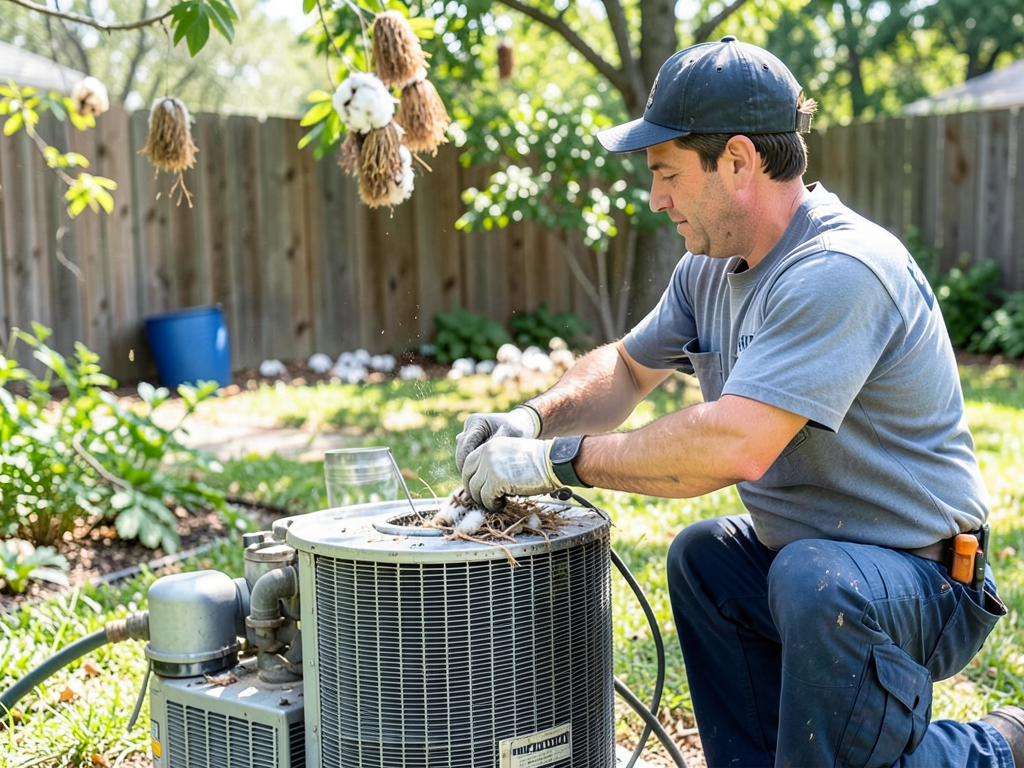
The transition from spring to summer in Austin creates specific stress points for HVAC systems. Cottonwood seeds clog condenser coils. Cedar pollen residue coats evaporator coils. High humidity causes algae growth in condensate lines. These Central Texas-specific challenges require targeted maintenance strategies that generic national guides don’t address.. Read more about How the Austin Dust Problem Is Ruining Your AC Blower Motor Early.
The 10-Point Austin Spring HVAC Checklist
Central Texas homeowners need a specialized approach to spring HVAC maintenance. Here’s your localized checklist for preparing your system for the brutal summer ahead. EPA Section 608 Certification.
- Outdoor Coil Cleaning
Remove oak tassels, cottonwood seeds, and pollen residue from condenser coils using a garden hose with gentle spray. Austin’s spring allergens create a thick film that reduces efficiency by up to 30%.. Read more about The Truth About How Austin Mountain Cedar Impacts Your Outdoor AC Coils.
- Refrigerant Level Verification
Check refrigerant charge according to 2024 SEER2 standards. Undercharged systems work 40% harder in Austin’s heat, leading to compressor failure during July heatwaves.
- Drain Line Flushing
Flush condensate lines with vinegar solution to prevent algae growth. Austin’s high humidity creates perfect conditions for mold and bacteria in drain pans.
- Air Filter Replacement
Install MERV 8-11 filters to capture Cedar Fever allergens and oak pollen. Replace monthly during peak allergy seasons (January through May).
- Thermostat Calibration
Calibrate thermostat for accurate temperature readings. Austin’s extreme temperature swings from 40°F to 90°F in 24 hours stress system cycling.
- Blower Motor Inspection
Check motor bearings and belts for wear. High humidity causes bearing failure and belt slippage in Austin’s unconditioned attics.
- Ductwork Inspection
Examine ducts for leaks and insulation damage. Austin’s clay soil movement causes foundation shifts that crack duct connections.
- Electrical Connection Check
Inspect capacitor and contactor for corrosion. High humidity accelerates electrical component degradation in Texas summers.
- Safety Control Testing
Test float switches and emergency shutoffs. Austin’s heavy spring rains can flood attics, making safety controls critical. Emergency AC Repair Services for Homes in West Lake Hills.
- Performance Testing
Run system through complete cooling cycle. Verify temperature differential meets manufacturer specifications for 95°F outdoor conditions.
DIY Maintenance vs. Professional Tune-ups: What Austin Homeowners Can Handle
Austin homeowners can handle basic maintenance tasks, but professional service provides critical diagnostics that prevent summer breakdowns. Here’s what you can safely do yourself versus what requires licensed expertise. Fast and Professional Furnace Repair in Georgetown During the Winter Chill.
| DIY Maintenance Tasks | Professional Service Requirements | Safety Considerations |
|---|---|---|
| Filter replacement (monthly) | Refrigerant level testing | High voltage electrical work |
| Coil cleaning with hose | Leak detection and repair | Refrigerant handling (EPA 608 certification required) |
| Thermostat battery replacement | Capacitor and contactor testing | Working on ladders or in attics |
| Visual inspection of visible components | Duct leakage testing | Handling mold or contaminated materials |
| Cleaning debris from around unit | Performance analysis and optimization | Working with pressurized systems |
The EPA’s Section 608 certification requires technicians to handle refrigerants properly. Attempting DIY refrigerant work not only risks personal injury but also violates federal law and can result in fines up to $37,500 per day.
Benefits of Spring Service: Lowering Austin Energy Bills and Preventing July Breakdowns
Professional spring maintenance delivers measurable benefits specific to Austin’s climate. A well-maintained system in Central Texas can reduce energy consumption by 15-25% during peak summer months.
Austin Energy reports that dirty condenser coils increase energy usage by 30% or more. During July and August when temperatures consistently exceed 95°F, that inefficiency translates to $50-100 in additional monthly costs for the average home.
Central Texas’ clay soil causes foundation movement that stresses HVAC components. Professional technicians can identify early signs of duct separation, refrigerant line stress, and electrical connection fatigue before catastrophic failure occurs during a heatwave.
The timing matters significantly. Completing maintenance by early April prevents the rush of emergency calls that flood Austin HVAC companies when the first 90-degree day hits in late April or early May. Emergency Ductwork Repair.
Frequently Asked Questions
When should I schedule spring HVAC maintenance in Austin?
Schedule maintenance between mid-February and early April. This window precedes the rapid temperature rise typical of Central Texas spring and avoids the emergency service backlog that begins in late April. 24/7 Emergency AC Repair.
How does Austin’s humidity affect my HVAC system?
High humidity (often exceeding 70% in summer) causes condensation issues, algae growth in drain lines, and increased workload on your system. Proper maintenance addresses these Central Texas-specific challenges.
What MERV rating should I use for Austin allergies?
Use MERV 8-11 filters during peak allergy seasons (January through May). These ratings capture Cedar Fever allergens and oak pollen without restricting airflow in typical Austin residential systems.
How often should I replace my air filter in Austin?
Replace filters every 30-45 days during peak seasons. Austin’s combination of construction dust, pollen, and humidity means filters clog faster than in other regions.
Can I clean my own condenser coils?
Yes, with a garden hose and gentle spray. Never use pressure washers or harsh chemicals. Remove debris first, then spray from inside out to avoid pushing dirt deeper into the coil.
What are signs my system needs immediate attention?
Unusual noises, weak airflow, ice on lines, or water around the indoor unit indicate problems requiring professional diagnosis. These symptoms often precede complete system failure during peak summer heat.
Local Building Codes and Energy Efficiency Standards
Austin’s Energy Conservation Audit and Disclosure (ECAD) ordinance requires energy efficiency improvements for homes over 10 years old when sold. Proper HVAC maintenance helps maintain compliance and improves resale value.
The City of Austin Energy Code mandates specific efficiency standards for new installations. Systems must meet current SEER2 ratings, with minimum requirements increasing annually. Professional maintenance ensures your system operates at designed efficiency levels.
Travis County building codes require proper condensate drainage to prevent water damage. Austin’s expansive clay soil makes foundation movement a concern, requiring secure mounting of outdoor units and proper support for refrigerant lines.
Smart Home Integration for Austin’s Peak Energy Hours
Austin Energy’s Time-of-Use rates and Peak Saver programs reward customers who reduce consumption during peak hours (3-7 PM on summer weekdays). Smart thermostats can automatically adjust settings to maximize savings while maintaining comfort.
Modern smart thermostats learn your schedule and can pre-cool your home before peak pricing begins. They also provide maintenance alerts when performance drops, helping you address issues before they become emergencies. Modern HVAC Solutions for Historic Homes in Tarrytown and Old West Austin.
Integration with home automation systems allows for remote monitoring and control, essential when you’re away during summer vacation months and want to ensure your system operates efficiently.
Emergency Preparedness for HVAC Failures
Even with proper maintenance, systems can fail during Austin’s extreme heat. Having a plan prevents dangerous indoor temperatures when outdoor readings exceed 100°F.
Keep emergency contacts programmed in your phone. All Pro HVAC Austin provides 24/7 emergency service at (737) 316-0777. Their technicians stock common replacement parts to minimize downtime during summer emergencies.
Consider portable cooling options for vulnerable household members. Elderly residents, young children, and those with medical conditions need immediate cooling when primary systems fail.
Call (737) 316-0777 Today to Schedule Your Spring Maintenance
Don’t wait until the first 90-degree day to discover your system isn’t ready for Austin’s brutal summer. Spring maintenance appointments fill quickly, and emergency service rates increase once temperatures spike.
Professional technicians at All Pro HVAC Austin understand Central Texas’ unique climate challenges. They’ll identify issues specific to Austin homes, from Cedar pollen buildup to foundation-related stress points, ensuring your system operates reliably when you need it most.
Pick up the phone and call (737) 316-0777 before the next storm hits. Early maintenance prevents the July breakdowns that leave hundreds of Austin families without cooling during the hottest days of the year.
You may also find this helpful. Why Your Dryer Vent Is Secretly Killing Your AC Performance.
{
“@context”: “https://schema.org”,
“@type”: “BlogPosting”,
“headline”: “Spring Cleaning Your HVAC System Specifically for the Central Texas Climate”,
“description”: “Prepare your Austin HVAC system for summer heat with our Central Texas-specific maintenance guide. Learn pollen removal, efficiency tips, and when to call professionals.”,
“wordCount”: 1334,
“datePublished”: “2026-06-11T11:20:00.000Z”,
“dateModified”: “2026-06-11T11:20:00.000Z”,
“inLanguage”: “en-US”,
“mainEntityOfPage”: {
“@type”: “WebPage”,
“@id”: “https://allprohvacaustin.com”
},
“publisher”: {
“@type”: “LocalBusiness”,
“name”: “All Pro HVAC Austin”,
“url”: “https://allprohvacaustin.com”
},
“author”: {
“@type”: “Organization”,
“name”: “All Pro HVAC Austin”,
“url”: “https://allprohvacaustin.com”
},
“image”: {
“@type”: “ImageObject”,
“url”: “https://allprohvacaustin.com/wp-content/uploads/2026/03/spring-cleaning-your-hvac-system-specifically-for-1.png”
}
}
{
“@context”: “https://schema.org”,
“@type”: “HVACBusiness”,
“name”: “All Pro HVAC Austin”,
“url”: “https://allprohvacaustin.com”,
“address”: {
“@type”: “PostalAddress”,
“addressLocality”: “Austin”
},
“areaServed”: {
“@type”: “City”,
“name”: “Austin”
}
}
{
“@context”: “https://schema.org”,
“@type”: “FAQPage”,
“mainEntity”: [
{
“@type”: “Question”,
“name”: “When should I schedule spring HVAC maintenance in Austin?”,
“acceptedAnswer”: {
“@type”: “Answer”,
“text”: “Schedule maintenance between mid-February and early April. This window precedes the rapid temperature rise typical of Central Texas spring and avoids the emergency service backlog that begins in late April. 24/7 Emergency AC Repair.”
}
},
{
“@type”: “Question”,
“name”: “How does Austin’s humidity affect my HVAC system?”,
“acceptedAnswer”: {
“@type”: “Answer”,
“text”: “High humidity (often exceeding 70% in summer) causes condensation issues, algae growth in drain lines, and increased workload on your system. Proper maintenance addresses these Central Texas-specific challenges.”
}
},
{
“@type”: “Question”,
“name”: “What MERV rating should I use for Austin allergies?”,
“acceptedAnswer”: {
“@type”: “Answer”,
“text”: “Use MERV 8-11 filters during peak allergy seasons (January through May). These ratings capture Cedar Fever allergens and oak pollen without restricting airflow in typical Austin residential systems.”
}
},
{
“@type”: “Question”,
“name”: “How often should I replace my air filter in Austin?”,
“acceptedAnswer”: {
“@type”: “Answer”,
“text”: “Replace filters every 30-45 days during peak seasons. Austin’s combination of construction dust, pollen, and humidity means filters clog faster than in other regions.”
}
},
{
“@type”: “Question”,
“name”: “Can I clean my own condenser coils?”,
“acceptedAnswer”: {
“@type”: “Answer”,
“text”: “Yes, with a garden hose and gentle spray. Never use pressure washers or harsh chemicals. Remove debris first, then spray from inside out to avoid pushing dirt deeper into the coil.”
}
},
{
“@type”: “Question”,
“name”: “What are signs my system needs immediate attention?”,
“acceptedAnswer”: {
“@type”: “Answer”,
“text”: “Unusual noises, weak airflow, ice on lines, or water around the indoor unit indicate problems requiring professional diagnosis. These symptoms often precede complete system failure during peak summer heat.”
}
}
]
}
{
“@context”: “https://schema.org”,
“@type”: “HowTo”,
“name”: “Austin Spring HVAC Maintenance Checklist”,
“step”: [
{
“@type”: “HowToStep”,
“position”: 1,
“name”: “Outdoor Coil Cleaning”,
“text”: “Remove oak tassels, cottonwood seeds, and pollen residue from condenser coils using a garden hose with gentle spray. Austin’s spring allergens create a thick film that reduces efficiency by up to 30%.”
},
{
“@type”: “HowToStep”,
“position”: 2,
“name”: “Refrigerant Level Verification”,
“text”: “Check refrigerant charge according to 2024 SEER2 standards. Undercharged systems work 40% harder in Austin’s heat, leading to compressor failure during July heatwaves.”
},
{
“@type”: “HowToStep”,
“position”: 3,
“name”: “Drain Line Flushing”,
“text”: “Flush condensate lines with vinegar solution to prevent algae growth. Austin’s high humidity creates perfect conditions for mold and bacteria in drain pans.”
},
{
“@type”: “HowToStep”,
“position”: 4,
“name”: “Air Filter Replacement”,
“text”: “Install MERV 8-11 filters to capture Cedar Fever allergens and oak pollen. Replace monthly during peak allergy seasons (January through May).”
},
{
“@type”: “HowToStep”,
“position”: 5,
“name”: “Thermostat Calibration”,
“text”: “Calibrate thermostat for accurate temperature readings. Austin’s extreme temperature swings from 40°F to 90°F in 24 hours stress system cycling.”
},
{
“@type”: “HowToStep”,
“position”: 6,
“name”: “Blower Motor Inspection”,
“text”: “Check motor bearings and belts for wear. High humidity causes bearing failure and belt slippage in Austin’s unconditioned attics.”
},
{
“@type”: “HowToStep”,
“position”: 7,
“name”: “Ductwork Inspection”,
“text”: “Examine ducts for leaks and insulation damage. Austin’s clay soil movement causes foundation shifts that crack duct connections.”
},
{
“@type”: “HowToStep”,
“position”: 8,
“name”: “Electrical Connection Check”,
“text”: “Inspect capacitor and contactor for corrosion. High humidity accelerates electrical component degradation in Texas summers.”
},
{
“@type”: “HowToStep”,
“position”: 9,
“name”: “Safety Control Testing”,
“text”: “Test float switches and emergency shutoffs. Austin’s heavy spring rains can flood attics, making safety controls critical. Emergency AC Repair Services for Homes in West Lake Hills.”
},
{
“@type”: “HowToStep”,
“position”: 10,
“name”: “Performance Testing”,
“text”: “Run system through complete cooling cycle. Verify temperature differential meets manufacturer specifications for 95°F outdoor conditions.”
}
],
“image”: “https://allprohvacaustin.com/wp-content/uploads/2026/03/spring-cleaning-your-hvac-system-specifically-for-1.png”
}
{
“@context”: “https://schema.org”,
“@type”: “BreadcrumbList”,
“itemListElement”: [
{
“@type”: “ListItem”,
“position”: 1,
“name”: “Home”,
“item”: “https://allprohvacaustin.com”
},
{
“@type”: “ListItem”,
“position”: 2,
“name”: “Blog”,
“item”: “https://allprohvacaustin.com/blog”
},
{
“@type”: “ListItem”,
“position”: 3,
“name”: “Spring Cleaning Your HVAC System Specifically for the Central Texas Climate”
}
]
}
{
“@context”: “https://schema.org”,
“@type”: “Service”,
“serviceType”: “HVAC”,
“provider”: {
“@type”: “LocalBusiness”,
“name”: “All Pro HVAC Austin”,
“url”: “https://allprohvacaustin.com”
},
“areaServed”: {
“@type”: “City”,
“name”: “Austin”
},
“description”: “Prepare your Austin HVAC system for summer heat with our Central Texas-specific maintenance guide. Learn pollen removal, efficiency tips, and when to call professionals.”
}