
HVAC Red Flags to Look for When Buying a Mid Century Home in Wooten
Buying a mid-century home in Wooten means falling in love with those classic 1950s and 1960s details. But before you sign on the dotted line you need to know what lurks inside those charming walls. Many of these homes still have their original HVAC systems and that can mean big problems. A standard home inspection often misses critical issues that only a licensed HVAC technician can spot. This guide will walk you through the top red flags to watch for so you can negotiate repairs or walk away before it is too late. EPA R-22 refrigerant phase-out.
Why Wooten’s Mid Century Homes Have Unique HVAC Challenges
Wooten sits just north of the University of Texas and east of Burnet Road. Its tree-lined streets are full of post-war ranch homes built between 1950 and 1970. Back then builders used different materials and standards than today. Many homes have undersized ductwork, single-pane windows and no insulation in the walls. The humid Austin climate puts extra stress on older systems and the original designs were never meant to handle our summer heat. Austin Energy HVAC rebates.
Local soil conditions add another layer of trouble. Wooten sits on the Blackland Prairie with its famous expansive clay. As the ground swells and shrinks it can shift ductwork in pier-and-beam foundations and stress refrigerant lines. That movement often leads to leaks and poor airflow that drive up your utility bills. Local AC Repair and Cooling Experts in South Lamar and Barton Hills.
Red Flag #1: Original R-22 Refrigerant Systems
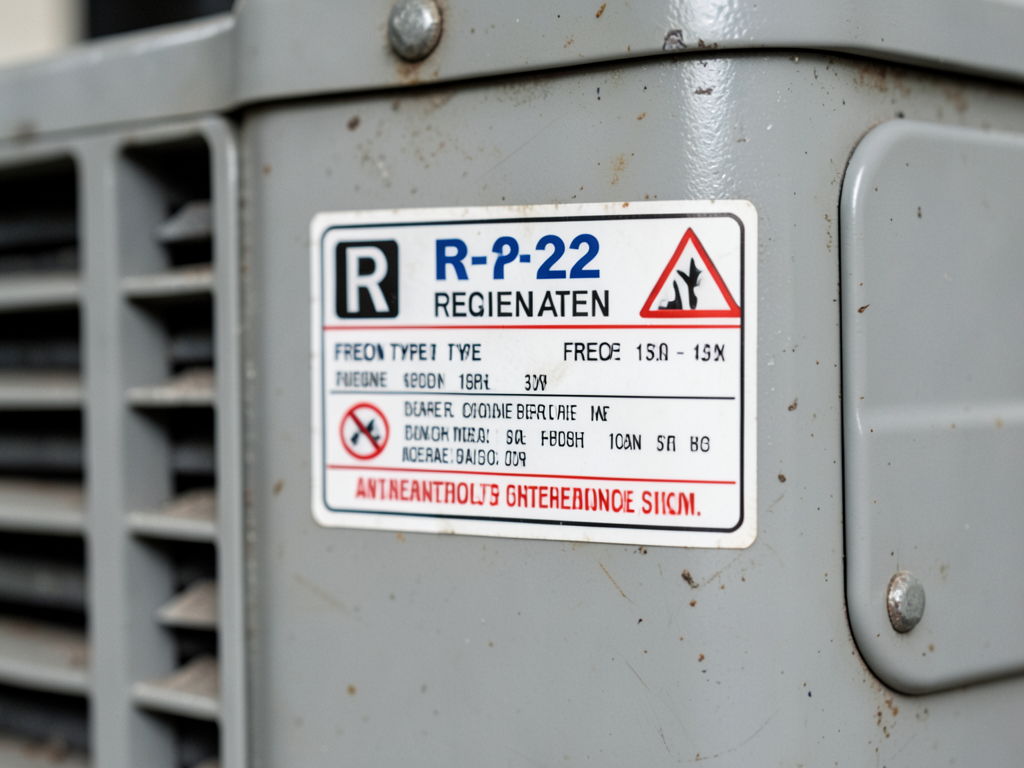
If the condenser unit outside was built before 2010 it probably uses R-22 refrigerant also known as Freon. The EPA banned new production of R-22 in 2020 because it depletes the ozone layer. That means if your system springs a leak you will pay a premium for the dwindling supply. A standard recharge can cost $500 to $1,500 and some contractors refuse to work on R-22 units at all.
Look for a label on the condenser that says “R-22” or “HCFC-22.” If you see it you are facing a ticking clock. The older the unit the more likely it will need major repairs in the next few years. Replacing an R-22 system with a modern R-410A or R-32 unit can cost $5,000 to $10,000 but it will save you money on energy and repairs down the road. Emergency AC Repair Services for Homes in West Lake Hills.
Red Flag #2: Cracked or Rusted Heat Exchangers
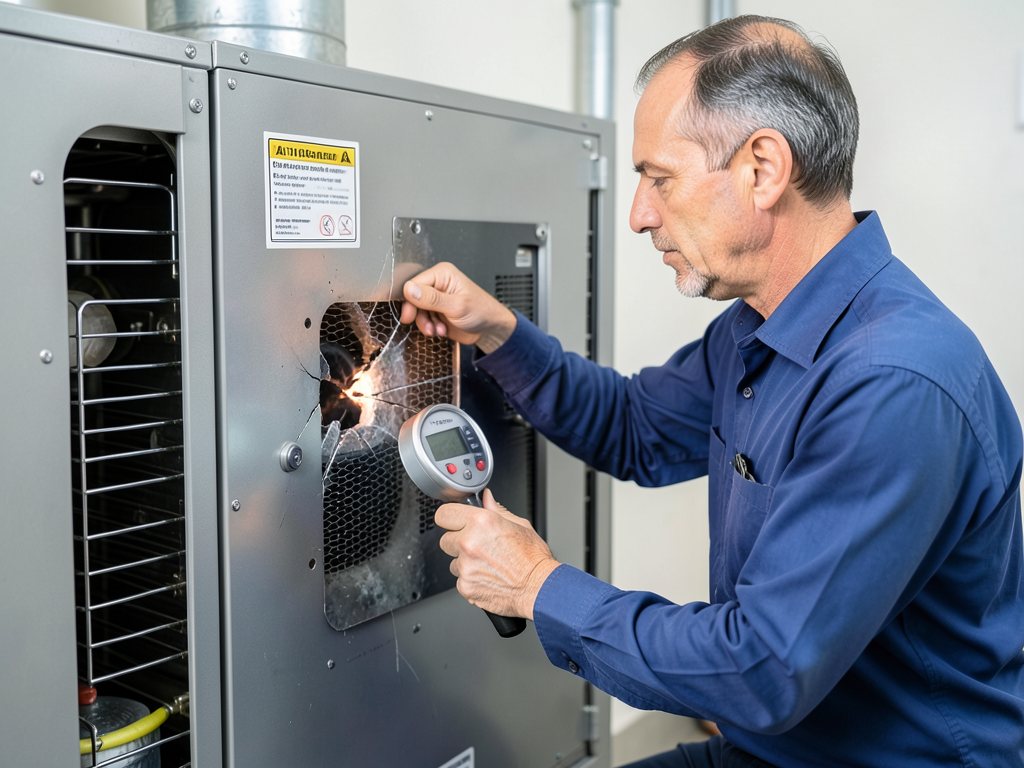
Many Wooten homes have gas furnaces tucked in closets or attics. Over time the heat exchanger metal expands and contracts causing cracks. A cracked exchanger can leak carbon monoxide into your home. That is not just an efficiency problem it is a safety hazard. Fast and Professional Furnace Repair in Georgetown During the Winter Chill.
Telltale signs include rust streaks on the furnace cabinet, a yellow or flickering burner flame instead of a steady blue one and soot around the unit. A technician can confirm cracks with a combustion analyzer or a visual inspection with a mirror and flashlight. If you see any of these signs demand a full HVAC inspection before closing.
Red Flag #3: Undersized or Poorly Designed Ductwork
Mid-century builders often used 4-inch or 5-inch ducts when today’s standards call for 6-inch or larger. Small ducts restrict airflow and make your system work harder. You might notice rooms that are always too hot or too cold. The problem gets worse if the ducts run through an unconditioned attic where they pick up heat in summer.
Check the air vents for weak airflow. If the system struggles to cool or heat the house it could be a duct issue. A Manual J load calculation will tell you if the ducts are sized right for the home’s square footage. Upgrading ductwork in a pier-and-beam home can cost $3,000 to $6,000 but it pays off in comfort and efficiency.
Red Flag #4: Mold or Moisture in Ducts and Attic
Austin’s humidity creates the perfect breeding ground for mold inside old ducts. Look for black or green streaks around vents and a musty smell when the system runs. Moisture can also build up in attic ducts causing rust and insulation damage. In pier-and-beam homes crawl space ducts are even more vulnerable to groundwater and pests.
A duct blaster test can measure how much air leaks from the system. High leakage means you are paying to cool your attic. Mold remediation and duct sealing can cost $2,000 to $4,000 but ignoring it can lead to health problems and even higher bills.
Red Flag #5: Electrical Panel and Wiring Issues
Older homes in Wooten often have 60 or 100 amp electrical panels. Modern HVAC systems need 200 amps to run safely. If the panel is too small the system may trip breakers or cause voltage drops that shorten equipment life. Also look for cloth-wrapped or aluminum wiring which can overheat. Modern HVAC Solutions for Historic Homes in Tarrytown and Old West Austin.
Open the electrical panel and check the main breaker size. If it is under 200 amps you will need an upgrade. A licensed electrician can confirm if the wiring is safe for a new high-efficiency system. Electrical work can add $1,500 to $3,000 to your HVAC project.
Red Flag #6: Missing or Failing Safety Controls
Modern HVAC systems have safety switches that shut off the unit if something goes wrong. Older systems may lack these protections. Common missing controls include high-pressure cut-offs, flame rollout switches and condensate overflow shutoffs. Without them a small problem can turn into a big expensive one.
Ask your inspector to test all safety controls. If they are missing or faulty you can ask the seller to install them or credit you for the repair. This is a low-cost fix that can save you thousands in water damage or fire risk.
Red Flag #7: Single-Stage Equipment in a Two-Stage World
Older systems run at full blast or not at all. That means they cycle on and off more often wasting energy and wearing out parts. Modern two-stage or variable-speed units adjust their output to match the load. They run longer at lower speeds which keeps your home more comfortable and filters the air better.
If the system is more than 15 years old it is probably single-stage. Replacing it with a high-efficiency model can cut your cooling costs by 30 to 50 percent. Look for the yellow EnergyGuide label on the condenser. If the SEER rating is below 10 you are due for an upgrade.
Local Austin Rebates and Incentives
Austin Energy offers rebates up to $2,500 for installing a high-efficiency heat pump or AC system. The federal government also provides a 30 percent tax credit on geothermal heat pumps and high-efficiency HVAC equipment through 2032. These incentives can take a big bite out of replacement costs. Geothermal Heating & Cooling.
Ask your HVAC contractor to run the numbers with rebates included. Sometimes the monthly savings on your utility bill will pay for the new system in just a few years. That is a strong bargaining chip when negotiating with the seller.
Professional Inspection vs. General Home Inspection
A general home inspector will check if the system turns on and blows air. That is not enough. A licensed HVAC technician will measure static pressure, check refrigerant charge, test capacitor performance and inspect the heat exchanger. They can spot problems that a visual check will miss.
Always hire a technician with NATE certification and a Texas HVAC license. Ask for a written report with photos. This document can be gold when asking the seller for repairs or a price reduction.
Cost Comparison: Repair vs. Replace
| Issue | Repair Cost | Replace Cost | Energy Savings |
|---|---|---|---|
| R-22 recharge | $500-$1,500 | $5,000-$10,000 | 20-30% |
| Heat exchanger | $1,000-$2,500 | $4,000-$8,000 | 15-25% |
| Duct sealing | $1,000-$2,000 | $3,000-$6,000 | 10-20% |
| Panel upgrade | N/A | $1,500-$3,000 | N/A |
Negotiation Strategy for Buyers
Use the inspection report to ask for a repair credit or a lower price. For example if the report says the system needs $3,000 in duct work and a $2,000 electrical upgrade you can ask for a $5,000 credit. If the seller balks you can still walk away without losing your earnest money.
Another option is to ask the seller to replace the HVAC before closing. Some sellers will do this to avoid holding up the sale. Just make sure the contract specifies the brand, model and efficiency rating so you get a quality system.
Final Checklist Before Closing
- Verify the HVAC system’s age and refrigerant type
- Check for rust, cracks or soot around the furnace
- Test airflow at each vent
- Look for mold or moisture signs in ducts and attic
- Confirm the electrical panel is at least 200 amps
- Ask for a written inspection report from a licensed HVAC tech
- Research Austin Energy rebates and federal tax credits
Protect Your Investment
Buying a mid-century home in Wooten can be a dream come true. But ignoring HVAC red flags can turn that dream into a money pit. A little due diligence now can save you thousands in repairs and give you peace of mind. If you are unsure about any of these issues call a licensed HVAC professional for a full inspection.
Call (737) 316-0777 today to schedule your pre-purchase HVAC inspection. Our NATE-certified technicians will give you a clear report so you can buy with confidence.
Frequently Asked Questions
How old is too old for an HVAC system in Austin?
Systems over 15 years old are near the end of their life in our hot humid climate. If it uses R-22 or has never had major repairs it is time to plan for replacement.
Can I get the seller to pay for HVAC repairs?
Yes. Use the inspection report to ask for a repair credit or price reduction. Many sellers will negotiate to keep the deal on track.
What rebates are available for new HVAC in Austin?
Austin Energy offers up to $2,500 for high-efficiency heat pumps. The federal government also provides a 30 percent tax credit on qualifying equipment through 2032.
Is mold in the ducts dangerous?
Yes. Mold can cause allergies and respiratory issues. If you see or smell mold have the ducts cleaned and sealed by a professional.
How much does it cost to replace an old HVAC system?
Replacement costs range from $5,000 to $10,000 depending on size and efficiency. Adding new ductwork or electrical work can increase the price.
{
“@context”: “https://schema.org”,
“@type”: “BlogPosting”,
“headline”: “HVAC Red Flags to Look for When Buying a Mid Century Home in Wooten”,
“description”: “Buying a mid-century home in Wooten? Learn the critical HVAC red flags that could cost you thousands. Expert Austin inspection guide.”,
“wordCount”: 1752,
“datePublished”: “2026-06-09T11:28:00.000Z”,
“dateModified”: “2026-06-09T11:28:00.000Z”,
“inLanguage”: “en-US”,
“mainEntityOfPage”: {
“@type”: “WebPage”,
“@id”: “https://allprohvacaustin.com”
},
“publisher”: {
“@type”: “LocalBusiness”,
“name”: “All Pro HVAC Austin”,
“url”: “https://allprohvacaustin.com”
},
“author”: {
“@type”: “Organization”,
“name”: “All Pro HVAC Austin”,
“url”: “https://allprohvacaustin.com”
},
“image”: {
“@type”: “ImageObject”,
“url”: “https://allprohvacaustin.com/wp-content/uploads/2026/03/hvac-red-flags-to-look-for-when-buying-a-mid-centu-1.png”
}
}
{
“@context”: “https://schema.org”,
“@type”: “HVACBusiness”,
“name”: “All Pro HVAC Austin”,
“url”: “https://allprohvacaustin.com”,
“address”: {
“@type”: “PostalAddress”,
“addressLocality”: “Austin”
},
“areaServed”: {
“@type”: “City”,
“name”: “Austin”
}
}
{
“@context”: “https://schema.org”,
“@type”: “FAQPage”,
“mainEntity”: [
{
“@type”: “Question”,
“name”: “How old is too old for an HVAC system in Austin?”,
“acceptedAnswer”: {
“@type”: “Answer”,
“text”: “Systems over 15 years old are near the end of their life in our hot humid climate. If it uses R-22 or has never had major repairs it is time to plan for replacement.”
}
},
{
“@type”: “Question”,
“name”: “Can I get the seller to pay for HVAC repairs?”,
“acceptedAnswer”: {
“@type”: “Answer”,
“text”: “Yes. Use the inspection report to ask for a repair credit or price reduction. Many sellers will negotiate to keep the deal on track.”
}
},
{
“@type”: “Question”,
“name”: “What rebates are available for new HVAC in Austin?”,
“acceptedAnswer”: {
“@type”: “Answer”,
“text”: “Austin Energy offers up to $2,500 for high-efficiency heat pumps. The federal government also provides a 30 percent tax credit on qualifying equipment through 2032.”
}
},
{
“@type”: “Question”,
“name”: “Is mold in the ducts dangerous?”,
“acceptedAnswer”: {
“@type”: “Answer”,
“text”: “Yes. Mold can cause allergies and respiratory issues. If you see or smell mold have the ducts cleaned and sealed by a professional.”
}
},
{
“@type”: “Question”,
“name”: “How much does it cost to replace an old HVAC system?”,
“acceptedAnswer”: {
“@type”: “Answer”,
“text”: “Replacement costs range from $5,000 to $10,000 depending on size and efficiency. Adding new ductwork or electrical work can increase the price.”
}
}
]
}
{
“@context”: “https://schema.org”,
“@type”: “BreadcrumbList”,
“itemListElement”: [
{
“@type”: “ListItem”,
“position”: 1,
“name”: “Home”,
“item”: “https://allprohvacaustin.com”
},
{
“@type”: “ListItem”,
“position”: 2,
“name”: “Blog”,
“item”: “https://allprohvacaustin.com/blog”
},
{
“@type”: “ListItem”,
“position”: 3,
“name”: “HVAC Red Flags to Look for When Buying a Mid Century Home in Wooten”
}
]
}
{
“@context”: “https://schema.org”,
“@type”: “Service”,
“serviceType”: “HVAC”,
“provider”: {
“@type”: “LocalBusiness”,
“name”: “All Pro HVAC Austin”,
“url”: “https://allprohvacaustin.com”
},
“areaServed”: {
“@type”: “City”,
“name”: “Austin”
},
“description”: “Buying a mid-century home in Wooten? Learn the critical HVAC red flags that could cost you thousands. Expert Austin inspection guide.”
}