
How the Austin Dust Problem Is Ruining Your AC Blower Motor Early
Central Texas homeowners are facing a silent HVAC killer: the Austin dust problem. Fine airborne particles mixed with high humidity create a perfect storm that accelerates blower motor wear, often causing failure years before the expected lifespan. This isn’t just an inconvenience; it’s a costly repair that leaves you sweating in Austin’s brutal summer heat. Emergency AC Repair Services for Homes in West Lake Hills.
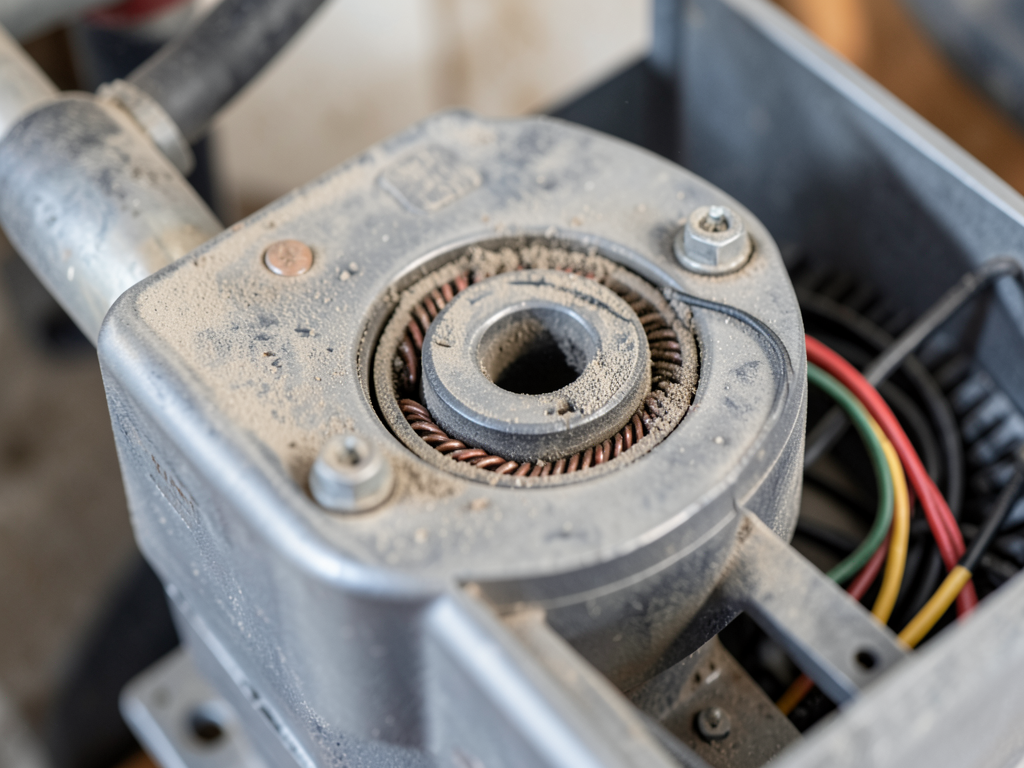
Your AC blower motor is the heart of your cooling system, circulating air through your home. When dust infiltrates the motor bearings and electrical components, friction increases, heat builds up, and the motor struggles to keep up. The result? A screeching sound from your air handler, weak airflow, or complete system shutdown when you need cooling most.
Understanding how Austin’s unique environment impacts your HVAC equipment is the first step to prevention. From the cedar pollen clouds of January to the construction dust in growing neighborhoods like Mueller and East Austin, your blower motor faces constant assault. This guide breaks down the warning signs, explains why replacement costs vary in Austin, and shows you how to protect your investment before the next heat wave hits.
Common Signs Your AC Blower Motor Is Failing
Recognizing early warning signs can save you from a complete system breakdown. Here’s what to watch for:
- Unusual Noises
A failing motor often produces distinct sounds. A high-pitched squeal usually indicates dry bearings, while a grinding noise suggests metal-on-metal contact. Sometimes you’ll hear a clicking sound when the motor tries to start but can’t overcome internal resistance.
- Weak or No Airflow
If your vents feel like they’re barely pushing air, the blower motor might be struggling. In severe cases, you’ll notice hot spots in your home despite the AC running constantly. The motor simply can’t move enough air to cool effectively.
- Intermittent Operation
A motor on its last legs may work sporadically. It might run for a few minutes, shut off, then restart minutes later. This cycling often indicates overheating protection kicking in as internal components fail. Geothermal Heating & Cooling.
- Tripped Breakers or Blown Fuses
When a motor draws excessive current due to worn bearings or electrical faults, it can trip your circuit breaker. If you’re constantly resetting breakers for your HVAC system, the blower motor is likely the culprit.
- Complete System Shutdown
The most obvious sign: your AC won’t turn on at all. If you’ve checked the thermostat and filters, and the outdoor unit runs but nothing blows from vents, the blower motor has likely failed completely.
Why Austin’s Climate Accelerates Blower Motor Wear
Central Texas presents unique challenges for HVAC equipment that other regions simply don’t face. Understanding these factors helps explain why your blower motor might be failing earlier than expected.
Cedar Fever Season Impact: Every winter, Austin experiences cedar pollen explosions that create visible clouds of fine particles. These microscopic allergens don’t just affect your sinuses; they infiltrate your HVAC system. Standard filters struggle to capture particles this small, allowing them to accumulate on motor windings and bearings.
Construction Dust in Growing Areas: As neighborhoods like East Riverside, Mueller, and The Domain continue developing, airborne construction dust increases dramatically. Even if you’re miles from active sites, wind carries fine silica particles that act like sandpaper on motor bearings.
High Humidity and Condensation: Austin’s humidity often exceeds 70% during summer months. When warm, moist air contacts the cool surfaces inside your air handler, condensation forms. This moisture mixes with accumulated dust, creating a paste-like substance that accelerates bearing wear and promotes electrical corrosion.
Extended Cooling Seasons: Unlike northern climates where AC runs only a few months per year, Austin systems operate from March through October. This 7-8 month runtime means your blower motor accumulates wear equivalent to 2-3 years in milder climates.
Power Grid Fluctuations: ERCOT’s occasional capacity issues can cause voltage fluctuations that stress motor windings. While surge protectors help, repeated minor brownouts still take a toll on electrical components over time.
Diagnosing the Problem: Capacitor vs. Motor Failure
Before assuming your blower motor needs replacement, it’s crucial to determine whether the issue is actually the motor or a related component. Many apparent motor failures are actually capacitor problems, which cost significantly less to repair. Local AC Repair and Cooling Experts in South Lamar and Barton Hills.
The Capacitor’s Role: Your blower motor relies on a start capacitor to provide the initial torque needed to begin spinning. When this capacitor fails, the motor hums but won’t start, or it may try to start then shut down repeatedly.
Diagnostic Test You Can Perform Safely: With the power OFF at the breaker, locate your air handler’s access panel. Inside, you’ll find the blower assembly with a black cylinder (the capacitor) attached nearby. Look for signs of bulging, leaking oil, or corrosion on the capacitor. However, capacitors store dangerous voltage even when disconnected, so visual inspection only is recommended for homeowners.
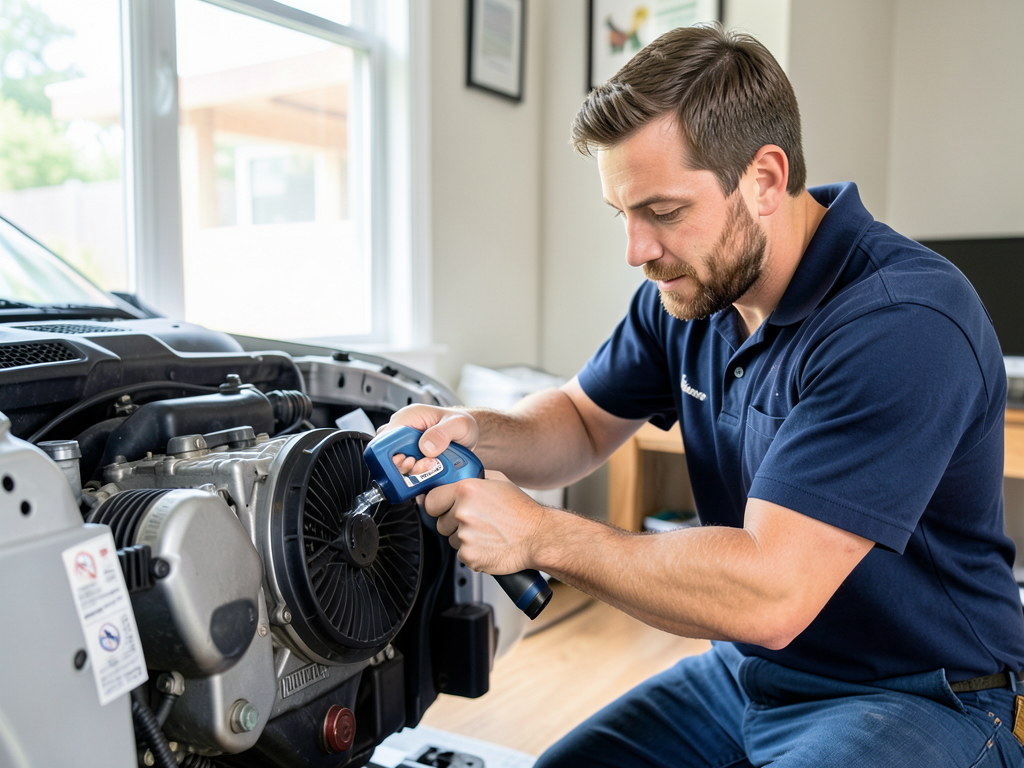
Professional Testing Equipment: Technicians use a multimeter to test capacitance and amp draw. A healthy motor typically draws 4-6 amps during operation, while a failing motor might draw 8-10 amps or more. This increased current indicates internal friction from worn bearings or damaged windings.
Common Misdiagnosis: Many homeowners replace motors when the actual problem is a faulty fan relay on the control board, or even a clogged air filter restricting airflow. Always check the simplest solutions first: clean or replace your filter, ensure vents aren’t blocked, and verify the thermostat is calling for cooling.
PSC vs. ECM Motors: What’s in Your System?
Not all blower motors are created equal. Understanding which type you have affects both replacement costs and energy efficiency.
| Motor Type | Energy Efficiency | Noise Level | Lifespan | Typical Cost (Austin) |
|---|---|---|---|---|
| PSC (Permanent Split Capacitor) | 60-70% efficient | Louder, single speed | 10-12 years | $400-600 |
| ECM (Electronically Commutated Motor) | 80-90% efficient | Quieter, variable speed | 15-20 years | $800-1,200 |
PSC Motors: These traditional motors are common in older systems and budget installations. They operate at one speed, making them less efficient but also less complex. When they fail, replacement is straightforward but you’re stuck with the same efficiency limitations.
ECM Motors: Modern high-efficiency systems use ECM technology. These motors adjust their speed based on cooling demand, providing better humidity control and lower energy bills. They’re more expensive upfront but often pay for themselves through reduced utility costs.
Why It Matters for Austin Homes: Given our extended cooling seasons, the efficiency difference between PSC and ECM motors becomes significant. An ECM motor might save $15-25 per month on electricity during peak summer months, potentially offsetting the higher replacement cost within 2-3 years.
Average Blower Motor Replacement Costs in Austin
Understanding local pricing helps you avoid overpaying and sets realistic expectations for this repair.
| Motor Type | Parts Cost | Labor Cost (2-4 hours) | Total Installed Cost |
|---|---|---|---|
| PSC Replacement | $150-300 | $250-350 | $400-650 |
| ECM Replacement | $500-800 | $300-450 | $800-1,250 |
| Complete Assembly | $600-1,000 | $400-600 | $1,000-1,600 |
Factors Affecting Your Price: The age and brand of your system significantly impact costs. Carrier, Trane, and Lennox parts typically cost 20-30% more than Goodman or Ruud equivalents. Accessibility also matters; attic installations require more labor time than closet-mounted air handlers.
Emergency Service Premium: Weekend or evening service calls add $150-300 to standard rates. Given Austin’s summer temperatures, many companies charge this premium year-round during heat waves.
Warranty Considerations: If your system is under 5 years old, parts might still be under manufacturer warranty. However, labor warranties typically last only 1 year, so you’ll still pay for installation.
Preventing Premature Blower Motor Failure
Protecting your blower motor from Austin’s harsh environment requires proactive maintenance. Here are proven strategies to extend motor life:
- Upgrade to High-Quality Air Filters
Standard 1-inch filters capture only 30-40% of airborne particles. Upgrade to MERV 11-13 pleated filters that capture 85-95% of particles down to 1 micron. This dramatically reduces dust reaching your motor. Replace every 60-90 days instead of the standard 90-day interval.
- Install a Whole-House Air Purifier
Electronic air cleaners or HEPA filtration systems capture particles before they enter your HVAC system. These units can remove 99% of airborne contaminants, including the fine cedar pollen that standard filters miss.
- Schedule Professional Maintenance Twice Yearly
Annual maintenance isn’t enough for Austin’s climate. Spring and fall tune-ups include motor lubrication, electrical connection tightening, and bearing inspection. This preventive care can extend motor life by 3-5 years. Affordable AC Tune-Ups and Maintenance for Pflugerville Homeowners.
- Control Indoor Humidity
Install a whole-house dehumidifier if your home consistently exceeds 60% relative humidity. Lower humidity reduces condensation in your air handler and prevents the dust-moisture paste that accelerates bearing wear.
- Ensure Proper Ventilation
Make sure your attic or closet housing the air handler has adequate ventilation. Trapped heat accelerates motor wear. Consider adding passive vents or a small exhaust fan if temperatures regularly exceed 95°F in the equipment space.
When to Repair vs. Replace Your Entire System
A failing blower motor often signals broader system issues. Here’s how to decide between repair and full replacement:
| Age of System | Repair Cost | Recommended Action | ROI Consideration |
|---|---|---|---|
| Under 5 years | Any amount | Repair | Warranty likely covers parts |
| 5-10 years | Under $500 | Repair | Still within reasonable lifespan |
| 5-10 years | Over $800 | Consider replacement | Multiple components aging |
| Over 10 years | Under $400 | Repair if other components good | Temporary fix likely sufficient |
| Over 10 years | Over $600 | Replace system | New systems 30-40% more efficient |
Energy Efficiency Payback: Modern AC systems achieve SEER ratings of 16-20, compared to 10-12 for units installed before 2010. This 40-60% efficiency improvement can save $300-500 annually on cooling costs in Austin’s climate.
Multiple Component Failures: If you’re facing blower motor replacement plus capacitor issues, contactor problems, or refrigerant leaks, the cumulative repair costs often exceed 50% of a new system’s price. This is the threshold where replacement becomes the smarter financial decision.
Environmental Considerations: Older R-22 refrigerant systems are being phased out. If your system uses R-22 and needs major repairs, replacement with an R-410A system isn’t just about efficiency—it’s about complying with EPA regulations and ensuring future service availability.
Finding Reliable AC Repair in Austin
When your blower motor fails, you need a technician who understands Austin’s specific HVAC challenges. Here’s what to look for:
Texas HVAC Licensing: Verify the company holds a valid TACLA (Texas Air Conditioning Licensing Agency) license. This ensures they meet state requirements for insurance, training, and ethical business practices.
Local Experience: Companies familiar with Austin’s cedar fever season, construction dust patterns, and humidity challenges provide better diagnosis and solutions. Ask about their experience with homes in your specific area.
Transparent Pricing: Reputable companies provide written estimates before starting work. Be wary of technicians who won’t quote prices over the phone or pressure you into immediate decisions.
Emergency Availability: Given Austin’s summer temperatures, 24/7 emergency service isn’t a luxury—it’s essential. Verify their response times and whether they charge after-hours premiums.
Customer Reviews: Look for patterns in reviews. Consistent praise for punctuality, cleanliness, and clear communication indicates a company that values customer service, not just quick repairs.
Frequently Asked Questions
How long should an AC blower motor last in Austin?
Under normal conditions, 10-15 years is typical. However, Austin’s dust, humidity, and extended cooling seasons often reduce this to 7-10 years without proper maintenance. High-quality filters and twice-yearly professional maintenance can extend lifespan significantly. Fast and Professional Furnace Repair in Georgetown During the Winter Chill.
Can I run my AC if the blower motor is failing?
Running a failing motor risks complete failure and potential damage to other components. If you hear unusual noises or notice weak airflow, turn off the system and call for service. Continuing operation can turn a $400 repair into a $1,500 replacement.
Is blower motor replacement covered by home warranty?
Most home warranties cover blower motor replacement, but with limitations. They typically cover the part cost but may require you to pay a service fee of $75-125. Read your contract carefully, as some exclude motors under 5 years old or require specific maintenance documentation.
What causes blower motors to fail prematurely?
Common causes include dust accumulation on bearings, electrical surges, lack of lubrication, clogged air filters forcing the motor to work harder, and condensation creating corrosive environments. Austin’s combination of dust and humidity particularly accelerates these failure modes.
How can I tell if my blower motor needs replacement or just repair?
Minor issues like capacitor failure or dirty bearings often just need repair. However, if the motor is over 10 years old, makes grinding noises, or draws excessive current, replacement is usually more cost-effective. A professional diagnosis can determine the best course of action.
Don’t Let Dust Destroy Your Comfort
The Austin dust problem isn’t going away, but you can protect your HVAC system from premature failure. Whether you’re hearing concerning noises from your air handler or want to prevent future breakdowns, professional diagnosis is the first step.
Ignoring early warning signs costs more in the long run. A $75 diagnostic fee today can prevent a $1,200 emergency replacement tomorrow. Plus, catching issues early often means simpler, less expensive repairs.
Call (737) 316-0777 today to schedule your comprehensive AC inspection. Our technicians understand Austin’s unique environmental challenges and provide honest recommendations for keeping your system running efficiently through our scorching summers.
Don’t wait until your blower motor fails completely. Pick up the phone and call (737) 316-0777 before the next heat wave hits. Your comfort and peace of mind are worth protecting.
Emergency Service Available 24/7 – Serving Austin, Georgetown, Cedar Park, and surrounding communities. Licensed, insured, and committed to honest, transparent pricing.
– Diagram showing how dust accumulation on blower motor bearings increases friction and heat over time
– Technician using multimeter to test blower motor amperage draw during diagnostic service call
– Comparison of clean vs. dust-clogged blower motor assembly from an Austin home
Texas Commission on Environmental Quality – Information on air quality and particulate matter standards
ASHRAE – Industry standards for HVAC system design and maintenance
TACLA – Texas Air Conditioning Licensing Agency licensing verification
{
“@context”: “https://schema.org”,
“@type”: “BlogPosting”,
“headline”: “How the Austin Dust Problem Is Ruining Your AC Blower Motor Early”,
“description”: “Central Texas dust and humidity are destroying AC blower motors faster than expected. Learn the signs, costs, and how to protect your system before it fails.”,
“wordCount”: 2352,
“datePublished”: “2026-06-08T11:11:00.000Z”,
“dateModified”: “2026-06-08T11:11:00.000Z”,
“inLanguage”: “en-US”,
“mainEntityOfPage”: {
“@type”: “WebPage”,
“@id”: “https://allprohvacaustin.com”
},
“publisher”: {
“@type”: “LocalBusiness”,
“name”: “All Pro HVAC Austin”,
“url”: “https://allprohvacaustin.com”
},
“author”: {
“@type”: “Organization”,
“name”: “All Pro HVAC Austin”,
“url”: “https://allprohvacaustin.com”
},
“image”: {
“@type”: “ImageObject”,
“url”: “https://allprohvacaustin.com/wp-content/uploads/2026/03/how-the-austin-dust-problem-is-ruining-your-ac-blo-1.png”
}
}
{
“@context”: “https://schema.org”,
“@type”: “HVACBusiness”,
“name”: “All Pro HVAC Austin”,
“url”: “https://allprohvacaustin.com”,
“address”: {
“@type”: “PostalAddress”,
“addressLocality”: “Austin”
},
“areaServed”: {
“@type”: “City”,
“name”: “Austin”
}
}
{
“@context”: “https://schema.org”,
“@type”: “FAQPage”,
“mainEntity”: [
{
“@type”: “Question”,
“name”: “PSC vs. ECM Motors: What’s in Your System?”,
“acceptedAnswer”: {
“@type”: “Answer”,
“text”: “Not all blower motors are created equal. Understanding which type you have affects both replacement costs and energy efficiency.”
}
},
{
“@type”: “Question”,
“name”: “How long should an AC blower motor last in Austin?”,
“acceptedAnswer”: {
“@type”: “Answer”,
“text”: “Under normal conditions, 10-15 years is typical. However, Austin’s dust, humidity, and extended cooling seasons often reduce this to 7-10 years without proper maintenance. High-quality filters and twice-yearly professional maintenance can extend lifespan significantly. Fast and Professional Furnace Repair in Georgetown During the Winter Chill.”
}
},
{
“@type”: “Question”,
“name”: “Can I run my AC if the blower motor is failing?”,
“acceptedAnswer”: {
“@type”: “Answer”,
“text”: “Running a failing motor risks complete failure and potential damage to other components. If you hear unusual noises or notice weak airflow, turn off the system and call for service. Continuing operation can turn a $400 repair into a $1,500 replacement.”
}
},
{
“@type”: “Question”,
“name”: “Is blower motor replacement covered by home warranty?”,
“acceptedAnswer”: {
“@type”: “Answer”,
“text”: “Most home warranties cover blower motor replacement, but with limitations. They typically cover the part cost but may require you to pay a service fee of $75-125. Read your contract carefully, as some exclude motors under 5 years old or require specific maintenance documentation.”
}
},
{
“@type”: “Question”,
“name”: “What causes blower motors to fail prematurely?”,
“acceptedAnswer”: {
“@type”: “Answer”,
“text”: “Common causes include dust accumulation on bearings, electrical surges, lack of lubrication, clogged air filters forcing the motor to work harder, and condensation creating corrosive environments. Austin’s combination of dust and humidity particularly accelerates these failure modes.”
}
},
{
“@type”: “Question”,
“name”: “How can I tell if my blower motor needs replacement or just repair?”,
“acceptedAnswer”: {
“@type”: “Answer”,
“text”: “Minor issues like capacitor failure or dirty bearings often just need repair. However, if the motor is over 10 years old, makes grinding noises, or draws excessive current, replacement is usually more cost-effective. A professional diagnosis can determine the best course of action.”
}
}
]
}
{
“@context”: “https://schema.org”,
“@type”: “HowTo”,
“name”: “Blower Motor Failure Symptoms”,
“step”: [
{
“@type”: “HowToStep”,
“position”: 1,
“name”: “Unusual Noises”,
“text”: “A failing motor often produces distinct sounds. A high-pitched squeal usually indicates dry bearings, while a grinding noise suggests metal-on-metal contact. Sometimes you’ll hear a clicking sound when the motor tries to start but can’t overcome internal resistance.”
},
{
“@type”: “HowToStep”,
“position”: 2,
“name”: “Weak or No Airflow”,
“text”: “If your vents feel like they’re barely pushing air, the blower motor might be struggling. In severe cases, you’ll notice hot spots in your home despite the AC running constantly. The motor simply can’t move enough air to cool effectively.”
},
{
“@type”: “HowToStep”,
“position”: 3,
“name”: “Intermittent Operation”,
“text”: “A motor on its last legs may work sporadically. It might run for a few minutes, shut off, then restart minutes later. This cycling often indicates overheating protection kicking in as internal components fail. Geothermal Heating & Cooling.”
},
{
“@type”: “HowToStep”,
“position”: 4,
“name”: “Tripped Breakers or Blown Fuses”,
“text”: “When a motor draws excessive current due to worn bearings or electrical faults, it can trip your circuit breaker. If you’re constantly resetting breakers for your HVAC system, the blower motor is likely the culprit.”
},
{
“@type”: “HowToStep”,
“position”: 5,
“name”: “Complete System Shutdown”,
“text”: “The most obvious sign: your AC won’t turn on at all. If you’ve checked the thermostat and filters, and the outdoor unit runs but nothing blows from vents, the blower motor has likely failed completely.”
}
],
“image”: “https://allprohvacaustin.com/wp-content/uploads/2026/03/how-the-austin-dust-problem-is-ruining-your-ac-blo-1.png”
}
{
“@context”: “https://schema.org”,
“@type”: “BreadcrumbList”,
“itemListElement”: [
{
“@type”: “ListItem”,
“position”: 1,
“name”: “Home”,
“item”: “https://allprohvacaustin.com”
},
{
“@type”: “ListItem”,
“position”: 2,
“name”: “Blog”,
“item”: “https://allprohvacaustin.com/blog”
},
{
“@type”: “ListItem”,
“position”: 3,
“name”: “How the Austin Dust Problem Is Ruining Your AC Blower Motor Early”
}
]
}
{
“@context”: “https://schema.org”,
“@type”: “Service”,
“serviceType”: “HVAC”,
“provider”: {
“@type”: “LocalBusiness”,
“name”: “All Pro HVAC Austin”,
“url”: “https://allprohvacaustin.com”
},
“areaServed”: {
“@type”: “City”,
“name”: “Austin”
},
“description”: “Central Texas dust and humidity are destroying AC blower motors faster than expected. Learn the signs, costs, and how to protect your system before it fails.”
}