
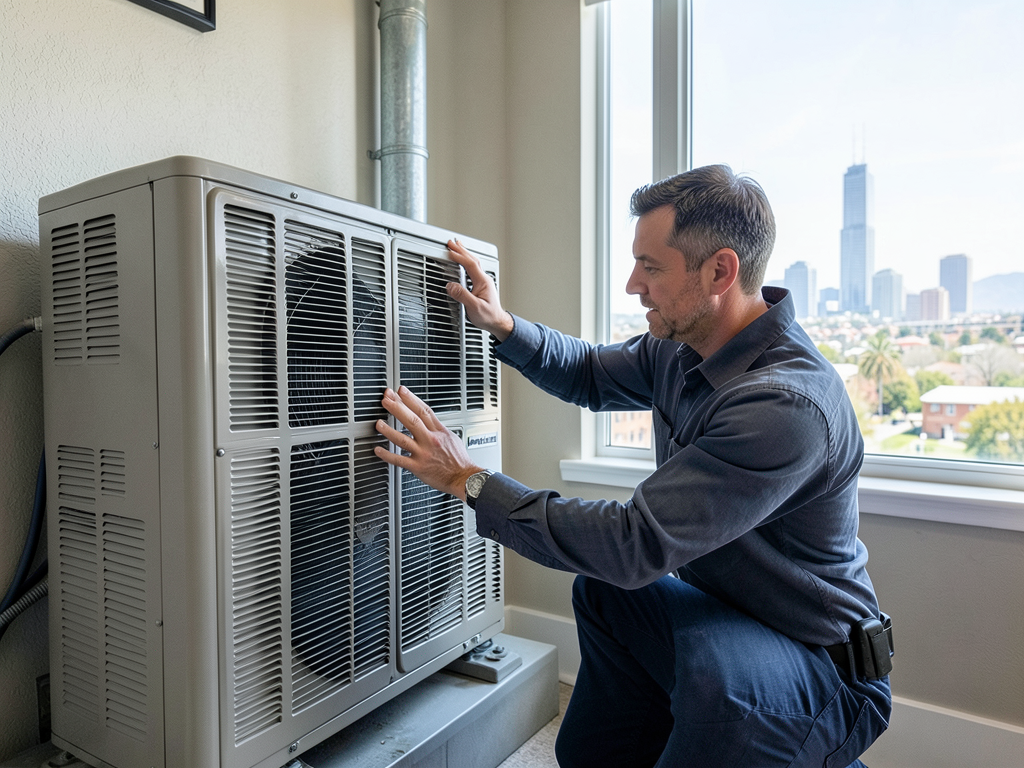
HVAC Maintenance Checklist for First Time Homeowners in Wells Branch
Moving into your first home in Wells Branch brings excitement and new responsibilities. Your HVAC system represents one of your home’s most expensive components and requires proper care to avoid costly breakdowns during Austin’s brutal summers. This comprehensive checklist covers everything you need to know about maintaining your system, understanding local climate challenges, and protecting your investment. Austin Energy rebate programs.
The First 30 Days: Assessing Your New Home’s HVAC
During your first month in Wells Branch, you need to gather critical information about your HVAC system. Start by locating both the indoor air handler (usually in an attic, closet, or garage) and the outdoor condensing unit. Wells Branch homes typically feature systems installed between 2010 and 2020, with many featuring high-efficiency units designed for Central Texas conditions. Texas Department of Licensing and Regulation.
Find the manufacturer’s label on both units to determine age and specifications. Look for the serial number format – most major brands use the first four digits to indicate manufacture date. For example, a Trane unit with serial number 1923xxxx was built in the 23rd week of 2019. This information proves essential for warranty verification and replacement planning.
Check the air filter size by removing the existing filter or measuring the slot dimensions. Wells Branch homes commonly use 16x25x1 or 20x25x1 filters, though some larger homes may require 24x24x1 or 20x20x4 sizes. Note whether your system uses standard one-inch filters or larger media filters that require less frequent replacement.. Read more about Moving Your AC Unit to Make Room for a New Deck in Steiner Ranch.
Inspect the outdoor unit for visible damage, rust, or debris accumulation. Central Texas limestone dust and pollen from nearby Brushy Creek create unique challenges for outdoor equipment. Look for bent fins, which reduce efficiency by up to 30%, and check that the concrete pad remains level – soil movement in this area often causes units to shift over time.
Austin Climate Factors: Why Maintenance is Different Here
Wells Branch sits in the heart of Central Texas’s unique climate zone, where your HVAC system faces year-round stress that homeowners in other regions rarely experience. Summer temperatures regularly exceed 100°F for extended periods, while humidity levels often hover above 70%, creating conditions that push standard systems to their limits.. Read more about Managing Your HVAC System as a Remote Landlord in Riverside and Montopolis.
The high humidity creates specific maintenance challenges. When warm, moist air contacts cold evaporator coils, condensation forms rapidly. In Wells Branch’s climate, this moisture can overwhelm drain systems, leading to overflow and potential water damage. The Texas Department of Licensing and Regulation requires all HVAC contractors to install secondary drain pans with overflow switches to prevent catastrophic failures.. Read more about Dealing with Hard Water Scale in Your Whole Home Humidifier in Round Rock.
Cedar fever season, typically from December through February, brings another layer of complexity. The mountain cedar trees prevalent in the Texas Hill Country release pollen that travels across Austin, clogging outdoor condenser coils and reducing system efficiency by up to 25%. During peak pollen periods, you may need to rinse your outdoor unit more frequently than standard maintenance schedules suggest.. Read more about Preparing Your Northwest Austin Home for Peak Allergy Season.
Winter presents different challenges. While Central Texas winters are generally mild, the region experienced devastating freeze events in recent years. The 2021 freeze caused widespread HVAC failures when condensate lines froze and expansion valves failed. Modern systems installed after 2021 include freeze protection features, but older units may still be vulnerable to similar temperature drops. Modern HVAC Solutions for Historic Homes in Tarrytown and Old West Austin.
New Homeowner Maintenance Checklist (DIY vs. Professional)
Understanding what you can handle versus what requires professional service helps you maintain your system effectively while avoiding costly mistakes. Here’s your month-by-month maintenance guide for Wells Branch homes. Fast and Professional Furnace Repair in Georgetown During the Winter Chill.
- Replace Air Filters
Check and replace one-inch filters monthly, or every three months for larger media filters. Wells Branch’s high pollen counts and dust from nearby construction projects mean more frequent changes may be necessary. Set calendar reminders for the first of each month.. Read more about Comparing MERV 8 and MERV 13 filters for high traffic North Lamar homes.
- Clear Condensate Drain Line
Pour one cup of white vinegar into the drain line access point monthly. This prevents algae growth that commonly blocks drains in our humid climate. If you notice water pooling near your indoor unit, the line may already be partially blocked.
- Clean Outdoor Unit
Rinse the condenser coils with a garden hose every three months, removing pollen, dust, and debris. Never use a pressure washer, as this can bend the delicate aluminum fins. Keep at least two feet of clearance around the unit for proper airflow.
Professional maintenance should occur twice yearly – once in spring before cooling season and again in fall before heating season. Licensed technicians perform tasks that require specialized tools and knowledge:
- Check refrigerant levels and pressure – low refrigerant reduces efficiency by up to 40%
- Clean evaporator and condenser coils thoroughly
- Inspect electrical connections and contactors for wear
- Test capacitor performance – failing capacitors cause 80% of AC breakdowns
- Check ductwork for leaks and proper insulation
- Test thermostat calibration and programming
Professional tune-ups typically cost between $150-250 in the Wells Branch area, but they prevent emergency repairs that can exceed $1,000 during peak summer months when demand drives up prices. Emergency AC Repair Services for Homes in West Lake Hills.
Financial Planning: Utility Rebates and Energy Savings
Wells Branch homeowners can access several Austin Energy rebate programs that offset maintenance and upgrade costs. The Austin Energy Smart Thermostat Rebate offers $50-100 for qualifying programmable thermostats that help manage energy consumption during peak demand periods.. Read more about The Hidden Costs of Leasing an HVAC System in Austin.
High-efficiency HVAC systems installed after 2023 must meet SEER2 standards, which are approximately 5% more efficient than previous SEER ratings. While these units cost more upfront, they can reduce cooling costs by 15-20% annually in our climate. Austin Energy’s Seasonal Energy Efficiency Rebate provides up to $300 for systems meeting specific efficiency thresholds.
Consider a maintenance agreement with a local contractor. These annual contracts typically cost $200-300 and include two professional tune-ups plus priority service during emergencies. Over a 10-year system lifespan, this investment can save thousands in avoided repairs and reduced energy bills. Affordable AC Tune-Ups and Maintenance for Pflugerville Homeowners.
Energy usage patterns in Wells Branch differ from other Austin neighborhoods due to the area’s mix of older and newer construction. Homes built before 2010 may use 30-40% more energy for cooling than those built with modern insulation and high-efficiency systems. If your utility bills seem high, request an energy audit through Austin Energy’s Home Performance program.
Understanding Your Warranty: Labor vs. Parts
New homeowners often discover too late that their HVAC warranty requires specific maintenance documentation. Most manufacturers require proof of annual professional maintenance to keep warranties valid. Without this documentation, you could lose coverage worth thousands of dollars.
Warranty coverage typically divides into two categories: parts warranty (usually 5-10 years) and compressor warranty (often 10 years). Labor warranties, provided by the installing contractor, usually last 1-2 years. When purchasing a home, verify whether the existing warranty transfers to new owners – many require notification within 30 days of sale.
Wells Branch’s housing market includes many homes built during the 2010s boom, meaning systems are now reaching the end of their warranty periods. Check your system’s manufacture date and compare it to the warranty start date. If your system is out of warranty but under 15 years old, consider whether repair costs justify replacement versus continuing maintenance. Local AC Repair and Cooling Experts in South Lamar and Barton Hills.
Keep detailed records of all maintenance and repairs. Create a digital folder with receipts, warranty documents, and contractor notes. This documentation proves invaluable when filing warranty claims or selling your home, as buyers increasingly request HVAC maintenance histories.
Seasonal Preparation Timeline for Wells Branch Homes
Central Texas’s climate requires different preparation strategies than other regions. Here’s your seasonal maintenance calendar:
| Season | Key Tasks | Timing |
|---|---|---|
| Spring | Professional tune-up, filter replacement, outdoor unit cleaning | March-April |
| Summer | Monthly filter checks, condensate line maintenance, thermostat programming | May-September |
| Fall | Professional inspection, heating system test, duct cleaning consideration | October-November |
| Winter | Monthly checks, freeze protection verification, emergency kit preparation | December-February |
Spring preparation proves most critical in Wells Branch. Schedule your professional tune-up by early March to avoid the April rush when temperatures climb into the 80s. During this service, technicians should check refrigerant levels, as low refrigerant becomes dangerous when summer heat arrives suddenly.
Summer maintenance focuses on prevention. Check filters monthly rather than quarterly, as pollen counts peak during June through August. Keep vegetation trimmed at least two feet from outdoor units, and consider installing shade cloth to reduce heat gain on south-facing units exposed to afternoon sun.
Fall brings unique challenges in our region. While heating needs are minimal, this season allows technicians to identify issues before they become winter emergencies. Test your heating system in November – even if you don’t plan to use it, this verifies that critical components function properly.
Winter preparation in Central Texas means freeze protection. Insulate exposed condensate lines and ensure your system’s freeze protection features activate properly. Keep emergency contact numbers handy, as winter storms can overwhelm local service providers when multiple systems fail simultaneously.
Common HVAC Issues in Wells Branch Homes
Understanding common problems helps you identify issues early. Wells Branch’s mix of home ages creates different failure patterns:
Homes built before 2010 often experience capacitor failures. These cylindrical components provide the initial power surge needed to start motors. In our climate, capacitors typically last 5-7 years before failing. Warning signs include a clicking sound when the system tries to start or the outdoor fan running without the compressor engaging.
Newer homes may face different issues. High-efficiency systems with variable-speed technology can experience control board failures when power surges occur during summer thunderstorms. Installing whole-home surge protection protects both your HVAC system and other electronics from damage.
Condensate drain issues plague many Wells Branch homes due to our high humidity. Signs of drain problems include water stains on ceilings below attic units, musty odors, or the system shutting off unexpectedly. Modern systems include overflow switches that prevent catastrophic water damage, but these require proper installation and testing.
Airflow restrictions commonly develop in homes with pets or nearby construction. When filters become clogged or return air pathways get blocked, systems work harder, reducing efficiency and increasing wear. You may notice rooms heating or cooling unevenly, or the system running continuously without reaching the set temperature.
Smart Home Integration for HVAC Efficiency
Modern smart thermostats offer significant benefits for Wells Branch homeowners. These devices learn your schedule and adjust temperatures automatically, potentially reducing energy costs by 10-15%. More importantly, they provide early warnings about system issues through performance monitoring.. Read more about A Guide to Smart HVAC Upgrades for Tech Professionals in the Parmer Lane Corridor.
Wi-Fi enabled thermostats allow you to monitor your system remotely, which proves valuable during vacations or when checking on elderly family members. Some models integrate with home automation systems, coordinating with window shades or ceiling fans to optimize comfort while minimizing energy use.. Read more about Troubleshooting a Blank Thermostat Screen in Your Milwood Home.
When selecting a smart thermostat, ensure compatibility with your existing system. Most modern systems work with major brands like Nest, Ecobee, and Honeywell, but older systems may require specific models. Professional installation ensures proper wiring and programming for your home’s specific needs.
Consider zoning systems if your Wells Branch home has multiple levels or areas with different sun exposures. These systems use multiple thermostats and dampers to direct conditioned air where needed, eliminating hot and cold spots while reducing overall energy consumption.
When to Consider System Replacement
Understanding replacement timing helps you budget and avoid emergency decisions. Most HVAC systems in Central Texas last 10-15 years, though proper maintenance can extend this to 20 years in some cases.
Key replacement indicators include frequent repairs (more than twice yearly), rising energy bills despite consistent usage, and refrigerant leaks in systems using R-22 or other phased-out refrigerants. New systems use R-410A or R-454B, which are more environmentally friendly and often more efficient.
Consider replacement if your system is over 12 years old and requires major repairs. The cost-benefit analysis typically favors replacement when repair costs exceed 30% of a new system’s price. New systems also offer improved efficiency, better humidity control, and smart home integration that older units lack.
Energy savings from new systems can be substantial. A 15-year-old system might operate at 8-10 SEER efficiency, while modern minimum-efficiency units start at 14 SEER2. In our climate, this efficiency difference can save $300-500 annually on cooling costs.
Finding Reliable HVAC Service in Wells Branch
Selecting the right contractor proves crucial for ongoing system health. Look for companies with Texas Air Conditioning License (TACLA) numbers displayed prominently, as this proves they meet state licensing requirements. Verify current insurance coverage and check reviews specifically for emergency response times and warranty service.
Local experience matters significantly in Central Texas. Contractors familiar with Wells Branch understand the specific challenges of our climate, soil conditions, and common home construction patterns. They can recommend solutions based on experience with similar homes in your immediate area.
Get multiple quotes for major work, but beware of extremely low bids that might indicate corner-cutting or lack of proper insurance. A reputable contractor will explain their recommendations, provide written estimates, and offer warranties on both parts and labor.
Build a relationship with a local contractor before emergencies occur. Many companies offer maintenance agreements that include priority service, which proves invaluable during summer heat waves when demand for emergency repairs peaks.
Emergency Preparedness for HVAC Systems
Prepare for potential system failures before they occur. Keep a box fan or two available for temporary cooling if your AC fails during summer. Know how to turn off your system at the breaker if you notice burning smells or electrical issues.
Maintain a list of emergency contacts, including your preferred HVAC contractor and utility company. Many contractors offer 24/7 emergency service, but response times can extend to 24-48 hours during widespread failures following major storms.
Consider temporary housing options if your system fails during extreme heat. While most contractors can restore service within 24 hours, having backup plans reduces stress during emergencies.
Regular maintenance significantly reduces emergency risks, but no system is immune to unexpected failures. Being prepared helps you handle these situations calmly and efficiently.
Environmental Considerations and Indoor Air Quality
Your HVAC system significantly impacts indoor air quality, which affects health and comfort. In Wells Branch, where outdoor air quality varies with seasonal pollen and construction dust, proper filtration becomes crucial.
Consider upgrading to MERV 11 or higher filters if allergies or respiratory issues affect your household. These filters capture smaller particles but may restrict airflow in some systems. A professional can verify whether your system can handle higher-efficiency filters without reducing performance.
Humidity control affects both comfort and health. Central Texas humidity often exceeds comfort levels, promoting mold growth and dust mite populations. Some modern systems include humidity control features that maintain optimal levels between 40-60% relative humidity.
Air purification options range from basic filters to whole-home UV light systems that kill bacteria and mold spores. While these add to initial costs, they can significantly improve air quality for sensitive individuals.
Energy efficiency also carries environmental benefits. Reducing your system’s energy consumption decreases your carbon footprint while lowering utility bills. Consider setting thermostats a few degrees higher in summer and using ceiling fans to maintain comfort while reducing cooling loads.
Frequently Asked Questions
How often should I change my HVAC filter in Wells Branch?
Change one-inch filters monthly and larger media filters every three months. Wells Branch’s high pollen counts and construction dust may require more frequent changes. Check filters monthly and replace when visibly dirty.
What’s the average lifespan of an HVAC system in Central Texas?
Most systems last 10-15 years in our climate, though proper maintenance can extend this to 20 years. Systems in Wells Branch homes built between 2010-2020 are now reaching typical replacement age.
How much should professional maintenance cost?
Professional tune-ups typically cost $150-250 in the Wells Branch area. Annual maintenance agreements range from $200-300 and include two visits plus priority emergency service.
Can I clean my outdoor unit myself?
Yes, rinse the condenser coils with a garden hose every three months, removing pollen and debris. Never use a pressure washer as this can damage the fins. Keep at least two feet of clearance around the unit.
What should I do if my AC stops working during a heatwave?
Check the thermostat batteries and settings first. If the system still doesn’t work, turn it off at the breaker to prevent damage and call a licensed HVAC contractor immediately. Keep emergency contact numbers handy.
Are smart thermostats worth the investment?
Smart thermostats typically reduce energy costs by 10-15% and provide early warning of system issues. They’re particularly valuable in Wells Branch where energy rates vary by time of day.
How do I know if my warranty transfers to new owners?
Most manufacturer warranties require notification within 30 days of sale to transfer coverage. Check your purchase documents or contact the original installer to verify warranty status and transfer requirements.
What’s the best way to improve indoor air quality?
Start with high-quality filters (MERV 11 or higher if your system supports them), maintain proper humidity levels, and consider air purification systems for allergy sufferers. Regular professional maintenance also improves air quality.
How can I reduce my summer energy bills?
Set thermostats to 78°F when home, use ceiling fans to feel cooler, close blinds during peak sun hours, and consider a programmable thermostat to automatically adjust temperatures when you’re away or sleeping.
Should I repair or replace my 12-year-old system?
If repair costs exceed 30% of replacement cost, replacement often proves more economical long-term. New systems offer better efficiency, improved humidity control, and smart home integration that older units lack.
Maintaining your HVAC system properly protects your investment and ensures comfort during Central Texas’s challenging climate. By following this checklist and staying proactive about maintenance, you’ll avoid most common problems and extend your system’s lifespan significantly.
Remember that professional service remains essential even with diligent DIY maintenance. Licensed technicians have the tools and expertise to identify issues before they become emergencies, potentially saving you thousands in repair costs.
For questions about your specific system or to schedule professional maintenance, call (737) 316-0777 today. Our experienced technicians understand the unique challenges of Wells Branch homes and provide reliable service to keep your system running efficiently year-round.
Don’t wait until summer heat arrives to discover problems with your HVAC system. Pick up the phone and call (737) 316-0777 before the next storm hits or temperatures climb into the 100s. Your comfort and peace of mind are worth the investment in professional maintenance.
You may also find this helpful. Designing a Beautiful Landscape Around Your AC Unit in Lost Creek.
You may also find this helpful. How to Soundproof a Noisy AC Unit in Tightly Packed Mueller Townhomes.
{
“@context”: “https://schema.org”,
“@type”: “BlogPosting”,
“headline”: “HVAC Maintenance Checklist for First Time Homeowners in Wells Branch”,
“description”: “Your essential HVAC maintenance checklist for Wells Branch homes. Learn local maintenance tips, warranty transfers, and how to prepare your system for Central Texas heat.”,
“wordCount”: 3080,
“datePublished”: “2026-04-27T07:09:00.000Z”,
“dateModified”: “2026-04-27T07:09:00.000Z”,
“inLanguage”: “en-US”,
“mainEntityOfPage”: {
“@type”: “WebPage”,
“@id”: “https://allprohvacaustin.com”
},
“publisher”: {
“@type”: “LocalBusiness”,
“name”: “All Pro HVAC Austin”,
“url”: “https://allprohvacaustin.com”
},
“author”: {
“@type”: “Organization”,
“name”: “All Pro HVAC Austin”,
“url”: “https://allprohvacaustin.com”
},
“image”: {
“@type”: “ImageObject”,
“url”: “https://allprohvacaustin.com/wp-content/uploads/2026/03/hvac-maintenance-checklist-for-first-time-homeowne-1.png”
}
}
{
“@context”: “https://schema.org”,
“@type”: “HVACBusiness”,
“name”: “All Pro HVAC Austin”,
“url”: “https://allprohvacaustin.com”,
“address”: {
“@type”: “PostalAddress”,
“addressLocality”: “Austin”
},
“areaServed”: {
“@type”: “City”,
“name”: “Austin”
}
}
{
“@context”: “https://schema.org”,
“@type”: “FAQPage”,
“mainEntity”: [
{
“@type”: “Question”,
“name”: “How often should I change my HVAC filter in Wells Branch?”,
“acceptedAnswer”: {
“@type”: “Answer”,
“text”: “Change one-inch filters monthly and larger media filters every three months. Wells Branch’s high pollen counts and construction dust may require more frequent changes. Check filters monthly and replace when visibly dirty.”
}
},
{
“@type”: “Question”,
“name”: “What’s the average lifespan of an HVAC system in Central Texas?”,
“acceptedAnswer”: {
“@type”: “Answer”,
“text”: “Most systems last 10-15 years in our climate, though proper maintenance can extend this to 20 years. Systems in Wells Branch homes built between 2010-2020 are now reaching typical replacement age.”
}
},
{
“@type”: “Question”,
“name”: “How much should professional maintenance cost?”,
“acceptedAnswer”: {
“@type”: “Answer”,
“text”: “Professional tune-ups typically cost $150-250 in the Wells Branch area. Annual maintenance agreements range from $200-300 and include two visits plus priority emergency service.”
}
},
{
“@type”: “Question”,
“name”: “Can I clean my outdoor unit myself?”,
“acceptedAnswer”: {
“@type”: “Answer”,
“text”: “Yes, rinse the condenser coils with a garden hose every three months, removing pollen and debris. Never use a pressure washer as this can damage the fins. Keep at least two feet of clearance around the unit.”
}
},
{
“@type”: “Question”,
“name”: “What should I do if my AC stops working during a heatwave?”,
“acceptedAnswer”: {
“@type”: “Answer”,
“text”: “Check the thermostat batteries and settings first. If the system still doesn’t work, turn it off at the breaker to prevent damage and call a licensed HVAC contractor immediately. Keep emergency contact numbers handy.”
}
},
{
“@type”: “Question”,
“name”: “Are smart thermostats worth the investment?”,
“acceptedAnswer”: {
“@type”: “Answer”,
“text”: “Smart thermostats typically reduce energy costs by 10-15% and provide early warning of system issues. They’re particularly valuable in Wells Branch where energy rates vary by time of day.”
}
},
{
“@type”: “Question”,
“name”: “How do I know if my warranty transfers to new owners?”,
“acceptedAnswer”: {
“@type”: “Answer”,
“text”: “Most manufacturer warranties require notification within 30 days of sale to transfer coverage. Check your purchase documents or contact the original installer to verify warranty status and transfer requirements.”
}
},
{
“@type”: “Question”,
“name”: “What’s the best way to improve indoor air quality?”,
“acceptedAnswer”: {
“@type”: “Answer”,
“text”: “Start with high-quality filters (MERV 11 or higher if your system supports them), maintain proper humidity levels, and consider air purification systems for allergy sufferers. Regular professional maintenance also improves air quality.”
}
},
{
“@type”: “Question”,
“name”: “How can I reduce my summer energy bills?”,
“acceptedAnswer”: {
“@type”: “Answer”,
“text”: “Set thermostats to 78°F when home, use ceiling fans to feel cooler, close blinds during peak sun hours, and consider a programmable thermostat to automatically adjust temperatures when you’re away or sleeping.”
}
},
{
“@type”: “Question”,
“name”: “Should I repair or replace my 12-year-old system?”,
“acceptedAnswer”: {
“@type”: “Answer”,
“text”: “If repair costs exceed 30% of replacement cost, replacement often proves more economical long-term. New systems offer better efficiency, improved humidity control, and smart home integration that older units lack.”
}
}
]
}
{
“@context”: “https://schema.org”,
“@type”: “HowTo”,
“name”: “Monthly HVAC Maintenance Tasks”,
“step”: [
{
“@type”: “HowToStep”,
“position”: 1,
“name”: “Replace Air Filters”,
“text”: “Check and replace one-inch filters monthly, or every three months for larger media filters. Wells Branch’s high pollen counts and dust from nearby construction projects mean more frequent changes may be necessary. Set calendar reminders for the first of each month.”
},
{
“@type”: “HowToStep”,
“position”: 2,
“name”: “Clear Condensate Drain Line”,
“text”: “Pour one cup of white vinegar into the drain line access point monthly. This prevents algae growth that commonly blocks drains in our humid climate. If you notice water pooling near your indoor unit, the line may already be partially blocked.”
},
{
“@type”: “HowToStep”,
“position”: 3,
“name”: “Clean Outdoor Unit”,
“text”: “Rinse the condenser coils with a garden hose every three months, removing pollen, dust, and debris. Never use a pressure washer, as this can bend the delicate aluminum fins. Keep at least two feet of clearance around the unit for proper airflow.”
}
],
“image”: “https://allprohvacaustin.com/wp-content/uploads/2026/03/hvac-maintenance-checklist-for-first-time-homeowne-1.png”
}
{
“@context”: “https://schema.org”,
“@type”: “BreadcrumbList”,
“itemListElement”: [
{
“@type”: “ListItem”,
“position”: 1,
“name”: “Home”,
“item”: “https://allprohvacaustin.com”
},
{
“@type”: “ListItem”,
“position”: 2,
“name”: “Blog”,
“item”: “https://allprohvacaustin.com/blog”
},
{
“@type”: “ListItem”,
“position”: 3,
“name”: “HVAC Maintenance Checklist for First Time Homeowners in Wells Branch”
}
]
}
{
“@context”: “https://schema.org”,
“@type”: “Service”,
“serviceType”: “HVAC”,
“provider”: {
“@type”: “LocalBusiness”,
“name”: “All Pro HVAC Austin”,
“url”: “https://allprohvacaustin.com”
},
“areaServed”: {
“@type”: “City”,
“name”: “Austin”
},
“description”: “Your essential HVAC maintenance checklist for Wells Branch homes. Learn local maintenance tips, warranty transfers, and how to prepare your system for Central Texas heat.”
}