
Your air conditioning condenser sits outside, often in plain sight, and in Lost Creek’s upscale neighborhoods, that visibility matters. You want your yard to look polished, but you also need your AC to work efficiently. The challenge is balancing beauty with function. Poor landscaping choices can block airflow, trap heat, and even damage your unit. The good news is that with the right approach, you can create an attractive, low-maintenance landscape that protects your investment and keeps your home cool during Austin’s brutal summers.
Central Texas heat and humidity create unique conditions for AC units. Your condenser works hardest when temperatures climb above 95°F, and anything that restricts airflow forces it to work longer and harder. That means higher energy bills and shorter equipment life. Lost Creek homes often sit on larger lots with mature trees, which can be both a blessing and a curse. Shade helps reduce heat gain, but falling leaves, pollen, and debris from native trees like cedar and oak can clog coils and reduce efficiency. Understanding these local factors is the first step to smart landscaping. Texas Commission on Environmental Quality.
The Science of Airflow: Why Landscaping Around Your AC Matters
Airflow is the lifeblood of your AC system. Your condenser needs to pull in surrounding air, pass it over refrigerant lines to release heat, and then expel that hot air away from the unit. When airflow gets restricted, the system can’t release heat effectively, causing pressure to build and efficiency to drop. In Austin’s 100°F+ summers, even a small reduction in airflow can mean the difference between your home staying at 75°F or creeping up to 78°F.
The physics are simple: hot air rises and needs space to escape. If you box in your unit with solid walls or plant it too close to shrubs, that hot air recirculates right back into the condenser. This creates a feedback loop that makes your AC work overtime. The system’s SEER rating, which measures efficiency, assumes proper airflow. Block that airflow, and you’re essentially running a lower-rated unit without the energy savings.
Moisture is another factor unique to Central Texas. Our high humidity means more condensation on the coils and around the base of the unit. Poor drainage from landscaping can lead to standing water, which accelerates rust and corrosion on metal components. The combination of heat, humidity, and restricted airflow creates the perfect conditions for system failure during the exact times you need cooling most.
The 2-Foot Rule: Essential Clearances for Austin HVAC Systems
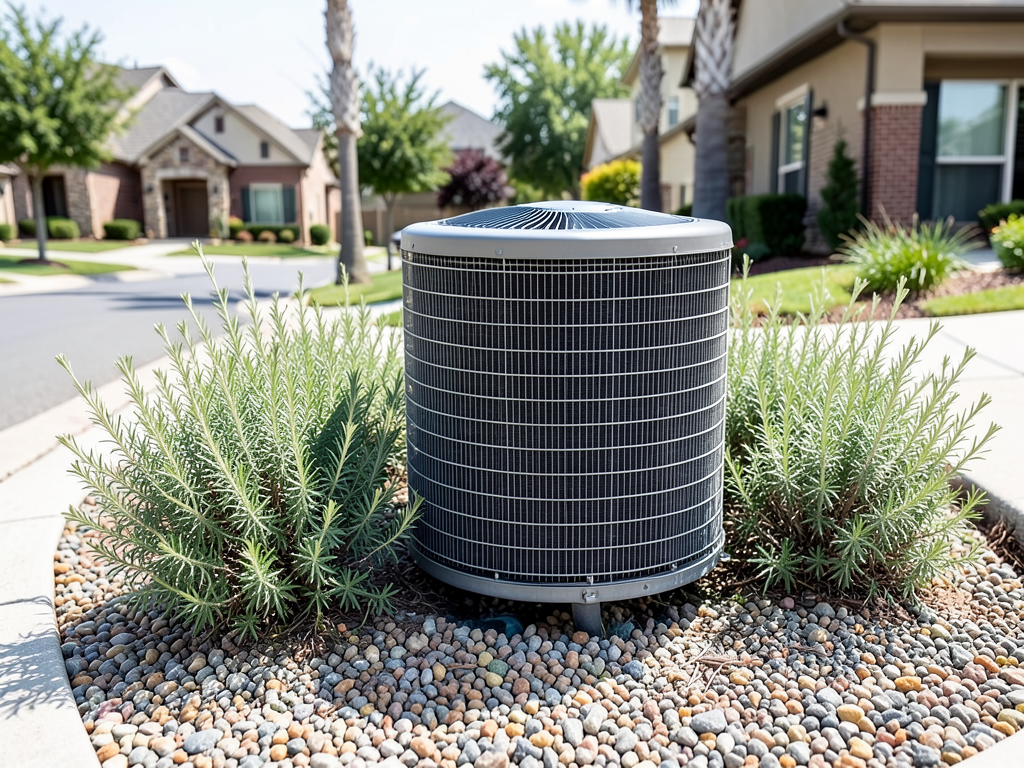
Proper clearance isn’t just a recommendation; it’s a requirement for system performance and warranty protection. The industry standard calls for a minimum of 24 inches of clearance on all sides of your condenser. This space allows technicians to access the unit for maintenance and ensures adequate airflow. In Lost Creek, where many homes have mature landscaping, maintaining these clearances can be challenging but essential.
Side clearance is critical because that’s where most units draw in air. If shrubs grow within 24 inches, they block the intake, forcing the fan to work harder. Over time, this extra strain can lead to motor failure. The top of the unit needs even more space. Hot air rises, and if there’s not enough vertical clearance, that heat gets trapped and recirculated. A minimum of 60 inches above the unit prevents this heat buildup.
Access clearance is often overlooked in landscape design. Your HVAC technician needs room to remove panels, check refrigerant lines, and clean coils. Without proper access, routine maintenance becomes difficult or impossible. This can void your warranty and lead to preventable breakdowns. In Austin’s climate, where AC units run nearly year-round, regular maintenance isn’t optional—it’s essential for system longevity.
Local building codes in Austin require these clearances for a reason. The City of Austin Energy Code Section 13-1 specifies minimum distances for mechanical equipment to ensure proper operation and safety. These aren’t arbitrary numbers; they’re based on the physics of heat transfer and the practical needs of service technicians. Following these guidelines protects your investment and ensures your system operates as designed. Local AC Repair and Cooling Experts in South Lamar and Barton Hills.
Top Landscaping Materials: Mulch, Rock, or Pavers?
The ground cover you choose around your AC unit affects both appearance and function. Organic mulch like wood chips or bark might seem like a natural choice, but in Central Texas, it creates several problems. Mulch retains moisture, which can lead to rust on the unit’s base. It also attracts termites and other pests that can damage electrical components. As mulch decomposes, it can be blown into the unit by our frequent summer winds, clogging the coil fins.. Read more about How to Choose an HVAC Contractor Who Understands Barton Creek Luxury Standards.
Gravel and river rock offer better alternatives for Austin’s climate. These materials allow water to drain away from the unit, reducing rust risk. They don’t decompose or attract pests, and they stay in place during windstorms. Light-colored gravel can even help reflect heat away from the unit, slightly improving efficiency. The downside is that gravel can kick up dust during dry spells, which may settle on the coils and reduce efficiency.
Permeable pavers provide a clean, modern look while solving drainage issues. These allow water to pass through while creating a stable surface for maintenance access. They’re particularly useful in Lost Creek’s hilly terrain, where proper drainage is crucial. The initial cost is higher than gravel, but pavers last longer and maintain their appearance without replacement. They also create a defined border that keeps plants and mulch from creeping into the clearance zone. Modern HVAC Solutions for Historic Homes in Tarrytown and Old West Austin.
Concrete pads are the most durable option but offer the least aesthetic flexibility. They provide excellent stability for the unit and create a clean maintenance surface. However, concrete can crack over time due to soil movement common in Austin’s expansive clay soils. If you choose concrete, consider a slightly larger pad that extends beyond the unit to create a maintenance zone. This gives technicians a clean surface to work on and prevents nearby plants from encroaching on the clearance area.
Austin-Friendly Plants: Beauty Without the Debris
Choosing the right plants for your AC landscape means finding species that provide beauty without creating maintenance headaches. In Austin’s Zone 8b climate, you need plants that can handle intense heat, occasional freezes, and our alkaline soils. The key is selecting low-debris plants that won’t clog your condenser coils or require constant pruning to maintain clearances.
Texas Sage, also known as Cenizo, is an excellent choice for AC landscaping. This native shrub produces beautiful purple flowers after rainfall and grows to about 4-5 feet tall. It’s extremely drought-tolerant, requires minimal pruning, and doesn’t drop significant debris. The silver-gray foliage provides a nice contrast to green lawns and reflects heat rather than absorbing it. Plant Texas Sage at least 36 inches from the unit to maintain proper clearance as it matures.
Mexican Feather Grass offers a soft, flowing texture that moves beautifully in our summer breezes. This ornamental grass grows to about 2 feet tall and wide, making it perfect for the 24-36 inch clearance zone. It’s extremely drought-tolerant and produces minimal seed heads that won’t clog coils. The grass dies back in winter, which actually helps by reducing debris during the months when your AC runs less frequently.
Red Yucca provides dramatic architectural interest with its tall flower spikes and evergreen foliage. This plant grows to about 3-4 feet tall and produces coral-colored flowers that attract hummingbirds. Unlike true yucca, Red Yucca has soft, flexible leaves that won’t damage the unit if they occasionally touch the surface. It’s extremely low-maintenance and thrives in the rocky, well-drained soils common in Lost Creek.
Agave and other succulents make excellent accent plants near AC units. These plants store water in their leaves, making them extremely drought-tolerant. They grow slowly, so they won’t quickly outgrow their space, and they produce minimal debris. The architectural shapes of agave provide visual interest without the maintenance requirements of traditional shrubs. Just ensure you choose varieties that won’t grow taller than your clearance requirements.
Xeriscaping for Energy Efficiency: Reducing Heat Gain
Xeriscaping, or drought-tolerant landscaping, isn’t just about water conservation—it’s also about energy efficiency. In Austin’s climate, smart plant placement can actually reduce the heat your home absorbs, making your AC work less. The principle is simple: use plants to create shade and windbreaks that reduce the thermal load on your home and AC unit.
Strategic tree placement can reduce your cooling costs by up to 25%. Plant deciduous trees on the west and south sides of your home where they’ll block the intense afternoon sun. In winter, when these trees lose their leaves, they’ll allow warming sunlight to reach your home. For AC units, the goal is to shade the unit itself without blocking airflow. A small tree planted 10-15 feet away can provide afternoon shade without interfering with operation.
Vines and trellises offer another approach to shading. A trellis with crossvine or trumpet vine planted a few feet from the unit can create dappled shade that reduces heat gain without blocking airflow. These native vines are adapted to Central Texas conditions and attract pollinators. The key is keeping the trellis far enough from the unit that vines can’t grow into the clearance zone, and choosing a design that allows hot air to escape upward.
Ground covers like Silver Ponyfoot or Frogfruit can replace traditional lawns in areas around your AC unit. These low-growing plants require no mowing, minimal water, and create a cooling effect through transpiration. They also prevent soil erosion and dust, which can settle on AC coils. The dense growth habit of these plants creates a clean, finished look while actually helping your AC operate more efficiently by reducing ambient temperatures around the unit.
Rock gardens with succulents and native plants create a modern, low-maintenance landscape that thrives in Austin’s climate. The thermal mass of rocks absorbs heat during the day and releases it slowly at night, creating a more stable microclimate around your AC unit. This can actually help the unit cool more efficiently by reducing temperature swings. Combine different textures and heights for visual interest, but always maintain the critical clearance zones.
Maintenance Checklist: Keeping Your Unit Service-Ready
Even the best-designed landscape requires regular maintenance to keep your AC running efficiently. In Austin’s climate, where AC units run nearly year-round, this maintenance isn’t optional—it’s essential. A simple monthly checklist can prevent costly breakdowns and extend your system’s life by years.
Monthly visual inspections should be your first line of defense. Check for any plants growing within the 24-inch clearance zone and trim them back immediately. Look for signs of pest activity, particularly fire ants, which are common in Central Texas and can damage electrical components. Check the concrete pad under the unit for cracks or settling, which is common in Austin’s expansive clay soils. If you notice any issues, address them before they become major problems.
Coil cleaning is crucial for efficiency. Austin’s high pollen counts, particularly during cedar season, mean your coils can get dirty quickly. Gently rinse the coils with a garden hose every three months, being careful not to bend the delicate fins. Never use a pressure washer, as this can damage the coils. If you notice significant buildup or bent fins, call a professional. Clean coils can improve efficiency by up to 30%, which translates to lower energy bills during our long cooling season. Fast and Professional Furnace Repair in Georgetown During the Winter Chill.
Check your drainage regularly. AC units produce condensation that needs to drain away from the base. Ensure the ground slopes away from the unit to prevent water pooling. In Austin’s occasional heavy rains, poor drainage can lead to standing water that accelerates rust and creates mosquito breeding grounds. If you notice water pooling, you may need to adjust the soil grade or install a French drain to redirect water away from the unit.
Professional maintenance should happen twice yearly in our climate. A spring tune-up prepares your system for the heavy summer workload, while a fall check ensures everything survived the cooling season. During these visits, technicians check refrigerant levels, test electrical components, and clean areas you can’t access safely. This preventive maintenance can identify small issues before they cause system failures during the hottest days of summer when repair wait times can stretch to days. EPA Energy Efficiency Guidelines.
When to Call a Professional: Balancing Aesthetics and Performance
Sometimes DIY landscaping around your AC unit isn’t enough. There are situations where professional help becomes necessary to protect your system and your investment. Knowing when to call in the experts can save you from costly mistakes and ensure your AC continues to operate efficiently.
If your unit is significantly older or you’re planning major landscape changes, consult an HVAC professional before making changes. Older units may have different clearance requirements, and some modifications could void your warranty. A professional can assess your specific unit’s needs and recommend landscaping approaches that won’t compromise performance. They can also identify any existing issues that your new landscape might exacerbate.
Foundation issues are common in Austin due to our expansive clay soils. If you notice your AC unit is no longer level, this isn’t just a cosmetic issue—it can cause premature wear on internal components. A professional can level the unit and assess whether soil movement might require additional foundation support. This is particularly important in older Lost Creek homes where soil settling may have occurred over decades.
Electrical concerns should always involve a professional. If you’re planning to install lighting or other electrical features near your AC unit, ensure they’re properly grounded and don’t interfere with the unit’s electrical connections. Central Texas’ frequent lightning strikes make proper grounding essential. An HVAC technician can verify that your modifications won’t create electrical hazards or void your system’s warranty.
Sometimes the best professional help comes from a landscape designer familiar with HVAC requirements. They can create a cohesive design that incorporates your AC unit seamlessly while maintaining all necessary clearances. Look for designers experienced with Austin’s climate and building codes. They can recommend plants that thrive in our conditions while meeting your aesthetic goals. This approach often costs more upfront but saves money by preventing efficiency losses and maintenance issues.
Remember that your AC unit is a significant investment, often costing thousands of dollars. Protecting that investment through proper landscaping and maintenance makes financial sense. The small cost of professional consultation or maintenance pales compared to the expense of premature system replacement or emergency repairs during a summer heatwave. In Austin’s climate, where AC is essential for comfort and even health during extreme heat, this protection is worth every penny. Emergency AC Repair Services for Homes in West Lake Hills.
Call (737) 316-0777 today to schedule your inspection and ensure your AC system is ready for Austin’s demanding climate. Our experienced technicians understand the unique challenges of Central Texas and can help you create a landscape that’s both beautiful and functional.
Frequently Asked Questions
How close can I plant shrubs around my AC unit?
Maintain at least 24 inches of clearance on all sides and 60 inches above your AC condenser. This allows proper airflow and gives technicians room for maintenance. Choose slow-growing, low-debris plants like Texas Sage or Red Yucca that won’t quickly outgrow their space.
Will shading my AC unit improve efficiency?
Yes, shading can improve efficiency by 10-15% by reducing the heat the unit must dissipate. However, shade trees must be planted far enough away (10-15 feet) to avoid blocking airflow. Use dappled shade from taller trees rather than solid barriers that trap hot air.
What’s the best ground cover around an AC unit in Austin?
Gravel or river rock are ideal for Austin’s climate. They allow drainage, don’t attract pests, and don’t decompose like mulch. Light-colored gravel can even help reflect heat. Avoid wood mulch, which retains moisture and attracts termites common in Central Texas.
How often should I clean around my AC unit?
Inspect monthly and clean coils every three months. Austin’s high pollen counts and dust mean debris builds up quickly. After spring storms or high winds, check for leaves and debris that may have accumulated. Schedule professional maintenance twice yearly for thorough cleaning and inspection.
Can I build a fence or screen around my AC unit?
Yes, but maintain the 24-inch clearance rule. Use lattice or open designs that allow airflow rather than solid walls. The screen should be at least 60 inches above the unit to allow hot air to escape. Ensure you can still access the unit for maintenance and repairs. 24/7 Emergency AC Repair.
You may also find this helpful. How to Soundproof a Noisy AC Unit in Tightly Packed Mueller Townhomes.
{
“@context”: “https://schema.org”,
“@type”: “BlogPosting”,
“headline”: “Designing a Beautiful Landscape Around Your AC Unit in Lost Creek”,
“description”: “Learn how to enhance your Lost Creek home’s curb appeal while protecting your AC unit. Discover proper clearances, native plants, and maintenance tips from Austin HVAC pros.”,
“wordCount”: 2777,
“datePublished”: “2026-04-28T13:59:00.000Z”,
“dateModified”: “2026-04-28T13:59:00.000Z”,
“inLanguage”: “en-US”,
“mainEntityOfPage”: {
“@type”: “WebPage”,
“@id”: “https://allprohvacaustin.com”
},
“publisher”: {
“@type”: “LocalBusiness”,
“name”: “All Pro HVAC Austin”,
“url”: “https://allprohvacaustin.com”
},
“author”: {
“@type”: “Organization”,
“name”: “All Pro HVAC Austin”,
“url”: “https://allprohvacaustin.com”
},
“image”: {
“@type”: “ImageObject”,
“url”: “https://allprohvacaustin.com/wp-content/uploads/2026/03/designing-a-beautiful-landscape-around-your-ac-uni-1.png”
}
}
{
“@context”: “https://schema.org”,
“@type”: “HVACBusiness”,
“name”: “All Pro HVAC Austin”,
“url”: “https://allprohvacaustin.com”,
“address”: {
“@type”: “PostalAddress”,
“addressLocality”: “Austin”
},
“areaServed”: {
“@type”: “City”,
“name”: “Austin”
}
}
{
“@context”: “https://schema.org”,
“@type”: “FAQPage”,
“mainEntity”: [
{
“@type”: “Question”,
“name”: “Top Landscaping Materials: Mulch, Rock, or Pavers?”,
“acceptedAnswer”: {
“@type”: “Answer”,
“text”: “The ground cover you choose around your AC unit affects both appearance and function. Organic mulch like wood chips or bark might seem like a natural choice, but in Central Texas, it creates several problems. Mulch retains moisture, which can lead to rust on the unit’s base. It also attracts termites and other pests that can damage electrical components. As mulch decomposes, it can be blown into the unit by our frequent summer winds, clogging the coil fins.”
}
},
{
“@type”: “Question”,
“name”: “How close can I plant shrubs around my AC unit?”,
“acceptedAnswer”: {
“@type”: “Answer”,
“text”: “Maintain at least 24 inches of clearance on all sides and 60 inches above your AC condenser. This allows proper airflow and gives technicians room for maintenance. Choose slow-growing, low-debris plants like Texas Sage or Red Yucca that won’t quickly outgrow their space.”
}
},
{
“@type”: “Question”,
“name”: “Will shading my AC unit improve efficiency?”,
“acceptedAnswer”: {
“@type”: “Answer”,
“text”: “Yes, shading can improve efficiency by 10-15% by reducing the heat the unit must dissipate. However, shade trees must be planted far enough away (10-15 feet) to avoid blocking airflow. Use dappled shade from taller trees rather than solid barriers that trap hot air.”
}
},
{
“@type”: “Question”,
“name”: “What’s the best ground cover around an AC unit in Austin?”,
“acceptedAnswer”: {
“@type”: “Answer”,
“text”: “Gravel or river rock are ideal for Austin’s climate. They allow drainage, don’t attract pests, and don’t decompose like mulch. Light-colored gravel can even help reflect heat. Avoid wood mulch, which retains moisture and attracts termites common in Central Texas.”
}
},
{
“@type”: “Question”,
“name”: “How often should I clean around my AC unit?”,
“acceptedAnswer”: {
“@type”: “Answer”,
“text”: “Inspect monthly and clean coils every three months. Austin’s high pollen counts and dust mean debris builds up quickly. After spring storms or high winds, check for leaves and debris that may have accumulated. Schedule professional maintenance twice yearly for thorough cleaning and inspection.”
}
},
{
“@type”: “Question”,
“name”: “Can I build a fence or screen around my AC unit?”,
“acceptedAnswer”: {
“@type”: “Answer”,
“text”: “Yes, but maintain the 24-inch clearance rule. Use lattice or open designs that allow airflow rather than solid walls. The screen should be at least 60 inches above the unit to allow hot air to escape. Ensure you can still access the unit for maintenance and repairs. 24/7 Emergency AC Repair.”
}
}
]
}
{
“@context”: “https://schema.org”,
“@type”: “BreadcrumbList”,
“itemListElement”: [
{
“@type”: “ListItem”,
“position”: 1,
“name”: “Home”,
“item”: “https://allprohvacaustin.com”
},
{
“@type”: “ListItem”,
“position”: 2,
“name”: “Blog”,
“item”: “https://allprohvacaustin.com/blog”
},
{
“@type”: “ListItem”,
“position”: 3,
“name”: “Designing a Beautiful Landscape Around Your AC Unit in Lost Creek”
}
]
}
{
“@context”: “https://schema.org”,
“@type”: “Service”,
“serviceType”: “HVAC”,
“provider”: {
“@type”: “LocalBusiness”,
“name”: “All Pro HVAC Austin”,
“url”: “https://allprohvacaustin.com”
},
“areaServed”: {
“@type”: “City”,
“name”: “Austin”
},
“description”: “Learn how to enhance your Lost Creek home’s curb appeal while protecting your AC unit. Discover proper clearances, native plants, and maintenance tips from Austin HVAC pros.”
}