
Choosing between whole-house air purifiers and UV lights for Hyde Park homes
Hyde Park homeowners face unique air quality challenges from Austin’s seasonal allergens and historic home construction. Whole-home air purifiers capture airborne particles and VOCs through advanced filtration, while UV lights neutralize biological contaminants and prevent mold growth in HVAC systems. The right choice depends on your specific indoor air quality concerns and home characteristics.. Read more about Picking the right air filter for high-pollen seasons in the Holly District.
Whole-home air purifiers use HEPA or high-MERV filtration to trap dust, pollen, pet dander, and microscopic particles as air circulates through your HVAC system. These systems excel at removing Mountain Cedar pollen during Austin’s notorious winter allergy season and capturing fine particulate matter from outdoor air. UV lights installed in your air handler or ductwork use germicidal ultraviolet radiation to destroy bacteria, viruses, and mold spores at the cellular level, preventing them from circulating through your home. EPA guidelines on air cleaning technologies.
For Hyde Park’s historic homes built between 1890 and 1940, air purifiers provide immediate relief from dust stirred up by aging plaster walls and hardwood floors. The neighborhood’s mature oak and pecan trees contribute significant seasonal pollen that HEPA filtration captures effectively. UV lights offer particular value in older homes where moisture accumulation in ductwork creates ideal conditions for mold growth, especially during Austin’s humid summers when evaporator coils sweat excessively. Emergency Ductwork Repair.
How whole-home air purifiers work in Austin’s climate
Whole-home air purifiers integrate with your existing HVAC system to filter all air passing through your ductwork. High-efficiency models use MERV 13-16 filters that capture particles as small as 0.3 microns, including most allergens and some bacteria. Activated carbon filters within these systems absorb volatile organic compounds from household products, cooking odors, and outdoor pollution that drifts into older Hyde Park homes through original windows and doors.. Read more about How to spot hidden mold in your AC system after a humid Del Valle summer.
The effectiveness of air purifiers in Austin depends heavily on filter maintenance and replacement schedules. Central Texas’ high pollen counts mean filters clog faster than in other regions, typically requiring replacement every 60-90 days instead of the standard 6-month interval. The Austin Energy Code Section 301.2.1.1 requires proper filter access for maintenance in all residential HVAC installations, making regular upkeep straightforward for Hyde Park homeowners. Texas Commission on Environmental Quality air monitoring.
Advanced air purification systems incorporate photocatalytic oxidation technology that breaks down VOCs into harmless compounds. This technology proves particularly valuable for Austin homes near busy corridors like Guadalupe Street, where vehicle emissions contribute to indoor air pollution. The systems operate continuously when your HVAC fan runs, providing 24/7 air cleaning without the noise and maintenance of portable units.. Read more about How to keep your East Austin home smelling fresh when you have indoor pets.
UV light technology and germicidal effectiveness
UV-C light at 254 nanometers disrupts the DNA and RNA of microorganisms, rendering them unable to reproduce or cause infection. HVAC UV systems typically produce 16,000 to 30,000 microwatts per second per square centimeter at the lamp surface, sufficient to neutralize most common pathogens within seconds of exposure. The EPA’s Indoor Air Quality guidelines recognize UVGI (ultraviolet germicidal irradiation) as an effective method for controlling airborne infectious diseases.
Coil-mounted UV lights prevent biofilm formation on evaporator coils, where condensation creates perfect breeding grounds for mold and bacteria. In Austin’s humid climate, coils can develop significant microbial growth within weeks without UV protection, reducing system efficiency by up to 30% and circulating mold spores throughout the home. Air-stream UV systems installed in supply or return ducts neutralize airborne pathogens as they pass through the light field.
The effectiveness of UV systems depends on several factors including lamp intensity, exposure time, and air velocity. Most residential systems require annual lamp replacement as UV output degrades over time. The National Air Filtration Association recommends UV intensity testing every two years to ensure continued effectiveness, particularly important in older Hyde Park homes where ductwork may have gaps or leaks that affect system performance.
Comparison of air purification technologies for Austin homes
| Feature | Whole-Home Air Purifier | UV Light System |
|---|---|---|
| Primary Target | Dust, pollen, pet dander, VOCs | Bacteria, viruses, mold spores |
| Maintenance Frequency | Filter replacement every 60-90 days | Lamp replacement annually |
| Energy Usage | Minimal additional load | Similar to standard light bulb |
| Noise Level | None when HVAC off | None |
| Best For | Allergies, asthma, odors | Microbial growth, illness prevention |
Austin-specific air quality considerations
Central Texas experiences unique air quality challenges that influence purification system effectiveness. Mountain Cedar fever affects thousands of Austin residents annually from December through February, with pollen counts often exceeding 20,000 grains per cubic meter. Standard MERV 8 filters capture only about 30% of these particles, while MERV 13 filters achieve 85-90% capture rates. The Texas Commission on Environmental Quality monitors Cedar pollen levels that directly correlate with increased emergency room visits for respiratory distress. Emergency AC Repair Services for Homes in West Lake Hills.
Hyde Park’s mature tree canopy, while beautiful, contributes significantly to seasonal allergen loads. The neighborhood’s proximity to UT Austin and downtown traffic creates additional air quality concerns from vehicle emissions and construction dust. Summer humidity levels averaging 65-70% create condensation issues in older HVAC systems, making UV protection particularly valuable for preventing mold growth in ductwork that may have developed gaps over decades.. Read more about Why new construction dust in Leander is clogging your filters faster than you think.
The City of Austin’s Urban Forest Plan recognizes the trade-off between tree canopy benefits and allergen management. Many Hyde Park homeowners find that combining air purification with regular HVAC maintenance provides the best solution for managing both seasonal allergies and year-round indoor air quality concerns specific to their historic homes.
Cost analysis for Hyde Park homeowners
Whole-home air purifier installation typically costs $800-$2,500 for Hyde Park homes, depending on system compatibility and filter quality. Premium HEPA systems with activated carbon filters and photocatalytic oxidation technology represent the higher end of this range. Annual operating costs include filter replacements at $80-$200 per year and minimal electricity usage of approximately $30-$50 annually.
UV light systems cost $400-$1,200 for installation, with whole-house air-stream systems at the higher end of this range. Coil-mounted UV lights represent the most economical option for basic mold prevention. Annual costs include lamp replacement at $80-$150 and electricity usage of $25-$40 per year. Both systems qualify for Austin Energy’s Home Performance program incentives when installed as part of comprehensive HVAC upgrades.
Professional installation ensures proper system integration and warranty coverage. Improper installation can reduce effectiveness by up to 70% and potentially damage HVAC components. Many Hyde Park homes require system modifications to accommodate purification equipment, particularly in historic properties where ductwork may need sealing or upgrading to meet current energy code requirements. Fast and Professional Furnace Repair in Georgetown During the Winter Chill.
Can you use both systems together?
Combining whole-home air purifiers with UV lights creates a comprehensive indoor air quality solution that addresses both particulate and biological contaminants. The air purifier captures allergens, dust, and VOCs while the UV system neutralizes microorganisms and prevents mold growth. This dual approach proves particularly effective in Austin’s challenging climate where both particle pollution and biological growth present year-round concerns.
The synergistic effect of combined systems can reduce HVAC maintenance costs by preventing coil fouling and reducing filter loading. Many Austin HVAC professionals recommend this combination for homes with allergy sufferers, elderly residents, or those concerned about airborne illness transmission. The initial investment of $1,200-$3,500 typically pays for itself through improved comfort, reduced allergy symptoms, and extended HVAC system life.
Installation timing matters for maximum effectiveness. UV systems work best when installed during new HVAC system installation or major upgrades, while air purifiers can be added to existing systems more easily. Many Hyde Park homeowners choose to install both systems when replacing aging HVAC equipment to maximize their investment in indoor air quality improvements.
Professional installation and maintenance considerations
Proper installation requires NATE-certified technicians familiar with Austin’s building codes and climate conditions. The Texas Department of Licensing and Regulation mandates specific licensing for HVAC work, with Class A contractors authorized to handle both residential and commercial installations. Professional installation ensures systems operate at designed efficiency and maintains manufacturer warranties that may be voided by improper DIY installation.
Maintenance requirements differ significantly between system types. Air purifiers need regular filter inspection and replacement, with frequency depending on local conditions and household factors like pets or smoking. UV systems require annual lamp replacement and occasional cleaning of the quartz sleeves that protect the bulbs. Both systems benefit from professional inspection every two years to verify proper operation and identify any issues before they impact indoor air quality. Local AC Repair and Cooling Experts in South Lamar and Barton Hills.
Many Austin HVAC companies offer maintenance agreements that include regular system checks, filter replacement scheduling, and priority service for any issues. These agreements typically cost $150-$300 annually but can prevent costly repairs and ensure systems operate at peak efficiency throughout the year’s changing conditions.
Making the right choice for your Hyde Park home
The decision between air purifiers and UV lights ultimately depends on your specific indoor air quality concerns and home characteristics. Homes with allergy sufferers benefit most from air purifiers that capture pollen, dust, and other allergens. Properties with moisture issues or concerns about mold growth should prioritize UV systems for their ability to prevent biological contamination.
Consider your home’s age and construction when making this decision. Hyde Park’s historic homes often have unique air quality challenges from aging materials, original windows, and mature landscaping. A professional indoor air quality assessment can identify specific issues in your home and recommend the most effective solution. Many Austin HVAC companies offer free consultations that include air quality testing and system recommendations tailored to your home’s specific needs.
Both technologies represent significant investments in your family’s health and comfort. The right choice provides immediate relief from indoor air quality issues while potentially extending your HVAC system’s lifespan and reducing energy costs through improved efficiency. Whether you choose air purification, UV protection, or a combination of both, professional installation ensures you receive the full benefits of these advanced indoor air quality solutions. Modern HVAC Solutions for Historic Homes in Tarrytown and Old West Austin.
Frequently Asked Questions
Which system is better for Austin’s Cedar Fever season?
Whole-home air purifiers with MERV 13+ filters are significantly more effective for Cedar Fever, capturing 85-90% of pollen particles compared to UV lights which target biological contaminants but don’t capture allergens.
How long does installation take for these systems?
Most installations require 2-4 hours for air purifiers and 1-2 hours for UV systems. Complex installations in older Hyde Park homes may take longer due to system modifications or ductwork access issues.
Will these systems increase my energy bills?
Both systems use minimal electricity, typically adding $25-$50 annually to your energy costs. The improved HVAC efficiency from cleaner coils and better airflow often offsets this small increase.
Are these systems noisy?
Neither system produces noticeable noise. Air purifiers only operate when your HVAC fan runs, while UV lights are completely silent during operation.
How do I know if I need both systems?
Homes with allergy sufferers, moisture issues, or concerns about airborne illness benefit most from combined systems. A professional assessment can identify specific air quality issues in your home.
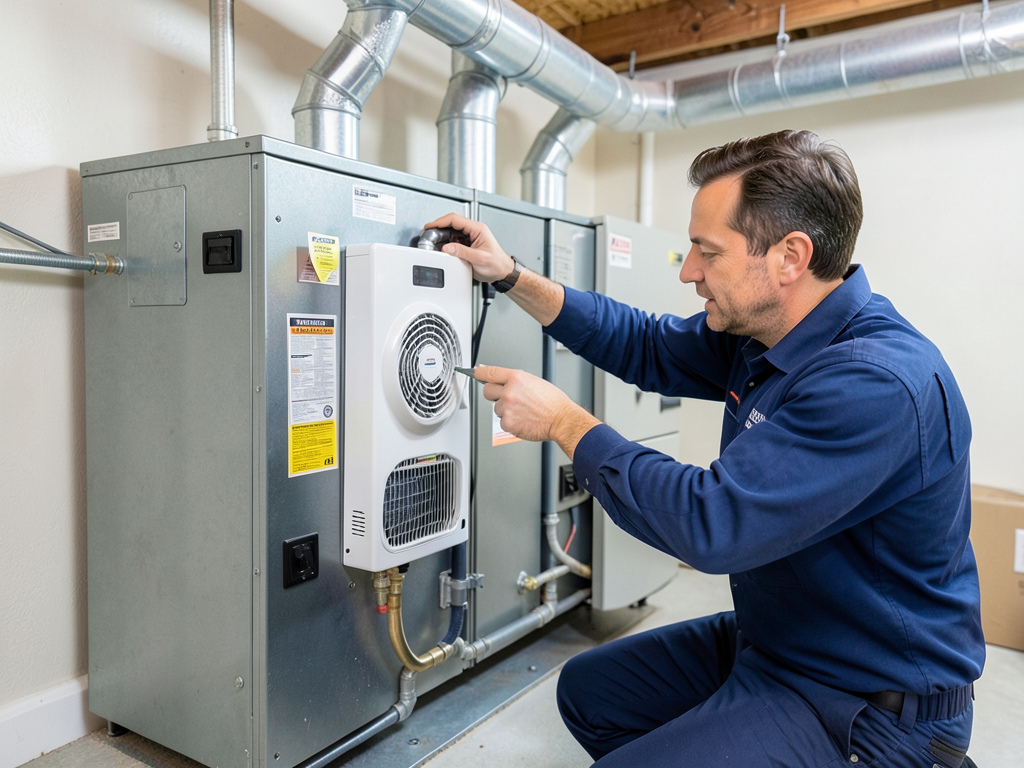
– Technical diagram showing how whole-home air purifiers integrate with HVAC ductwork and filter system
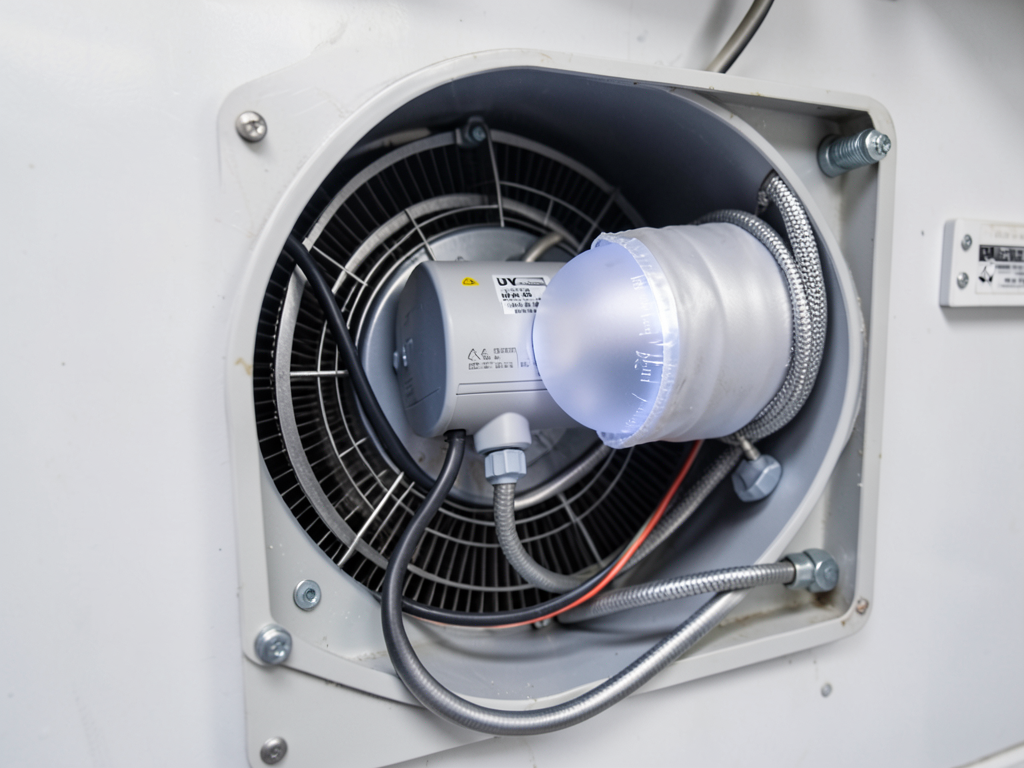
– Close-up photo of UV-C lamp installation in an air handler showing quartz sleeve and mounting bracket
– Before and after comparison showing evaporator coil with and without UV light protection against mold growth
Take control of your home’s air quality today
Don’t let Austin’s allergens and humidity compromise your family’s comfort and health. Whether you need whole-home air purification, UV protection, or a comprehensive solution combining both technologies, professional installation ensures optimal performance and lasting results.
Call (737) 316-0777 today to schedule your free indoor air quality assessment. Our NATE-certified technicians understand Hyde Park’s unique air quality challenges and can recommend the perfect solution for your home’s specific needs. Pick up the phone and call (737) 316-0777 before the next Cedar Fever outbreak hits Austin.
{
“@context”: “https://schema.org”,
“@type”: “BlogPosting”,
“headline”: “Choosing between whole-house air purifiers and UV lights for Hyde Park homes”,
“description”: “Compare whole-home air purifiers vs UV lights for Austin’s Hyde Park. Learn which system best handles allergens, mold, and VOCs in Central Texas homes.”,
“wordCount”: 1984,
“datePublished”: “2026-03-06T09:48:00.000Z”,
“dateModified”: “2026-03-06T09:48:00.000Z”,
“inLanguage”: “en-US”,
“mainEntityOfPage”: {
“@type”: “WebPage”,
“@id”: “https://allprohvacaustin.com”
},
“publisher”: {
“@type”: “LocalBusiness”,
“name”: “All Pro HVAC Austin”,
“url”: “https://allprohvacaustin.com”
},
“author”: {
“@type”: “Organization”,
“name”: “All Pro HVAC Austin”,
“url”: “https://allprohvacaustin.com”
},
“image”: {
“@type”: “ImageObject”,
“url”: “https://allprohvacaustin.com/wp-content/uploads/2026/03/choosing-between-whole-house-air-purifiers-and-uv-1.png”
}
}
{
“@context”: “https://schema.org”,
“@type”: “HVACBusiness”,
“name”: “All Pro HVAC Austin”,
“url”: “https://allprohvacaustin.com”,
“address”: {
“@type”: “PostalAddress”,
“addressLocality”: “Austin”
},
“areaServed”: {
“@type”: “City”,
“name”: “Austin”
}
}
{
“@context”: “https://schema.org”,
“@type”: “FAQPage”,
“mainEntity”: [
{
“@type”: “Question”,
“name”: “Can you use both systems together?”,
“acceptedAnswer”: {
“@type”: “Answer”,
“text”: “Combining whole-home air purifiers with UV lights creates a comprehensive indoor air quality solution that addresses both particulate and biological contaminants. The air purifier captures allergens, dust, and VOCs while the UV system neutralizes microorganisms and prevents mold growth. This dual approach proves particularly effective in Austin’s challenging climate where both particle pollution and biological growth present year-round concerns.”
}
},
{
“@type”: “Question”,
“name”: “Which system is better for Austin’s Cedar Fever season?”,
“acceptedAnswer”: {
“@type”: “Answer”,
“text”: “Whole-home air purifiers with MERV 13+ filters are significantly more effective for Cedar Fever, capturing 85-90% of pollen particles compared to UV lights which target biological contaminants but don’t capture allergens.”
}
},
{
“@type”: “Question”,
“name”: “How long does installation take for these systems?”,
“acceptedAnswer”: {
“@type”: “Answer”,
“text”: “Most installations require 2-4 hours for air purifiers and 1-2 hours for UV systems. Complex installations in older Hyde Park homes may take longer due to system modifications or ductwork access issues.”
}
},
{
“@type”: “Question”,
“name”: “Will these systems increase my energy bills?”,
“acceptedAnswer”: {
“@type”: “Answer”,
“text”: “Both systems use minimal electricity, typically adding $25-$50 annually to your energy costs. The improved HVAC efficiency from cleaner coils and better airflow often offsets this small increase.”
}
},
{
“@type”: “Question”,
“name”: “Are these systems noisy?”,
“acceptedAnswer”: {
“@type”: “Answer”,
“text”: “Neither system produces noticeable noise. Air purifiers only operate when your HVAC fan runs, while UV lights are completely silent during operation.”
}
},
{
“@type”: “Question”,
“name”: “How do I know if I need both systems?”,
“acceptedAnswer”: {
“@type”: “Answer”,
“text”: “Homes with allergy sufferers, moisture issues, or concerns about airborne illness benefit most from combined systems. A professional assessment can identify specific air quality issues in your home.”
}
}
]
}
{
“@context”: “https://schema.org”,
“@type”: “BreadcrumbList”,
“itemListElement”: [
{
“@type”: “ListItem”,
“position”: 1,
“name”: “Home”,
“item”: “https://allprohvacaustin.com”
},
{
“@type”: “ListItem”,
“position”: 2,
“name”: “Blog”,
“item”: “https://allprohvacaustin.com/blog”
},
{
“@type”: “ListItem”,
“position”: 3,
“name”: “Choosing between whole-house air purifiers and UV lights for Hyde Park homes”
}
]
}
{
“@context”: “https://schema.org”,
“@type”: “Service”,
“serviceType”: “HVAC”,
“provider”: {
“@type”: “LocalBusiness”,
“name”: “All Pro HVAC Austin”,
“url”: “https://allprohvacaustin.com”
},
“areaServed”: {
“@type”: “City”,
“name”: “Austin”
},
“description”: “Compare whole-home air purifiers vs UV lights for Austin’s Hyde Park. Learn which system best handles allergens, mold, and VOCs in Central Texas homes.”
}