
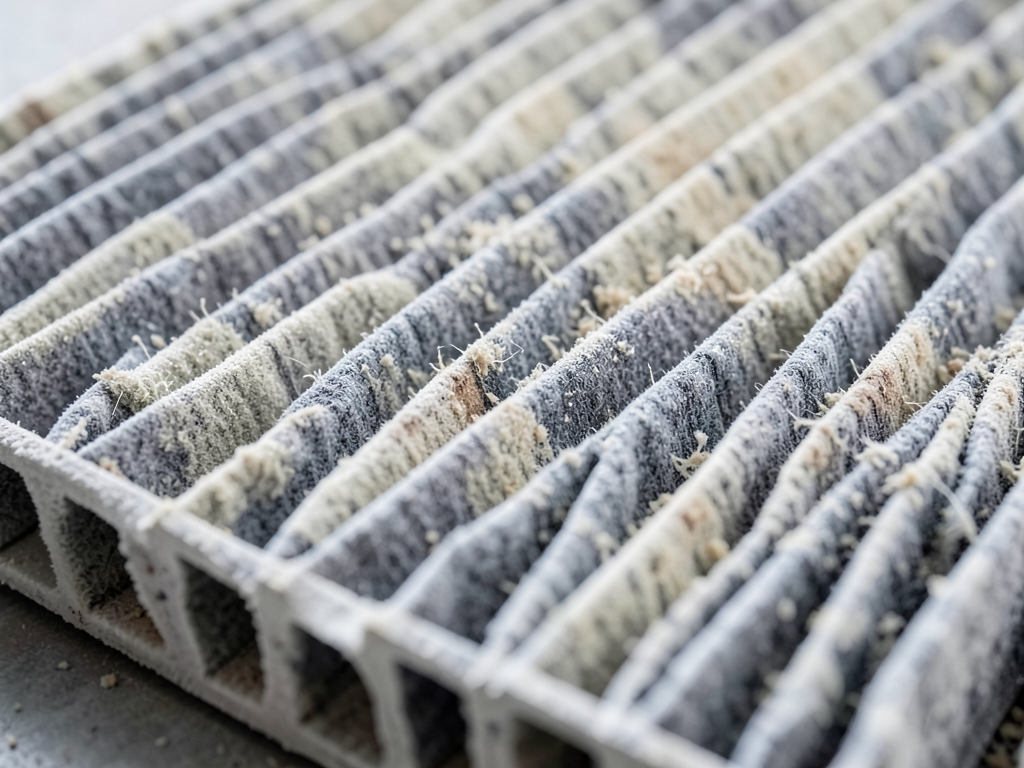
Why new construction dust in Leander is clogging your filters faster than you think
Leander’s rapid growth means new neighborhoods rise almost overnight, but that progress comes with a hidden cost for your HVAC system. Construction dust in Leander is not just ordinary household dust. It is a concentrated mix of drywall powder, silica particles, sawdust, and fine masonry debris that settles deep inside your new home’s ductwork and clogs filters in days instead of months. If you just moved into a new build in Leander, your HVAC system is likely working harder than it should because of this construction dust. Emergency Ductwork Repair.
Standard filters in new homes are designed for normal household use, not for the heavy debris load created during the final construction phases. That means your brand-new system is already under stress, and the problem will only get worse if left unchecked. Understanding why this happens and what you can do about it is the first step to protecting your investment and keeping your indoor air clean.. Read more about How to tell if your AC drain line is about to leak into your ceiling.
How construction dust differs from normal household dust
Normal household dust is mostly skin cells, pet dander, and tracked-in dirt. Construction dust in Leander is a different beast. It contains ultra-fine particles from drywall joint compound, which can be as small as 2.5 microns. These particles slip right through standard fiberglass filters and coat the inside of your HVAC system.
Silica dust from concrete cutting and masonry work adds another layer of trouble. Silica is abrasive and can damage blower motors and evaporator coils over time. Sawdust from framing and trim work is also common, especially in homes built with Texas pine. All of this debris builds up in your ducts before you even move in, creating a perfect storm for filter clogging.
Why standard filters fail in new Leander homes
Most builders install cheap fiberglass filters with a MERV rating of 4 or 5. These filters are designed to protect the HVAC equipment, not to clean the air. They capture only the largest particles, letting the fine construction dust pass right through. In a new Leander home, that means the dust goes straight to your blower motor and evaporator coil.
The problem gets worse because new homes in Leander are built to be energy efficient. Tight construction means less natural air exchange, so the same dust just keeps circulating. If you do not upgrade your filter during the first year, you risk damaging your new system and voiding the manufacturer’s warranty.
The hidden cost of clogged filters in new construction
Clogged filters force your HVAC system to work harder. That means higher energy bills, more frequent cycling, and a shorter lifespan for your equipment. In Leander’s hot climate, the strain is even greater because your AC runs almost year-round.
Beyond the mechanical stress, there is also the air quality issue. Construction dust can contain volatile organic compounds (VOCs) from adhesives, paints, and flooring materials. These chemicals can linger in your home for months, causing respiratory irritation and aggravating allergies. A good filter is your first line of defense against both dust and chemical pollutants.
Choosing the right filter for your new Leander home
For the first year after moving in, you need a filter that can handle the heavy debris load. A pleated filter with a MERV rating between 8 and 11 is a good starting point. These filters trap more particles than fiberglass without overly restricting airflow.
If you or a family member has allergies or asthma, consider a MERV 13 filter. These high-efficiency filters capture particles as small as 1 micron, including most construction dust, pollen, and pet dander. Just make sure your HVAC system is rated for a higher MERV filter before making the switch.
HEPA filters are another option, but they are usually too restrictive for standard residential HVAC systems. They are best used in portable air purifiers or in homes with specialized equipment. EPA Indoor Air Quality.
Filter replacement schedule for new construction homes
In a new Leander home, you cannot follow the standard three-month filter replacement schedule. During the first three months, check your filter every two weeks. If it looks dark or clogged, replace it immediately.
After the initial cleanup period, you can move to a monthly schedule for the next six months. By the one-year mark, most of the construction dust should be gone, and you can return to the standard three-month cycle. Keeping a log of your filter changes helps you spot patterns and catch problems early.
Leander-specific air quality challenges
Leander’s rapid development means heavy construction activity year-round. That constant dust is compounded by Central Texas allergens like mountain cedar and oak pollen. These allergens peak in winter and spring, adding another layer of particles for your filter to handle.. Read more about Survival guide for Cedar Fever and how your HVAC system can help you breathe.
Humidity is another factor. Leander’s humid climate encourages mold growth, especially in ductwork. A good filter helps, but you also need to control moisture with proper ventilation and dehumidification. If you notice a musty smell or see condensation on vents, call a professional to check for mold. Fast and Professional Furnace Repair in Georgetown During the Winter Chill.
Protecting your HVAC warranty with proper filtration
Most HVAC manufacturers require proof of regular maintenance to honor their warranties. That includes using the right filter and changing it on schedule. If your system fails due to neglect or improper filtration, you could be on the hook for expensive repairs. Emergency AC Repair Services for Homes in West Lake Hills.
Keep all your filter receipts and maintenance records. If you upgrade to a higher MERV filter, document the change and confirm with your HVAC contractor that your system can handle it. This paperwork can save you thousands if you ever need to file a warranty claim.
Professional duct cleaning for new construction homes
Even with the best filter, some construction dust will settle in your ducts. Professional duct cleaning removes this buildup and improves airflow. For new Leander homes, consider scheduling a cleaning 12 to 18 months after moving in.
Look for a company certified by the National Air Duct Cleaners Association (NADCA). They use specialized equipment to dislodge and vacuum out dust, debris, and even small construction debris that may have fallen into vents during building. Clean ducts mean better air quality and a more efficient HVAC system.
DIY tips for managing construction dust in Leander
You can take steps to reduce construction dust in your new home. Start by keeping windows and doors closed during peak construction hours in your neighborhood. Use doormats at every entrance and ask guests to remove their shoes.
Change your HVAC filter more often during the first year. Keep your home clean with a HEPA vacuum and damp dusting to trap particles instead of stirring them up. If you are doing any home improvement projects, contain the dust with plastic sheeting and ventilate to the outside.
When to call a professional
If you notice weak airflow, unusual noises, or a sudden spike in your energy bill, it is time to call an HVAC professional. These symptoms can mean your system is struggling with dust buildup or a clogged filter.
A professional can inspect your system, clean your coils, and recommend the best filter for your home. They can also check for hidden problems like duct leaks or mold growth that can make dust issues worse. In Leander’s fast-growing market, having a trusted local HVAC expert on speed dial is a smart move. Local AC Repair and Cooling Experts in South Lamar and Barton Hills.
Comparing filter types for new construction homes
| Filter Type | MERV Range | Best For | Replacement Frequency |
|---|---|---|---|
| Fiberglass | 1-4 | Basic protection | 1-2 months |
| Pleated | 8-13 | Construction dust, allergens | 1-3 months |
| HEPA | 17-20 | Severe allergies, asthma | 6-12 months |
Micron size of common construction particles
| Particle | Size (microns) | Filter Needed |
|---|---|---|
| Drywall dust | 2.5 | MERV 8+ |
| Silica dust | 0.5-5 | MERV 11+ |
| Pollen | 10-100 | MERV 8+ |
| Pet dander | 5-10 | MERV 8+ |
Cost comparison: filter replacement vs system repair
| Action | Cost Range | Frequency | Long-Term Impact |
|---|---|---|---|
| Standard filter change | $5-$15 | 1-3 months | Protects system |
| High-efficiency filter | $15-$50 | 1-3 months | Better air quality |
| Professional duct cleaning | $300-$500 | Every 2-3 years | Removes deep buildup |
| Blower motor replacement | $400-$800 | Once (if damaged) | Avoidable with maintenance |
Frequently Asked Questions
How often should I change my filter in a new Leander home?
During the first three months, check your filter every two weeks. After that, switch to monthly checks for the next six months. By the one-year mark, you can return to the standard three-month schedule.
Can construction dust void my HVAC warranty?
Yes. If your system fails due to neglect or improper filtration, the manufacturer may deny your warranty claim. Keep records of all filter changes and maintenance.
What MERV rating is best for a new construction home?
For the first year, a MERV 8 to 11 filter is ideal. It captures most construction dust without restricting airflow. If you have allergies, consider a MERV 13 filter, but confirm your system can handle it.
Call the Leander HVAC experts today
Construction dust in Leander is a real threat to your new home’s HVAC system. Do not wait until your filters are completely clogged or your system starts making strange noises. Call (737) 316-0777 today to schedule a professional inspection and get personalized advice on the best filter for your home. Protect your investment and breathe easier with help from the local experts who understand Leander’s unique challenges. For more information, visit ASHRAE.
You may also find this helpful. Why the limestone dust in Liberty Hill is a hidden enemy for your AC coils.
{
“@context”: “https://schema.org”,
“@type”: “BlogPosting”,
“headline”: “Why new construction dust in Leander is clogging your filters faster than you think”,
“description”: “Leander’s construction boom is filling your new home with drywall dust and silica that clog filters in weeks. Learn why standard filters fail and what to do.”,
“wordCount”: 1576,
“datePublished”: “2026-03-26T09:32:00.000Z”,
“dateModified”: “2026-03-26T09:32:00.000Z”,
“inLanguage”: “en-US”,
“mainEntityOfPage”: {
“@type”: “WebPage”,
“@id”: “https://allprohvacaustin.com”
},
“publisher”: {
“@type”: “LocalBusiness”,
“name”: “All Pro HVAC Austin”,
“url”: “https://allprohvacaustin.com”
},
“author”: {
“@type”: “Organization”,
“name”: “All Pro HVAC Austin”,
“url”: “https://allprohvacaustin.com”
},
“image”: {
“@type”: “ImageObject”,
“url”: “https://allprohvacaustin.com/wp-content/uploads/2026/03/why-new-construction-dust-in-leander-is-clogging-y-1.png”
}
}
{
“@context”: “https://schema.org”,
“@type”: “HVACBusiness”,
“name”: “All Pro HVAC Austin”,
“url”: “https://allprohvacaustin.com”,
“address”: {
“@type”: “PostalAddress”,
“addressLocality”: “Austin”
},
“areaServed”: {
“@type”: “City”,
“name”: “Austin”
}
}
{
“@context”: “https://schema.org”,
“@type”: “FAQPage”,
“mainEntity”: [
{
“@type”: “Question”,
“name”: “How often should I change my filter in a new Leander home?”,
“acceptedAnswer”: {
“@type”: “Answer”,
“text”: “During the first three months, check your filter every two weeks. After that, switch to monthly checks for the next six months. By the one-year mark, you can return to the standard three-month schedule.”
}
},
{
“@type”: “Question”,
“name”: “Can construction dust void my HVAC warranty?”,
“acceptedAnswer”: {
“@type”: “Answer”,
“text”: “Yes. If your system fails due to neglect or improper filtration, the manufacturer may deny your warranty claim. Keep records of all filter changes and maintenance.”
}
},
{
“@type”: “Question”,
“name”: “What MERV rating is best for a new construction home?”,
“acceptedAnswer”: {
“@type”: “Answer”,
“text”: “For the first year, a MERV 8 to 11 filter is ideal. It captures most construction dust without restricting airflow. If you have allergies, consider a MERV 13 filter, but confirm your system can handle it.”
}
}
]
}
{
“@context”: “https://schema.org”,
“@type”: “BreadcrumbList”,
“itemListElement”: [
{
“@type”: “ListItem”,
“position”: 1,
“name”: “Home”,
“item”: “https://allprohvacaustin.com”
},
{
“@type”: “ListItem”,
“position”: 2,
“name”: “Blog”,
“item”: “https://allprohvacaustin.com/blog”
},
{
“@type”: “ListItem”,
“position”: 3,
“name”: “Why new construction dust in Leander is clogging your filters faster than you think”
}
]
}
{
“@context”: “https://schema.org”,
“@type”: “Service”,
“serviceType”: “HVAC”,
“provider”: {
“@type”: “LocalBusiness”,
“name”: “All Pro HVAC Austin”,
“url”: “https://allprohvacaustin.com”
},
“areaServed”: {
“@type”: “City”,
“name”: “Austin”
},
“description”: “Leander’s construction boom is filling your new home with drywall dust and silica that clog filters in weeks. Learn why standard filters fail and what to do.”
}