
How to Keep Your East Austin Home Smelling Fresh When You Have Indoor Pets
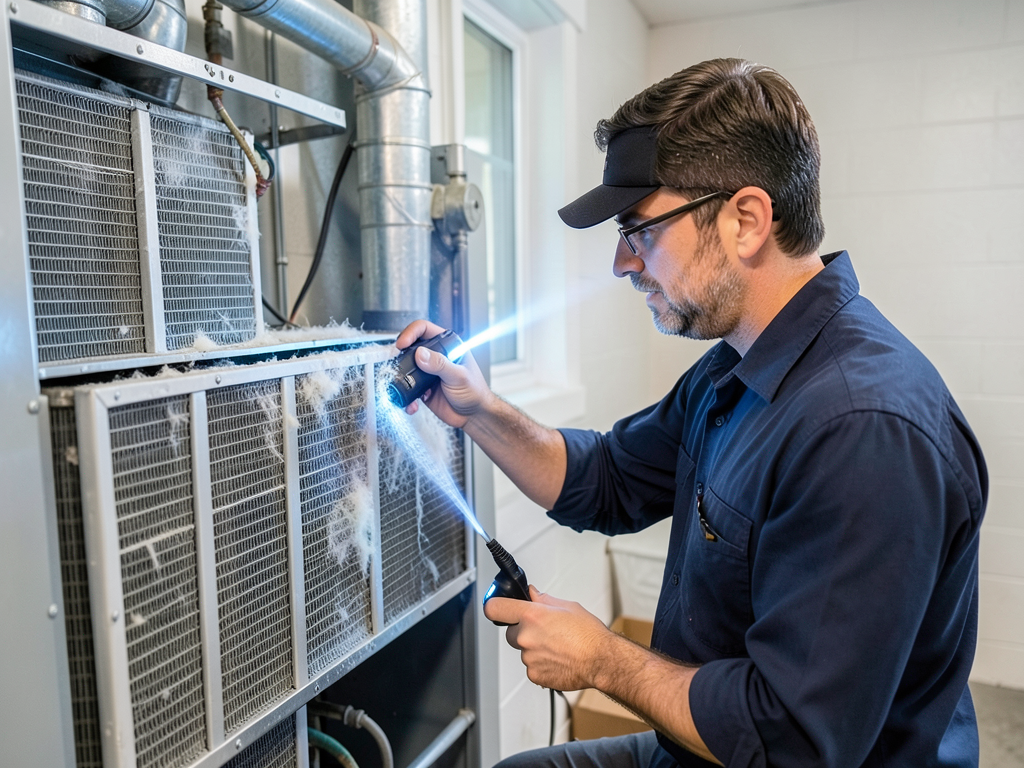
Your East Austin bungalow should smell like home, not like a wet dog. But with Austin’s high humidity and your furry friends shedding year-round, pet odors can become a stubborn problem that basic cleaning won’t solve. The real culprit isn’t just on your furniture—it’s circulating through your HVAC system, trapping dander, fur, and microscopic proteins in your ductwork and evaporator coils. Emergency Ductwork Repair.
Central Texas moisture creates the perfect environment for pet-related odors to linger. When your AC runs constantly during our long summers, it pulls pet dander through return vents, where it collects on cooling coils and in condensate pans. This biological buildup doesn’t just smell—it can trigger allergies and reduce your system’s efficiency. The solution requires understanding how Austin’s climate affects your indoor air quality and implementing targeted HVAC strategies that go beyond changing filters.
Why Austin’s Humidity Makes Pet Odors Worse
Austin averages 34.2 inches of rainfall annually with relative humidity often exceeding 65% during summer months. This moisture doesn’t just make you sweat—it creates microscopic water droplets that trap pet dander and volatile organic compounds (VOCs) from animal skin oils and saliva. When these particles enter your HVAC system, they adhere to evaporator coils where condensation provides the perfect breeding ground for bacteria and mold.. Read more about Managing humidity in your walk-in closet to prevent mildew in Clarksville homes.
The problem compounds in East Austin’s older homes, many built before modern building codes required proper ventilation. These structures often have undersized ductwork that restricts airflow, causing your system to run longer cycles. Longer run times mean more air passes through dirty coils, spreading pet odors throughout every room. Additionally, Austin’s clay soil can cause foundation shifts that create gaps in ductwork connections, allowing attic air—often carrying rodent droppings or insulation particles—to mix with your conditioned air. Modern HVAC Solutions for Historic Homes in Tarrytown and Old West Austin.
The Culprits: Dander, Fur, and HVAC Biology
Pet dander isn’t just hair—it’s microscopic skin flakes coated with proteins from animal saliva and urine. These particles range from 2.5 to 10 microns, small enough to pass through standard filters and lodge deep in your HVAC system. When moisture from Austin’s humidity contacts these particles on your evaporator coils, they create a sticky biofilm that standard cleaning can’t remove.
Your condensate drain pan becomes another odor source. Pet hair often gets sucked into return vents, where it travels to the indoor unit. There, it mixes with the water that drips from coils during cooling cycles. This creates a stagnant soup where bacteria multiply rapidly. The EPA’s Indoor Air Quality guidelines specifically warn that biological growth in HVAC systems can produce odors and allergens that affect respiratory health.
Modern East Austin homes with spray foam insulation face additional challenges. While spray foam creates excellent thermal barriers, it requires dedicated ventilation systems. Without proper air exchange, pet odors become trapped indoors, cycling continuously through your HVAC system. This creates a situation where your home feels sealed tight but smells like a kennel.
Top HVAC Technologies for Pet Owners
Standard 1-inch filters catch only particles larger than 10 microns—meaning most pet dander passes right through. Upgrading to a MERV 11-13 filter creates the first line of defense, capturing particles as small as 1 micron. These high-efficiency filters trap pet dander, pollen, and dust mites while maintaining adequate airflow for your system. However, they require monthly replacement in homes with multiple pets, as pet hair clogs the media quickly.
UV-C germicidal lights installed near evaporator coils provide continuous biological control. These lamps emit ultraviolet light at 254 nanometers, destroying the DNA of bacteria, viruses, and mold spores. In Austin’s humid climate, UV lights prevent the biofilm buildup that causes persistent pet odors. The lights run whenever your system operates, providing 24/7 protection without affecting airflow or system efficiency.
Whole-home air purifiers using activated carbon technology target the VOCs responsible for pet smells. Unlike standard filters that only trap particles, carbon filters absorb gaseous odors from pet urine, feces, and skin oils. Systems like the iWave or Aprilaire models produce ions that break down odors at the molecular level, eliminating smells rather than just masking them.
Smart thermostats with air quality sensors help pet owners monitor their indoor environment. These devices track particulate matter, humidity, and VOC levels, alerting you when conditions favor odor buildup. Some models automatically adjust fan speeds to increase air circulation during high-pollen or shedding seasons, helping maintain fresh air throughout your East Austin home.
Duct Cleaning vs. Air Purification
Many East Austin homeowners wonder whether they need duct cleaning or air purification first. The answer depends on your home’s age and your pets’ habits. Homes built before 2000 often have ductwork that’s never been cleaned, accumulating decades of dust, dander, and debris. If you can see dust blowing from vents or notice musty smells when your system starts, duct cleaning provides immediate relief.
Professional duct cleaning uses negative air pressure and rotating brushes to remove debris from supply and return ducts. A thorough cleaning also includes sanitizing coils, cleaning the blower assembly, and treating the system with antimicrobial agents. This process typically takes 4-6 hours for an average East Austin home and costs between $400-$600. Fast and Professional Furnace Repair in Georgetown During the Winter Chill.
However, duct cleaning is only a one-time solution. Without addressing the ongoing source of contamination, your system will return to its previous state within months. Air purification systems provide continuous protection by treating air as it circulates. For pet owners, the ideal approach combines both: start with professional cleaning to remove existing buildup, then install purification technology to prevent future problems.
The EPA recommends duct cleaning when you notice visible mold growth, vermin infestation, or excessive dust discharge from supply registers. For pet owners in Austin’s humid climate, an annual inspection can identify problems before they affect your air quality. During these inspections, technicians use borescopes to examine coil conditions and measure airflow restrictions caused by pet hair accumulation.
Maintenance Checklist for Austin Pet Owners
East Austin’s climate demands a specific maintenance schedule that accounts for our year-round cooling needs and heavy pet shedding seasons. Spring brings oak pollen and increased shedding as pets lose their winter coats. This combination creates a perfect storm for HVAC contamination. Start your season with a professional tune-up that includes coil cleaning and filter replacement.
Monthly filter changes become essential when you have indoor pets. Even high-quality MERV 11-13 filters clog within 30 days in multi-pet households. Mark your calendar for the first of each month, or invest in a smart filter that tracks usage and alerts you when replacement is needed. Never run your system without a filter—pet hair can damage blower motors and clog condensate drains.. Read more about Why your AC drain line keeps clogging and how to fix it for good.
Quarterly drain line maintenance prevents the most common pet-related HVAC failure. Mix one cup of white vinegar with one gallon of water and pour it into your condensate drain line access point. This natural solution breaks down biofilm and prevents clogs that cause water damage. During shedding season, check your drain line weekly for signs of backup.
Annual professional inspections should include checking for duct leaks, especially in older East Austin homes where foundation settling creates gaps. A technician uses smoke pencils or infrared cameras to identify leaks that allow contaminated attic air to enter your system. Sealing these leaks with mastic or foil tape improves both air quality and system efficiency.
Consider your home’s layout when positioning air returns. Pets often sleep near floor-level returns, depositing hair directly into the system. Installing a return in a central hallway or upstairs location reduces the amount of pet hair entering your HVAC system. Some pet owners use baby gates to keep pets away from return vents during high-shedding seasons.
Advanced Solutions for Stubborn Pet Odors
When basic maintenance isn’t enough, advanced solutions can eliminate even the most persistent pet smells. Hydroxyl generators produce molecules that neutralize odors without leaving chemical residues. These systems work continuously, breaking down VOCs from pet accidents, litter boxes, and general dander accumulation. Unlike ozone generators, hydroxyl technology is safe for occupied spaces and won’t harm pets or plants.
Whole-home dehumidifiers address Austin’s humidity problem at its source. By maintaining indoor humidity between 40-50%, these systems prevent the moisture buildup that allows pet odors to flourish. Many East Austin homes struggle with high humidity even when the AC runs constantly, particularly in rooms with vaulted ceilings or large windows. A dedicated dehumidifier works with your existing HVAC system to create optimal conditions for odor control.
Smart air quality monitors provide real-time data about your home’s conditions. These devices measure particulate matter, VOCs, humidity, and temperature, sending alerts to your smartphone when levels exceed healthy thresholds. For pet owners, this technology reveals patterns—perhaps your home’s VOC levels spike every afternoon when pets are most active, or humidity rises during rainy weeks. This data helps you adjust your HVAC settings proactively.
Some East Austin homeowners install zoning systems to isolate pet areas. By creating separate HVAC zones, you can maintain different temperatures and air treatment levels in various parts of your home. This approach allows you to provide extra filtration and dehumidification in pet-heavy areas while maintaining standard conditions elsewhere, reducing energy costs while maximizing air quality where it matters most.
DIY Solutions That Actually Work
Before calling professionals, several DIY approaches can significantly improve your home’s air quality. Start with your vacuum—a HEPA-filter vacuum captures particles as small as 0.3 microns, preventing pet dander from becoming airborne during cleaning. Vacuum carpets, upholstery, and even hard floors twice weekly, focusing on areas where pets spend most time.
Wash pet bedding weekly in hot water (130°F or higher) to kill dust mites and remove accumulated dander. Use fragrance-free detergent, as artificial scents only mask odors temporarily while potentially irritating sensitive respiratory systems. Consider replacing fabric pet beds with washable, waterproof options that prevent moisture from seeping into furniture.
Place air-purifying houseplants strategically around your home. While plants alone won’t solve serious odor problems, species like spider plants, peace lilies, and bamboo palms naturally filter certain VOCs. Position them near pet areas but out of reach of curious animals. Remember that some common houseplants are toxic to pets, so research safety before purchasing.
Create a pet cleaning station near entry points. Keep pet-safe wipes, brushes, and paw-cleaning supplies readily available. Wiping pets’ paws when they come inside prevents outdoor allergens and moisture from entering your HVAC system. For long-haired breeds, regular brushing—ideally outdoors—dramatically reduces the amount of hair entering your home’s air circulation.
Replace fabric curtains with washable alternatives or blinds that don’t trap pet hair and dander. Similarly, choose hard flooring over carpet when possible, as carpets can harbor years of accumulated pet debris even with regular cleaning. If you prefer carpet, select low-pile options and use HEPA-filter vacuums designed for pet hair removal.
When to Call the Professionals
Some odor problems require professional intervention. If you’ve tried DIY solutions for over a month without improvement, or if family members experience increased allergy symptoms, it’s time to call an HVAC specialist. Professional technicians use diagnostic tools that reveal problems invisible to homeowners—thermal imaging can show temperature variations indicating airflow restrictions, while particle counters measure exact contamination levels.
Watch for these warning signs that indicate professional help is needed: persistent musty smells that worsen when your system runs, visible mold growth around vents, excessive dust accumulation despite regular cleaning, or unusual system noises that might indicate debris in the blower assembly. These symptoms suggest contamination has progressed beyond what basic maintenance can address.
Professional services typically include comprehensive system evaluation, coil cleaning with commercial-grade solutions, duct inspection and sealing, and installation of appropriate air quality equipment. Many companies offer free estimates and can recommend solutions based on your specific situation, home size, and number of pets. The investment often pays for itself through improved system efficiency and reduced allergy symptoms.
Don’t wait until problems become severe. Annual HVAC maintenance for pet owners should include checking for biological growth, measuring airflow restrictions, and evaluating filter effectiveness. This proactive approach prevents the costly repairs and health issues that result from years of accumulated contamination. Remember that your HVAC system is the lungs of your home—keeping it clean keeps your family breathing easier. Emergency AC Repair Services for Homes in West Lake Hills.
Call (737) 316-0777 today to schedule your inspection. Our technicians understand East Austin’s unique climate challenges and can recommend solutions that work for your specific situation. Whether you need a simple filter upgrade or a complete air quality overhaul, we’ll help you create a home that smells fresh and feels healthy year-round.
Frequently Asked Questions
How often should I change my air filter with pets?
Pet owners should change standard 1-inch filters every 30 days and high-efficiency MERV 11-13 filters every 20-30 days. Homes with multiple pets or long-haired breeds may need bi-weekly changes during heavy shedding seasons.
Can pet odors damage my HVAC system?
Yes. Pet hair and dander can clog condensate drains, restrict airflow over coils, and cause biological growth that reduces system efficiency. Over time, this contamination can lead to expensive repairs or premature system failure. Local AC Repair and Cooling Experts in South Lamar and Barton Hills.
Are UV lights safe for pets?
UV-C lights installed in your HVAC system are completely safe for pets and humans. The UV radiation is contained within the ductwork and only affects air passing through the system, killing bacteria and mold spores without harming your animals.
How much does professional duct cleaning cost in Austin?
Professional duct cleaning for an average East Austin home typically costs $400-$600. This includes supply and return duct cleaning, coil cleaning, blower assembly cleaning, and antimicrobial treatment. Larger homes or those with complex duct systems may cost more.
Will an air purifier eliminate all pet odors?
Air purifiers significantly reduce pet odors but may not eliminate them entirely, especially in homes with multiple pets or severe contamination. The most effective approach combines air purification with source control (regular cleaning), proper filtration, and professional HVAC maintenance.
{
“@context”: “https://schema.org”,
“@type”: “BlogPosting”,
“headline”: “How to keep your East Austin home smelling fresh when you have indoor pets”,
“description”: “Stop pet odors in your East Austin home with HVAC solutions. Learn how humidity traps dander and when to call (737) 316-0777 for professional air quality help.”,
“wordCount”: 2345,
“datePublished”: “2026-03-25T11:46:00.000Z”,
“dateModified”: “2026-03-25T11:46:00.000Z”,
“inLanguage”: “en-US”,
“mainEntityOfPage”: {
“@type”: “WebPage”,
“@id”: “https://allprohvacaustin.com”
},
“publisher”: {
“@type”: “LocalBusiness”,
“name”: “All Pro HVAC Austin”,
“url”: “https://allprohvacaustin.com”
},
“author”: {
“@type”: “Organization”,
“name”: “All Pro HVAC Austin”,
“url”: “https://allprohvacaustin.com”
},
“image”: {
“@type”: “ImageObject”,
“url”: “https://allprohvacaustin.com/wp-content/uploads/2026/03/how-to-keep-your-east-austin-home-smelling-fresh-w-1.png”
}
}
{
“@context”: “https://schema.org”,
“@type”: “HVACBusiness”,
“name”: “All Pro HVAC Austin”,
“url”: “https://allprohvacaustin.com”,
“address”: {
“@type”: “PostalAddress”,
“addressLocality”: “Austin”
},
“areaServed”: {
“@type”: “City”,
“name”: “Austin”
}
}
{
“@context”: “https://schema.org”,
“@type”: “FAQPage”,
“mainEntity”: [
{
“@type”: “Question”,
“name”: “How often should I change my air filter with pets?”,
“acceptedAnswer”: {
“@type”: “Answer”,
“text”: “Pet owners should change standard 1-inch filters every 30 days and high-efficiency MERV 11-13 filters every 20-30 days. Homes with multiple pets or long-haired breeds may need bi-weekly changes during heavy shedding seasons.”
}
},
{
“@type”: “Question”,
“name”: “Can pet odors damage my HVAC system?”,
“acceptedAnswer”: {
“@type”: “Answer”,
“text”: “Yes. Pet hair and dander can clog condensate drains, restrict airflow over coils, and cause biological growth that reduces system efficiency. Over time, this contamination can lead to expensive repairs or premature system failure. Local AC Repair and Cooling Experts in South Lamar and Barton Hills.”
}
},
{
“@type”: “Question”,
“name”: “Are UV lights safe for pets?”,
“acceptedAnswer”: {
“@type”: “Answer”,
“text”: “UV-C lights installed in your HVAC system are completely safe for pets and humans. The UV radiation is contained within the ductwork and only affects air passing through the system, killing bacteria and mold spores without harming your animals.”
}
},
{
“@type”: “Question”,
“name”: “How much does professional duct cleaning cost in Austin?”,
“acceptedAnswer”: {
“@type”: “Answer”,
“text”: “Professional duct cleaning for an average East Austin home typically costs $400-$600. This includes supply and return duct cleaning, coil cleaning, blower assembly cleaning, and antimicrobial treatment. Larger homes or those with complex duct systems may cost more.”
}
},
{
“@type”: “Question”,
“name”: “Will an air purifier eliminate all pet odors?”,
“acceptedAnswer”: {
“@type”: “Answer”,
“text”: “Air purifiers significantly reduce pet odors but may not eliminate them entirely, especially in homes with multiple pets or severe contamination. The most effective approach combines air purification with source control (regular cleaning), proper filtration, and professional HVAC maintenance.”
}
}
]
}
{
“@context”: “https://schema.org”,
“@type”: “BreadcrumbList”,
“itemListElement”: [
{
“@type”: “ListItem”,
“position”: 1,
“name”: “Home”,
“item”: “https://allprohvacaustin.com”
},
{
“@type”: “ListItem”,
“position”: 2,
“name”: “Blog”,
“item”: “https://allprohvacaustin.com/blog”
},
{
“@type”: “ListItem”,
“position”: 3,
“name”: “How to keep your East Austin home smelling fresh when you have indoor pets”
}
]
}
{
“@context”: “https://schema.org”,
“@type”: “Service”,
“serviceType”: “HVAC”,
“provider”: {
“@type”: “LocalBusiness”,
“name”: “All Pro HVAC Austin”,
“url”: “https://allprohvacaustin.com”
},
“areaServed”: {
“@type”: “City”,
“name”: “Austin”
},
“description”: “Stop pet odors in your East Austin home with HVAC solutions. Learn how humidity traps dander and when to call (737) 316-0777 for professional air quality help.”
}