
What every Austin homeowner needs to do before a winter deep freeze hits
When the next Arctic blast barrels down from Canada, will your Austin home be ready? The 2021 Winter Storm Uri left thousands of Central Texas homeowners with frozen pipes, burst heat pumps, and astronomical energy bills. Don’t wait until the temperature drops to realize your HVAC system isn’t prepared for a deep freeze. Austin Energy rebates and programs.
Central Texas winters may be mild on average, but when severe cold snaps hit, they hit hard. Your heating system sits idle for most of the year, gathering dust and developing hidden problems. A pre-winter HVAC inspection and winterization checklist can mean the difference between a cozy home and a costly emergency repair. Texas Department of Licensing and Regulation.
Let’s walk through exactly what every Austin homeowner needs to do before the next winter deep freeze arrives. These steps will protect your system, your wallet, and your family’s comfort when the mercury plummets.. Read more about Why your outdoor AC unit needs more space from those beautiful Oak Hill trees.
Why Austin’s winter weather catches homeowners off guard
Austin’s climate creates unique HVAC challenges. We experience rapid temperature swings where a 40-degree drop can happen overnight when a Blue Norther pushes through. Your heat pump or furnace needs to handle these extreme fluctuations without warning. Fast and Professional Furnace Repair in Georgetown During the Winter Chill.
The high humidity we experience year-round creates condensation issues when temperatures suddenly drop. Moisture inside your system can freeze, causing components to crack or fail. Plus, Austin’s abundant cedar and oak trees drop leaves that can block outdoor units when you’re not looking.. Read more about How to protect your HVAC system from those frequent Austin power surges.
Most Austin homes use heat pumps rather than traditional furnaces. Heat pumps work efficiently in our mild winters but struggle when temperatures drop below freezing. Understanding your specific system type is crucial for proper winter preparation.. Read more about Understanding the ‘Aux Heat’ light on your thermostat during a Central Texas cold snap.
The Austin HVAC winterization checklist: DIY steps every homeowner can take
Before calling a professional, there are several steps you can take to prepare your HVAC system for winter. These simple tasks can improve efficiency and prevent common winter problems.
First, replace your air filter. A clean filter improves airflow and reduces strain on your system during heavy use. For Austin’s high-pollen environment, consider changing filters every 60 days instead of the standard 90.
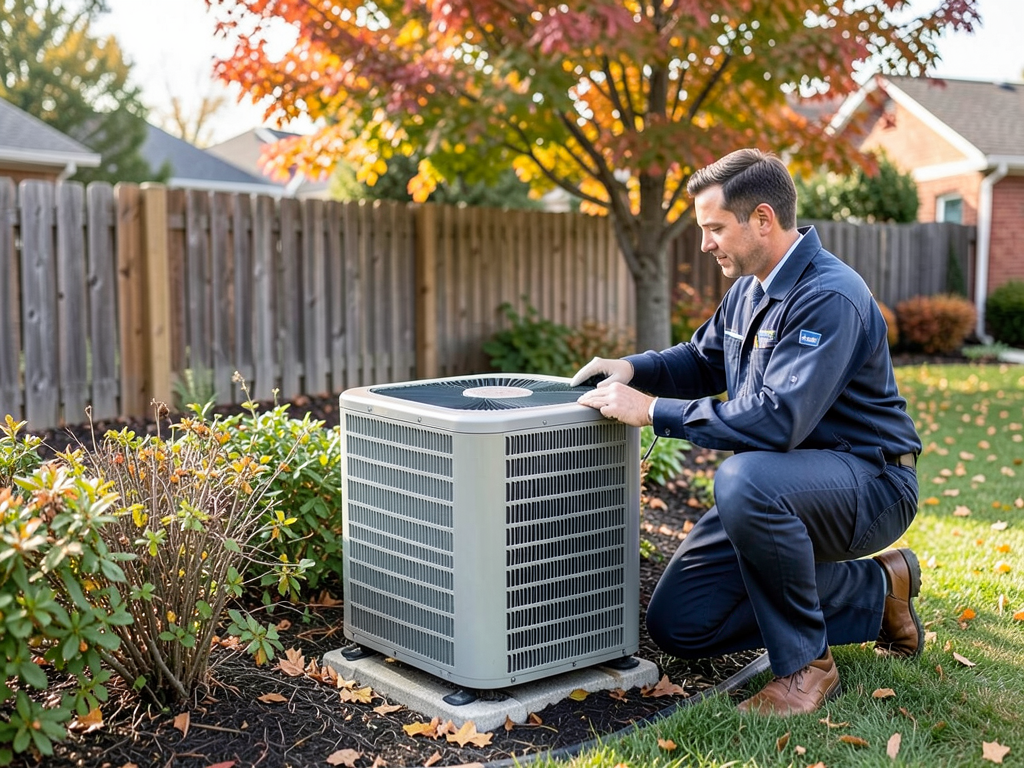
Next, clear debris from around your outdoor condenser unit. Remove fallen leaves, branches, and any vegetation growing within two feet of the unit. Austin’s live oaks and cedars shed year-round, so this step is especially important here.. Read more about Survival guide for Cedar Fever and how your HVAC system can help you breathe.
Check your thermostat batteries and settings. Many Austin homeowners forget to switch from cooling to heating mode. Test your system by running it for 15 minutes to ensure it responds correctly. Geothermal Heating & Cooling.
Inspect exposed refrigerant lines for damage. The Texas sun can degrade insulation over time, and winter cold can worsen existing cracks. Look for signs of oil stains or frost buildup on lines.. Read more about How attic insulation affects your HVAC performance in hilly Oak Hill neighborhoods.
Clean your air vents and registers. Remove dust buildup that accumulated during the cooling season. Blocked vents force your system to work harder and can create cold spots in your home.
Finally, check your carbon monoxide detectors. If you have a gas furnace, proper ventilation becomes critical during winter use. Replace batteries and test each detector in your home.
Heat pump vs. furnace: Specific winter care for Austin systems
Most Austin homes use heat pumps, which operate differently than traditional furnaces. Understanding these differences helps you prepare correctly.
Heat pumps extract heat from outdoor air and transfer it inside. When temperatures drop below freezing, they rely on auxiliary heat strips to maintain warmth. These electric resistance heaters use significant energy, which is why your winter electric bill can spike during cold snaps.
Listen for your heat pump’s defrost cycle. When frost builds up on the outdoor coil, the system temporarily switches to cooling mode to melt ice. This cycle should last only a few minutes. If it runs continuously, you may have a refrigerant leak or sensor problem.
For homes with gas furnaces, the preparation differs. Furnaces burn fuel to create heat directly, making them more effective in extreme cold. However, they require specific safety checks before winter use.
Gas furnaces need annual inspection of the heat exchanger for cracks. A damaged heat exchanger can leak carbon monoxide into your home. The flame sensor also needs cleaning to ensure proper ignition.
Whether you have a heat pump or furnace, both systems benefit from professional inspection before winter. A technician can identify problems that aren’t visible to homeowners.
When to call a professional Austin HVAC technician
Some winter preparation tasks require professional tools and expertise. Here’s what a qualified technician should check during your pre-winter inspection.
Refrigerant levels need precise measurement. Low refrigerant reduces heating efficiency and can cause the system to freeze up during operation. Only EPA-certified technicians can legally handle refrigerants.
Electrical connections should be tightened and inspected. Cold weather causes metal components to contract, potentially loosening connections that were secure during summer. Loose connections create fire hazards and system failures.
The reversing valve in heat pumps switches between heating and cooling modes. If this valve sticks, your system won’t provide heat when you need it. Technicians use specialized gauges to test valve operation.
Belt tension and wear should be checked on systems with belt-driven blowers. Cold weather makes belts more brittle and prone to snapping. Replacing a belt during routine maintenance costs far less than emergency service on a freezing night. Emergency AC Repair Services for Homes in West Lake Hills.
Ductwork inspection can reveal air leaks that waste energy. In Austin’s older homes, ducts often run through unconditioned attics where they’re exposed to extreme temperature swings. Sealing leaks can reduce heating costs by 20% or more.
Thermostat calibration ensures your system responds accurately to temperature changes. A thermostat reading even a few degrees off can cause your system to run too long or not long enough.
Energy saving tips: Lowering your Austin Energy or PEC bill this winter
Winter heating can dramatically increase your utility bills, especially if your system isn’t optimized. These energy-saving strategies work specifically for Austin’s climate and utility structures.
Set your thermostat to 68°F when you’re home and awake. Each degree above 68°F increases energy consumption by approximately 3-5%. When sleeping or away, lower it to 60°F.
Use a programmable or smart thermostat to automate temperature adjustments. Smart thermostats learn your schedule and can reduce heating when you’re not home. Many Austin Energy customers qualify for rebates on smart thermostat purchases.
Seal air leaks around windows and doors with weatherstripping or caulk. Austin’s older homes, particularly in historic districts like Tarrytown and Clarksville, often have significant air infiltration that forces your HVAC system to work harder.
Consider adding insulation if your home was built before 2000. The City of Austin Energy Code now requires higher insulation levels, but many existing homes fall short. Attic insulation is especially cost-effective since heat rises.
Use ceiling fans correctly. In winter, reverse the fan direction to push warm air down from the ceiling. This simple trick can make rooms feel warmer without increasing thermostat settings.
Keep vents and registers unblocked by furniture or curtains. Proper airflow distribution prevents hot and cold spots that tempt you to adjust the thermostat unnecessarily.
Close fireplace dampers when not in use. An open damper creates a direct path for warm air to escape through the chimney, forcing your system to replace that lost heat.
Emergency freeze protection: Lessons from Winter Storm Uri
The 2021 Texas freeze taught Austin homeowners valuable lessons about emergency preparation. Here’s what worked and what failed during that crisis.
Many heat pumps froze solid when temperatures stayed below 20°F for extended periods. The outdoor coils couldn’t defrost quickly enough, causing the entire system to shut down. Homeowners who wrapped their outdoor units with insulated blankets bought themselves crucial extra hours of heat.
Power outages affected over 60% of Austin homes during Uri. Systems with battery backup thermostats could still operate when the grid failed. Consider portable generators or whole-home backup power if you live in an area prone to outages.
Water pipes near exterior walls froze and burst when heating systems failed. Keep cabinet doors open under sinks during extreme cold to allow warm air circulation. Let faucets drip slightly to prevent freezing in exposed pipes.
Many Austin homes have plumbing in attics or crawl spaces. These areas get much colder than living spaces during power outages. Insulate exposed pipes and consider heat tape for vulnerable locations.
During the freeze, some homeowners discovered their emergency heat strips weren’t working. Auxiliary heat is essential when temperatures drop below freezing. Test this function before winter arrives.
Have a backup heating plan. Space heaters can provide emergency warmth but require careful use. Never operate more than one space heater per circuit, and keep them away from flammable materials.
Keep your phone charged and have your HVAC company’s emergency number saved. When systems fail during extreme weather, response times increase dramatically. Being prepared to describe your system’s symptoms helps technicians diagnose problems faster.
Understanding Austin’s specific winter challenges
Austin’s location creates weather patterns that surprise many newcomers. Our winters combine high humidity with occasional severe cold, creating conditions that stress HVAC systems in unique ways.
The Edwards Plateau to our west creates a rain shadow effect. When cold fronts move through, they often bring little moisture but strong winds. These winds can force cold air into small gaps around windows and doors.
Central Texas sits at the intersection of multiple climate zones. We can experience 80°F days followed by 20°F nights. Your HVAC system must handle this 60-degree swing without warning.
The limestone bedrock common in Austin areas like West Lake Hills and Lakeway affects soil moisture levels. Wet soil conducts cold more effectively than dry soil, potentially cooling your home’s foundation from below.
Austin’s building boom has created diverse housing stock. Newer homes in areas like Mueller and East Austin have different HVAC needs than historic homes in Hyde Park or Travis Heights. Understanding your home’s specific construction helps target winter preparation efforts.
Local vegetation also plays a role. Live oak leaves can accumulate around outdoor units, trapping moisture that freezes during cold snaps. Cedar pollen creates additional filtration challenges during winter months. Local AC Repair and Cooling Experts in South Lamar and Barton Hills.
Professional maintenance vs. DIY: What’s worth the investment?
Should you tackle winter preparation yourself or hire a professional? Here’s a breakdown of what makes sense for each approach.
DIY tasks include filter changes, debris removal, thermostat checks, and visual inspections. These steps cost little but provide significant benefits. Most homeowners can complete them in under two hours.
Professional services include refrigerant testing, electrical inspections, combustion analysis for gas furnaces, and duct leakage testing. These tasks require specialized equipment and training. A typical professional inspection costs $150-300 but can identify problems that save thousands in emergency repairs.
Consider your home’s age and system condition. Newer systems under warranty often include annual maintenance. Older systems or those with past problems benefit more from professional attention.
Think about your comfort level with basic maintenance. If you’re handy and comfortable with simple tools, DIY makes sense. If you’re unsure about electrical systems or gas appliances, professional service provides peace of mind.
Emergency repair costs during winter storms can exceed $1,000 for after-hours service. Preventive maintenance at $200-300 seems expensive until you compare it to emergency replacement costs of $5,000-10,000.
Many Austin HVAC companies offer maintenance agreements that include seasonal inspections. These plans often provide priority service during emergencies and discounts on repairs.
Local resources and rebates for winter HVAC preparation
Austin offers several programs to help homeowners improve energy efficiency and prepare for winter. These resources can reduce both preparation costs and ongoing utility bills.
Austin Energy provides rebates for HVAC tune-ups, smart thermostats, and high-efficiency equipment. Their Home Performance program offers free energy assessments to identify winterization opportunities. Affordable AC Tune-Ups and Maintenance for Pflugerville Homeowners.
The City of Austin’s Weatherization Assistance Program helps income-qualified homeowners with insulation, air sealing, and HVAC improvements. This free program can significantly reduce winter heating costs.
PEC (Pedernales Electric Cooperative) serves many Austin suburbs and offers similar rebates for energy-efficient upgrades. Their HVAC efficiency program provides incentives for both maintenance and new equipment.
Local HVAC contractors often partner with utility companies to offer discounted winterization packages. These bundles combine professional inspection with minor repairs at reduced rates.
The Texas Department of Licensing and Regulation licenses all HVAC contractors in the state. Verify your contractor’s license before hiring to ensure they meet state requirements for safety and competency.
Many Austin contractors are NATE (North American Technician Excellence) certified. This voluntary certification demonstrates advanced knowledge of HVAC systems and best practices.
Local hardware stores like McCoy’s and Ace Hardware stock winterization supplies specifically chosen for Austin’s climate. Their staff can recommend products that work well in our humidity and temperature swings.
Creating your winter emergency plan
Even with perfect preparation, winter emergencies can still occur. Having a plan helps you respond quickly when problems arise.
Document your HVAC system information. Note the make, model, and serial number. Keep warranty information and past service records in an accessible location. This information helps technicians diagnose problems faster.
Identify your home’s main water shutoff valve. If pipes freeze and burst, stopping the water flow prevents extensive damage. Make sure all household members know how to operate the valve.
Stock up on basic supplies before winter arrives. Have extra air filters, thermostat batteries, and weatherstripping on hand. During severe weather, stores often sell out of these items quickly.
Know which rooms stay warmest if your system fails. Interior rooms without exterior walls retain heat longer. Plan to consolidate family activities in these spaces during outages.
Keep emergency contact numbers programmed in your phone. Include your HVAC company, plumber, and utility provider. Write them down as backup in case your phone battery dies.
Consider joining neighborhood social media groups or apps like Nextdoor. These platforms help share information about outages, repair availability, and community resources during emergencies.
Have a communication plan for family members. If severe weather strikes during work hours, know how you’ll reconnect and where you’ll meet if you can’t return home.
Frequently Asked Questions
How often should I replace my HVAC filter in Austin?
Replace standard 1-inch filters every 60 days in Austin due to high pollen and dust levels. Use HEPA filters for better air quality, but change them every 45-60 days as they clog faster. Check filters monthly during heavy use periods.
What temperature should I set my thermostat in winter?
Set your thermostat to 68°F when home and awake. Lower to 60°F when sleeping or away. Each degree above 68°F increases energy use by 3-5%. Smart thermostats can automate these adjustments for optimal comfort and efficiency.
How long should my heat pump run during cold weather?
Heat pumps typically run 15-20 minutes per cycle in mild cold. During extreme cold below 30°F, they may run continuously as they struggle to extract enough heat from outside air. If your system runs constantly in mild weather, it may need service.
Should I cover my outdoor AC unit in winter?
Don’t cover heat pump units as they operate year-round. For traditional AC units, use a breathable cover that allows moisture to escape. Avoid plastic covers that trap condensation and cause rust. Remove covers before turning the system on in spring.
How much does professional HVAC winterization cost?
Professional HVAC winterization typically costs $150-300 for a complete inspection and tune-up. Emergency service during winter storms can cost $500-1,000 or more. Many companies offer maintenance agreements that include seasonal inspections for $200-400 annually.
Take action before the next freeze hits
Don’t wait until the first Arctic front arrives to discover your HVAC system isn’t ready for winter. The steps outlined in this guide can prevent costly emergency repairs and ensure your family stays comfortable when temperatures plummet.
Start with the simple DIY tasks this weekend. Replace your filter, clear debris from outdoor units, and test your thermostat. These quick actions provide immediate benefits and help you identify potential problems early.
If your system is older or you’ve experienced problems in past winters, schedule professional inspection now. HVAC companies get extremely busy when the first cold snap hits, and emergency service rates increase significantly.
Remember that Austin’s climate creates unique challenges. Our rapid temperature swings, high humidity, and occasional severe cold require specific preparation strategies that differ from other regions.
The peace of mind that comes from knowing your home is ready for winter is worth the investment. Don’t let the next deep freeze catch you unprepared.
Call (737) 316-0777 today to schedule your professional HVAC inspection and winterization service. Our experienced technicians understand Austin’s unique climate challenges and can ensure your system is ready for whatever winter brings.
Pick up the phone and call (737) 316-0777 before the next storm hits. Your comfort and safety are worth the call.
You may also find this helpful. Dealing with squirrels and raccoons in your attic ductwork (A Central Texas guide).
{
“@context”: “https://schema.org”,
“@type”: “BlogPosting”,
“headline”: “What every Austin homeowner needs to do before a winter deep freeze hits”,
“description”: “Don’t get caught in the cold. Learn essential HVAC winterization steps every Austin homeowner needs before the next deep freeze hits. Protect your home now.”,
“wordCount”: 2825,
“datePublished”: “2026-03-24T14:41:00.000Z”,
“dateModified”: “2026-03-24T14:41:00.000Z”,
“inLanguage”: “en-US”,
“mainEntityOfPage”: {
“@type”: “WebPage”,
“@id”: “https://allprohvacaustin.com”
},
“publisher”: {
“@type”: “LocalBusiness”,
“name”: “All Pro HVAC Austin”,
“url”: “https://allprohvacaustin.com”
},
“author”: {
“@type”: “Organization”,
“name”: “All Pro HVAC Austin”,
“url”: “https://allprohvacaustin.com”
},
“image”: {
“@type”: “ImageObject”,
“url”: “https://allprohvacaustin.com/wp-content/uploads/2026/03/what-every-austin-homeowner-needs-to-do-before-a-w-1.png”
}
}
{
“@context”: “https://schema.org”,
“@type”: “HVACBusiness”,
“name”: “All Pro HVAC Austin”,
“url”: “https://allprohvacaustin.com”,
“address”: {
“@type”: “PostalAddress”,
“addressLocality”: “Austin”
},
“areaServed”: {
“@type”: “City”,
“name”: “Austin”
}
}
{
“@context”: “https://schema.org”,
“@type”: “FAQPage”,
“mainEntity”: [
{
“@type”: “Question”,
“name”: “Professional maintenance vs. DIY: What’s worth the investment?”,
“acceptedAnswer”: {
“@type”: “Answer”,
“text”: “Should you tackle winter preparation yourself or hire a professional? Here’s a breakdown of what makes sense for each approach.”
}
},
{
“@type”: “Question”,
“name”: “How often should I replace my HVAC filter in Austin?”,
“acceptedAnswer”: {
“@type”: “Answer”,
“text”: “Replace standard 1-inch filters every 60 days in Austin due to high pollen and dust levels. Use HEPA filters for better air quality, but change them every 45-60 days as they clog faster. Check filters monthly during heavy use periods.”
}
},
{
“@type”: “Question”,
“name”: “What temperature should I set my thermostat in winter?”,
“acceptedAnswer”: {
“@type”: “Answer”,
“text”: “Set your thermostat to 68°F when home and awake. Lower to 60°F when sleeping or away. Each degree above 68°F increases energy use by 3-5%. Smart thermostats can automate these adjustments for optimal comfort and efficiency.”
}
},
{
“@type”: “Question”,
“name”: “How long should my heat pump run during cold weather?”,
“acceptedAnswer”: {
“@type”: “Answer”,
“text”: “Heat pumps typically run 15-20 minutes per cycle in mild cold. During extreme cold below 30°F, they may run continuously as they struggle to extract enough heat from outside air. If your system runs constantly in mild weather, it may need service.”
}
},
{
“@type”: “Question”,
“name”: “Should I cover my outdoor AC unit in winter?”,
“acceptedAnswer”: {
“@type”: “Answer”,
“text”: “Don’t cover heat pump units as they operate year-round. For traditional AC units, use a breathable cover that allows moisture to escape. Avoid plastic covers that trap condensation and cause rust. Remove covers before turning the system on in spring.”
}
},
{
“@type”: “Question”,
“name”: “How much does professional HVAC winterization cost?”,
“acceptedAnswer”: {
“@type”: “Answer”,
“text”: “Professional HVAC winterization typically costs $150-300 for a complete inspection and tune-up. Emergency service during winter storms can cost $500-1,000 or more. Many companies offer maintenance agreements that include seasonal inspections for $200-400 annually.”
}
}
]
}
{
“@context”: “https://schema.org”,
“@type”: “BreadcrumbList”,
“itemListElement”: [
{
“@type”: “ListItem”,
“position”: 1,
“name”: “Home”,
“item”: “https://allprohvacaustin.com”
},
{
“@type”: “ListItem”,
“position”: 2,
“name”: “Blog”,
“item”: “https://allprohvacaustin.com/blog”
},
{
“@type”: “ListItem”,
“position”: 3,
“name”: “What every Austin homeowner needs to do before a winter deep freeze hits”
}
]
}
{
“@context”: “https://schema.org”,
“@type”: “Service”,
“serviceType”: “HVAC”,
“provider”: {
“@type”: “LocalBusiness”,
“name”: “All Pro HVAC Austin”,
“url”: “https://allprohvacaustin.com”
},
“areaServed”: {
“@type”: “City”,
“name”: “Austin”
},
“description”: “Don’t get caught in the cold. Learn essential HVAC winterization steps every Austin homeowner needs before the next deep freeze hits. Protect your home now.”
}