
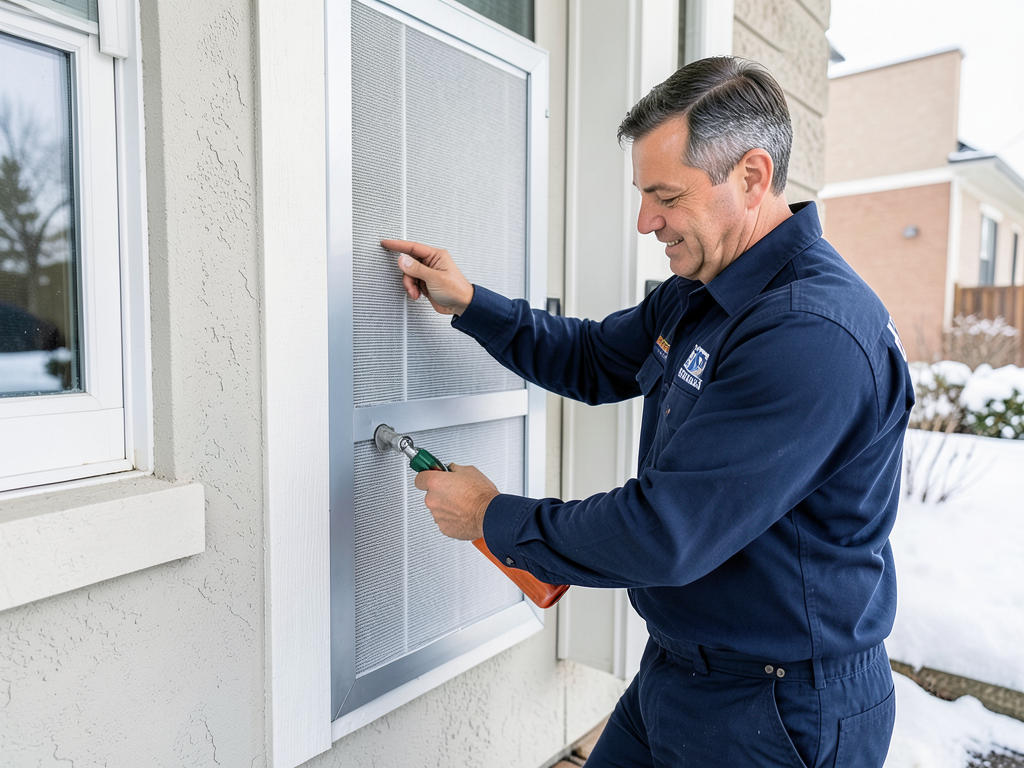
Survival guide for Cedar Fever and how your HVAC system can help you breathe
Cedar Fever hits Austin hard every winter when Ashe Juniper trees release microscopic pollen that triggers severe allergy symptoms. Your HVAC system becomes the first line of defense against these airborne irritants. The right filtration upgrades and maintenance can reduce indoor pollen levels by up to 99% and transform your home into a breathing sanctuary during peak season.. Read more about Creating a ‘safe breathing zone’ in your home during Texas wildfire season.
Why Austin’s ‘Cedar Fever’ Overwhelms Standard HVAC Systems
Ashe Juniper pollen measures between 20-35 microns and travels easily through standard fiberglass filters. These tiny particles bypass MERV 8 filters and coat your evaporator coils with a sticky resin that reduces cooling efficiency by up to 30%. The pollen accumulates in ductwork and creates ideal conditions for mold growth when combined with Austin’s winter humidity. Many homeowners notice their systems running longer cycles during Cedar Fever season without realizing the pollen buildup is the culprit. Emergency Ductwork Repair.
Top 3 HVAC Upgrades to Combat Ashe Juniper Pollen
1. HEPA and High-MERV Filtration (MERV 13+)
Standard MERV 8 filters capture only 80-85% of 10-micron particles. MERV 13 filters trap 90% of 1-3 micron particles and 95% of larger particles including cedar pollen. HEPA filtration systems achieve 99.97% efficiency for particles as small as 0.3 microns. The trade-off is increased static pressure that can strain older blower motors. Professional installation ensures proper airflow balance while maximizing filtration performance. Fast and Professional Furnace Repair in Georgetown During the Winter Chill.
2. Whole-Home Air Purifiers (iWave, REME Halo)
Active air purification technologies neutralize pollen at the molecular level. The iWave uses needle-point bipolar ionization to break down allergens and pathogens. REME Halo produces hydro-peroxide plasma that circulates through your duct system. These systems work continuously and don’t restrict airflow like dense filters. Installation typically takes 2-3 hours and provides year-round protection against viruses, bacteria, and seasonal allergens.
3. UV Germicidal Lights for Coil Protection
UV-C light systems installed near evaporator coils prevent mold and bacteria growth. Cedar pollen resins create sticky surfaces where microorganisms thrive in the dark, moist environment of your air handler. UV lights maintain coil efficiency and prevent the musty odors that develop when organic matter accumulates. The lights consume minimal electricity and last 9-12 months before needing replacement.
Essential Maintenance Checklist Before Cedar Season Hits
- Replace All Filters
Install MERV 13 or higher rated filters. Check filter compatibility with your system’s static pressure rating.
- Clean Evaporator Coils
Remove pollen buildup and debris that reduces heat transfer efficiency.
- Inspect Ductwork
Check for leaks where pollen can enter return air pathways.
- Test Blower Motor
Ensure the motor can handle increased static pressure from high-efficiency filters.
- Check Humidity Control
Verify that your system maintains optimal 40-50% relative humidity.
Indoor Air Quality (IAQ) Testing in Austin: Is It Worth It?
Professional IAQ testing measures particulate matter, volatile organic compounds, and humidity levels throughout your home. Testing costs range from $250-500 but identifies specific problems your HVAC system needs to address. Many Austin homeowners discover their indoor air contains 2-5 times more pollutants than outdoor air during Cedar Fever season. Testing provides baseline data to measure improvement after system upgrades.
Frequently Asked Questions About HVAC and Allergies
How often should I replace filters during Cedar Fever season?
Replace high-efficiency filters every 30-45 days during peak season. Standard filters may need replacement every 2-3 weeks when pollen counts exceed 500 grains per cubic meter.
Can my HVAC system make allergies worse?
Yes. Dirty filters and coils can circulate accumulated allergens throughout your home. Regular maintenance prevents this recirculation and actually improves indoor air quality.
What’s the difference between a whole-house air purifier and a portable unit?
Whole-house systems treat all air passing through your ductwork while portable units only clean air in one room. Whole-house systems provide consistent protection and require less maintenance.
Should I run my fan continuously during Cedar Fever season?
Running the fan continuously circulates air through your filtration system even when heating or cooling isn’t needed. This can reduce pollen levels but increases energy consumption by 15-20%. Geothermal Heating & Cooling.
How do I know if my system needs professional cleaning?
Visible dust accumulation around vents, musty odors when the system runs, or increased allergy symptoms indoors indicate your system needs professional cleaning.
Can UV lights damage my HVAC components?
Properly installed UV systems don’t damage plastic components. The lights are positioned to target only the coil surface and air stream, not sensitive electrical parts.
What’s the ideal humidity level during winter in Austin?
Maintain 40-50% relative humidity. Lower levels can irritate sinuses while higher levels promote dust mite growth and mold.
How long does professional duct cleaning take?
Most residential duct cleaning services take 4-6 hours for a typical home. The process removes accumulated pollen, dust, and debris from your entire duct system.
Are ionic air purifiers safe for pets?
Modern bipolar ionization systems produce minimal ozone and are safe for pets. The technology has been refined to eliminate harmful byproducts while maintaining effectiveness. Modern HVAC Solutions for Historic Homes in Tarrytown and Old West Austin.
What maintenance should I schedule before next Cedar Fever season?
Schedule professional coil cleaning, filter replacement, and system performance testing in early November. This ensures your system is ready before pollen levels rise.
Struggling with Cedar Fever symptoms that won’t go away? Your HVAC system might be part of the problem. Call (737) 316-0777 today to schedule your inspection and take control of your indoor air quality before the next pollen wave hits.
{
“@context”: “https://schema.org”,
“@type”: “BlogPosting”,
“headline”: “Survival guide for Cedar Fever and how your HVAC system can help you breathe”,
“description”: “Learn how to protect your Austin home from Cedar Fever with HVAC upgrades, filtration systems, and maintenance tips. Call (737) 316-0777 for professional service.”,
“wordCount”: 923,
“datePublished”: “2026-03-28T09:40:00.000Z”,
“dateModified”: “2026-03-28T09:40:00.000Z”,
“inLanguage”: “en-US”,
“mainEntityOfPage”: {
“@type”: “WebPage”,
“@id”: “https://allprohvacaustin.com”
},
“publisher”: {
“@type”: “LocalBusiness”,
“name”: “All Pro HVAC Austin”,
“url”: “https://allprohvacaustin.com”
},
“author”: {
“@type”: “Organization”,
“name”: “All Pro HVAC Austin”,
“url”: “https://allprohvacaustin.com”
},
“image”: {
“@type”: “ImageObject”,
“url”: “https://allprohvacaustin.com/wp-content/uploads/2026/03/survival-guide-for-cedar-fever-and-how-your-hvac-s-1.png”
}
}
{
“@context”: “https://schema.org”,
“@type”: “HVACBusiness”,
“name”: “All Pro HVAC Austin”,
“url”: “https://allprohvacaustin.com”,
“address”: {
“@type”: “PostalAddress”,
“addressLocality”: “Austin”
},
“areaServed”: {
“@type”: “City”,
“name”: “Austin”
}
}
{
“@context”: “https://schema.org”,
“@type”: “FAQPage”,
“mainEntity”: [
{
“@type”: “Question”,
“name”: “Indoor Air Quality (IAQ) Testing in Austin: Is It Worth It?”,
“acceptedAnswer”: {
“@type”: “Answer”,
“text”: “Professional IAQ testing measures particulate matter, volatile organic compounds, and humidity levels throughout your home. Testing costs range from $250-500 but identifies specific problems your HVAC system needs to address. Many Austin homeowners discover their indoor air contains 2-5 times more pollutants than outdoor air during Cedar Fever season. Testing provides baseline data to measure improvement after system upgrades.”
}
},
{
“@type”: “Question”,
“name”: “How often should I replace filters during Cedar Fever season?”,
“acceptedAnswer”: {
“@type”: “Answer”,
“text”: “Replace high-efficiency filters every 30-45 days during peak season. Standard filters may need replacement every 2-3 weeks when pollen counts exceed 500 grains per cubic meter.”
}
},
{
“@type”: “Question”,
“name”: “Can my HVAC system make allergies worse?”,
“acceptedAnswer”: {
“@type”: “Answer”,
“text”: “Yes. Dirty filters and coils can circulate accumulated allergens throughout your home. Regular maintenance prevents this recirculation and actually improves indoor air quality.”
}
},
{
“@type”: “Question”,
“name”: “What’s the difference between a whole-house air purifier and a portable unit?”,
“acceptedAnswer”: {
“@type”: “Answer”,
“text”: “Whole-house systems treat all air passing through your ductwork while portable units only clean air in one room. Whole-house systems provide consistent protection and require less maintenance.”
}
},
{
“@type”: “Question”,
“name”: “Should I run my fan continuously during Cedar Fever season?”,
“acceptedAnswer”: {
“@type”: “Answer”,
“text”: “Running the fan continuously circulates air through your filtration system even when heating or cooling isn’t needed. This can reduce pollen levels but increases energy consumption by 15-20%. Geothermal Heating & Cooling.”
}
},
{
“@type”: “Question”,
“name”: “How do I know if my system needs professional cleaning?”,
“acceptedAnswer”: {
“@type”: “Answer”,
“text”: “Visible dust accumulation around vents, musty odors when the system runs, or increased allergy symptoms indoors indicate your system needs professional cleaning.”
}
},
{
“@type”: “Question”,
“name”: “Can UV lights damage my HVAC components?”,
“acceptedAnswer”: {
“@type”: “Answer”,
“text”: “Properly installed UV systems don’t damage plastic components. The lights are positioned to target only the coil surface and air stream, not sensitive electrical parts.”
}
},
{
“@type”: “Question”,
“name”: “What’s the ideal humidity level during winter in Austin?”,
“acceptedAnswer”: {
“@type”: “Answer”,
“text”: “Maintain 40-50% relative humidity. Lower levels can irritate sinuses while higher levels promote dust mite growth and mold.”
}
},
{
“@type”: “Question”,
“name”: “How long does professional duct cleaning take?”,
“acceptedAnswer”: {
“@type”: “Answer”,
“text”: “Most residential duct cleaning services take 4-6 hours for a typical home. The process removes accumulated pollen, dust, and debris from your entire duct system.”
}
},
{
“@type”: “Question”,
“name”: “Are ionic air purifiers safe for pets?”,
“acceptedAnswer”: {
“@type”: “Answer”,
“text”: “Modern bipolar ionization systems produce minimal ozone and are safe for pets. The technology has been refined to eliminate harmful byproducts while maintaining effectiveness. Modern HVAC Solutions for Historic Homes in Tarrytown and Old West Austin.”
}
},
{
“@type”: “Question”,
“name”: “What maintenance should I schedule before next Cedar Fever season?”,
“acceptedAnswer”: {
“@type”: “Answer”,
“text”: “Schedule professional coil cleaning, filter replacement, and system performance testing in early November. This ensures your system is ready before pollen levels rise.”
}
}
]
}
{
“@context”: “https://schema.org”,
“@type”: “HowTo”,
“name”: “Cedar Season HVAC Preparation”,
“step”: [
{
“@type”: “HowToStep”,
“position”: 1,
“name”: “Replace All Filters”,
“text”: “Install MERV 13 or higher rated filters. Check filter compatibility with your system’s static pressure rating.”
},
{
“@type”: “HowToStep”,
“position”: 2,
“name”: “Clean Evaporator Coils”,
“text”: “Remove pollen buildup and debris that reduces heat transfer efficiency.”
},
{
“@type”: “HowToStep”,
“position”: 3,
“name”: “Inspect Ductwork”,
“text”: “Check for leaks where pollen can enter return air pathways.”
},
{
“@type”: “HowToStep”,
“position”: 4,
“name”: “Test Blower Motor”,
“text”: “Ensure the motor can handle increased static pressure from high-efficiency filters.”
},
{
“@type”: “HowToStep”,
“position”: 5,
“name”: “Check Humidity Control”,
“text”: “Verify that your system maintains optimal 40-50% relative humidity.”
}
],
“image”: “https://allprohvacaustin.com/wp-content/uploads/2026/03/survival-guide-for-cedar-fever-and-how-your-hvac-s-1.png”
}
{
“@context”: “https://schema.org”,
“@type”: “BreadcrumbList”,
“itemListElement”: [
{
“@type”: “ListItem”,
“position”: 1,
“name”: “Home”,
“item”: “https://allprohvacaustin.com”
},
{
“@type”: “ListItem”,
“position”: 2,
“name”: “Blog”,
“item”: “https://allprohvacaustin.com/blog”
},
{
“@type”: “ListItem”,
“position”: 3,
“name”: “Survival guide for Cedar Fever and how your HVAC system can help you breathe”
}
]
}
{
“@context”: “https://schema.org”,
“@type”: “Service”,
“serviceType”: “HVAC”,
“provider”: {
“@type”: “LocalBusiness”,
“name”: “All Pro HVAC Austin”,
“url”: “https://allprohvacaustin.com”
},
“areaServed”: {
“@type”: “City”,
“name”: “Austin”
},
“description”: “Learn how to protect your Austin home from Cedar Fever with HVAC upgrades, filtration systems, and maintenance tips. Call (737) 316-0777 for professional service.”
}