
Understanding the ‘Aux Heat’ light on your thermostat during a Central Texas cold snap
When temperatures in Austin drop below 35 degrees Fahrenheit your thermostat’s “Aux Heat” light turns on and many homeowners wonder if something is wrong. The short answer is no. Auxiliary heat is a normal and necessary backup system for heat pumps when outdoor temperatures fall below the balance point where your heat pump alone can’t keep up with heating demand. Austin Energy winter rates.
Heat pumps work by extracting heat from outdoor air and moving it inside. When outdoor temperatures get too cold there isn’t enough heat energy in the air for the heat pump to work efficiently. That’s when your system automatically switches on electric resistance heat strips located in your air handler. These strips use electricity to generate heat directly just like a toaster or electric oven.. Read more about How modern cold-climate heat pumps handle those rare but freezing Austin nights.
During a typical Austin winter the auxiliary heat runs intermittently to supplement your heat pump. You might see the light come on during early morning hours when temperatures are coldest or when your thermostat is trying to raise the indoor temperature several degrees quickly. This is normal operation not a system failure.. Read more about Will a smart thermostat really work with the older wiring in your Windsor Park home?.
However if you notice the Aux Heat light staying on constantly during mild weather or when your home is already at the desired temperature you may have a problem that needs professional attention. Common issues include dirty air filters restricting airflow refrigerant leaks or thermostat malfunctions that prevent the system from switching back to normal heat pump operation. Fast and Professional Furnace Repair in Georgetown During the Winter Chill.
How auxiliary heat works in Central Texas homes
Central Texas homes typically use air source heat pumps because they provide efficient cooling during our long hot summers and adequate heating during our relatively mild winters. The system consists of an outdoor unit that looks like an air conditioner and an indoor air handler that contains the electric heat strips. Geothermal Heating & Cooling.
The balance point for most heat pumps in Austin is around 35-40 degrees Fahrenheit. Below this temperature the heat pump can still operate but it becomes less efficient and may not provide enough heat to maintain your thermostat setting. The system automatically activates the auxiliary heat strips to provide additional warmth.
Electric heat strips are rated in kilowatts and typically range from 5 to 20 kW depending on your home’s size and heating requirements. A 10 kW strip can produce about 34,000 Btu per hour of heat which is substantial but also expensive to operate compared to your heat pump’s normal operation.
During the 2021 winter storm many Austin homeowners discovered their heat pumps couldn’t keep up with extended subfreezing temperatures. The auxiliary heat worked overtime and some systems struggled to maintain comfortable indoor temperatures. This highlighted the importance of understanding how your system operates during extreme weather.
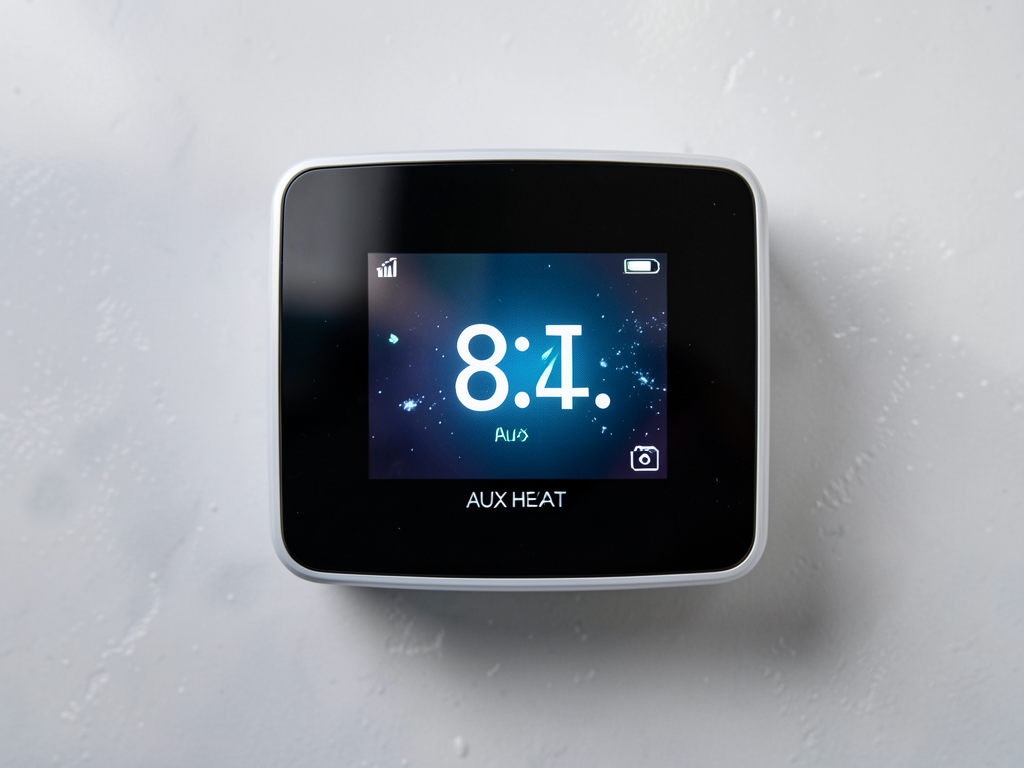
Modern thermostats like Nest Ecobee and Honeywell models show Aux Heat status clearly on their displays. Some even provide energy usage estimates so you can see when the system is running on expensive electric strips versus normal heat pump operation. This visibility helps homeowners make informed decisions about thermostat settings during cold weather. Modern HVAC Solutions for Historic Homes in Tarrytown and Old West Austin.
Aux Heat vs Emergency Heat What’s the difference
Many Austin homeowners confuse Aux Heat with Emergency Heat but these are different system modes. Auxiliary heat is automatic backup that activates when needed. Emergency Heat is a manual override that completely shuts off your heat pump and runs only the electric strips. Emergency AC Repair Services for Homes in West Lake Hills.
You should only use Emergency Heat if your heat pump is not working at all. This might happen if the outdoor unit is damaged by falling ice or if the compressor fails. Switching to Emergency Heat prevents the system from trying to run the heat pump and potentially causing more damage.
Emergency Heat uses significantly more electricity than normal heat pump operation with or without auxiliary support. During the 2021 freeze some homeowners accidentally left their systems in Emergency Heat mode for days resulting in electric bills that were hundreds of dollars higher than normal.
The key distinction is that Aux Heat works in conjunction with your heat pump while Emergency Heat completely bypasses it. Your thermostat will show different indicators for each mode and your energy usage will vary dramatically between them.
If you’re unsure which mode your system is in check your thermostat manual or look for specific indicators. Most modern thermostats display “Aux” when running in auxiliary mode and “EMER” or “E HEAT” when in emergency mode. The emergency mode typically requires you to manually switch it on and should only be used for true system failures.. Read more about The best tamper-proof thermostats for short-term rentals in South Congress and Zilker.
Why is my Aux Heat on when it’s not freezing outside
Several factors can cause auxiliary heat to activate even when outdoor temperatures are above 35 degrees. The most common culprit is a dirty air filter. When filters become clogged they restrict airflow through the system making it harder for the heat pump to extract heat from the air. This can trigger the auxiliary heat to come on even in mild weather.
Refrigerant leaks are another frequent cause. Your heat pump needs the proper refrigerant charge to operate efficiently. Low refrigerant levels reduce the system’s ability to transfer heat forcing the auxiliary strips to activate more often. You might notice the system running longer than usual or struggling to maintain temperature.
Thermostat issues can also cause problems. If your thermostat is miscalibrated or has a faulty temperature sensor it might think your home is colder than it actually is. This causes the system to run longer and potentially activate auxiliary heat unnecessarily. Smart thermostats sometimes need recalibration after power outages or software updates.
Another factor is the defrost cycle. Heat pumps periodically reverse operation to melt frost from the outdoor coil. During defrost the system temporarily uses auxiliary heat to maintain indoor temperature since the heat pump is in cooling mode to melt the ice. This is normal but can make the Aux Heat light come on unexpectedly.
High indoor humidity in Austin can also affect system operation. When humidity is high the heat pump must work harder to remove moisture from the air which can impact its heating efficiency. This might cause auxiliary heat to activate more frequently especially during temperature recovery periods when you raise the thermostat setting.
Impact on your Austin Energy bill
Electric heat strips consume significantly more electricity than heat pump operation. While a heat pump might use 1-2 kilowatts per hour of operation electric strips can use 5-20 kilowatts depending on their size. This means your heating costs can increase dramatically when auxiliary heat runs frequently.
Austin Energy’s winter rates typically range from 9 to 13 cents per kilowatt hour depending on your plan and usage tier. If your auxiliary heat runs for 10 hours per day at 10 kilowatts that’s 100 kilowatt hours daily. At 11 cents per kilowatt hour you’re looking at $11 per day just for auxiliary heating.
Compare this to normal heat pump operation which might use 1.5 kilowatts per hour. The same 10 hours would cost only $1.65. That’s a difference of nearly $10 per day which adds up quickly during extended cold snaps. A week of heavy auxiliary heat use could easily add $70 to your bill.
The table below shows estimated daily costs for different auxiliary heat usage scenarios based on Austin Energy’s current rates:
| Auxiliary Heat Runtime | Heat Strip Size | Daily Energy Use | Estimated Daily Cost |
|---|---|---|---|
| 5 hours | 5 kW | 25 kWh | $2.75 |
| 10 hours | 10 kW | 100 kWh | |
| 15 hours | 15 kW | 225 kWh | $24.75 |
| 20 hours | 20 kW | 400 kWh | $44.00 |
Smart thermostats can help manage costs by optimizing temperature setbacks and recovery periods. Setting your thermostat back 5-7 degrees at night and letting it warm up gradually in the morning can reduce auxiliary heat usage compared to maintaining a constant temperature.
Some Austin homeowners install dual fuel systems that use a gas furnace instead of electric strips for auxiliary heat. This can be more cost effective if you have access to natural gas but requires different equipment and installation. The choice between electric and gas auxiliary heat depends on your utility rates and equipment costs.
When to call an Austin HVAC professional
While auxiliary heat is normal during cold weather certain signs indicate you need professional service. If the Aux Heat light stays on constantly even when temperatures are above 40 degrees you likely have a system problem. This could be a refrigerant leak faulty thermostat or issues with the heat pump itself.
Unusual noises from your outdoor unit are another red flag. Grinding clicking or rattling sounds often indicate failing components like fan motors or compressors. These problems typically worsen over time and can lead to complete system failure if not addressed promptly.
Ice buildup on your outdoor unit that doesn’t melt during defrost cycles suggests airflow restrictions or refrigerant problems. While some frost is normal persistent ice indicates the system can’t complete its defrost cycle properly. This forces the auxiliary heat to work harder and can damage the heat pump.
If your system runs constantly but can’t maintain the thermostat setting you may have undersized equipment or significant efficiency problems. This is especially noticeable during extreme cold when the heat pump and auxiliary heat run continuously but indoor temperatures still drop.
Higher than normal energy bills without corresponding weather changes often indicate system problems. If your December bill is 50% higher than last year’s but temperatures were similar you should have your system checked. Refrigerant leaks failing compressors or control board issues can all cause efficiency problems.
Professional HVAC technicians use specialized tools to diagnose these issues. They measure refrigerant pressures check electrical components and test system performance under load. Many offer winter maintenance specials that include comprehensive system checks to identify problems before they cause system failure during a cold snap.
Don’t wait until your system fails completely. Early intervention can prevent costly emergency repairs and ensure your home stays comfortable during Austin’s coldest weather. A professional inspection now can save you money and headaches later. Local AC Repair and Cooling Experts in South Lamar and Barton Hills.
Maintaining your heat pump for reliable winter performance
Regular maintenance is essential for heat pump reliability especially in Austin’s climate where systems work hard year round. Professional maintenance should include checking refrigerant levels cleaning coils and testing electrical components. These services help prevent unexpected failures during cold weather when you need heat the most.
Air filter replacement is one of the most important maintenance tasks you can perform yourself. Dirty filters restrict airflow reduce efficiency and can cause auxiliary heat to run unnecessarily. Check your filters monthly during heating season and replace them when they appear dirty. This simple step can improve system performance and lower energy costs.
Outdoor unit maintenance is also important. Keep the area around your heat pump clear of leaves debris and vegetation. Ensure at least two feet of clearance around the unit for proper airflow. During fall and winter remove any accumulated leaves or pine needles that could restrict airflow or cause corrosion.
Consider having your system professionally serviced before the heating season begins. A technician can identify potential problems clean critical components and ensure your system is ready for winter demands. This preventive maintenance often costs less than emergency repairs and can extend your system’s lifespan.
If your heat pump is over 10-12 years old consider replacement before it fails completely. Newer systems offer significantly better efficiency and reliability. The improved technology can provide better comfort and lower operating costs even if your current system is still working.
Smart thermostats can also help maintain system health by providing alerts for unusual operation patterns. Some models can detect when your system is running inefficiently or when filters need replacement. These features help you stay on top of maintenance and catch problems early.
Energy efficiency tips for Austin winters
Managing your thermostat settings can significantly impact both comfort and energy costs. During cold snaps try setting your thermostat to 68-70 degrees rather than 72-74. Each degree lower can reduce energy consumption by 3-5%. Your heat pump will run longer but more efficiently reducing the need for expensive auxiliary heat.
Use ceiling fans to your advantage. Most fans have a reverse switch that makes them push warm air down from the ceiling. This can help distribute heat more evenly and allow you to set the thermostat a few degrees lower without sacrificing comfort.
Seal air leaks around windows doors and other openings. Even small gaps can let cold air in and warm air out forcing your system to work harder. Weatherstripping and caulking are inexpensive improvements that can make a noticeable difference in comfort and efficiency.
Consider adding insulation if your home feels drafty or has uneven temperatures. Many Austin homes especially older ones have inadequate insulation in attics walls or floors. Adding insulation can reduce heating and cooling costs year round and improve overall comfort.
Take advantage of natural heat gain during sunny days. Open south and west facing curtains to let sunlight warm your home then close them at night to retain heat. This simple strategy can reduce the load on your heating system especially during mild winter days.
If you’re planning home improvements consider your HVAC system’s efficiency. High efficiency heat pumps with variable speed compressors can provide better comfort and lower operating costs than standard units. While the upfront cost is higher the energy savings often justify the investment over time.
Understanding how your system works and taking simple steps to optimize its operation can help you stay comfortable while managing energy costs. The auxiliary heat light doesn’t have to be a source of worry when you know what it means and how to respond appropriately.
Frequently Asked Questions
Is it normal for my Aux Heat light to come on during cold weather in Austin?
Yes absolutely. When outdoor temperatures drop below about 35 degrees your heat pump needs help maintaining your indoor temperature. The auxiliary heat strips are designed to automatically activate during these conditions as a normal part of system operation.
How can I tell if my Aux Heat is running too much?
If the Aux Heat light stays on constantly when temperatures are above 40 degrees or if your energy bills are unusually high you may have a problem. Also if your system runs constantly but can’t maintain the thermostat setting professional service is recommended.
Can I prevent my Aux Heat from coming on to save money?
You can reduce usage by setting your thermostat back 5-7 degrees at night and letting it warm up gradually in the morning. Avoid large temperature increases that trigger auxiliary heat. However completely preventing it during very cold weather isn’t recommended as your heat pump may not keep up.
How long should my heat pump run during cold weather?
During cold snaps your heat pump may run for extended periods especially if temperatures are near or below freezing. This is normal operation. However if it runs constantly without maintaining temperature or if the Aux Heat light stays on continuously you should have it checked.
Should I switch to Emergency Heat if it gets really cold?
Only switch to Emergency Heat if your heat pump has completely failed. Emergency Heat uses much more electricity and should only be used for true emergencies. If your system is working but struggling in extreme cold let it operate normally with auxiliary support.
How often should I replace my air filter during heating season?
Check your filter monthly during heating season and replace it when it appears dirty. This is typically every 1-3 months depending on your home’s dust levels and whether you have pets. Clean filters improve efficiency and can reduce unnecessary auxiliary heat usage.
What’s the difference between a heat pump and a furnace?
A heat pump moves heat from outside air into your home while a furnace generates heat by burning fuel or using electric resistance. Heat pumps are more efficient in mild climates like Austin but may need auxiliary heat during extreme cold. Furnaces provide consistent heat regardless of outdoor temperature.
How can I make my heating system more efficient?
Regular maintenance clean filters proper thermostat settings and good insulation all improve efficiency. Consider a professional tune up before winter and keep your thermostat at moderate temperatures. Smart thermostats can also help optimize operation and reduce energy costs.

[IMAGE_PLACEHPLACEHOLDER_3]
Call (737) 316-0777 today to schedule your inspection. Our NATE-certified technicians can diagnose any issues and ensure your system is ready for whatever winter brings to Austin. Don’t wait until you’re left in the cold. NATE certification.
Pick up the phone and call (737) 316-0777 before the next storm hits. We offer 24/7 emergency service throughout Austin and surrounding areas because we know heating problems don’t wait for convenient times. Your comfort and safety are our top priority.
{
“@context”: “https://schema.org”,
“@type”: “BlogPosting”,
“headline”: “Understanding the ‘Aux Heat’ light on your thermostat during a Central Texas cold snap”,
“description”: “What does the ‘Aux Heat’ light mean on your thermostat in Austin? Learn why it activates, how it affects your energy bill, and when to call a professional.”,
“wordCount”: 2839,
“datePublished”: “2026-04-02T14:35:00.000Z”,
“dateModified”: “2026-04-02T14:35:00.000Z”,
“inLanguage”: “en-US”,
“mainEntityOfPage”: {
“@type”: “WebPage”,
“@id”: “https://allprohvacaustin.com”
},
“publisher”: {
“@type”: “LocalBusiness”,
“name”: “All Pro HVAC Austin”,
“url”: “https://allprohvacaustin.com”
},
“author”: {
“@type”: “Organization”,
“name”: “All Pro HVAC Austin”,
“url”: “https://allprohvacaustin.com”
},
“image”: {
“@type”: “ImageObject”,
“url”: “https://allprohvacaustin.com/wp-content/uploads/2026/03/understanding-the-aux-heat-light-on-your-thermosta-1.png”
}
}
{
“@context”: “https://schema.org”,
“@type”: “HVACBusiness”,
“name”: “All Pro HVAC Austin”,
“url”: “https://allprohvacaustin.com”,
“address”: {
“@type”: “PostalAddress”,
“addressLocality”: “Austin”
},
“areaServed”: {
“@type”: “City”,
“name”: “Austin”
}
}
{
“@context”: “https://schema.org”,
“@type”: “FAQPage”,
“mainEntity”: [
{
“@type”: “Question”,
“name”: “Is it normal for my Aux Heat light to come on during cold weather in Austin?”,
“acceptedAnswer”: {
“@type”: “Answer”,
“text”: “Yes absolutely. When outdoor temperatures drop below about 35 degrees your heat pump needs help maintaining your indoor temperature. The auxiliary heat strips are designed to automatically activate during these conditions as a normal part of system operation.”
}
},
{
“@type”: “Question”,
“name”: “How can I tell if my Aux Heat is running too much?”,
“acceptedAnswer”: {
“@type”: “Answer”,
“text”: “If the Aux Heat light stays on constantly when temperatures are above 40 degrees or if your energy bills are unusually high you may have a problem. Also if your system runs constantly but can’t maintain the thermostat setting professional service is recommended.”
}
},
{
“@type”: “Question”,
“name”: “Can I prevent my Aux Heat from coming on to save money?”,
“acceptedAnswer”: {
“@type”: “Answer”,
“text”: “You can reduce usage by setting your thermostat back 5-7 degrees at night and letting it warm up gradually in the morning. Avoid large temperature increases that trigger auxiliary heat. However completely preventing it during very cold weather isn’t recommended as your heat pump may not keep up.”
}
},
{
“@type”: “Question”,
“name”: “How long should my heat pump run during cold weather?”,
“acceptedAnswer”: {
“@type”: “Answer”,
“text”: “During cold snaps your heat pump may run for extended periods especially if temperatures are near or below freezing. This is normal operation. However if it runs constantly without maintaining temperature or if the Aux Heat light stays on continuously you should have it checked.”
}
},
{
“@type”: “Question”,
“name”: “Should I switch to Emergency Heat if it gets really cold?”,
“acceptedAnswer”: {
“@type”: “Answer”,
“text”: “Only switch to Emergency Heat if your heat pump has completely failed. Emergency Heat uses much more electricity and should only be used for true emergencies. If your system is working but struggling in extreme cold let it operate normally with auxiliary support.”
}
},
{
“@type”: “Question”,
“name”: “How often should I replace my air filter during heating season?”,
“acceptedAnswer”: {
“@type”: “Answer”,
“text”: “Check your filter monthly during heating season and replace it when it appears dirty. This is typically every 1-3 months depending on your home’s dust levels and whether you have pets. Clean filters improve efficiency and can reduce unnecessary auxiliary heat usage.”
}
},
{
“@type”: “Question”,
“name”: “What’s the difference between a heat pump and a furnace?”,
“acceptedAnswer”: {
“@type”: “Answer”,
“text”: “A heat pump moves heat from outside air into your home while a furnace generates heat by burning fuel or using electric resistance. Heat pumps are more efficient in mild climates like Austin but may need auxiliary heat during extreme cold. Furnaces provide consistent heat regardless of outdoor temperature.”
}
},
{
“@type”: “Question”,
“name”: “How can I make my heating system more efficient?”,
“acceptedAnswer”: {
“@type”: “Answer”,
“text”: “Regular maintenance clean filters proper thermostat settings and good insulation all improve efficiency. Consider a professional tune up before winter and keep your thermostat at moderate temperatures. Smart thermostats can also help optimize operation and reduce energy costs.”
}
}
]
}
{
“@context”: “https://schema.org”,
“@type”: “BreadcrumbList”,
“itemListElement”: [
{
“@type”: “ListItem”,
“position”: 1,
“name”: “Home”,
“item”: “https://allprohvacaustin.com”
},
{
“@type”: “ListItem”,
“position”: 2,
“name”: “Blog”,
“item”: “https://allprohvacaustin.com/blog”
},
{
“@type”: “ListItem”,
“position”: 3,
“name”: “Understanding the ‘Aux Heat’ light on your thermostat during a Central Texas cold snap”
}
]
}
{
“@context”: “https://schema.org”,
“@type”: “Service”,
“serviceType”: “HVAC”,
“provider”: {
“@type”: “LocalBusiness”,
“name”: “All Pro HVAC Austin”,
“url”: “https://allprohvacaustin.com”
},
“areaServed”: {
“@type”: “City”,
“name”: “Austin”
},
“description”: “What does the ‘Aux Heat’ light mean on your thermostat in Austin? Learn why it activates, how it affects your energy bill, and when to call a professional.”
}