
Identifying Wildlife in Your Austin Ductwork
Scratching sounds from your ceiling at 2 a.m. signal a serious problem. Central Texas homes especially those in established neighborhoods like Tarrytown and Clarksville face unique wildlife challenges due to our mix of mature trees and older construction methods. The sounds of claws on metal ducts or the sudden appearance of debris around your vents requires immediate attention. Texas Parks and Wildlife Nuisance Wildlife.
Wildlife in your ductwork creates multiple hazards beyond the initial intrusion. Animals chew through flexible ducting nest in insulation and leave behind droppings that can spread diseases like histoplasmosis. The damage often extends beyond the ducts themselves affecting your home’s energy efficiency and indoor air quality. Emergency Ductwork Repair.
Common Central Texas Culprits
Squirrels and raccoons top the list of attic invaders in Austin. These animals exploit weaknesses in our local architecture particularly in homes built before the 1980s when building codes were less stringent. Squirrels can squeeze through openings as small as two inches while raccoons use their dexterous paws to remove loose soffit panels and roof vents. Local AC Repair and Cooling Experts in South Lamar and Barton Hills.
Roof rats represent another significant threat especially in neighborhoods near Lady Bird Lake where mature vegetation provides ideal habitat. These rodents travel along power lines and tree branches before finding entry points through roof penetrations. Unlike squirrels that are active during the day rats typically move at night making their presence known through scratching sounds and the smell of ammonia from accumulated urine.
Health and Safety Risks
The presence of wildlife in your HVAC system creates serious health hazards. Animal droppings contain pathogens that become airborne when circulated through your home’s ventilation. The Centers for Disease Control and Prevention reports that histoplasmosis spores can cause severe respiratory illness when inhaled particularly in individuals with compromised immune systems.
Beyond biological hazards animals cause physical damage that creates safety risks. Chewed electrical wiring poses fire hazards while damaged ducts allow conditioned air to escape into unconditioned spaces. This inefficiency forces your HVAC system to work harder increasing energy consumption and utility bills. The EPA estimates that duct leaks can reduce system efficiency by up to 30 percent. EPA Air Duct Cleaning Information.
Professional Assessment and Removal
Professional wildlife removal from ductwork requires a systematic approach that addresses both the animal presence and the resulting system damage. The process begins with a comprehensive inspection using specialized equipment to locate entry points and assess the extent of contamination. Fast and Professional Furnace Repair in Georgetown During the Winter Chill.
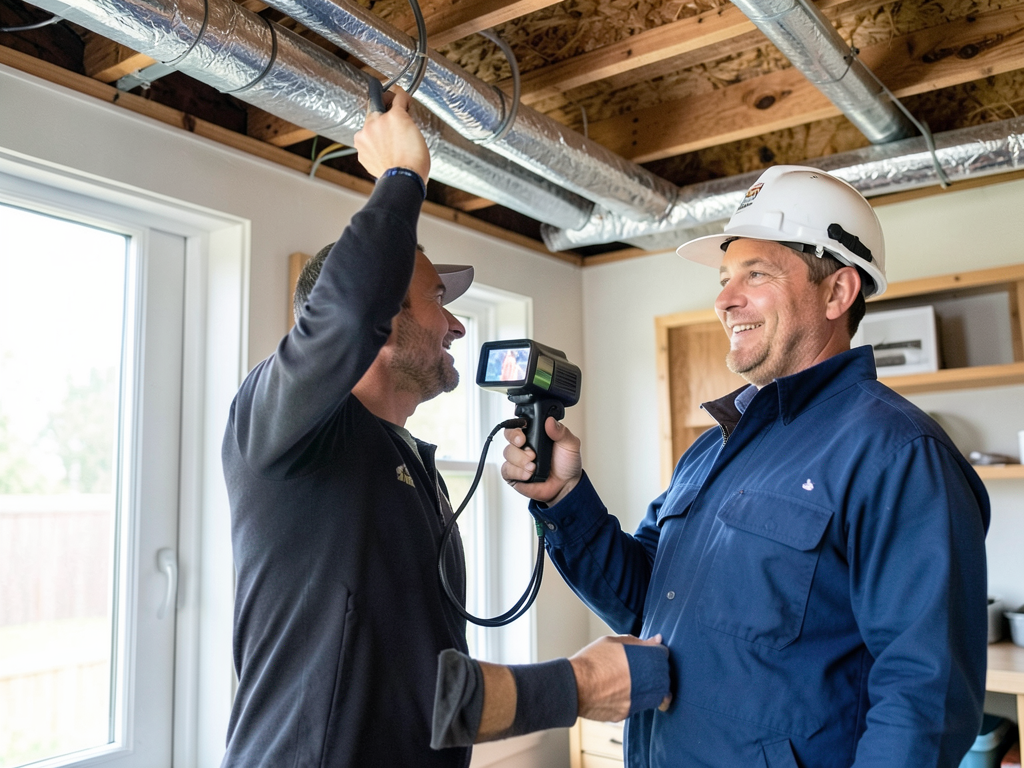
Technicians use thermal imaging cameras to identify temperature differences that reveal damaged duct sections and animal pathways. This diagnostic approach allows for targeted repairs rather than wholesale duct replacement. The inspection also includes checking for electrical damage as animals often chew through low-voltage thermostat wiring and control boards. Emergency AC Repair Services for Homes in West Lake Hills.
Four-Step Restoration Process
- Comprehensive Inspection
Technicians conduct a thorough examination of your entire HVAC system including attic spaces crawl spaces and all accessible duct runs. This inspection identifies entry points damage extent and contamination levels.
- Humane Wildlife Removal
Coordination with licensed wildlife removal specialists ensures animals are extracted humanely and in compliance with Texas Parks and Wildlife regulations. This step often requires multiple visits to ensure all animals and their offspring are removed.
- Duct Repair and Sealing
Damaged sections are repaired or replaced based on contamination levels and structural integrity. All entry points are sealed using materials that resist future animal intrusion such as heavy-gauge metal mesh and specialized sealants.
- Professional Sanitization
The entire system undergoes professional cleaning and sanitization using EPA-registered antimicrobial treatments. This process eliminates pathogens removes odors and restores indoor air quality to safe levels.
Prevention Strategies for Austin Homes
Preventing future wildlife intrusion requires addressing the specific vulnerabilities of Central Texas homes. Many Austin neighborhoods feature mature trees that provide easy access to roofs. Trimming branches at least six feet from your home eliminates this natural bridge for squirrels and raccoons.
Regular maintenance of roof penetrations proves essential for prevention. This includes checking vent screens chimney caps and soffit panels for damage or deterioration. The Texas heat accelerates material breakdown making annual inspections critical for maintaining your home’s wildlife barriers.
Understanding Local Building Vulnerabilities
Austin’s diverse architectural styles create different wildlife entry opportunities. Mid-century modern homes in Central Austin often feature flat roofs with parapet walls that provide ideal nesting sites. The expansion and contraction of these materials due to our extreme temperature swings creates gaps that wildlife exploit. Modern HVAC Solutions for Historic Homes in Tarrytown and Old West Austin.
Homes in the Hill Country face different challenges due to our expansive clay soils. Foundation movement can create gaps around utility penetrations and exterior walls. These gaps sometimes as small as a quarter-inch provide entry points for rodents and other small animals.
Cost Factors and Insurance Considerations
The cost of wildlife damage restoration varies significantly based on the extent of contamination and damage. Basic duct cleaning and sealing might start around $800 while complete system restoration involving insulation replacement and electrical repairs can exceed $5000.
Many homeowners’ insurance policies cover wildlife damage but coverage varies by carrier and policy type. Documented evidence of damage including photographs and professional inspection reports strengthens insurance claims. Some policies exclude rodent damage while others cover it under comprehensive coverage.
Professional vs. DIY Approaches
While DIY wildlife removal might seem cost-effective it often creates more problems than it solves. Without proper training and equipment homeowners risk injury from aggressive animals exposure to disease and incomplete removal that allows animals to return.
Professional services provide warranties on their work and use commercial-grade materials that resist future intrusion. They also handle the proper disposal of contaminated materials and ensure your system meets all local building codes for safety and efficiency.
Emergency Response Guidelines
When you discover wildlife in your ductwork certain steps help minimize damage while you arrange professional service. First avoid running your HVAC system as this circulates contaminated air throughout your home. Second identify and seal obvious entry points from the outside but avoid trapping animals inside.
Document the damage with photographs and notes about when you first noticed signs of intrusion. This information helps professionals assess the situation and provides valuable documentation for insurance purposes.
Long-term System Health
After wildlife removal and system restoration maintaining your HVAC system’s health requires ongoing attention. Regular professional maintenance helps identify potential wildlife entry points before they become problems. This includes checking roof penetrations inspecting duct insulation and ensuring all access panels remain secure.
Consider installing wildlife-resistant vent covers and chimney caps as preventive measures. These upgrades while representing an initial investment often pay for themselves by preventing costly damage and maintaining system efficiency.
Frequently Asked Questions
How do I know if animals are in my ducts?
Common signs include scratching or scurrying sounds from ceilings or walls especially at night foul odors from vents visible debris around registers and unexplained increases in energy bills. Some homeowners also notice their HVAC system cycling more frequently than normal.
Can I just use poison to kill the animals?
Poison creates multiple problems. Dead animals in your ducts produce severe odors and attract insects. Additionally poisoned animals may die in inaccessible areas making removal impossible. Professional humane removal ensures complete extraction and proper disposal.
How long does the restoration process take?
Timeline varies based on damage extent. Simple cleaning and sealing might take one to two days while complete restoration involving insulation replacement and electrical repairs could require three to five days. Weather conditions and material availability also affect completion time.
Will this happen again?
Without proper prevention measures wildlife can return. Professional restoration includes sealing all identified entry points and recommending preventive upgrades. Annual inspections help maintain these barriers and identify new vulnerabilities before animals exploit them.
Taking Action Today
Wildlife in your ductwork represents both an immediate health hazard and a long-term threat to your home’s efficiency. The combination of Central Texas wildlife behavior and our local building characteristics creates unique challenges that require professional expertise to resolve effectively.
Don’t wait for the problem to escalate. Call (737) 316-0777 today to schedule your inspection. Our team provides 24/7 emergency response for wildlife-related HVAC emergencies ensuring your home’s air quality and system efficiency are restored quickly and professionally.
Service Area Commitment
We serve Austin and surrounding communities including Georgetown Round Rock and Pflugerville. Our technicians understand the specific wildlife challenges faced by homes in each of these areas from the mature tree canopy in older Austin neighborhoods to the construction methods used in newer developments.
Quality Assurance
Every restoration project includes a satisfaction guarantee and warranty on all repair work. We use only commercial-grade materials and follow all applicable building codes and EPA guidelines for wildlife damage restoration and indoor air quality improvement.
Pick up the phone and call (737) 316-0777 before the next storm hits. Wildlife problems rarely resolve themselves and typically worsen over time leading to more extensive damage and higher restoration costs. For more information, visit CDC Histoplasmosis Information.
You may also find this helpful. Is a Ductless Mini Split Better than Central Air for Older Brentwood Bungalows.
{
“@context”: “https://schema.org”,
“@type”: “BlogPosting”,
“headline”: “Dealing with squirrels and raccoons in your attic ductwork (A Central Texas guide)”,
“description”: “Central Texas homeowners face unique wildlife challenges. Learn how to identify, remove, and prevent squirrels and raccoons from damaging your attic ductwork.”,
“wordCount”: 1519,
“datePublished”: “2026-04-12T14:38:00.000Z”,
“dateModified”: “2026-04-12T14:38:00.000Z”,
“inLanguage”: “en-US”,
“mainEntityOfPage”: {
“@type”: “WebPage”,
“@id”: “https://allprohvacaustin.com”
},
“publisher”: {
“@type”: “LocalBusiness”,
“name”: “All Pro HVAC Austin”,
“url”: “https://allprohvacaustin.com”
},
“author”: {
“@type”: “Organization”,
“name”: “All Pro HVAC Austin”,
“url”: “https://allprohvacaustin.com”
},
“image”: {
“@type”: “ImageObject”,
“url”: “https://allprohvacaustin.com/wp-content/uploads/2026/03/dealing-with-squirrels-and-raccoons-in-your-attic-1.png”
}
}
{
“@context”: “https://schema.org”,
“@type”: “HVACBusiness”,
“name”: “All Pro HVAC Austin”,
“url”: “https://allprohvacaustin.com”,
“address”: {
“@type”: “PostalAddress”,
“addressLocality”: “Austin”
},
“areaServed”: {
“@type”: “City”,
“name”: “Austin”
}
}
{
“@context”: “https://schema.org”,
“@type”: “FAQPage”,
“mainEntity”: [
{
“@type”: “Question”,
“name”: “How do I know if animals are in my ducts?”,
“acceptedAnswer”: {
“@type”: “Answer”,
“text”: “Common signs include scratching or scurrying sounds from ceilings or walls especially at night foul odors from vents visible debris around registers and unexplained increases in energy bills. Some homeowners also notice their HVAC system cycling more frequently than normal.”
}
},
{
“@type”: “Question”,
“name”: “Can I just use poison to kill the animals?”,
“acceptedAnswer”: {
“@type”: “Answer”,
“text”: “Poison creates multiple problems. Dead animals in your ducts produce severe odors and attract insects. Additionally poisoned animals may die in inaccessible areas making removal impossible. Professional humane removal ensures complete extraction and proper disposal.”
}
},
{
“@type”: “Question”,
“name”: “How long does the restoration process take?”,
“acceptedAnswer”: {
“@type”: “Answer”,
“text”: “Timeline varies based on damage extent. Simple cleaning and sealing might take one to two days while complete restoration involving insulation replacement and electrical repairs could require three to five days. Weather conditions and material availability also affect completion time.”
}
},
{
“@type”: “Question”,
“name”: “Will this happen again?”,
“acceptedAnswer”: {
“@type”: “Answer”,
“text”: “Without proper prevention measures wildlife can return. Professional restoration includes sealing all identified entry points and recommending preventive upgrades. Annual inspections help maintain these barriers and identify new vulnerabilities before animals exploit them.”
}
}
]
}
{
“@context”: “https://schema.org”,
“@type”: “HowTo”,
“name”: “HVAC Wildlife Restoration Process”,
“step”: [
{
“@type”: “HowToStep”,
“position”: 1,
“name”: “Comprehensive Inspection”,
“text”: “Technicians conduct a thorough examination of your entire HVAC system including attic spaces crawl spaces and all accessible duct runs. This inspection identifies entry points damage extent and contamination levels.”
},
{
“@type”: “HowToStep”,
“position”: 2,
“name”: “Humane Wildlife Removal”,
“text”: “Coordination with licensed wildlife removal specialists ensures animals are extracted humanely and in compliance with Texas Parks and Wildlife regulations. This step often requires multiple visits to ensure all animals and their offspring are removed.”
},
{
“@type”: “HowToStep”,
“position”: 3,
“name”: “Duct Repair and Sealing”,
“text”: “Damaged sections are repaired or replaced based on contamination levels and structural integrity. All entry points are sealed using materials that resist future animal intrusion such as heavy-gauge metal mesh and specialized sealants.”
},
{
“@type”: “HowToStep”,
“position”: 4,
“name”: “Professional Sanitization”,
“text”: “The entire system undergoes professional cleaning and sanitization using EPA-registered antimicrobial treatments. This process eliminates pathogens removes odors and restores indoor air quality to safe levels.”
}
],
“image”: “https://allprohvacaustin.com/wp-content/uploads/2026/03/dealing-with-squirrels-and-raccoons-in-your-attic-1.png”
}
{
“@context”: “https://schema.org”,
“@type”: “BreadcrumbList”,
“itemListElement”: [
{
“@type”: “ListItem”,
“position”: 1,
“name”: “Home”,
“item”: “https://allprohvacaustin.com”
},
{
“@type”: “ListItem”,
“position”: 2,
“name”: “Blog”,
“item”: “https://allprohvacaustin.com/blog”
},
{
“@type”: “ListItem”,
“position”: 3,
“name”: “Dealing with squirrels and raccoons in your attic ductwork (A Central Texas guide)”
}
]
}
{
“@context”: “https://schema.org”,
“@type”: “Service”,
“serviceType”: “HVAC”,
“provider”: {
“@type”: “LocalBusiness”,
“name”: “All Pro HVAC Austin”,
“url”: “https://allprohvacaustin.com”
},
“areaServed”: {
“@type”: “City”,
“name”: “Austin”
},
“description”: “Central Texas homeowners face unique wildlife challenges. Learn how to identify, remove, and prevent squirrels and raccoons from damaging your attic ductwork.”
}