
Menu

Weird Smells from Vents in Austin – Expert Diagnosis and Permanent Solutions

When strange odors from air ducts disrupt your comfort, our certified technicians identify the root cause and eliminate foul air conditioner odors for good, protecting your indoor air quality and HVAC investment.

Slider Image 1
Slider Image 2
Slider Image 3
Slider Image 4
Slider Image 5
Slider Image 7
Slider Image 8
Slider Image 9
Slider Image 10
Slider Image 11

Why Austin Homes Experience More Vent Odor Issues

You turn on your air conditioning, and instead of cool relief, you get hit with a bad smell coming from vents. You are not imagining it, and you are not alone.

Austin's unique climate creates perfect conditions for odd smells from HVAC systems. Our extended cooling season means systems run nearly year-round, giving mold, bacteria, and organic debris more time to accumulate inside ductwork and evaporator coils. Cedar pollen counts in Central Texas rank among the highest in the nation. This fine particulate matter gets pulled into your system and decomposes, creating musty or earthy odors.

High humidity levels, especially during summer months when dew points climb into the 70s, encourage condensation inside duct runs. When moisture combines with dust and pollen, you get biological growth. That funny smell from heating systems in winter often comes from dormant spores reactivating when you switch from cooling to heating mode.

Construction booms in neighborhoods like Mueller, Eastside, and South Congress mean newer homes with tighter building envelopes. Less natural ventilation means your HVAC system recirculates the same air repeatedly. Any contamination inside the system multiplies.

The clay-based soil throughout Travis County shifts with seasonal moisture changes. This movement can separate duct joints in crawlspaces and attics, allowing animal intrusion. Dead rodents, nesting materials, and droppings create some of the most offensive foul air conditioner odors homeowners encounter.

Ignoring strange odors from air ducts puts your health at risk. Mold spores trigger allergies and respiratory issues. Some odors signal electrical problems or refrigerant leaks. The smell is your system telling you something is wrong.

Why Austin Homes Experience More Vent Odor Issues
Our Comprehensive Odor Elimination Protocol

Our Comprehensive Odor Elimination Protocol

We do not mask smells with deodorizers. We identify the contamination source and eliminate it permanently.

Our diagnostic process starts with a detailed intake. We ask when you first noticed the odd smells from HVAC system, whether the odor is constant or intermittent, and if it occurs during cooling, heating, or both. Different smells indicate different problems. Musty odors point to biological growth. Burning smells suggest electrical issues or overheating components. Rotten egg smells can indicate a dead animal or, in rare cases, a natural gas leak near ductwork.

We perform a complete visual inspection of accessible ductwork, starting at the air handler and working outward. We check the evaporator coil for standing water and biofilm accumulation. We inspect the condensate drain pan and drain line, which frequently harbor bacteria that produce sulfur compounds.

Using fiber optic cameras, we inspect duct interiors without destructive access cuts. This reveals debris accumulation, disconnected sections, and biological growth that cannot be seen from registers. We check filter conditions and housing fit. A poorly sealed filter allows unfiltered air to bypass into the system, depositing contaminants directly on the evaporator coil.

We test static pressure across the system to identify airflow restrictions. High static pressure indicates blocked filters, crushed ducts, or coil fouling. Restricted airflow reduces dehumidification capacity, increasing moisture-related odor problems.

For persistent biological odors, we may collect surface samples for laboratory analysis. This identifies specific mold species and guides remediation protocols.

Once we identify the source, we execute targeted remediation. This might include coil cleaning with EPA-registered antimicrobial solutions, duct sanitization, drain line clearing, or animal exclusion and decontamination. We address the cause, not just the symptom.

What Happens During Your Odor Investigation

Weird Smells from Vents in Austin – Expert Diagnosis and Permanent Solutions
01

System Shutdown and Safety Check

We power down your system at the breaker and thermostat to safely access components. We verify no electrical hazards exist and check for refrigerant leaks that could produce chemical odors. We inspect the gas furnace heat exchanger if you have one, since cracks allow combustion gases into airflow. This step protects both our technicians and your household during the investigation.
02

Component-by-Component Inspection

We remove access panels to inspect the evaporator coil, blower assembly, and drain pan. We check filter condition and cabinet seals. Using inspection mirrors and cameras, we examine duct interiors through register openings and access points. We document moisture stains, biological growth, debris accumulation, and any physical damage. We test drain line flow and check for standing water that breeds bacteria.
03

Detailed Findings Report

We present photographic evidence of what we found and explain how it causes the specific odor you are experiencing. We outline exactly which components require cleaning, repair, or replacement. We provide a detailed scope of work with transparent pricing before any remediation begins. You know exactly what we will do and why it solves your problem permanently.

Why Austin Homeowners Trust All Pro HVAC for Odor Problems

Vent odor problems require specialized knowledge that general HVAC companies often lack. We have spent years diagnosing indoor air quality issues specific to Central Texas homes.

We understand how Austin's climate affects your system. We know that homes near Lady Bird Lake experience higher humidity. We recognize that properties in the Hill Country deal with more dust infiltration. We account for cedar pollen cycles that overwhelm standard filtration. This local expertise means faster diagnosis and more accurate solutions.

Our technicians receive ongoing training in microbial remediation and indoor air quality science. We follow NADCA standards for duct cleaning and use only EPA-registered antimicrobial products. We do not use methods that simply spread contaminants around or leave residues that cause new problems.

We invest in diagnostic equipment that most competitors skip. Our fiber optic inspection cameras reveal problems hidden inside ductwork. Our digital manometers measure static pressure to identify airflow restrictions. Our moisture meters detect hidden condensation issues. Better tools mean better answers.

We provide documented evidence of what we find. You see photos of the mold growth, the debris accumulation, or the disconnected duct. You understand exactly what failed and why. No guesswork, no upselling unnecessary services.

Many odor problems result from improper installation or deferred maintenance. We identify these underlying issues and correct them. A system that was poorly designed or installed will continue having problems until someone fixes the root cause.

We service all neighborhoods across Austin, from older homes in Hyde Park with original ductwork to new construction in Buda with modern sealed systems. We have seen every configuration and every problem. That experience translates to solutions that work the first time.

What to Expect When You Call

Same-Day Diagnosis Available

We know weird smells from vents affect your comfort and peace of mind. We offer same-day appointments for odor investigations when you call before noon. Our dispatch system prioritizes cases involving potential health hazards like mold or gas odors. Evening and weekend appointments accommodate work schedules. We arrive within the scheduled window and call ahead when we are on the way. Most diagnostic visits take 60 to 90 minutes depending on system complexity and accessibility.

Thorough Multi-Point Assessment

You receive a comprehensive evaluation, not a quick guess. We inspect the entire air distribution system, including supply and return ductwork, air handler components, condensate management, and ventilation. We test airflow and measure temperature differentials. We check filter fit and cabinet seals. We inspect attic and crawlspace duct runs for separation, damage, or contamination. We ask detailed questions about when odors occur and what they smell like. This systematic approach identifies problems other companies miss.

Clean Air Restoration

When we complete remediation, your system delivers clean, odor-free air. We verify results by running the system through complete heating and cooling cycles. We ensure drain lines flow freely and condensate evacuates properly. We confirm airflow meets design specifications. We replace filters with high-efficiency media appropriate for Austin's pollen loads. You notice the difference immediately when you turn on your system. No lingering smells, no musty odors, just clean conditioned air throughout your home.

Prevention and Maintenance Plans

We provide specific recommendations to prevent odor recurrence. This might include filter upgrade schedules, humidity control solutions, or duct sealing to prevent infiltration. We offer maintenance agreements that include biannual coil cleaning and drain line treatment. These proactive measures stop problems before they start. Regular maintenance extends equipment life and maintains indoor air quality year-round. You receive priority scheduling and discounted service rates as a maintenance plan member. We track your system history and anticipate issues before they become emergencies.

Frequently Asked Questions

You Have Questions,
We Have Answers

Why is there a bad smell coming from my vents? +

Bad smells from vents signal trapped contaminants in your ductwork or HVAC system. Common culprits include mold growth from Austin's high humidity, dead rodents or pests, clogged drain lines, dirty evaporator coils, or burnt dust on heating elements. Musty odors point to moisture problems. Rotten egg smells suggest gas leaks requiring immediate evacuation and professional help. Chemical odors may indicate refrigerant leaks or electrical issues. Austin's heat and humidity accelerate mold and bacteria growth in ducts. Turn off your system if the smell is strong or accompanied by smoke. Have a licensed HVAC technician inspect your system to identify the source and prevent health risks.

What does an electrical fire smell like before it starts? +

An electrical fire smells like burning plastic, fish, or acrid chemicals before flames appear. You may notice a sharp, pungent odor from overheating wire insulation melting behind walls or near outlets. The smell intensifies as temperatures rise. In Austin homes, older wiring in historic neighborhoods or overloaded circuits during summer cooling demand increase this risk. If you smell burning plastic from vents or outlets, shut off power at the breaker immediately. Do not investigate yourself. Evacuate and call 911, then contact a licensed electrician. Electrical fires spread quickly through walls and ductwork. Never ignore these warning signs.

What does mold in air vents smell like? +

Mold in air vents smells musty, earthy, or like damp socks. The odor intensifies when you run your AC because air blows through contaminated ductwork. Austin's humidity and condensation inside ducts create perfect breeding grounds for mold spores. Black mold produces a stronger, more pungent smell than common mildew. You may notice the odor worsens in specific rooms or after rainfall. Mold exposure causes respiratory issues and allergic reactions. If you smell mold, turn off your system and inspect visible vent registers for black or green growth. Professional duct cleaning and humidity control solve the problem. Address leaks and improve ventilation to prevent recurrence.

Is strange smell coming from a vent a chemical hazard? +

Yes, strange chemical smells from vents can signal hazardous conditions. Refrigerant leaks smell sweet or chemical and cause dizziness and nausea. Carbon monoxide is odorless but often accompanies gas combustion issues that produce rotten egg smells from added mercaptan. Burning plastic odors from electrical shorts release toxic fumes. In Austin, closed homes running AC continuously trap these chemicals. Formaldehyde from new ductwork or insulation causes sharp, stinging odors. If you smell chemicals, open windows immediately and evacuate. Do not run your HVAC system. Call a licensed technician to test air quality and inspect for leaks. Chemical exposure causes headaches, breathing problems, and long-term health damage.

How to sanitize air ducts yourself? +

Sanitizing air ducts yourself has serious limitations. You can vacuum accessible vent registers and wipe them with diluted bleach solution. Replace air filters monthly. Clean visible mold on grilles with antimicrobial cleaner. However, you cannot reach deep ductwork where contaminants hide. DIY methods push debris deeper into the system or damage duct seals. Austin's humidity requires professional antimicrobial treatments and negative pressure systems that homeowners cannot replicate. Improper cleaning spreads mold spores throughout your home. Professional duct cleaning uses industrial vacuums, rotary brushes, and EPA-approved sanitizers. Save DIY efforts for filter changes and vent register maintenance. Hire licensed professionals for thorough duct sanitization every three to five years.

What does an AC freon leak smell like? +

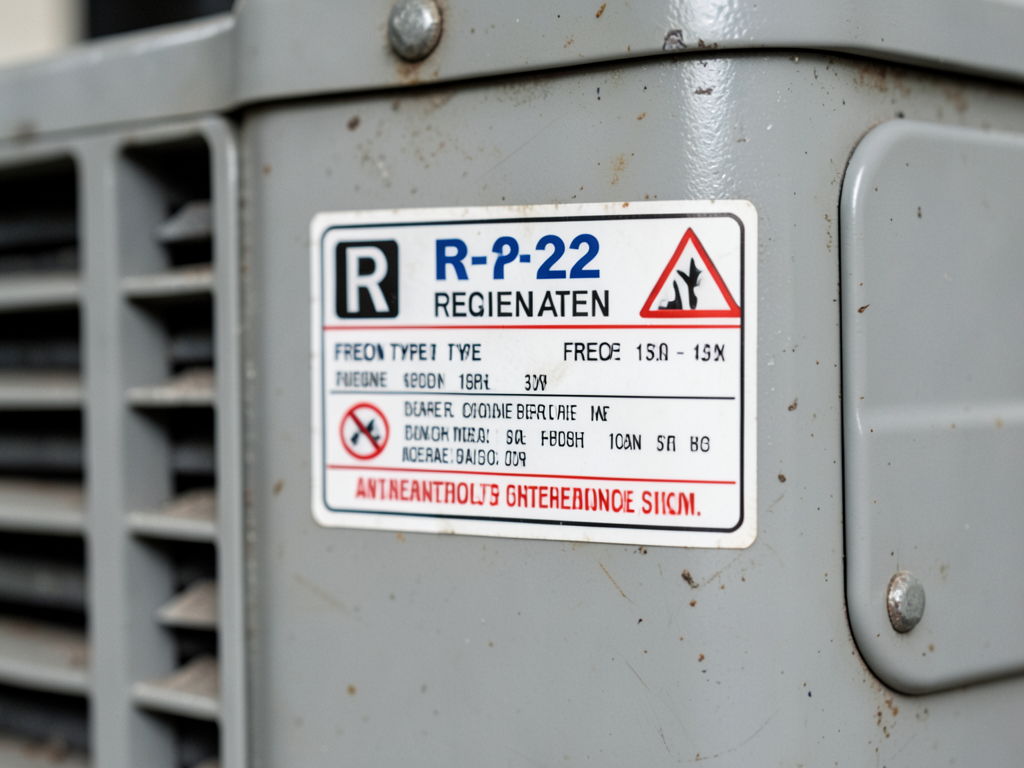
An AC freon leak smells sweet, like chloroform or ether. Some describe it as chemical or slightly fruity. The odor is faint but noticeable near indoor units or vents. Older R-22 refrigerant has a stronger smell than newer R-410A. In Austin's heat, freon leaks worsen as your AC runs constantly. You may notice reduced cooling, frozen coils, or hissing sounds alongside the smell. Freon displaces oxygen and causes dizziness, nausea, and breathing difficulty. Open windows and turn off your system immediately. Never run an AC with a suspected leak. Call a licensed HVAC technician to locate the leak, repair it, and recharge your system safely.

Are there warning signs before an electrical fire? +

Yes, electrical fires give multiple warnings before ignition. Watch for burning plastic or fish smells near outlets or panels. Flickering lights signal loose connections. Discolored or warm outlets indicate overheating. Circuit breakers trip repeatedly. You may hear buzzing or sizzling sounds behind walls. Austin homes built before 1980 often have aluminum wiring prone to failure. Overloaded circuits from window AC units during summer strain electrical systems. Inspect your breaker panel for scorch marks or corrosion. Test outlets for warmth. If you notice any warning signs, stop using affected circuits immediately. Call a licensed electrician to inspect wiring before fire starts.

What does bad wiring smell like? +

Bad wiring smells like burning plastic, rubber, or fish. The odor comes from overheating wire insulation melting inside walls or junction boxes. You smell it near outlets, switches, or breaker panels. In Austin's older neighborhoods, deteriorated wire insulation from heat exposure creates this smell. Aluminum wiring oxidizes and produces acrid odors at connections. The smell intensifies when you use high-draw appliances or run your AC. If you smell burning near electrical components, shut off power at the main breaker. Do not touch outlets or switches. Evacuate if the smell is strong. Call a licensed electrician immediately. Bad wiring causes house fires and electrocution.

What are signs of faulty wiring? +

Faulty wiring shows clear physical signs beyond odors. Outlets feel warm to touch. Light switches spark or buzz. Circuit breakers trip frequently without obvious cause. Lights flicker or dim when appliances start. You see discolored or scorched outlet covers. Aluminum wiring shows corrosion at connection points. In Austin, older homes in Hyde Park and Travis Heights often have outdated wiring struggling with modern electrical loads. Check your breaker panel for rust, loose connections, or burn marks. Test GFCI outlets monthly. Knob-and-tube wiring in historic homes needs immediate replacement. If you notice multiple signs, hire a licensed electrician to rewire affected circuits before fire or shock occurs.

What are the 10 warning signs of mold toxicity? +

Mold toxicity causes chronic fatigue, brain fog, and memory problems. You experience persistent headaches and dizziness. Respiratory issues include chronic cough, wheezing, and sinus congestion. Skin rashes and eye irritation develop. Joint pain and muscle aches persist without explanation. Mood changes include anxiety and depression. Digestive problems like nausea and diarrhea occur. Sensitivity to light and sound increases. You feel worse in specific rooms or buildings. Symptoms improve when you leave your home. Austin's humidity accelerates mold growth in HVAC systems and crawl spaces. If you experience multiple symptoms, test your home for mold and consult a physician. Professional mold remediation and improved ventilation restore healthy indoor air quality.

How Austin's Extended Cooling Season Intensifies Vent Odor Problems

Austin air conditioners run eight to nine months per year, far longer than systems in northern climates. This extended operation means evaporator coils remain wet for thousands of hours annually. Continuous moisture creates ideal conditions for bacterial and fungal colonization. The alternating dry periods when heating systems run allow organic material to accumulate and decompose. When you switch back to cooling, dormant spores reactivate and amplify rapidly. This wet-dry cycling unique to Central Texas climates accelerates biofilm development inside ductwork and on coil surfaces, producing the persistent musty odors many Austin homeowners experience every spring and fall.

Austin requires specific expertise that HVAC companies from other regions simply do not possess. We understand how Travis County building codes affect duct installation requirements. We recognize construction methods common to different Austin neighborhoods and their associated vulnerabilities. We know which local HVAC contractors cut corners and which installed systems correctly. This knowledge base comes from years serving homes across every Austin ZIP code. When you work with a company that specializes in Central Texas climate challenges, you get solutions engineered for your specific environment, not generic approaches that fail in our unique conditions.
HVAC Services in The Austin Area

We are proud to serve the entire area, providing exceptional HVAC services to both residential and commercial clients. Our service area is extensive, ensuring that no matter where you are located, you can count on us for reliable and prompt service. We invite you to view our location on the map and see how conveniently positioned we are to meet all of your heating and cooling needs. We are just a call away.

Address:
All Pro HVAC Austin, 313 E 12th St, Austin, TX, 78701

Additional Services We Offer

Our news updates

Latest Articles & News from The Blogs

Flexible financing options for Austin families needing a new HVAC system today\n\nReplacing your HVAC system in Austin does not have…

Flexible financing options for Austin families needing a new HVAC system today

Flexible financing options for Austin families needing a new HVAC system today\n\nReplacing your HVAC system in Austin does not have…

Finding a certified Trane repair specialist for your Great Hills home

Finding a certified Trane repair specialist for your Great Hills home When your Trane air conditioner stops working in Great…

Why getting a second opinion on your AC compressor replacement could save you thousands

Why getting a second opinion on your AC compressor replacement could save you thousands If your HVAC technician just told…

Contact Us

Stop breathing foul odors and start enjoying clean air. Call (737) 316-0777 now for same-day odor diagnosis. Our technicians are standing by with the tools and expertise to identify your problem and fix it permanently.