Menu

Rapid Response Cooling in Austin – 24/7 Emergency AC Repair With Technicians Dispatched in Under 60 Minutes

When your air conditioner fails during a Texas heat wave, you need immediate AC service from certified technicians who understand Austin's brutal summer climate and can restore cooling fast, day or night.

Slider Image 1
Slider Image 2
Slider Image 3
Slider Image 4
Slider Image 5
Slider Image 7
Slider Image 8
Slider Image 9
Slider Image 10
Slider Image 11

Why Austin AC Failures Are Dangerous and Time-Sensitive

Your air conditioner just quit. The thermostat reads 88 degrees inside and climbing. You have elderly family members, small children, or pets in the house. The afternoon sun is baking your South Austin home through west-facing windows. This is not a minor inconvenience. This is a health emergency.

Austin's summer heat regularly exceeds 100 degrees. Indoor temperatures can spike above 110 degrees within hours once cooling stops. Heat exhaustion sets in fast, especially for vulnerable populations. Your refrigerator struggles to keep food safe. Electronics overheat. You cannot sleep.

Emergency AC repair in Austin is not about comfort. It is about safety. The combination of relentless sun exposure, inadequate attic ventilation in older homes around Hyde Park and Travis Heights, and the urban heat island effect across Central Austin creates dangerous indoor conditions fast.

You need urgent air conditioning service from technicians who stock parts for the most common Austin system failures: capacitor burnouts from voltage spikes during summer storms, refrigerant leaks from vibration in older slab foundations, and compressor failures accelerated by constant high-load operation. You need 24/7 cooling repair that treats your situation like the emergency it is.

All Pro HVAC Austin operates mobile service units stocked with high-failure components specific to the Trane, Carrier, and Lennox systems common in Austin residential construction. We dispatch immediately because we know what happens when cooling fails in July.

Why Austin AC Failures Are Dangerous and Time-Sensitive
How Immediate AC Service Differs From Standard Repair Calls

How Immediate AC Service Differs From Standard Repair Calls

Emergency HVAC cooling is not the same service as a scheduled maintenance visit. The operational model is different. The diagnostic approach is different. The parts inventory is different.

Standard repair calls follow a queue. Emergency calls trigger immediate dispatch. Our rapid response cooling protocol begins the moment you call. The dispatcher captures your system make, model, and symptom description while a technician is already en route. We do not schedule you for tomorrow. We come now.

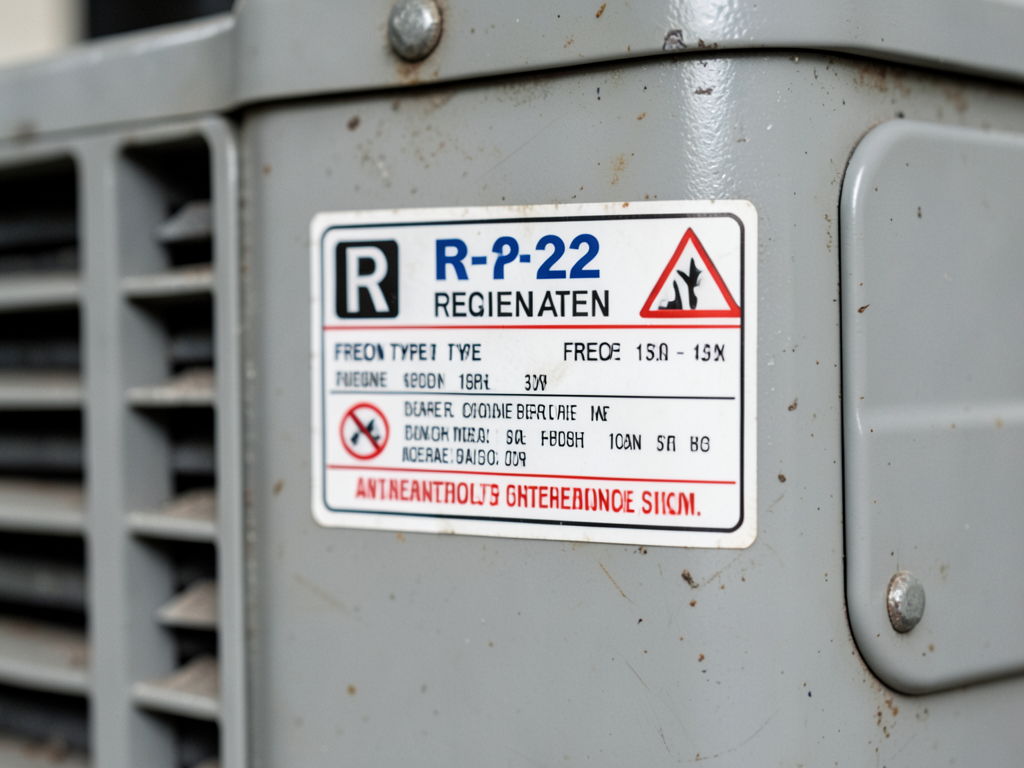
Our emergency units carry a focused parts load based on statistical failure analysis. Capacitors in three voltage ratings. Contactors rated for residential compressor loads. TXV valves for the most common tonnage systems in Austin homes. Refrigerant in both R-410A and R-22 for older systems still operating in neighborhoods like Bouldin Creek and Rosedale. Blower motors for the Goodman and Rheem builder-grade units installed in thousands of Austin subdivisions between 2005 and 2015.

The diagnostic sequence is triage-based. We identify whether the failure is electrical, mechanical, or refrigerant-related within the first ten minutes. If the compressor is seized, we tell you immediately. If a capacitor failed, we replace it on-site and restore cooling within 30 minutes. If you need a full compressor replacement, we give you the straight assessment and discuss whether emergency overnight cooling solutions make sense while parts are sourced.

We troubleshoot live electrical under load. We verify airflow at the plenum. We measure subcool and superheat to confirm refrigerant charge accuracy. This is field diagnosis under pressure, and it requires experience with failure modes specific to Austin operating conditions.

What Happens During an Emergency Cooling Call

Rapid Response Cooling in Austin – 24/7 Emergency AC Repair With Technicians Dispatched in Under 60 Minutes
01

Immediate Dispatch and Arrival

You call. We dispatch within minutes. Our technicians carry full diagnostic equipment and common failure parts. You receive a call when the truck is ten minutes out. Average arrival time is under 60 minutes across the Austin metro, faster for central neighborhoods. We show up ready to diagnose and repair, not schedule a follow-up visit.
02

Rapid System Diagnosis

The technician performs electrical testing at the disconnect, contactor, and capacitor. Refrigerant pressures are checked at the service valves. Airflow is verified at the air handler. Blower motor amperage is measured under load. The goal is to isolate the failure point within ten minutes and determine if an on-site repair is possible or if component replacement is required.
03

Same-Visit Cooling Restoration

If parts are available on the truck, the repair happens now. Capacitors are swapped. Contactors are replaced. Refrigerant is added after leaks are sealed. The system is restarted and monitored through a full cooling cycle. You get cold air before we leave, or you get a clear explanation of what component failed and realistic options for next steps.

Why Austin Residents Trust All Pro HVAC for Emergency Cooling

You do not know us yet. You found this page because your house is hot and you need help. Here is why choosing a local Austin emergency HVAC provider matters more than calling a national franchise dispatch center.

We know the systems in your neighborhood. Homes built in Mueller in 2010 have different equipment than bungalows in Clarksville from the 1940s. We know that West Austin homes on limestone bedrock have different vibration and settling patterns than East Austin homes on clay. We know that older systems in Tarrytown and Pemberton Heights are more likely to still run R-22 refrigerant. This local knowledge shortens diagnostic time.

We understand Austin building code requirements for emergency disconnect placement, refrigerant handling, and condenser clearance. We know which inspectors cover which zones and what they flag during reinspection if a compressor replacement requires a permit.

Our trucks stock parts for the brands actually installed in Austin. We prioritize inventory for Trane, Carrier, Goodman, Rheem, and Lennox because those brands represent over 70% of the residential systems we service. We do not waste your time sourcing a part that should be standard stock.

We operate 24/7 because Austin heat does not respect business hours. Systems fail at 9 p.m. on Saturday. Compressors seize at 6 a.m. on Sunday. Storms knock out contactors at midnight on Wednesday. We answer the phone every time, and a human being talks to you, not a voicemail system.

All Pro HVAC Austin has been serving this city long enough to have repeat customers in the same neighborhoods where we worked on their previous homes. That does not happen if you cut corners or overcharge during emergencies.

What to Expect When You Call for Emergency AC Repair

Response Time and Availability

We answer emergency calls 24 hours a day, seven days a week, 365 days a year. A live dispatcher takes your call and captures your system details. A technician is dispatched immediately, not scheduled for the next available window. You receive an estimated arrival time based on current location and traffic. Our average response time is under 60 minutes for central Austin, under 90 minutes for surrounding areas like Pflugerville, Round Rock, and South Austin. You get a courtesy call when the technician is ten minutes out. We do not make you wait until tomorrow.

On-Site Diagnostic Process

The technician arrives with a fully stocked truck and professional diagnostic tools. The evaluation begins at the thermostat and moves to the air handler, then to the condenser unit outside. Electrical components are tested under load. Refrigerant pressures are measured. Airflow is checked. The compressor is evaluated for mechanical failure. You receive a clear explanation of what failed, why it failed, and what the repair involves. If a part is available on the truck, the repair begins immediately. If a major component like a compressor or air handler needs replacement, you get honest guidance on repair versus replacement economics.

Same-Visit Cooling Restoration

The goal of emergency AC service is to restore cooling before we leave your property. If a capacitor failed, it is replaced in under 30 minutes. If a contactor burned out, it is swapped and the system is restarted. If refrigerant leaked, we locate the leak, seal it, and recharge the system. The system is monitored through a complete cooling cycle to verify stable operation. You feel cold air coming from the vents, and the thermostat drops to your set temperature. If a catastrophic failure occurred and same-day repair is not possible, we discuss temporary cooling options and schedule the necessary work as fast as parts can be sourced.

Post-Repair Support and Maintenance

Once cooling is restored, you receive documentation of what was repaired and recommendations for preventing future failures. If your system is older or showing signs of wear on additional components, we explain what to watch for. Emergency repairs come with the same workmanship commitment as scheduled service. If the same component fails due to installation error, we return and make it right. We also offer preventive maintenance agreements designed to catch failures before they become emergencies. Regular filter changes, coil cleaning, and electrical testing reduce the likelihood of mid-summer breakdowns. You get added to our service database for maintenance reminders.

Frequently Asked Questions

You Have Questions,
We Have Answers

What is the $5000 AC rule? +

The $5000 AC rule refers to the IRS energy efficiency tax credit threshold. If you install a qualifying high-efficiency AC system, you may claim up to $2000 in federal tax credits (as of 2024). The confusion stems from older versions of the Inflation Reduction Act that referenced higher caps for combined home improvements. In Austin's brutal summer heat, upgrading to a SEER2-rated system saves on utility bills and may qualify for rebates. Always consult a tax professional to verify eligibility, as the credit applies only to specific Energy Star certified equipment installed in your primary residence.

What is rapid cooling? +

Rapid cooling is the emergency restoration of climate control when your AC fails during Austin's 100-degree summers. It involves immediate diagnostics, refrigerant recharge, compressor repair, or temporary cooling solutions to prevent heat exhaustion and property damage. In Central Texas humidity, a failed AC can push indoor temps above 90 degrees within hours, creating dangerous conditions for kids, pets, and elderly residents. Professional rapid cooling services prioritize 24/7 response, mobile repair units, and same-day parts sourcing. The goal is restoring comfort fast, not scheduling appointments days out when every minute counts during a Texas heatwave.

How much does after hours HVAC cost? +

After-hours HVAC service in Austin runs $150 to $300 for the emergency dispatch fee, plus labor and parts. Weekend and holiday rates sit at the higher end. The cost reflects technician availability outside normal business hours, when most AC failures happen during peak evening cooling demand. In Austin's summer, waiting until Monday morning can mean sleeping in 85-degree bedrooms and risking heat-related illness. Many companies offer flat-rate diagnostics, so you know the inspection cost upfront before approving repairs. Emergency service pays for itself when you factor in hotel costs, spoiled food, and health risks from prolonged heat exposure.

How to cool down without an AC? +

Without AC in Austin, focus on blocking heat gain and maximizing ventilation. Close blinds on south and west-facing windows during peak sun (10 AM to 6 PM). Run ceiling fans counterclockwise to push air down. Open windows after sunset when outdoor temps drop below indoor temps (rarely before 9 PM in summer). Take cool showers and apply damp towels to your neck and wrists. Move sleeping areas to the lowest floor where cooler air settles. Avoid using ovens or dryers that generate heat. Drink water constantly. These are temporary measures only. Call for emergency AC repair immediately in Central Texas heat.

Can I write off my new AC unit on my taxes? +

You can claim a federal tax credit for qualifying AC installations, not a full write-off. The Residential Clean Energy Credit allows up to $2000 for Energy Star certified heat pumps or central AC systems with SEER2 ratings of 16 or higher. This is a credit (reduces taxes owed), not a deduction (reduces taxable income). You must own your Austin home and use it as a primary residence. The equipment must be new, not replacement parts. Keep all receipts and manufacturer certifications. Installation labor does not qualify. Consult a CPA familiar with Texas energy incentives, as Austin Energy sometimes offers additional rebates stacking with federal credits.

What will replace 410A in 2025? +

R-454B and R-32 refrigerants will replace R-410A starting in 2025 under new EPA regulations. These alternatives have lower global warming potential while maintaining cooling efficiency in Austin's climate. R-410A remains legal in existing systems, but new AC units manufactured after January 2025 must use next-generation refrigerants. This does not mean your current system is obsolete. Technicians can still service and recharge R-410A units for years. However, refrigerant costs may rise as production phases down. When replacing your AC, ask about systems designed for R-454B compatibility. The transition aims to reduce HVAC environmental impact without sacrificing performance during Texas summers.

How long does it take to cool down a house from 80 to 72? +

A properly functioning AC in Austin should drop indoor temps from 80 to 72 degrees in 2 to 4 hours, depending on home size, insulation, and outdoor temperature. A 1500-square-foot home with decent insulation cools faster than a 3000-square-foot house with single-pane windows. If your system takes longer than 4 hours, you likely have undersized equipment, refrigerant leaks, or ductwork issues. During 105-degree days, your AC works harder and may take longer to reach setpoint. Close blinds, avoid opening doors, and set thermostats to 72 instead of 68 to reduce compressor strain and speed initial cooldown.

How to cool off really quickly? +

To cool off quickly indoors during an AC failure, apply ice packs or cold wet towels to pulse points (neck, wrists, inner elbows). Run cold water over your forearms for 60 seconds. Stand in front of a box fan while misting yourself with a spray bottle. Drink ice water to lower core temperature from the inside. Move to the bathroom and run a cold shower, sitting in the tub if needed. Wear lightweight, moisture-wicking clothing. These methods provide temporary relief only. In Austin's heat index above 105 degrees, prolonged exposure without AC is dangerous. Call for emergency HVAC repair immediately to prevent heat exhaustion.

Which is the fastest cooling mode in AC? +

The fastest cooling mode on your AC is the standard Cool mode set to the lowest temperature (not Fan or Eco mode). Cool mode runs the compressor continuously until reaching setpoint, delivering maximum refrigerant flow and heat removal. Fan mode circulates air without cooling. Dry mode prioritizes dehumidification over temperature drop, running the compressor intermittently. Turbo or Power mode (available on some mini-splits) forces maximum compressor and fan speed for rapid temperature reduction but consumes more energy. In Austin's humidity, standard Cool mode at 68 degrees with the fan set to Auto provides the fastest, most efficient cooldown without overworking your system.

What is the 3 minute rule for AC? +

The 3-minute rule for AC prevents compressor damage by requiring a minimum 3-minute wait between power cycles. When you shut off your AC and immediately restart it, refrigerant pressure has not equalized between the high and low sides of the system. This forces the compressor to start against high resistance, causing electrical strain and potential motor burnout. Most modern thermostats have built-in delay timers enforcing this rule. If your breaker trips or power flickers during Austin thunderstorms, wait at least 3 minutes before restarting your system. Ignoring this rule shortens compressor lifespan and leads to expensive emergency repairs during peak cooling season.

Why Austin's Extreme Heat and Electric Grid Load Make Rapid Cooling Response Critical

Austin regularly experiences multi-week stretches where daily highs exceed 100 degrees and overnight lows stay above 80. Air conditioning systems in this climate run 18 to 20 hours per day during peak summer. Compressors, capacitors, and contactors operate under continuous thermal and electrical stress. When a component fails, indoor temperatures rise faster than in milder climates. Homes with inadequate insulation or west-facing exposure can reach 115 degrees indoors within three hours of cooling loss. Emergency AC repair is not a luxury service in Austin. It is a health and safety necessity, especially for households with children, elderly residents, or individuals with medical conditions aggravated by heat.

Austin's position on the ERCOT grid means summer electrical demand spikes create voltage fluctuations that stress HVAC equipment. Capacitors fail during voltage sags. Contactors burn out during surge events. Choosing a local Austin HVAC provider means working with technicians who understand these regional failure patterns and stock parts accordingly. We know that June and July service calls spike due to grid-related electrical failures, and we prepare inventory months in advance. Local expertise means faster diagnosis and higher first-visit repair rates because we have seen the same failure modes hundreds of times across Austin neighborhoods.
HVAC Services in The Austin Area

We are proud to serve the entire area, providing exceptional HVAC services to both residential and commercial clients. Our service area is extensive, ensuring that no matter where you are located, you can count on us for reliable and prompt service. We invite you to view our location on the map and see how conveniently positioned we are to meet all of your heating and cooling needs. We are just a call away.

Address:
All Pro HVAC Austin, 313 E 12th St, Austin, TX, 78701

Additional Services We Offer

Our news updates

Latest Articles & News from The Blogs

The Hidden Connection Between Pflugerville Soil and Your HVAC System Living in Pflugerville means dealing with Texas's notorious expansive clay…

Why Foundation Shifting in Pflugerville Might Be Cracking Your Air Ducts

The Hidden Connection Between Pflugerville Soil and Your HVAC System Living in Pflugerville means dealing with Texas's notorious expansive clay…

How to Spot Hidden Hail Damage on Your AC Unit After an Austin Storm

How to Spot Hidden Hail Damage on Your AC Unit After an Austin Storm Central Texas hailstorms can wreak havoc…

Troubleshooting airflow issues in two story homes near Walnut Creek

Why Your Two-Story Home Near Walnut Creek Has Airflow Problems Living in a two-story home near Walnut Creek offers beautiful…

Contact Us

Your house is too hot to wait. Call All Pro HVAC Austin now at (737) 316-0777. We dispatch emergency cooling technicians immediately, and we answer the phone 24/7. Let us restore your comfort and safety tonight.