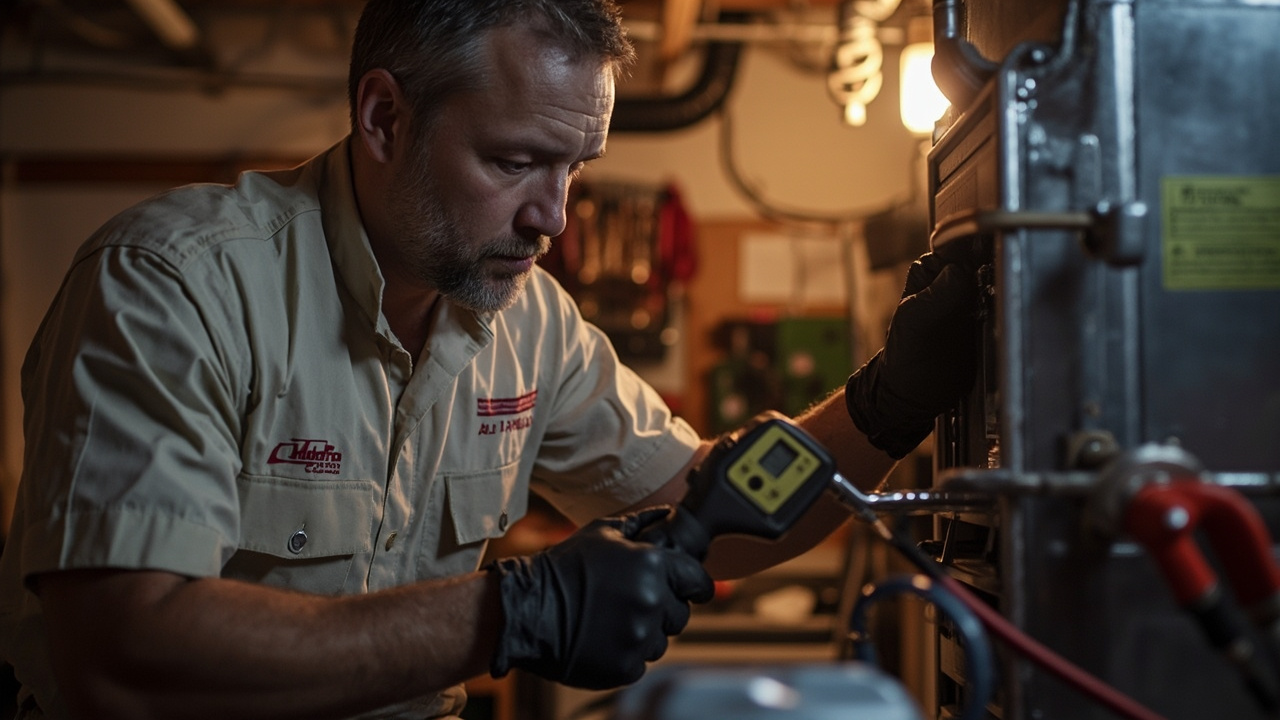
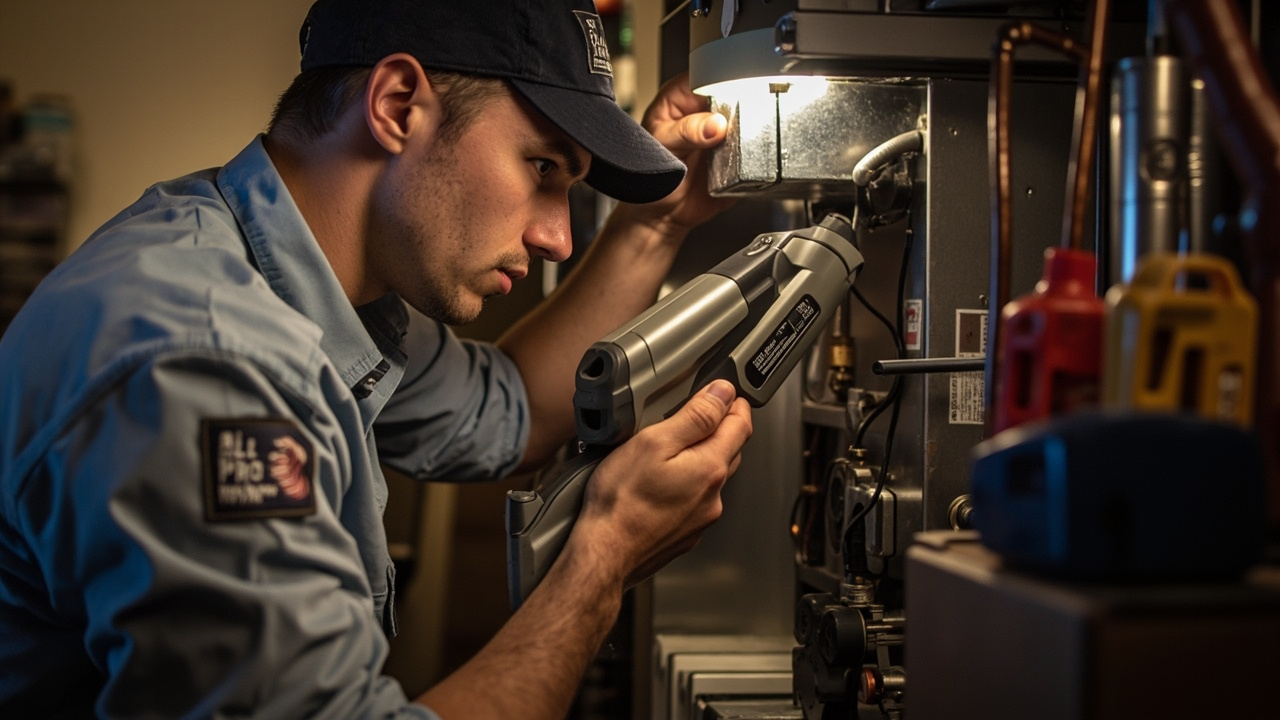
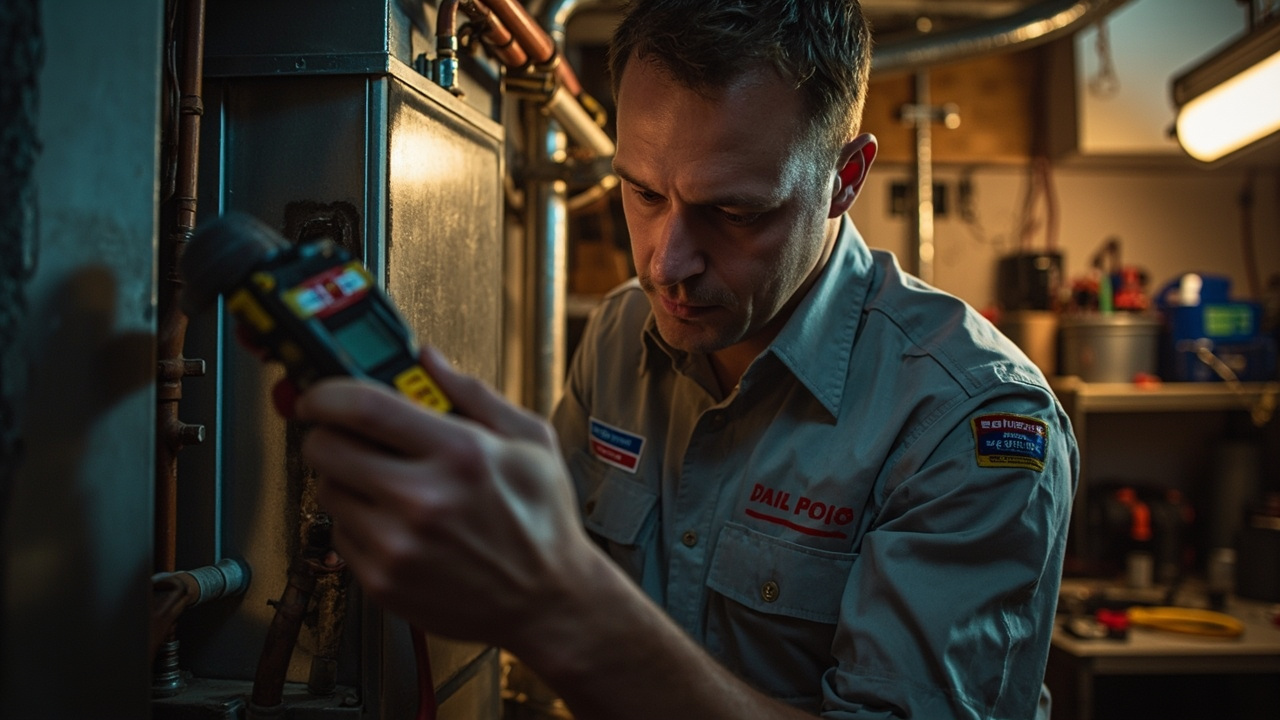
Austin's heating season runs from November through February with average lows in the 40s and occasional freezes. This moderate climate means furnaces cycle frequently rather than running continuously like they do in northern states. The repeated heating and cooling stresses metal components and accelerates wear on gas valves, heat exchangers, and ignition systems. Homes in older neighborhoods like Travis Heights and Tarrytown often have original furnaces from the 1980s and 1990s that have experienced thousands of thermal cycles. The heat exchangers in these aging units develop cracks from metal fatigue, creating dangerous carbon monoxide leaks alongside natural gas leaks.
Austin's building boom over the past 20 years created a mix of construction standards. Homes built before 2000 typically use black iron gas piping throughout, while newer construction uses CSST flexible gas lines. Both systems have different failure modes requiring different repair approaches. We work on furnaces across every Austin neighborhood from downtown condos to homes in Circle C and understand the specific challenges each housing type presents. Our technicians know local code requirements and stay current with Austin Energy's gas service standards to ensure every repair meets compliance.