Menu

HVAC Maintenance & Tune-Ups in Austin – Keep Your System Running Through 100°F Summers and Sudden Winter Freezes

Comprehensive HVAC preventative maintenance protects your investment year-round in Central Texas, where extreme temperature swings and relentless humidity push systems to the breaking point faster than almost anywhere else in the country.

Slider Image 1
Slider Image 2
Slider Image 3
Slider Image 4
Slider Image 5
Slider Image 7
Slider Image 8
Slider Image 9
Slider Image 10
Slider Image 11

Why Austin's Climate Demands Year-Round HVAC System Inspection

Austin sits in a climate zone that tortures HVAC equipment. You face triple-digit heat from May through September, with humidity levels hovering between 60 and 80 percent. That combination forces your air conditioner to run harder and longer than systems in drier climates. Then winter arrives with unpredictable freezes that can drop below 20°F, stressing furnaces and heat pumps that sat dormant for months.

This thermal whiplash accelerates wear on compressors, blower motors, and heat exchangers. Refrigerant pressures swing wildly. Condensate drains clog faster in humid conditions. Dust from the Blackland Prairie soil infiltrates air handlers and coats evaporator coils, reducing efficiency by 15 to 25 percent between seasonal HVAC check ups.

Most Austin homeowners only call when their system stops working, which happens at the worst possible moment during a heat wave or cold snap. A heating and cooling tune up catches the small problems before they cascade into emergency failures. Loose electrical connections, refrigerant leaks, failing capacitors, and deteriorating ductwork all show warning signs during AC and furnace maintenance visits.

The cost difference between preventative maintenance and emergency repair is substantial. A compressor failure during July can leave you without cooling for days during peak demand periods. Regular HVAC system inspections identify these vulnerabilities when you still have time to address them on your schedule, not when the system decides for you.

Why Austin's Climate Demands Year-Round HVAC System Inspection
The All Pro HVAC Austin Maintenance Protocol

The All Pro HVAC Austin Maintenance Protocol

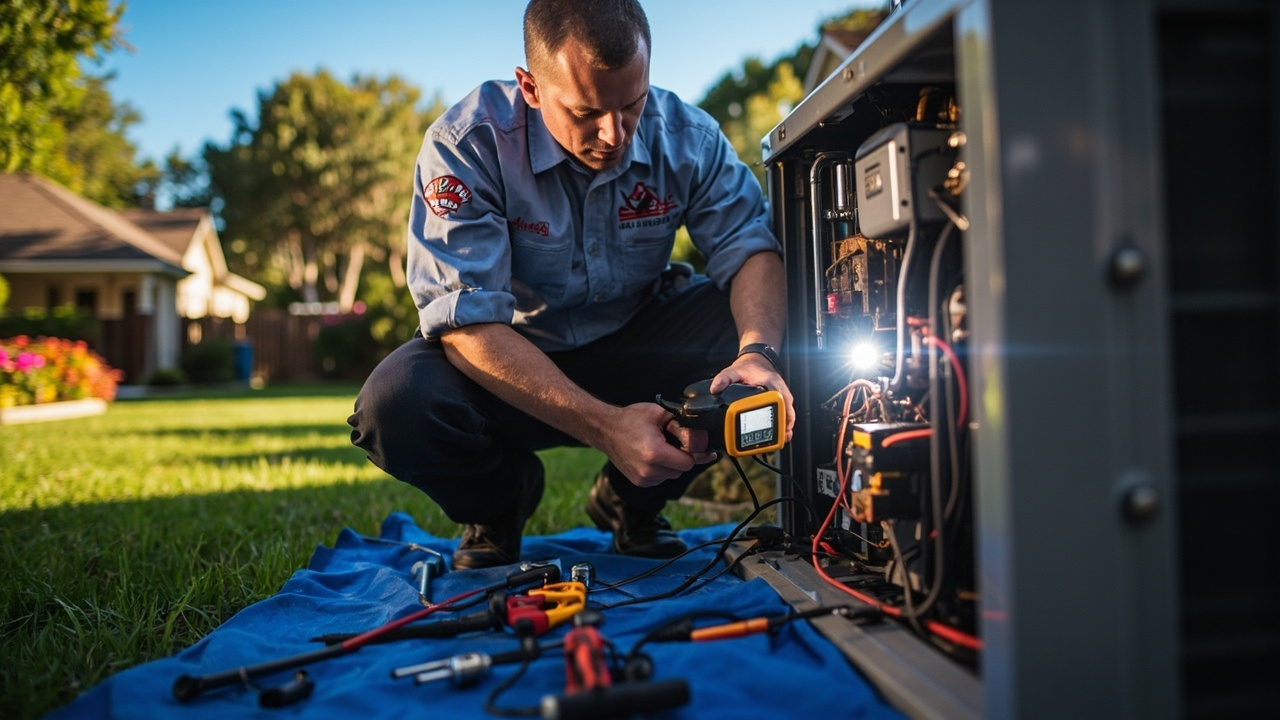
Our technicians perform HVAC preventative maintenance using a diagnostic approach, not a checkbox system. We measure actual performance against manufacturer specifications for your specific equipment model. This means pulling superheat and subcooling readings on refrigerant circuits, measuring temperature rise across heat exchangers, and testing amperage draw on compressor and blower motors under load.

During a heating and cooling tune up, we inspect the entire refrigerant circuit for signs of oil migration that indicates developing leaks. We test capacitors with meters, not guesswork, because capacitors fail gradually in Austin's heat. We pull and inspect burner assemblies on furnaces, checking flame sensor operation and gas valve performance. Heat exchangers get inspected with mirrors and flashlights for stress cracks that leak combustion gases.

Evaporator and condenser coils receive treatment based on their actual condition. Light dust gets brushed and vacuumed. Heavy contamination requires chemical cleaning with coil-specific detergents. We clear condensate drain lines completely, treating them with biocide tablets that prevent algae growth in humid conditions.

Ductwork inspection is part of every seasonal HVAC check up. We check connections at plenums and registers for air leaks. Attic ductwork faces brutal temperature extremes in Austin, causing joint separations and insulation deterioration. We test static pressure in the duct system because high pressure indicates restrictions that force your blower motor to work harder and fail sooner.

Thermostat calibration and testing ensures your system cycles properly. We verify that your equipment matches your actual cooling and heating loads, because oversized or undersized systems waste energy and fail prematurely.

What Happens During Your Maintenance Visit

HVAC Maintenance & Tune-Ups in Austin – Keep Your System Running Through 100°F Summers and Sudden Winter Freezes
01

System Performance Testing

Your technician runs your system through complete cooling and heating cycles, measuring airflow at registers, temperature splits across coils, and refrigerant pressures. This baseline data reveals how your equipment performs compared to factory specifications. We document these readings so you can track system degradation over time and plan for replacement before failure occurs.
02

Component Inspection and Cleaning

Every accessible component gets inspected for wear, corrosion, and proper operation. Electrical connections are checked for tightness and signs of arcing. Moving parts get lubricated where applicable. Coils are cleaned based on contamination levels. Filters are replaced or cleaned. Condensate systems are flushed and treated. Burner assemblies and heat exchangers undergo combustion analysis on heating equipment.
03

Documentation and Recommendations

You receive a detailed report showing all measurements, test results, and findings. If we identify components approaching end of life or problems requiring attention, we explain what we found and why it matters. You get clear information about urgency levels so you can make informed decisions. No pressure, no scare tactics, just facts about your equipment's condition.

Why Local HVAC Experience Matters in Central Texas

All Pro HVAC Austin understands the specific equipment challenges created by Austin's climate and building stock. We know that homes in Travis Heights and Hyde Park with pier and beam foundations experience different humidity issues than slab homes in newer developments like Mueller or Domain. We recognize that historic homes in Clarksville often have inadequate ductwork that was retrofitted when central air became standard.

Our technicians understand Texas building codes and local permit requirements for HVAC modifications. We know which equipment brands hold up best in Austin's conditions based on years of field experience. We stock parts for the most common systems in Central Texas, which means faster repair turnaround when maintenance visits uncover problems.

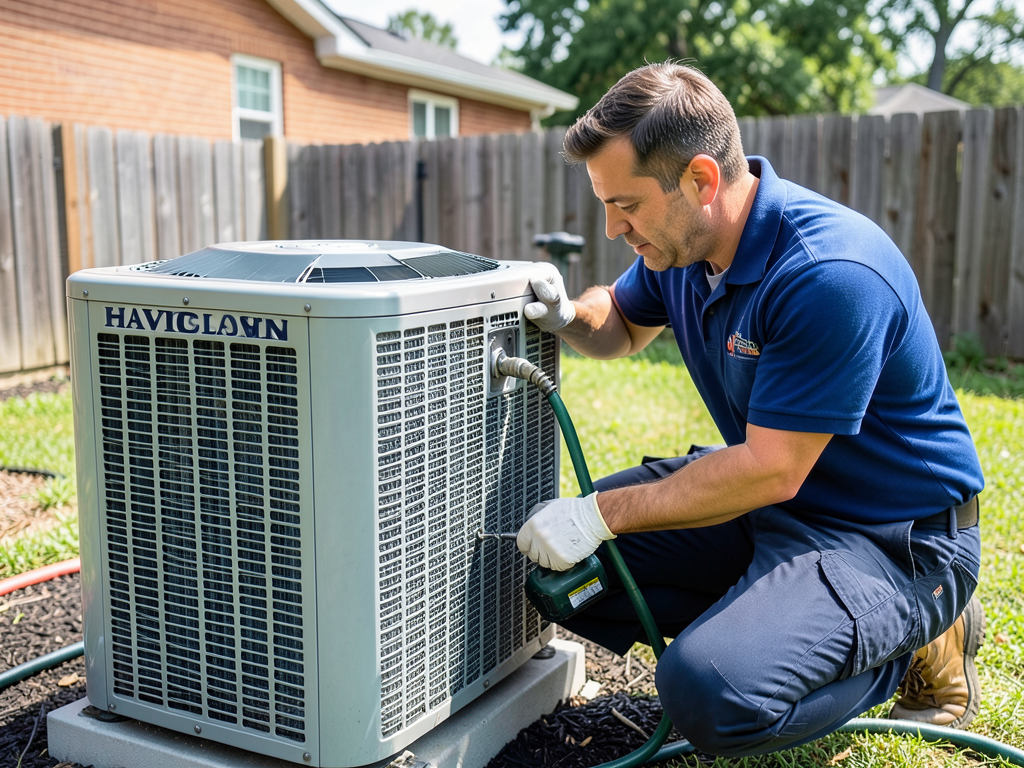
Austin's electrical grid faces strain during peak summer demand periods. We verify that your system draws appropriate amperage and does not contribute to nuisance breaker trips. We check that outdoor condensing units have proper clearance from landscaping, which grows aggressively in Austin's climate and blocks airflow.

The cedar pollen seasons in December and January, combined with oak pollen in spring, create brutal conditions for HVAC filters and indoor air quality. We help Austin homeowners select appropriate filtration for their specific concerns without restricting airflow to levels that damage equipment.

Our service area covers all of Austin and surrounding communities in Travis, Williamson, and Hays counties. We respond quickly because we are local, not a national chain dispatching technicians from distant territories. When you call All Pro HVAC Austin, you get technicians who live and work in the same climate you do and understand exactly what your equipment faces every day.

What You Can Expect From Our Maintenance Service

Scheduling and Service Speed

We offer flexible scheduling for maintenance visits, including early morning and weekend appointments. Standard maintenance visits typically take 90 minutes to two hours, depending on system complexity and accessibility. We contact you 30 minutes before arrival so you do not waste time waiting around uncertain time windows. If our technician identifies problems requiring immediate attention during the visit, we discuss options on the spot. Parts for common repairs are typically on the truck. For less common components, we source parts quickly through local suppliers and return to complete repairs within days, not weeks.

Thorough Diagnostic Evaluation

Your maintenance visit includes comprehensive testing of all system components. We use digital manifolds to check refrigerant charge, multimeters to test electrical components, manometers to measure gas pressure and duct static pressure, and combustion analyzers on furnaces. You receive specific measurements, not vague assessments. Our technicians explain what the numbers mean in plain language. If we find problems, we show you the failed components when possible so you understand exactly what needs attention. This transparency helps you make confident decisions about repairs versus replacement.

Quality of Work and Parts

Our maintenance procedures follow manufacturer service bulletins and industry best practices. We use OEM or equivalent quality parts for any components replaced during maintenance. Capacitors, contactors, and other wear items get replaced with temperature-rated components appropriate for Austin's climate. We properly recover and handle refrigerants according to EPA regulations. Coil cleaning uses pH-balanced detergents that do not damage fins. We take before and after photos of problem areas so you can see the actual condition of your equipment. Your system leaves our care in measurably better condition than when we arrived.

Ongoing Support and Planning

We maintain detailed service records for your equipment, tracking performance trends over time. This historical data helps predict when major components will need replacement, allowing you to budget accordingly. We send maintenance reminders twice yearly, before cooling season and before heating season, so your system stays on schedule. If problems develop between scheduled maintenance visits, your service history helps our technicians diagnose issues faster. We answer follow-up questions about your equipment by phone without charging diagnostic fees for simple advice. Our goal is keeping your system running efficiently for its full expected lifespan.

Frequently Asked Questions

You Have Questions,
We Have Answers

What does an HVAC tune up include? +

An HVAC tune up includes a thorough inspection of your system's core components. Technicians clean or replace air filters, check refrigerant levels, and inspect ductwork for leaks. They test thermostat calibration, tighten electrical connections, and lubricate moving parts. Condensate drains get cleared to prevent water damage, which is critical in Austin's high humidity. Technicians also measure airflow, inspect the blower motor, and check the heat exchanger for cracks. The outdoor condenser coils get cleaned of cedar pollen and debris. You receive a full diagnostic report highlighting any potential issues before they turn into expensive repairs.

What is the average cost of an HVAC tune up? +

HVAC tune up costs in Austin typically range based on system type and condition. A basic inspection for a single unit runs lower than comprehensive service for dual systems. Costs factor in system age, accessibility, and whether you need a furnace or AC tune up. Many Austin providers offer seasonal discounts during spring and fall. The price includes labor, basic cleaning, and minor adjustments. Additional costs arise if you need refrigerant, parts replacement, or extensive cleaning. Regular maintenance contracts often reduce per-visit pricing. Investing in preventive care costs less than emergency repairs during Austin's brutal summer heat.

What is the difference between HVAC tune up and maintenance? +

The terms overlap but have distinct meanings. HVAC maintenance is the broad category covering all routine care for your system, including filter changes, seasonal inspections, and minor repairs. A tune up is a specific, deeper service within that maintenance category. Think of maintenance as changing your car's oil, while a tune up is the full diagnostic inspection. Tune ups happen once or twice yearly before peak seasons, addressing performance optimization and efficiency. Maintenance includes ongoing tasks you perform monthly or quarterly. Both prevent breakdowns during Austin's extreme temperature swings when your system works hardest.

What is the $5000 rule for HVAC? +

The $5000 rule helps you decide between repair and replacement. Multiply your system's age by the repair cost estimate. If the result exceeds $5000, replacement makes more financial sense than repair. For example, a 12-year-old system needing a $500 repair equals $6000, suggesting replacement. A 6-year-old system with the same repair equals $3000, making repair smarter. This rule accounts for diminishing returns on aging equipment. In Austin, where HVAC systems run almost year-round due to heat and humidity, older units lose efficiency faster. Factor in rising energy bills and frequent breakdowns when applying this guideline.

What is the average cost of a full tune-up? +

A full HVAC tune up in Austin varies based on system complexity and provider. The cost covers both heating and cooling components if you have a combined system. Single-unit tune ups cost less than whole-home systems with multiple zones. The service includes comprehensive cleaning, calibration, safety checks, and performance testing. Austin's cedar pollen and construction dust require more thorough coil cleaning, which impacts pricing. Expect higher costs for older systems needing extra attention or hard-to-access units. Many providers bundle tune ups with maintenance agreements, reducing overall annual expenses while ensuring your system survives Texas heat.

Is a HVAC tune-up worth it? +

Yes. Austin's climate demands reliable HVAC performance nearly year-round. A tune up catches small issues before they escalate into expensive emergency repairs during 100-degree summer days. Regular service extends equipment lifespan by reducing wear on components. You save money through improved efficiency, as clean coils and calibrated thermostats lower energy bills. Manufacturers often require documented maintenance to honor warranties. A tuned system maintains consistent indoor comfort and better air quality by removing allergens like cedar pollen. The cost of one tune up is far less than replacing a failed compressor or enduring a breakdown when Austin temperatures peak.

What is the 3 minute rule for AC? +

The 3-minute rule prevents compressor damage and extends system life. After your AC shuts off, wait at least three minutes before restarting it. This allows refrigerant pressure to equalize throughout the system. Restarting too quickly forces the compressor to work against high pressure, causing mechanical stress and potential failure. Austin homeowners frequently adjust thermostats during temperature fluctuations, making this rule critical. The compressor is your system's most expensive component. Modern thermostats include built-in delay settings, but manual restarts need patience. Following this simple rule prevents unnecessary strain, especially during peak cooling season when your system cycles frequently.

What is the lifespan of an HVAC system? +

HVAC systems last 15 to 20 years with proper maintenance, but Austin's climate shortens that window. Systems here run almost continuously from May through September, accelerating wear. High humidity causes corrosion on components and condensate issues. Poor maintenance reduces lifespan to 10 years or less. Quality installation matters as much as equipment brand. Systems installed correctly with proper sizing and adequate airflow last longer. Cedar pollen clogs outdoor coils faster here, requiring more frequent cleaning. Hard water in some Austin neighborhoods damages evaporator coils. Regular tune ups, filter changes, and prompt repairs maximize your investment and push your system toward the 20-year mark.

What does HVAC maintenance include? +

HVAC maintenance covers all routine tasks keeping your system operational. This includes monthly filter changes, which are critical in Austin due to construction dust and pollen. Seasonal tune ups before summer and winter optimize performance. Maintenance involves cleaning condensate drains to prevent water damage from humidity. Technicians check refrigerant levels, inspect ductwork, and test safety controls. Outdoor unit cleaning removes debris and vegetation growth. Thermostat calibration ensures accurate temperature control. Maintenance also includes monitoring system performance trends, catching efficiency drops early. Regular care prevents breakdowns, extends equipment life, and keeps energy bills manageable during extreme Texas weather.

What are the 4 types of maintenance? +

The four maintenance types are preventive, predictive, corrective, and reactive. Preventive maintenance includes scheduled tune ups and inspections before problems occur. Predictive maintenance uses performance data and diagnostics to anticipate failures before they happen. Corrective maintenance addresses known issues before they cause breakdowns, like replacing a worn belt. Reactive maintenance means emergency repairs after failure, the most expensive option. For Austin HVAC systems, preventive maintenance is most cost-effective given extreme climate demands. Combining preventive and predictive approaches through regular tune ups and performance monitoring keeps your system running efficiently. Avoiding reactive maintenance saves money and prevents discomfort during peak seasons.

How Austin's Temperature Extremes Shorten HVAC Lifespan Without Proper Maintenance

Central Texas experiences some of the longest cooling seasons in the continental United States. Your air conditioner runs from April through October, sometimes longer. That is 30-plus weeks of operation annually, compared to 12 to 16 weeks in moderate climates. This extended runtime, combined with outdoor temperatures regularly exceeding 100°F and heat index values pushing 110°F, creates extreme stress on compressors and refrigerant circuits. Equipment designed for 15-year lifespans often fails at 10 to 12 years in Austin without consistent AC and furnace maintenance. The February 2021 freeze demonstrated how quickly heating systems fail when sudden cold arrives after months of dormancy, leaving thousands without heat during the coldest temperatures in decades.

All Pro HVAC Austin has served homeowners and businesses throughout Travis County for years, building relationships based on straight answers and quality work. We understand the local building patterns, from 1920s bungalows in Travis Heights to modern construction in Leander and Cedar Park. Our technicians stay current on city code requirements and permitting processes for HVAC work in Austin's jurisdiction. We are active in the local HVAC community and maintain relationships with suppliers and specialists throughout Central Texas. When you choose local expertise for your heating and cooling tune up, you get technicians who understand your specific challenges and can respond quickly when you need service.
HVAC Services in The Austin Area

We are proud to serve the entire area, providing exceptional HVAC services to both residential and commercial clients. Our service area is extensive, ensuring that no matter where you are located, you can count on us for reliable and prompt service. We invite you to view our location on the map and see how conveniently positioned we are to meet all of your heating and cooling needs. We are just a call away.

Address:
All Pro HVAC Austin, 313 E 12th St, Austin, TX, 78701

Additional Services We Offer

Our news updates

Latest Articles & News from The Blogs

Maximizing Your Austin Energy Rebates for a High Efficiency HVAC Upgrade If you live in Austin and plan to replace…

Maximizing Your Austin Energy Rebates for a High Efficiency HVAC Upgrade

Maximizing Your Austin Energy Rebates for a High Efficiency HVAC Upgrade If you live in Austin and plan to replace…

Why Foundation Shifting in Pflugerville Might Be Cracking Your Air Ducts

The Hidden Connection Between Pflugerville Soil and Your HVAC System Living in Pflugerville means dealing with Texas's notorious expansive clay…

How to Spot Hidden Hail Damage on Your AC Unit After an Austin Storm

How to Spot Hidden Hail Damage on Your AC Unit After an Austin Storm Central Texas hailstorms can wreak havoc…

Contact Us

Do not wait until your system fails during a heat wave or freeze. Call All Pro HVAC Austin at (737) 316-0777 to schedule your comprehensive maintenance visit. We will get your equipment ready for whatever Austin's climate throws at it next.