
Travis Heights homeowners renovating historic bungalows face a unique challenge. How to add modern air conditioning without destroying original plaster walls or sacrificing valuable floor space. High velocity HVAC systems solve this problem by using flexible 2-inch mini-ducts that snake through existing wall cavities and floor joists. Modern HVAC Solutions for Historic Homes in Tarrytown and Old West Austin.
These systems deliver powerful cooling through small outlets while maintaining your home’s historic character. Unlike traditional ductwork that requires soffits or dropped ceilings high velocity systems preserve the architectural integrity that makes Travis Heights special. Emergency Ductwork Repair.
How high velocity HVAC systems work in Austin homes
High velocity systems operate on a principle called aspiration. Instead of slowly filling rooms with cold air these units blast air at high speeds through narrow ducts. The rapid airflow creates a gentle suction effect that pulls hot air toward the outlets and mixes it thoroughly.
This process eliminates hot spots and cold drafts that plague traditional systems. In Austin’s humid climate the superior air mixing also helps prevent condensation buildup on walls and windows.. Read more about How to pass your Austin mechanical inspection when selling a home in Rosedale.

The small duct technology means you can install cooling in homes where traditional ductwork would require major structural changes. A typical Travis Heights bungalow can be retrofitted in just 2-3 days with minimal disruption to plaster walls or hardwood floors.. Read more about HVAC Challenges for Pier and Beam Homes in Historic Austin Neighborhoods.
Benefits for Central Texas humidity and heat
Austin’s combination of high temperatures and humidity creates unique cooling challenges. High velocity systems excel at dehumidification removing up to 30% more moisture from the air than standard AC units.. Read more about Will Your Older Austin Home Need an Electrical Panel Upgrade for a Modern AC?.
This superior moisture removal prevents the musty odors and mold growth common in older Austin homes. The constant air circulation also helps maintain consistent temperatures throughout your home eliminating the upstairs-downstairs temperature differential that frustrates many homeowners.. Read more about Maximizing Your Austin Energy Rebates for a High Efficiency HVAC Upgrade.
The systems operate at whisper-quiet levels typically 37-47 decibels. That’s quieter than a normal conversation and won’t disturb your historic home’s peaceful atmosphere.
Unico vs. SpacePak: Which system fits your Travis Heights home?
Both Unico and SpacePak manufacture high velocity systems but they have different strengths for Austin applications. Unico systems offer slightly better humidity control which matters in our Central Texas climate. SpacePak provides more flexible duct configurations for unusual floor plans.
Both brands use the same aspiration principle and deliver comparable cooling performance. The choice often comes down to your home’s specific layout and the installer’s expertise with each brand.. Read more about Cooling Strategies for Shipping Container Homes and Tiny Houses in East Austin.
As an authorized dealer for both manufacturers we can help you select the right system for your Travis Heights renovation project.
Installation process for historic Austin homes
High velocity installation in historic homes requires special expertise. Our technicians use thermal imaging to map existing wall cavities and identify the best routes for mini-ducts without damaging original plaster.
The process typically involves removing baseboards to run ducts behind them using existing electrical chases and placing outlets where they’ll be least visible. Most installations require only minor patching of existing walls.
We coordinate with the Austin Historic Landmark Commission when necessary to ensure compliance with preservation guidelines. Many Travis Heights homeowners have successfully added high velocity systems without compromising their home’s historic designation.
Energy efficiency and Austin Energy rebates
High velocity systems achieve SEER2 ratings of 16-20 qualifying for Austin Energy Green Building incentives. The superior air mixing means you can often set your thermostat 2-3 degrees higher while maintaining the same comfort level.
The smaller duct size also reduces air leakage a common problem in older Austin homes. Less conditioned air escapes through gaps and cracks improving overall efficiency.
Current federal tax credits and Austin Energy rebates can offset 30-40% of installation costs for qualifying high efficiency systems.
Maintenance requirements for Austin climate
Central Texas presents unique challenges for high velocity systems. The combination of cedar pollen in winter and oak pollen in spring requires more frequent filter changes than other regions.
We recommend checking filters every 30 days during peak allergy seasons. The small duct design actually makes cleaning easier than traditional systems since you can access individual runs more easily.
Annual professional maintenance includes checking the aspiration rate cleaning the air handler and inspecting all duct connections. This prevents the efficiency losses that plague neglected systems. Fast and Professional Furnace Repair in Georgetown During the Winter Chill.
Cost comparison with traditional HVAC
While high velocity systems cost 20-30% more upfront than traditional HVAC they often prove more economical for historic homes. The installation costs less when you factor in avoiding expensive plaster repair or structural modifications. Emergency AC Repair Services for Homes in West Lake Hills.
Over time the superior efficiency and lower maintenance needs can offset the initial price difference. Many Travis Heights homeowners find the preservation of their home’s character and the improved comfort make the investment worthwhile.
Financing options through Austin Energy and federal programs can make these systems more accessible for renovation projects.
Frequently Asked Questions
Can high velocity systems cool a 2500 square foot home?
Yes. High velocity systems are available in sizes ranging from 18000 to 60000 BTU capable of cooling homes up to 3500 square feet. Multiple air handlers can be installed for larger homes.
Will the mini-ducts be visible in my finished rooms?
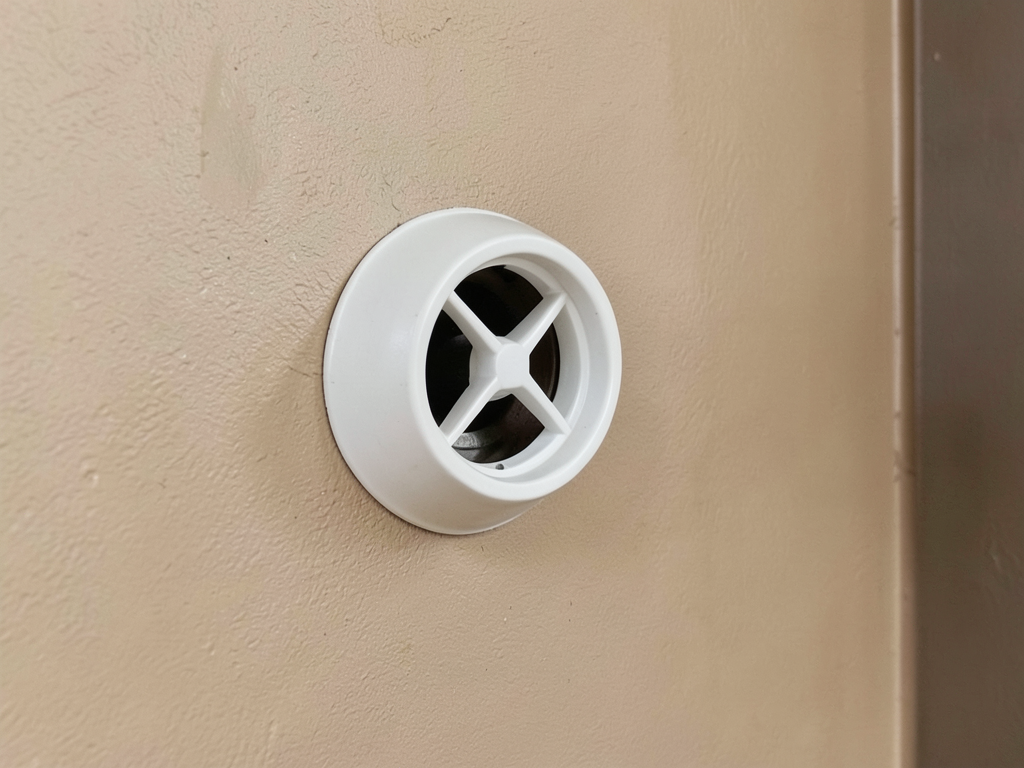
The 2-inch ducts run through walls floors and ceilings. Only the small round outlets are visible typically 4-6 inches in diameter. These can be painted to match your walls or ceilings.
How long does installation take?
Most single-story Travis Heights homes require 2-3 days for complete installation. Two-story homes may need 3-4 days depending on the complexity of the layout.
Are these systems compatible with smart thermostats?
Yes. Most high velocity systems work with standard smart thermostats and can integrate with home automation systems for zoned cooling and remote control.
Ready to preserve your Travis Heights home’s character while adding modern comfort?
High velocity HVAC systems offer the perfect solution for historic Austin homes. They deliver superior cooling without the structural damage of traditional ductwork.
Our team has installed dozens of these systems in Travis Heights Bouldin Creek and other Central Austin historic districts. We understand the unique challenges of preserving architectural integrity while meeting modern comfort needs.
Call (737) 316-0777 today to schedule your free consultation. We’ll evaluate your home’s layout discuss your cooling needs and show you exactly how a high velocity system would work in your space.
Don’t let another Texas summer pass without the comfort you deserve. Pick up the phone and call (737) 316-0777 before the next heat wave hits. Your historic home deserves modern comfort without modern damage.
You may also find this helpful. Protecting your guitar collection from humidity in South Austin.
{
“@context”: “https://schema.org”,
“@type”: “BlogPosting”,
“headline”: “Why your Travis Heights renovation needs a high velocity HVAC system”,
“description”: “High velocity HVAC systems solve Travis Heights renovation challenges with flexible mini-ducts that preserve historic character while delivering powerful cooling.”,
“wordCount”: 1087,
“datePublished”: “2026-05-13T07:56:00.000Z”,
“dateModified”: “2026-05-13T07:56:00.000Z”,
“inLanguage”: “en-US”,
“mainEntityOfPage”: {
“@type”: “WebPage”,
“@id”: “https://allprohvacaustin.com”
},
“publisher”: {
“@type”: “LocalBusiness”,
“name”: “All Pro HVAC Austin”,
“url”: “https://allprohvacaustin.com”
},
“author”: {
“@type”: “Organization”,
“name”: “All Pro HVAC Austin”,
“url”: “https://allprohvacaustin.com”
},
“image”: {
“@type”: “ImageObject”,
“url”: “https://allprohvacaustin.com/wp-content/uploads/2026/03/why-your-travis-heights-renovation-needs-a-high-ve-1.png”
}
}
{
“@context”: “https://schema.org”,
“@type”: “HVACBusiness”,
“name”: “All Pro HVAC Austin”,
“url”: “https://allprohvacaustin.com”,
“address”: {
“@type”: “PostalAddress”,
“addressLocality”: “Austin”
},
“areaServed”: {
“@type”: “City”,
“name”: “Austin”
}
}
{
“@context”: “https://schema.org”,
“@type”: “FAQPage”,
“mainEntity”: [
{
“@type”: “Question”,
“name”: “Unico vs. SpacePak: Which system fits your Travis Heights home?”,
“acceptedAnswer”: {
“@type”: “Answer”,
“text”: “Both Unico and SpacePak manufacture high velocity systems but they have different strengths for Austin applications. Unico systems offer slightly better humidity control which matters in our Central Texas climate. SpacePak provides more flexible duct configurations for unusual floor plans.”
}
},
{
“@type”: “Question”,
“name”: “Can high velocity systems cool a 2500 square foot home?”,
“acceptedAnswer”: {
“@type”: “Answer”,
“text”: “Yes. High velocity systems are available in sizes ranging from 18000 to 60000 BTU capable of cooling homes up to 3500 square feet. Multiple air handlers can be installed for larger homes.”
}
},
{
“@type”: “Question”,
“name”: “Will the mini-ducts be visible in my finished rooms?”,
“acceptedAnswer”: {
“@type”: “Answer”,
“text”: “The 2-inch ducts run through walls floors and ceilings. Only the small round outlets are visible typically 4-6 inches in diameter. These can be painted to match your walls or ceilings.”
}
},
{
“@type”: “Question”,
“name”: “How long does installation take?”,
“acceptedAnswer”: {
“@type”: “Answer”,
“text”: “Most single-story Travis Heights homes require 2-3 days for complete installation. Two-story homes may need 3-4 days depending on the complexity of the layout.”
}
},
{
“@type”: “Question”,
“name”: “Are these systems compatible with smart thermostats?”,
“acceptedAnswer”: {
“@type”: “Answer”,
“text”: “Yes. Most high velocity systems work with standard smart thermostats and can integrate with home automation systems for zoned cooling and remote control.”
}
},
{
“@type”: “Question”,
“name”: “Ready to preserve your Travis Heights home’s character while adding modern comfort?”,
“acceptedAnswer”: {
“@type”: “Answer”,
“text”: “High velocity HVAC systems offer the perfect solution for historic Austin homes. They deliver superior cooling without the structural damage of traditional ductwork.”
}
}
]
}
{
“@context”: “https://schema.org”,
“@type”: “BreadcrumbList”,
“itemListElement”: [
{
“@type”: “ListItem”,
“position”: 1,
“name”: “Home”,
“item”: “https://allprohvacaustin.com”
},
{
“@type”: “ListItem”,
“position”: 2,
“name”: “Blog”,
“item”: “https://allprohvacaustin.com/blog”
},
{
“@type”: “ListItem”,
“position”: 3,
“name”: “Why your Travis Heights renovation needs a high velocity HVAC system”
}
]
}
{
“@context”: “https://schema.org”,
“@type”: “Service”,
“serviceType”: “HVAC”,
“provider”: {
“@type”: “LocalBusiness”,
“name”: “All Pro HVAC Austin”,
“url”: “https://allprohvacaustin.com”
},
“areaServed”: {
“@type”: “City”,
“name”: “Austin”
},
“description”: “High velocity HVAC systems solve Travis Heights renovation challenges with flexible mini-ducts that preserve historic character while delivering powerful cooling.”
}