
HVAC Challenges for Pier and Beam Homes in Historic Austin Neighborhoods
Pier and beam foundations create distinct HVAC challenges in Austin’s historic neighborhoods like Hyde Park and North University. These elevated structures with crawl spaces underneath require specialized approaches to ductwork routing, moisture control, and system efficiency that differ significantly from modern slab-on-grade homes. Austin Energy rebates.
The combination of Austin’s humid climate, expansive clay soil, and aging historic foundations creates a perfect storm of potential HVAC problems. From condensation issues in crawl spaces to structural integrity concerns when cutting through floor joists, these homes demand expertise that goes beyond standard HVAC installation practices.. Read more about Will Your Older Austin Home Need an Electrical Panel Upgrade for a Modern AC?.
The Unique Challenges of Austin’s Pier and Beam Homes
Austin’s Blackland Prairie soil expands and contracts dramatically with moisture changes, causing pier and beam foundations to shift throughout the year. This movement creates gaps in ductwork connections and can stress HVAC components mounted under the home. The crawl spaces underneath these structures also trap humidity, leading to condensation on ductwork and potential mold growth on organic materials. Emergency Ductwork Repair.
Historic Austin neighborhoods typically feature homes built between 1900 and 1950 with crawl space clearances ranging from just 18 inches to about 3 feet. This limited vertical space makes ductwork installation challenging, often requiring specialized equipment and creative routing solutions to maintain proper airflow while avoiding structural elements. Modern HVAC Solutions for Historic Homes in Tarrytown and Old West Austin.
Temperature swings in Central Texas, from summer heat exceeding 100°F to winter freezes, create additional stress on under-floor HVAC components. Ductwork in crawl spaces experiences greater temperature differentials than attic installations, requiring enhanced insulation and vapor barriers to maintain system efficiency.
Best HVAC Systems for Pier and Beam Foundations
Traditional central air systems can work in pier and beam homes, but they require careful planning. The key is using appropriately sized equipment and ensuring proper duct sizing to compensate for the longer runs and additional bends required in crawl space installations. Static pressure becomes a critical concern when pushing air through under-floor ductwork.
Ductless mini-split systems offer excellent alternatives for historic homes where running new ductwork would be prohibitively expensive or structurally risky. These systems eliminate the need for extensive crawl space work while providing zoned temperature control that’s particularly useful in multi-story pier and beam homes where heat rises naturally to upper floors.
High-velocity HVAC systems using small-diameter ducts can navigate tight crawl spaces more easily than traditional ductwork. Systems like Unico or SpacePak use 2-3 inch flexible ducts that can be routed through existing floor cavities with minimal structural modification, making them ideal for preserving historic home integrity.
| HVAC System Type | Best For | Crawl Space Requirements | Installation Complexity |
|---|---|---|---|
| Traditional Central Air | Full home coverage | 24+ inches clearance | High |
| Ductless Mini-Split | Room-by-room control | Minimal | Medium |
| High-Velocity | Tight spaces | 18+ inches clearance | Medium-High |
Step-by-Step Installation Process
The installation process for pier and beam HVAC systems begins with a comprehensive structural assessment. Technicians crawl through the crawl space to measure clearances, identify potential obstacles, and evaluate the foundation’s overall condition. This inspection reveals whether the existing piers can support additional HVAC equipment weight or if reinforcement is needed.. Read more about Why Foundation Shifting in Pflugerville Might Be Cracking Your Air Ducts.
Next comes the Manual J load calculation, which determines the exact heating and cooling capacity needed for the home. This calculation must account for the unique thermal characteristics of pier and beam construction, including increased air infiltration through the crawl space and the cooling effect of elevated floors during summer months. Geothermal Heating & Cooling.
Duct routing requires careful planning to avoid cutting through load-bearing joists or plumbing lines. Technicians use specialized tools to map the most efficient paths, often creating custom duct transitions to navigate around obstacles. Every cut through a floor joist must be reinforced according to International Residential Code Section R502.5.2 to maintain structural integrity. International Residential Code.
Floor register placement becomes critical in pier and beam homes. Unlike slab homes where registers can be placed almost anywhere, elevated floors require strategic positioning to ensure proper airflow while avoiding weak spots in the flooring structure. Registers near exterior walls often perform poorly due to cold air infiltration in winter.
Preventing Moisture and Mold in Your Crawl Space
Moisture control represents the biggest challenge in pier and beam HVAC installations. Austin’s humidity levels regularly exceed 70% during summer months, creating ideal conditions for condensation inside crawl spaces. Without proper vapor barriers, this moisture can corrode ductwork, damage insulation, and create health hazards through mold growth.. Read more about What to Do if Your Outdoor AC Unit Gets Flooded During a Flash Flood.
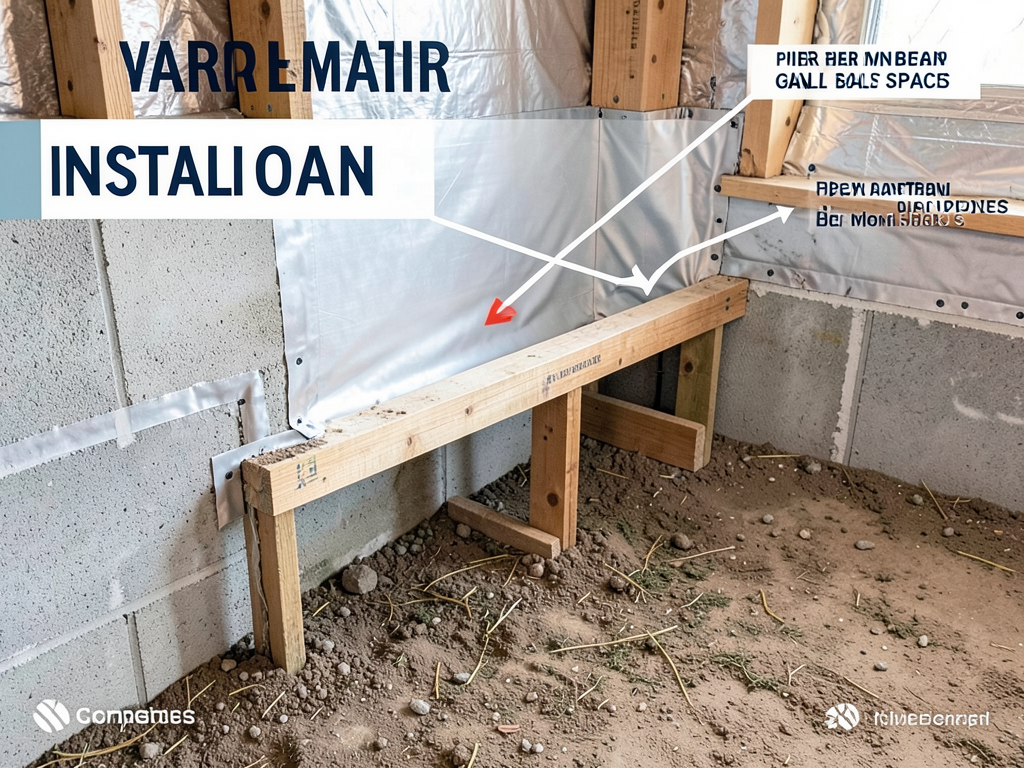
Proper vapor barrier installation requires 6-mil polyethylene sheeting covering the entire crawl space floor, sealed at all seams and extending up foundation walls by at least 6 inches. This barrier prevents ground moisture from rising into the crawl space where it can condense on cooler ductwork surfaces during air conditioning season.
Dehumidification becomes essential in Austin’s climate. A properly sized crawl space dehumidifier maintains relative humidity below 60%, preventing condensation and mold growth. These units must be connected to proper drainage systems, as they can remove several gallons of water daily during peak summer months.. Read more about The Best Austin Friendly Plants to Hide Your AC Unit Without Killing It.
Insulation requirements for exposed ductwork in crawl spaces follow International Energy Conservation Code guidelines. R-8 insulation becomes mandatory for ducts in unconditioned spaces, with all seams sealed using mastic to prevent air leakage. This level of insulation prevents both energy loss and condensation on the duct exterior.. Read more about Maximizing Your Austin Energy Rebates for a High Efficiency HVAC Upgrade.
Costs and Austin Energy Rebates
HVAC installation in pier and beam homes typically costs 15-30% more than comparable slab-on-grade installations due to the additional labor and specialized techniques required. Crawl space work demands more technician hours, specialized equipment for confined spaces, and often requires structural modifications that wouldn’t be necessary in standard installations.
Austin Energy offers rebates for high-efficiency HVAC upgrades that can offset some of these additional costs. Systems with SEER2 ratings of 16 or higher qualify for rebates, with additional incentives for variable-speed equipment that provides better humidity control in Austin’s climate. These rebates can reduce installation costs by $300-1,000 depending on the system selected.
The City of Austin’s Energy Conservation Audit and Disclosure (ECAD) ordinance affects pier and beam homes differently than newer construction. While ECAD primarily targets homes over 10 years old with certain square footage, the ordinance’s emphasis on energy efficiency makes high-performance HVAC systems particularly valuable for historic home owners looking to improve both comfort and property value.
Long-term cost considerations include the reduced energy efficiency of under-floor ductwork compared to attic installations. Heat gain in summer and heat loss in winter through the crawl space can reduce system efficiency by 10-15%, making proper insulation and sealing even more critical for controlling utility costs.
Frequently Asked Questions
How long does HVAC installation take in a pier and beam home?
Installation typically requires 2-4 days for standard systems, with an additional 1-2 days if extensive crawl space preparation or structural modifications are needed. The limited working space and careful navigation around existing infrastructure extend the timeline compared to slab installations.
Can I install HVAC myself in a pier and beam foundation?
DIY HVAC installation is strongly discouraged for pier and beam homes. The structural considerations, moisture management requirements, and need for proper load calculations make professional installation essential. Improper installation can lead to foundation damage, moisture problems, and voided equipment warranties. Fast and Professional Furnace Repair in Georgetown During the Winter Chill.
What maintenance is required for under-floor HVAC systems?
Annual professional maintenance is critical, including crawl space inspection for moisture, duct sealing checks, and condensate drain cleaning. Homeowners should also monitor crawl space humidity levels and address any water intrusion immediately to prevent system damage.
Are pier and beam HVAC systems less efficient than slab systems?
They can be slightly less efficient due to heat transfer through the crawl space, but proper insulation, sealing, and high-efficiency equipment can minimize this difference. The increased installation costs are often offset by improved comfort and the ability to preserve historic home features.
How do I know if my crawl space is suitable for HVAC installation?
A professional assessment examines crawl space clearance, foundation condition, moisture levels, and existing infrastructure. Homes with less than 18 inches of clearance or significant moisture problems may require additional preparation before HVAC installation can proceed safely.

Diagram showing proper vapor barrier installation in a pier and beam crawl space with sealed seams and foundation wall extension.
Technician installing R-8 insulated ductwork in a tight crawl space, demonstrating proper sealing techniques and moisture barrier integration.
Floor register placement options in pier and beam homes, showing optimal locations relative to structural elements and exterior walls.
Dealing with pier and beam HVAC challenges requires specialized knowledge and experience that goes beyond standard installation practices. The unique combination of Austin’s climate, historic home construction, and soil conditions creates situations that demand careful planning and expert execution.
Whether you’re dealing with condensation issues, struggling with inadequate cooling in your historic Hyde Park home, or planning a complete HVAC system upgrade, the right approach makes all the difference. Professional assessment of your specific situation, proper moisture management, and appropriate system selection will ensure years of reliable comfort while protecting your home’s structural integrity.. Read more about Cooling Strategies for Shipping Container Homes and Tiny Houses in East Austin.
Don’t let pier and beam challenges compromise your home’s comfort. Call (737) 316-0777 today to schedule your inspection. Our experienced technicians understand the unique requirements of Austin’s historic neighborhoods and can provide solutions that work with your home’s existing structure while delivering modern comfort and efficiency.
Pick up the phone and call (737) 316-0777 before the next heat wave hits. Your home deserves an HVAC system that works as hard as you do, and our team has the expertise to make it happen right the first time.
You may also find this helpful. Preventing AC Related Noise Complaints for Your Austin Short Term Rental.
You may also find this helpful. HVAC Red Flags to Look for When Buying a Mid Century Home in Wooten.
{
“@context”: “https://schema.org”,
“@type”: “BlogPosting”,
“headline”: “HVAC Challenges for Pier and Beam Homes in Historic Austin Neighborhoods”,
“description”: “Pier and beam foundations create unique HVAC challenges in Austin’s historic neighborhoods. Learn about crawl space ductwork, moisture control, and expert installation solutions.”,
“wordCount”: 1598,
“datePublished”: “2026-05-27T13:30:00.000Z”,
“dateModified”: “2026-05-27T13:30:00.000Z”,
“inLanguage”: “en-US”,
“mainEntityOfPage”: {
“@type”: “WebPage”,
“@id”: “https://allprohvacaustin.com”
},
“publisher”: {
“@type”: “LocalBusiness”,
“name”: “All Pro HVAC Austin”,
“url”: “https://allprohvacaustin.com”
},
“author”: {
“@type”: “Organization”,
“name”: “All Pro HVAC Austin”,
“url”: “https://allprohvacaustin.com”
},
“image”: {
“@type”: “ImageObject”,
“url”: “https://allprohvacaustin.com/wp-content/uploads/2026/03/hvac-challenges-for-pier-and-beam-homes-in-histori-1.png”
}
}
{
“@context”: “https://schema.org”,
“@type”: “HVACBusiness”,
“name”: “All Pro HVAC Austin”,
“url”: “https://allprohvacaustin.com”,
“address”: {
“@type”: “PostalAddress”,
“addressLocality”: “Austin”
},
“areaServed”: {
“@type”: “City”,
“name”: “Austin”
}
}
{
“@context”: “https://schema.org”,
“@type”: “FAQPage”,
“mainEntity”: [
{
“@type”: “Question”,
“name”: “How long does HVAC installation take in a pier and beam home?”,
“acceptedAnswer”: {
“@type”: “Answer”,
“text”: “Installation typically requires 2-4 days for standard systems, with an additional 1-2 days if extensive crawl space preparation or structural modifications are needed. The limited working space and careful navigation around existing infrastructure extend the timeline compared to slab installations.”
}
},
{
“@type”: “Question”,
“name”: “Can I install HVAC myself in a pier and beam foundation?”,
“acceptedAnswer”: {
“@type”: “Answer”,
“text”: “DIY HVAC installation is strongly discouraged for pier and beam homes. The structural considerations, moisture management requirements, and need for proper load calculations make professional installation essential. Improper installation can lead to foundation damage, moisture problems, and voided equipment warranties. Fast and Professional Furnace Repair in Georgetown During the Winter Chill.”
}
},
{
“@type”: “Question”,
“name”: “What maintenance is required for under-floor HVAC systems?”,
“acceptedAnswer”: {
“@type”: “Answer”,
“text”: “Annual professional maintenance is critical, including crawl space inspection for moisture, duct sealing checks, and condensate drain cleaning. Homeowners should also monitor crawl space humidity levels and address any water intrusion immediately to prevent system damage.”
}
},
{
“@type”: “Question”,
“name”: “Are pier and beam HVAC systems less efficient than slab systems?”,
“acceptedAnswer”: {
“@type”: “Answer”,
“text”: “They can be slightly less efficient due to heat transfer through the crawl space, but proper insulation, sealing, and high-efficiency equipment can minimize this difference. The increased installation costs are often offset by improved comfort and the ability to preserve historic home features.”
}
},
{
“@type”: “Question”,
“name”: “How do I know if my crawl space is suitable for HVAC installation?”,
“acceptedAnswer”: {
“@type”: “Answer”,
“text”: “A professional assessment examines crawl space clearance, foundation condition, moisture levels, and existing infrastructure. Homes with less than 18 inches of clearance or significant moisture problems may require additional preparation before HVAC installation can proceed safely.”
}
}
]
}
{
“@context”: “https://schema.org”,
“@type”: “BreadcrumbList”,
“itemListElement”: [
{
“@type”: “ListItem”,
“position”: 1,
“name”: “Home”,
“item”: “https://allprohvacaustin.com”
},
{
“@type”: “ListItem”,
“position”: 2,
“name”: “Blog”,
“item”: “https://allprohvacaustin.com/blog”
},
{
“@type”: “ListItem”,
“position”: 3,
“name”: “HVAC Challenges for Pier and Beam Homes in Historic Austin Neighborhoods”
}
]
}
{
“@context”: “https://schema.org”,
“@type”: “Service”,
“serviceType”: “HVAC”,
“provider”: {
“@type”: “LocalBusiness”,
“name”: “All Pro HVAC Austin”,
“url”: “https://allprohvacaustin.com”
},
“areaServed”: {
“@type”: “City”,
“name”: “Austin”
},
“description”: “Pier and beam foundations create unique HVAC challenges in Austin’s historic neighborhoods. Learn about crawl space ductwork, moisture control, and expert installation solutions.”
}