

Preparing Your Northwest Austin Home for Peak Allergy Season
Northwest Austin homeowners face some of the most intense seasonal allergy challenges in Central Texas. With Mountain Cedar triggering Cedar Fever from December through February and oak and ragweed pollens dominating spring and fall, your HVAC system becomes the first line of defense against airborne allergens. The key to surviving peak allergy season lies in understanding how Austin’s unique climate affects your indoor air quality and what specific HVAC modifications can provide real relief.
Standard fiberglass filters simply cannot capture the microscopic particles that trigger allergic reactions. Mountain Cedar pollen measures just 20-30 microns, while many common allergens are even smaller. Without proper filtration, these particles circulate continuously through your home’s ductwork, causing symptoms that range from mild discomfort to severe respiratory distress. The solution requires a strategic approach combining high-efficiency filtration, humidity control, and regular maintenance tailored to Northwest Austin’s specific environmental conditions. Emergency Ductwork Repair.
Understanding Austin’s Seasonal Allergy Triggers
Austin’s allergy season extends far beyond typical spring pollen counts. Mountain Cedar, actually a type of juniper tree, releases billions of pollen grains during winter months when most other regions experience relief. These pollen grains can travel up to 100 miles on Texas winds, making even homes without cedar trees vulnerable. The pollen appears as a yellow dust that settles on cars and outdoor surfaces, but the real problem occurs when these particles enter your HVAC system.
Spring brings oak pollen, which creates the familiar yellow coating on everything outdoors. This pollen is larger than cedar but still problematic for allergy sufferers. Summer humidity levels in Northwest Austin often exceed 70%, creating ideal conditions for mold growth in ductwork and on filters. Fall ragweed season can last until the first freeze, providing year-round challenges for sensitive individuals.. Read more about Comparing MERV 8 and MERV 13 filters for high traffic North Lamar homes.
The combination of high humidity and warm temperatures creates a perfect storm for indoor air quality issues. Mold spores thrive in ductwork when humidity exceeds 60%, and these spores become airborne when your system cycles on. Many Northwest Austin homes, particularly those built before 2010, have ductwork in unconditioned attics where temperature fluctuations create condensation points that promote mold growth.. Read more about Dealing with Bats in Your Attic and What It Means for Your Air Quality.
MERV Ratings and Filter Selection for Allergy Relief
MERV stands for Minimum Efficiency Reporting Value, and it measures how effectively a filter captures particles of specific sizes. For allergy sufferers in Northwest Austin, understanding the relationship between MERV ratings and system performance is crucial. MERV 8 filters capture particles 3-10 microns in size but miss most pollen grains and mold spores. MERV 11 filters capture 1-3 micron particles, including most pollen types, but may restrict airflow in older systems.
MERV 13 filters provide the optimal balance for most Northwest Austin homes. These filters capture particles as small as 0.3 microns, including bacteria, smoke, and the smallest pollen grains. However, they create more resistance to airflow than lower-rated filters. This resistance, called static pressure, can strain older blower motors and reduce system efficiency if not properly accounted for during installation.
The static pressure increase from high-efficiency filters affects system performance in several ways. Higher resistance means the blower must work harder to move the same amount of air, which increases energy consumption by 10-15%. In systems with already marginal ductwork design, this additional resistance can cause the evaporator coil to freeze, leading to system shutdown and potential compressor damage. Homes in older Northwest Austin neighborhoods like Balcones Park or Great Hills often have ductwork that requires professional assessment before upgrading to MERV 13 filters. Fast and Professional Furnace Repair in Georgetown During the Winter Chill.
Filter thickness also impacts performance. Standard one-inch filters provide less surface area for air to pass through compared to four-inch pleated filters. The increased surface area of thicker filters reduces static pressure while providing superior filtration. However, not all HVAC systems can accommodate four-inch filters without ductwork modifications. Professional assessment determines whether your system can handle the upgrade without compromising performance.
Filter Types: Pleated vs. HEPA vs. Electrostatic
| Filter Type | Allergen Capture Rate | Lifespan | Cost per Year | Best For |
|---|---|---|---|---|
| Standard Pleated (MERV 11) | 85-90% of 1-3 micron particles | 3 months | $40-60 | Moderate allergies |
| High-Efficiency Pleated (MERV 13) | 90-95% of 0.3-1 micron particles | 3 months | $60-80 | Severe allergies |
| HEPA Bypass System | 99.97% of 0.3 micron particles | 12 months | $300-500 | Extreme allergies |
| Electrostatic Washable | 70-80% of 3-10 micron particles | Wash every 2 months | $20-30 | Budget-conscious |
HEPA filters provide hospital-grade filtration but require special installation. Standard HVAC systems cannot handle the extreme airflow restriction of true HEPA filters, which would cause system failure within hours. HEPA bypass systems solve this problem by creating a separate air cleaning loop that processes a portion of your home’s air through HEPA filtration while the main system continues normal operation. These systems cost significantly more but provide unmatched allergen removal for severe sufferers. EPA Indoor Air Quality Guidelines.
Electrostatic filters use self-charging fibers to attract particles. While washable and reusable, they typically provide lower filtration efficiency than pleated filters of equivalent MERV rating. The charging effect diminishes over time, and improper cleaning can damage the electrostatic properties. For Northwest Austin’s intense pollen seasons, electrostatic filters may not provide sufficient protection for sensitive individuals.
Activated carbon filters address another aspect of indoor air quality by removing volatile organic compounds (VOCs) and odors. These gases, which include formaldehyde from building materials and benzene from household cleaners, can trigger respiratory symptoms even in people without traditional allergies. Carbon filters work best when combined with particulate filters rather than as standalone solutions. Modern HVAC Solutions for Historic Homes in Tarrytown and Old West Austin.
The Hidden Danger: Airflow and Static Pressure
Many Northwest Austin homeowners upgrade to high-efficiency filters without understanding the impact on system performance. Static pressure, measured in inches of water column, represents the resistance to airflow in your system. Every component, from filters to ductwork to coils, contributes to total static pressure. When this pressure exceeds your system’s design specifications, performance suffers dramatically.. Read more about Dealing with Hard Water Scale in Your Whole Home Humidifier in Round Rock.
Signs of excessive static pressure include reduced airflow from vents, longer cooling cycles, and ice formation on the evaporator coil. You might notice your system runs continuously but fails to maintain comfortable temperatures. The compressor works harder, consuming more electricity while providing less cooling. Over time, this stress reduces equipment lifespan by 30-40%.. Read more about Why your Anderson Mill home might need a 5 inch media filter upgrade.
Professional static pressure testing requires specialized equipment. Technicians measure pressure before and after the filter, then calculate total external static pressure. The International Energy Conservation Code (IECC) Section 403.2.2.2 specifies maximum allowable static pressure for residential systems. Most standard systems are designed for 0.5 inches of water column, but high-efficiency filters can add 0.2-0.3 inches of pressure.
Older Northwest Austin homes often have undersized ductwork that compounds filter-related static pressure issues. Homes built before 2000 typically have duct systems designed for lower efficiency equipment and standard filters. When high-MERV filters are installed in these systems, the combined resistance can exceed safe operating limits. Professional duct assessment includes measuring duct dimensions, calculating equivalent lengths, and identifying restrictions that limit airflow.
The solution often involves either filter downgrade or duct system modification. Some homeowners find that MERV 11 provides adequate allergy relief without system strain, while others require duct resizing or booster fans to accommodate MERV 13 filtration. The decision depends on your specific system design, allergy severity, and budget constraints.
Beyond the Filter: IAQ Solutions for Austin Homes
UV light systems installed in ductwork provide additional protection against mold, bacteria, and viruses. These ultraviolet germicidal irradiation (UVGI) systems use specific wavelengths of UV-C light to disrupt microbial DNA, preventing reproduction and eventually causing cell death. For Northwest Austin homes, where humidity creates mold growth concerns, UV lights offer significant benefits beyond basic filtration.
UV light placement affects effectiveness. Installing lights near the cooling coil prevents mold growth on the coil surface, where condensation creates ideal growing conditions. Some systems position lights in the return air duct to treat air before it enters the equipment. The effectiveness depends on UV intensity, exposure time, and air velocity. Most residential systems require 16-24 watts of UV-C power to achieve adequate microbial reduction.
Whole-home air purifiers provide another layer of protection. These systems, such as the HALO-LED or similar technologies, combine multiple air cleaning methods. LED UV lights provide energy-efficient germicidal action, while photocatalytic oxidation breaks down VOCs and odors. Some systems include ionization technology that causes particles to clump together, making them easier for filters to capture.. Read more about Finding the right whole home dehumidifier for humid South Menchaca summers.
Humidity control plays a crucial role in allergy management. Relative humidity between 30-50% minimizes dust mite populations and prevents mold growth while maintaining comfort. Austin’s climate often pushes indoor humidity above 60% during summer months, even with air conditioning running. Whole-home dehumidifiers integrated with your HVAC system maintain optimal humidity levels while the system operates.
Smart IAQ monitors provide real-time feedback on indoor air quality. These devices measure particulate matter (PM2.5), VOCs, humidity, and carbon dioxide levels. Some integrate with smart thermostats to automatically adjust ventilation rates based on air quality readings. For allergy sufferers, this technology provides objective data about when additional filtration or ventilation is needed.. Read more about A Guide to Smart HVAC Upgrades for Tech Professionals in the Parmer Lane Corridor.
Maintenance Schedule for Central Texas
Austin’s unique climate requires a specialized maintenance schedule that differs from national recommendations. Mountain Cedar season runs from December through February, requiring more frequent filter changes during these months. Oak pollen peaks in March and April, while ragweed affects the area from August through November. Each season brings different challenges for your HVAC system.
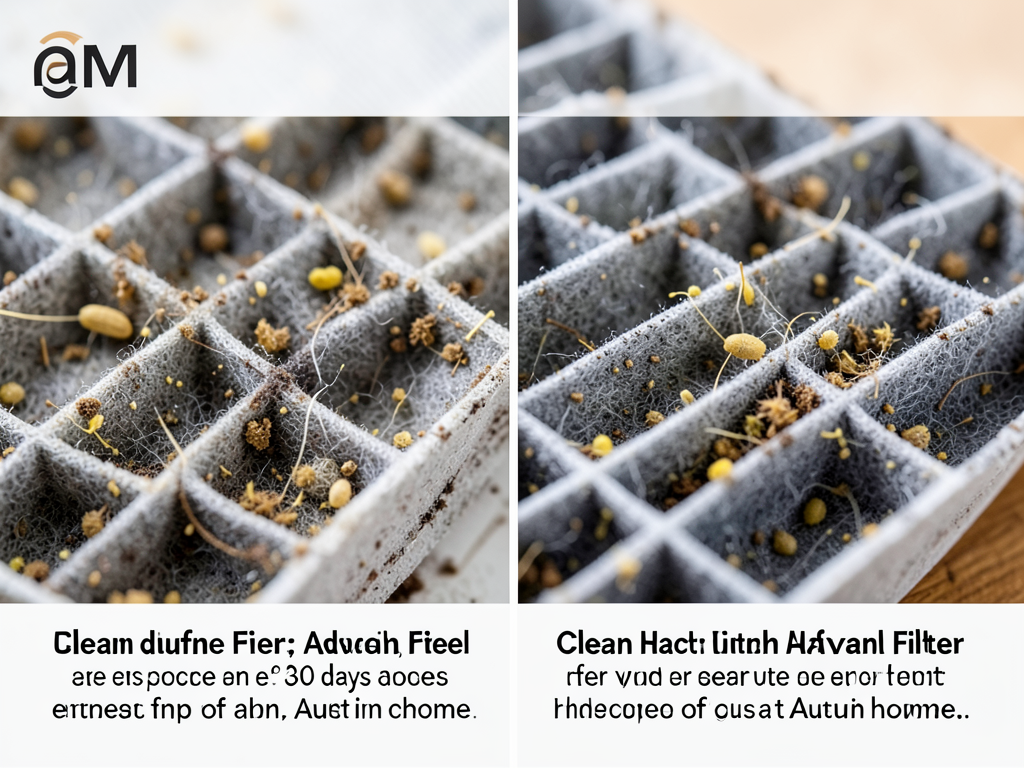
During peak pollen months, replace standard pleated filters every 30 days instead of the typical 90-day schedule. High-efficiency filters may last slightly longer but still require monthly inspection. Check filters more frequently during extreme weather events, as high winds can increase pollen infiltration rates dramatically. Homes near greenbelts or wooded areas may need even more frequent changes.
Coil cleaning becomes crucial during high pollen seasons. Pollen accumulates on evaporator coils, reducing heat transfer efficiency and providing food for mold growth. Annual professional coil cleaning prevents these issues and maintains system efficiency. Some homeowners schedule coil cleaning before and after peak pollen seasons for maximum protection.
Duct inspection should occur annually, with more frequent checks for homes with severe allergy sufferers. Look for signs of moisture accumulation, mold growth, or excessive dust buildup. Professional duct cleaning every 3-5 years removes accumulated allergens and improves system efficiency. Homes with pets, recent renovations, or severe allergies may benefit from more frequent cleaning.
UV light bulb replacement follows a specific schedule. Most UV lamps lose effectiveness after 9-12 months of continuous operation, even if they still produce visible light. Replace bulbs annually before peak allergy seasons to ensure maximum microbial control. Some systems include indicator lights that signal when UV intensity drops below effective levels.
Professional Assessment and System Optimization
Professional HVAC assessment goes beyond basic filter replacement. Technicians measure actual system performance, including temperature splits, airflow rates, and static pressure. These measurements reveal problems that homeowners cannot detect through observation alone. For example, a system might maintain temperature while operating at 30% below design airflow, leading to poor filtration and comfort issues.
Manual J load calculations determine whether your system is properly sized for your home’s current conditions. Changes like new windows, added insulation, or room additions affect heating and cooling loads. An oversized system short-cycles, reducing air circulation time and filtration effectiveness. An undersized system runs continuously, increasing energy costs and wear. Geothermal Heating & Cooling.
Duct leakage testing identifies hidden problems that waste energy and reduce filtration effectiveness. Leaking return ducts in attics or crawl spaces draw unfiltered air into the system, bypassing your expensive filters entirely. A typical home loses 20-30% of conditioned air through duct leaks. Sealing these leaks improves both air quality and system efficiency.
Air balancing ensures proper airflow to all rooms. Some areas might receive too much air while others get insufficient circulation. Poor air circulation creates stagnant zones where allergens accumulate. Professional balancing involves adjusting dampers and measuring airflow at each register to achieve optimal distribution.
IAQ testing provides baseline measurements before implementing solutions. These tests measure particulate levels, VOC concentrations, humidity, and carbon dioxide. After improvements, follow-up testing confirms whether interventions achieved desired results. This data-driven approach prevents wasted money on ineffective solutions.
Cost-Benefit Analysis of IAQ Improvements
Investing in indoor air quality improvements requires understanding both costs and benefits. High-efficiency filters cost $60-80 versus $15-20 for standard filters, but they capture 90% more allergens. Over a year, the additional filter cost of $180-240 may be offset by reduced allergy medication expenses, fewer doctor visits, and improved quality of life.
UV light systems cost $800-1,500 installed but provide benefits beyond allergy relief. They prevent costly coil cleaning, extend equipment life by preventing biological growth, and reduce the frequency of filter changes by keeping the system cleaner. The energy consumption of UV lights is minimal, typically $5-10 per year.
Whole-home air purifiers represent the highest initial investment at $1,500-3,000 installed. However, they provide the most comprehensive protection, combining particulate filtration, germicidal action, and VOC reduction. For severe allergy sufferers or homes with multiple chemical sensitivities, these systems often provide the only effective solution.
The return on investment extends beyond direct costs. Improved air quality leads to better sleep, increased productivity, and reduced absenteeism from work or school. For families with asthmatic children, the benefits can be life-changing. While difficult to quantify, these quality-of-life improvements often justify the investment.
Preparing for Emergency Situations
Even with the best filtration systems, emergency situations can overwhelm your home’s air quality defenses. Wildfires, though less common in Austin than other Texas areas, can produce smoke that travels hundreds of miles. During these events, outdoor particulate levels can exceed 500 micrograms per cubic meter, far above the EPA’s hazardous threshold of 250. Emergency AC Repair Services for Homes in West Lake Hills.
Prepare for these situations by maintaining a supply of high-quality filters and keeping windows closed during poor air quality events. Some homeowners install fresh air intake systems with high-efficiency filtration to provide ventilation without introducing outdoor pollutants. These systems automatically close during poor air quality events and reopen when conditions improve.
Portable air purifiers provide backup protection for severe events. While not as effective as whole-home systems, they can maintain safe air quality in bedrooms or home offices during emergencies. Keep portable units clean and filters fresh so they’re ready when needed.
Communication with your HVAC service provider becomes crucial during air quality emergencies. Many companies offer priority service for existing customers during these events. Establishing this relationship before emergencies occur ensures faster response when you need it most.
Frequently Asked Questions
What MERV rating is best for allergy sufferers in Austin?
MERV 13 provides the optimal balance between allergen capture and system performance for most Northwest Austin homes. It captures 90-95% of particles as small as 0.3 microns, including most pollen types and mold spores, without causing excessive static pressure in properly designed systems.
How often should I change my HVAC filter during allergy season?
During peak pollen months (December-February for cedar, March-April for oak, August-November for ragweed), replace standard pleated filters every 30 days. High-efficiency filters may last slightly longer but should be inspected monthly and replaced at the first sign of discoloration.
Can high-efficiency filters damage my HVAC system?
High-efficiency filters can strain older systems if static pressure exceeds design specifications. Professional testing measures your system’s total external static pressure to ensure safe operation. Most modern systems handle MERV 13 filters without issues, but older systems may require duct modifications or filter downgrade.
Are UV lights worth the investment for allergy relief?
UV lights provide significant benefits for Austin homes by preventing mold growth on cooling coils and reducing airborne bacteria and viruses. While not a substitute for proper filtration, they complement filter systems and can extend equipment life by preventing biological growth that reduces efficiency.
How do I know if my home has poor indoor air quality?
Signs include persistent allergy symptoms indoors, musty odors, visible dust accumulation near vents, and excessive condensation on windows. Professional IAQ testing provides objective measurements of particulate levels, VOCs, and humidity to identify specific problems and recommend solutions.
[IMAGE_PLACEHOVER_1]
Take Control of Your Indoor Air Quality Today
Don’t let seasonal allergies control your life. The air inside your Northwest Austin home can be 2-5 times more polluted than outdoor air, but the right HVAC solutions can provide immediate relief. Whether you need a simple filter upgrade, UV light installation, or complete system assessment, professional help makes all the difference.
Call (737) 316-0777 today to schedule your indoor air quality assessment. Our experienced technicians understand Austin’s unique allergy challenges and can recommend solutions that work with your specific HVAC system. Don’t wait until symptoms become unbearable – take the first step toward breathing easier today.
Pick up the phone and call (737) 316-0777 before the next pollen wave hits. Your family deserves to breathe clean, healthy air year-round, and we have the expertise to make it happen. Serving Northwest Austin neighborhoods including Great Hills, Balcones Park, and Canyon Creek with fast, reliable service you can trust.
Don’t let Cedar Fever or spring allergies ruin your quality of life. Call (737) 316-0777 now and discover how affordable professional IAQ solutions can be. We offer free consultations and can often complete most improvements in a single visit. Your path to allergy relief starts with one phone call. For more information, visit ASHRAE HVAC Standards.
{
“@context”: “https://schema.org”,
“@type”: “BlogPosting”,
“headline”: “Preparing Your Northwest Austin Home for Peak Allergy Season”,
“description”: “Expert HVAC strategies to combat Austin’s worst allergens. Learn how MERV ratings, UV lights, and local pollen patterns affect your indoor air quality this season.”,
“wordCount”: 2889,
“datePublished”: “2026-05-09T11:55:00.000Z”,
“dateModified”: “2026-05-09T11:55:00.000Z”,
“inLanguage”: “en-US”,
“mainEntityOfPage”: {
“@type”: “WebPage”,
“@id”: “https://allprohvacaustin.com”
},
“publisher”: {
“@type”: “LocalBusiness”,
“name”: “All Pro HVAC Austin”,
“url”: “https://allprohvacaustin.com”
},
“author”: {
“@type”: “Organization”,
“name”: “All Pro HVAC Austin”,
“url”: “https://allprohvacaustin.com”
},
“image”: {
“@type”: “ImageObject”,
“url”: “https://allprohvacaustin.com/wp-content/uploads/2026/03/preparing-your-northwest-austin-home-for-peak-alle-1.png”
}
}
{
“@context”: “https://schema.org”,
“@type”: “HVACBusiness”,
“name”: “All Pro HVAC Austin”,
“url”: “https://allprohvacaustin.com”,
“address”: {
“@type”: “PostalAddress”,
“addressLocality”: “Austin”
},
“areaServed”: {
“@type”: “City”,
“name”: “Austin”
}
}
{
“@context”: “https://schema.org”,
“@type”: “FAQPage”,
“mainEntity”: [
{
“@type”: “Question”,
“name”: “What MERV rating is best for allergy sufferers in Austin?”,
“acceptedAnswer”: {
“@type”: “Answer”,
“text”: “MERV 13 provides the optimal balance between allergen capture and system performance for most Northwest Austin homes. It captures 90-95% of particles as small as 0.3 microns, including most pollen types and mold spores, without causing excessive static pressure in properly designed systems.”
}
},
{
“@type”: “Question”,
“name”: “How often should I change my HVAC filter during allergy season?”,
“acceptedAnswer”: {
“@type”: “Answer”,
“text”: “During peak pollen months (December-February for cedar, March-April for oak, August-November for ragweed), replace standard pleated filters every 30 days. High-efficiency filters may last slightly longer but should be inspected monthly and replaced at the first sign of discoloration.”
}
},
{
“@type”: “Question”,
“name”: “Can high-efficiency filters damage my HVAC system?”,
“acceptedAnswer”: {
“@type”: “Answer”,
“text”: “High-efficiency filters can strain older systems if static pressure exceeds design specifications. Professional testing measures your system’s total external static pressure to ensure safe operation. Most modern systems handle MERV 13 filters without issues, but older systems may require duct modifications or filter downgrade.”
}
},
{
“@type”: “Question”,
“name”: “Are UV lights worth the investment for allergy relief?”,
“acceptedAnswer”: {
“@type”: “Answer”,
“text”: “UV lights provide significant benefits for Austin homes by preventing mold growth on cooling coils and reducing airborne bacteria and viruses. While not a substitute for proper filtration, they complement filter systems and can extend equipment life by preventing biological growth that reduces efficiency.”
}
},
{
“@type”: “Question”,
“name”: “How do I know if my home has poor indoor air quality?”,
“acceptedAnswer”: {
“@type”: “Answer”,
“text”: “Signs include persistent allergy symptoms indoors, musty odors, visible dust accumulation near vents, and excessive condensation on windows. Professional IAQ testing provides objective measurements of particulate levels, VOCs, and humidity to identify specific problems and recommend solutions.”
}
}
]
}
{
“@context”: “https://schema.org”,
“@type”: “BreadcrumbList”,
“itemListElement”: [
{
“@type”: “ListItem”,
“position”: 1,
“name”: “Home”,
“item”: “https://allprohvacaustin.com”
},
{
“@type”: “ListItem”,
“position”: 2,
“name”: “Blog”,
“item”: “https://allprohvacaustin.com/blog”
},
{
“@type”: “ListItem”,
“position”: 3,
“name”: “Preparing Your Northwest Austin Home for Peak Allergy Season”
}
]
}
{
“@context”: “https://schema.org”,
“@type”: “Service”,
“serviceType”: “HVAC”,
“provider”: {
“@type”: “LocalBusiness”,
“name”: “All Pro HVAC Austin”,
“url”: “https://allprohvacaustin.com”
},
“areaServed”: {
“@type”: “City”,
“name”: “Austin”
},
“description”: “Expert HVAC strategies to combat Austin’s worst allergens. Learn how MERV ratings, UV lights, and local pollen patterns affect your indoor air quality this season.”
}