
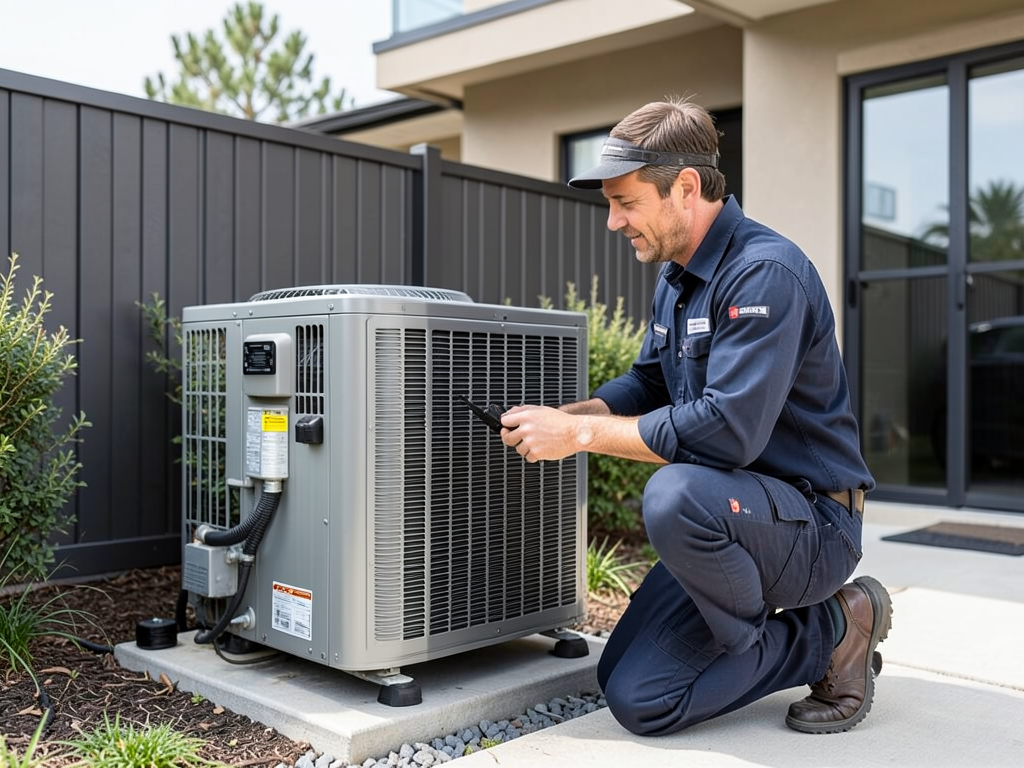
Preventing AC Related Noise Complaints for Your Austin Short Term Rental
Nothing ruins a guest’s stay faster than a loud air conditioner cycling on at 2 a.m. In Austin’s competitive short-term rental market, a noisy AC can trigger bad reviews, refund requests, and even noise ordinance violations in dense neighborhoods like South Congress or East Austin. The good news is that with the right equipment, placement, and maintenance, you can deliver cool comfort without the disruptive hum.
Austin’s unique climate—high humidity, extreme heat, and frequent temperature swings—means your AC works harder than systems in milder regions. That extra runtime can amplify noise if the unit isn’t properly sized or maintained. By focusing on decibel control, humidity management, and smart thermostat integration, you protect both your guests’ sleep and your Superhost status.
Why AC Noise is a Dealbreaker for Austin Airbnb & VRBO Guests
Modern travelers expect hotel-level quiet in short-term rentals. According to Airbnb data, ‘noise’ appears in nearly 15% of negative reviews for properties with older HVAC systems. In Austin’s historic bungalows and duplexes, thin walls and close lot lines mean a 70 dB condenser can be heard from the bedroom and even the backyard. That level is comparable to a vacuum cleaner running inches from your ear—hardly conducive to rest. Modern HVAC Solutions for Historic Homes in Tarrytown and Old West Austin.
Beyond comfort, excessive noise can trigger violations of Austin’s Chapter 9-7 Noise Ordinance, which limits outdoor equipment to 70 dB between 10 p.m. and 7 a.m. in residential zones. A single complaint can lead to a city inspection and fines up to $500. For property investors, that’s an avoidable hit to your bottom line.
Understanding Decibels: What ‘Quiet’ Actually Means
Sound is measured in decibels (dB), and the scale is logarithmic—every 10 dB increase sounds roughly twice as loud. For sleeping areas, the World Health Organization recommends noise levels below 40 dB. Here’s how common AC systems compare:
| AC Type | Typical dB Range | Equivalent Sound |
|---|---|---|
| Standard Central AC (single-stage) | 50-70 dB | Normal conversation to vacuum cleaner |
| Variable-speed high-efficiency | 35-55 dB | Whisper to quiet library |
| Ductless mini-split (indoor) | 19-30 dB | rustling leaves |
| Ductless mini-split (outdoor) | 30-45 dB | Quiet rural area |
Choosing a system with a low dB rating is only half the battle. Placement matters—mounting the outdoor condenser on a vibration-absorbing pad and away from bedroom windows can shave 5-10 dB off the perceived noise level.
Top 3 Quietest AC Systems for Texas Heat
When selecting equipment for an Austin STR, balance noise reduction with the ability to handle 100°F+ days and 90%+ humidity mornings. Here are the top three technologies that deliver both:
1. Variable-Speed Inverter Heat Pumps
Brands like Lennox and Carrier offer inverter-driven compressors that adjust cooling output in 1% increments. Instead of cycling on and off at full blast, these units run continuously at low speed, maintaining temperature and humidity with minimal noise—often as low as 35 dB in ‘Quiet Mode.’ They also qualify for Austin Energy’s SEER2 rebates, reducing upfront costs.
2. Ductless Mini-Split Systems
Mitsubishi Electric and Daikin lead in ultra-quiet mini-splits. Indoor units can operate at just 19 dB, quieter than a whisper, while outdoor condensers stay below 45 dB with advanced fan blade designs. Because mini-splits don’t require ductwork, they’re ideal for older Austin homes where installing ducts would disturb plaster walls or historic features. Each room gets its own thermostat, so guests can set their preferred temperature without affecting others. Emergency Ductwork Repair.
3. High-Efficiency Central Air with Sound Blankets
If your property has existing ductwork, upgrading to a two-stage or variable-speed central system can dramatically cut noise. Adding a sound blanket to the compressor and vibration-isolating the air handler reduces operational noise by 5-8 dB. Pair this with a smart thermostat to run the fan continuously at low speed, improving air filtration and maintaining even temperatures without the ‘whoosh’ of a high-speed blower.
The Austin Factor: Balancing Silence with Humidity Control
Quiet isn’t enough in Central Texas. High humidity can cause condensation on vents, leading to mold growth—a serious liability in rental properties. Systems with a dehumidification mode or integrated humidity sensors maintain indoor RH below 60%, preventing musty odors and protecting your investment.
According to the Texas Commission on Environmental Quality, indoor humidity above 70% accelerates mold spore germination. A variable-speed system runs longer at lower capacity, removing more moisture per hour than a single-stage unit that short-cycles. This ‘latent cooling’ is critical for Austin’s climate and guest comfort.
Smart Controls for Remote Management
Managing an STR means you can’t always be on-site to adjust settings. Smart thermostats like ecobee or Nest Learning Thermostat let you:
- Set temperature ranges to prevent guests from overcooling and straining the system
- Receive alerts for filter changes, high humidity, or system faults
- Enable ‘eco’ or ‘away’ modes between check-out and check-in to save energy
- Integrate with voice assistants for easy guest control
Some models even offer keypad locks, so you can prevent guests from adjusting settings beyond your defined limits—reducing wear and avoiding complaints about ‘freezing’ rooms.
Case Study: Reducing Noise in a South Congress Bungalow
A 1940s bungalow in the South Congress neighborhood was generating nightly noise complaints from guests and a formal complaint from a neighbor. The original 3-ton single-stage unit cycled loudly, and the outdoor condenser sat just 8 feet from a bedroom window.
We replaced it with a 2.5-ton variable-speed heat pump and relocated the condenser to a side yard, adding a sound-dampening fence. Post-installation sound readings dropped from 68 dB to 38 dB near the bedroom. Within two months, the property’s average review score rose from 4.2 to 4.8 stars, and the neighbor complaint was withdrawn.
This real-world example shows how a modest investment in the right equipment can protect your reputation and revenue.
Maintenance Tips to Keep Your System Whisper-Quiet
Even the quietest system can become a noise nuisance without proper care. Here’s a seasonal maintenance checklist for Austin STR owners:
- Clean or Replace Filters
Dirty filters force the blower to work harder, increasing noise and reducing efficiency. Replace every 30-60 days in high-occupancy rentals.
- Check Refrigerant Levels
Low refrigerant causes the compressor to strain, creating a loud hum. A licensed technician should check levels annually.
- Inspect and Tighten Electrical Connections
Loose wires can cause buzzing or arcing sounds. This is a safety issue as well as a noise issue.
- Clean Condenser Coils
Dust and debris on outdoor coils reduce heat transfer, making the unit run longer and louder. Hose off coils every spring.
- Level the Condenser Pad
A tilted unit can cause vibration and noise. Check pad level and adjust as needed.
Scheduling a professional tune-up before peak season ensures your system runs at its quietest and most efficient. Fast and Professional Furnace Repair in Georgetown During the Winter Chill.
Cost vs. Benefit: Is a Quiet AC Worth It?
High-end variable-speed or mini-split systems can cost 30-50% more upfront than standard units. However, the ROI for STR owners is compelling:
| Factor | Standard AC | Quiet AC Upgrade |
|---|---|---|
| Initial Cost | $3,500-$5,000 | $5,000-$8,000 |
| Monthly Energy Use | High | Up to 30% lower |
| Noise Level | 50-70 dB | 35-50 dB |
| Guest Review Impact | Potential negative | Positive, higher ratings |
| Lifespan | 10-12 years | 15-20 years |
Over five years, the energy savings and higher nightly rates from better reviews can offset the initial premium. Plus, you avoid the cost of noise ordinance fines and the lost bookings from negative feedback.
Local Incentives and Rebates
Austin Energy offers rebates for high-efficiency HVAC equipment that meet SEER2 standards. As of 2026, qualifying systems can receive up to $1,500 in rebates, and variable-speed units often qualify for additional federal tax credits under the Energy Efficient Home Improvement Credit. These incentives can cut the payback period on a quiet AC upgrade by 1-2 years.
Be sure to work with a contractor who is Austin Energy Participating Contractor certified to ensure you receive all available rebates and that your installation meets local code requirements. Local AC Repair and Cooling Experts in South Lamar and Barton Hills.
Frequently Asked Questions
How much does a quiet AC system cost for a short-term rental?
Costs vary by home size and system type, but expect to invest $5,000-$8,000 for a high-efficiency variable-speed or ductless mini-split system in Austin. This includes equipment, installation, and basic sound-dampening measures.
Will a quiet AC still keep my rental cool in Austin’s heat?
Yes. Modern inverter-driven and variable-speed systems are designed for hot climates. They adjust cooling output dynamically, maintaining comfort even during 100°F+ heat waves while running more quietly than older units.
How do I know if my current AC is too loud?
If you can hear the unit from every room, or if guests mention noise in reviews, it’s likely too loud. A professional sound assessment can measure decibel levels and identify specific sources of noise.
Are there any Austin-specific noise regulations for AC units?
Yes. Austin’s noise ordinance limits outdoor equipment to 70 dB between 10 p.m. and 7 a.m. in residential zones. Violations can result in fines and mandatory corrective action.
How often should I service a rental property’s AC to keep it quiet?
Schedule professional maintenance twice a year—before summer and after peak season. Between visits, replace filters every 30-60 days to prevent airflow restriction and excess noise.
Take the Next Step Toward 5-Star Comfort
Don’t let a noisy AC cost you reviews, revenue, or peace of mind. Our team at All Pro HVAC Austin specializes in quiet, high-efficiency systems perfect for short-term rentals. We’ll assess your property, recommend the best solution, and handle installation with minimal disruption to your guests.
Call (737) 316-0777 today to schedule your free noise assessment and quote. Let’s make your rental the quiet, comfortable retreat guests rave about.
Pick up the phone and call (737) 316-0777 before the next guest checks in—because in Austin’s competitive market, silence is golden.
{
“@context”: “https://schema.org”,
“@type”: “BlogPosting”,
“headline”: “Preventing AC Related Noise Complaints for Your Austin Short Term Rental”,
“description”: “Learn how to prevent AC noise complaints in your Austin short-term rental with quiet HVAC solutions, decibel control, and smart maintenance strategies.”,
“wordCount”: 1641,
“datePublished”: “2026-06-05T13:21:00.000Z”,
“dateModified”: “2026-06-05T13:21:00.000Z”,
“inLanguage”: “en-US”,
“mainEntityOfPage”: {
“@type”: “WebPage”,
“@id”: “https://allprohvacaustin.com”
},
“publisher”: {
“@type”: “LocalBusiness”,
“name”: “All Pro HVAC Austin”,
“url”: “https://allprohvacaustin.com”
},
“author”: {
“@type”: “Organization”,
“name”: “All Pro HVAC Austin”,
“url”: “https://allprohvacaustin.com”
},
“image”: {
“@type”: “ImageObject”,
“url”: “https://allprohvacaustin.com/wp-content/uploads/2026/03/preventing-ac-related-noise-complaints-for-your-au-1.png”
}
}
{
“@context”: “https://schema.org”,
“@type”: “HVACBusiness”,
“name”: “All Pro HVAC Austin”,
“url”: “https://allprohvacaustin.com”,
“address”: {
“@type”: “PostalAddress”,
“addressLocality”: “Austin”
},
“areaServed”: {
“@type”: “City”,
“name”: “Austin”
}
}
{
“@context”: “https://schema.org”,
“@type”: “FAQPage”,
“mainEntity”: [
{
“@type”: “Question”,
“name”: “Cost vs. Benefit: Is a Quiet AC Worth It?”,
“acceptedAnswer”: {
“@type”: “Answer”,
“text”: “High-end variable-speed or mini-split systems can cost 30-50% more upfront than standard units. However, the ROI for STR owners is compelling:”
}
},
{
“@type”: “Question”,
“name”: “How much does a quiet AC system cost for a short-term rental?”,
“acceptedAnswer”: {
“@type”: “Answer”,
“text”: “Costs vary by home size and system type, but expect to invest $5,000-$8,000 for a high-efficiency variable-speed or ductless mini-split system in Austin. This includes equipment, installation, and basic sound-dampening measures.”
}
},
{
“@type”: “Question”,
“name”: “Will a quiet AC still keep my rental cool in Austin’s heat?”,
“acceptedAnswer”: {
“@type”: “Answer”,
“text”: “Yes. Modern inverter-driven and variable-speed systems are designed for hot climates. They adjust cooling output dynamically, maintaining comfort even during 100°F+ heat waves while running more quietly than older units.”
}
},
{
“@type”: “Question”,
“name”: “How do I know if my current AC is too loud?”,
“acceptedAnswer”: {
“@type”: “Answer”,
“text”: “If you can hear the unit from every room, or if guests mention noise in reviews, it’s likely too loud. A professional sound assessment can measure decibel levels and identify specific sources of noise.”
}
},
{
“@type”: “Question”,
“name”: “Are there any Austin-specific noise regulations for AC units?”,
“acceptedAnswer”: {
“@type”: “Answer”,
“text”: “Yes. Austin’s noise ordinance limits outdoor equipment to 70 dB between 10 p.m. and 7 a.m. in residential zones. Violations can result in fines and mandatory corrective action.”
}
},
{
“@type”: “Question”,
“name”: “How often should I service a rental property’s AC to keep it quiet?”,
“acceptedAnswer”: {
“@type”: “Answer”,
“text”: “Schedule professional maintenance twice a year—before summer and after peak season. Between visits, replace filters every 30-60 days to prevent airflow restriction and excess noise.”
}
}
]
}
{
“@context”: “https://schema.org”,
“@type”: “HowTo”,
“name”: “Seasonal AC Maintenance”,
“step”: [
{
“@type”: “HowToStep”,
“position”: 1,
“name”: “Clean or Replace Filters”,
“text”: “Dirty filters force the blower to work harder, increasing noise and reducing efficiency. Replace every 30-60 days in high-occupancy rentals.”
},
{
“@type”: “HowToStep”,
“position”: 2,
“name”: “Check Refrigerant Levels”,
“text”: “Low refrigerant causes the compressor to strain, creating a loud hum. A licensed technician should check levels annually.”
},
{
“@type”: “HowToStep”,
“position”: 3,
“name”: “Inspect and Tighten Electrical Connections”,
“text”: “Loose wires can cause buzzing or arcing sounds. This is a safety issue as well as a noise issue.”
},
{
“@type”: “HowToStep”,
“position”: 4,
“name”: “Clean Condenser Coils”,
“text”: “Dust and debris on outdoor coils reduce heat transfer, making the unit run longer and louder. Hose off coils every spring.”
},
{
“@type”: “HowToStep”,
“position”: 5,
“name”: “Level the Condenser Pad”,
“text”: “A tilted unit can cause vibration and noise. Check pad level and adjust as needed.”
}
],
“image”: “https://allprohvacaustin.com/wp-content/uploads/2026/03/preventing-ac-related-noise-complaints-for-your-au-1.png”
}
{
“@context”: “https://schema.org”,
“@type”: “BreadcrumbList”,
“itemListElement”: [
{
“@type”: “ListItem”,
“position”: 1,
“name”: “Home”,
“item”: “https://allprohvacaustin.com”
},
{
“@type”: “ListItem”,
“position”: 2,
“name”: “Blog”,
“item”: “https://allprohvacaustin.com/blog”
},
{
“@type”: “ListItem”,
“position”: 3,
“name”: “Preventing AC Related Noise Complaints for Your Austin Short Term Rental”
}
]
}
{
“@context”: “https://schema.org”,
“@type”: “Service”,
“serviceType”: “HVAC”,
“provider”: {
“@type”: “LocalBusiness”,
“name”: “All Pro HVAC Austin”,
“url”: “https://allprohvacaustin.com”
},
“areaServed”: {
“@type”: “City”,
“name”: “Austin”
},
“description”: “Learn how to prevent AC noise complaints in your Austin short-term rental with quiet HVAC solutions, decibel control, and smart maintenance strategies.”
}